


The Problem With Dose as a Proxy
Supplementation dose is a convenience metric. It's easy to track, easy to communicate, and easy to optimize on paper. Take X grams, hit your target. The issue is that absorption, conversion, and tissue incorporation of EPA and DHA are highly variable between individuals – variable enough that two men taking identical doses can end up with dramatically different Omega-3 Index values after months of supplementation.
The variables driving that disparity are well documented. Genetic polymorphisms in fatty acid desaturase genes (FADS1 and FADS2) directly affect how efficiently omega-3 fatty acids are metabolized and incorporated into phospholipid membranes. Body composition matters: higher body fat dilutes circulating omega-3 concentrations across a larger lipid pool, reducing erythrocyte membrane incorporation. Dietary fat context affects absorption – fish oil taken without dietary fat is absorbed significantly less efficiently than when taken with a meal containing fat. Gut health, baseline omega-6 to omega-3 ratio, and even alcohol consumption all influence the endpoint. None of these are captured by dose.
Optimizing dose without measuring the outcome is like training to a target heart rate without a heart rate monitor – plausible but imprecise. For a supplement with as much mechanistic importance as EPA and DHA, imprecision has a real cost.
What the Omega-3 Index Actually Measures
The Omega-3 Index is expressed as the percentage of EPA plus DHA in red blood cell membranes relative to total fatty acids. It was developed by researchers William Harris and Clemens von Schacky and validated as a biomarker of cardiovascular risk in a 2004 paper in Preventive Medicine. Red blood cells are used specifically because their 120-day lifespan provides a stable, rolling three-to-four-month average of omega-3 status – comparable in concept to HbA1c as a chronic glucose marker rather than a fasting snapshot.
The established reference ranges are: below 4% is high-risk, 4–8% is intermediate, and above 8% is the target range associated with optimal cardiovascular and neurological outcomes. In Western populations eating typical diets without supplementation, most men land between 3–6%. High-performance athletes and individuals supplementing consistently tend to cluster around 6–8%. Reaching and sustaining above 8% typically requires either high-dose supplementation, regular fatty fish consumption multiple times per week, or both.
This is a validated biomarker with decades of supporting research, not a supplement industry proxy. It has been used as a primary or secondary endpoint in major clinical trials including REDUCE-IT and STRENGTH, and it predicts cardiovascular outcomes independently of standard lipid panels.
The Mechanistic Case for Why It Matters More Than Dose
EPA and DHA exert their effects by physically incorporating into cell membrane phospholipids, where they alter membrane fluidity, receptor function, and inflammatory signaling. This incorporation is not guaranteed by supplementation – it is the result of successful digestion, absorption, transport, and enzymatic integration over time. The Omega-3 Index directly measures that endpoint. Dose does not.
The cardiovascular implications are the most researched. A meta-analysis published in JAMA Cardiology found that higher Omega-3 Index values were inversely associated with major adverse cardiovascular events, with particularly strong effects in individuals with index values below 4%. The REDUCE-IT trial, which used high-dose icosapentaenoic acid (EPA) in the form of icosapentaenoic acid (Vascepa), demonstrated a 25% relative risk reduction in cardiovascular events in patients with elevated triglycerides – and the mechanism was membrane-level EPA incorporation, not dose volume.
The neurological case is equally compelling. DHA constitutes approximately 30–40% of polyunsaturated fatty acids in the cerebral cortex and roughly 50% of the dry weight of photoreceptor outer segments. It's not a passive structural component – it directly modulates neurotransmitter signaling, synaptic plasticity, and neuroinflammatory pathways. Research from the OmegAD study showed that DHA supplementation in individuals with cognitive decline improved cognitive scores in those with lower baseline DHA status, but produced attenuated effects in those already at higher membrane incorporation levels. Again: outcome-level data, not dose-response.
For performance-focused men, the practical implication is that the anti-inflammatory effects of omega-3s on exercise-induced muscle damage, post-training recovery, and cortisol response are all membrane-mediated. You cannot estimate whether you're achieving those effects from your supplement label.
Individual Variability: The Data That Makes Dosing Unreliable
The clinical literature on inter-individual variability in omega-3 response is clear and largely underappreciated outside of precision medicine circles. A study published in Prostaglandins, Leukotrienes and Essential Fatty Acids found that individuals given identical daily doses of EPA and DHA for 12 weeks showed Omega-3 Index changes ranging from less than 1 percentage point to over 5 percentage points. That is not noise – that is a clinically meaningful spread. At the low end of response, a man supplementing with what he believes is an adequate dose may still be in the high-risk range. At the high end, he may be overconsuming relative to need.
FADS genotype is likely the largest driver of this variability. Men with less efficient FADS enzyme activity have lower conversion capacity and require higher supplementation to achieve equivalent membrane incorporation. This genotype is particularly common in certain ancestral backgrounds. Without testing, there's no way to know which side of that distribution you're on.
Baseline omega-6 to omega-3 ratio is the other major variable. The typical Western diet runs an omega-6:omega-3 ratio of approximately 15:1 to 20:1, compared to an ancestral estimate of roughly 4:1. At high omega-6 intake, EPA and DHA compete with abundant arachidonic acid for the same membrane incorporation enzymes. Supplementing without addressing dietary omega-6 load is partially self-defeating. Again – this doesn't show up in dose.
Practical Protocol: Testing and Optimizing the Index
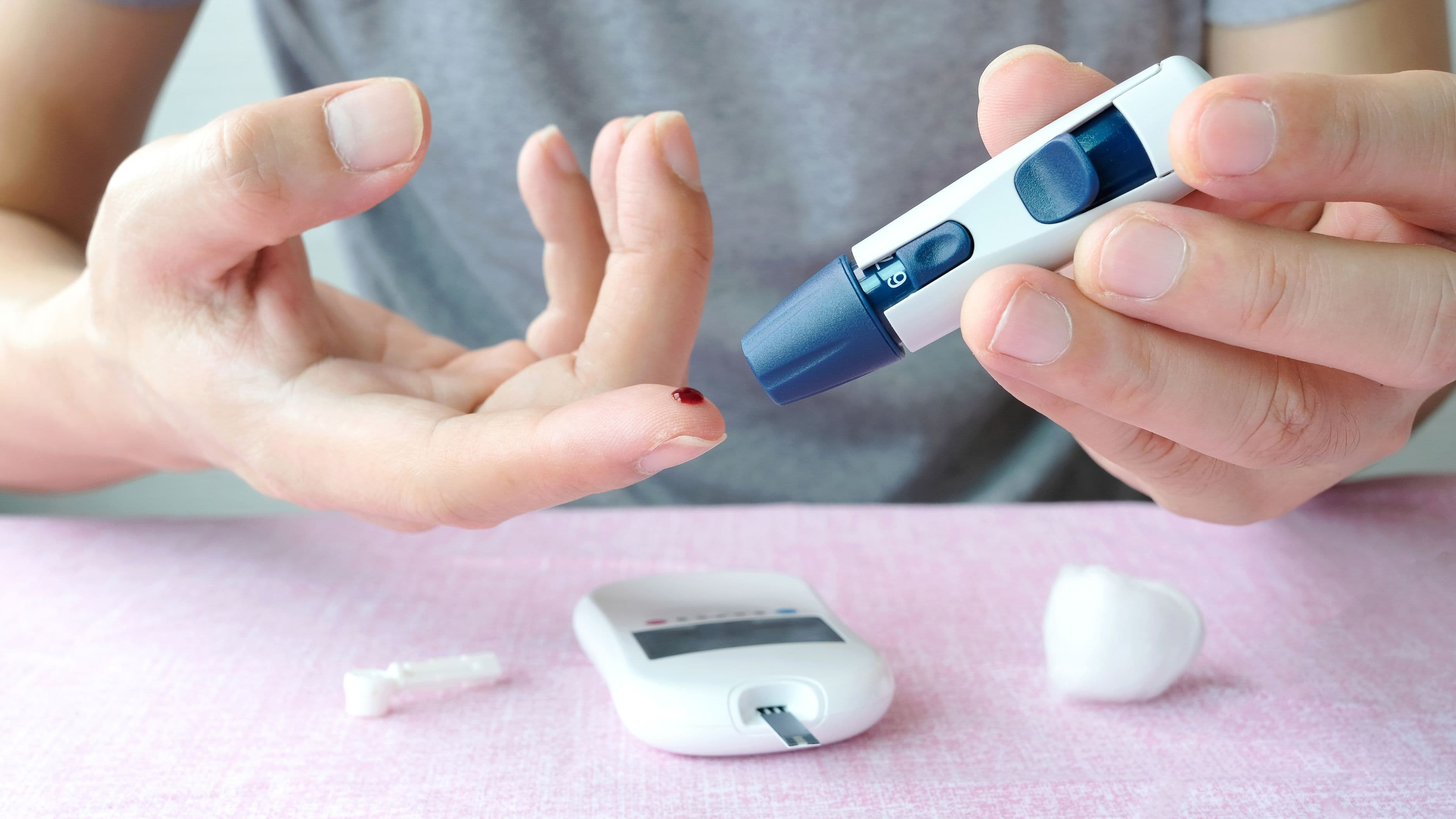
Testing the Omega-3 Index requires a simple dried blood spot test. OmegaQuant, the lab founded by William Harris himself, offers a validated direct-to-consumer test for approximately $50. Several competing labs offer similar assays. A finger-prick card is mailed to the lab, and results are returned within one to two weeks. This is worth doing before initiating supplementation, at 12 weeks after starting or adjusting a protocol, and annually thereafter.
Target is above 8%. If your baseline is below 6%, standard low-dose supplementation (1–2g EPA+DHA daily) will likely be insufficient to reach target within a reasonable timeframe. Clinical data suggests that reaching 8%+ from a low baseline often requires 3–4g of EPA+DHA daily, combined with consistent fatty fish consumption and fat co-ingestion at the time of supplementation.
Form matters for absorption. Triglyceride-form omega-3s (as found in most quality fish oils and in phospholipid-rich krill oil) are absorbed meaningfully better than ethyl ester forms (as found in most pharmaceutical and lower-cost supplement preparations). A study in the European Journal of Clinical Nutrition found triglyceride-form EPA+DHA produced significantly higher post-dose plasma concentrations than ethyl ester forms at equivalent doses. If your supplement uses ethyl ester form, your effective dose is lower than the label suggests.
Retesting at 12 weeks gives you dose-response data specific to your physiology. If you're still below 6% after three months of 3g daily, your options are to increase dose further, improve dietary context (fat with supplementation, reduced omega-6 load), or investigate FADS genotype through direct-to-consumer DNA testing.
What to Stop Doing
Stop assuming that a standard 1g fish oil softgel is doing meaningful work. The typical 1g softgel contains approximately 300mg EPA+DHA, not 1000mg. Label reading matters: look at the EPA+DHA content specifically, not the total fish oil volume.
Stop anchoring to dose once you know your Index. If you've tested and are above 8%, you may not need to increase supplementation regardless of what a protocol template suggests. If you're below 6% on 3g daily, adding more dose without addressing omega-6 load or absorption context is likely to produce diminishing returns.
Stop treating the Omega-3 Index as an optional biomarker. For cardiovascular, neurological, and inflammatory optimization – three performance-relevant domains – it is more predictive than circulating blood lipid panels for omega-3 specific outcomes, and it costs less than a standard blood panel.
Expected Timeline and Results
From a low baseline (below 4%), reaching the optimal range (above 8%) with aggressive supplementation (3–4g EPA+DHA daily in triglyceride form) typically takes 12–24 weeks. Red blood cell turnover is the rate-limiting factor – you're waiting for new erythrocytes to be produced and for their membranes to reflect your current intake. There is no shortcut to that biology.
Once at target, maintenance typically requires 2–3g daily for most men, though individual variation applies. Retest annually to confirm maintenance unless diet or supplementation changes significantly.
FAQ
Can I get my Omega-3 Index from a standard blood panel? No. Standard lipid panels do not measure Omega-3 Index. You need a specific erythrocyte fatty acid test from a lab like OmegaQuant or Cleveland HeartLab.
Is there an upper limit on Omega-3 Index to avoid? Above 11–12% is theoretically associated with increased bleeding time, though adverse clinical events from supplementation-driven high index values are not well documented. For most men, the optimization window is 8–11%.
Does krill oil raise the Omega-3 Index more efficiently than fish oil? Krill oil delivers EPA and DHA in phospholipid form rather than triglyceride form, which may offer modestly better absorption in some contexts. However, krill oil products typically contain significantly lower total EPA+DHA per gram than fish oil, so you'd need to dose higher to match equivalent intake. At equal EPA+DHA doses, the difference is meaningful but not transformative.
Should I test Omega-3 Index if I eat fatty fish regularly? Yes. Regular fatty fish consumption (two to three servings per week of salmon, mackerel, or sardines) is one of the most reliable ways to raise the index, but individual response varies. Testing confirms whether your dietary intake is translating into target membrane incorporation.
Does the form of fish oil (liquid vs. softgel) affect outcomes? Primarily the form matters in terms of triglyceride vs. ethyl ester chemistry, not liquid vs. capsule format. Quality liquid fish oils are typically in triglyceride form and may be more cost-effective at high doses, but the delivery vehicle is less important than the molecular form and total EPA+DHA content.
📚 Sources
Harris WS, von Schacky C – The Omega-3 Index: a new risk factor for death from coronary heart disease? Preventive Medicine, 2004 – https://pubmed.ncbi.nlm.nih.gov/15208005/
Bhatt DL et al – Cardiovascular Risk Reduction with Icosapentaenoic Acid (REDUCE-IT). NEJM, 2019 – https://www.nejm.org/doi/full/10.1056/NEJMoa1812792
Stark KD et al – Global survey of the omega-3 fatty acids, docosahexaenoic acid and eicosapentaenoic acid in the blood stream. Progress in Lipid Research, 2016 – https://pubmed.ncbi.nlm.nih.gov/27216485/
Dyerberg J et al – Bioavailability of marine n-3 fatty acid formulations. Prostaglandins, Leukotrienes and Essential Fatty Acids, 2010 – https://pubmed.ncbi.nlm.nih.gov/20638827/
Schuchardt JP, Hahn A – Bioavailability of long-chain omega-3 fatty acids. European Journal of Clinical Nutrition, 2013 – https://pubmed.ncbi.nlm.nih.gov/24002086/
OmegaQuant – Omega-3 Index Testing – https://omegaquant.com/omega-3-index/
Cederholm T et al – OmegAD Study: omega-3 fatty acid treatment in 174 patients with mild to moderate Alzheimer disease. Archives of Neurology, 2006 – https://pubmed.ncbi.nlm.nih.gov/17030655/