
Deep work – the kind of focused, cognitively demanding output that actually moves the needle – requires a specific neurological state. That state depends on low environmental load, predictable sensory inputs, and an absence of acoustic interruption. The research on this is not ambiguous. What is ambiguous is how most people respond to it: passive tolerance of a noisy environment rather than systematic intervention.
This protocol addresses noise as an engineering problem, not a mindset problem. The goal is a layered acoustic defense that eliminates or masks the environmental variables that fragment attention and compress your high-output work sessions.
The Science: Why Noise Destroys Cognitive Output
Noise impairs performance through two distinct mechanisms, and understanding both informs where to intervene.
The first is direct attentional capture. The auditory system is always on – it evolved as an alarm system, not a filter. Unpredictable sounds, voices, and sudden changes in acoustic environment automatically trigger an orienting response that pulls attention away from the task at hand. Each interruption costs more than the duration of the sound itself. Research from the University of California, Irvine found that it takes an average of 23 minutes to return to a task after a significant distraction – and acoustic interruptions are among the most common triggers.
The second mechanism is cognitive load imposed by background processing. Even when you're not consciously registering ambient noise, your auditory cortex is processing it continuously. This background processing competes for the same prefrontal resources that complex cognitive work requires. Speech-based noise – conversations, television, podcasts playing in another room – is particularly damaging because language processing is automatic and difficult to suppress. A 2012 study published in the Journal of Applied Psychology found that office noise, including background speech, impaired performance on complex cognitive tasks significantly more than silence, even when participants reported having "tuned it out."
Chronic noise exposure also has a hormonal consequence. Elevated ambient noise levels correlate with increased cortisol output – the stress hormone that, at chronically elevated levels, impairs prefrontal cortex function, disrupts sleep, and accelerates cognitive aging. Your noisy environment isn't just annoying. It's physiologically costly.
Protocol Phase 1: Acoustic Audit
Before you buy anything or make any changes, map your actual noise environment. This is the diagnostic step most people skip, which is why their interventions are inefficient.
Spend one full workday noting noise events: what they are, when they occur, how long they last, and how they enter your space. Categorize them:
Impact noise travels through structure – footsteps, doors closing, furniture moving. It bypasses most surface-level interventions because it conducts through walls, floors, and ceilings rather than through air. Standard acoustic foam does nothing against impact noise.
Airborne noise travels through air and penetrates walls, windows, and gaps – traffic, voices, HVAC systems, outdoor machinery. This is the category most acoustic products address.
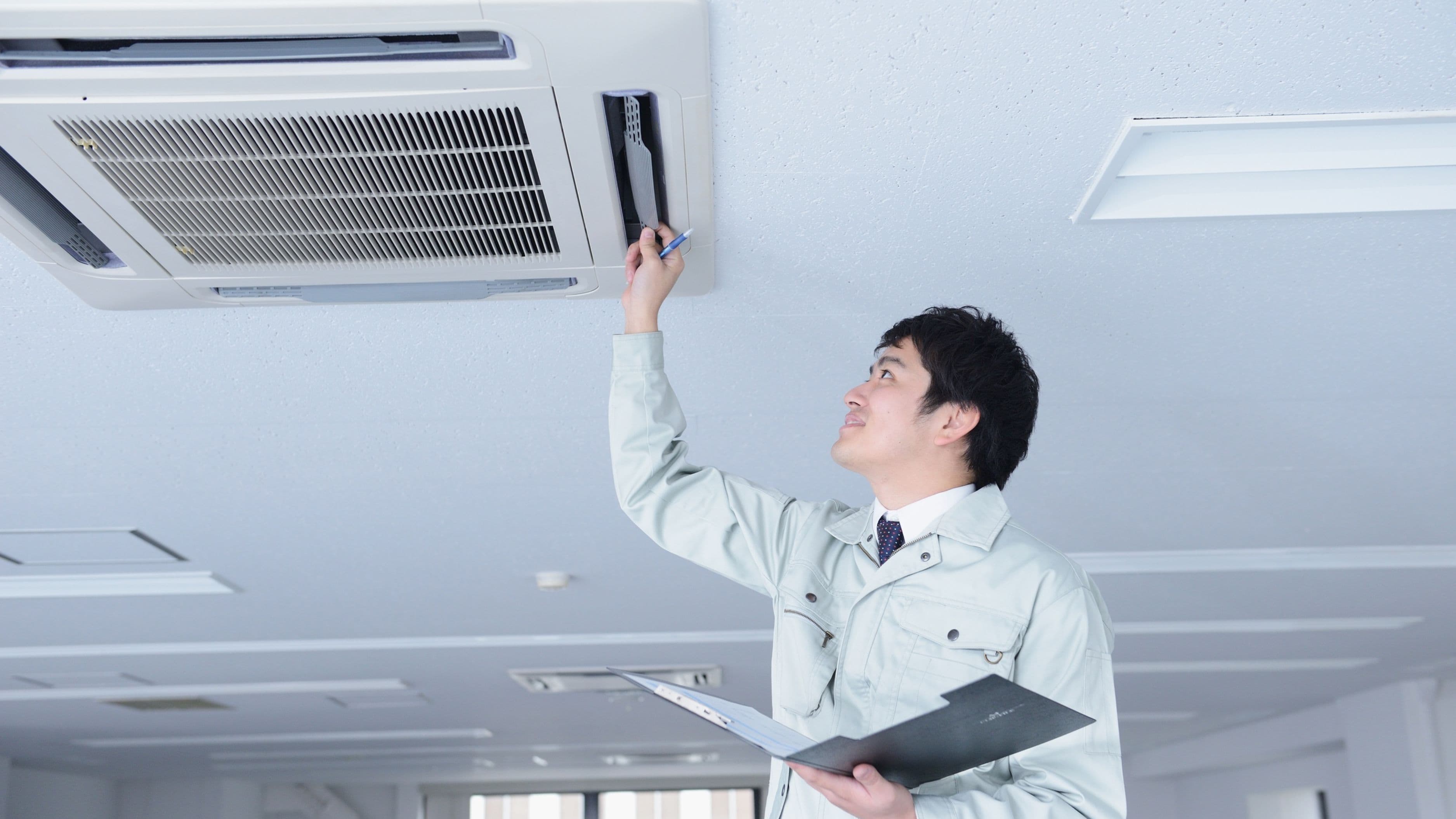
Internal noise originates within your own space – appliances, computer fans, HVAC vents, household activity from other occupants.
The distinction matters because each category requires a different intervention. Most commercially marketed "soundproofing" products address airborne noise and are largely ineffective against impact noise. Knowing what you're dealing with prevents wasted spend and explains why some interventions work dramatically and others do nothing.
Free tools like the NIOSH Sound Level Meter app (iOS) or Decibel X can give you baseline measurements of your ambient sound environment, both during quiet periods and during peak disturbance. Anything above 55 dB ambient during work hours represents a measurable cognitive performance risk.
Protocol Phase 2: Environmental Hardening (Structural)
This phase targets the room itself. Structural interventions are higher effort and higher cost but produce durable, passive results that don't require ongoing maintenance or behavioral adjustment.
Seal gaps and penetrations first. Sound follows air. Any gap that passes air also passes sound. Door sweeps, acoustic door seals, and weatherstripping around door frames are among the highest-ROI acoustic investments you can make. A hollow-core door with a 3mm gap at the bottom will undermine any other acoustic treatment in the room. Solid-core doors with full perimeter sealing make a dramatically audible difference. If your door is hollow, replacing it or adding a door sweep plus frame seal is the first structural move.
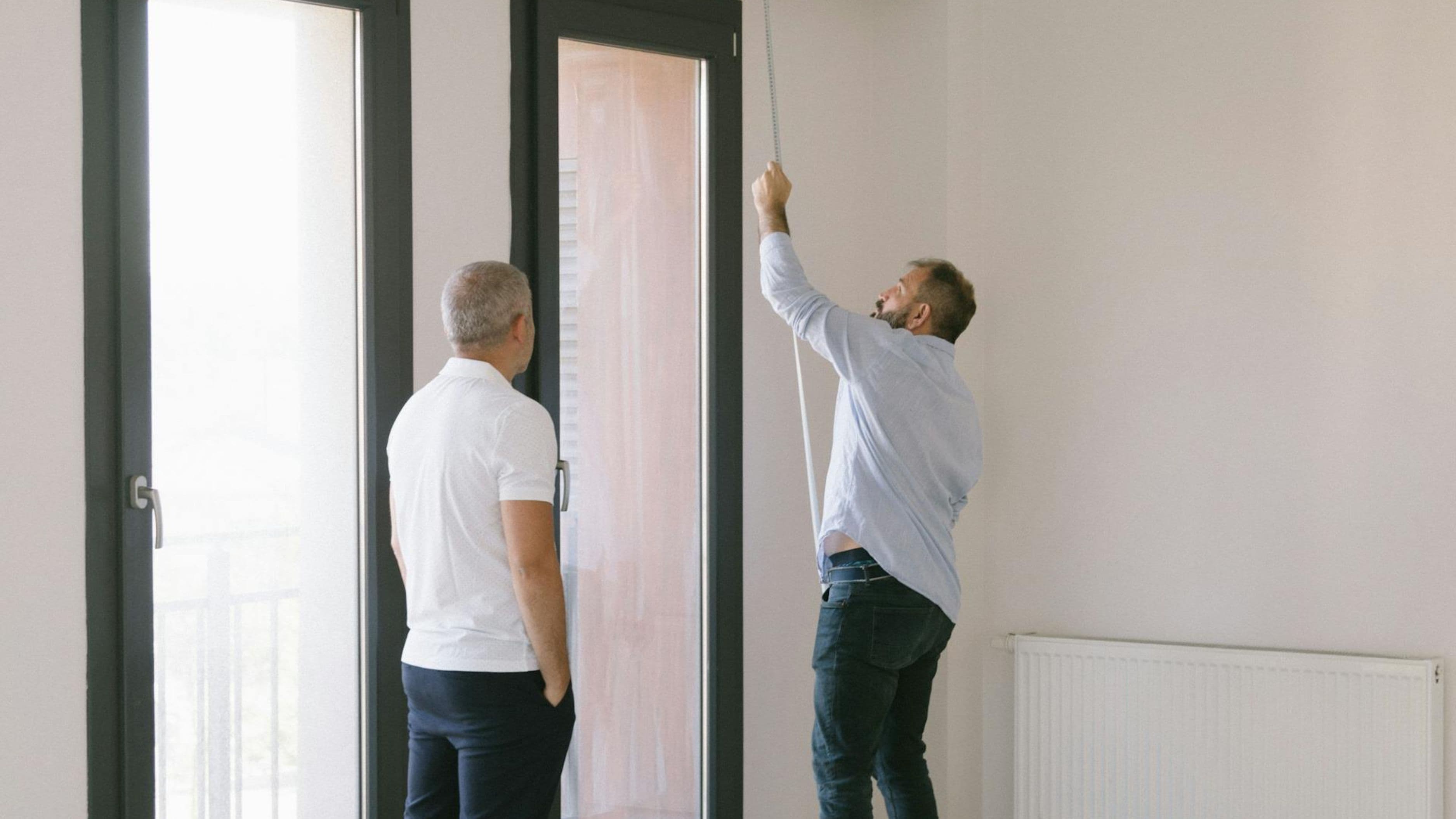
Windows are the weak link for external airborne noise. Single-pane windows are essentially acoustic membranes. Options range from acoustic window inserts (a secondary pane that fits inside the existing frame – Indow is a well-regarded manufacturer) to full window replacement with laminated glass or double-pane units. If structural window replacement isn't feasible, thick, floor-to-ceiling curtains with mass (look for STC-rated blackout curtains rather than standard fabric) provide partial mitigation and add the bonus of light control for circadian management.
Add mass to walls where possible. Sound transmission through walls is reduced by mass. In a rented space or where renovation isn't viable, bookshelves filled with books placed against shared walls provide genuine acoustic mass – this isn't folk wisdom, it's applied physics. Dense materials interrupt the vibration transfer that carries sound. In spaces you own, resilient channel decoupling during renovation is the professional approach to wall sound isolation.
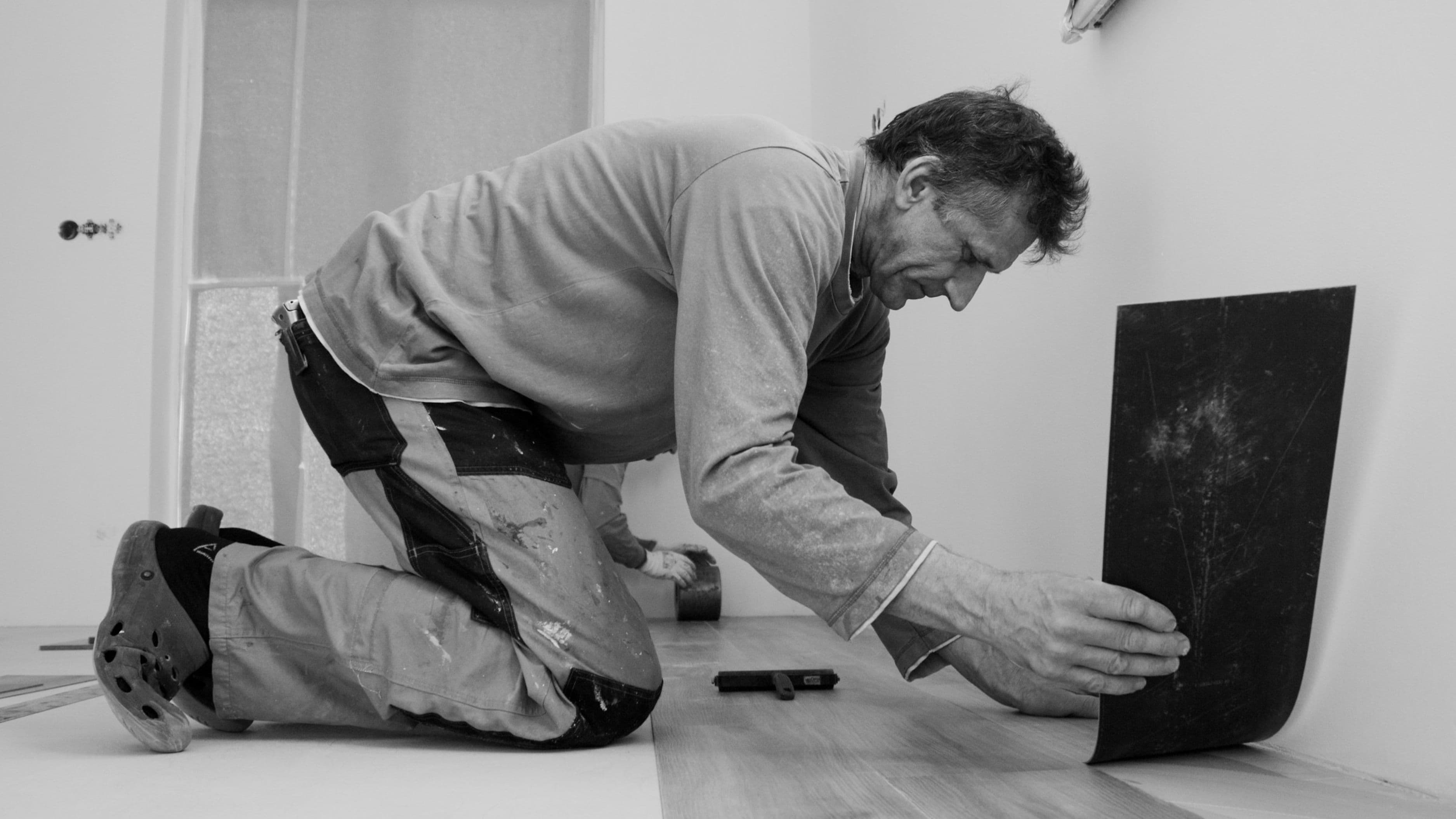
Address flooring. Hard floors transmit impact noise efficiently. Dense area rugs with thick underlayment padding reduce both the transmission of impact noise to floors below and the reverb characteristics of the room itself, which affects recording quality if that's relevant to your work.
Protocol Phase 3: In-Room Acoustic Treatment
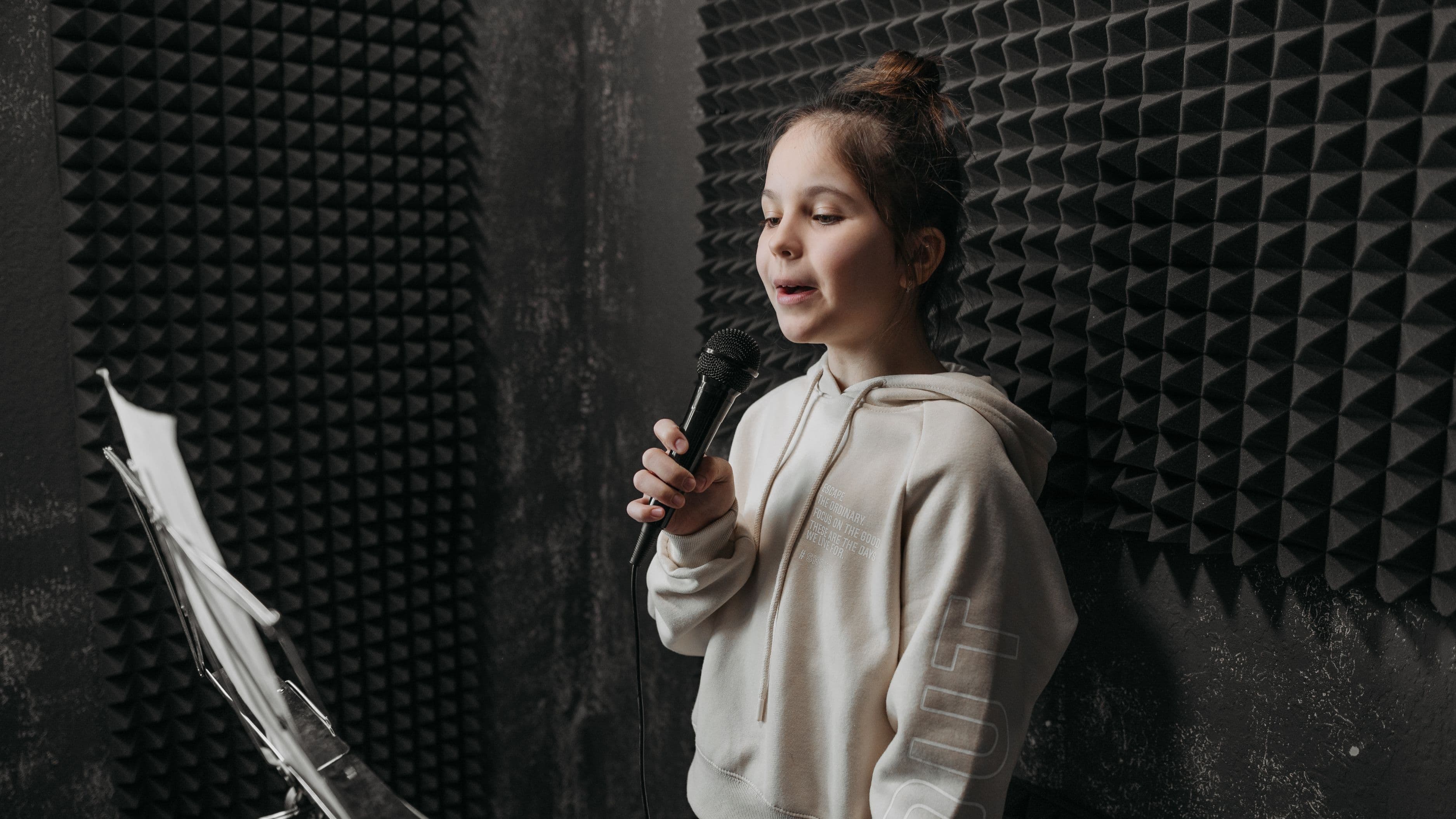
This phase addresses the acoustic character of the room itself – reverberation, flutter echo, and the way sound behaves once it's inside the space. This is distinct from soundproofing (preventing sound from entering or leaving) and is particularly relevant for video calls, voice recording, and reducing the acoustic "noise" that reflects off hard surfaces.
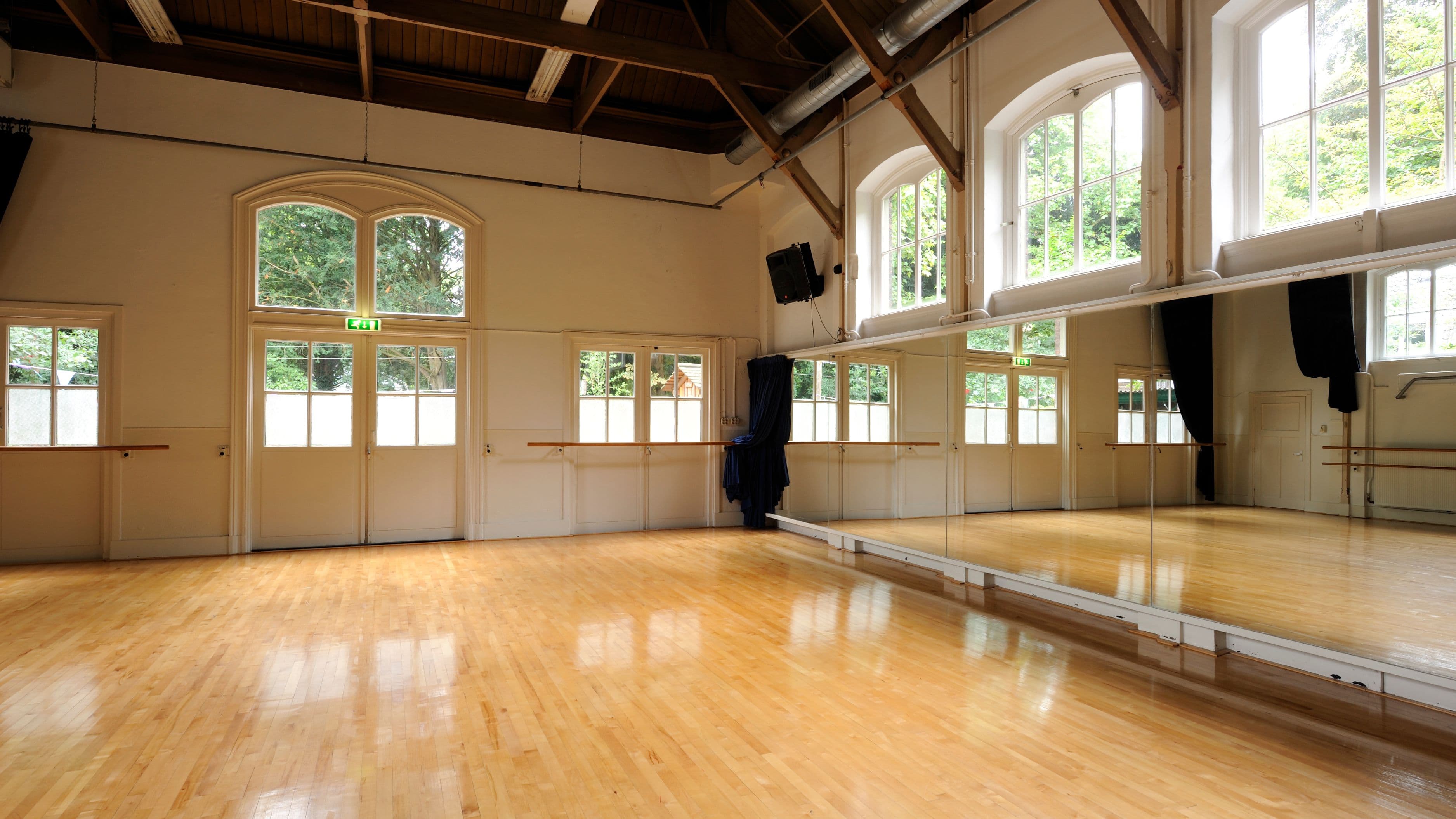
Acoustic absorption panels placed at first reflection points – the side walls adjacent to your primary workspace, the wall facing your monitor, and the ceiling above your desk – reduce reverb and create a drier acoustic environment. This reduces the cognitive load imposed by a "live" room. Panels don't need to be expensive: Rockwool Safe'n'Sound or Owens Corning 703 rigid fiberglass boards wrapped in fabric are the materials professional studios use, available from builders' merchants at a fraction of branded acoustic panel pricing.
Bass traps placed in room corners reduce low-frequency buildup that contributes to acoustic muddiness. This matters more in smaller rooms with parallel walls, which are prone to standing waves.
For most home office setups, treating 25–30% of total wall surface area provides the majority of the acoustic benefit. The point of diminishing returns arrives quickly – over-treated rooms become uncomfortably dead and can actually increase fatigue during extended work sessions.
Protocol Phase 4: Active Noise Management
Structural and treatment-based interventions handle the environment. This phase handles what's left.
Active Noise Cancellation (ANC) headphones are the most accessible and immediate intervention in the protocol. Modern ANC technology works via feedforward and feedback microphones that sample ambient noise and generate inverse acoustic waves to cancel incoming sound before it reaches the ear canal. The technology is genuinely effective against consistent, low-frequency noise – HVAC systems, traffic, airplane engines – and meaningfully reduces the cognitive load imposed by these backgrounds.
Current best-in-class options for deep work environments: the Sony WH-1000XM5 leads for passive use and music, while the Bose QuietComfort Ultra Headphones remain the standard benchmark for ANC performance in genuinely noisy environments. For those who find over-ear headphones uncomfortable for multi-hour sessions, the AirPods Pro 2 offer strong ANC in a lighter form factor. None of these eliminate speech-based noise as effectively as they handle broadband noise – that's a limitation of the technology, not a product deficiency.
Brown or pink noise played at low-to-moderate volumes (50–60 dB) can effectively mask unpredictable acoustic intrusions by raising the ambient noise floor uniformly, reducing the contrast between background and intrusion events that triggers the orienting response. Brown noise (lower frequency than white noise) is less fatiguing for extended sessions. This is distinct from music or binaural beats – the mechanism is masking via consistent spectral density, not entertainment or neurostimulation. myNoise.net allows calibrated, customizable noise profiles at no cost.
Communication protocols with household occupants are a non-technical but operationally significant variable. Deep work sessions with defined start and end times, communicated in advance and reinforced with a visible signal (closed door, do-not-disturb indicator), reduce the unpredictable acoustic interruptions that environmental interventions can't address. This is a systems-design problem, not a personal boundary conversation.
Protocol Phase 5: Scheduling and Circadian Alignment
The best acoustic environment in the world is less valuable at the wrong time of day. Cognitive peak states are circadian-governed, and scheduling your deep work to align with your natural peak concentration window compounds the impact of every environmental intervention in this protocol.
For most chronotypes, the primary peak occurs roughly 2–4 hours after waking, during the rise in core body temperature and cortisol that accompanies morning alertness. A secondary, shorter peak occurs in the early-to-mid afternoon for some individuals. Noise events also follow predictable patterns – household activity, construction, and traffic tend to cluster at specific times. Mapping your acoustic environment data from Phase 1 against your circadian performance profile identifies the windows where deep work in your specific environment is most viable.
Protecting those windows with hard scheduling – no meetings, no asynchronous communication responses, no context switching – is the operational complement to acoustic engineering. The environment sets the ceiling; your scheduling determines whether you reach it.
Expected Results and Timeline
Structural interventions (sealing, door replacement, window treatment) produce immediate, measurable changes in ambient noise levels. Expect 5–15 dB reductions from a comprehensive door and window sealing effort, which translates perceptually to a roughly 50–75% reduction in perceived noise volume given the logarithmic nature of the decibel scale.
In-room acoustic treatment effects are immediately audible as reduced reverb and echo. The cognitive benefits – reduced mental fatigue, improved perceived focus quality – are typically reported within 1–2 weeks of consistent use in a treated environment, as the nervous system recalibrates expectations.
ANC headphones produce immediate acoustic benefit. The adaptation period for brown/pink noise masking is typically 3–5 days before it becomes perceptually invisible rather than noticeable.
Combined protocol implementation typically produces reported improvements in session depth and duration within two weeks. Objective metrics – if you're tracking output quality, words per session, code commits, or similar – provide a cleaner signal than subjective perception alone.
Common Mistakes
Treating absorption as soundproofing. Acoustic foam panels reduce reverb inside a room. They do not prevent sound from entering. This is one of the most common and expensive misconceptions in home office acoustic optimization. If your primary problem is external noise, foam panels on the walls will not solve it.
Ignoring gaps and seals in favor of surface treatments. A room with unsealed door frames and single-pane windows will not be meaningfully improved by acoustic panels or heavy curtains alone. Always address penetrations before surface treatments.
Using music with lyrics during complex cognitive work. Language processing is automatic. Lyrics – even familiar ones – compete with verbal reasoning tasks for phonological loop resources in working memory. Instrumental music, brown noise, or silence are cognitively safer options for deep work.
Running ANC headphones without audio. ANC in pure noise-cancellation mode (no audio playing) can create a sensation of ear pressure for some users during extended sessions. Low-level brown noise at 45–55 dB resolves this and adds the masking benefit described above.
FAQ
Does acoustic foam actually work for a home office? Acoustic foam reduces reverberation and flutter echo within a room, which improves the acoustic character of your space and reduces fatigue from listening. It does not block external noise. If your primary problem is noise entering from outside or adjacent rooms, acoustic foam is the wrong intervention. Address the room's envelope first.
What's the most cost-effective first step if budget is limited? Door sealing. A quality door sweep plus acoustic foam tape around the door frame costs under $40 and can produce a 5–10 dB reduction in intrusive noise from adjacent spaces. Combined with a pair of ANC headphones in the $150–$300 range, this addresses the majority of common deep work noise problems for most home environments.
Are noise-cancelling earbuds as effective as over-ear headphones for ANC? Not quite. Over-ear headphones provide passive attenuation from the ear cup seal in addition to active cancellation, which compounds the total noise reduction. Earbuds rely primarily on the ANC circuit and the ear tip seal. The gap has narrowed with recent generations, but over-ear options still outperform in genuinely noisy environments.
Does brown noise actually improve focus, or is it placebo? The mechanism is acoustic masking – it raises the noise floor uniformly, reducing the perceptual contrast of intrusive sounds. Whether there are additional direct cognitive effects beyond masking is less well-established. The masking benefit alone is sufficient justification for use.
Is it worth soundproofing a rental apartment? Most high-impact structural interventions (decoupled walls, window replacement) aren't viable in rentals. Focus on reversible interventions: door sweeps and frame seals, acoustic window inserts, area rugs with underlayment, portable absorption panels, and active solutions (ANC headphones, noise masking). This stack can meaningfully improve a rental acoustic environment without structural modification.
📚 Sources
Mark, G., Gudith, D., & Klocke, U. (2008) – The Cost of Interrupted Work: More Speed and Stress. University of California, Irvine: https://www.ics.uci.edu/~gmark/chi08-mark.pdf
Banbury, S.P., & Berry, D.C. (2005) – Office Noise and Employee Concentration. Journal of Applied Psychology: https://psycnet.apa.org/record/2005-04886-011
WHO – Environmental Noise Guidelines for the European Region: https://www.who.int/publications/i/item/9789289053563
NIOSH – Noise and Hearing Loss Prevention: https://www.cdc.gov/niosh/topics/noise/default.html
Stansfeld, S.A., & Matheson, M.P. (2003) – Noise Pollution: Non-Auditory Effects on Health. British Medical Bulletin: https://academic.oup.com/bmb/article/68/1/243/341809