


The premise is straightforward. Your cortisol curve, sleep architecture, HRV trend, and chronotype all determine what interventions will produce the highest return in the first 90 minutes of your day. Ignoring that data and following a generic protocol is the equivalent of training blindfolded. You might hit something, but you're leaving serious performance on the table.
This guide covers how to construct a morning stack from the ground up using wearable data, metabolic signals, and established physiological mechanisms – and how to iterate it over time.
Step 1: Establish Your Baseline Data
Before you add a single intervention, you need three weeks of clean baseline data. This is non-negotiable. Building a stack on top of an uncharacterized system produces noise, not signal.
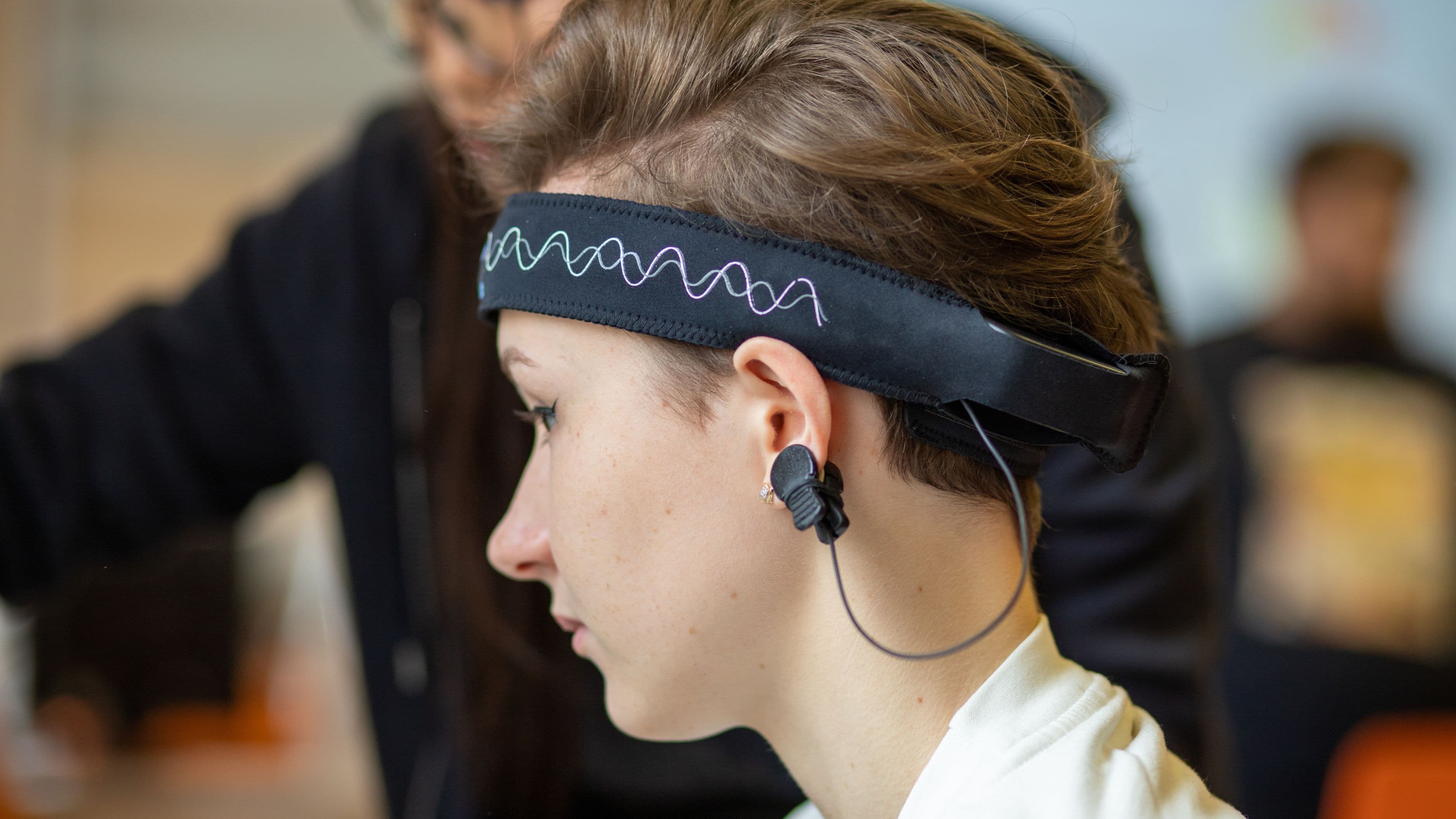
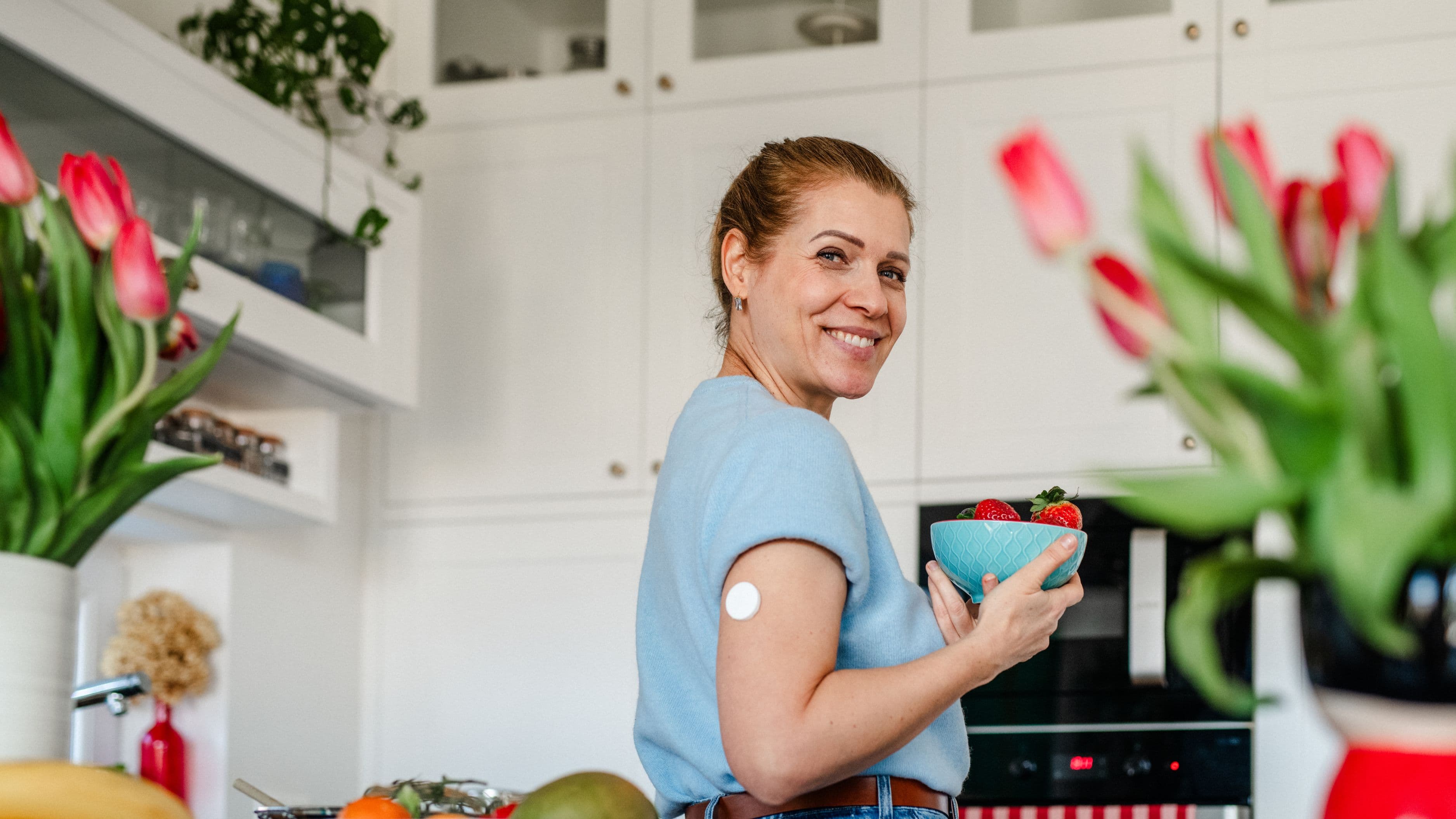
The minimum viable data set requires a wearable capable of tracking HRV, resting heart rate, sleep staging, and SpO2. Devices in the Oura Ring, WHOOP 4.0, and Garmin fēnix/Epix lines give you the resolution you need. Fitbit and basic Apple Watch models are insufficient for this purpose – their HRV measurement methodology is inconsistent and their sleep staging algorithms are less validated. CGM (continuous glucose monitor) data during this baseline period is valuable if you have access, particularly if you want to understand your fasting glucose trajectory and post-wake glucose response before introducing interventions.
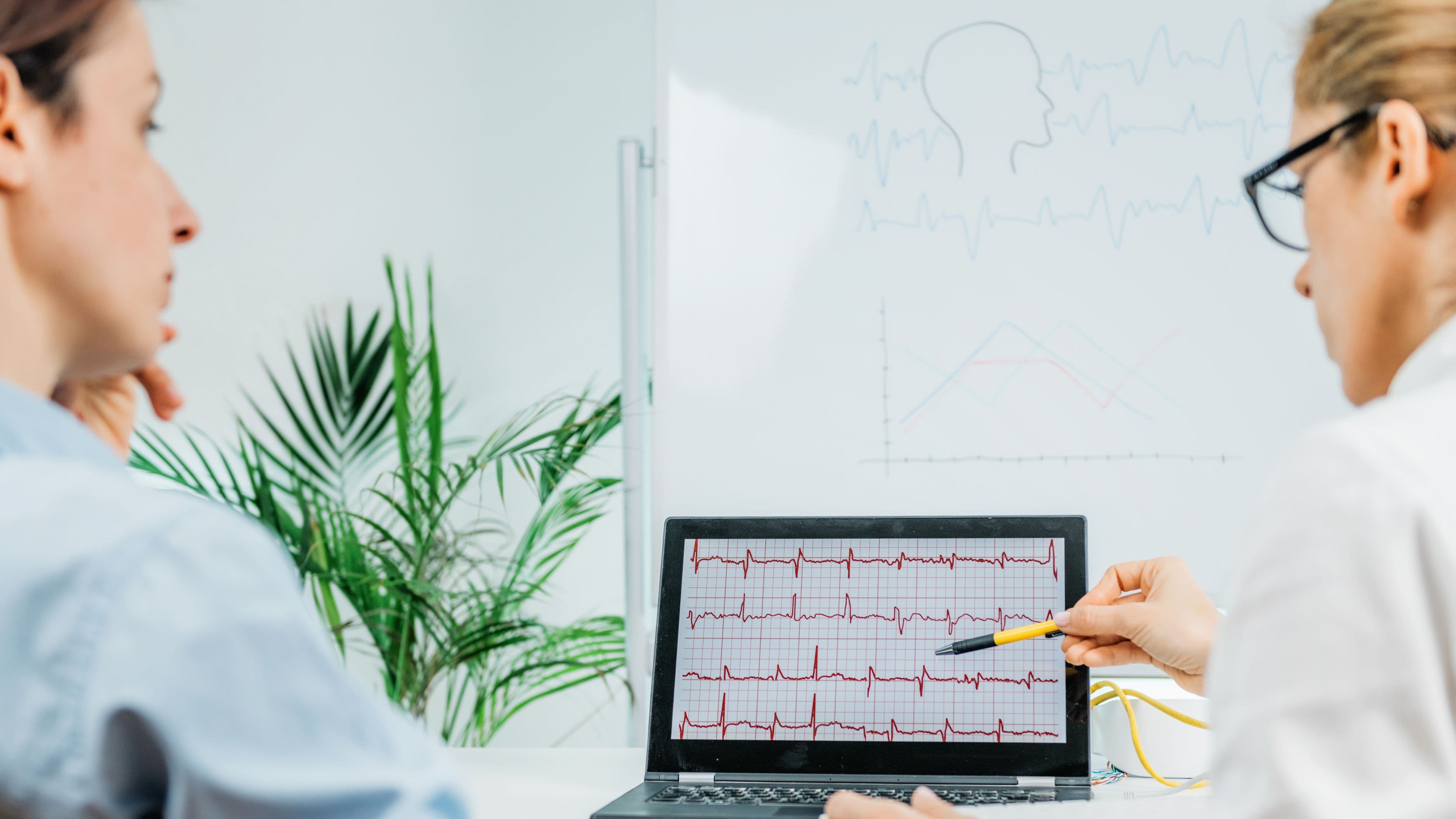
Track the following each morning during your baseline window: HRV on waking (provided by your device), subjective energy on a 1–10 scale logged before checking your phone, and any notes on sleep quality, alcohol, late eating, or stress the prior evening. Three weeks gives you enough data points to identify your personal norms and begin seeing correlations. Without this, you're flying blind.
Step 2: Identify Your Chronotype and Cortisol Window
Your chronotype – the biological timing of your sleep-wake preference – determines when your cortisol awakening response (CAR) peaks and when your cognitive performance window opens. This is not a preference. It's a measurable physiological reality driven by circadian rhythm genetics, primarily variants in the PER3 gene.
The CAR is a sharp rise in cortisol that occurs in the 30–45 minutes following waking, representing a 50–100% increase above baseline. This spike serves a functional purpose: it primes alertness, mobilizes energy substrates, and prepares the neuroendocrine system for the demands of the day. Intervening correctly during this window amplifies those effects. Intervening incorrectly – particularly with exogenous cortisol modulators or heavy carbohydrate loading – blunts it.
If you're tracking with Oura or WHOOP, your chronotype estimate is built into the platform. For a more precise picture, the Munich ChronoType Questionnaire (MCTQ) is validated and free. Morning-types (chronotypes peaking pre-8 AM) will have their cognitive performance window open within 30–60 minutes of waking. Evening-types are often 60–120 minutes behind. Designing your stack around peak cortisol rather than against it is the first structural decision you make.
Step 3: Structure the Stack by Physiological Phase
A high-performance morning operates in distinct physiological phases, each with its own optimization target. The mistake most people make is treating the morning as a single undifferentiated block rather than a sequence of windows with different biological priorities.
Phase 1 – Circadian Anchoring (Minutes 0–15)
The first intervention in any evidence-based morning stack is bright light exposure, and it has nothing to do with productivity culture. Photons hitting the retina – specifically the intrinsically photosensitive retinal ganglion cells that feed the suprachiasmatic nucleus – suppress melatonin, advance the circadian phase, and signal the hypothalamus to begin the cortisol cascade. The mechanism is well-established: morning light anchors your circadian clock, which in turn synchronizes every downstream hormonal rhythm including testosterone, cortisol, and growth hormone secretion timing.
The effective dose is 10,000 lux for 10 minutes, or natural sunlight within 30 minutes of waking if you have access. Overcast outdoor light still delivers 10,000–50,000 lux. An indoor lightbox (Carex, Verilux, or similar 10,000 lux devices) works if outdoor access is limited. Phone screens deliver approximately 500–800 lux at arm's length – that's not a substitute. If your wearable data shows HRV trends declining over time or sleep quality degrading mid-week, inconsistent morning light is often the first variable to examine.
Phase 2 – Cortisol Amplification (Minutes 15–60)
Cold water exposure is the most validated acute cortisol and norepinephrine amplifier available without a prescription. A 2–3 minute cold shower at or below 60°F (15°C) produces a documented 2–3x increase in norepinephrine and a significant cortisol spike that stacks with the natural CAR. The research from Rhonda Patrick's work, as well as studies published in PLOS ONE on cold water immersion, consistently shows acute increases in alertness, mood, and sympathetic nervous system activation without the blunted recovery profile associated with chronic high-cortisol states.
The application is straightforward: end your shower with 2–3 minutes of cold, or use a cold plunge if available. The key variable is temperature consistency, not duration. More than 3 minutes at this phase does not meaningfully increase the norepinephrine response and begins to shift the recovery cost upward. Track subjective energy post-intervention on your 1–10 scale. If your HRV trend holds or improves on days you include cold exposure versus days you skip it, you have individual confirmation the intervention is working.
Phase 3 – Cognitive Priming (Minutes 45–90)
This is where most data-informed stacks diverge significantly based on individual response, which is why the baseline data from Step 1 matters. The core interventions here are caffeine timing, targeted supplementation, and – for those who train in the morning – pre-workout nutrition.
Caffeine has a well-documented mechanism: adenosine receptor antagonism. It doesn't generate energy; it blocks the perception of accumulated adenosine-driven fatigue. The critical variable most people ignore is adenosine clearance timing. Consuming caffeine immediately upon waking – while adenosine receptors are still largely unoccupied – produces a shorter, less effective stimulant window and a sharper afternoon crash. Delaying caffeine intake by 90–120 minutes post-waking allows adenosine to begin accumulating naturally, at which point receptor antagonism produces a longer, more stable alertness window. This is not a minor difference. Neuroscientist Andrew Huberman's work on caffeine timing has popularized this protocol, and the underlying pharmacology supports it.
Dosing is individual but the effective range for most users is 100–200 mg. If your CGM data shows high fasting glucose variability or your wearable HRV is trending low, caffeine dose reduction is often the correct adjustment before adding other interventions.
Step 4: Evaluate Supplementation Against Your Data
Supplementation in a data-driven stack is not about adding what sounds good – it's about identifying specific deficiencies or performance gaps that your data surfaces and addressing those precisely.
Magnesium glycinate (300–400 mg) taken the prior evening is relevant here because magnesium deficiency – present in an estimated 50% of the population – directly suppresses HRV and disrupts sleep architecture. If your baseline data shows poor deep sleep staging and low morning HRV, a magnesium trial for 3–4 weeks with before/after HRV comparison is a high-signal experiment. Retest in the same conditions.
Vitamin D3/K2 is similarly foundational. Deficiency – defined as serum 25(OH)D below 30 ng/mL – correlates with suppressed testosterone, impaired immune function, and diminished mood stability. Get a serum test before supplementing. Dosing without data is guesswork. If you're confirmed deficient, standard repletion is 5,000 IU D3 with 100 mcg K2 (MK-7 form) daily, with a retest at 90 days.
Adaptogens including Ashwagandha (KSM-66 extract, 300–600 mg) have demonstrated HRV-supportive and cortisol-modulating effects in RCT data. The mechanism is primarily via modulation of the HPA axis. If your baseline cortisol pattern shows a blunted CAR or your wearable data suggests chronic stress load (low HRV, elevated resting heart rate trend), an Ashwagandha trial with HRV tracking is worthwhile. Note: Ashwagandha can suppress thyroid hormone production at higher doses in susceptible individuals. Monitor accordingly if you have thyroid concerns.
Avoid stacking interventions simultaneously. Add one variable at a time, run it for 3–4 weeks, observe the wearable data response, then decide whether to keep, modify, or remove it. Stacking five new supplements at once makes it impossible to attribute outcome to cause.
Step 5: Integrate Training Timing Into the Stack
If you train in the morning, training timing intersects directly with the cortisol curve and testosterone secretion. Peak testosterone in men occurs approximately 30–60 minutes after waking, driven by the early morning LH pulse. Training in this window – roughly 7–9 AM for a typical chronotype – takes advantage of elevated anabolic hormone availability. Multiple studies confirm higher strength output and training volume in morning sessions aligned with this hormonal peak versus evening training, though the magnitude of the effect varies individually.
Pre-training nutrition in a data-driven stack depends on your CGM baseline data and training goals. For fat oxidation priority or metabolic flexibility work, fasted training with coffee and no caloric intake is supported by the literature and produces a distinct metabolic adaptation over time. For maximum strength and power output, 20–40 g protein with 30–50 g carbohydrate 45–60 minutes pre-session optimizes muscle protein synthesis signaling and substrate availability. If your CGM shows high post-meal glucose spikes, leaning toward protein and fat in the pre-training window and timing carbohydrates closer to the session reduces glucose variability without sacrificing performance.
Expected Results and Timeline
Realistic expectations matter. A well-constructed data-driven morning stack will not produce dramatic changes in week one. The circadian anchoring effects of consistent morning light accumulate over 2–3 weeks before full rhythm entrainment solidifies. HRV adaptation to cold exposure typically shows measurable trend improvement at 3–4 weeks of consistent application. Supplement trials require 3–4 weeks minimum to distinguish signal from noise.
Expect to see meaningful HRV trend improvement (5–15% increase in 7-day average), more consistent sleep staging (particularly reduced REM fragmentation), and stable subjective energy scores by week 4–6 of a well-structured stack. If your wearable data shows no improvement in those metrics after 8 weeks, one of three things is true: the intervention is wrong for your biology, there's an upstream variable suppressing adaptation (sleep debt, alcohol, chronic under-fueling), or your baseline data wasn't clean enough to detect the change.
Common Mistakes
The most common error is over-stacking without baselines. People add light therapy, cold exposure, caffeine optimization, five supplements, and morning exercise simultaneously, see some improvement, and have no idea what's actually driving it – or what to cut when something starts degrading.
The second most common error is ignoring recovery metrics. A morning stack optimized for output while sleep quality is deteriorating is counterproductive. If your wearable is showing declining HRV trend alongside the stack you've built, the first thing to evaluate is sleep, not the morning protocol.
Finally: do not conflate consistency with optimization. Running the same stack every day regardless of what your data shows is not data-driven. On days where HRV is significantly below your 7-day baseline (typically more than 1 standard deviation below your norm), attenuate the intensity of cortisol amplification interventions. Cold exposure, high caffeine, and high-intensity training on a suppressed HRV day compounds stress load rather than building capacity.
FAQ
What wearable gives the most accurate HRV data for this protocol? Oura Ring Gen 3 and WHOOP 4.0 are currently the most validated consumer devices for resting HRV measurement, with the Oura's overnight average being particularly reliable due to consistent measurement conditions. Garmin devices using Firstbeat algorithms are also solid. Chest strap ECG (Polar H10) remains the gold standard for accuracy but is less practical for passive overnight tracking.
Should I delay eating as part of the morning stack? This depends on your training schedule and CGM data. If you're not training and your fasting glucose is stable, delaying the first meal 1–2 hours post-waking while allowing cortisol to peak naturally has supporting evidence for metabolic flexibility. If your fasting glucose trends high or you experience morning energy instability, earlier protein intake is warranted.
How do I know if cold exposure is working for me specifically? Compare your 7-day HRV average and subjective energy scores on weeks where you applied cold exposure consistently versus weeks where you skipped it. If you see no measurable difference across 4+ weeks of consistent tracking, cold exposure may not be a high-signal intervention for your particular physiology. Not everyone responds identically.
Can I run this protocol without a CGM? Yes. A CGM adds resolution to the nutrition and timing components but is not required to build an effective stack. Wearable HRV data, sleep staging, and subjective scoring give you sufficient signal to design and iterate a solid protocol without glucose data.
When should I reassess and rebuild the stack? Conduct a full stack audit every 90 days. Pull your wearable trend data, compare your current HRV, sleep, and energy baselines to your pre-stack baseline, and evaluate which interventions are still producing measurable signal versus which have become baseline maintenance. High-performers treat their protocols as living documents, not fixed routines.
📚 Sources
Wüst S. et al. – The cortisol awakening response: Normal values and confounds. Noise & Health, 2000: https://pubmed.ncbi.nlm.nih.gov/12689474/
Espelund U. et al. – Circadian rhythm of serum testosterone in healthy men. JCEM, 2005: https://pubmed.ncbi.nlm.nih.gov/15827094/
Shevchuk N.A. – Adapted cold shower as a potential treatment for depression. Medical Hypotheses, 2008: https://pubmed.ncbi.nlm.nih.gov/17993252/
Chandrasekhar K. et al. – A prospective, randomized double-blind study of KSM-66 Ashwagandha. Indian J Psychol Med, 2012: https://pubmed.ncbi.nlm.nih.gov/23439798/
Holick M.F. – Vitamin D deficiency. New England Journal of Medicine, 2007: https://pubmed.ncbi.nlm.nih.gov/17634462/
Wright K.P. et al. – Entrainment of the human circadian clock to the natural light-dark cycle. Current Biology, 2013: https://www.cell.com/current-biology/fulltext/S0960-9822(13)00764-1