


A growing subset of performance-focused individuals are using low-dose nicotine – typically 1–2mg via gum, lozenge, or patch – as a targeted cognitive tool rather than a habitual stimulant. The research supporting its nootropic effects is more substantial than most people expect. The risks and limitations are also more significant than the biohacking community sometimes acknowledges. Both deserve a clear-eyed look.
The Mechanism: Why Nicotine Affects Cognition
Nicotine's cognitive effects are driven primarily by its action on nicotinic acetylcholine receptors (nAChRs) throughout the brain. It binds to these receptors with high affinity and triggers downstream release of acetylcholine, dopamine, norepinephrine, and to a lesser extent serotonin and glutamate. The specific cognitive profile this produces depends on dose, delivery method, and individual receptor sensitivity.
At low doses, the dominant effects are increases in attention, processing speed, and working memory capacity. The mechanism is reasonably well understood: activation of α4β2 nAChRs in the prefrontal cortex enhances signal-to-noise ratio in neural circuits involved in sustained attention and executive function. This is the same receptor subtype that degrades with age and is implicated in the cognitive decline associated with Alzheimer's disease – which is part of why nicotinic receptor agonists have been studied as potential neuroprotective agents.
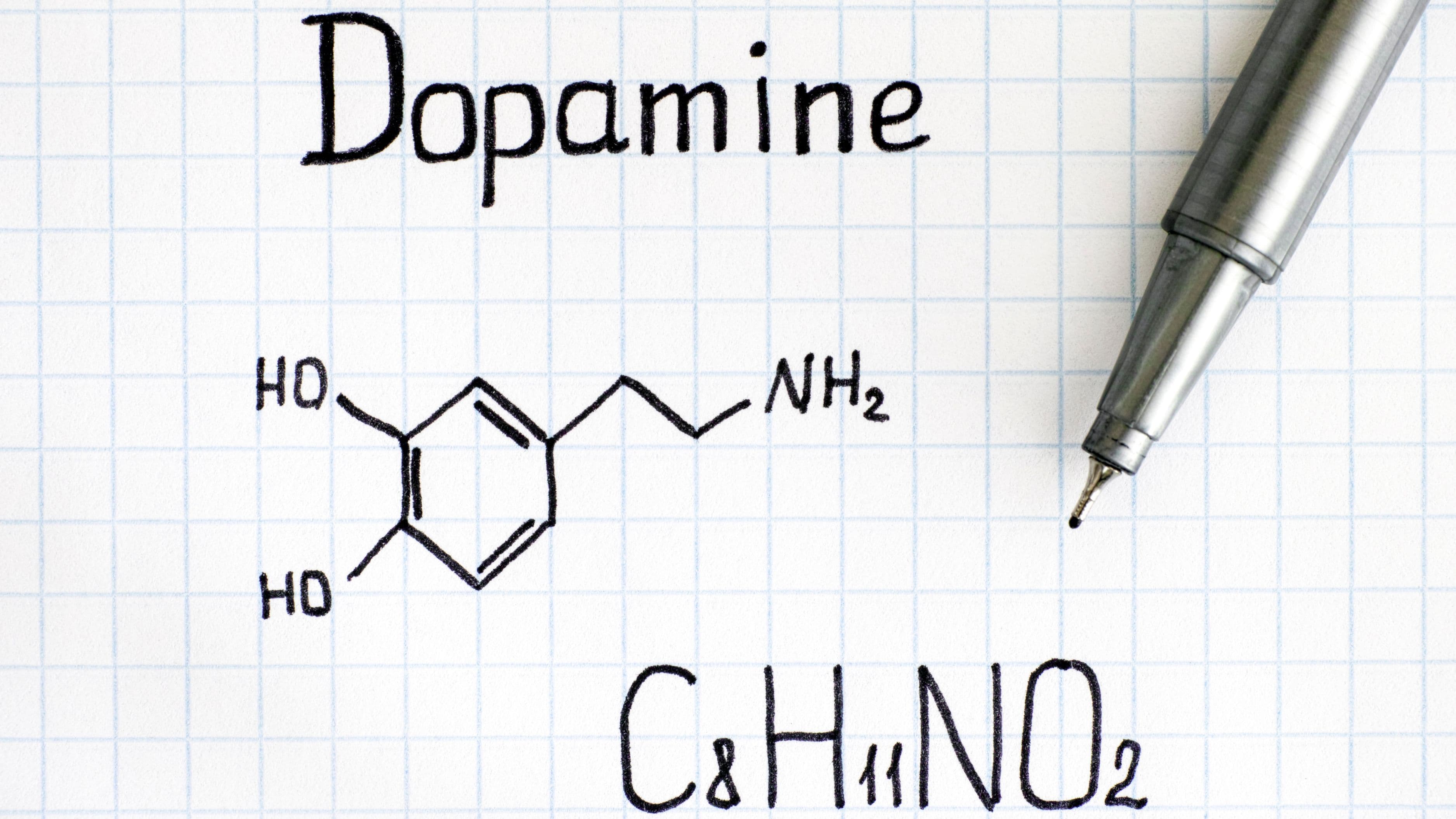
Nicotine also produces a modest but real increase in dopamine release in the nucleus accumbens and prefrontal cortex, which contributes to its motivating and alerting effects. This is also where the dependency risk originates. The dopaminergic component is what drives repeated use and, over time, downregulates baseline dopamine sensitivity in ways that become counterproductive. Understanding this mechanism is essential for using nicotine intelligently rather than habitually.
The norepinephrine component adds an alerting, arousal-promoting effect that is distinct from caffeine's adenosine-blocking mechanism. The two compounds are often compared, but they operate through different systems and produce qualitatively different experiences. Nicotine's attention-enhancement tends to feel sharper and more focused than caffeine's broader stimulant effect, with less of the anxiogenic and cardiovascular load at equivalent doses.
What the Research Actually Shows
The literature on nicotine and cognitive performance is more robust than it tends to receive credit for, partly because much of the early research was conducted in the context of smoking or nicotine addiction rather than as clean assessments of cognitive pharmacology.
A meta-analysis published in Psychopharmacology by Heishman et al. (2010) examined 41 studies on nicotine's effects across six cognitive domains. The analysis found statistically significant improvements in fine motor performance, alerting attention accuracy, response time, short-term episodic memory, and working memory. These effects were observed in both smokers and non-smokers, which is important – it confirms that the cognitive benefits are not simply relief from nicotine withdrawal but represent a genuine pharmacological effect.
Research from the University of Surrey and other groups has specifically examined transdermal nicotine patches in non-smoking populations and found consistent improvements in sustained attention tasks, with effect sizes comparable to low doses of methylphenidate in some paradigms. The effect is dose-dependent up to approximately 7–10mg transdermal delivery, above which the benefits plateau and adverse effects increase.
Work from Duke University has examined nicotine's effects on ADHD-like inattention in adults and found meaningful improvements in sustained attention, inhibitory control, and reaction time variability. This isn't clinical evidence that nicotine treats ADHD – the study designs don't support that conclusion – but it does indicate that nicotine's attentional effects are robust enough to show up in populations with genuine attentional deficits, not just enhancement above an already-high baseline.
The picture that emerges from the better-designed studies is that low-dose nicotine reliably improves specific cognitive functions – primarily sustained attention, working memory, and processing speed – in the short term. The effect is real, replicable, and mechanistically explained. What the research also shows clearly, however, is that tolerance develops relatively quickly and that the risk-benefit calculus changes substantially with regular use.
Delivery Methods and Dosing
The delivery method matters more than most people appreciate because it determines onset speed, peak plasma concentration, duration, and the intensity of the dopaminergic spike – which directly influences addiction potential.
Nicotine gum (1–2mg) is the most controllable option for cognitive use. Onset is 15–30 minutes via buccal absorption, peak plasma concentration is moderate, and the slow absorption reduces the sharp dopaminergic spike associated with higher-risk delivery methods. The 1mg dose is at the lower end of what produces measurable cognitive effects; 2mg is more reliable for attention enhancement. Use should be limited to specific high-demand cognitive windows rather than throughout the day.
Nicotine patches (7mg transdermal) produce slower onset (1–2 hours to measurable plasma concentration), lower peak levels, and significantly reduced dopaminergic spiking compared to faster delivery methods. This makes them the lowest-risk option for addiction potential. They're less useful for acute, on-demand cognitive enhancement but have been used effectively as a sustained background attentional support, particularly for long work blocks. The standard 7mg patch worn for 4–6 hours rather than the full 24 hours is a common protocol among performance users.
Nicotine pouches (e.g., Zyn, On! in 3mg) have a similar absorption profile to gum but are more convenient and don't require chewing. The 3mg version sits at the upper edge of a useful microdose range. These have become increasingly popular among performance-focused users but are worth treating with the same caution as gum – time-restricted use only, no daily habit.
Nicotine lozenges follow similar pharmacokinetics to gum. The 1–2mg options are appropriate for cognitive use; the 4mg versions used in smoking cessation protocols are higher than necessary and increase the side-effect profile.
What to avoid entirely in the context of cognitive optimization: vaping, nicotine inhalers, and any combustible delivery. Vaping delivers nicotine with a rapid absorption profile similar to smoking, produces a sharp dopaminergic spike, and substantially increases addiction risk. The lung health data on vaping is also considerably less clean than the biohacking community often acknowledges.
A Practical Protocol
The following represents how controlled nicotine use for cognitive enhancement is typically structured by performance-oriented users. This is not a clinical recommendation – it's a documentation of evidence-informed practice.
Frequency: No more than 2–3 times per week. Daily use is where tolerance, dependence, and baseline cognitive degradation begin to compound. The value of nicotine as a cognitive tool is contingent on receptor sensitivity remaining intact, which requires sufficient time between doses for nAChR upregulation to restore baseline.
Dose: 1–2mg via gum, lozenge, or pouch. Start at 1mg to assess individual sensitivity. Some people experience significant nausea or dizziness at 2mg on first use, particularly if physically active or not seated. These effects diminish with subsequent use but are a signal to keep the dose conservative.
Timing: Use specifically for high-demand cognitive work – complex problem-solving, extended writing sessions, deep work blocks requiring sustained concentration. Using nicotine for tasks that don't require the attention enhancement adds exposure with no meaningful benefit.
Stacking: Nicotine pairs reasonably well with caffeine. The mechanisms are complementary – caffeine's adenosine blockade addresses fatigue-related attentional impairment while nicotine's nAChR activation enhances signal-to-noise in prefrontal circuits. Keep caffeine dose conservative when combining (100–150mg) to avoid excessive cardiovascular or anxiogenic load.
Cycling: Use for a maximum of 3–4 consecutive weeks, then take a full week off. This prevents receptor downregulation from becoming chronic and maintains the cognitive effect size. If you notice the performance benefit diminishing within a use cycle, extend the break period.
The Limits: What Nicotine Doesn't Do and What It Costs
The case for nicotine as a cognitive tool is real. The limits are also real, and they're underemphasized in performance communities that have adopted it enthusiastically.
Tolerance is faster than most people expect. The cognitive enhancement from nicotine is most pronounced in naive users and degrades meaningfully with regular exposure. Within 2–3 weeks of daily use, the performance benefits in non-smokers have been shown to approach baseline, while the physiological dependence continues to develop. The compound becomes less effective as a cognitive tool at precisely the rate that it becomes harder to stop using.
Nicotine is addictive. This is not a peripheral risk – it's central to the pharmacology. The dopaminergic component that contributes to nicotine's alerting and motivating effects is the same component that drives compulsive use. A disciplined person with a clear protocol and no prior nicotine history can use it without developing dependence, but the margin for error is smaller than with most nootropics. Individuals with any history of substance dependence, addictive behavior, or impulsivity should apply significantly more caution or avoid it entirely.
Cardiovascular effects accumulate. Nicotine is a vasoconstrictor. Acute use raises heart rate and blood pressure modestly, effects that are well-tolerated in healthy individuals at low doses. With regular use, these effects contribute to endothelial stress and increased cardiovascular risk over time. The cardiovascular risk profile of nicotine separated from tobacco is substantially lower than smoking, but it is not zero, particularly in individuals with existing cardiovascular risk factors.
Nicotine impairs sleep quality. Even relatively low doses used earlier in the day have been shown to reduce slow-wave sleep and increase nighttime waking in some individuals. For anyone optimizing sleep as a performance lever – which should be everyone on this site – this is a meaningful cost that has to be weighed honestly against the daytime cognitive benefit.
The ceiling is relatively low. Nicotine is not a transformative cognitive enhancer. At appropriate doses it produces measurable, useful improvements in attention and working memory. It does not enhance creativity, fluid intelligence, or complex reasoning in ways that go beyond what better sleep, deliberate practice, or other lifestyle factors would produce. It is a useful, specific tool – not a significant cognitive upgrade.
Who Should Not Use Nicotine for Performance
Several categories should treat nicotine as off-limits or close to it, regardless of its nootropic properties.
Anyone with a history of nicotine dependence or tobacco use is at substantially elevated risk of reinstatement and should not experiment with "controlled" nicotine use for cognitive purposes. The receptor sensitization from prior use makes the addiction risk qualitatively different from that of a naive user.
Anyone under 25 should avoid it entirely. Nicotinic receptor systems are still developing through the mid-twenties, and nicotine exposure during this window produces lasting changes in prefrontal circuit function that are not in the direction of optimization.
Anyone with cardiovascular risk factors – hypertension, family history of heart disease, elevated inflammatory markers – should weigh the vasoconstrictor effects carefully before adding regular nicotine exposure.
Anyone currently experiencing significant anxiety or sleep disruption should not add a compound with alerting and sleep-disrupting properties, regardless of its attentional benefits.
The Bottom Line
Nicotine, used at low doses, through slow-delivery formats, on a non-daily schedule, is a legitimate cognitive tool with genuine research support. The mechanism is well-understood, the attentional effects are real, and the risk profile is manageable under disciplined conditions.
The practical ceiling on its value is also real. It enhances a narrow range of cognitive functions, degrades with regular use, carries meaningful addiction risk relative to most nootropics, and imposes a cardiovascular and sleep cost that doesn't disappear because the dose is low. It belongs in the toolkit of a serious biohacker the way a sharp tool belongs in a workshop – useful for specific tasks, handled carefully, and not left running when it isn't needed.
The mistake is treating it as a default cognitive substrate rather than a targeted intervention. Use it that way and the risk-benefit calculus flips quickly.
FAQ
Is nicotine itself carcinogenic? The current evidence does not classify nicotine itself as a carcinogen. The carcinogenic compounds in tobacco smoke are the nitrosamines, polycyclic aromatic hydrocarbons, and combustion byproducts – not the nicotine. That said, nicotine has been shown in some research to promote tumor growth through angiogenesis pathways, which is distinct from being a direct carcinogen but is not a clean bill of health. For performance purposes at low doses and low frequency, this is not a primary concern, but it is worth knowing.
Does nicotine blunt hunger and affect body composition? Yes. Nicotine suppresses appetite through hypothalamic mechanisms and modestly increases resting metabolic rate through sympathomimetic activity. These effects are real but modest at low doses, and they do not persist reliably with regular use. Using nicotine as a body composition tool is not supported by evidence sufficient to justify the associated risks.
Can nicotine be combined with racetams or other cholinergic nootropics? With caution. Nicotine and racetams both increase demand on the cholinergic system, and combining them without adequate choline supplementation can deplete acetylcholine faster than it's synthesized, producing brain fog and headache rather than enhancement. If stacking nicotine with a racetam, ensure adequate CDP-choline or alpha-GPC intake (300–500mg) to support synthesis.
How long does nicotine stay in the system? Nicotine itself has a half-life of approximately 1–2 hours. Its primary metabolite, cotinine, has a half-life of roughly 16–20 hours, meaning it remains detectable for 2–4 days after a single use. This is relevant if you are subject to drug testing in any context that screens for nicotine.
Is there a nootropic with a better risk profile that achieves similar effects? For attention and working memory specifically, L-theanine combined with caffeine is the most evidence-backed lower-risk alternative. It lacks the acute sharpness of nicotine's attentional enhancement but has a substantially cleaner side-effect and dependency profile. Rhodiola rosea and panax ginseng show evidence for attention and cognitive fatigue, though with smaller effect sizes. Nicotine remains uniquely effective for sustained attention under high cognitive load – the question is whether that specific edge justifies its risk profile for your particular use case.
📚 Sources
Heishman SJ et al. – "Meta-analysis of the acute effects of nicotine and smoking on human performance" (Psychopharmacology, 2010): https://link.springer.com/article/10.1007/s00213-010-1848-1
Levin ED et al. – "Nicotine effects on adults with ADHD" (Psychopharmacology, 2001): https://link.springer.com/article/10.1007/s002130100557
Newhouse PA et al. – "Nicotine treatment of mild cognitive impairment" (Neurology, 2012): https://n.neurology.org/content/78/2/91
Bhatt DL et al. – "Nicotine and Cardiovascular Disease" (Journal of the American College of Cardiology, 2021): https://www.jacc.org/doi/10.1016/j.jacc.2021.06.053
Jaehne A et al. – "Effects of nicotine on sleep during consumption, withdrawal and replacement therapy" (Sleep Medicine Reviews, 2009): https://www.sciencedirect.com/science/article/pii/S1087079208001160
National Institute on Drug Abuse – "Nicotine Addiction": https://nida.nih.gov/research-topics/tobacco-nicotine-e-cigarettes/nicotine-addiction