
This isn't speculative microbiome hype. The mechanisms are well-characterized, the clinical implications are measurable, and the interventions are concrete. Here's the full breakdown.
What the Estrobolome Is and Why It Matters for Men
The estrobolome refers to the aggregate of enteric bacterial genes capable of metabolizing estrogens – specifically, the genes encoding beta-glucuronidase (β-glucuronidase), a bacterial enzyme that directly modulates circulating estrogen levels by deconjugating estrogens in the gut and returning them to active circulation.
To understand why this matters, you need to understand the estrogen conjugation-deconjugation cycle. After estrogens – including estradiol (E2), estrone (E1), and estriol (E3) – are metabolized by the liver, they're conjugated with glucuronic acid or sulfate groups. This conjugation renders them water-soluble and biologically inactive, allowing them to be excreted via bile into the intestine and eliminated in stool. Under normal conditions, this is an efficient clearance pathway. The problem occurs when gut bacteria with high beta-glucuronidase activity deconjugate these estrogens before they can be eliminated, converting inactive conjugated estrogens back into free, biologically active forms that are then reabsorbed through the intestinal wall and returned to systemic circulation.
For men, the consequence is straightforward: dysbiotic gut microbiome composition with elevated beta-glucuronidase activity increases circulating estradiol independent of aromatase activity. You can have well-managed aromatase through diet, body composition, or aromatase inhibitors, and still have elevated E2 if your gut is reabsorbing deconjugated estrogens at high rates. Elevated E2 in men suppresses LH secretion through negative feedback on the hypothalamus, reduces free testosterone through increased SHBG production (stimulated by estrogen), and competes with testosterone at androgen receptor binding sites. The downstream effect – lower free T, higher E2, impaired androgen signaling – is clinically indistinguishable from primary aromatase excess without looking at the gut.
The Testosterone-Gut Axis: Direct Androgen Metabolism
Beyond estrogen recycling, the gut microbiome directly metabolizes androgens through several additional pathways. Certain gut bacteria – including specific strains of Clostridiales and Ruminococcaceae – express enzymes capable of converting testosterone into weaker androgen metabolites including androstenedione and 5α-reduced compounds. The direction and efficiency of these conversions depends on microbial community composition, meaning microbiome dysbiosis can shift androgen metabolism toward less potent metabolites independent of any change in testosterone production.
There's also a bidirectional relationship worth noting: testosterone itself modulates gut microbiome composition. Studies in both rodent models and human cohorts have demonstrated that testosterone influences gut bacterial diversity and the relative abundance of key species, including Akkermansia muciniphila and Bacteroides – both associated with metabolic health and intestinal barrier integrity.
Hypogonadal men show measurably different microbiome profiles compared to eugonadal controls, suggesting a feedback loop where low testosterone alters the microbiome toward a composition that further impairs testosterone signaling and metabolism.
This bidirectionality is clinically significant. It means microbiome optimization is not just a downstream variable to consider after hormones are addressed – it's a co-regulatory system that can either amplify or undermine hormonal optimization efforts running in parallel.
Intestinal Permeability, LPS, and HPG Axis Suppression
A separate but mechanistically linked pathway runs through intestinal barrier integrity. Dysbiotic microbiome composition with reduced short-chain fatty acid (SCFA) production – particularly butyrate – impairs tight junction protein expression in the intestinal epithelium, increasing intestinal permeability. This allows lipopolysaccharide (LPS), a structural component of gram-negative bacterial cell walls, to translocate from the gut lumen into systemic circulation.
LPS-driven endotoxemia is a well-established suppressor of the HPG axis. LPS activates toll-like receptor 4 (TLR4) signaling, which elevates pro-inflammatory cytokines including TNF-α and IL-1β. These cytokines suppress GnRH pulsatility at the hypothalamus, reduce LH secretion from the pituitary, and directly impair Leydig cell steroidogenesis at the testicular level. The result is a triply suppressive pathway – hypothalamic, pituitary, and gonadal – driven by gut-derived endotoxin.
Multiple studies have demonstrated that men with metabolic syndrome, obesity, and type 2 diabetes – conditions strongly associated with microbiome dysbiosis and intestinal permeability – show significantly higher LPS levels alongside depressed testosterone. The mechanistic chain from dysbiosis to impaired barrier function to LPS translocation to HPG suppression is well-supported and represents a legitimate etiological pathway for hypogonadism that has nothing to do with age-related testicular decline.
Measuring the Problem: What to Test
If you suspect gut-mediated hormonal disruption, targeted testing is more useful than guesswork. A comprehensive stool analysis (such as the GI-MAP from Diagnostic Solutions or Genova's GI Effects panel) can quantify beta-glucuronidase activity directly – this is the most specific test for estrobolome dysfunction. Elevated beta-glucuronidase above the reference range, particularly in the context of normal liver function but elevated serum E2, points toward gut-mediated estrogen recirculation as a significant variable.
DUTCH Complete (Dried Urine Test for Comprehensive Hormones) provides complementary data through its measurement of estrogen metabolite ratios – specifically the 2:16α-hydroxyestrone ratio and overall estrogen conjugation efficiency. If the DUTCH shows adequate estrogen production but impaired metabolite clearance, downstream gut handling is the likely culprit. Combining DUTCH with a stool beta-glucuronidase assay gives a reasonably complete picture of where the estrogen pathway is failing.
Standard serum testing should include total and free testosterone, E2 (sensitive assay, not standard), SHBG, LH, FSH, and a complete metabolic panel including hepatic markers. The LH:T ratio is particularly informative – low-normal LH alongside suboptimal testosterone suggests central suppression rather than primary testicular failure, which is consistent with the LPS-driven HPG suppression pathway described above.
The Protocol: Optimizing the Estrobolome
Restoring a dysfunctional estrobolome is a multi-pronged intervention. There's no single supplement that solves this – the approach requires addressing microbial composition, beta-glucuronidase activity, intestinal barrier integrity, and SCFA production simultaneously.
Calcium D-Glucarate is the most targeted intervention for beta-glucuronidase inhibition. It directly inhibits bacterial beta-glucuronidase activity in the gut, reducing deconjugation and reabsorption of estrogens. The evidence base is largely preclinical, but the mechanism is sound and clinical application is well-established in integrative endocrinology. Typical dosing runs 500–1,000mg daily with meals. This is not an estrogen blocker in the traditional sense – it doesn't suppress aromatase or production. It specifically reduces gut-mediated estrogen recycling.
Indole-3-Carbinol (I3C) and DIM (Diindolylmethane) support estrogen detoxification through hepatic Phase II pathways and shift estrogen metabolism toward the less potent 2-hydroxy metabolite pathway rather than the more estrogenic 16α-hydroxy route. DIM at 100–200mg daily has a reasonable evidence base for estrogen metabolite optimization in men. Note that very high doses of DIM can paradoxically increase estrogenic activity – dosing discipline matters here.
Butyrate and butyrate precursors address intestinal permeability directly. Sodium butyrate supplementation at 3–4g daily or high-fiber dietary strategies (resistant starch, inulin) that upregulate endogenous butyrate production strengthen tight junction integrity and reduce LPS translocation. This is the intervention most likely to improve the HPG suppression pathway described above, and it has broader metabolic benefits beyond hormonal effects.
Targeted probiotics are more nuanced than broad-spectrum probiotic products. Strains with evidence for reducing beta-glucuronidase activity and supporting estrogen metabolism include Lactobacillus acidophilus, Lactobacillus reuteri, and Bifidobacterium longum. Lactobacillus reuteri specifically has rodent and emerging human data for testosterone-supportive effects mediated through oxytocin signaling and testicular Leydig cell preservation. Avoid probiotic products with broad-spectrum claims and no strain-specific data – the genus-level label is largely meaningless for targeted hormonal applications.
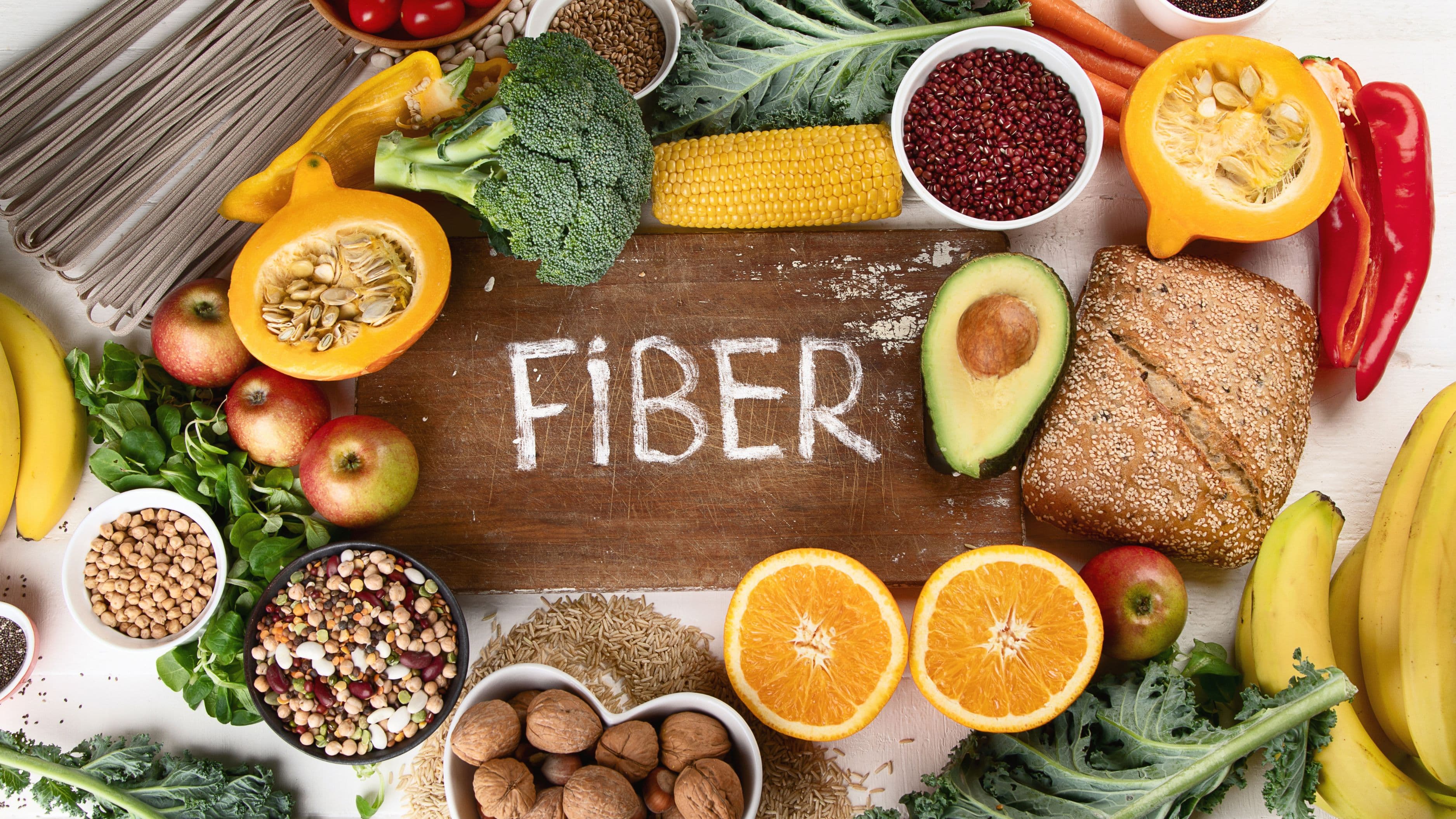
Dietary fiber diversity is the foundation that everything else sits on. Short-chain fatty acid production is substrate-dependent – you cannot produce adequate butyrate without consistent fermentable fiber intake. Target 35–45g of diverse dietary fiber daily, with emphasis on resistant starch sources (green banana flour, cooked and cooled rice, legumes) and prebiotic-rich vegetables (chicory, Jerusalem artichoke, leek, asparagus). Microbiome diversity correlates directly with fiber source diversity, so variation matters more than volume from any single source.
Limitations and What This Doesn't Fix
The estrobolome is a significant variable, not a root-cause explanation for all hormonal dysfunction. If primary hypogonadism is present – meaning LH is elevated and testosterone is still low – the problem is testicular and gut optimization won't meaningfully change the output. The pathways described here are most relevant for men with functional but suboptimal androgen profiles, central suppression patterns, or unexplained E2 elevation despite well-managed aromatase activity.
The research on human estrobolome and testosterone is also less mature than the mechanistic picture suggests. Most high-quality estrobolome research comes from female reproductive health and breast cancer contexts where estrogen biology is the primary concern. The extrapolation to male hormone optimization is mechanistically sound but has fewer direct RCTs than you'd want. Treat this as a well-grounded clinical hypothesis and an underutilized lever rather than a fully validated primary intervention.
Expect a realistic timeline of 8–16 weeks for meaningful microbiome composition shifts from dietary and probiotic interventions. Measurable changes in serum E2 and SHBG via gut-targeted protocol changes generally lag behind the microbiome shift itself. Retest DUTCH and stool markers at 12 weeks minimum before evaluating efficacy.
FAQ
Can a dysbiotic microbiome cause clinically low testosterone on its own? It can contribute meaningfully, particularly through the LPS-HPG suppression pathway. It's unlikely to be the sole cause of severe hypogonadism, but in men with borderline-low testosterone and unexplained central suppression patterns (low LH, low-normal T), gut-mediated HPG suppression is a legitimate and underexplored contributor.
Does antibiotic use damage the estrobolome permanently? No, but repeated or recent antibiotic courses significantly disrupt estrobolome function and can transiently alter both beta-glucuronidase activity and SCFA production. Post-antibiotic microbiome recovery takes 4–8 weeks with targeted probiotic and fiber support; without it, disrupted composition can persist for months.
Is calcium D-glucarate safe long-term? The available evidence suggests it is well-tolerated. There are no established safety concerns at standard dosing (500–1,000mg/day). It is not an aromatase inhibitor and does not suppress estrogen production – it reduces reabsorption of conjugated estrogens in the gut. Men on TRT who use calcium D-glucarate as part of E2 management should still monitor serum E2 to ensure levels don't fall below the optimal range (typically 20–30 pg/mL for most men).
Can this protocol replace an aromatase inhibitor? For men with mildly elevated E2 driven primarily by gut recirculation, estrobolome optimization may reduce E2 sufficiently without pharmacological aromatase inhibition. For men with significant aromatase excess – typically driven by adipose tissue aromatase in overweight or obese contexts – gut optimization is a useful adjunct but not a substitute for addressing the primary driver.
What's the relationship between alcohol and the estrobolome? Alcohol consumption damages intestinal barrier integrity, increases LPS translocation, and directly suppresses hepatic estrogen clearance through competitive CYP enzyme inhibition. Chronic alcohol use also shifts microbiome composition toward compositions with higher beta-glucuronidase activity. It's one of the most impactful dietary variables for estrobolome dysfunction and the one most often underweighted in hormonal optimization protocols.
The gut is not a passive digestive organ in the context of male hormone optimization. It's an active regulatory layer with direct influence over circulating estrogen levels, androgen metabolism efficiency, and HPG axis function. If you're optimizing testosterone without accounting for microbiome composition, beta-glucuronidase activity, and intestinal barrier integrity, you're managing half the system. The estrobolome is the other half.
📚 Sources
Baker JM, et al. – Estrogen-Gut Microbiome Axis: Physiological and Clinical Implications (Maturitas, 2017): https://www.maturitas.org/article/S0378-5122(17)30274-5/fulltext
Flores R, et al. – Fecal Microbial Determinants of Fecal and Serum Estrogens and Estrogen Metabolites (Journal of Clinical Endocrinology & Metabolism, 2012): https://academic.oup.com/jcem/article/97/8/3101/2536490
Tremellen K, Pearce K – Dysbiosis of Gut Microbiota (DOGMA) – A Novel Theory for the Development of Polycystic Ovarian Syndrome (Medical Hypotheses, 2012): https://www.sciencedirect.com/science/article/pii/S0306987712002174
Poutahidis T, et al. – Microbial Symbionts Accelerate Wound Healing via the Neuropeptide Hormone Oxytocin (PLOS ONE, 2013): https://journals.plos.org/plosone/article?id=10.1371/journal.pone.0078898
Fiers T, et al. – Serum Estradiol in Males: Methodology and Clinical Value (Clinica Chimica Acta, 2014): https://www.sciencedirect.com/science/article/pii/S0009898114001909
Cani PD, et al. – Metabolic Endotoxemia Initiates Obesity and Insulin Resistance (Diabetes, 2007): https://diabetesjournals.org/diabetes/article/56/7/1761/13856
Vingren JL, et al. – Testosterone Physiology in Resistance Exercise and Training (Sports Medicine, 2010): https://link.springer.com/article/10.2165/11534560-000000000-00000
Clarke G, et al. – Minireview: Gut Microbiota: The Neglected Endocrine Organ (Molecular Endocrinology, 2014): https://academic.oup.com/mend/article/28/8/1221/2623068