


This distinction matters more as you age, more when you're in a caloric deficit, and more when your training volume is high. Understanding the mechanism changes how you structure meals, choose protein sources, and think about supplementation – and the underlying science is solid enough to act on now.
What the Leucine Threshold Is
Leucine is one of three branched-chain amino acids (BCAAs), and it occupies a uniquely privileged position in the anabolic signalling cascade. While all essential amino acids are required for muscle protein synthesis, leucine functions as the primary trigger – the key that activates the mTORC1 (mechanistic target of rapamycin complex 1) pathway, which is the central regulator of skeletal muscle protein synthesis in humans.
The leucine threshold refers to the minimum intracellular leucine concentration required to maximally activate mTORC1 signalling. Below this concentration, muscle protein synthesis proceeds at a basal rate. Above it, the pathway is switched on and synthesis is upregulated meaningfully. The threshold isn't a precise universal number – it varies with body mass, age, training status, and muscle glycogen levels – but for most men, the leucine content required to clear it falls in the range of 2–3 grams of leucine per meal.
What this means practically: a meal that contains 15–20g of total protein from a leucine-dense source may clear the threshold and trigger a full anabolic response. A meal containing 30g of total protein from a leucine-poor source may not. Total protein content and anabolic trigger are not the same variable.
The Mechanism: mTORC1 and Leucine Sensing
Understanding why leucine specifically drives this response requires a brief mechanistic walkthrough. mTORC1 is a serine/threonine kinase complex that integrates nutrient signals, growth factor signals (primarily IGF-1 and insulin), and energy status to regulate protein synthesis and cellular growth. When activated, it phosphorylates two downstream targets – S6K1 (ribosomal protein S6 kinase 1) and 4E-BP1 (eukaryotic initiation factor 4E-binding protein 1) – that together increase the rate of mRNA translation and therefore the rate of protein synthesis.
Leucine activates mTORC1 through at least two distinct mechanisms. The first is via the Rag GTPase complex on the lysosomal surface, which is part of the cell's amino acid sensing apparatus. Leucine accumulation in the lysosome recruits mTORC1 to the lysosomal membrane where it can be activated by Rheb. The second is through Sestrin2, a leucine-binding protein that normally inhibits mTORC1 signalling via GATOR2; leucine binding to Sestrin2 relieves this inhibition and allows mTORC1 activation. Both pathways converge on the same outcome: robust upregulation of translational machinery in skeletal muscle cells.
The key insight from this mechanistic picture is that leucine sensing is threshold-dependent, not dose-dependent beyond the activation point. Once you've cleared the leucine threshold and maximally activated mTORC1, adding more leucine to that meal doesn't proportionally increase synthesis – you've already opened the gate. The return on investment from additional protein in a single feeding flattens sharply once the threshold is cleared.
Where Total Protein Intake Gets Misapplied
The emphasis on total daily protein – driven by decades of nitrogen balance studies and later supported by muscle hypertrophy research – is not wrong. Adequate total daily protein intake is the foundation. But the total-protein framework has two significant limitations when applied without leucine threshold awareness.
The first is distribution. A man eating 200g of protein per day but consuming it in two large meals separated by 18 hours is not getting the same anabolic stimulus as someone consuming the same 200g distributed across four meals, each clearing the leucine threshold. Muscle protein synthesis is a pulsatile process – it's stimulated, peaks, and then returns to baseline regardless of continued amino acid availability. The refractory period following a synthesis peak is approximately 3–5 hours. If you don't re-stimulate with another threshold-clearing feeding during that window, you're leaving anabolic opportunity on the table.
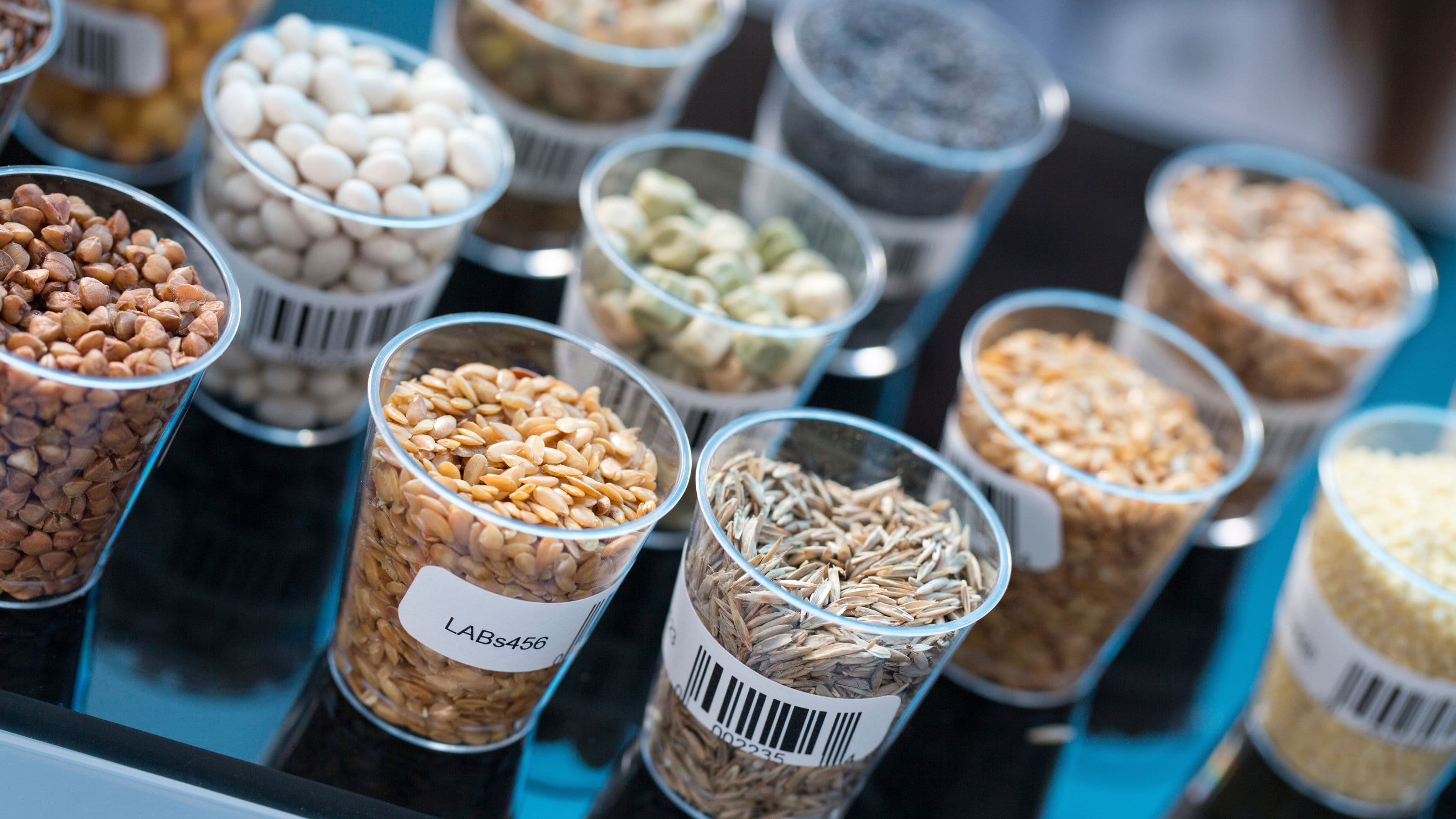
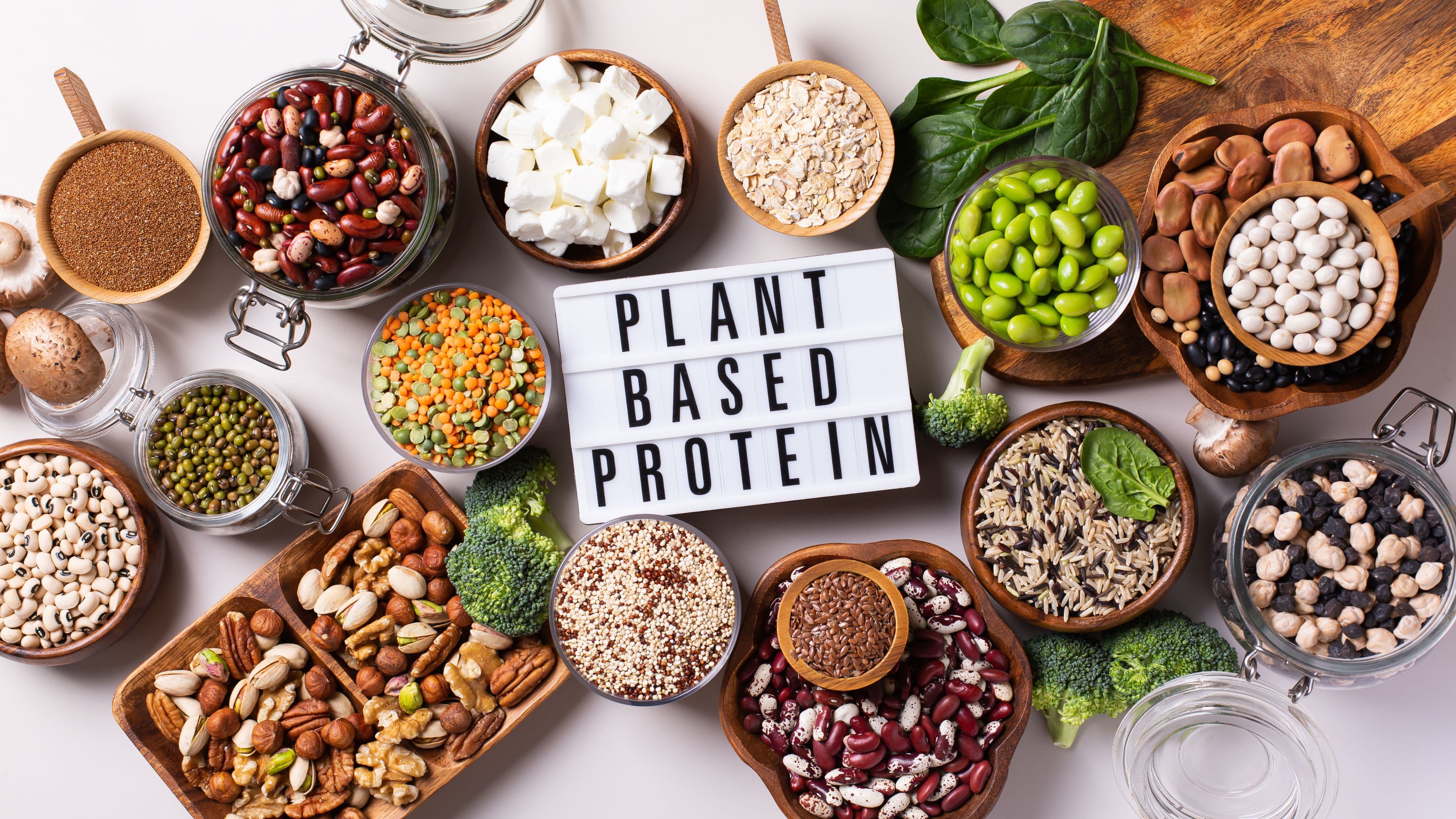
The second limitation is protein source quality. Not all dietary protein contains the same leucine density. Animal proteins – meat, eggs, dairy – are leucine-rich, with whey protein particularly so at around 10–11% leucine by content. Many plant proteins are leucine-poor: wheat protein sits at roughly 6–7%, and most legume-based proteins are similarly limited. A man relying on plant proteins who is meeting his total daily gram target may chronically underperform on per-meal leucine delivery, suppressing anabolic responses despite apparently adequate protein consumption. This is one of the primary mechanisms behind the consistently observed inferior muscle protein synthesis response to plant proteins in controlled trials – not amino acid profile deficiency per se, but leucine insufficiency per feeding.
Age, the Anabolic Threshold, and Anabolic Resistance
The leucine threshold becomes more operationally important as you age because of a well-characterised phenomenon called anabolic resistance. In younger men, skeletal muscle is relatively sensitive to amino acid availability – modest leucine doses can clear the threshold and trigger synthesis. From approximately the fourth decade onward, this sensitivity decreases. The muscle protein synthesis response to a given leucine dose is blunted, meaning the threshold itself effectively rises with age.
The clinical consequence of anabolic resistance is that older men need more leucine per meal – not more total protein necessarily, but more leucine per individual feeding – to generate the same synthetic response that younger men achieve at lower doses. Research from Maastricht University and the work of Luc van Loon's group has consistently demonstrated this: in men over 55, leucine supplementation alongside a sub-threshold protein source (such as 20g of casein) can rescue the anabolic response that would otherwise be blunted. The addition of 2.5–3g of free leucine effectively lowers the functional threshold or compensates for the rise in it.
This has direct protocol implications for men over 40 who are serious about maintaining or building muscle. Per-meal leucine delivery should be treated as a primary variable, not an afterthought.
Leucine Content Across Common Protein Sources
The practical utility of the leucine threshold framework depends on knowing what you're working with in common protein sources. The leucine content as a percentage of total protein varies meaningfully across sources.
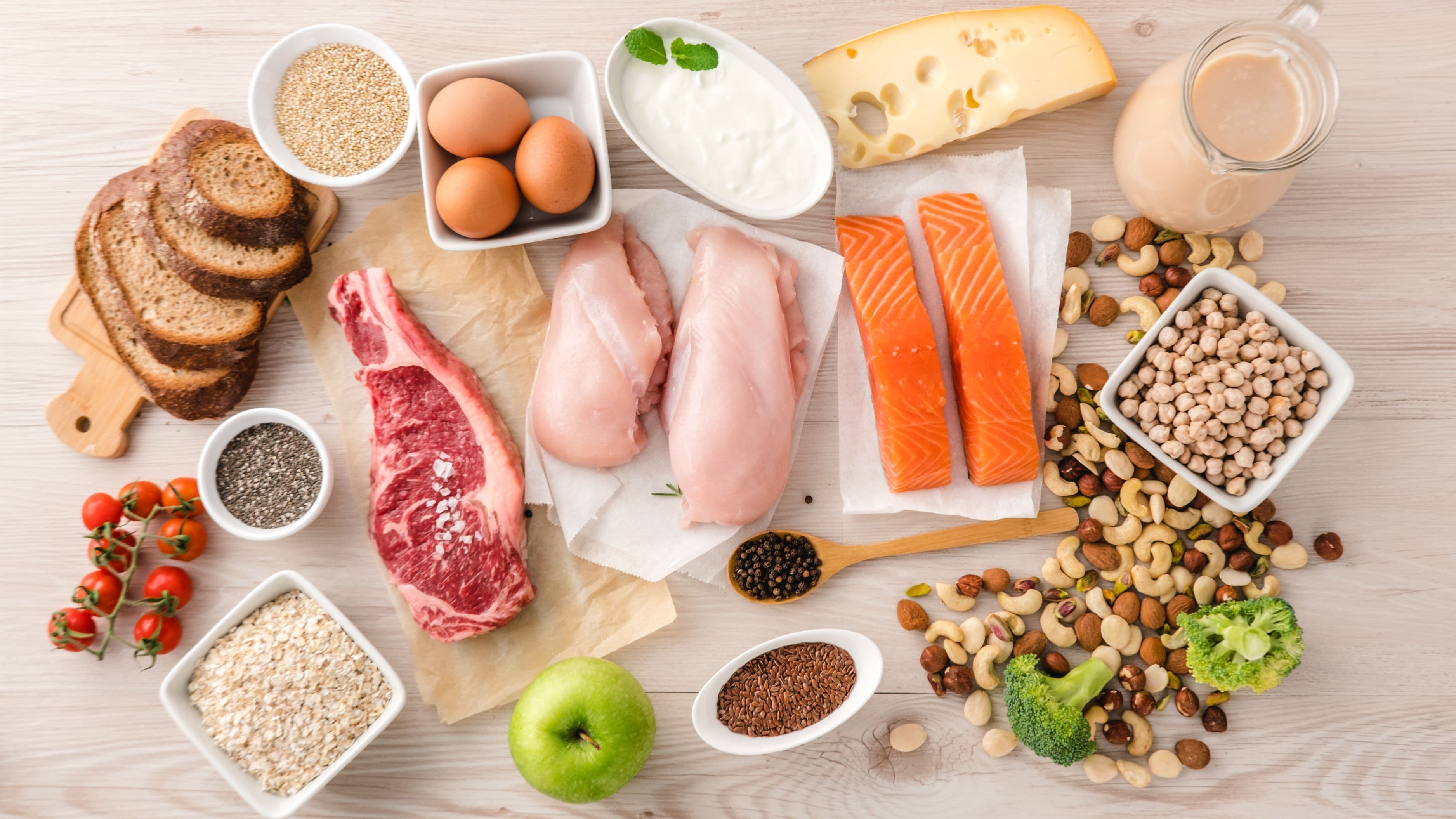
Whey protein concentrate and isolate lead the list at approximately 10–11% leucine, which is why whey has consistently outperformed other protein supplements in acute muscle protein synthesis studies – the anabolic advantage is largely a leucine delivery advantage, not a bioavailability advantage. Whole eggs and egg white protein contain around 8.5–9% leucine. Beef and chicken sit at approximately 8% leucine content. Casein is slightly lower at 9%, but its slow-digestion kinetics mean peak leucine delivery is lower even though the total content is similar to whey.
Among plant proteins, pea protein is the most leucine-dense at approximately 8%, which is a meaningful part of why pea protein performs better in muscle protein synthesis studies than most other plant options. Rice protein sits at around 8% as well. Soy, despite being a complete protein, contains approximately 7.5–8% leucine but has lower digestibility scores that reduce effective delivery. Hemp protein, wheat protein, and most other grain-based proteins fall below 7%, making threshold clearance difficult without large serving sizes.
The practical calculation is straightforward. To deliver 3g of leucine from whey, you need approximately 27–30g of protein. From pea or rice protein, approximately 35–38g. From wheat protein or hemp, upward of 45g. If you're building meals around plant proteins and targeting 25–30g total protein per meal without attention to leucine content, there's a real possibility you're chronically operating below threshold.
Leucine Supplementation as a Practical Tool
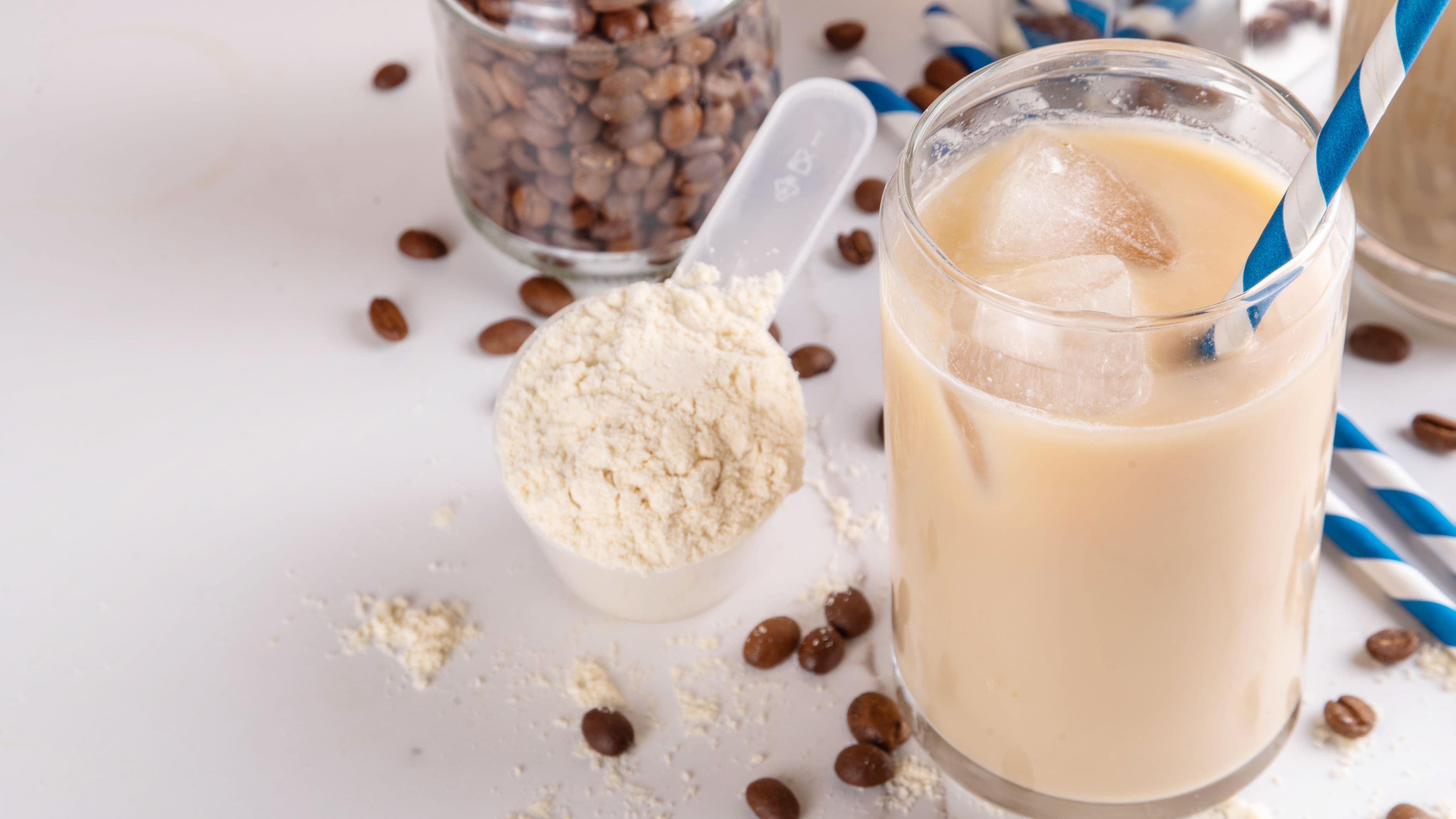
Free leucine supplementation – either standalone or in BCAA formulations – is one of the more defensible protein-adjacent supplements in the performance nutrition toolkit, specifically in the context of threshold optimisation. The use case is well-defined: adding 2–3g of free leucine to a sub-threshold meal or to a plant-protein-dominant feeding to rescue the anabolic response.
The evidence for this is direct. A 2011 study by Churchward-Venne et al. demonstrated that supplementing a sub-optimal dose of whey protein (6.25g) with leucine to bring the total leucine content in line with a full 25g whey dose produced a similar muscle protein synthesis response to the higher protein dose. The leucine was doing the signalling work; the additional amino acids were not the rate-limiting variable once the threshold was cleared.
The strategic use of leucine supplementation makes most sense in three situations: meals built predominantly around plant proteins, situations where appetite or gut tolerance limits meal protein volume (common in a caloric deficit or contest prep), and in men over 40 where anabolic resistance has raised the effective threshold. Using leucine to top up rather than as a primary protein source maintains this specificity – it's a precision tool, not a substitute for adequate total protein.
Protein Distribution Protocol for Threshold Optimisation
Applying leucine threshold awareness to meal structure requires moving away from the two-large-meal model and toward a distribution that generates multiple discrete synthesis peaks across the day. The framework that best fits the current evidence looks like this.
Target three to four protein feedings per day, each containing sufficient leucine to clear the threshold based on your primary protein sources. For most men eating predominantly animal proteins, 30–40g of total protein per meal achieves this comfortably. Space feedings approximately four to five hours apart to allow the refractory period to clear and the muscle to become re-sensitive to the next leucine stimulus. If any feeding relies heavily on plant proteins or is constrained in volume, supplement with 2–3g of free leucine to ensure threshold clearance.
The pre-sleep feeding deserves specific mention. Research from Maastricht, particularly work using 40g of pre-sleep casein, has demonstrated that a threshold-clearing protein feeding before sleep extends the muscle protein synthesis response through the overnight fasting period. Casein's slow-digestion kinetics make it a better choice here than whey, which spikes and clears quickly. For men in a caloric deficit or during high-volume training phases, the pre-sleep protein feeding is a meaningful recovery tool.
What This Changes in Practice
The shift from total-protein thinking to leucine-threshold thinking is a precision upgrade, not a overhaul. Total daily protein remains important – leucine threshold optimisation built on inadequate total protein is a false economy. The integration looks like this: establish your total daily protein target (1.6–2.2g per kg of bodyweight for most trained men, skewing toward the upper end if you're in a deficit or over 40), then distribute that total across three to four feedings, each engineered to clear the leucine threshold based on the protein source in use.
Add free leucine where needed to ensure clearance. Prioritise leucine-dense sources for post-training feedings when mTORC1 sensitivity is highest.
This level of structure is meaningfully different from counting daily grams and calling it done. The marginal gains at each meal are modest, but compounded across years of consistent training, the difference in the anabolic signal generated per gram of protein consumed is non-trivial.
FAQ
Is there a point of diminishing returns with leucine per meal? Yes. Beyond approximately 3–4g of leucine in a single feeding, additional leucine does not proportionally increase muscle protein synthesis. mTORC1 activation is not dose-dependent once threshold is cleared – it's a switch, not a dial. Excess leucine is simply oxidised.
Should I take BCAAs intra-workout for leucine delivery? Only if you're training fasted or if your pre-workout meal was more than four to five hours prior. In a fed state with adequate leucine from a recent meal, additional BCAAs during training are unlikely to meaningfully augment synthesis. The research on intra-workout BCAAs in fed individuals is equivocal at best.
Does leucine interact with insulin? Yes – leucine stimulates insulin secretion directly, which contributes to its anabolic effect through the IGF-1/insulin → PI3K → Akt pathway that converges with mTORC1. This is part of why the combination of leucine with carbohydrate produces a stronger anabolic response than either alone in post-training contexts.
How does this apply during a caloric deficit? It becomes more important, not less. In a deficit, the mTORC1 pathway is suppressed by reduced insulin and energy availability. Ensuring each meal clears the leucine threshold maintains as much anabolic signalling as possible under conditions where protein synthesis is already operating against a headwind. Per-meal leucine delivery is one of the few variables you can optimise without breaking the deficit.
Is leucine content the only quality metric for protein sources? No. Digestibility-corrected amino acid score (DIAAS) is the most comprehensive metric for protein quality, accounting for both amino acid profile and digestibility. Leucine content is the most operationally relevant single variable for acute muscle protein synthesis triggering, but total essential amino acid profile and digestibility determine whether the downstream synthesis machinery has enough substrate to work with once the mTORC1 trigger is pulled.
📚 Sources
Norton LE & Layman DK – Leucine Regulates Translation Initiation of Protein Synthesis in Skeletal Muscle after Exercise (Journal of Nutrition, 2006): https://academic.oup.com/jn/article/136/2/533S/4664405
Churchward-Venne TA et al. – Supplementation of a suboptimal protein dose with leucine or essential amino acids: effects on myofibrillar protein synthesis at rest and following resistance exercise in men (Journal of Physiology, 2012): https://physoc.onlinelibrary.wiley.com/doi/10.1113/jphysiol.2012.228833
van Loon LJ – Is There a Need for Protein Ingestion During Exercise? (Sports Medicine, 2014): https://link.springer.com/article/10.1007/s40279-014-0156-z
Moore DR et al. – Ingested protein dose response of muscle and albumin protein synthesis after resistance exercise in young men (American Journal of Clinical Nutrition, 2009): https://academic.oup.com/ajcn/article/89/1/161/4598255
Wolfe RR – Branched-chain amino acids and muscle protein synthesis in humans: myth or reality? (Journal of the International Society of Sports Nutrition, 2017): https://jissn.biomedcentral.com/articles/10.1186/s12970-017-0184-9
Res PT et al. – Protein Ingestion before Sleep Improves Postexercise Overnight Recovery (Medicine & Science in Sports & Exercise, 2012): https://journals.lww.com/acsm-msse/Fulltext/2012/08000/Protein_Ingestion_before_Sleep_Improves.8.aspx
Tremblay F et al. – Amino acid and insulin signaling via the mTOR/p70 S6 kinase pathway (FEBS Letters, 2007): https://febs.onlinelibrary.wiley.com/doi/10.1016/j.febslet.2007.01.031
Saxton RA & Sabatini DM – mTOR Signaling in Growth, Metabolism, and Disease (Cell, 2017): https://www.cell.com/cell/fulltext/S0092-8674(17)30182-1