


The Mechanism: What IHT Is Supposed to Do
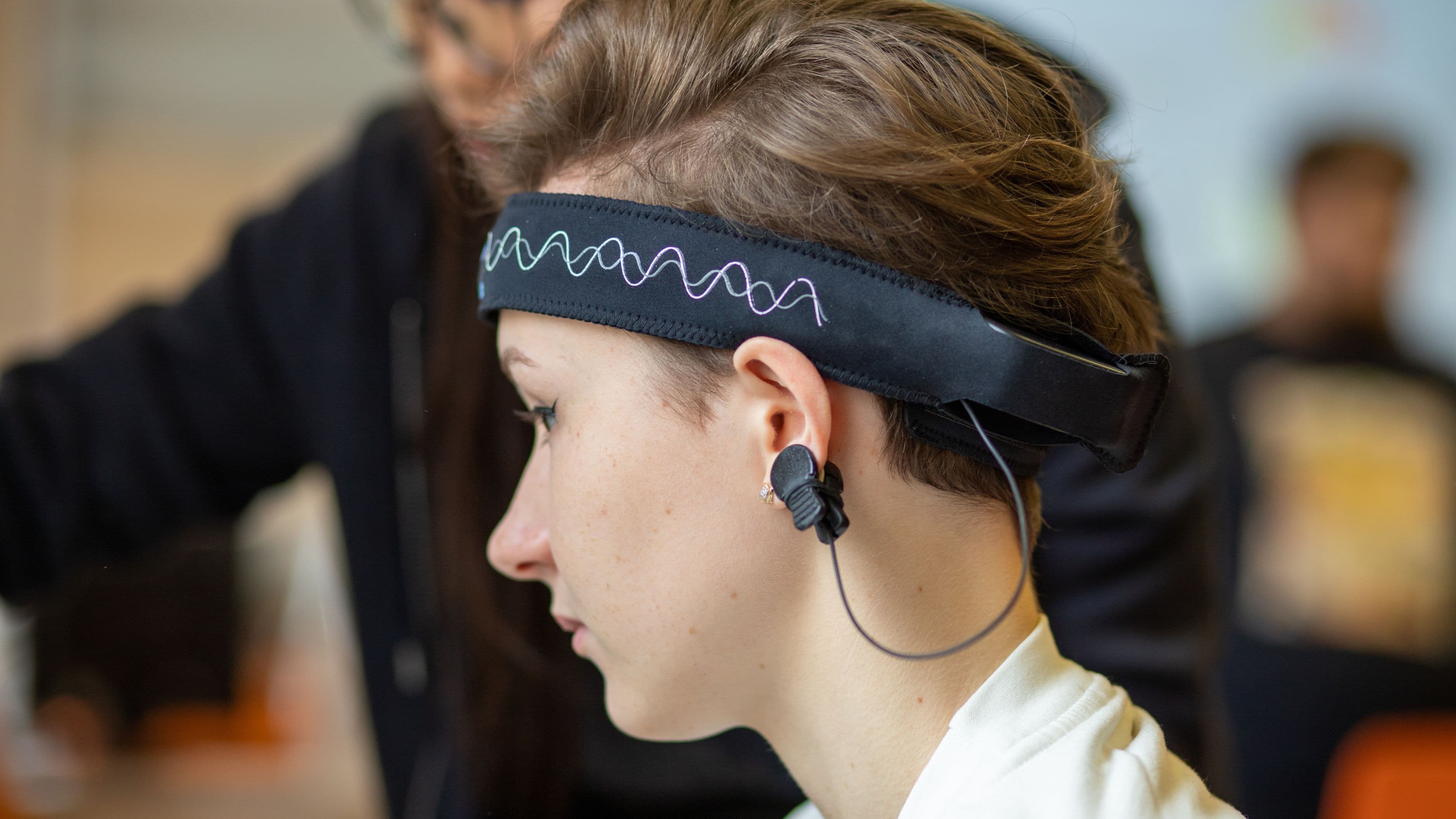
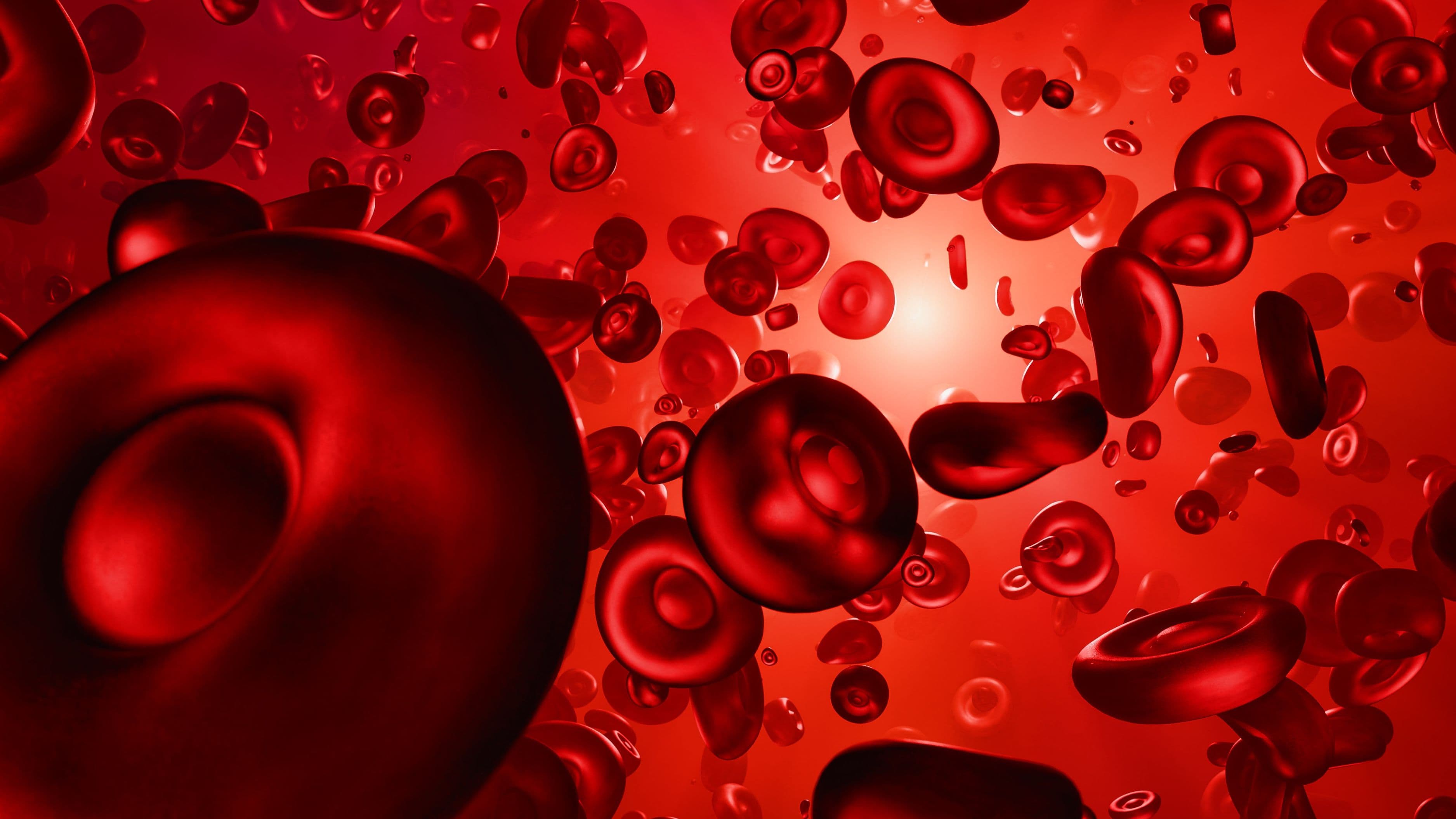
Intermittent hypoxic training involves breathing air with reduced oxygen concentration, typically through a mask connected to a hypoxic air generator, either during rest periods or in some protocols during actual exercise, for a set duration across repeated sessions. The theoretical basis rests on the body's response to hypoxia (low oxygen availability), which can trigger increased production of erythropoietin (EPO), the hormone responsible for stimulating red blood cell production, along with other adaptive responses mediated by hypoxia-inducible factors that regulate how cells respond to reduced oxygen availability.
The underlying logic follows the well-established altitude training model used by elite endurance athletes for decades: exposure to reduced oxygen triggers physiological adaptations, including increased red blood cell mass, that improve oxygen-carrying capacity and subsequently endurance performance once an athlete returns to sea level or normal training conditions. IHT attempts to replicate this trigger through controlled, intermittent exposure rather than requiring an athlete to physically relocate to altitude for extended periods.
What the Research Actually Shows
This is where the picture becomes considerably more mixed than IHT marketing typically suggests. Research on the "live low, train high" model, the most common IHT protocol where athletes train under hypoxic conditions but live and recover at sea level, has produced inconsistent results regarding meaningful improvements in actual sea-level endurance performance. Some studies have shown modest improvements in specific physiological markers, while others have found no statistically significant performance benefit compared to equivalent training performed under normal oxygen conditions.
This contrasts with the more established "live high, train low" model, which has considerably stronger research support, where athletes live at altitude for extended periods (typically several weeks) while training at lower elevations, allowing for both the adaptive benefits of altitude exposure and higher-quality training sessions unaffected by reduced oxygen availability during the workout itself. The key difference is duration and consistency of exposure: research suggests that meaningful red blood cell mass increases typically require weeks of more consistent hypoxic exposure, which shorter, intermittent IHT sessions may not adequately replicate.
A meaningful body of research has specifically questioned whether the brief, intermittent exposure periods used in most commercial IHT protocols are sufficient to trigger the same magnitude of EPO response and subsequent red blood cell adaptation seen in genuine altitude living, suggesting that IHT may produce some physiological signaling without necessarily reaching the threshold needed for meaningful, performance-relevant adaptation.
Why the Research Is Genuinely Mixed
Several factors likely contribute to this inconsistency across studies. Protocol variation is significant – IHT research has used meaningfully different altitude simulation levels, session durations, and total exposure time across different studies, making direct comparison and consistent conclusions difficult. Some protocols may simply not provide sufficient hypoxic stimulus or duration to trigger meaningful adaptation, while others might, and current research hasn't fully converged on which specific protocols, if any, reliably produce real-world performance benefits.
Individual variation in response to hypoxic exposure is also a documented factor, with some research suggesting genuine differences between individuals in how strongly they respond to altitude or hypoxic stimulus, meaning population-level study results may mask meaningful variation in how differently individuals actually respond to the same protocol.
What This Means for Real-World Application
For competitive endurance athletes specifically considering hypoxic training as a performance intervention, the more consistently supported approach remains genuine altitude exposure through the "live high, train low" model, ideally involving several consecutive weeks at meaningful altitude, rather than shorter-duration intermittent hypoxic sessions at sea level. This is a considerably bigger logistical and financial commitment than a commercial IHT device, but it has meaningfully stronger research support behind its performance benefits.
For recreational athletes or those without access to genuine altitude training, the evidence for commercial IHT devices producing measurable, reliable real-world performance improvements is considerably weaker and more inconsistent than marketing claims for these devices often suggest. This doesn't mean IHT provides zero physiological effect, but the current research doesn't support confident claims of reliable, meaningful endurance performance gains from typical commercial IHT protocols specifically.
Risks and Considerations
Hypoxic training carries genuine physiological stress, and individuals with underlying cardiovascular or respiratory conditions should consult a physician before considering any hypoxic training protocol, since reduced oxygen availability places real additional strain on cardiovascular and respiratory systems that may not be appropriate for everyone. This is a meaningful safety consideration independent of whether the performance benefits ultimately prove worthwhile.
It's also worth being realistic about cost relative to uncertain benefit. Commercial IHT systems represent a genuine financial investment, and given the current mixed research on whether typical protocols produce meaningful real-world performance translation, this is worth weighing carefully against other training interventions with more consistent evidence behind them, such as structured, progressive endurance training itself, which remains one of the most reliably supported ways to improve endurance performance regardless of hypoxic training considerations.
Practical Takeaway
The honest, current state of the research doesn't support strong, confident claims that typical commercial intermittent hypoxic training protocols reliably translate into meaningful real-world endurance performance improvements, particularly compared to the more established, though more logistically demanding, live-high-train-low altitude model. Athletes considering hypoxic training as a serious performance intervention should approach it with realistic expectations, understanding that current evidence is genuinely mixed rather than strongly supportive, and that individual response likely varies considerably.
FAQ
Is IHT the same as using an altitude mask during a workout? These terms are sometimes used to describe similar concepts, though specific protocols and equipment vary. Altitude masks used during exercise itself have their own separate, generally weaker body of research regarding meaningful physiological adaptation compared to dedicated hypoxic air generator systems.
How long does altitude training typically need to last to show real benefits? Research on the live-high-train-low altitude model generally supports several consecutive weeks of altitude exposure (commonly three to four weeks) as necessary to produce meaningful red blood cell mass adaptations, which is considerably longer than most commercial intermittent hypoxic training protocols provide.
Are there any downsides to trying IHT even if the performance benefit is uncertain? Beyond the financial cost of commercial systems, individuals with underlying cardiovascular or respiratory conditions should specifically consult a physician before attempting hypoxic training, given the additional physiological stress involved.
Should recreational athletes prioritize other training methods instead? Given the current mixed evidence for commercial IHT, recreational athletes are likely better served prioritizing well-established training principles like progressive overload and structured endurance training, which have considerably stronger and more consistent research support for improving performance.
📚 Sources
Journal of Applied Physiology – Altitude Training and Athletic Performance Research
International Journal of Sports Physiology and Performance – Intermittent Hypoxic Training Studies
National Institutes of Health – Hypoxia-Inducible Factors and Physiological Adaptation