
The Mechanism: How Insulin Interferes With Testosterone Bioavailability
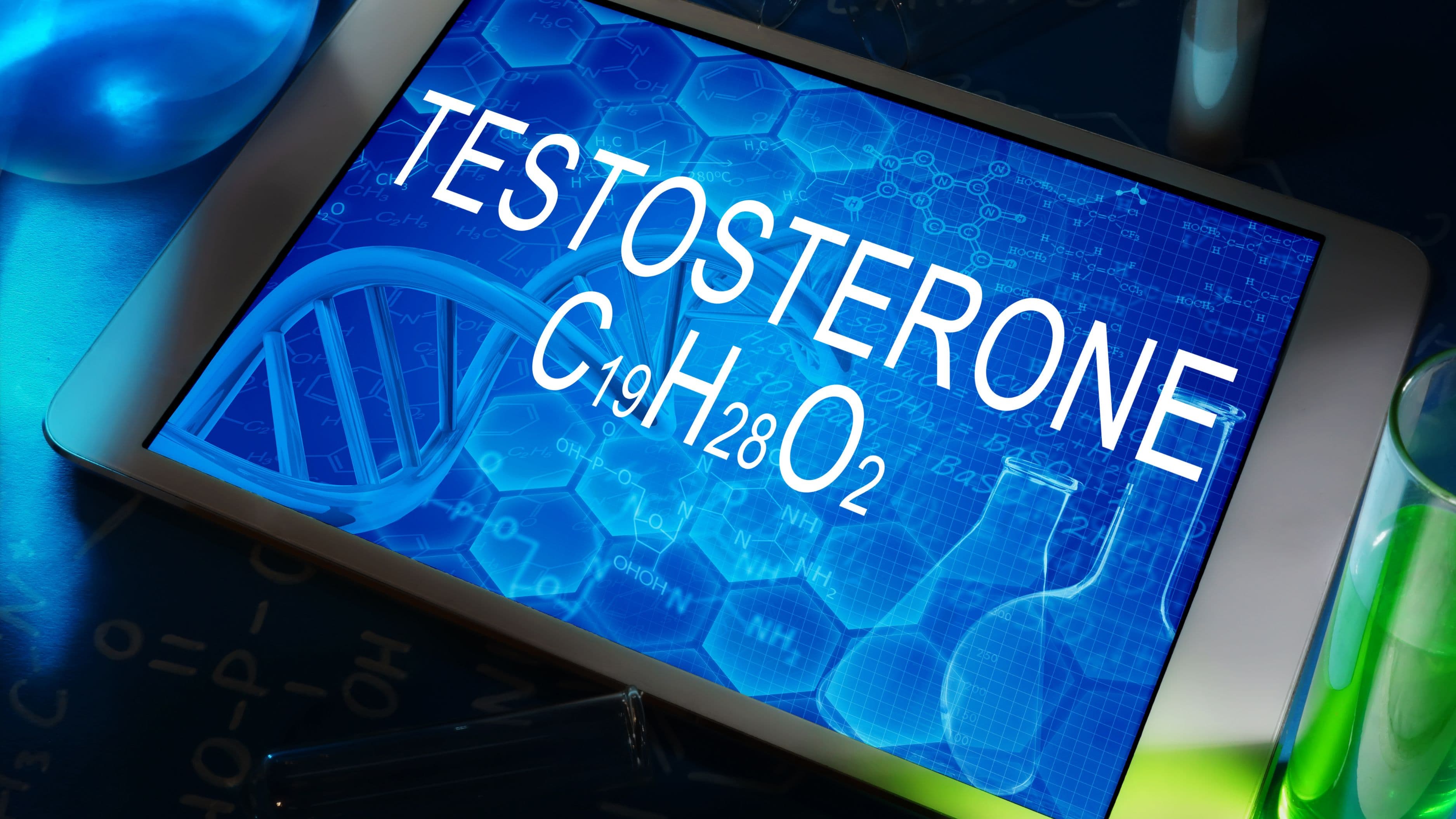
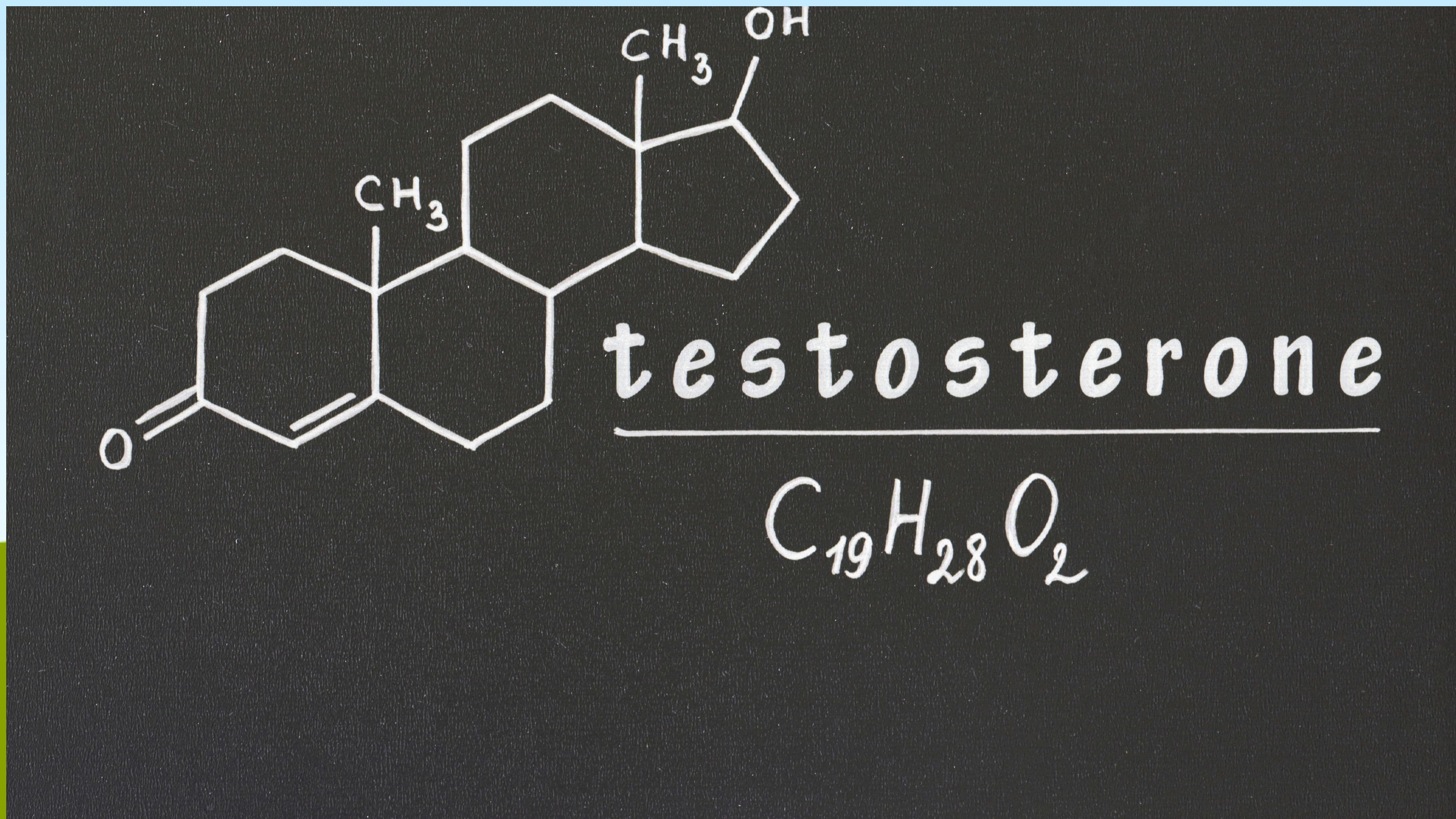
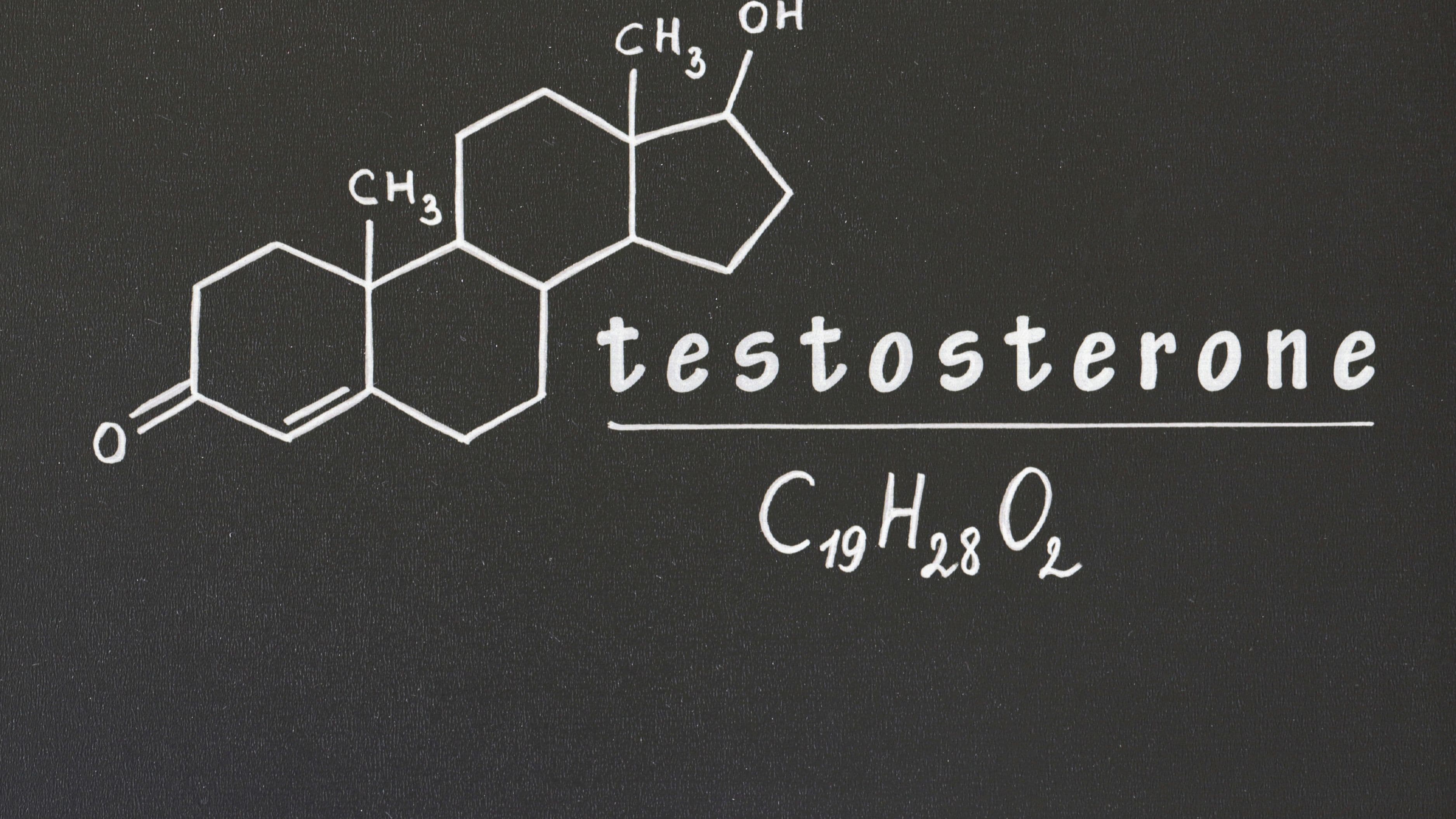
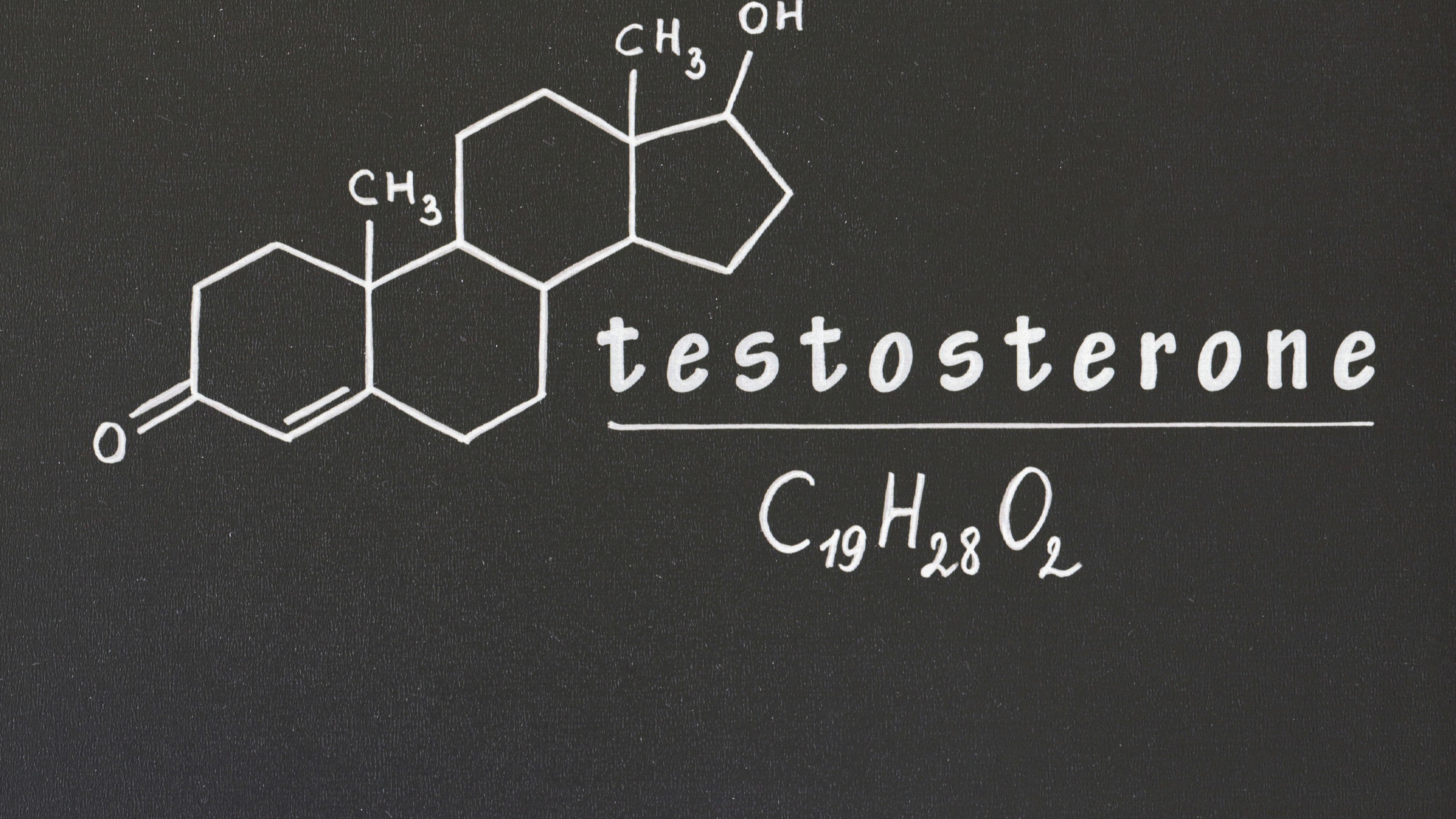
Testosterone in your bloodstream exists in three forms: bound tightly to sex hormone-binding globulin (SHBG), loosely bound to albumin, and free testosterone that's immediately usable by tissue. Bioavailable testosterone refers to the free fraction plus the albumin-bound portion, since albumin binding is weak enough that testosterone releases from it readily. SHBG-bound testosterone, by contrast, is locked up and largely unusable until it's released.
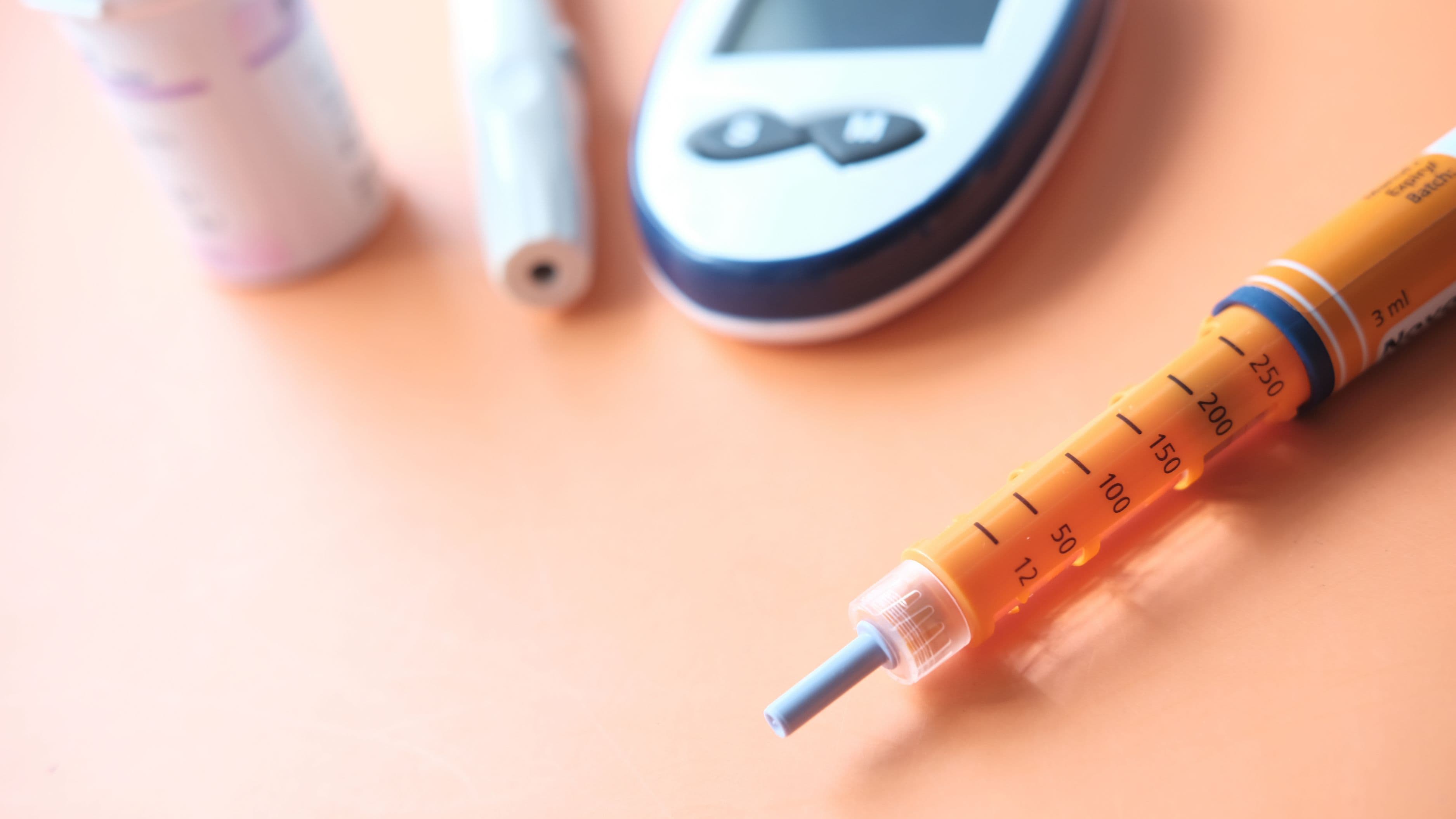
Chronically elevated insulin, the hallmark of insulin resistance, directly suppresses the liver's production of SHBG. On the surface, lower SHBG might sound like it would free up more testosterone, but the relationship is more complicated in practice. Insulin resistance tends to accompany broader metabolic dysfunction, including elevated inflammation and disrupted hypothalamic-pituitary-gonadal (HPG) axis signaling, both of which independently suppress overall testosterone production. The net effect for most men with chronically elevated insulin is a double hit: lower SHBG doesn't compensate for the underlying drop in total testosterone production, and the metabolic environment created by insulin resistance actively works against optimal androgen signaling at the tissue level.
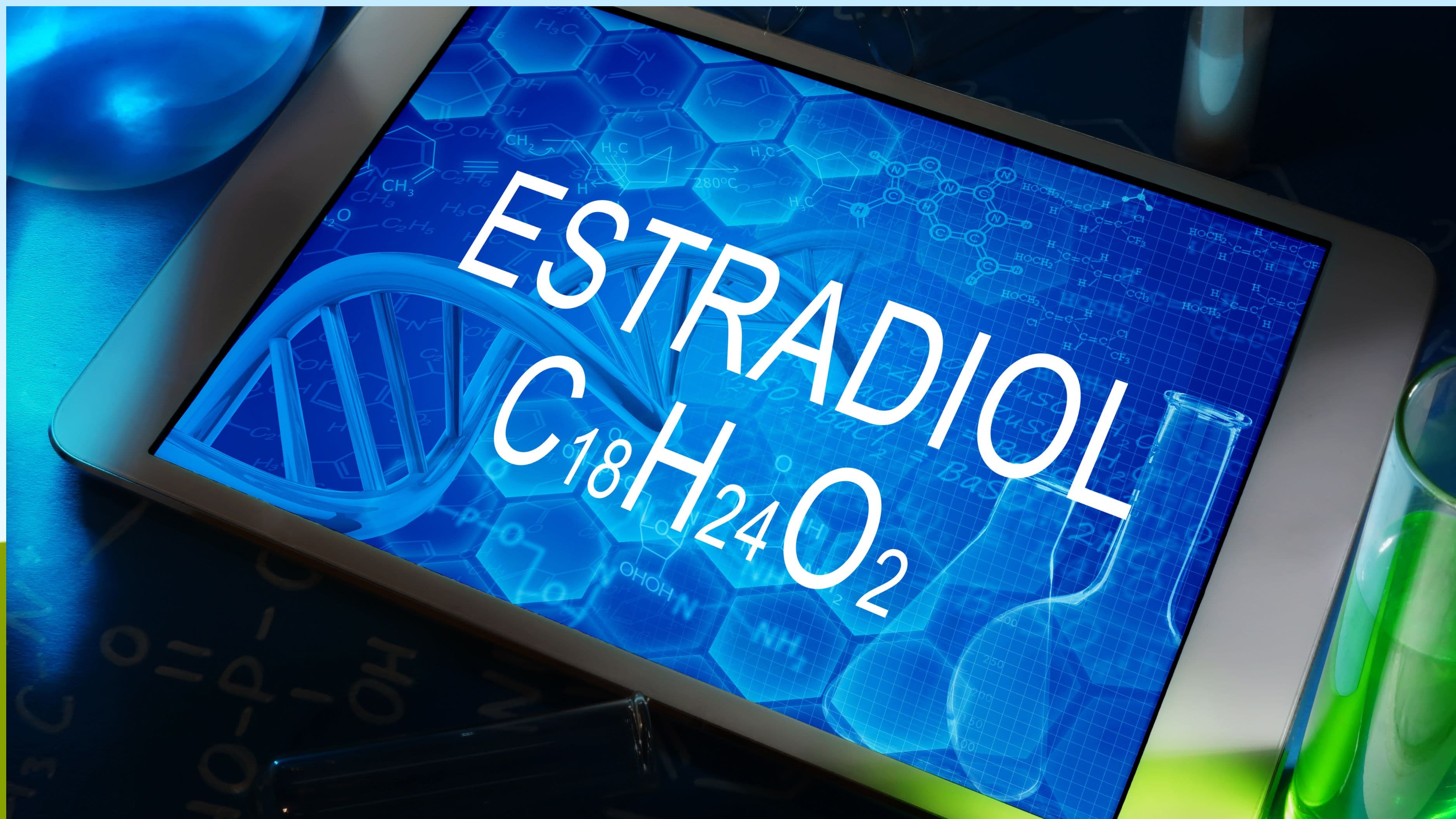
Elevated insulin also promotes increased aromatase activity, particularly in visceral fat tissue, which converts testosterone into estradiol. This means a man with high insulin and elevated body fat isn't just losing testosterone through reduced production; he's also losing more of what he does produce to conversion into estrogen, further reducing the effective androgen signal his body receives.
Why Standard Lab Panels Miss This
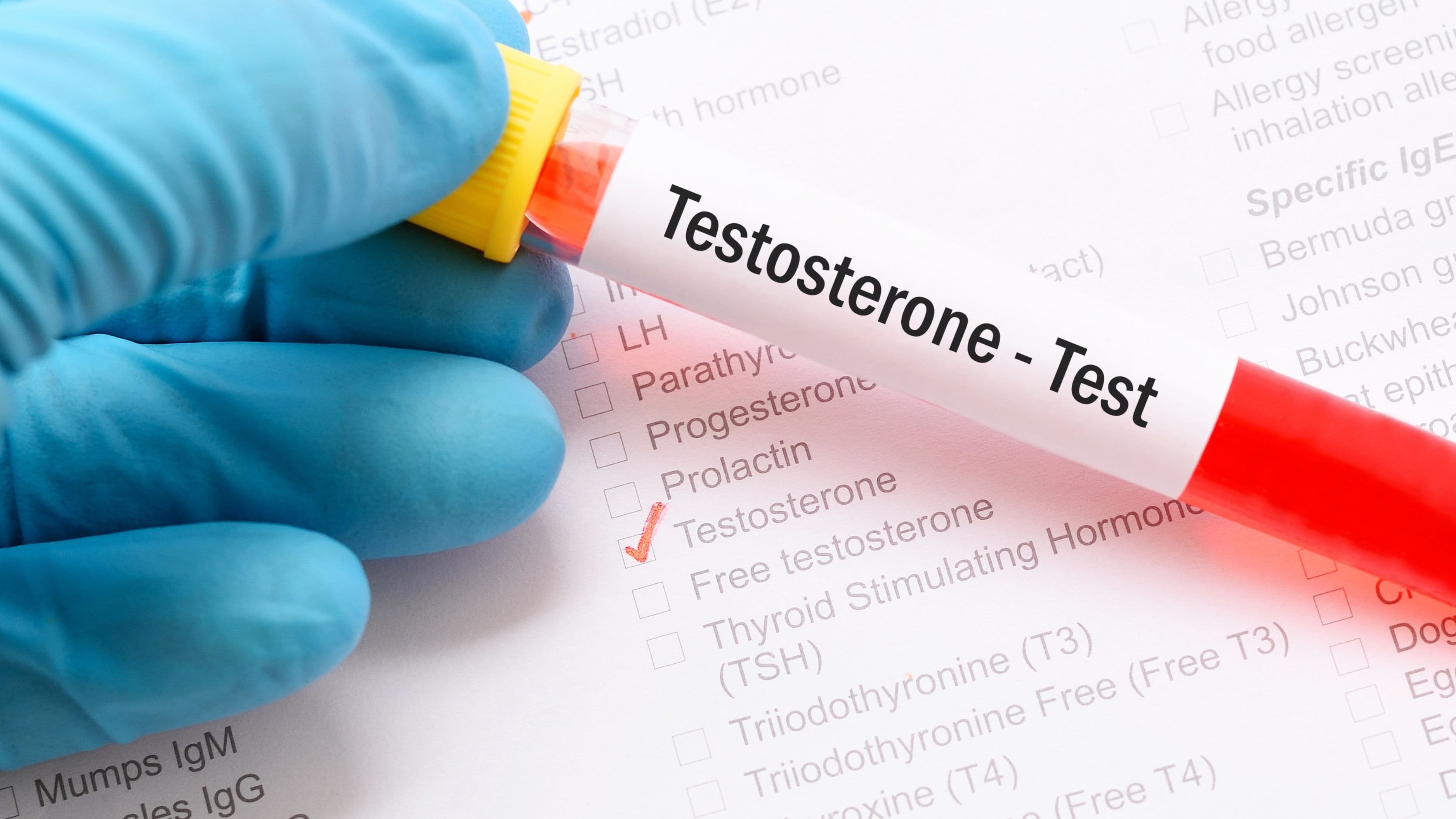
Most standard panels report total testosterone, which captures SHBG-bound, albumin-bound, and free testosterone all together as one number. A man can have a total testosterone reading that falls within the "normal" reference range while still experiencing significant symptoms of low androgen activity, because the composition of that total – how much is actually bioavailable versus locked up – tells a very different story than the total number alone.
This is why context matters more than a single number. Requesting free testosterone, SHBG, and fasting insulin alongside total testosterone gives a far more complete picture of what's actually happening at the tissue level, rather than relying on total testosterone as a standalone metric.
What This Looks Like in Practice
Men dealing with this pattern often present with a combination of low energy, reduced recovery capacity, increased body fat (particularly visceral fat), and difficulty building or maintaining muscle mass, despite total testosterone numbers that don't immediately flag as low on a standard panel. Fasting insulin and HOMA-IR (a calculated measure of insulin resistance) frequently reveal the underlying issue that total testosterone alone would miss.
The Protocol: Addressing Insulin to Support Bioavailable Testosterone
Prioritize Blood Sugar Stability Through Diet
Reducing the frequency and magnitude of blood sugar spikes is the foundational lever here. This doesn't require an extreme diet – it means prioritizing protein and fiber at each meal, being deliberate about refined carbohydrate intake, particularly in isolation without protein or fat alongside it, and avoiding the pattern of frequent small meals that keeps insulin persistently elevated throughout the day.
Build Resistance Training Into Your Weekly Structure
Resistance training improves insulin sensitivity independent of weight loss, meaning it directly addresses the mechanism at play here, not just a downstream symptom. Two to four sessions per week focused on compound movements provide meaningful improvements in insulin sensitivity over a period of consistent training.
Address Visceral Fat Specifically
Since visceral fat drives both insulin resistance and increased aromatase activity, reducing this specific fat depot – through a sustained caloric deficit combined with resistance training – addresses two separate mechanisms suppressing bioavailable testosterone at once, rather than one in isolation.
Manage Sleep and Chronic Stress
Poor sleep and chronic stress both independently worsen insulin sensitivity, compounding the problem beyond diet and exercise alone. Prioritizing consistent sleep timing and duration, along with managing chronic stress load, supports the same underlying mechanism this entire protocol targets.
Expected Results and Timeline
Meaningful improvements in insulin sensitivity typically become measurable within 8 to 12 weeks of consistent changes to diet and training, though subjective symptoms like energy and recovery often improve somewhat sooner. Full normalization of fasting insulin and related markers can take several months, particularly for men with more significant insulin resistance or higher body fat to address.
Risks and Limitations
This protocol addresses insulin-driven suppression of bioavailable testosterone specifically – it will not meaningfully help men whose low testosterone stems from primary hypogonadism, pituitary dysfunction, or other non-metabolic causes. Overcorrecting with extreme caloric restriction or excessive training volume can itself suppress testosterone production through different mechanisms entirely, so aggressive is not the same as effective here. Any man considering targeted interventions, including supplementation or medication, should do so under the guidance of a physician who can order appropriate labs and rule out other underlying causes.
FAQ
Can supplements alone fix insulin-related testosterone suppression? No single supplement addresses the underlying mechanism as effectively as consistent changes to diet, training, and sleep. Some supplements (like berberine) have research supporting modest improvements in insulin sensitivity, but they work best as an addition to, not a replacement for, foundational lifestyle changes.
How do I know if this applies to me instead of another cause of low testosterone? Requesting fasting insulin, HOMA-IR, free testosterone, and SHBG alongside a standard total testosterone panel gives your doctor the data needed to distinguish insulin-driven suppression from other causes.
Does losing weight alone fix this? Weight loss often helps significantly, particularly loss of visceral fat, but insulin sensitivity is also directly influenced by training and sleep independent of body weight, so addressing all three factors together produces more reliable results than weight loss in isolation.
📚 Sources
Journal of Clinical Endocrinology & Metabolism – Insulin Resistance and SHBG Regulation – https://academic.oup.com/jcem
Diabetes Care – Testosterone, Insulin Resistance, and Metabolic Syndrome – https://diabetesjournals.org/care
This article is for informational purposes only and is not a substitute for professional medical advice. Consult a physician before making changes based on hormone-related symptoms or starting any new supplement or treatment protocol.