
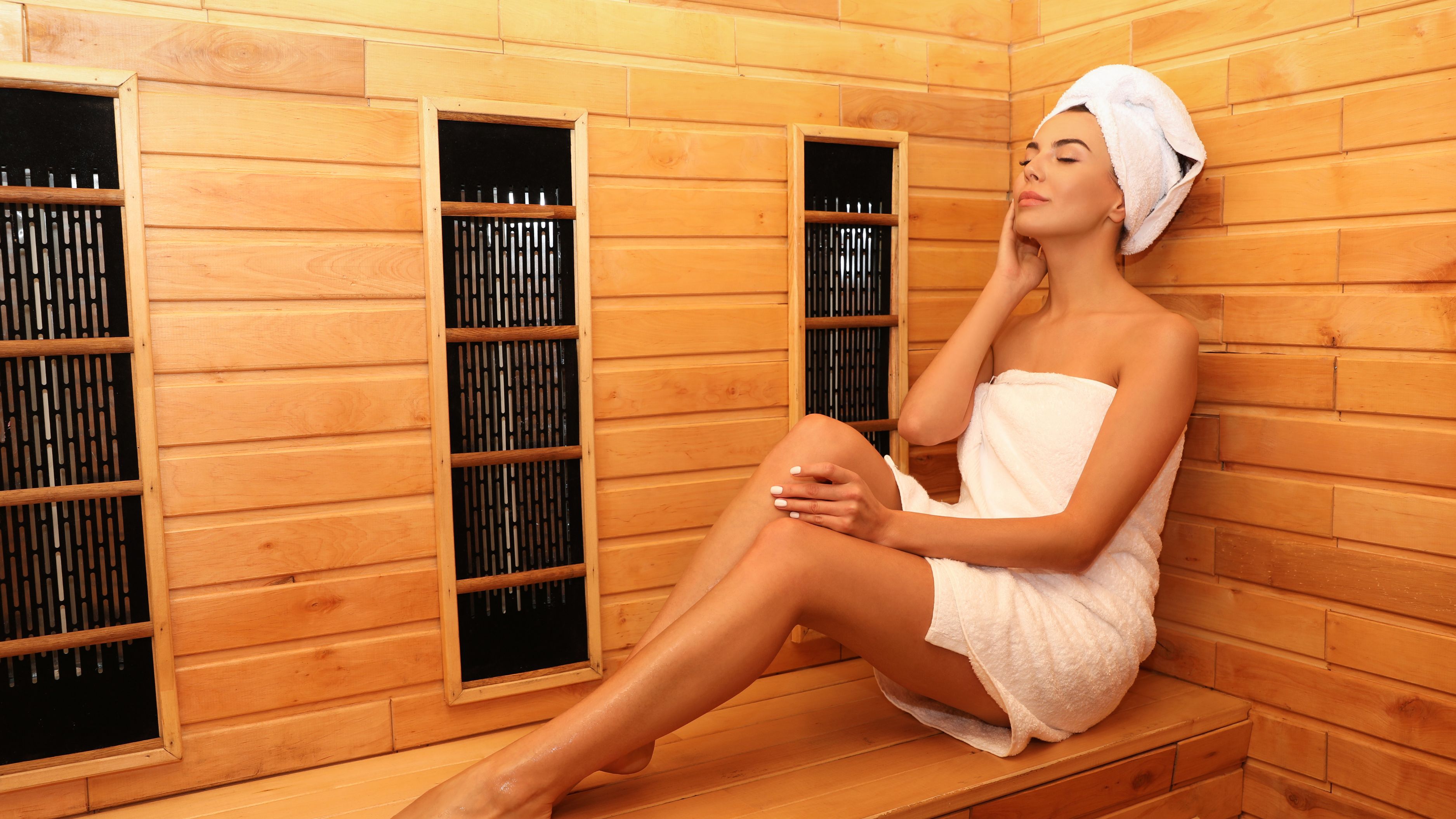
The answer depends almost entirely on protocol. Done right, infrared sauna is compatible with optimised testosterone production and may actively support it. Done wrong – specifically with excessive frequency, excessive duration, and poor recovery positioning – it becomes a manageable but real hormonal liability.
The Science Behind Heat and Testosterone
Testosterone is produced primarily by Leydig cells in the testes. Optimal Leydig cell function occurs at approximately 34–35°C – roughly 3–4°C below core body temperature. This is the evolutionary rationale for the scrotum's external positioning: it maintains testicular temperature below the thermal threshold that would impair steroidogenesis and spermatogenesis.
When scrotal temperature rises significantly above this range, two things happen. First, spermatogenesis is disrupted – germ cell apoptosis increases and sperm quality declines in a time- and temperature-dependent manner. This is the basis of research into heat as a male contraceptive method. Second, Leydig cell testosterone output decreases. Studies exposing men to sustained scrotal temperature increases of 1–2°C over weeks show measurable reductions in testosterone. The disruption is generally reversible with adequate recovery time, but it's real.
The important nuance is that these effects are documented under sustained, prolonged thermal exposure – not brief, episodic sauna sessions. A 2013 study in Human Reproduction found that frequent hot tub and sauna use over extended periods correlated with reduced semen parameters, and these largely recovered after 3–6 months of cessation. Brief sessions with adequate recovery intervals represent a fundamentally different exposure profile from the sustained thermal load that produces these effects.
Infrared vs Traditional Sauna – The Relevant Differences
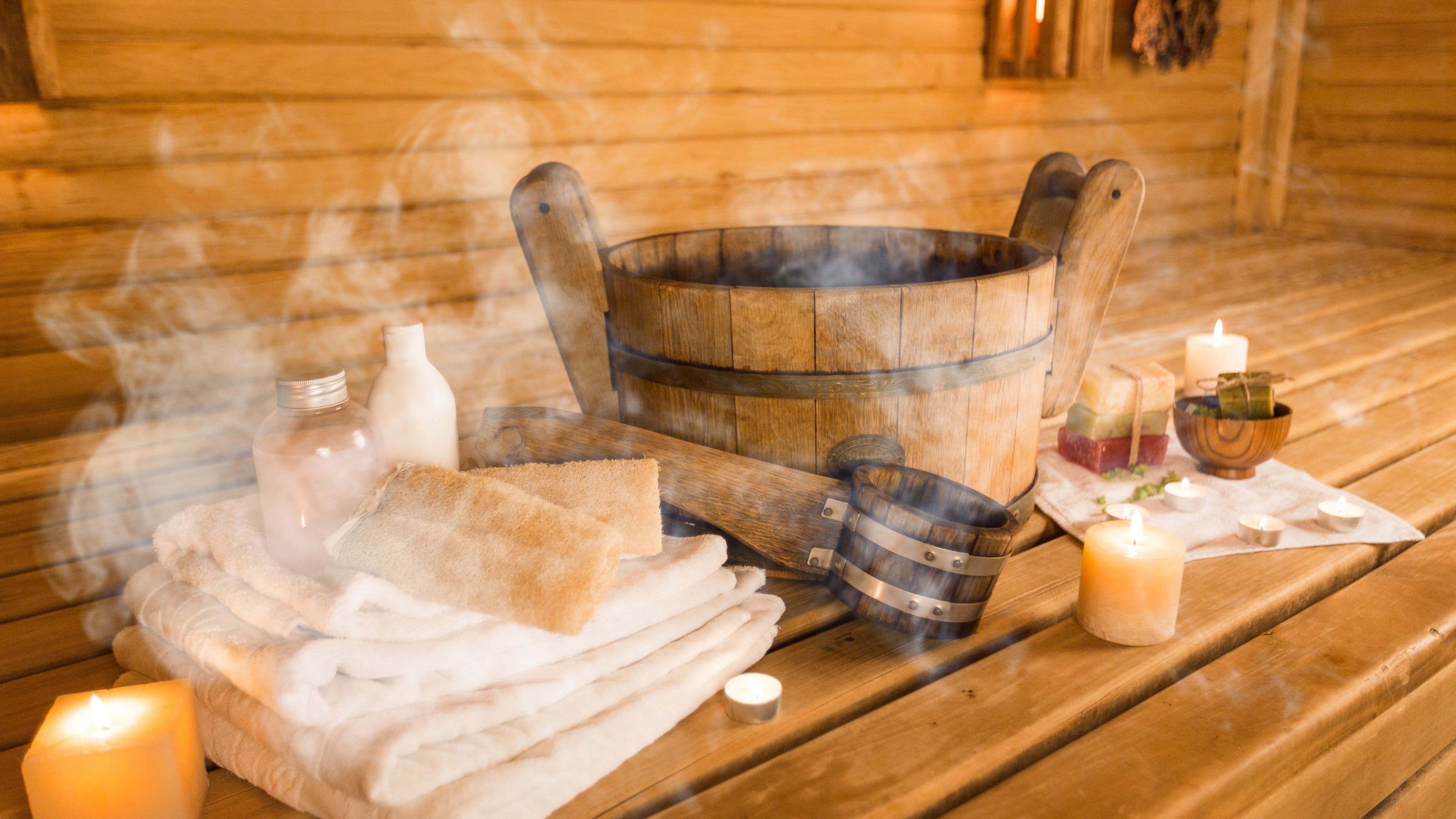
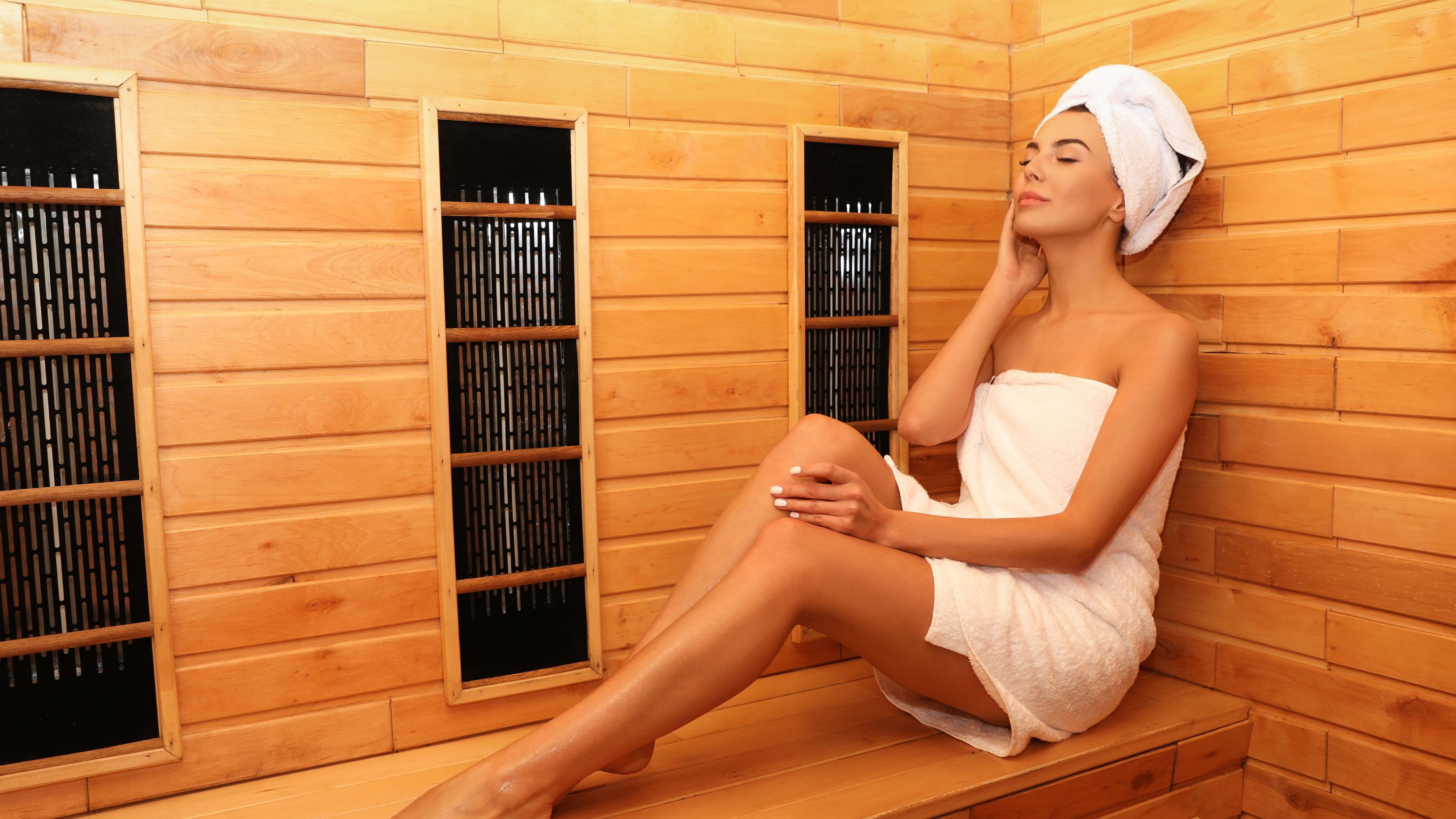
Traditional Finnish saunas operate at 80–100°C with high humidity. Infrared saunas operate at 50–65°C – meaningfully lower ambient temperature. Infrared wavelengths penetrate 3–5cm into tissue, producing a deep core heating effect at lower surface temperatures. The result is significant cardiovascular and metabolic stress at a lower ambient heat load.
From a testicular heat perspective, the lower ambient temperature of infrared saunas is relevant. The rate of scrotal temperature rise in an infrared environment is slower than in a traditional sauna, and the equilibrium scrotal temperature reached during a typical infrared session is lower. This doesn't eliminate the concern – infrared saunas still raise core temperature meaningfully and scrotal temperature follows – but it does suggest the thermal stress per unit time is lower, making session management more forgiving than with traditional high-heat saunas.
The practical implication: the protocol parameters that matter most (session duration, frequency, body positioning, recovery time) are the same across sauna types, but infrared gives you more margin before crossing into problematic territory.
The Testosterone-Supportive Mechanisms (That Get Overlooked)
The conversation around sauna and testosterone tends to focus exclusively on risk. The other side of the equation is that infrared sauna, through several mechanisms, may actively support testosterone levels when used correctly.
Growth hormone response. A single sauna session can elevate growth hormone 2–5 fold acutely. GH and testosterone are not identical signals, but GH stimulates Leydig cell function and supports the anabolic hormonal environment that testosterone operates within. Repeated sauna sessions over weeks have been shown to produce cumulative GH adaptations. This is a meaningful hormonal benefit that often goes unaccounted for.
Cortisol reduction and HPA axis modulation. Chronic cortisol elevation suppresses testosterone through both central (reduced GnRH/LH signalling) and peripheral (direct Leydig cell impairment) mechanisms. Well-structured infrared sauna use – particularly in the evening as a recovery and stress-reduction tool – consistently reduces perceived stress and has been shown to lower resting cortisol in regular users. Lower chronic cortisol is directly supportive of testosterone output.
Improved sleep quality. Post-sauna thermoregulatory cooling accelerates sleep onset and improves slow-wave sleep depth. The majority of daily testosterone is produced during sleep, with a strong pulse during the early morning hours tied to deep sleep stages. Consistently better sleep quality over time has a compounding positive effect on testosterone that likely outweighs the mild scrotal thermal stress of a correctly structured infrared session.
Cardiovascular function and blood flow. Infrared sauna improves endothelial function and reduces systemic vascular resistance through nitric oxide-mediated mechanisms. Testicular perfusion depends on adequate blood flow, and improved vascular function supports consistent oxygen and substrate delivery to Leydig cells.
The net picture: the hormonal ledger for infrared sauna is not one-sided. Managed correctly, the supportive mechanisms may outweigh the risk.
The Protocol
Session Duration
Keep individual sessions to 20–30 minutes. This is where the evidence sits for meaningful cardiovascular and heat shock protein benefits without the sustained scrotal thermal load that produces lasting hormonal disruption. Sessions beyond 45 minutes provide diminishing returns on the upside while increasing the thermal accumulation the protocol is designed to avoid.
Frequency
Two to three sessions per week is the target range. Research on sauna benefits – cardiovascular, GH response, heat shock protein induction – shows meaningful adaptation at this frequency. Daily infrared sauna use is where cumulative scrotal heat exposure begins to accumulate across sessions before full recovery, particularly if sessions are extended. If your priority is hormonal optimisation specifically, three sessions per week provides strong stimulus for the adaptive benefits while giving adequate time between sessions for testicular temperature to normalise.
Body Positioning
This is the most overlooked variable. Sitting upright in a standard sauna position puts the scrotum in the zone of highest heat exposure – close to the heated panels, without airflow, with minimal convective cooling. Where possible, position your body to maximise natural airflow around the scrotal area. Some men use a small elevated seat that positions the pelvis away from direct panel proximity. A cool, damp towel placed across the lap is a practical intervention that measurably reduces scrotal temperature during a session – this is not bro-science; it reflects the thermal physics of the situation.
Timing Relative to Training
Avoid infrared sauna immediately post-workout when core temperature is already significantly elevated. The thermal load stacks – you're entering the sauna with a pre-elevated baseline, which means scrotal temperature rises faster and higher. A minimum of 60–90 minutes post-training before a sauna session is appropriate. Evening use, several hours after training, is typically optimal for most people's schedules and aligns with the sleep quality benefits described above.
Hydration and Electrolyte Status
Dehydration amplifies cardiovascular strain during sauna and impairs thermoregulation, which means core temperature rises faster for a given session duration. Arrive well hydrated – 500ml of water in the 30 minutes before a session is a reasonable baseline. Electrolyte replenishment post-session matters if you're doing multiple sessions per week; significant sodium, potassium, and magnesium losses occur through sweat. Magnesium in particular has a direct relationship with testosterone synthesis and is commonly depleted in hard-training men already.
Cold Exposure Integration
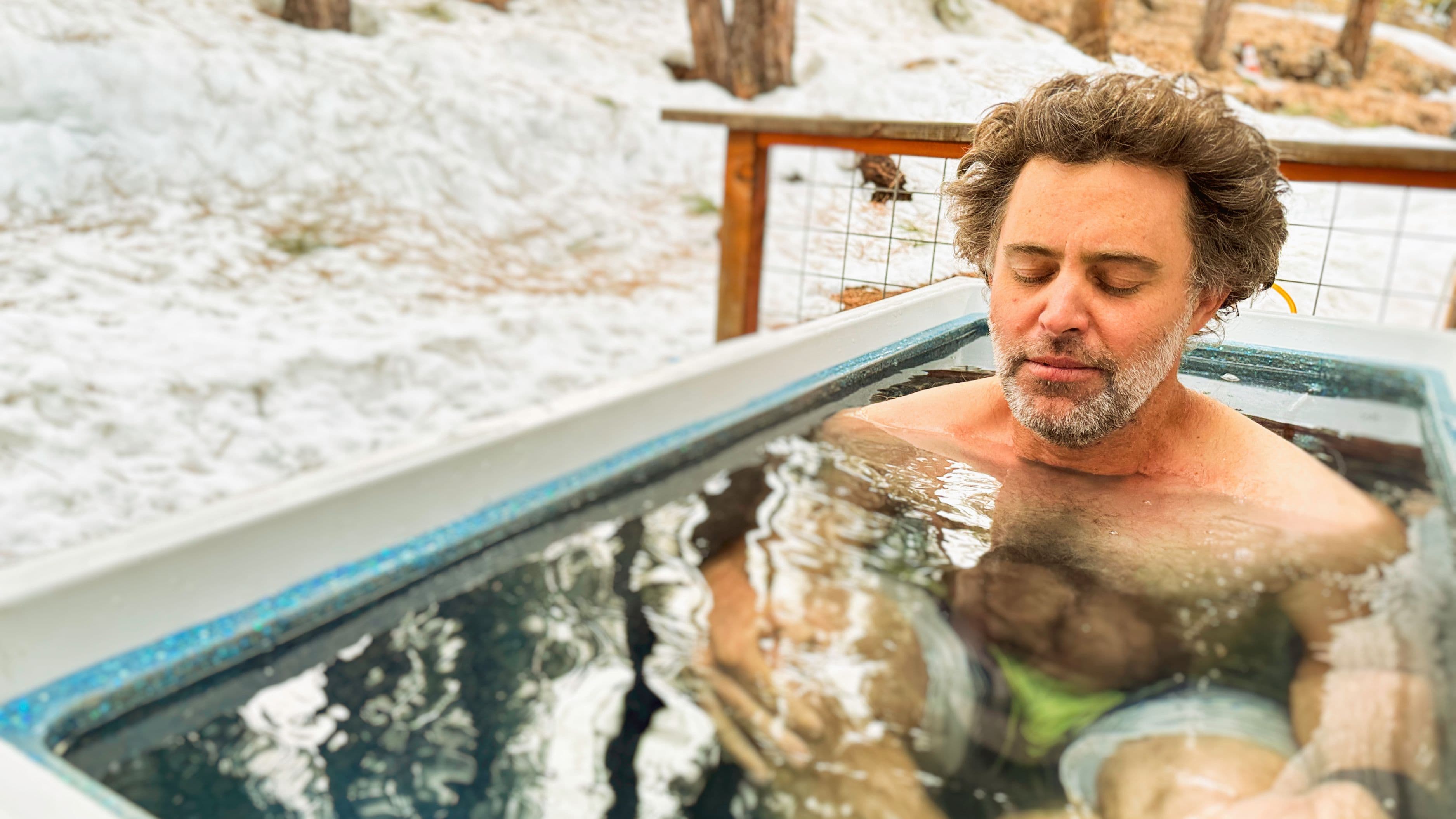
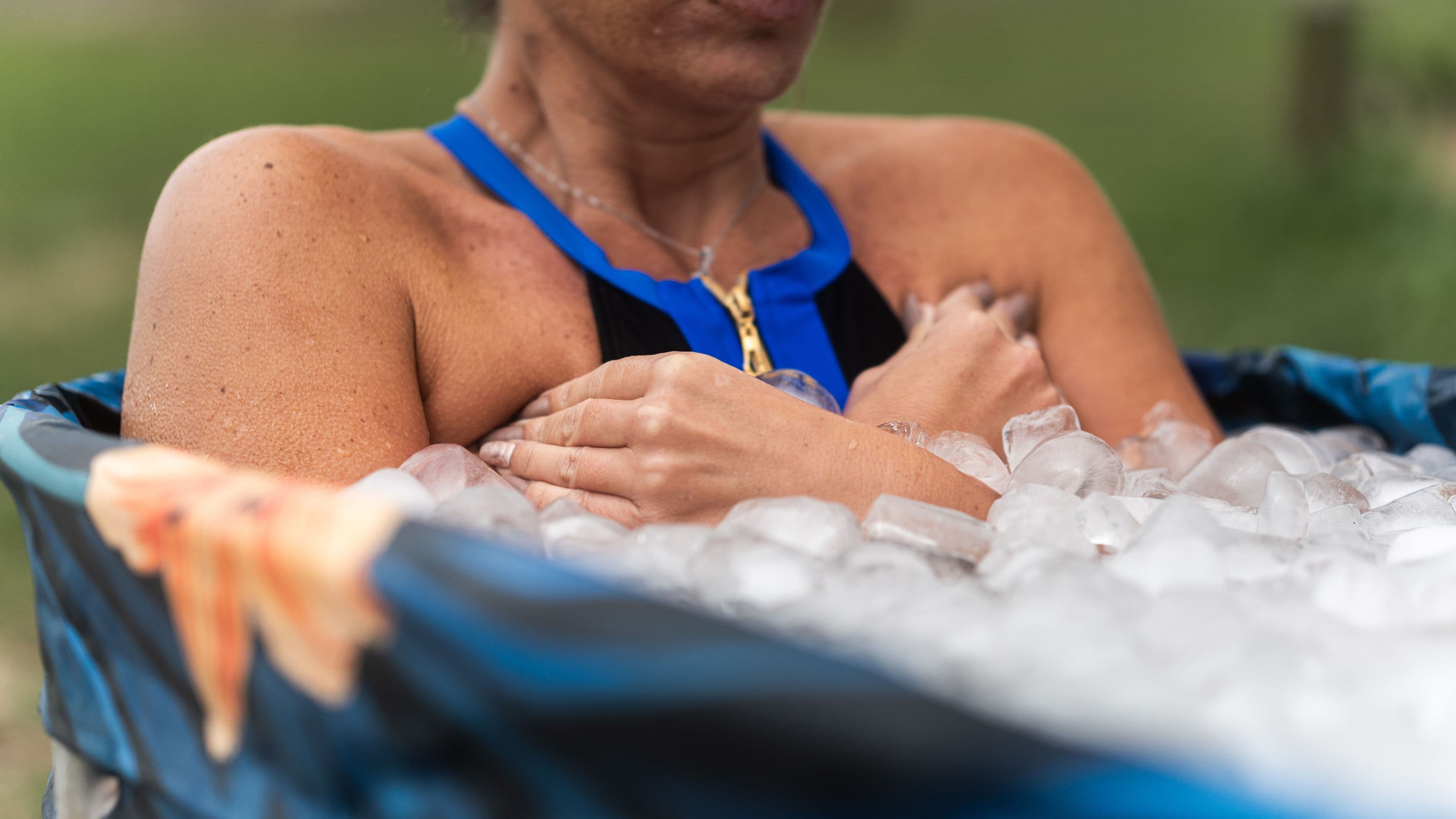
Cold exposure post-sauna – a cold shower, cold plunge, or even brief cold water immersion – rapidly drops scrotal temperature and accelerates return to the baseline thermal environment. This is both a recovery tool and a hormone-protective measure. A contrast protocol (sauna → cold → repeat) maximises the cardiovascular adaptation stimulus while limiting the sustained scrotal heat accumulation that single-direction heat exposure produces. If you're doing sauna more than twice per week, integrating a cold finish is worth considering as standard practice.
Variables That Shift the Risk Profile
Not all infrared sauna users are in the same hormonal context, and the following factors modify how conservatively you should approach the protocol:
Existing testosterone suppression. If you're already running low-normal testosterone, are on a protocol affecting natural production, or are managing fertility concerns, the margin for scrotal heat exposure is smaller. Shorter sessions, lower frequency, and cold integration become more important.
Varicocele. A varicocele – enlarged veins in the scrotum that impair venous drainage – raises resting scrotal temperature above normal baseline. Men with known varicoceles are more sensitive to additional thermal load and should approach sauna use conservatively, ideally with physician input.
Active fertility goals. If you're actively trying to conceive, the spermatogenesis timeline (approximately 74 days for a full spermatogenic cycle) means that thermal disruption today affects sperm quality weeks from now. During active fertility windows, reducing infrared sauna to once per week or pausing temporarily is a reasonable conservative position.
Ambient climate. If you're living and training in a hot climate where scrotal temperature is already chronically elevated relative to baseline, cumulative heat load from sauna is additive. This is relevant for men in tropical or desert climates year-round.
Common Mistakes
Daily sessions over 40 minutes. The most common pattern among men who adopt infrared sauna enthusiastically. The benefits plateau well before this frequency and duration; the hormonal downside does not.
Entering the sauna post-workout without a cool-down interval. Stacking thermal loads from training and sauna without adequate recovery between them is the protocol error most likely to produce scrotal temperature elevation in a range that matters.
Ignoring magnesium and electrolyte replenishment. Sauna-driven depletion compounds training-driven depletion. Low magnesium specifically impairs testosterone synthesis and is underappreciated in the recovery context.
Treating soft-tissue infrared blankets as equivalent to an infrared sauna cabin. Infrared blankets wrap the entire body including the pelvic region in close-contact infrared heat with zero airflow or convective cooling. Scrotal thermal exposure in a blanket is considerably higher than in a cabin with some air movement. If you're using a blanket format, session duration should be conservative (15 minutes maximum) and cooling intervention post-session is important.
Expected Outcomes With a Correct Protocol
A well-structured infrared sauna practice – two to three sessions per week, 20–30 minutes, with appropriate timing, positioning, hydration, and cold integration – should produce the following over 6–12 weeks of consistent use:
Improved cardiovascular markers (resting heart rate, blood pressure, HRV in some users), elevated heat shock protein expression with downstream benefits on cellular stress resilience, periodic GH spikes that support the anabolic hormonal environment, improved sleep onset and depth, and reduced resting cortisol in men whose baseline stress load is elevated. Testosterone levels in a healthy man following this protocol should not decrease – and for men in whom cortisol suppression and improved sleep are rate-limiting factors for testosterone, the net effect may be a modest increase.
What you should not expect is a dramatic acute testosterone spike from a single session. The hormonal benefits of infrared sauna are cumulative and indirect, built through chronic improvements in sleep, stress physiology, and vascular function rather than direct androgen stimulation.
FAQ
Does infrared sauna raise testosterone directly? Not acutely in a meaningful way. The testosterone-supportive effects are indirect – via GH release, cortisol reduction, sleep quality improvement, and vascular function. These compound over weeks and months of consistent use, not session to session.
How long does it take for scrotal temperature to normalise after a sauna session? Scrotal temperature returns to baseline within approximately 60–90 minutes post-session in most cases without cold intervention. A cold shower or cold plunge accelerates this to 15–20 minutes. This recovery window informs minimum spacing between sessions.
Is infrared sauna safe on TRT? Yes, with the same protocol considerations. Exogenous testosterone removes the question of endogenous LH/FSH-mediated production disruption, but testicular function – including residual natural production and spermatogenesis if relevant – responds to thermal stress via the same mechanisms. Men on TRT with no fertility concerns have a more permissive risk profile but should still follow the session duration and frequency guidelines.
Can I do infrared sauna and cold plunge on the same day as training? Yes. The recommended sequencing is training → 60–90 minute recovery window → sauna → cold exposure. Doing all three on the same day is a high-stimulus recovery combination that most men tolerate well and that many find produces superior next-day readiness compared to any single modality alone.
What about near-infrared vs far-infrared saunas? Commercial infrared saunas typically use far-infrared wavelengths (5–15 microns) that penetrate tissue deeply at relatively low ambient temperatures. Near-infrared (0.7–1.4 microns) penetrates more superficially and is associated with photobiomodulation effects. Most infrared saunas on the market are far-infrared dominant. The protocol principles in this article apply to standard far-infrared cabin use; near-infrared panel use is a different application with different parameters.
📚 Sources
Garolla A et al. – Scrotal temperature and semen quality: a cohort study in infertile men. Human Reproduction. 2013: https://academic.oup.com/humrep/article/28/11/3016/634574
Leppäluoto J et al. – Endocrine effects of repeated sauna bathing. Acta Physiologica Scandinavica. 1986: https://pubmed.ncbi.nlm.nih.gov/3010645/
Kukkonen-Harjula K, Kauppinen K – Health effects and risks of sauna bathing. International Journal of Circumpolar Health. 2006: https://pubmed.ncbi.nlm.nih.gov/16711293/
Moran DS, Mendal L – Core temperature measurement. Sports Medicine. 2002: https://link.springer.com/article/10.2165/00007256-200232120-00003
Bremer AA, Miller WL – Regulation of steroidogenesis. Vitamins and Hormones. 2014: https://www.ncbi.nlm.nih.gov/pmc/articles/PMC4041364/
Laukkanen JA et al. – Cardiovascular and other health benefits of sauna bathing: a review of the evidence. Mayo Clinic Proceedings. 2018: https://www.mayoclinicproceedings.org/article/S0025-6196(18)30275-1/fulltext
Yeung CH, Cooper TG – Acquisition of sperm motility and fertility. Reproduction, Fertility and Development. 2001: https://pubmed.ncbi.nlm.nih.gov/11800170/