
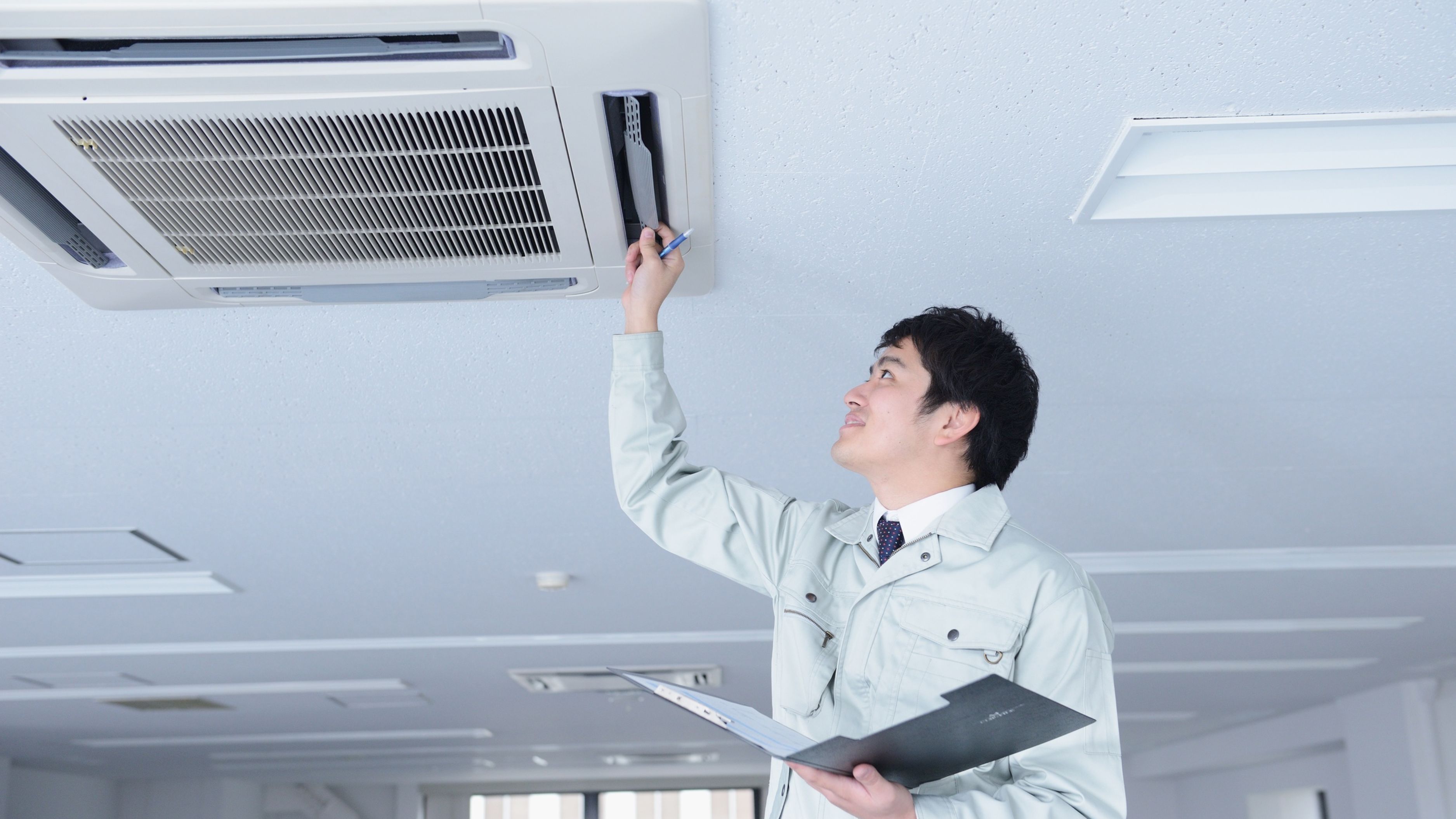
Most performance optimization stacks end at the body's edge – sleep protocols, nutrition, supplementation, training variables. The environment you inhabit for 16 to 18 hours a day is a larger lever than most of those interventions, and it's one that most high-performers haven't systematically addressed.
The Mechanism: How Indoor Environment Degrades Cognition
CO2 Accumulation
Carbon dioxide is the most clinically significant HVAC-related cognitive variable. It accumulates in occupied indoor spaces as a direct product of respiration, and the rate of accumulation is determined almost entirely by ventilation – the volume of fresh air your HVAC or mechanical ventilation system exchanges per hour.
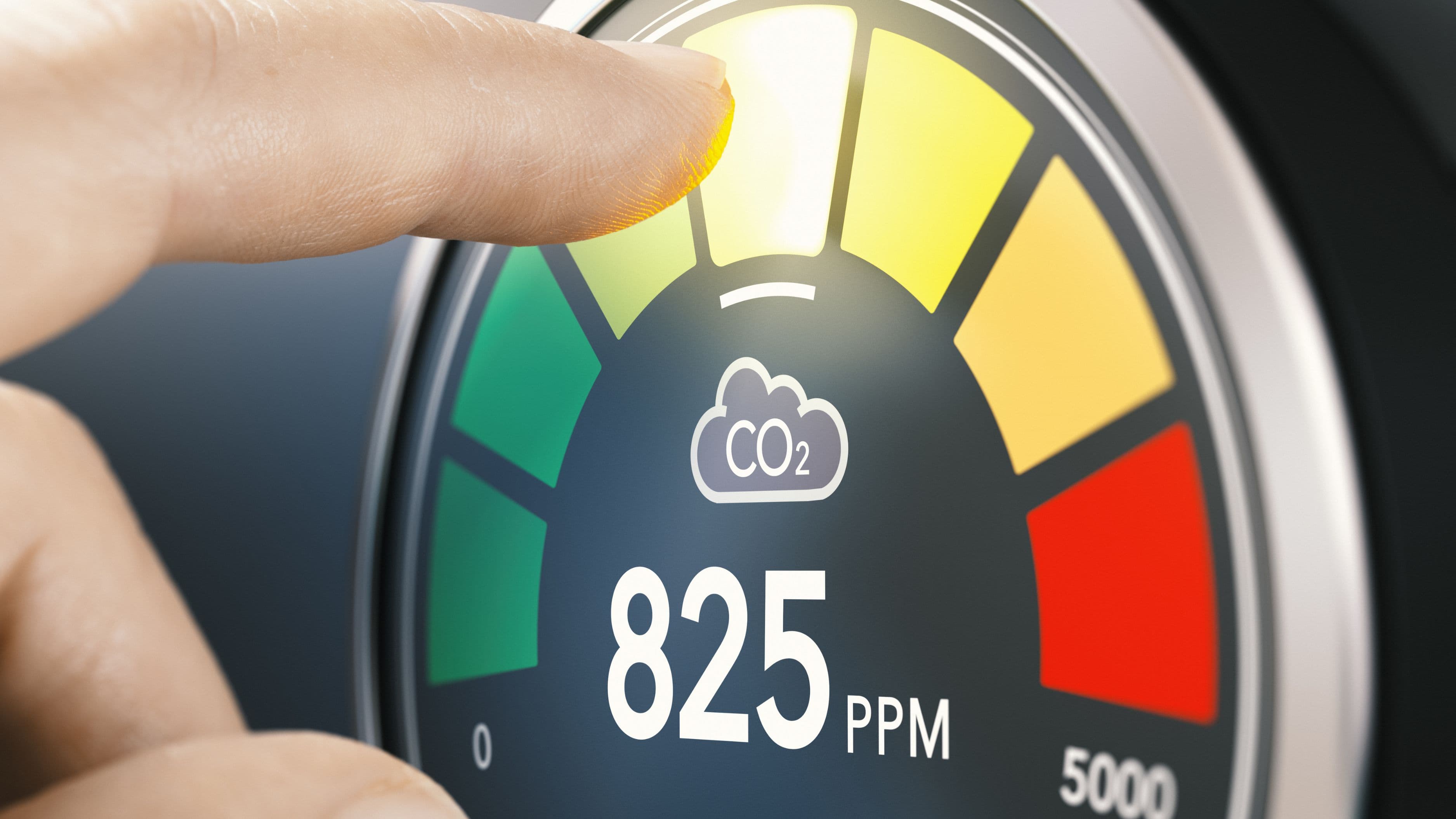
Outdoor ambient CO2 runs approximately 400–420 ppm. In a poorly ventilated bedroom or home office occupied for several hours, CO2 can climb to 1,500–2,500 ppm or higher without occupants noticing any subjective discomfort. The cognitive impact at those concentrations is not subtle.
A landmark 2015 study published in Environmental Health Perspectives (Allen et al., Harvard T.H. Chan School of Public Health) tested cognitive function across nine domains in controlled office environments at 550 ppm, 1,000 ppm, and 2,500 ppm CO2. At 1,000 ppm, performance on crisis response and information usage scores dropped by approximately 15% relative to the low-CO2 condition. At 2,500 ppm, the same scores dropped 50%. A follow-up study in 2016 replicated and extended these findings with a broader domain set. The mechanism is thought to involve CO2's effects on cerebral blood flow regulation and intracellular pH buffering in neurons, though the precise pathway is still being characterized.
Your HVAC system's ventilation rate is the primary variable here. Systems that recirculate indoor air without adequate fresh air intake – common in tightly sealed modern homes, especially in winter when windows are closed – create conditions for sustained CO2 accumulation during sleep and focused work.
Particulate Matter and Neuroinflammation
PM2.5 – fine particulate matter with a diameter of 2.5 microns or less – can penetrate deep into the lungs and, at higher exposures, cross into systemic circulation. Emerging research has identified associations between chronic PM2.5 exposure and neuroinflammatory pathways, with some animal studies demonstrating direct transport along the olfactory nerve to the brain.
In the context of home HVAC, PM2.5 sources include outdoor air infiltration (particularly if you're near high-traffic roads), cooking, candles, and the HVAC system itself when filters are degraded or ductwork is contaminated. A system running a MERV 8 filter – the typical builder-grade option – captures large particles but allows a significant fraction of PM2.5 through. A MERV 13 or higher filter captures the PM2.5 range effectively. HEPA-grade filtration (MERV 17+) captures essentially all particulate but requires a system capable of handling the increased airflow resistance.
The acute cognitive effects of indoor PM2.5 at realistic residential concentrations are less definitively established than CO2 effects, but the chronic risk profile justifies upgrading filtration regardless.
Thermal Load and Thermoregulation
Core temperature regulation imposes a metabolic cost. When ambient temperature is outside the cognitive performance optimum, your brain is allocating resources to thermoregulation that would otherwise be available for cognitive work.
The research on thermal comfort and cognitive performance converges on a fairly narrow range: approximately 21–22°C (70–72°F) for sedentary cognitive work, with performance declining meaningfully above 26°C (79°F) and showing increased error rates and reduced processing speed. A 2018 study in PLOS ONE examining heat exposure and cognitive performance found that students in non-air-conditioned spaces during a heat wave performed significantly worse on cognitive tests than those in air-conditioned environments, with a 13% slower reaction time and 13% worse working memory performance.
Sleep-specific thermal requirements differ from waking performance requirements. Core body temperature needs to drop approximately 1–2°C to initiate and maintain sleep. Ambient bedroom temperature in the 18–19°C (65–67°F) range supports this thermoregulatory drop more effectively than warmer environments. A bedroom chronically held at 22–24°C by an HVAC system that doesn't distinguish between day and nighttime settings is subtly compromising sleep architecture – and the downstream cognitive effects of that are well-documented.
Humidity and Mucosal Defense
Low humidity – common in winter when HVAC heating systems drive indoor relative humidity below 20–30% – desiccates respiratory mucosa, reducing mucociliary clearance and increasing susceptibility to respiratory pathogens. It also increases the airborne survival time of certain respiratory viruses. This is an indirect cognitive performance variable but a real one: repeated subclinical respiratory infections over a winter season accumulate meaningful downtime.
Elevated humidity above 60% supports mold growth and dust mite proliferation, both of which contribute to allergen loads that drive systemic low-grade inflammation. Chronic allergic inflammation is associated with brain fog, reduced processing speed, and attentional deficits in non-atopic individuals as well as atopic ones, through shared cytokine pathways. The target range for cognitive and immune optimization is 40–55% relative humidity, year-round.
Diagnosing Your Current HVAC Environment
Before making changes, establish your baseline. The variables worth measuring are CO2, PM2.5, temperature, and relative humidity. A monitor that covers all four in a single unit – the Airthings View Plus or Awair Element are the two most defensible choices for the price range – gives you a continuous data stream from which to identify your problem variables.
Run the monitor in your primary workspace for a full workday, then in your bedroom overnight. CO2 above 900 ppm during focused work warrants ventilation intervention. CO2 above 800 ppm during sleep is meaningfully disrupting sleep architecture. PM2.5 above 12 µg/m³ (the EPA annual mean standard) averaged over a day indicates filtration or source-control issues. Humidity consistently below 35% or above 60% warrants humidity control. Temperature above 23°C during focused work or above 20°C during sleep is a thermal performance issue.
Most people who run this audit are surprised by their CO2 readings in particular. A tightly sealed modern home office occupied for four hours with the door closed routinely reaches 1,500 ppm or higher.
The Optimization Protocol
Step 1 – Upgrade Filtration to MERV 13
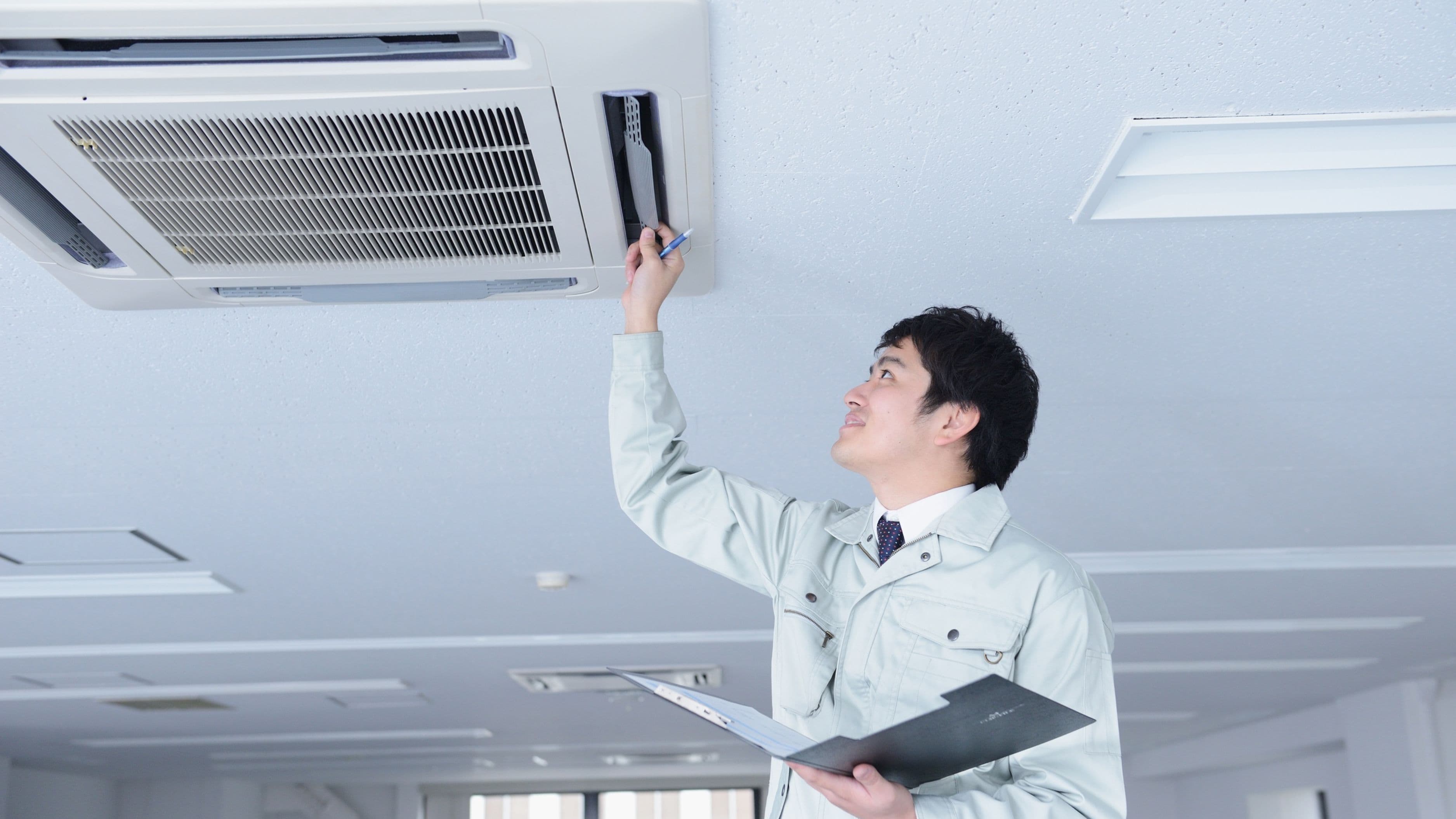
Replace your current HVAC filter with a MERV 13 pleated filter. This captures PM2.5 effectively without requiring a system upgrade in most forced-air HVAC configurations. Check your system's documentation or consult an HVAC technician if you're uncertain – some older or smaller systems are not rated for MERV 13 airflow resistance, and running an incompatible filter can reduce airflow and strain the blower motor. Change filters every 60–90 days rather than the standard 90-day recommendation, or every 30 days if you're in a high-particulate environment.
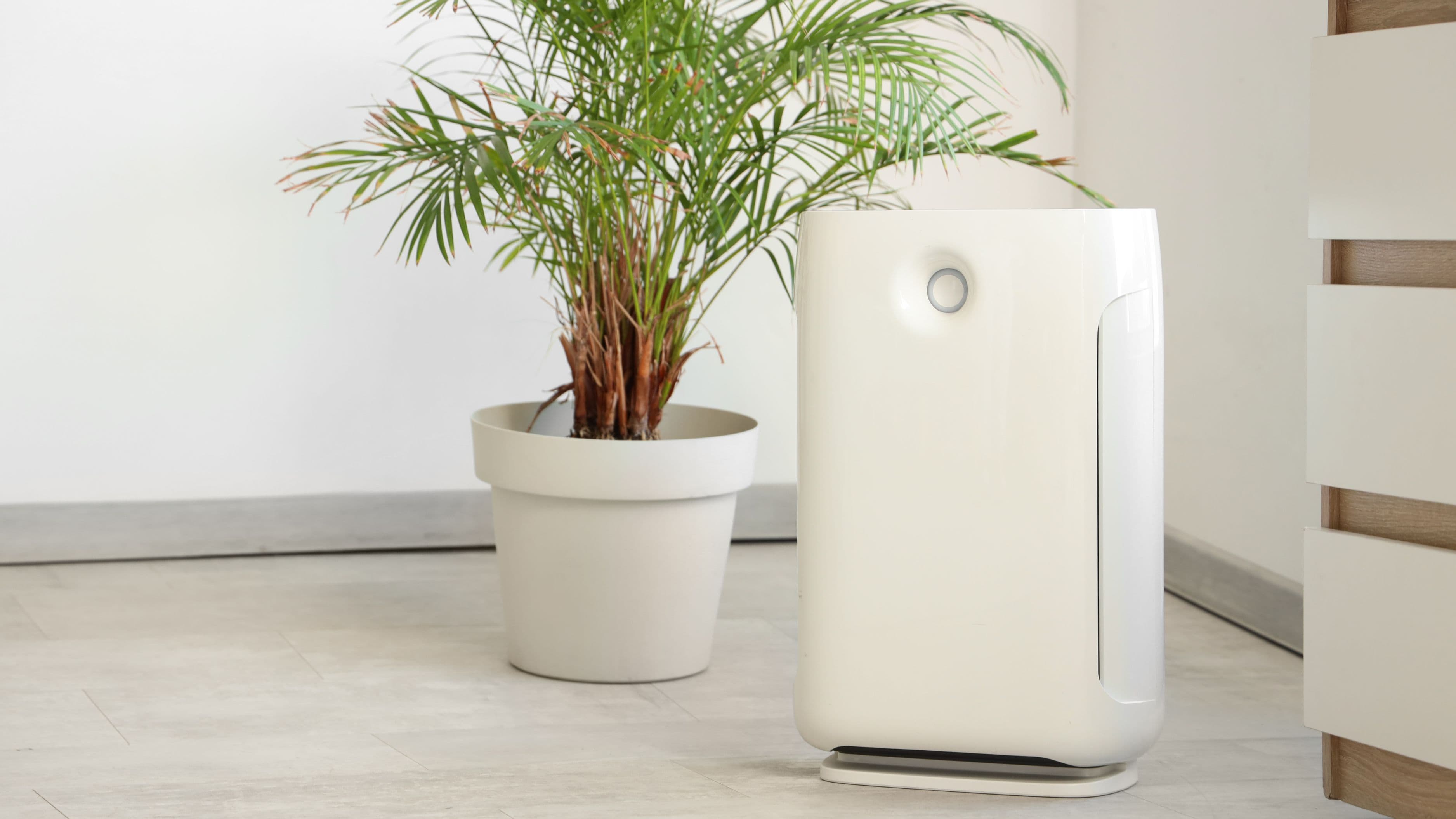
If your system cannot accommodate MERV 13, a standalone HEPA air purifier in your primary workspace and bedroom fills the gap. The Coway Airmega AP-1512HH covers up to 360 sq ft at a CADR adequate for the target room sizes most home offices fall within.
Step 2 – Address CO2 Through Ventilation
The highest-leverage CO2 intervention is behavioral: introduce fresh air. Opening a window for 10–15 minutes per hour in your workspace during focused blocks drops CO2 significantly even in cold climates. This is validated in the research and costs nothing.
For a more systematic solution, particularly in climates where window opening is impractical for a significant portion of the year, a Heat Recovery Ventilator (HRV) or Energy Recovery Ventilator (ERV) provides continuous mechanical fresh air exchange while recovering 70–80% of the thermal energy from exhaust air. HRVs are appropriate for cold climates; ERVs manage both heat and moisture recovery and are better suited to mixed or humid climates. Installation requires an HVAC contractor and costs $1,500–3,500 installed, but it is the most permanent solution to CO2 accumulation in a tightly sealed home.
A lower-cost alternative is a spot ventilation unit like the Lunos e² or similar decentralized heat recovery ventilator, which installs through an exterior wall and provides continuous low-volume fresh air exchange to a single room. These are appropriate for apartment occupants or anyone who wants workspace-specific ventilation without whole-home HVAC modification.
Step 3 – Zone Temperature Control
Set your workspace temperature to 21°C (70°F) during focused work. Set your bedroom to 18–19°C (65–67°F) during sleep. If your HVAC system doesn't support zoned control, a smart thermostat like the Ecobee with remote sensors allows per-room temperature monitoring and can be configured with schedules that shift setpoints between day and night profiles. This alone – dropping bedroom temperature 3–4°C from a default 22°C setting – produces measurable improvements in slow-wave and REM sleep duration in individuals with otherwise optimized sleep protocols.
If zoned cooling or heating isn't feasible in your current setup, a ceiling fan in the bedroom maintains effective cooling without the energy cost of sustained air conditioning, and the moving air increases perceived comfort at temperatures 2–3°C warmer than still-air equivalents.
Step 4 – Humidity Control
Target 40–50% relative humidity year-round. In winter heating season, a whole-home humidifier installed on your HVAC's return air plenum maintains this range automatically. These run $200–600 installed and require annual maintenance (evaporator pad replacement).
Standalone room humidifiers – the Levoit Classic 300S or equivalent – work adequately for bedroom-specific humidity control at lower cost.
In summer or humid climates, a dehumidifier rated for your square footage keeps humidity below 55% and removes conditions that support mold growth. Run it in any space with persistent humidity above 60%.
Step 5 – Duct Cleaning and System Maintenance
Degraded HVAC ductwork accumulates biological contamination – mold spores, dust, bacterial biofilms – that the system then distributes throughout the home on every heating or cooling cycle. This is particularly relevant in homes over 10–15 years old where ducts have never been cleaned, or in any home that has experienced water intrusion.
Professional duct cleaning by an EPA-certified contractor, followed by UV-C germicidal lamp installation in the air handler unit (which provides continuous sterilization of the coil and drain pan, the two primary mold growth sites in HVAC systems), is a one-time investment that removes a chronic low-level biological load from your indoor air. UV-C lamp installation costs $150–400 depending on system size and is one of the higher-value, lower-visibility HVAC interventions available.
Expected Results and Timeline
CO2 reduction through ventilation produces acute cognitive benefits detectable within hours of implementation – this is not a protocol where you wait weeks for results. If your baseline CO2 is elevated and you bring it to sub-900 ppm consistently, you should notice reduced afternoon cognitive fatigue and improved sustained focus within the first few days.
Filtration upgrades operate on a longer timeline because the primary benefit is reducing chronic particulate and allergen exposure rather than acutely elevating performance. The relevant outcome is reduced frequency of respiratory and allergic symptoms over a season, and the accumulation of sleep and recovery quality that follows from reduced inflammation.
Thermal optimization of sleep temperature produces measurable improvements in sleep architecture – specifically slow-wave sleep depth and REM duration – that most people notice subjectively within one to two weeks. The objective data, if you're tracking with a wearable, will typically reflect this within the same window.
What Doesn't Work
Ozone-generating air purifiers and ionic "air purifiers" that produce ozone as a byproduct are not appropriate for occupied spaces. The EPA has explicitly noted that ozone at levels produced by these devices can cause respiratory irritation and worsen lung function in healthy adults. This is not a marginal risk – it's a well-characterized physiological response. Stick to HEPA-based filtration.
Scented candles and synthetic air fresheners are net-negative interventions from an air quality standpoint. Both introduce VOCs into the indoor environment, and the VOC load from regular candle burning in a small space is measurable. If you're optimizing for clean air, these are the first things to eliminate.
Essential oil diffusers occupying a similar cultural niche to air purifiers add VOCs and fine particulate to indoor air rather than removing them. This is not to say they have no place in a home, but they should not be conflated with air quality improvement.
FAQ
How do I know if CO2 is actually affecting my performance, or if I'm just experiencing normal fatigue?
The most useful test is measurement rather than subjective assessment. Get a CO2 monitor, check your workspace levels during a period of typical afternoon cognitive decline, and compare. If levels are above 1,000 ppm, open windows for 15 minutes and recheck. If the fatigue resolves within 20–30 minutes, CO2 was a contributing factor. This is a cleaner diagnostic than trying to interpret subjective fatigue in isolation.
Is MERV 13 safe for my HVAC system?
Most modern forced-air systems can handle MERV 13 with no issues. Older or smaller systems may experience reduced airflow, which increases energy consumption and can stress the blower motor. Check your system's manual for filter rating guidance, or have an HVAC technician assess compatibility. If your system can't accommodate MERV 13, a standalone HEPA purifier in key rooms is the appropriate alternative.
What CO2 level should I target during sleep?
Below 800 ppm is the performance-optimized target for sleep. Bedrooms with closed doors in tightly sealed homes can reach 1,200–1,500 ppm overnight, which correlates with reduced sleep quality and next-day cognitive performance. A cracked window or bedroom door left open provides meaningful ventilation in most home configurations.
Does running the HVAC fan continuously (rather than only when heating or cooling) improve air quality?
Yes, with a caveat. Continuous fan mode keeps air circulating through the filter continuously rather than only during conditioning cycles, which increases filtration effectiveness. The caveat is that it increases filter load, so filter replacement intervals need to shorten accordingly. It also modestly increases energy consumption. Net effect on air quality is positive if you're running MERV 13 or better.
How significant is the cognitive impact compared to other interventions like sleep optimization or supplementation?
Direct comparison is difficult because the research methodologies differ, but the magnitude of CO2-related cognitive impairment in poorly ventilated spaces – up to 50% reduction in specific cognitive domains at realistic indoor concentrations – is at the high end of any environmental variable tested. Most cognitive supplements produce effects measured in the single-digit percentage range in healthy adults. Ventilation optimization at elevated CO2 baselines likely represents a larger gain than most supplementation protocols, which makes it a higher-priority intervention for anyone who hasn't addressed it.
Your HVAC system is already running continuously, already conditioning the air you breathe, and already exerting influence over your cognitive performance – the only question is whether it's doing so well or poorly. The interventions outlined here are not experimental; they're applications of established environmental health science to a performance context. Measure your baseline, address the highest-leverage variable first (almost certainly CO2 and filtration), and build from there.
📚 Sources
Allen et al. (2015) – Associations of cognitive function scores with carbon dioxide, ventilation, and volatile organic compound exposures in office workers – Environmental Health Perspectives – https://ehp.niehs.nih.gov/doi/10.1289/ehp.1510037
Allen et al. (2016) – Associations of Cognitive Function Scores with Carbon Dioxide, Ventilation, and Volatile Organic Compound Exposures (COGfx Study) – Environmental Health Perspectives – https://ehp.niehs.nih.gov/doi/10.1289/EHP232
Cedeño Laurent et al. (2021) – Elevated indoor carbon dioxide impairs decision-making performance – bioRxiv – https://www.biorxiv.org/content/10.1101/2021.06.08.447590v1
Jacklitsch et al. (2016) – NIOSH Criteria for a Recommended Standard: Occupational Exposure to Heat and Hot Environments – https://www.cdc.gov/niosh/docs/2016-106/default.html
Obradovich et al. (2017) – Nighttime temperature and human sleep loss in a changing climate – Science Advances – https://www.science.org/doi/10.1126/sciadv.1601555
EPA – Ozone generators sold as air cleaners – https://www.epa.gov/indoor-air-quality-iaq/ozone-generators-sold-air-cleaners
EPA – Guide to Air Cleaners in the Home – https://www.epa.gov/indoor-air-quality-iaq/guide-air-cleaners-home
ASHRAE Standard 62.1 – Ventilation for Acceptable Indoor Air Quality – https://www.ashrae.org/technical-resources/bookstore/standards-62-1-62-2