
The Science of Why Humidity Matters
Relative humidity determines how efficiently sweat evaporates off the skin, and evaporation is the body's primary cooling mechanism during intense training. In high-humidity environments, sweat sits on the skin instead of evaporating, which impairs thermoregulation, raises core body temperature faster during exertion, and increases perceived exertion for the same physical workload. Research on exercise physiology consistently shows that performance in strength and endurance work declines as ambient humidity climbs above roughly 60 percent, even when temperature stays constant.
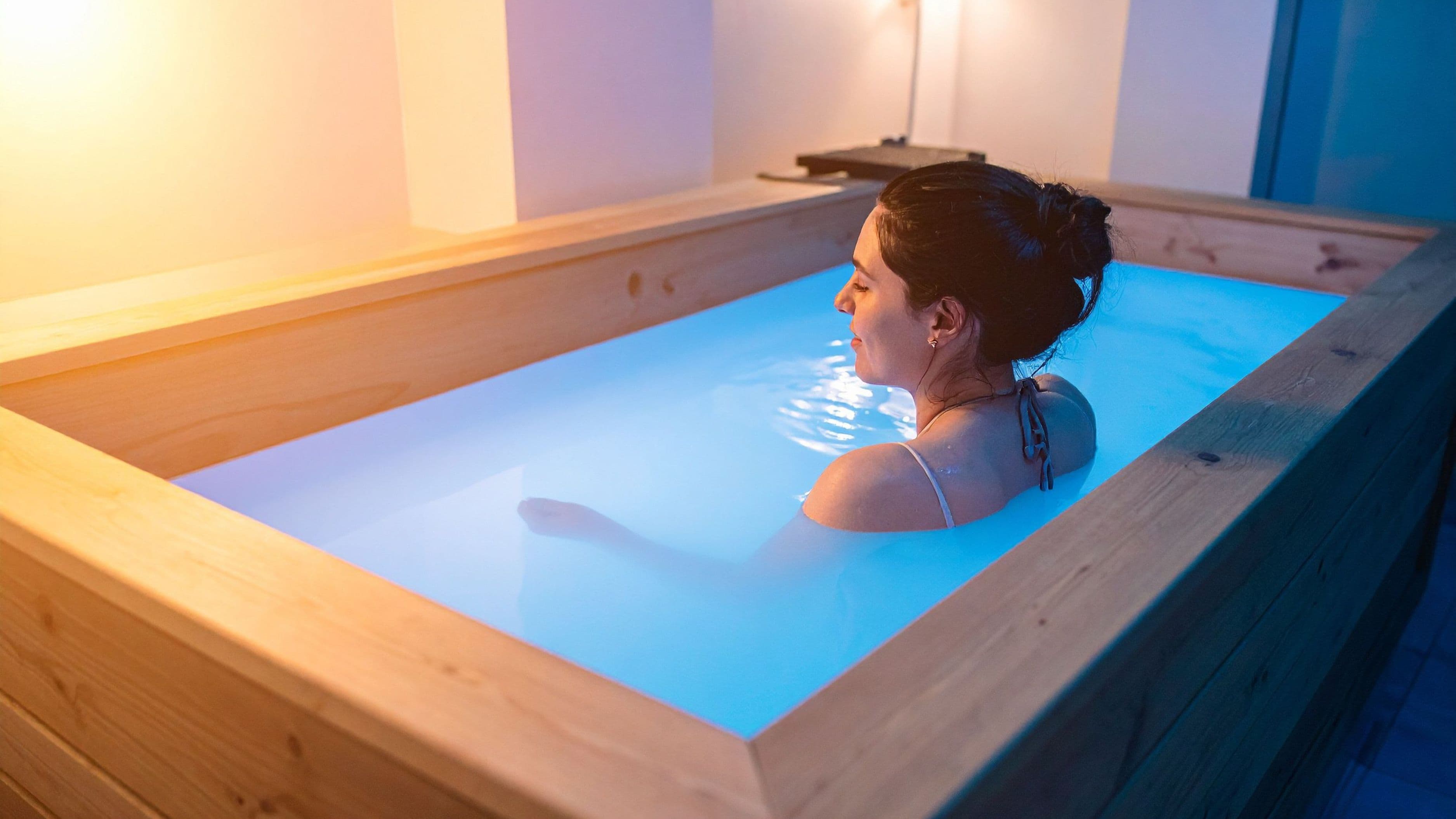
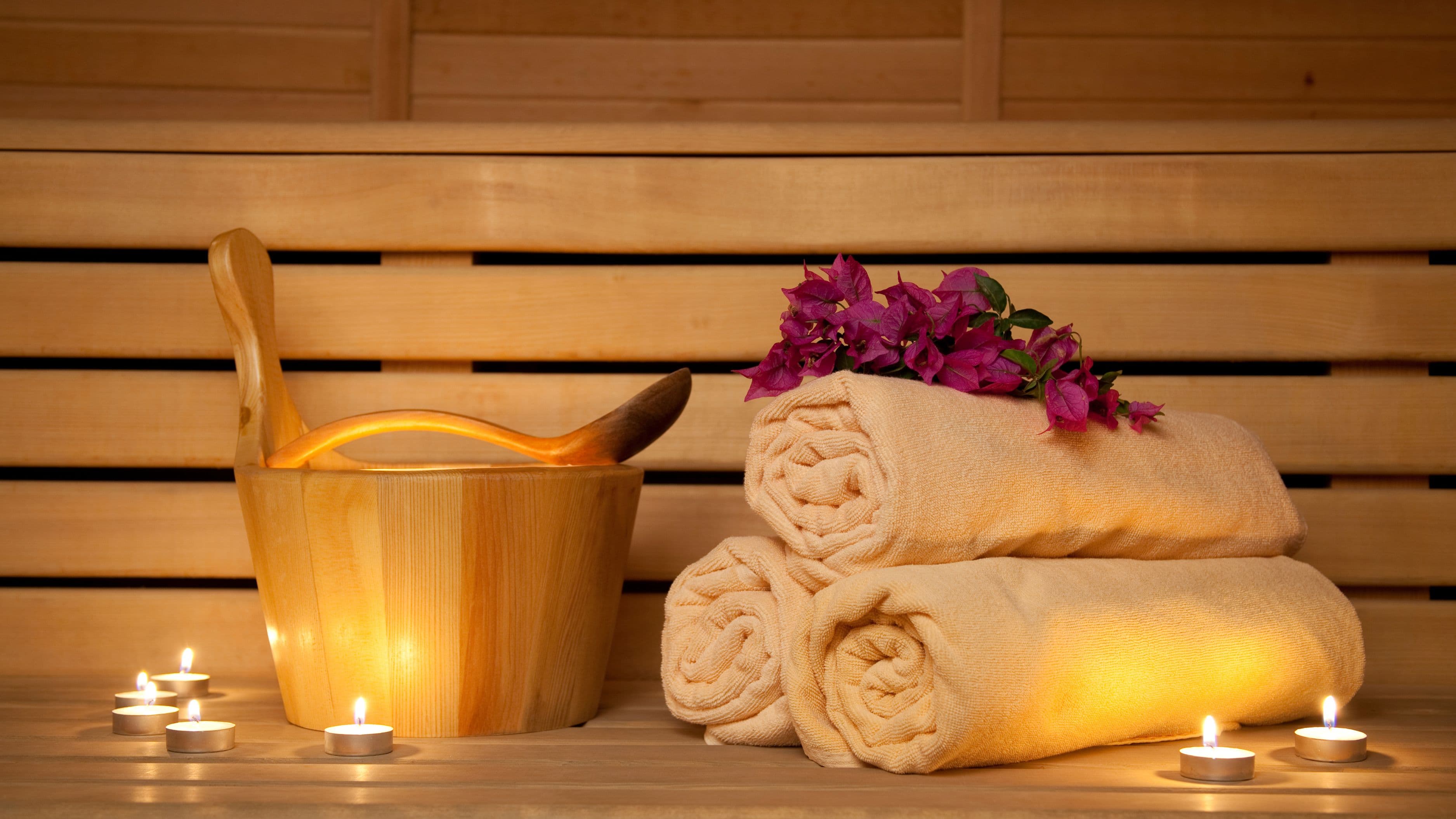
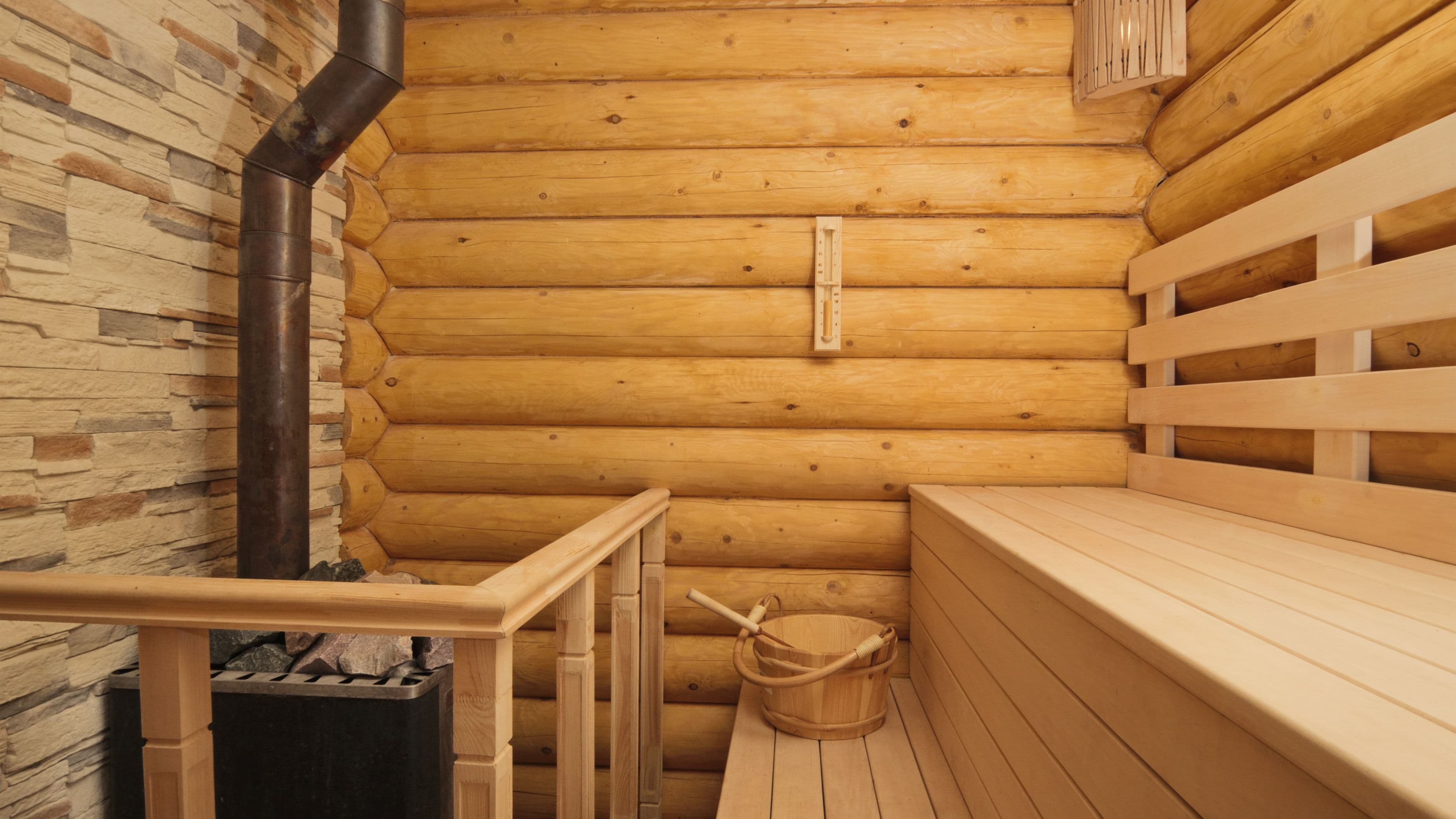
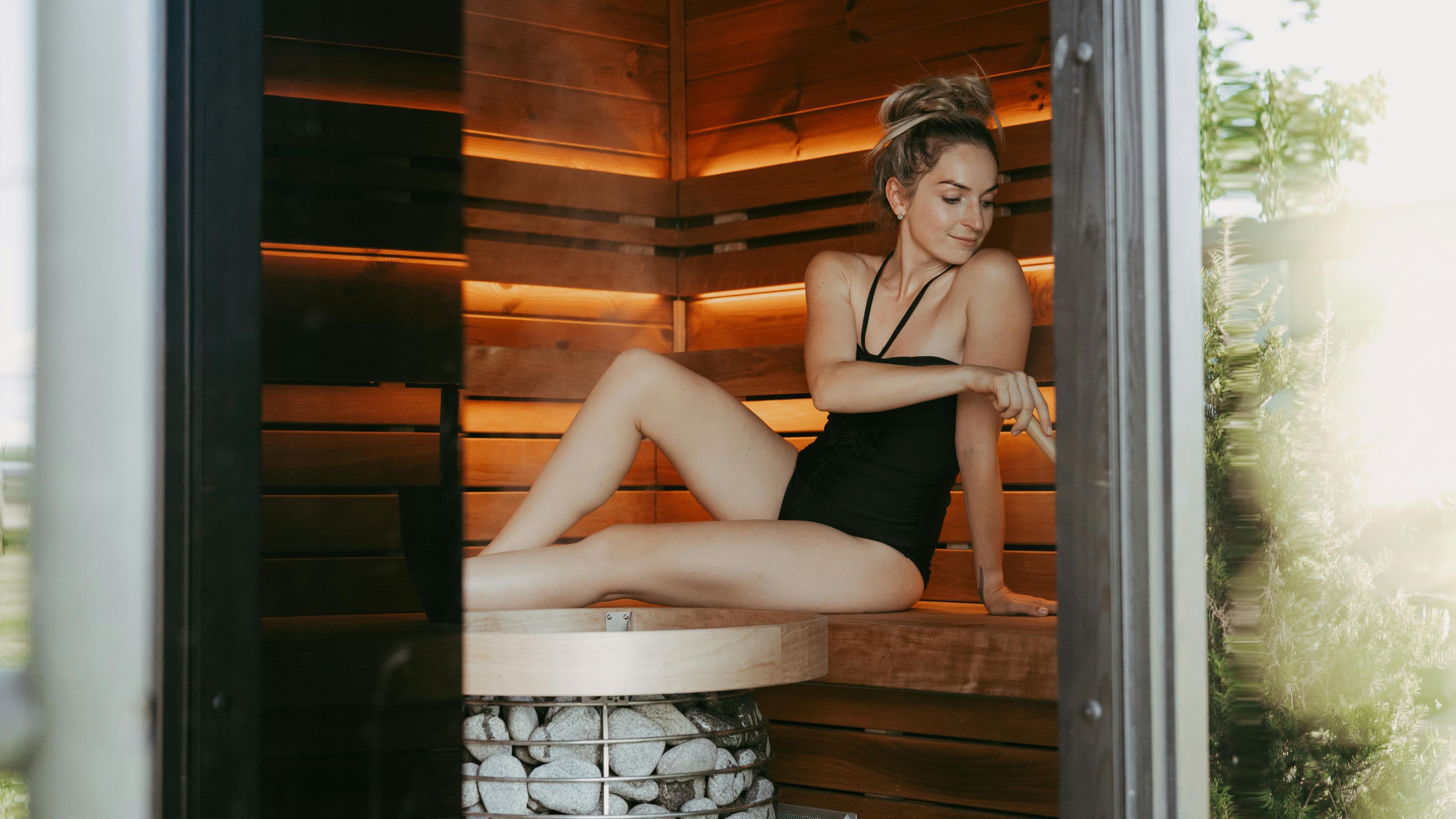
On the opposite end, air that's too dry, generally below 30 percent relative humidity, dries out mucous membranes in the respiratory tract, which can increase susceptibility to irritation and infection, and it also degrades leather and rubber equipment surfaces over time by drawing moisture out of the material. For recovery-focused environments like a sauna cooldown room or a cold plunge changing area, dry air can also worsen skin dryness and irritation post-cold exposure, when the skin barrier is already compromised.
The Target Range
For most home gym and recovery spaces, a relative humidity range of 40 to 55 percent represents the practical sweet spot. This range supports efficient sweat evaporation during training, minimizes mold and mildew risk on mats, equipment padding, and walls, and keeps respiratory comfort high without drying out skin or airways during recovery protocols. Cold plunge and sauna transition areas benefit from sitting closer to the lower half of that range, around 40 to 45 percent, since these spaces already deal with significant moisture load from steam and water exposure.
Step-by-Step Protocol
Step 1: Measure Before You Adjust Anything
Buy a reliable hygrometer, ideally one with data logging capability, and place it at roughly chest height in the center of your training space, away from direct airflow from vents or windows. Track readings across a full week, including during and immediately after training sessions, since humidity spikes significantly during workouts due to sweat evaporation and heavier breathing. Without this baseline, any adjustments you make afterward are guesswork.
Step 2: Address Ventilation First
Before adding equipment, check whether your space has adequate air exchange. A poorly ventilated basement or garage gym will trap humidity from sweat and breathing regardless of what dehumidification equipment you add later, since you're fighting a constant moisture input with no way for that air to leave. Installing a simple exhaust fan, cracking a window during sessions if climate allows, or improving existing HVAC airflow to the space should come before investing in standalone humidity control devices.
Step 3: Add a Dehumidifier for Humid Climates or Basement Gyms
If your baseline readings consistently sit above 55 percent, a dedicated dehumidifier sized appropriately for your square footage is the most direct fix. Basement and garage gyms are particularly prone to this issue due to limited natural airflow and proximity to ground moisture. Look for a unit rated for your specific room size rather than undersized units marketed for general home use, since undersized dehumidifiers run constantly without ever reaching target humidity in a space with heavy moisture load from training sessions.
Step 4: Add a Humidifier for Dry Climates or Winter Heating Seasons
If your readings consistently fall below 30 percent, particularly common in colder climates during winter heating season, a humidifier sized for your space helps protect both respiratory comfort and equipment integrity. Ultrasonic cool-mist humidifiers tend to work well for gym spaces since they don't add unwanted heat to a room already generating heat from training.
Step 5: Manage Moisture Sources Directly
Beyond mechanical humidity control, address moisture at the source. Wipe down equipment and mats immediately after each session rather than letting sweat evaporate slowly into the room's air over hours. Use a moisture-wicking mat under any equipment prone to sweat accumulation, and ensure any post-training shower or cold plunge area has separate, dedicated ventilation to prevent that moisture from migrating into the main training space
.
Step 6: Recheck and Fine-Tune Weekly for the First Month
Humidity control isn't a one-time setup. Re-measure your space daily for the first two weeks after making changes, then weekly after that, adjusting equipment settings as seasons change. A protocol calibrated for summer humidity will likely need adjustment heading into a drier winter, and vice versa.
Tools and Equipment
A mid-range hygrometer with data logging runs relatively low cost and provides the data foundation for every other decision in this protocol. Dehumidifier sizing should be matched to square footage using manufacturer specifications rather than guessed, since an undersized unit will run continuously without achieving target humidity. For dry climates, a humidifier with a built-in humidistat automatically maintains target range without requiring manual monitoring throughout the day.
Expected Results and Timeline
Most men notice a difference in training comfort and perceived exertion within one to two weeks of stabilizing humidity in the optimal range, particularly during longer or higher-intensity sessions where sweat evaporation efficiency matters most. Mold and mildew reduction on equipment and surfaces typically becomes noticeable within three to four weeks, assuming consistent humidity control and regular equipment cleaning. Respiratory comfort improvements in dry-climate corrections tend to show up faster, often within days, since dry airway irritation responds quickly to improved ambient moisture.
Risks and Mistakes
Overcorrecting into excessively high humidity to chase comfort during cold exposure recovery is a common mistake, since it can create ideal conditions for mold growth in a space that already deals with water exposure from cold plunges or showers. Neglecting to clean dehumidifier or humidifier tanks and filters regularly introduces its own bacterial and mold risk, effectively undermining the entire purpose of the protocol. It's also a mistake to rely solely on a device's built-in display readings, since many consumer units are inaccurately calibrated, making an independent hygrometer worth the additional cost for verification.
FAQ
Does humidity control actually improve strength training performance, or is this only relevant for cardio? Both benefit, but the effect is more pronounced during longer, higher-intensity sessions where sweat volume and evaporation efficiency have more time to influence core temperature and perceived exertion.
Can I use one device to handle both a training space and a recovery area? Generally no, since these spaces often need different target humidity levels. A shared HVAC system with zone control is a better long-term solution than relying on a single portable unit to manage two different environments.
How often should equipment actually be checked for calibration accuracy? Checking your hygrometer against a second independent unit every few months is a reasonable practice, since consumer-grade sensors can drift over time.
📚 Sources
American College of Sports Medicine – "Exercise and Fluid Replacement Position Stand." https://www.acsm.org/
EPA – "Indoor Humidity and Mold Prevention." https://www.epa.gov/mold/mold-course-chapter-2
National Institute for Occupational Safety and Health – "Heat Stress and Humidity." https://www.cdc.gov/niosh/topics/heatstress/