


What HRV Actually Measures
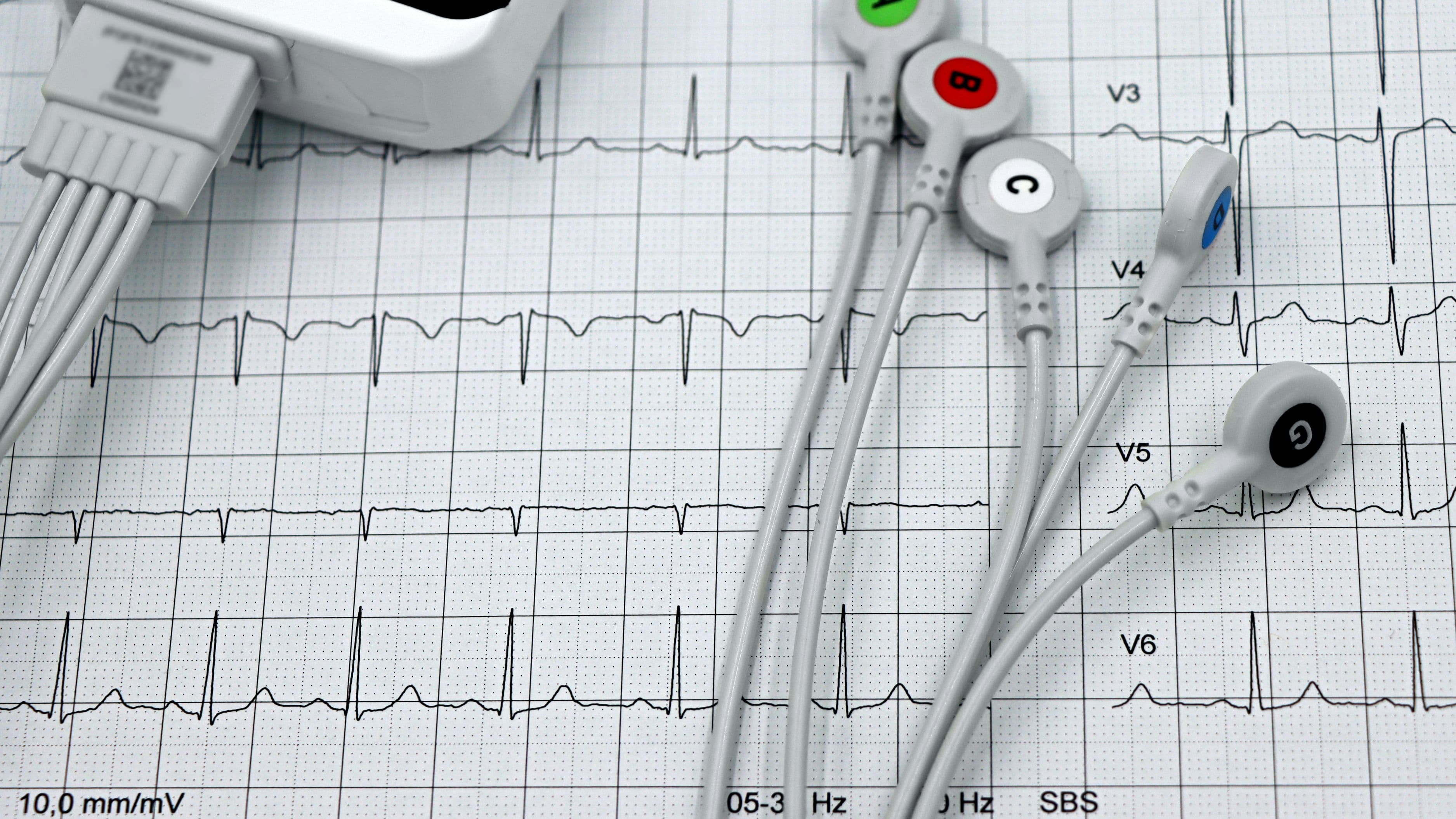
Heart rate variability is the variation in time between successive heartbeats – not your heart rate itself, but the fluctuation between beats. This variability is governed largely by the autonomic nervous system, specifically the interplay between the sympathetic ("fight or flight") and parasympathetic ("rest and digest") branches. Higher HRV generally reflects a more adaptable, resilient autonomic nervous system capable of shifting states efficiently in response to demand. Lower HRV is associated with chronic stress, poor recovery, and reduced physiological flexibility.
What Stress Inoculation Means in This Context
Stress inoculation training is a concept borrowed from clinical psychology – the idea that controlled, repeated exposure to manageable stress builds capacity to handle larger, uncontrolled stress later. Applied to HRV biofeedback, this means deliberately practicing techniques that shift your autonomic state under low-stakes conditions, so your nervous system has a trained, rehearsed response ready when real stress hits.
This is mechanistically different from simple relaxation. The goal isn't just to feel calm in the moment – it's to build a trainable skill your nervous system can deploy on demand, the same way repeated practice under load builds physical strength.
The Core Mechanism: Resonance Frequency Breathing
The most well-researched HRV biofeedback protocol centers on finding your personal "resonance frequency" – the breathing rate at which your HRV amplitude reaches its maximum. For most adults, this falls somewhere between 4.5 and 7 breaths per minute, though it varies by individual based on factors including height and baseline autonomic function.
Breathing at this specific, slower rate creates a strong, synchronized oscillation between respiration and heart rate, maximizing vagal engagement – a measurable, trainable physiological response, not just a subjective feeling of calm.
Building a Protocol
Step 1: Find your resonance frequency. This is typically done using an HRV biofeedback device or app that displays real-time heart rate variability while you breathe at different paced rates (starting around 6 breaths per minute and adjusting in either direction) to identify where your HRV amplitude peaks.
Step 2: Practice at that frequency consistently. Most published protocols use twenty minutes, twice daily, over four to six weeks, though even shorter, more frequent sessions have shown measurable benefit in some studies.
Step 3: Use a device or app for real-time feedback during training. This is what separates biofeedback from generic paced breathing – seeing the direct effect of your breathing on your heart rhythm reinforces the skill faster than breathing exercises done blind.
Step 4: Introduce controlled stress during practice sessions once the baseline skill is established. Some protocols incorporate mild stressors – a cognitively demanding task, a brief cold exposure, or a stressful mental image – while maintaining resonance breathing, explicitly training the ability to regulate under load rather than only at rest.
Step 5: Apply the skill in real situations. Once trained, the same breathing pattern can be deployed briefly before a high-stakes meeting, a difficult conversation, or competition, functioning as a rapid autonomic reset rather than a lengthy relaxation session.
What the Research Actually Supports
Studies on HRV biofeedback have shown measurable improvements in self-reported stress, anxiety symptoms, and physiological stress reactivity across a range of populations, including athletes, military personnel, and clinical anxiety populations. Effects on performance under acute stress – reaction time, decision-making, emotional regulation during high-pressure tasks – have also been documented, though effect sizes vary and more research on optimal dosing (frequency, duration, session length) is still developing.
It's worth noting most positive findings come from consistent practice over weeks, not single sessions. Treating this as a one-time trick before a stressful event will produce a smaller effect than treating it as a trained skill built over time.
Devices Worth Considering
Effective HRV biofeedback doesn't require expensive clinical equipment. Consumer-grade chest strap heart rate monitors paired with dedicated HRV biofeedback apps can capture data with sufficient accuracy for training purposes, since the resolution needed to detect resonance frequency patterns is achievable outside a lab setting. Wrist-based optical sensors are generally less accurate for this specific application than chest strap or finger-based sensors, which matters if you're serious about precision.
What to Avoid
Don't skip the resonance frequency identification step and just guess at a breathing rate – individual variation is significant enough that a generic "breathe at six per minute" instruction may not maximize your training effect. Avoid treating a single session as sufficient; the resilience-building effect comes from repeated practice over weeks, not a one-off exercise. And don't rely on wrist-based fitness trackers for precise resonance frequency training, since their heart rate sampling accuracy is generally insufficient for this specific application.
FAQ
How is HRV biofeedback different from regular meditation or deep breathing? The real-time feedback loop is the key difference – seeing your heart rhythm respond directly to your breathing reinforces the skill more precisely and faster than breathing exercises practiced without measurable feedback.
Do I need a lab-grade device to get results? No. Consumer HRV biofeedback apps paired with a chest strap monitor are generally sufficient for both resonance frequency identification and ongoing training.
How long before I'd notice a difference under real stress? Most research protocols use four to six weeks of consistent practice before measuring meaningful changes in stress reactivity, so this is a trained skill built over time rather than an instant fix.
📚 Sources
National Library of Medicine: Heart Rate Variability Biofeedback and Health – A Systematic Review
Frontiers in Psychology: Resonance Frequency Breathing and Autonomic Regulation