Start With an Honest Lifestyle Audit
Before browsing a single listing, map out how you actually live – not how you'd like to live in theory.
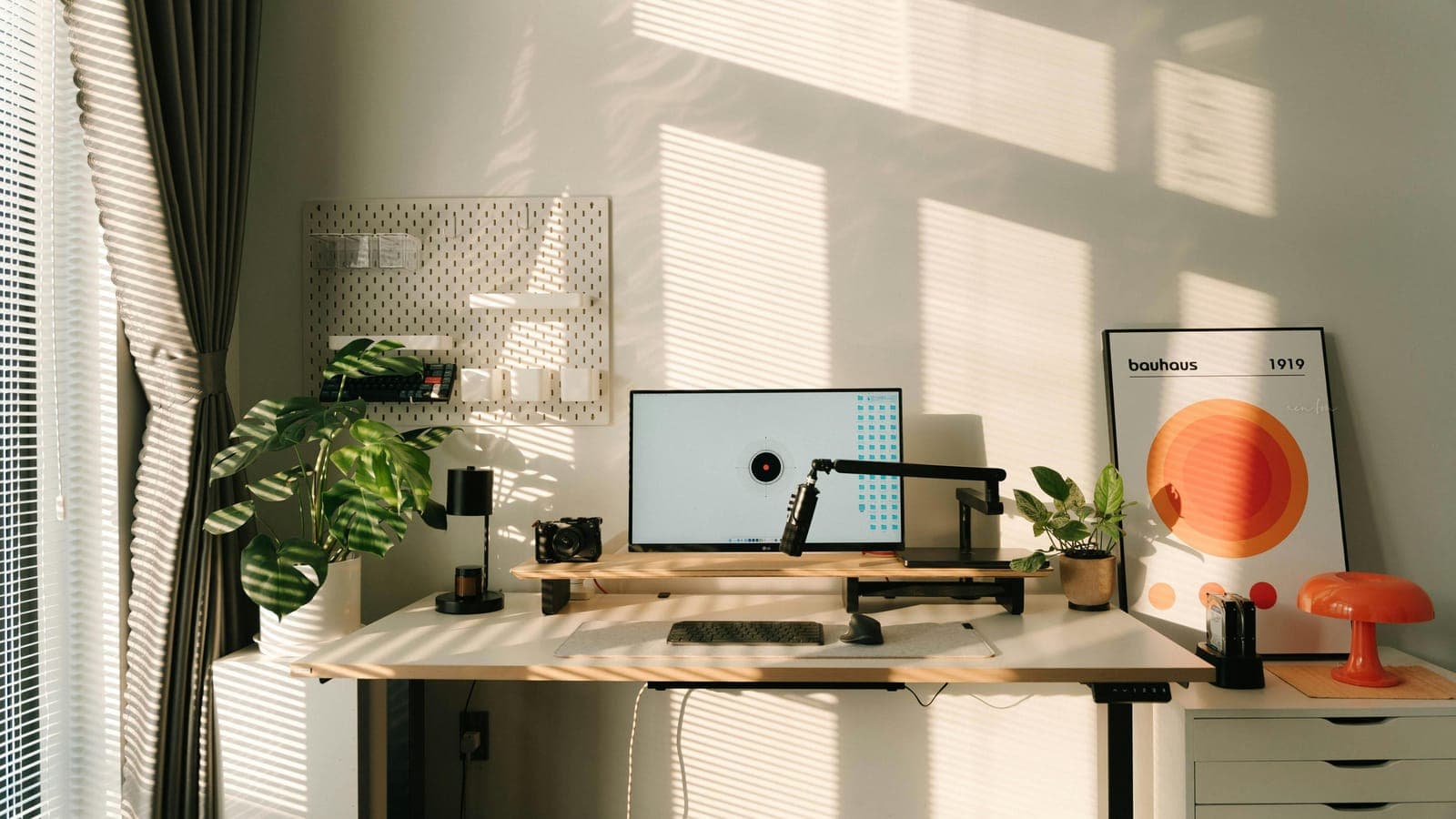
Start with work. If you work remotely or hybrid, you need a dedicated, quiet space with good light, reliable internet, and room for a proper desk setup. A laptop on the couch is fine for a week, not for years.
Next, think about training and recovery. Do you lift at a commercial gym, train at home, run outdoors, or play sports? Your answer shapes whether you need a nearby gym, space for equipment, or access to parks and trails.
Consider food. If you cook most meals, a functional kitchen with counter space, storage, and decent ventilation matters far more than if you mostly eat out.
Look at your social life. Hosting friends regularly requires a different layout than a home built for quiet evenings.
Finally, think ahead. If you're planning to get a pet, move in with a partner, change jobs, or start a family within the next few years, look for flexibility – a slightly larger unit, a pet-friendly building, or lease terms that won't trap you.
Turn this audit into two lists: non-negotiables and nice-to-haves. You'll use them to filter listings and avoid being swayed by features that look good on a tour but don't matter in daily life.
Features That Support Sleep and Recovery
Noise
Noise is one of the most underestimated factors in apartment satisfaction, and persistent nighttime noise can disrupt sleep quality. Check where the bedroom sits relative to busy streets, elevators, trash chutes, bars, and building mechanical equipment. Top-floor units avoid upstairs footsteps, while corner units share fewer walls. Visit at night if possible, and ask current residents how noisy the building gets.
Light
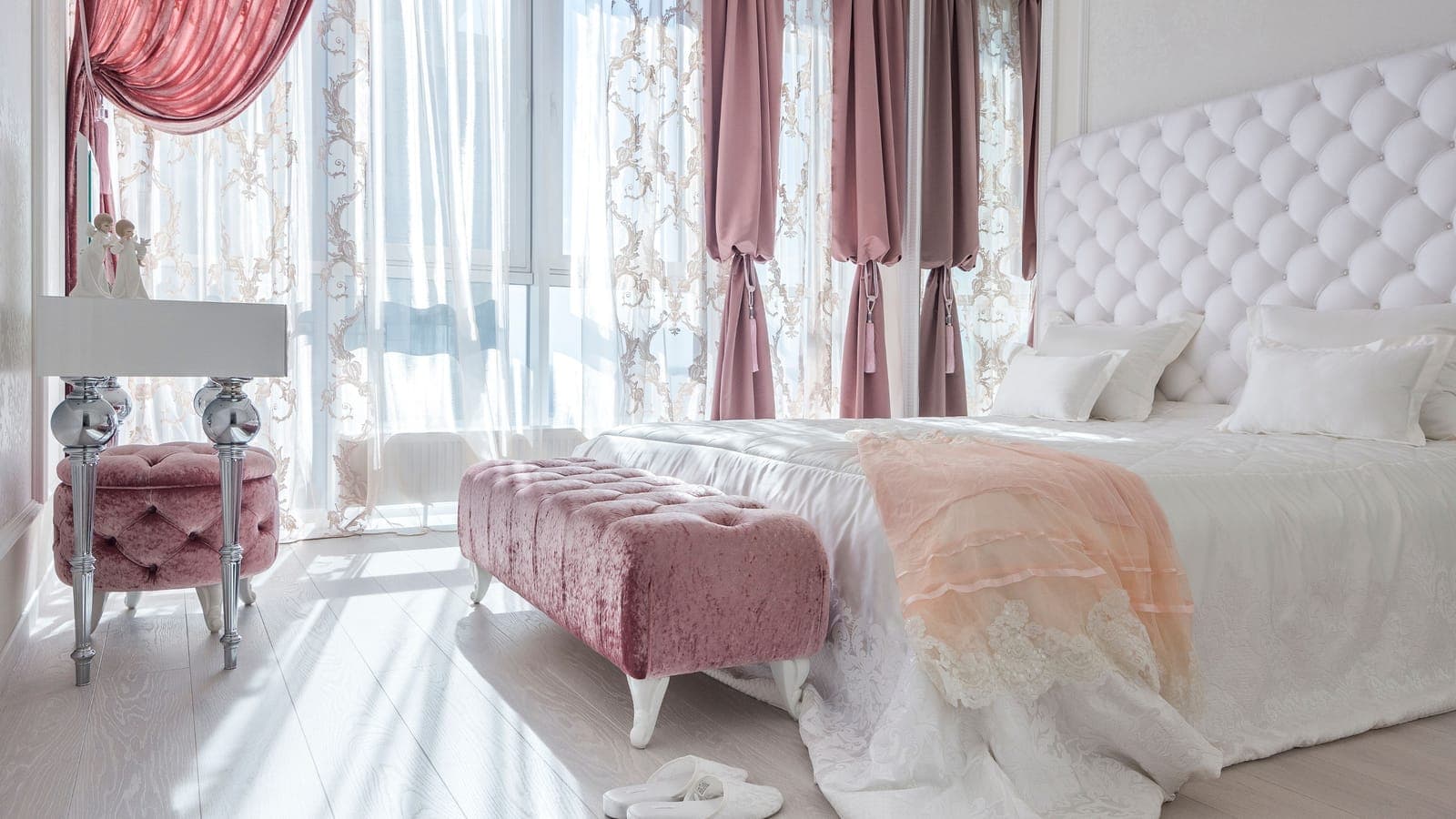
Natural light improves mood and energy, and morning daylight helps anchor your sleep-wake cycle. Look for living spaces with good daytime light and bedrooms that can be made dark at night. If street lights or signs shine into the bedroom, budget for blackout curtains.
Temperature and Air Quality
A cool bedroom supports better sleep, so confirm that heating and cooling systems work well and can be adjusted by you rather than set building-wide. Check windows for drafts and look for signs of mold or water damage, especially in bathrooms and under sinks. A kitchen range hood that vents outdoors helps clear cooking fumes. For buildings constructed before 1978, landlords are required to disclose known lead-based paint hazards.
Features That Support Training and Activity
Access to Exercise
The easier exercise is to reach, the more often you'll do it. Check the distance to your gym, nearby parks, running routes, trails, or sports facilities. A building gym can save the cost of a membership, but tour it first – some are little more than a treadmill and a few dumbbells.
Space to Train at Home
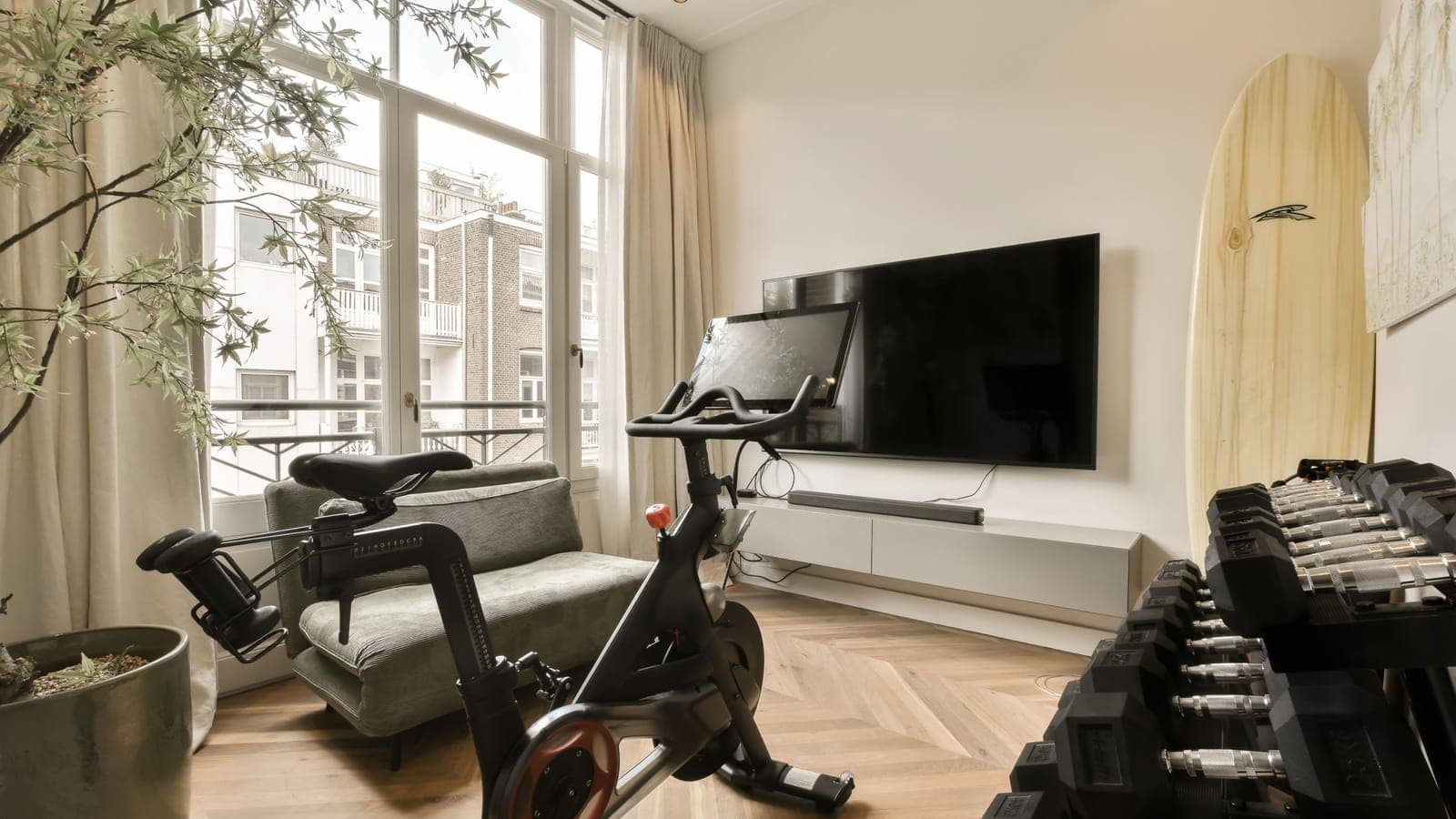
If you train at home, look for open floor space and ceiling height that suits your routine. Ground-floor units let you drop weights or jump without disturbing neighbors below, while upper-floor units may require protective mats and quieter training. Check the lease and building rules for restrictions on heavy equipment.
Walkability
A walkable neighborhood builds activity into your day without trying. Walk Score and similar tools can help you compare areas, but walk the neighborhood yourself to judge sidewalks, safety, and how many daily errands you could handle on foot.
Features That Support Work and Daily Life
Layout
Open-concept layouts feel spacious and work well for entertaining, but they offer little separation between work, relaxation, and sleep. Defined rooms or a separate nook make it easier to keep work out of the bedroom and maintain boundaries between parts of your day. Consider how the layout would function on an ordinary Tuesday, not just how it photographs.
Kitchen
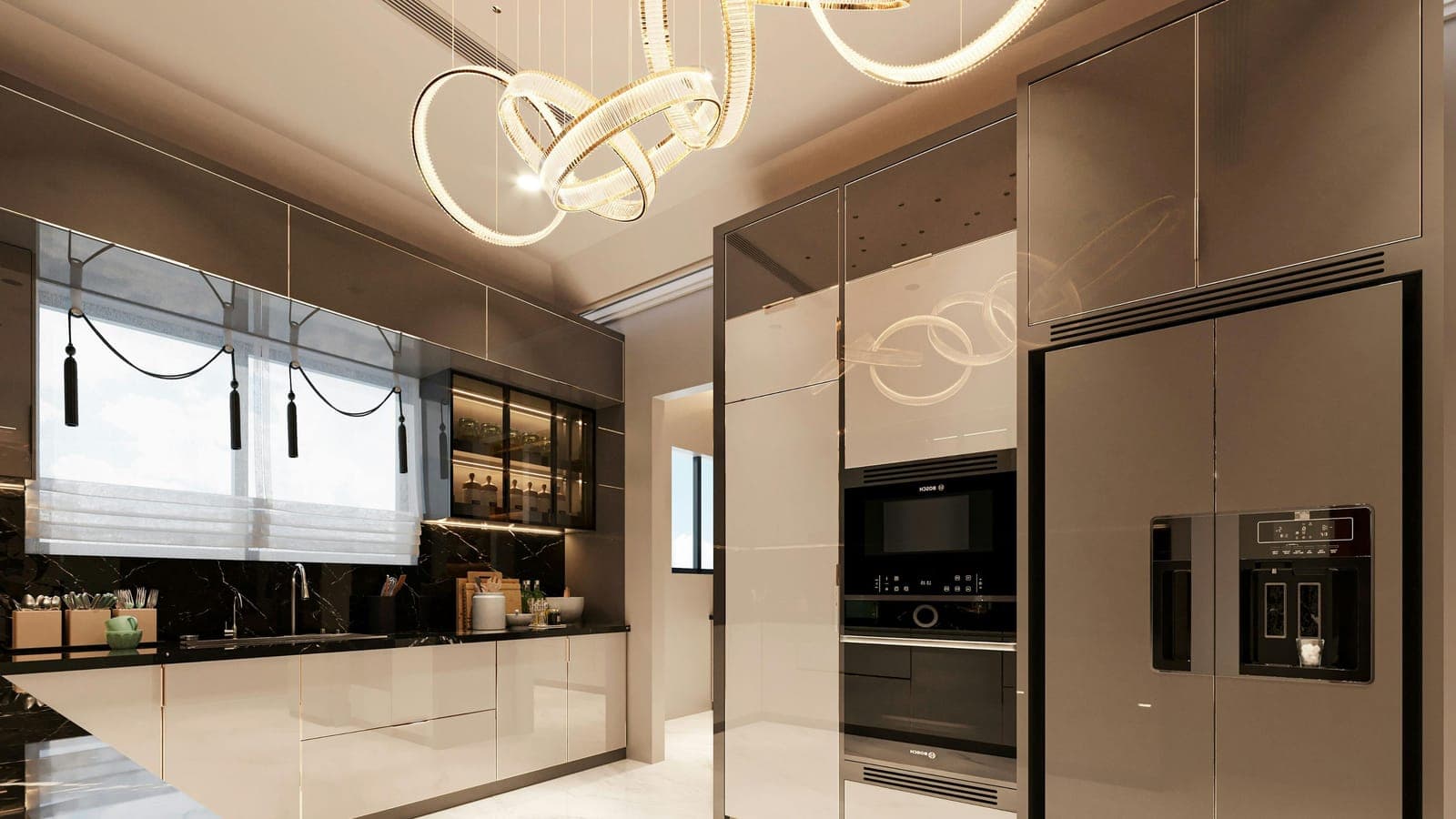
If you cook regularly, look for adequate counter space, cabinet and pantry storage, a full-size refrigerator, and working appliances. A dishwasher saves meaningful time each week. A cramped or poorly equipped kitchen often pushes people toward more takeout, which costs more and can undermine nutrition goals.
Laundry and Storage
In-unit laundry saves hours every month and is a major quality-of-life upgrade. If laundry is shared, check how many machines there are and when they're available. Adequate storage – closets, pantry space, and possibly a building storage unit or bike room – keeps a home functional and uncluttered.
Connectivity
Check internet providers and speeds available at the address before signing, especially if you work from home. Test cell reception throughout the unit during your tour.
Location Factors That Shape Your Routine
Commute time affects your daily energy and free time more than almost any other factor. Calculate your real door-to-door commute, including traffic or transit transfers, and factor in what it costs. Access to public transit offers flexibility even if you own a car and can reduce parking costs.
Check proximity to grocery stores, pharmacies, healthcare providers, and other places you use often. Research neighborhood safety, and visit at different times of day and on different days of the week. If you value restaurants and nightlife, look for an active neighborhood; if you value quiet, look for residential streets away from busy corridors.
Building Amenities Worth Paying For
Some amenities can save money or time – a well-equipped gym, a coworking space for remote work, secure package rooms, bike storage, or included parking in a dense city. Security features such as controlled entry and well-lit common areas offer peace of mind. Responsive maintenance is arguably the most valuable amenity of all; ask current residents how quickly repairs are handled.
Remember that amenities are built into the rent. A pool, rooftop lounge, or resident events are only worth paying for if you'll actually use them.
Bring It Back to Budget
Know Your Total Housing Cost
A common guideline is to keep rent at or below 30% of your gross monthly income, but your full housing cost includes utilities, internet, parking, pet fees, amenity fees, and renters insurance. Upfront costs typically include application fees, a security deposit, and the first month's rent, and some landlords also require last month's rent. Add these up before committing, and make sure your budget still includes savings.
Understand the Lease
Leases commonly run 12 months, though some properties offer shorter or longer terms, sometimes at different rates. Read the full lease, paying close attention to rent increases at renewal, early termination fees, subletting rules, maintenance responsibilities, pet and guest policies, notice periods, and how the security deposit is returned. Make sure any promises made during your tour, such as repairs or concessions, are written into the lease.
Prepare Your Application
Competitive markets reward preparation. Have identification, proof of income, employment details, rental history, and references ready. Landlords typically run credit and background checks, and many require income of roughly two and a half to three times the monthly rent. Being organized can help you secure a good unit before someone else does
Choose Roommates Carefully
Sharing an apartment can cut costs significantly, but it requires clear agreements. Decide upfront how rent, utilities, groceries, and shared supplies will be split, and discuss cleaning, guests, quiet hours, and work-from-home schedules. Understand your lease structure – on a joint lease, each tenant can be held responsible for the full rent if a roommate doesn't pay. Individual leases offer more protection but are less common.
Strategies for Affordable Living
Expand Your Search Area
Neighborhoods just outside the most popular areas often offer significantly lower rent. If they're well connected by transit or a short drive, the savings may outweigh the slightly longer trip. Areas near new or planned transit lines can offer value, though rents often rise as improvements are completed.
Rightsize Your Space
A smaller, well-designed apartment can cost less to rent, heat, cool, and furnish. Focus on efficient layouts and storage rather than raw square footage. Multifunctional furniture, such as a fold-out desk or storage bed, can make a studio or small one-bedroom work well.
Time Your Search
Rental demand and prices often peak in late spring and summer. Searching in late fall or winter can mean less competition, more room to negotiate, and better odds of move-in specials. Ask about concessions such as a free month or reduced deposits, and compare the effective monthly rent over the full lease.
Control Utility Costs
Ask about typical utility bills for the specific unit. Energy-efficient windows and appliances, good insulation, and a programmable or smart thermostat can lower monthly costs.
The Search Process
Use rental listing sites and apps with filters for your non-negotiables, and set alerts for new listings. In competitive markets, a broker or apartment locator can help, but confirm upfront who pays any fee.
During viewings, take notes, photos, and videos. Check natural light, noise, cell service, water pressure, appliances, and signs of pests, leaks, or mold. Ask about utility costs, maintenance procedures, and security deposit policies, and talk to current residents if possible.
Be alert to rental scams. Avoid listings with rent far below market, landlords who won't show the unit in person, and anyone requesting payment by wire transfer, gift card, or cryptocurrency.
Before moving in, complete a detailed walk-through and document any existing damage with dated photos and video. Share a copy with your landlord and keep one for your records to protect your security deposit.
Common Mistakes to Avoid
Common mistakes include choosing an apartment for one standout feature while ignoring daily-life essentials, overlooking noise and its impact on sleep, underestimating commute time, paying for amenities you won't use, signing a joint lease without a clear roommate agreement, and failing to get verbal promises in writing.
Disclaimer: This article is for informational purposes only and does not constitute financial, legal, or medical advice. Rental costs, lease terms, and tenant protections vary by state and city. Review your lease carefully and consult a local tenant rights organization or attorney for questions about your situation. No particular savings or outcome is guaranteed.
FAQ
What features matter most in an apartment?
That depends on your lifestyle, but noise, natural light, layout, commute, kitchen functionality, laundry access, and responsive maintenance affect daily life the most for many renters.
How can I tell if an apartment will be quiet?
Visit at night, check the bedroom's location relative to streets and building equipment, and ask current residents about noise. Top-floor and corner units are often quieter.
Is it worth paying more for a building gym?
Only if it's well equipped and you'll use it regularly enough to replace a gym membership.
What is a joint lease?
A joint lease makes all tenants jointly responsible for the full rent and lease obligations, so you may owe a roommate's share if they don't pay.
When is the best time to look for an apartment?
Late fall and winter often bring less competition and more negotiating room than late spring and summer.
The Bottom Line
The right apartment supports the way you actually live – your sleep, training, work, and daily routines – at a cost that leaves room for savings. Define your non-negotiables, inspect for the features that affect daily life, keep your total housing cost in check, and get every promise in writing. Choose with care, and your home becomes a foundation for better days rather than a source of daily friction.
📚 Sources
Consumer Financial Protection Bureau – Renting: https://www.consumerfinance.gov/renting/
U.S. Environmental Protection Agency – Lead in Paint, Dust, and Soil: Disclosure Rule: https://www.epa.gov/lead/real-estate-disclosure
U.S. Environmental Protection Agency – Mold Course and Guidance: https://www.epa.gov/mold
Sleep Foundation – Best Temperature for Sleep: https://www.sleepfoundation.org/bedroom-environment/best-temperature-for-sleep
Federal Trade Commission – Rental Listing Scams: https://consumer.ftc.gov/articles/rental-listing-scams
Walk Score: https://www.walkscore.com/
🔍 Explore Related Topics
Home gym setup in an apartment