
This isn't a protocol article, and deliberately so. Actual cycle design, dosing, and timing decisions need to be made by a physician who has your bloodwork, your health history, and the ability to monitor you directly, not generic information from an article. What this breaks down instead is the underlying physiology: how suppression actually happens, what it looks like, and how recovery is typically assessed, so you understand what your doctor is actually managing when they talk about axis health.
What the Hypothalamic-Pituitary Axis Actually Does
The hypothalamic-pituitary-gonadal (HPG) and hypothalamic-pituitary-somatotropic (growth hormone) axes both operate on the same basic feedback logic. The hypothalamus releases signaling hormones that tell the pituitary gland to release its own hormones, which then act on downstream glands or tissues, whether that's the testes producing testosterone or the liver producing IGF-1 in response to growth hormone. Once downstream hormone levels rise sufficiently, the hypothalamus senses that and slows down its own signaling, creating a self-regulating loop that keeps hormone levels within a functional range.
This feedback loop is elegant precisely because it's sensitive. The body doesn't need to be told explicitly to slow down, it detects rising hormone or downstream marker levels and adjusts automatically. That sensitivity is also exactly what makes external hormone or peptide use capable of disrupting the system, since the axis responds to elevated levels regardless of whether they came from your own body or an outside source.
How Suppression Actually Happens
When exogenous hormones or certain peptides raise downstream hormone levels artificially, the hypothalamus and pituitary detect that elevation and respond by reducing their own natural signaling, the same way they would if your body had produced that hormone on its own. Over time, and depending on dose, duration, and compound type, this reduced signaling can lead to a genuine downregulation of the axis, meaning the hypothalamus and pituitary produce less of their own signaling hormones than they would under normal, unassisted conditions.
The degree of suppression varies significantly by compound. Direct hormone replacement, like exogenous testosterone or supraphysiological HGH, tends to produce more pronounced suppression because it delivers a hormone level the axis has no natural pathway to override. Growth hormone secretagogues, which stimulate the pituitary rather than replacing hormone output directly, generally produce comparatively milder suppression risk, though the degree still depends heavily on dose, compound, and duration, and "milder" doesn't mean "risk-free."
Why Recovery Isn't Guaranteed or Instant
A common misconception is that stopping a compound automatically restarts the axis to its prior baseline. In reality, recovery depends on how significantly and for how long the axis was suppressed, and in some cases, particularly with prolonged or high-dose exogenous hormone use, natural recovery can be incomplete or take considerably longer than expected. This is part of why physicians monitoring hormone therapy or peptide use track specific bloodwork markers over time rather than assuming recovery based on how much time has simply passed.
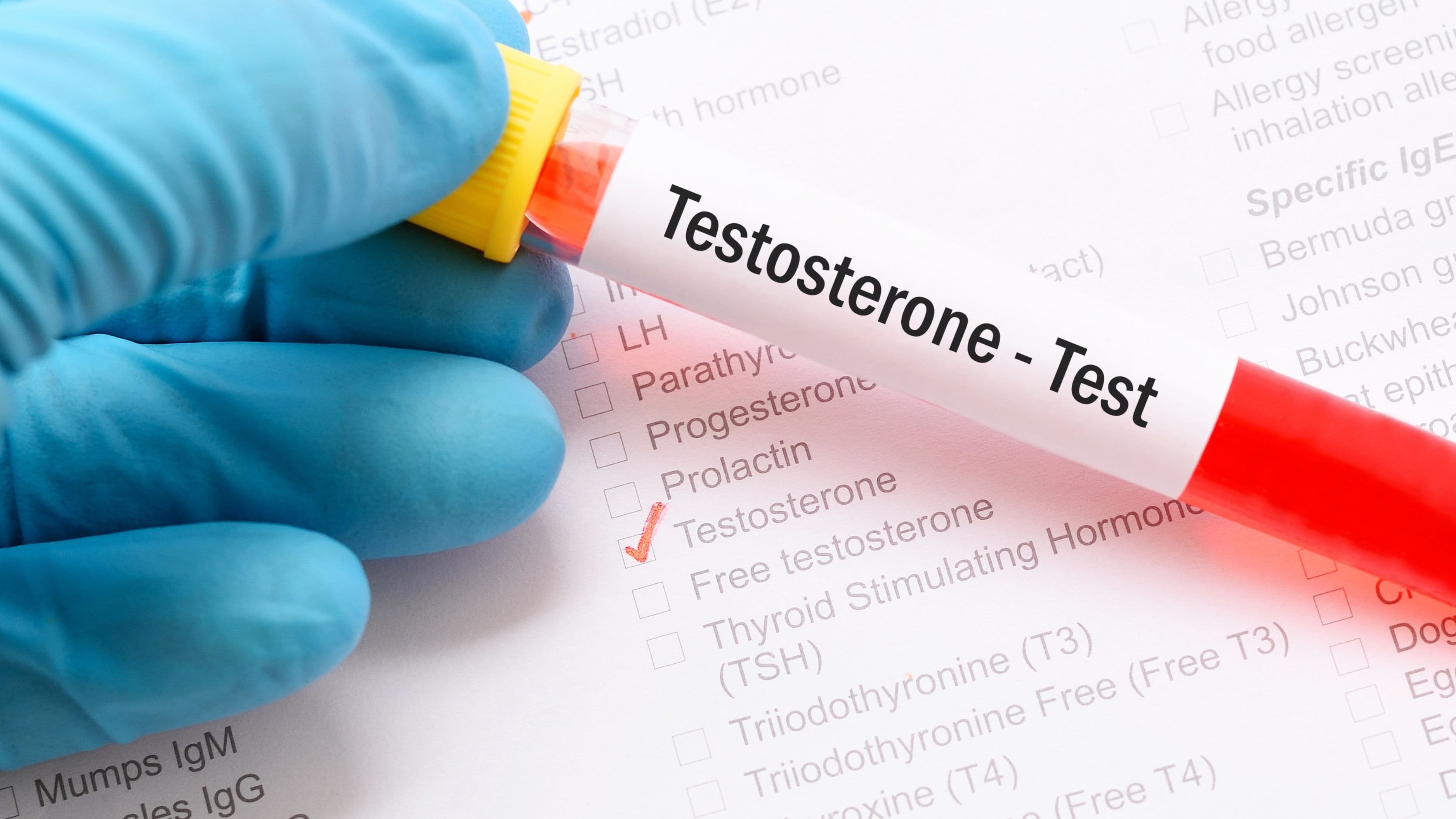
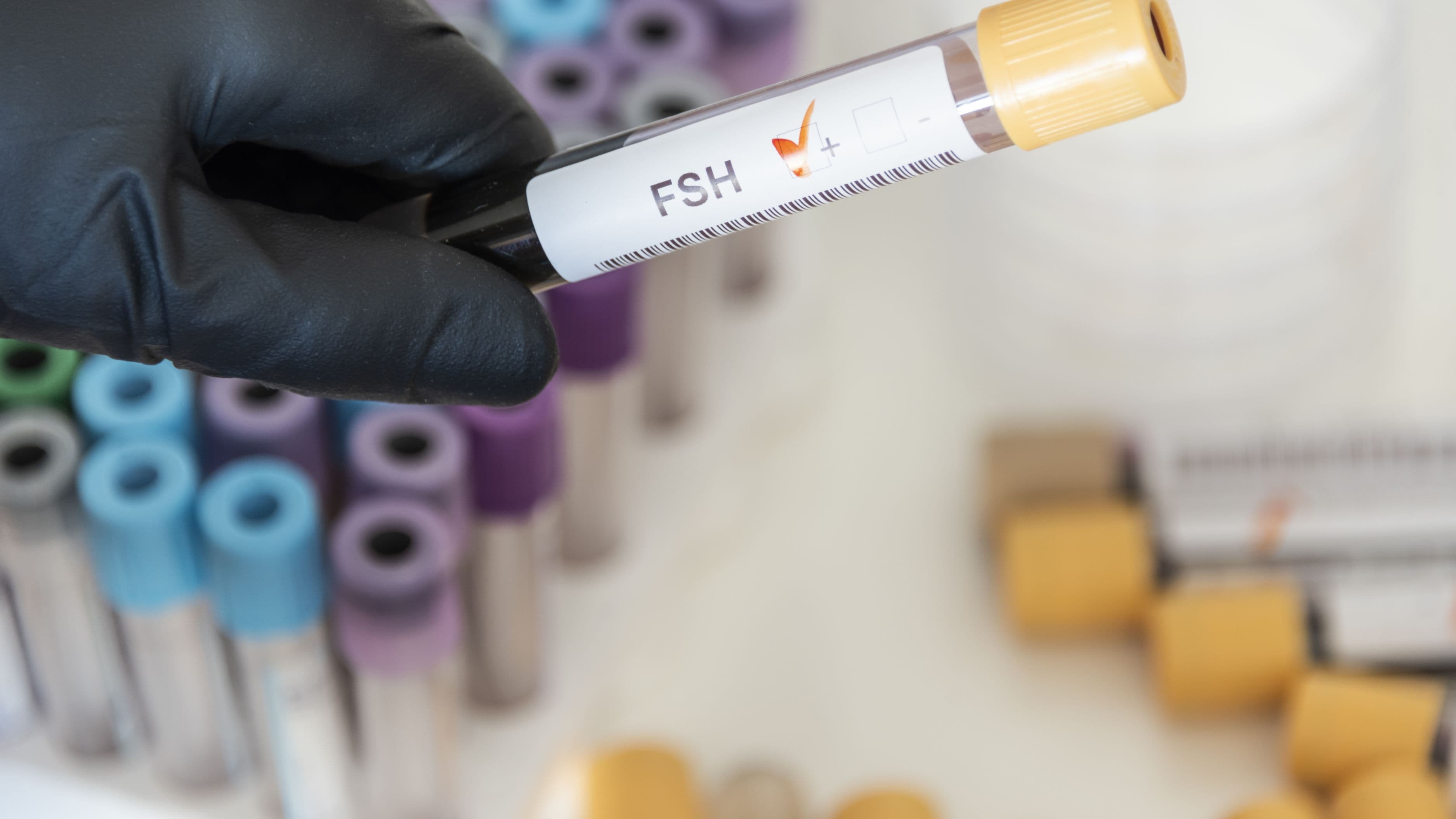
For the HPG axis, this typically means tracking LH, FSH, and total/free testosterone levels at defined intervals after stopping a compound, since these markers reveal whether the pituitary and hypothalamus are resuming normal signaling output. For growth hormone-related pathways, IGF-1 levels are the primary downstream marker used to assess whether GH output has returned to a normal baseline range. A physician interpreting these markers over time, rather than a single snapshot, is what actually determines whether recovery is progressing normally or stalling.
Warning Signs Worth Discussing With a Physician
Persistent fatigue, unexplained mood changes, reduced libido, and disrupted sleep that continue well after stopping a compound are commonly cited signs that axis recovery may not be proceeding as expected, though all of these symptoms overlap with many other causes and shouldn't be self-diagnosed as axis suppression. This overlap is exactly why bloodwork, not symptoms alone, is the reliable way to assess what's actually happening hormonally.
Anyone experiencing these symptoms after peptide or hormone use should treat it as a reason to get evaluated promptly rather than waiting to see if things resolve on their own, since earlier evaluation gives a physician more useful information about the trajectory of recovery than waiting months to check.
Why Physician-Guided Design Matters More Than General Information
The specific decisions that affect axis outcomes, which compound, what dose, how long, whether any supportive protocol is used during or after, depend on individual factors that no general article can safely account for: baseline hormone levels, health history, concurrent medications, and individual physiological response. This is precisely the kind of decision-making that belongs with an endocrinologist or a physician experienced specifically in hormone optimization, not a generalized protocol applied uniformly to different people.
A qualified physician in this space will typically want baseline bloodwork before any compound is introduced, will structure monitoring at defined intervals throughout use, and will have a specific plan for post-use monitoring rather than a vague assumption that things will "sort themselves out." If a source, program, or peptide seller is offering a cycle protocol without ever asking for your bloodwork or health history, that's a meaningful red flag about the quality of guidance you're receiving.
Realistic Expectations Around This Entire Category
Even with excellent physician oversight, axis physiology doesn't respond instantly or predictably in every individual, and recovery timelines that work well for one person may not directly apply to another with a different health history or compound exposure. Patience, consistent monitoring, and a willingness to adjust course based on actual bloodwork rather than a fixed calendar date are what separate a well-managed approach from a rushed one.
FAQ
Can axis suppression become permanent? In most cases involving appropriately managed, time-limited use, recovery does occur, though the timeline varies by individual and compound. Prolonged or high-dose exogenous hormone use carries a higher risk of extended or incomplete recovery, which is part of why ongoing monitoring matters rather than assuming automatic reversal.
Is bloodwork really necessary, or can I just judge by how I feel? Bloodwork is necessary because subjective symptoms overlap heavily with unrelated causes like stress, sleep quality, or diet, and can't reliably distinguish axis suppression from something else entirely. Hormone markers give an objective picture that symptoms alone cannot.
What should I look for in a physician for this kind of guidance? Look for someone with specific experience in hormone optimization or endocrinology who requests baseline and follow-up bloodwork, discusses your full health history, and has a clear plan for monitoring both during and after any compound use, rather than someone offering a generic protocol with no individualized assessment.
📚 Sources
Endocrine Society, "Testosterone Therapy in Men With Hypogonadism: Clinical Practice Guideline" – https://www.endocrine.org/clinical-practice-guidelines/testosterone-therapy-men-hypogonadism
National Institutes of Health, "Hypothalamic-Pituitary-Gonadal Axis Physiology" – https://www.ncbi.nlm.nih.gov/books/NBK279070/
Endocrine Society, "Growth Hormone Deficiency in Adults: Clinical Practice Guideline" – https://www.endocrine.org/clinical-practice-guidelines/growth-hormone-deficiency