The Principle: Small Inputs, Compounded
Health outcomes are driven largely by what you do repeatedly, not occasionally. A single hard workout or clean week of eating has little lasting effect; daily walking, regular strength training, consistent sleep, and mostly whole-food meals compound over months and years. The goal is not perfection but a set of default behaviors that hold up on your busiest and least motivated days.
These systems also reinforce one another. Better sleep improves appetite control and training quality. Regular exercise improves sleep and mood. Lower stress makes healthier food choices easier. Improve one area, and the others usually get easier.
Nutrition: Build Meals That Fuel Performance
Base Your Diet on Whole Foods
Diets built around minimally processed foods – vegetables, fruits, legumes, whole grains, nuts, seeds, fish, lean meats, eggs, and dairy – are consistently associated with lower risk of heart disease, type 2 diabetes, and other chronic conditions. Diets high in ultra-processed foods, refined carbohydrates, and added sugars are linked to weight gain and poorer metabolic health. You don't need to eliminate convenience foods entirely; aim for most of your intake to come from whole or minimally processed sources.
Prioritize Protein
Protein supports muscle maintenance and growth, recovery from training, and satiety, which helps with appetite control. The baseline recommended intake for adults is 0.8 grams per kilogram of body weight per day, but many sports nutrition guidelines suggest physically active adults may benefit from higher intakes, often in the range of about 1.2 to 1.6 grams per kilogram. Spreading protein across meals rather than loading it into dinner can help. Talk to your doctor before significantly increasing protein if you have kidney disease.
Eat More Plants and Fiber
A plant-forward approach doesn't require going vegetarian. It means building meals around vegetables, fruits, legumes, nuts, seeds, and whole grains, with protein sources alongside them. These foods supply fiber, vitamins, minerals, and beneficial plant compounds, and fiber supports digestive health, blood sugar control, and cholesterol management. Adult men are generally advised to get roughly 30 to 38 grams of fiber per day, yet most fall well short. A practical target is to fill about half your plate with vegetables and fruit at most meals.
Rethink Alcohol
Alcohol disrupts sleep quality, impairs recovery, adds empty calories, and is linked to several cancers – a risk highlighted in a 2025 US Surgeon General's advisory. If you drink, drinking less is better for health. Keeping alcohol out of the hours before bed alone can noticeably improve sleep.
Eat With Attention
Eating quickly in front of screens makes it easier to overeat. Slowing down, minimizing distractions, and paying attention to hunger and fullness can improve portion control and digestion without strict rules.
Hydrate Sensibly
Water supports temperature regulation, circulation, digestion, and physical performance. There's no single target that fits everyone; total water needs vary with body size, activity, and climate, and a significant share comes from food. A practical approach is to drink regularly through the day, more around training and in hot weather, and use pale yellow urine as a rough guide.
Movement: Train Hard, Then Move All Day
Meet the Activity Guidelines
US physical activity guidelines recommend adults get 150 to 300 minutes of moderate-intensity aerobic activity per week, or 75 to 150 minutes of vigorous activity, along with muscle-strengthening activities on two or more days. Regular activity lowers the risk of heart disease, type 2 diabetes, several cancers, depression, and early death.
Make Strength Training Non-Negotiable
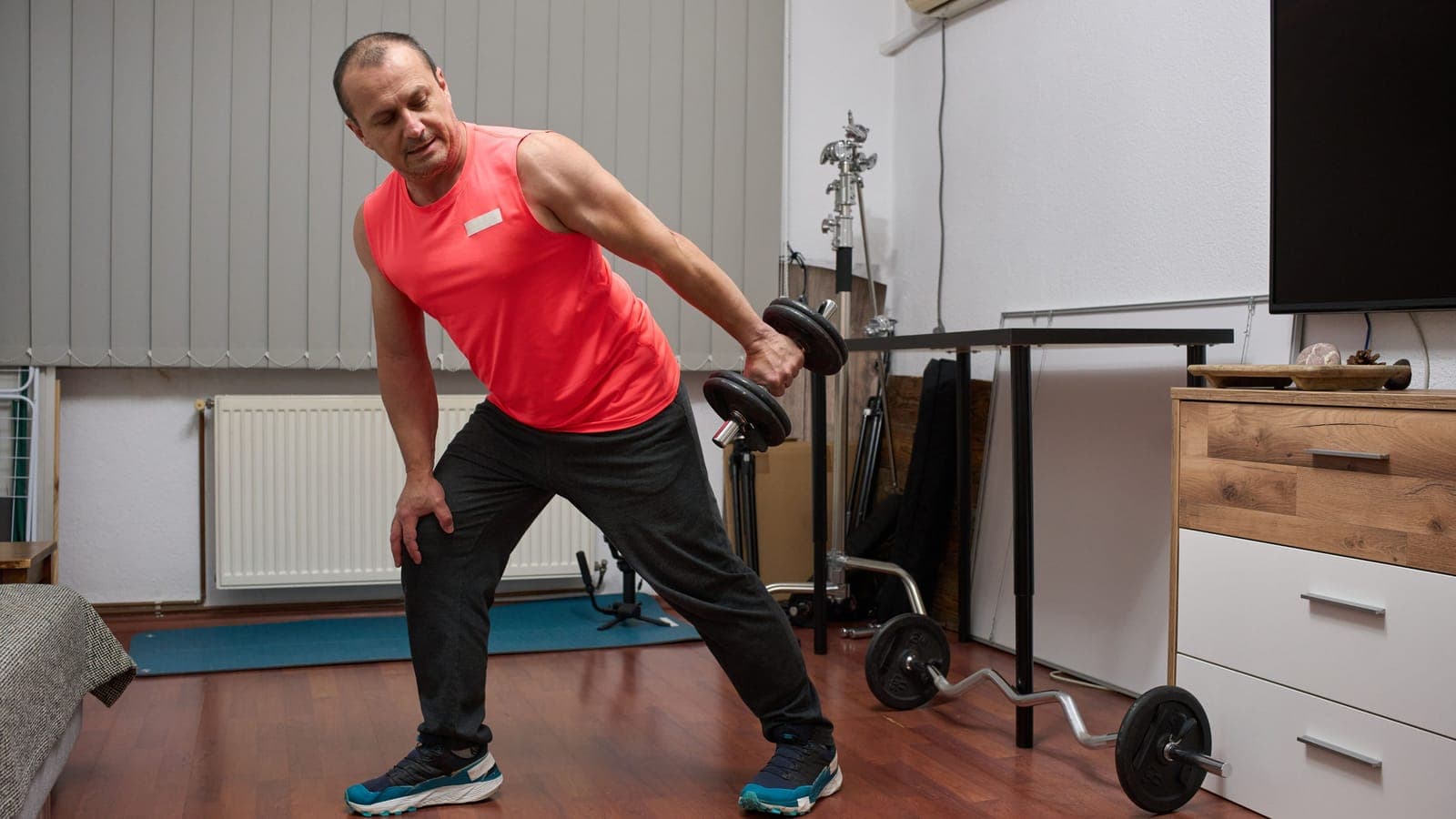
Strength training builds and maintains muscle, supports bone density, improves insulin sensitivity, and helps protect joints. Men lose muscle mass gradually with age, and resistance training is the most effective way to slow that decline. Train all major muscle groups at least twice a week, using progressive overload – gradually increasing weight, reps, or difficulty over time.
Increase Everyday Movement
Non-exercise activity thermogenesis (NEAT) is the energy you burn through daily movement outside formal exercise – walking, standing, climbing stairs, carrying groceries, doing chores. For many people, it varies far more than workout calories and has a major impact on total energy expenditure.
Daily step counts are a simple way to track it. Large studies have linked higher step counts with lower mortality risk, with benefits seen well below the popular 10,000-step target and continuing to increase up to roughly 7,000 to 10,000 steps a day for many adults. Build steps into your routine by walking during calls, parking farther away, taking stairs, and adding short walks after meals.
Break Up Long Sitting Periods
Prolonged sitting is associated with poorer metabolic health, even among people who exercise. If you work at a desk, stand up and move for a few minutes every 30 to 60 minutes. A short walk, a set of bodyweight squats, or a few stretches improves circulation, reduces stiffness, and can sharpen focus.
Add Mobility and Balance Work
Stretching, yoga, or dedicated mobility sessions help maintain range of motion, while balance training becomes increasingly important with age to reduce fall risk. Even 10 minutes a few times a week can make a difference.
Get Outside
Outdoor activity combines movement with natural light, which supports your circadian rhythm, and time in green spaces is associated with lower stress. Walks, hikes, cycling, and outdoor training sessions all count.
Sleep: The Recovery Foundation
Aim for Consistency and Duration
Adults generally need at least seven hours of sleep per night. Chronic short sleep is linked to weight gain, impaired insulin sensitivity, higher blood pressure, weaker immune function, poor mood, reduced training performance, and lower testosterone levels in men. Keep a consistent sleep and wake time, including on weekends, to stabilize your circadian rhythm.
Optimize Your Bedroom
Keep your bedroom dark, quiet, and cool – many sleep experts recommend roughly 60 to 67°F (about 15 to 19°C). Use blackout curtains, earplugs, or white noise if needed, and choose a mattress and pillows that support you comfortably
Build a Wind-Down Routine
Give yourself 30 to 60 minutes to transition into sleep. Dim lights, step away from work, and choose calming activities such as reading, light stretching, or a warm shower. Avoid large meals, alcohol, and intense exercise close to bedtime, and limit caffeine in the afternoon and evening.
Manage Screens Wisely
Bright light at night can delay your body clock, but stimulating content – work email, news, and endless scrolling – is often the bigger problem because it keeps your brain alert. Dim screens and use night settings if you must use devices, but setting a cutoff for work and social media before bed is more effective.
Get Morning Light
Exposure to daylight soon after waking helps anchor your circadian rhythm, improving alertness during the day and sleepiness at night. A short walk outside in the morning combines light exposure with movement.
Mental Well-Being: Build Stress Resilience
Practice Short Daily Resets
Mindfulness and breathing exercises can reduce stress and improve focus. Even a few minutes of slow breathing, with exhales longer than inhales, can help calm the nervous system. A brief daily mindfulness practice can improve emotional regulation over time.
Set Digital Boundaries
Constant notifications and news consumption keep your stress response active. Turn off nonessential alerts, check email and social media at set times, and create device-free periods, such as meals and the last hour before bed.
Invest in Relationships
Strong social connections are one of the most powerful protective factors for both mental and physical health. Make regular time for friends and family, join groups or teams that match your interests, and consider volunteering. Shared activities like training partners, sports leagues, or regular meals are especially effective.
Find Purpose
Activities aligned with your values – meaningful work, mentoring, creative projects, or community involvement – support resilience and life satisfaction.
Address Chronic Stress
Some stress is unavoidable, but chronic stress can affect sleep, blood pressure, appetite, and mood. Use healthy outlets such as exercise, journaling, time outdoors, and conversations with trusted people. If stress, low mood, or anxiety persists or interferes with daily life, speak with a doctor or mental health professional.
Your Environment: Make Healthy Choices Easier
Improve Indoor Air
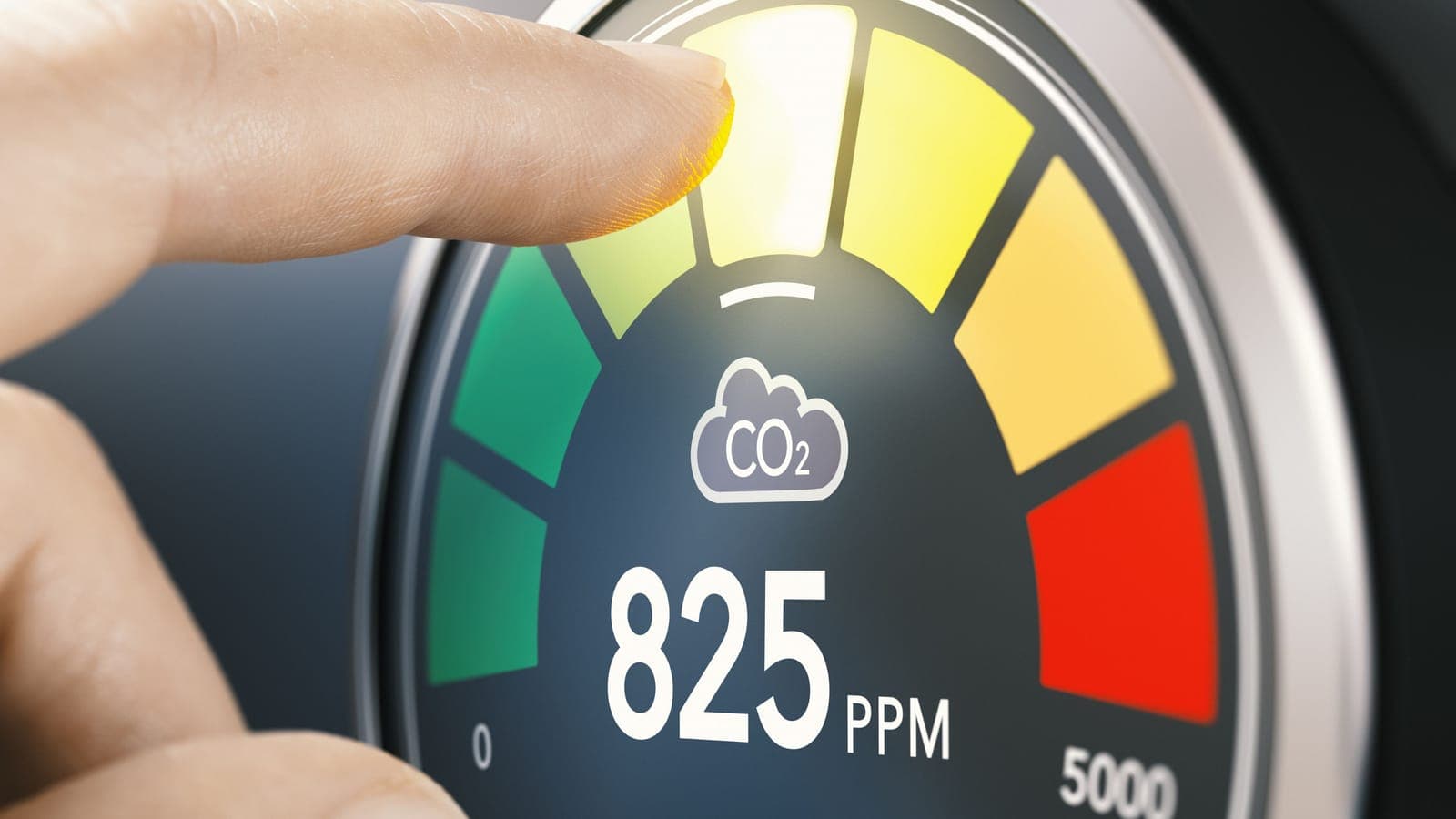
The EPA notes that indoor air can contain higher concentrations of some pollutants than outdoor air. Ventilate regularly, use exhaust fans while cooking and showering, maintain HVAC filters, and consider a HEPA air purifier in rooms where you spend the most time. Reduce sources of pollution such as smoking indoors and heavy use of fragranced products. Houseplants can make a space more pleasant, but they don't meaningfully purify indoor air at typical household levels.
Use Natural Light
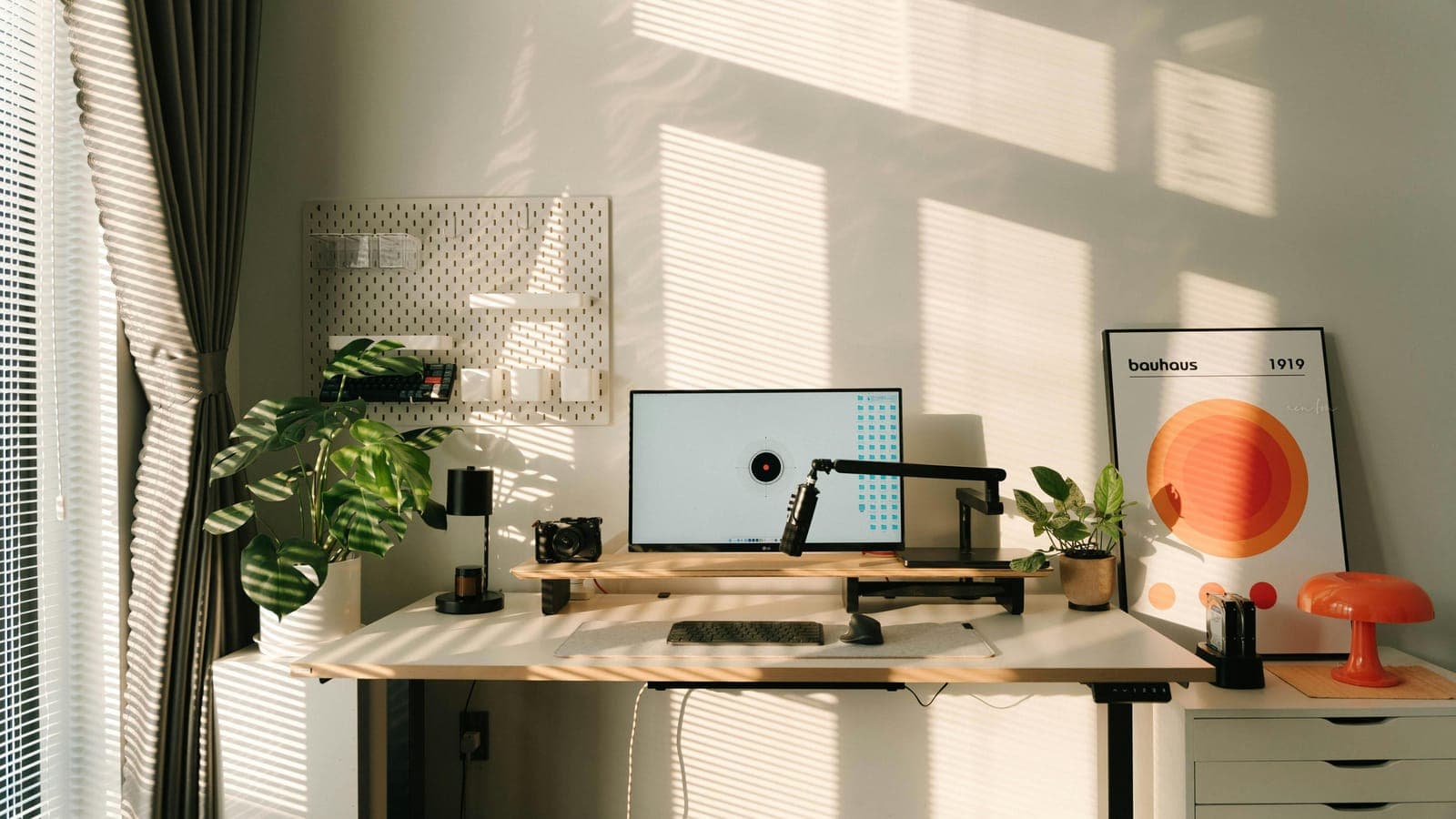
Open blinds during the day, work near windows when possible, and spend time outdoors in daylight. Sunlight also helps your body produce vitamin D, but protect your skin from excessive exposure and ask your doctor whether vitamin D testing makes sense for you.
Design for Better Defaults
Arrange your home so healthy choices are easier: keep fruit and prepared vegetables visible, store tempting snacks out of sight, keep workout gear accessible, and create a clutter-free bedroom used mainly for sleep.
Know Your Numbers
Get Regular Checkups
Routine checkups help catch problems before symptoms appear. Your doctor can track blood pressure, cholesterol, blood sugar, weight, and waist circumference, and recommend screenings based on your age and risk factors. For men, recommended screenings may include blood pressure checks, cholesterol testing, diabetes screening for adults with overweight or obesity, colorectal cancer screening starting at age 45, lung cancer screening for certain current or former smokers, a discussion about prostate cancer screening for men aged 55 to 69, and an abdominal aortic aneurysm screening for men aged 65 to 75 who have ever smoked. Follow your doctor's guidance on what applies to you.
Track What Matters
Blood pressure, cholesterol, blood sugar, and waist circumference are among the most useful health markers. For men, a waist measurement above 40 inches is associated with increased risk of heart disease and type 2 diabetes. Knowing your numbers helps you target lifestyle changes where they'll do the most good.
Use Wearables as Tools
Wearables can track steps, sleep, heart rate, and training load, helping you spot trends and stay accountable. Focus on long-term patterns rather than daily fluctuations, and remember that consumer devices aren't medical diagnostics. Use the data to guide decisions, not to create anxiety.
Learn From Reliable Sources
Health trends move quickly, and misinformation spreads faster. Rely on evidence from reputable health organizations, peer-reviewed research, and qualified professionals. Be skeptical of products and programs promising fast results.
How to Get Started
Don't try to change everything at once. Pick two habits from this guide – such as a daily 20-minute walk and a consistent bedtime – and practice them for three to four weeks before adding more. Track them simply, using a notebook, app, or calendar. Once they become automatic, add another, such as two weekly strength sessions or a vegetable-heavy lunch.
What to Expect
Some benefits arrive quickly. Better sleep often improves energy and mood within days, and regular walking can lift mood and reduce stress soon after you start. Strength gains usually become noticeable within a few weeks of consistent training, while changes in body composition, blood pressure, cholesterol, and blood sugar typically take several weeks to months. Progress won't be linear – what matters is consistency over time.
Common Mistakes
Common mistakes include trying to overhaul every habit at once, relying on intense workouts while staying sedentary the rest of the day, cutting sleep to fit in training, using supplements as a substitute for the basics, obsessing over wearable data, and avoiding checkups until symptoms appear.
Disclaimer: This article is for educational purposes only and is not medical advice. Consult a physician before making significant changes to your diet, exercise, or sleep routine, starting supplements, or if you have a medical condition, take medication, or have concerns about your health.
FAQ
How much exercise do I need each week?
Guidelines recommend 150 to 300 minutes of moderate aerobic activity or 75 to 150 minutes of vigorous activity per week, plus strength training at least twice weekly.
Do I really need 10,000 steps a day?
Not necessarily. Research shows health benefits at lower step counts, with risk continuing to fall up to roughly 7,000 to 10,000 steps a day for many adults.
How much protein should I eat?
The baseline recommendation is 0.8 grams per kilogram of body weight daily, but active adults may benefit from more. Ask your doctor or a registered dietitian for personalized guidance.
Do houseplants clean indoor air?
At normal household levels, houseplants have little measurable effect. Ventilation, exhaust fans, and air purifiers are more effective.
What health screenings should men get?
Recommendations depend on age and risk factors and may include blood pressure, cholesterol, diabetes, colorectal, lung, prostate, and aneurysm screening. Your doctor can tell you which apply to you.
The Bottom Line
Healthy living in 2026 isn't about extremes. It's about building a small set of high-impact habits – whole-food nutrition with enough protein and fiber, strength training plus daily movement, consistent sleep, stress management, a supportive environment, and regular checkups. Start with two changes, keep them simple, and build from there. Consistency is what turns everyday choices into long-term physical and mental performance.
📚 Sources
U.S. Department of Health and Human Services – Physical Activity Guidelines for Americans: https://health.gov/our-work/nutrition-physical-activity/physical-activity-guidelines
Centers for Disease Control and Prevention – Physical Activity Basics: https://www.cdc.gov/physical-activity-basics/
U.S. Surgeon General – Alcohol and Cancer Risk Advisory: https://www.hhs.gov/surgeongeneral/reports-and-publications/alcohol-cancer/index.html
American Academy of Sleep Medicine – Sleep Education: https://sleepeducation.org/
U.S. Environmental Protection Agency – Indoor Air Quality: https://www.epa.gov/indoor-air-quality-iaq
U.S. Preventive Services Task Force – Recommendations: https://www.uspreventiveservicestaskforce.org/uspstf/recommendation-topics
National Heart, Lung, and Blood Institute – Assessing Your Weight and Health Risk: https://www.nhlbi.nih.gov/health/educational/lose_wt/risk.htm