This is a protocol for the everyday habits with the strongest evidence behind them, how they work, and how to install them so they last.
Why Habits Beat Intensity
Most health gains come from consistency over months and years, not from short bursts of effort. Physiological adaptations – stronger muscles, better insulin sensitivity, improved cardiovascular fitness, more stable sleep – accumulate through repeated exposure. A moderate routine you follow 90% of the time beats an aggressive plan you abandon in three weeks.
The practical implication: design habits that fit your schedule and require minimal decision-making. Anchor each new behavior to something you already do, such as training after work or walking after lunch.
Habit 1: Protect Your Sleep
Sleep is the foundation every other habit sits on. The CDC recommends that adults get seven or more hours per night. Short sleep is linked to impaired focus, poorer mood, weight gain, and higher risk of several chronic conditions.
The Protocol
Keep consistent sleep and wake times, including on weekends, to stabilize your circadian rhythm. Keep the bedroom dark, cool, and quiet. Cut caffeine by early afternoon, since its effects can linger for hours. Limit alcohol in the evening – it may help you fall asleep, but it tends to disrupt sleep quality later in the night. Dim lights and reduce screen use in the hour before bed.
Habit 2: Move Every Day
The U.S. Physical Activity Guidelines recommend that adults get 150 to 300 minutes of moderate-intensity aerobic activity per week, or 75 to 150 minutes of vigorous activity, plus muscle-strengthening activity on at least two days per week.
The Protocol
Hit the aerobic target with a mix of brisk walking, cycling, or other cardio, and fit in a few higher-intensity sessions if your fitness allows. Strength train two to four times per week, focusing on compound movements such as squats, hinges, presses, and pulls. Then add low-level movement throughout the day. Breaking up long periods of sitting with short walks or stretches helps counter the effects of a desk-bound job.
Realistic Timeline
Many people notice improved energy and sleep within a few weeks. Measurable gains in strength and cardiovascular fitness typically take several weeks to a few months of consistent training.
Habit 3: Build Meals Around Whole Foods
You don't need a complicated diet. You need a reliable structure. Build most meals around a quality protein source, vegetables or fruit, and minimally processed carbohydrates or healthy fats.
Why Protein and Fiber Matter
Protein supports muscle repair and growth and tends to increase satiety, which can make it easier to manage body weight. Many active people benefit from more protein than the baseline recommended intake, so speak with a physician or registered dietitian about the right amount for you. Fiber from vegetables, fruits, legumes, and whole grains supports digestion and gut health, and most adults don't eat enough of it.
The Protocol
Eat a protein source at each meal. Fill a significant portion of your plate with vegetables. Keep ultra-processed snacks out of easy reach. Prepare a few staple meals in bulk so the healthy option is also the convenient one.
Habit 4: Get Morning Daylight
Exposure to natural light early in the day helps anchor your circadian rhythm, which influences sleep timing, alertness, and energy. A short walk outside in the morning or simply spending time near a bright window can help. Pair it with your movement habit for a double return.
Habit 5: Moderate Alcohol and Eliminate Tobacco
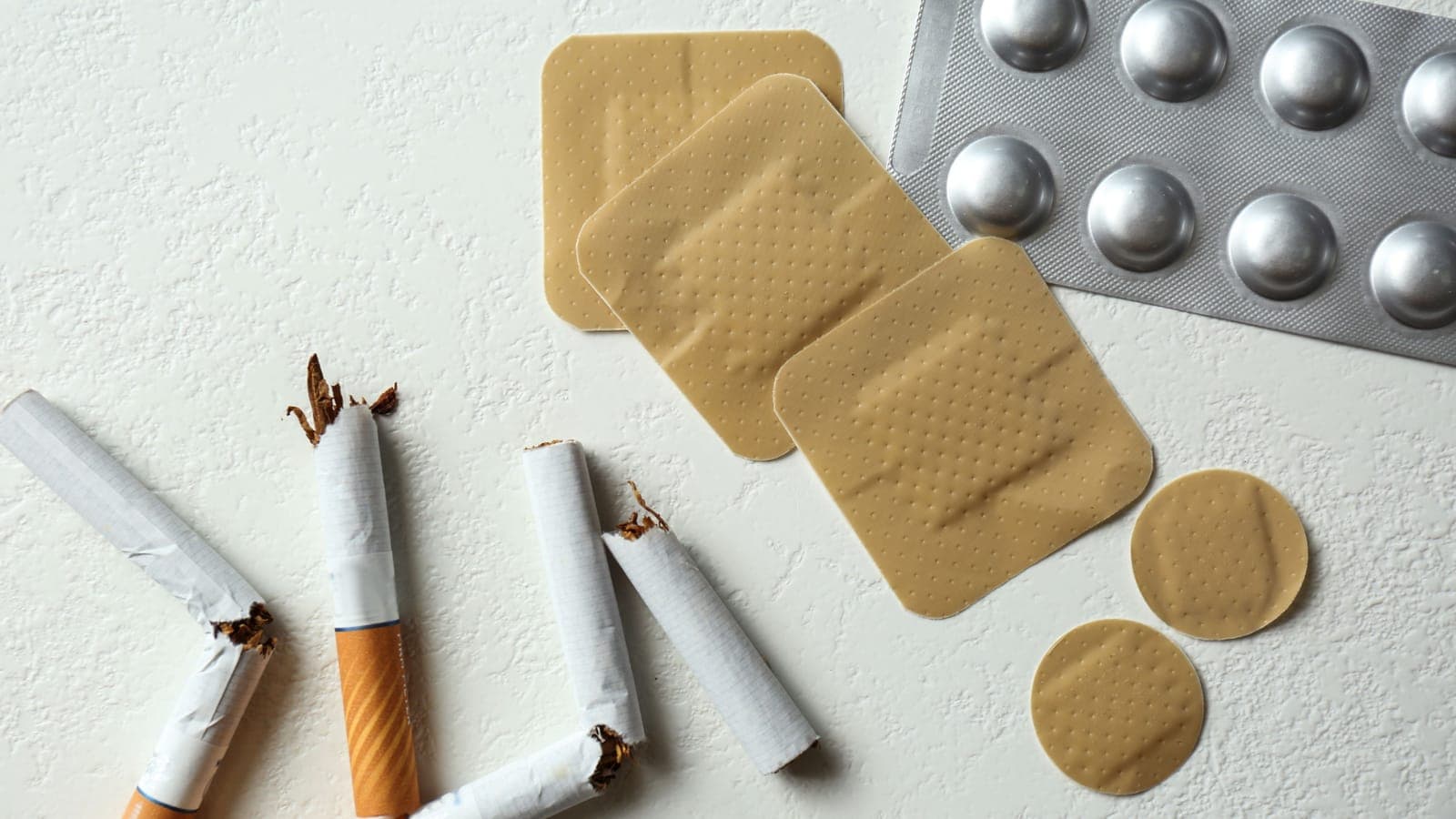
Alcohol affects sleep, recovery, body composition, and long-term health. Current evidence suggests that drinking less is better for health than drinking more. If you drink, keep it moderate and avoid it close to bedtime. Tobacco and nicotine use carry well-established health risks – if you use them, quitting is one of the most impactful health decisions you can make. Your physician can help with quitting support.
Habit 6: Manage Stress Deliberately
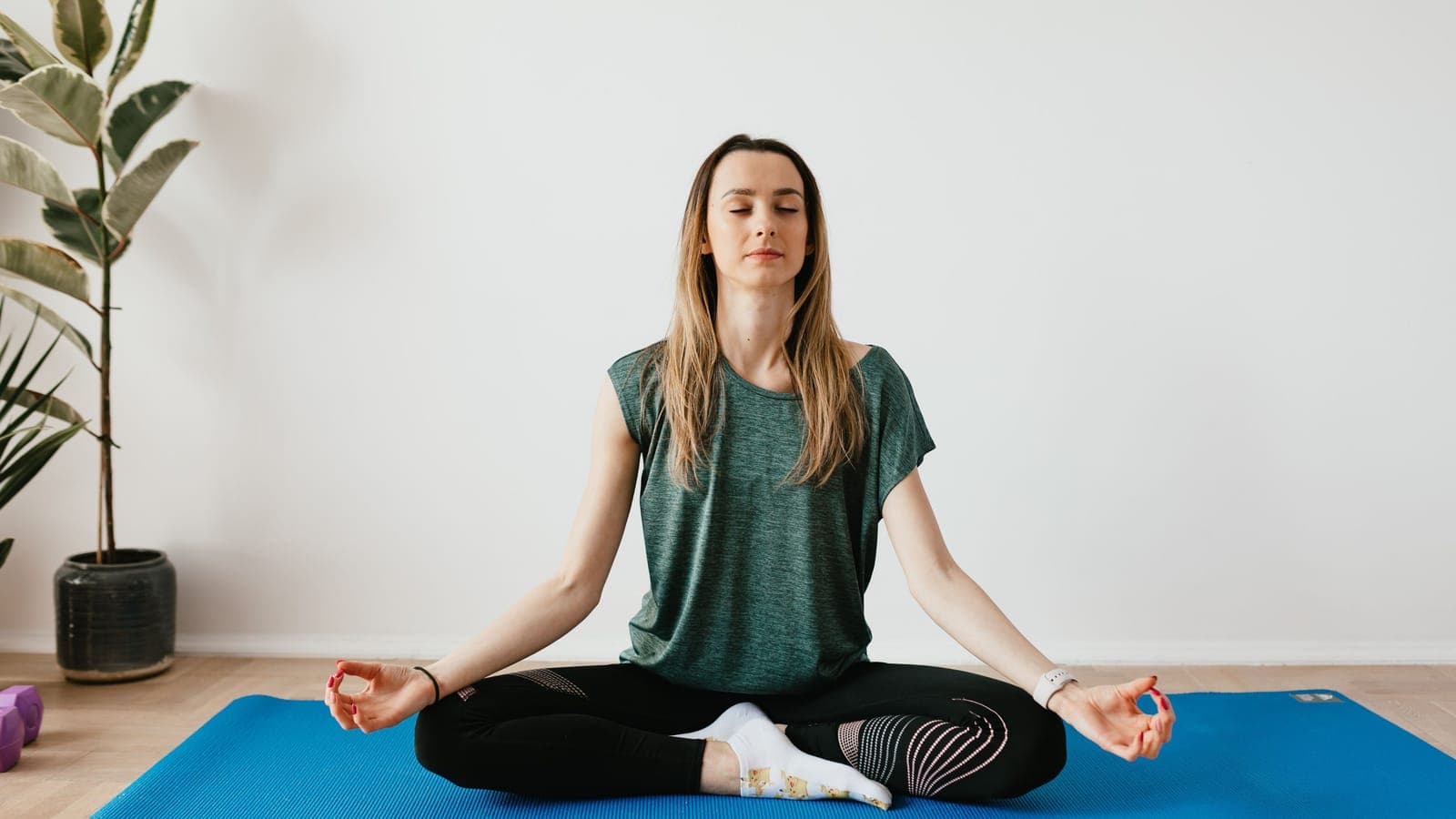
Chronic stress affects sleep, appetite, blood pressure, and decision-making. Exercise, time outdoors, social connection, and structured breathing or mindfulness practice are all evidence-supported tools. Pick one and schedule it like any other appointment.
Habit 7: Track a Few Key Markers
You can't manage what you don't measure. Know your blood pressure, waist circumference, and basic bloodwork results such as cholesterol and blood sugar. See your physician for regular checkups and age-appropriate screenings. Early detection gives you more options.
How to Make These Habits Stick
Install one habit at a time. Start smaller than feels necessary – a 10-minute walk is better than a 60-minute workout you skip. Attach the habit to an existing routine. Track your consistency for the first month. When the habit runs without effort, add the next one.
Mistakes to Avoid
Don't overhaul everything at once. Don't rely on supplements to fix poor sleep, diet, or training. Don't chase extreme diets that you can't sustain. And don't ignore warning signs like persistent fatigue, chest discomfort, or unexplained weight changes – those require a physician, not a new routine.
FAQ
What is the most important health habit?
Sleep is often considered foundational because it affects energy, recovery, mood, and nearly every other habit.
How much exercise do I need each week?
Federal guidelines recommend 150 to 300 minutes of moderate activity or 75 to 150 minutes of vigorous activity per week, plus strength training at least two days per week.
How long does it take to build a habit?
It varies widely by person and behavior. Consistency over several weeks to a few months is typically needed before a habit feels automatic.
Do I need supplements to be healthy?
Most people get the greatest benefit from sleep, nutrition, and exercise. Discuss any supplements with your physician before starting them.
The Bottom Line
Better health in 2026 comes from a handful of fundamentals executed consistently: sleep, daily movement, whole-food meals, morning light, limited alcohol, deliberate stress management, and regular checkups. Install them one at a time, keep them simple, and let consistency do the heavy lifting.
This article is for general informational purposes only and is not medical advice. Consult your physician before starting a new exercise program, changing your diet, or taking supplements, especially if you have an existing health condition.
📚 Sources
Centers for Disease Control and Prevention – About Sleep: https://www.cdc.gov/sleep/about/index.html
Office of Disease Prevention and Health Promotion – Physical Activity Guidelines for Americans: https://odphp.health.gov/our-work/nutrition-physical-activity/physical-activity-guidelines
Centers for Disease Control and Prevention – Adult Activity: An Overview: https://www.cdc.gov/physical-activity-basics/guidelines/adults.html
National Institute of General Medical Sciences – Circadian Rhythms: https://www.nigms.nih.gov/education/fact-sheets/Pages/circadian-rhythms.aspx