
The Mechanism: How Gut Bacteria Influence Brain Chemistry
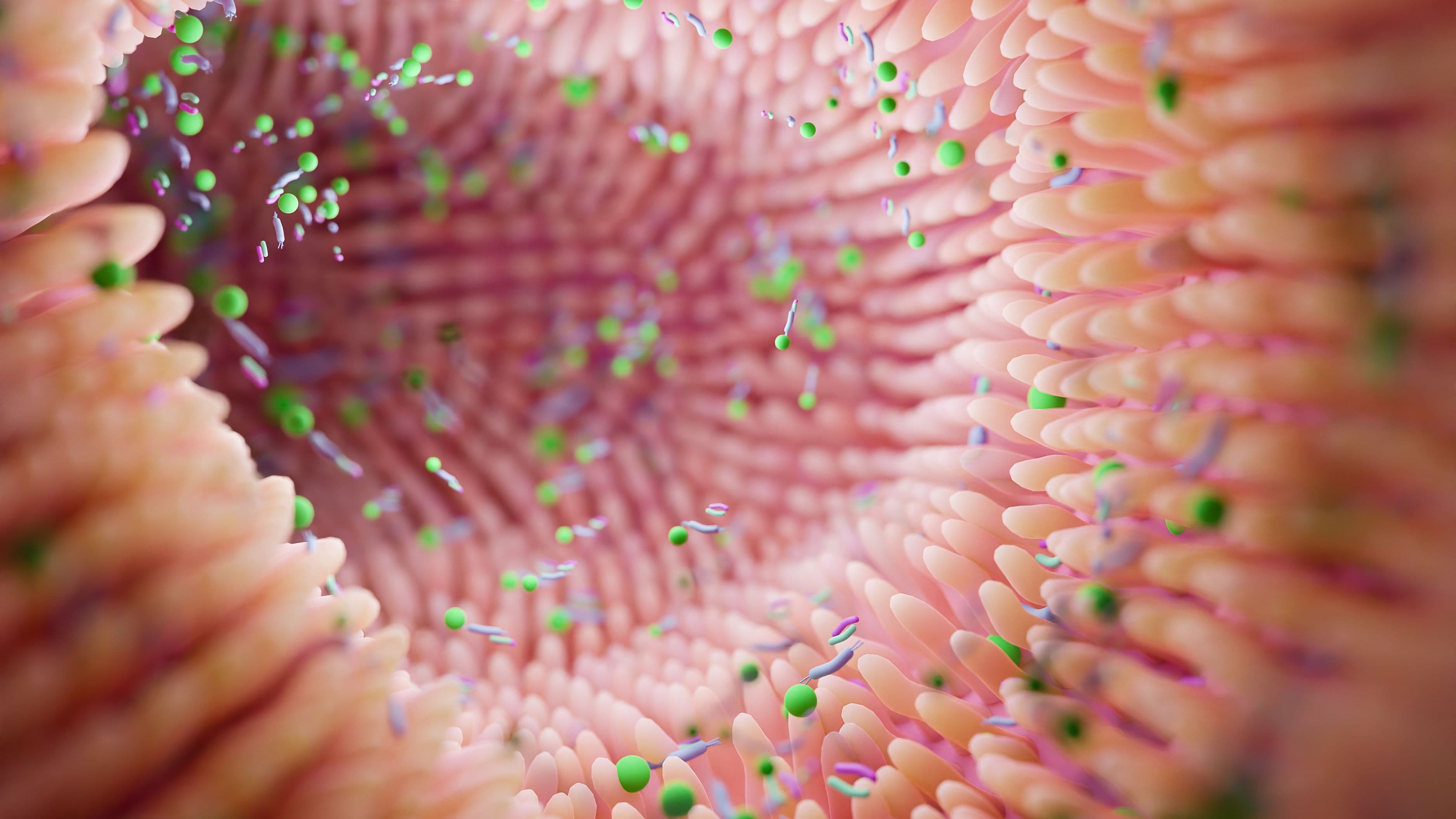
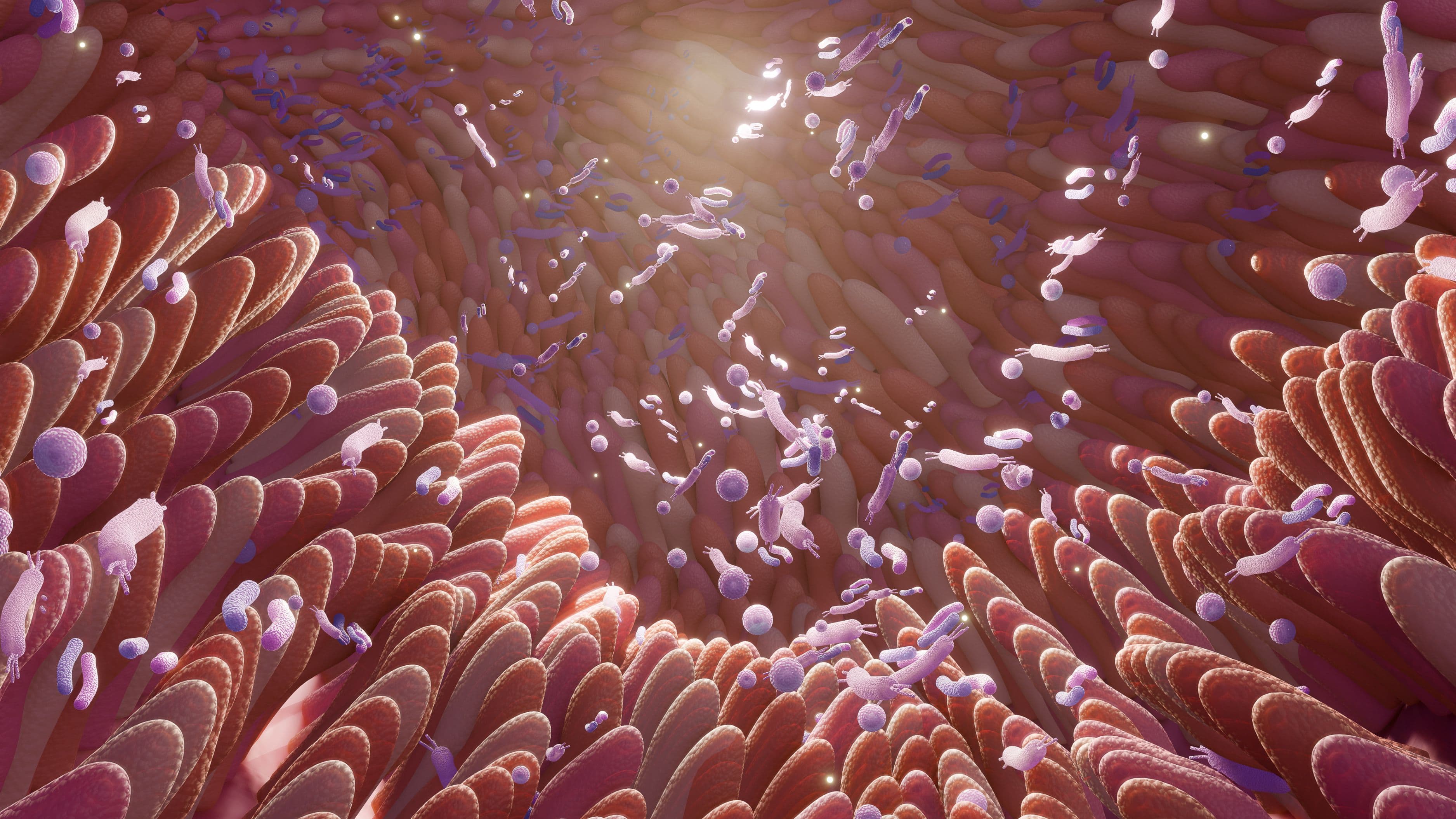
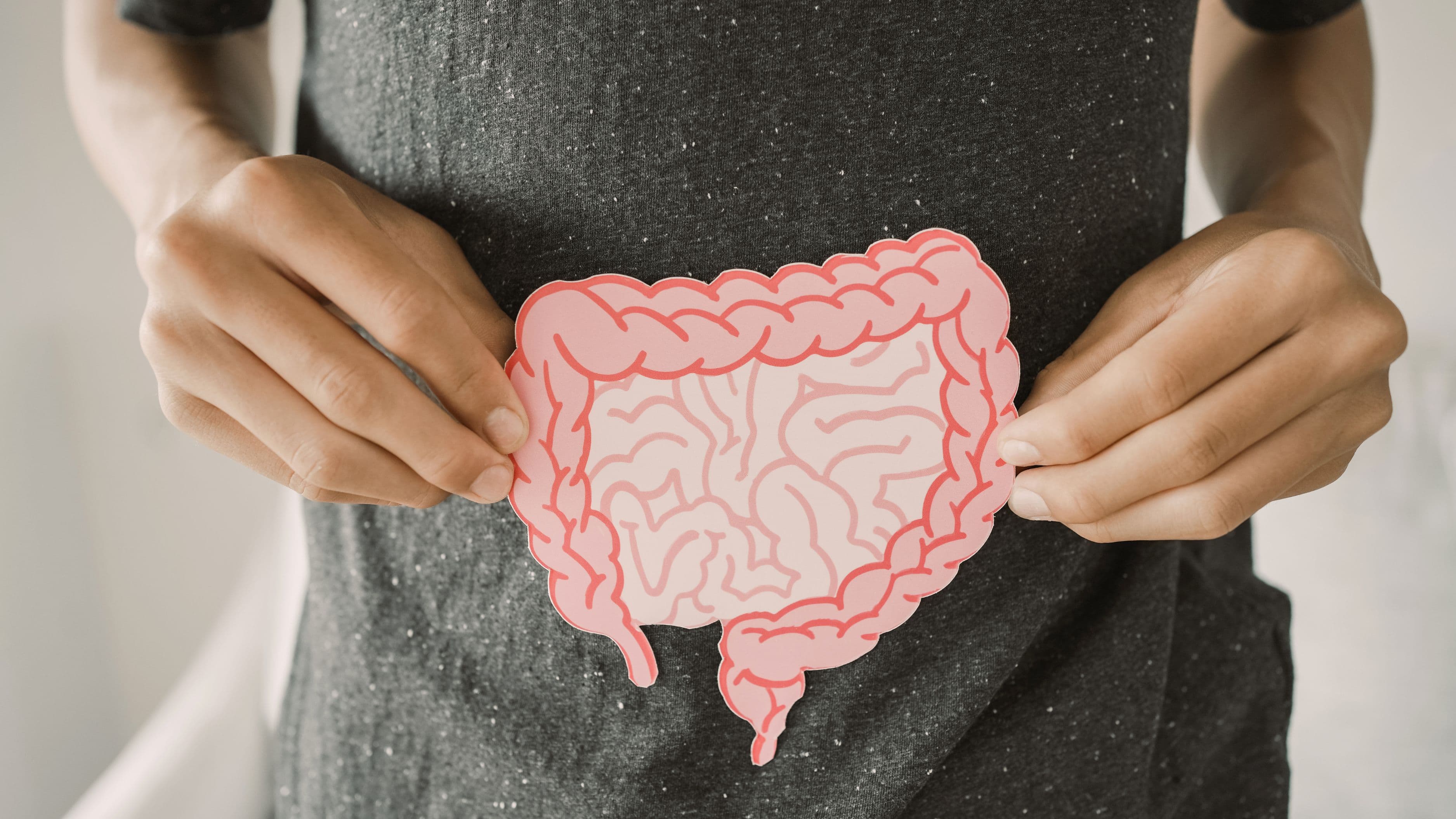
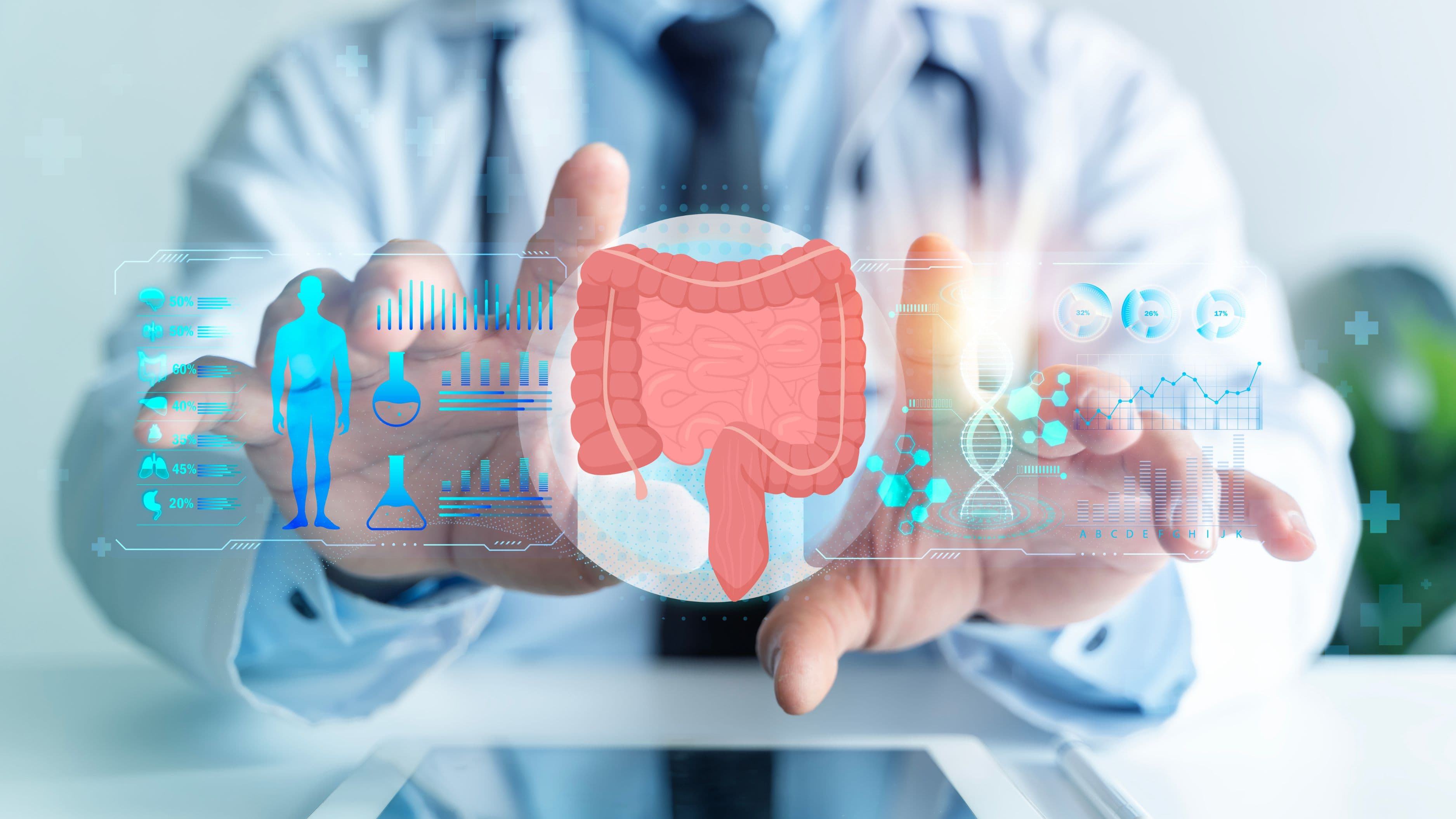
The gut microbiome communicates with the central nervous system through several distinct pathways, collectively referred to as the gut-brain axis. The vagus nerve provides a direct physical connection, transmitting signals from gut bacteria and gut-produced compounds directly to the brain. Approximately 90% of the body's serotonin, a neurotransmitter central to mood regulation, is produced in the gut, not the brain, largely influenced by microbial activity and the metabolites specific bacterial species produce.
Gut bacteria also produce short-chain fatty acids (SCFAs) like butyrate through the fermentation of dietary fiber. These SCFAs cross into systemic circulation and have documented effects on neuroinflammation and blood-brain barrier integrity, both of which influence mood and cognitive function. A less diverse or disrupted microbiome produces fewer of these beneficial metabolites, creating downstream effects on brain function that have nothing to do with willpower or mindset.
The HPA Axis Connection: Gut Bacteria and Cortisol Regulation
The hypothalamic-pituitary-adrenal (HPA) axis governs your stress hormone response, ultimately controlling cortisol release. Research using germ-free animal models, animals raised without any gut bacteria, has shown measurably exaggerated HPA axis stress responses compared to animals with normal microbiomes, and this hyperresponsiveness could be normalized through microbial colonization. This is a direct, mechanistic link between gut bacterial composition and how aggressively your body responds to stress.
For men dealing with chronically elevated cortisol, whether from training stress, poor sleep, or life stressors, gut health is a genuine lever worth addressing rather than an afterthought. A disrupted microbiome appears to amplify the stress response itself, not just correlate with poor mood as a byproduct.
Specific Bacterial Species Worth Knowing
Certain bacterial genera show consistent associations with mood and stress regulation in current research. Lactobacillus and Bifidobacterium species have been studied specifically for their role in reducing anxiety-like behavior and supporting healthier cortisol responses, giving rise to the term "psychobiotics" for probiotic strains with documented mental health effects.
Diversity itself matters as much as any single species. A microbiome with a wider range of bacterial species tends to correlate with better metabolic and mental health markers than one dominated by a narrow range of species, even if some of those dominant species are individually beneficial.
The Practical Protocol: Supporting Your Microbiome for Mood and Stress Resilience
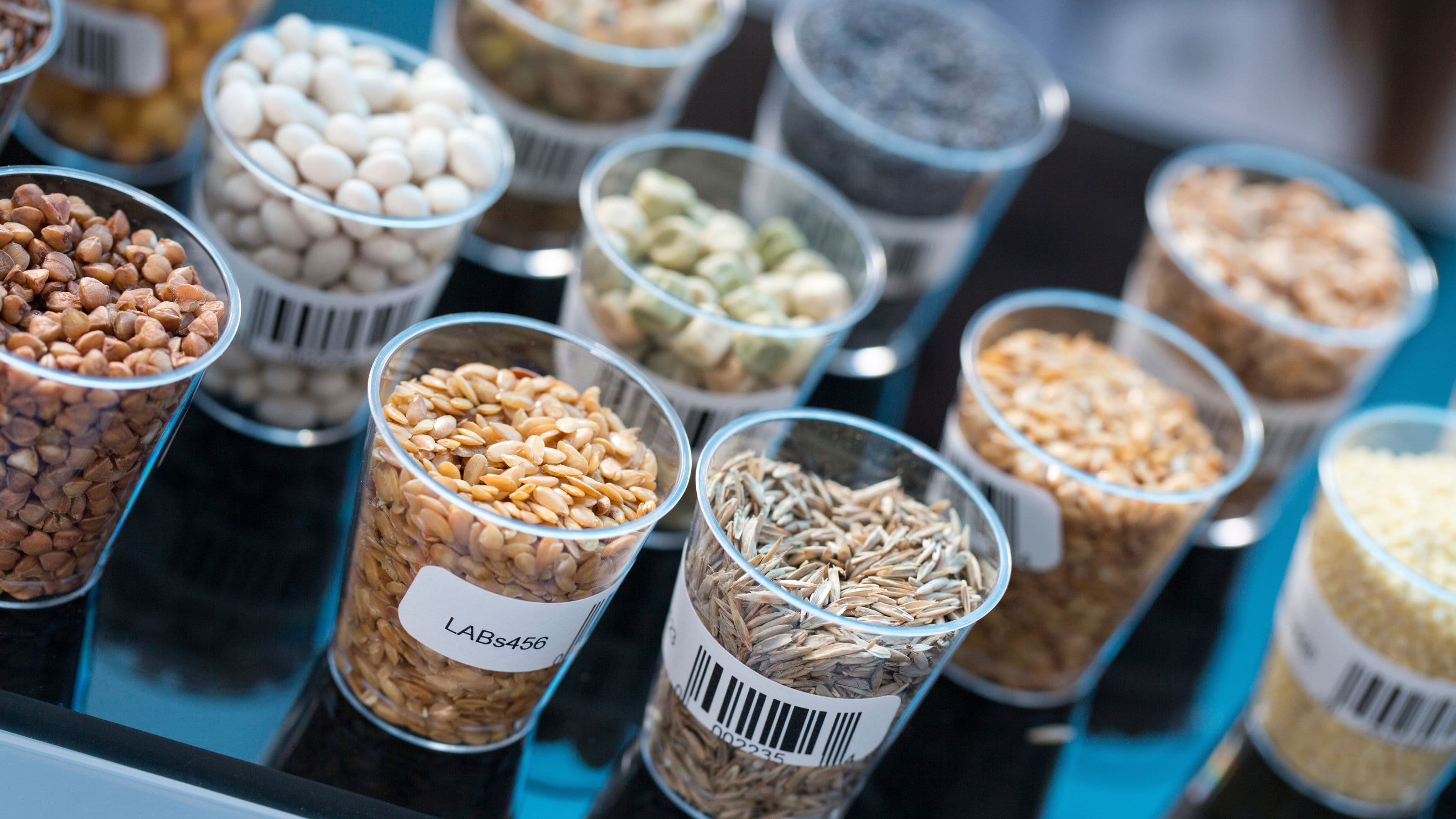
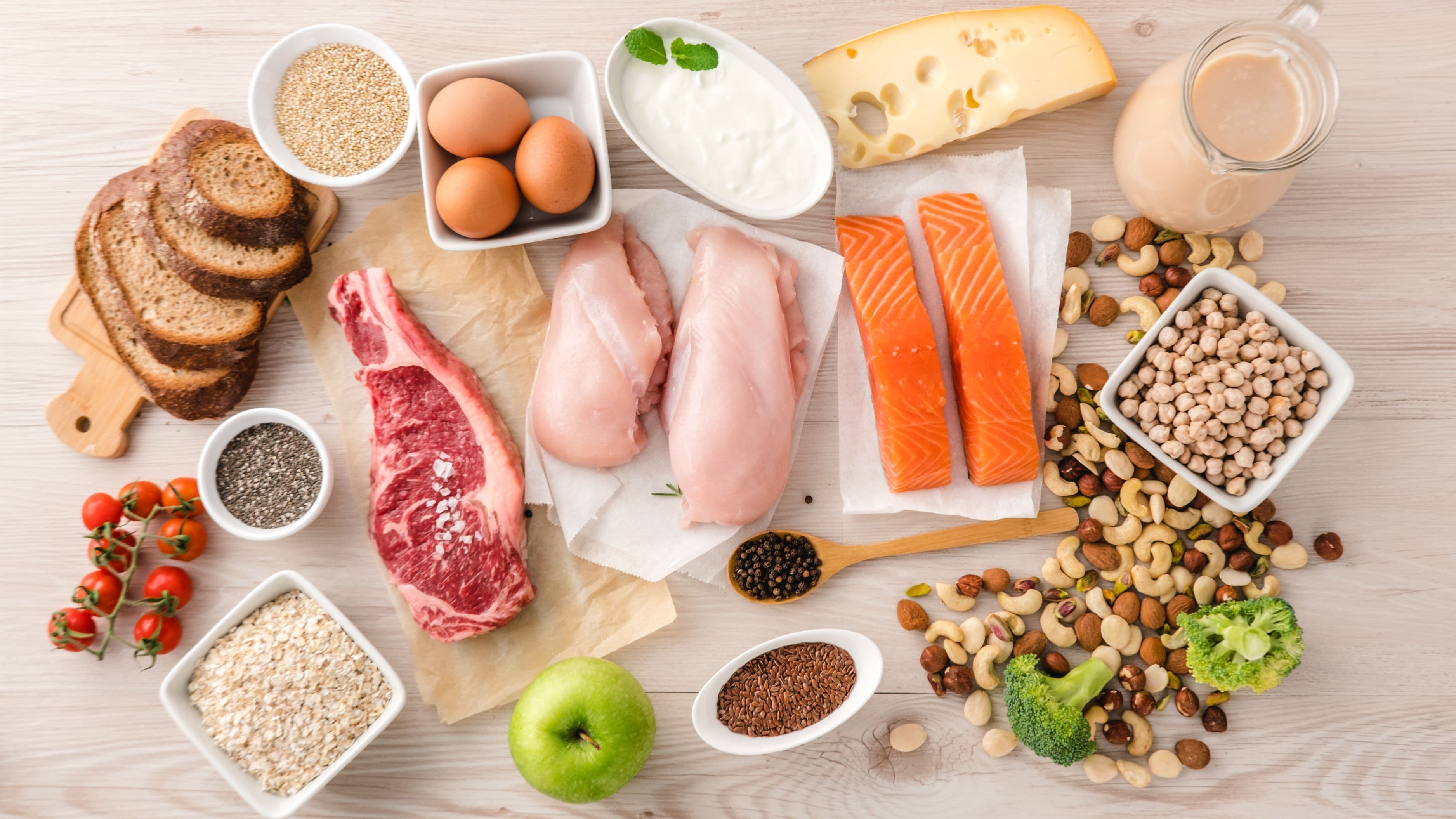
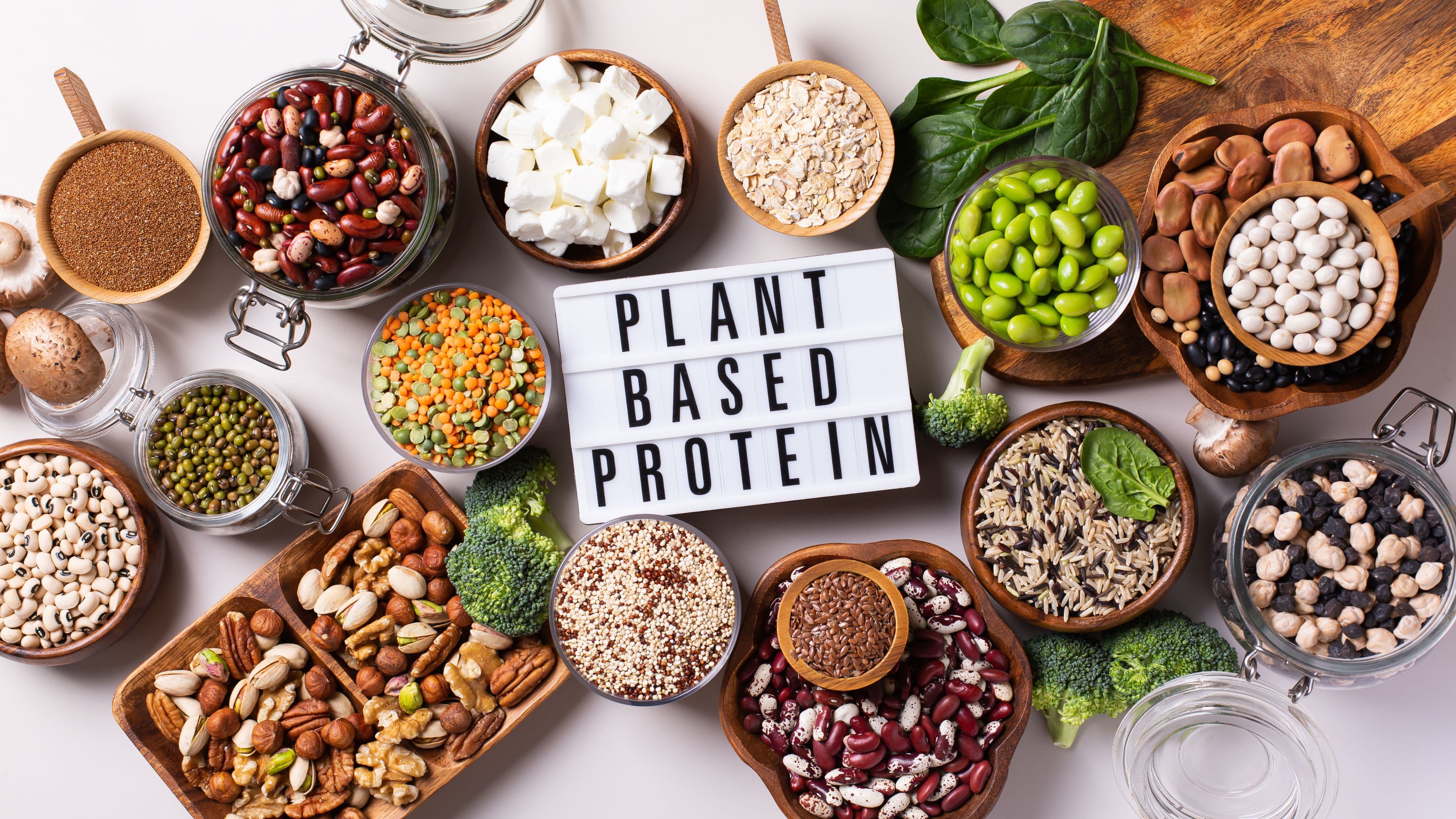
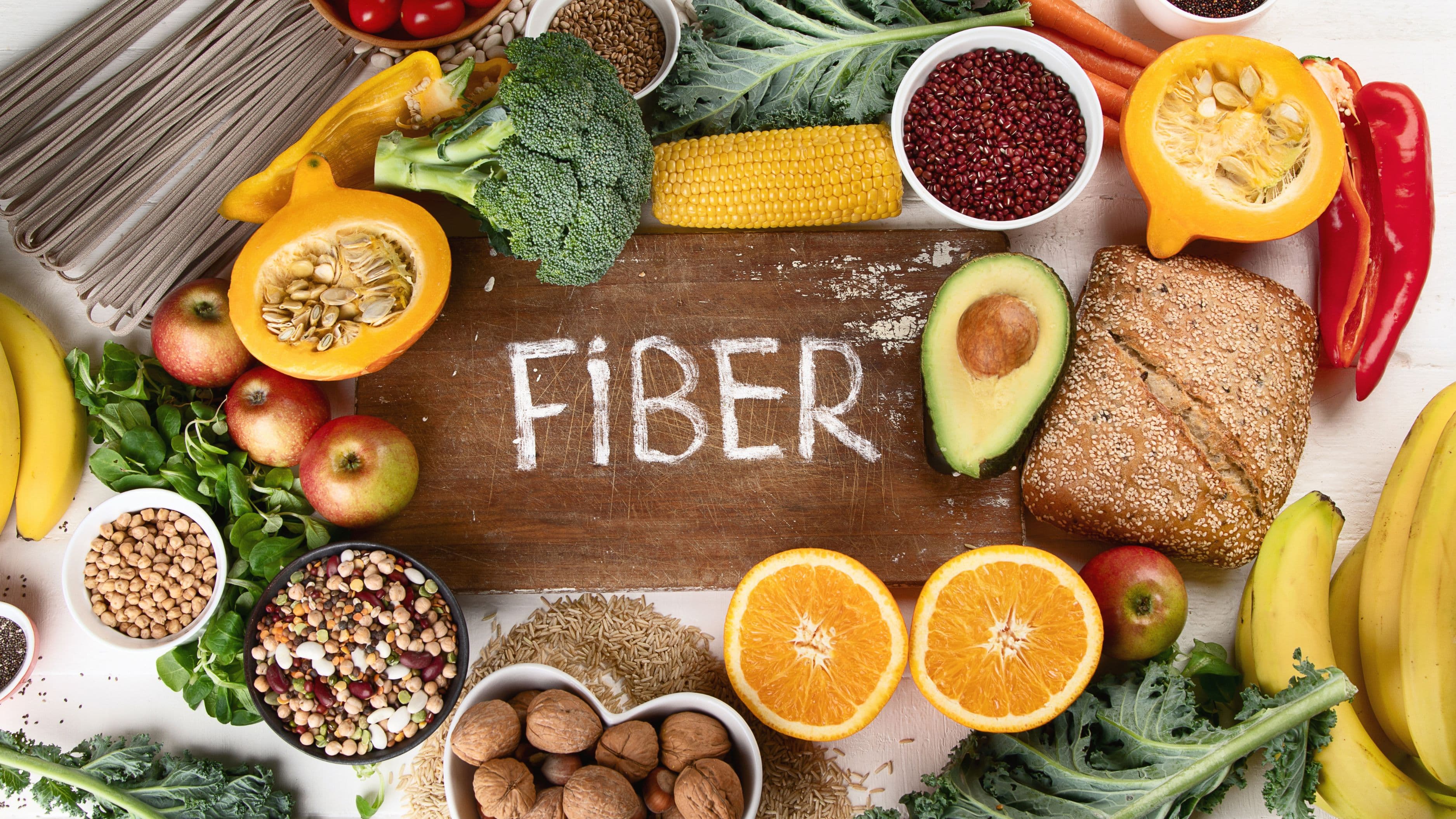
Fiber intake is the single highest-leverage input here, since fiber is the primary fuel source for the beneficial bacteria that produce SCFAs. Aim for a genuinely diverse range of fiber sources, not just one type, since different bacterial species ferment different fiber structures.
Vegetables, legumes, and whole grains together provide more diverse fermentation substrates than any single high-fiber food alone.
Fermented foods, yogurt with live cultures, kefir, sauerkraut, kimchi, introduce live bacterial strains directly, though the specific mood and stress benefits from food-based fermented sources are less rigorously studied than from clinical-grade probiotic supplements in controlled trials.
Minimize unnecessary antibiotic use and excessive alcohol intake, both of which measurably disrupt microbial diversity. This doesn't mean avoiding antibiotics when medically necessary, but it does mean not treating them casually for situations that don't require them.
Chronic psychological stress itself disrupts the microbiome, creating a bidirectional relationship where poor gut health worsens stress response, and stress itself further degrades gut health. Addressing stress through training, sleep, and recovery practices supports the microbiome indirectly, not just directly through diet.
Expected Timeline and Realistic Results
Microbiome composition can shift meaningfully within days of significant dietary change, but stable, lasting shifts that translate to measurable mood or stress benefits generally take several weeks of consistent dietary pattern change. This isn't a same-day intervention, and expecting immediate mood shifts from a single fermented food serving is not realistic based on current evidence.
Risks and Limitations
Probiotic supplementation research is promising but still developing, with significant variability in strain, dosage, and individual response across studies. Not every probiotic product on the market has research backing the specific strain and dosage used, so checking for strain-specific clinical evidence, rather than generic "probiotic" marketing claims, matters when selecting a product.
This is an area of active research, and while the mechanistic links between gut bacteria, stress hormones, and mood are well established, the field is still working out precise clinical protocols and expected effect sizes in humans. Treat gut health as one component of a broader stress and mood strategy, not a standalone fix for significant mood disorders, which deserve evaluation from a physician or mental health professional.
What to Avoid
Don't rely exclusively on probiotic supplements while ignoring dietary fiber diversity, which is the foundation that determines whether beneficial bacteria can actually establish and thrive in your gut long-term.
Don't assume every fermented or "gut health" marketed product delivers meaningful benefit. Many processed products marketed around gut health contain minimal live culture counts or added sugar that offsets any benefit.
FAQ
Can improving gut health treat clinical depression or anxiety? No. Gut health is a contributing factor worth addressing as part of a broader approach, but it isn't a substitute for appropriate evaluation and treatment from a mental health professional for clinically significant mood conditions.
How long before I'd notice a mood difference from dietary changes? Meaningful, sustained microbiome shifts generally take several weeks of consistent change; expecting rapid results isn't realistic based on current research.
Are probiotic supplements necessary, or is diet enough? Diet, particularly fiber diversity, is the foundation. Targeted probiotic supplementation with strain-specific research backing can be a reasonable addition, but isn't a substitute for baseline dietary support.
📚 Sources
Gut microbiota and the HPA stress axis – https://www.ncbi.nlm.nih.gov/pmc/articles/PMC4367209/
Gut-brain axis and serotonin production – https://www.ncbi.nlm.nih.gov/pmc/articles/PMC5992277/
Psychobiotics and mental health research – https://www.frontiersin.org/journals/psychiatry