
What Gut Dysbiosis Actually Is
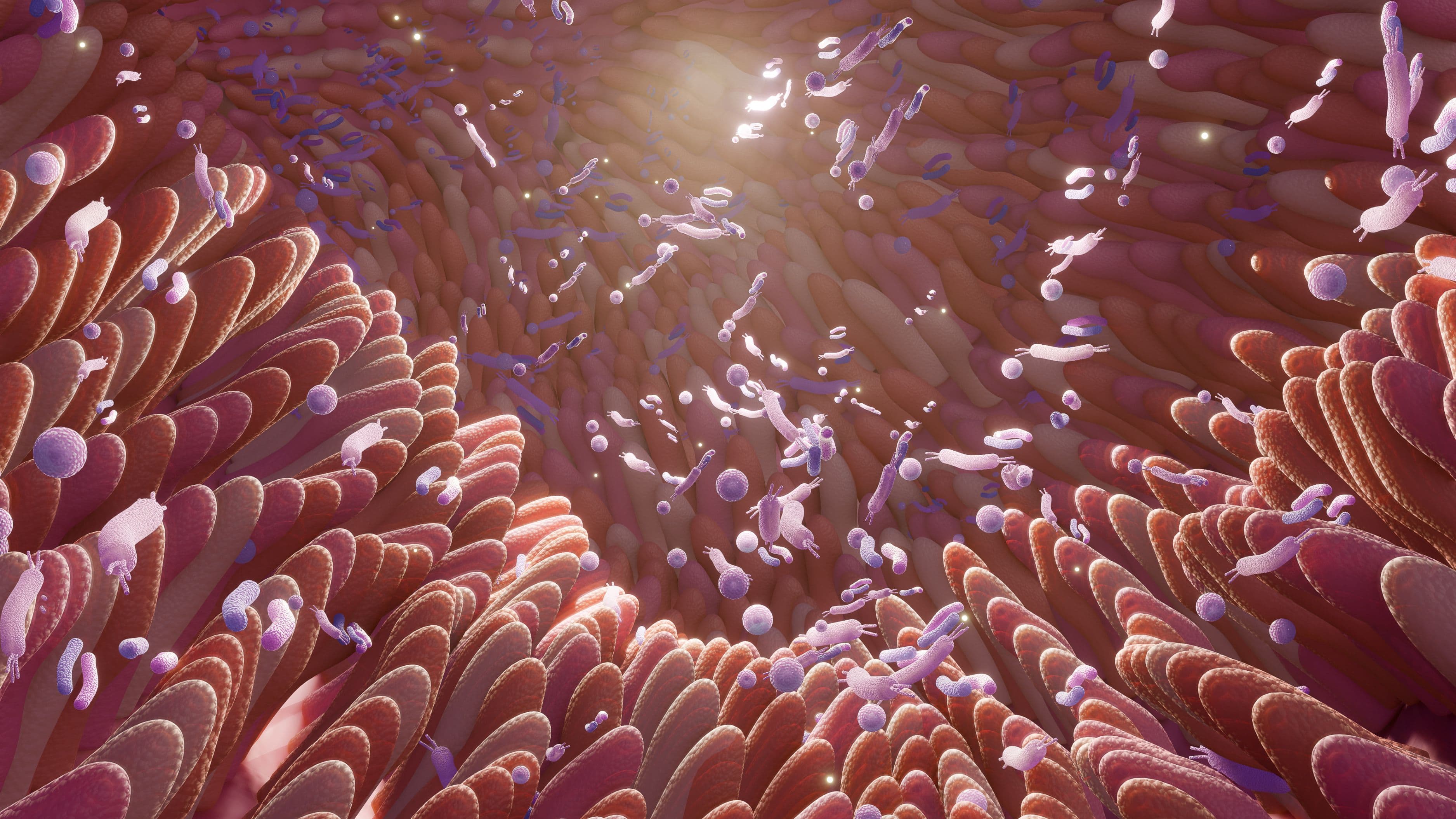
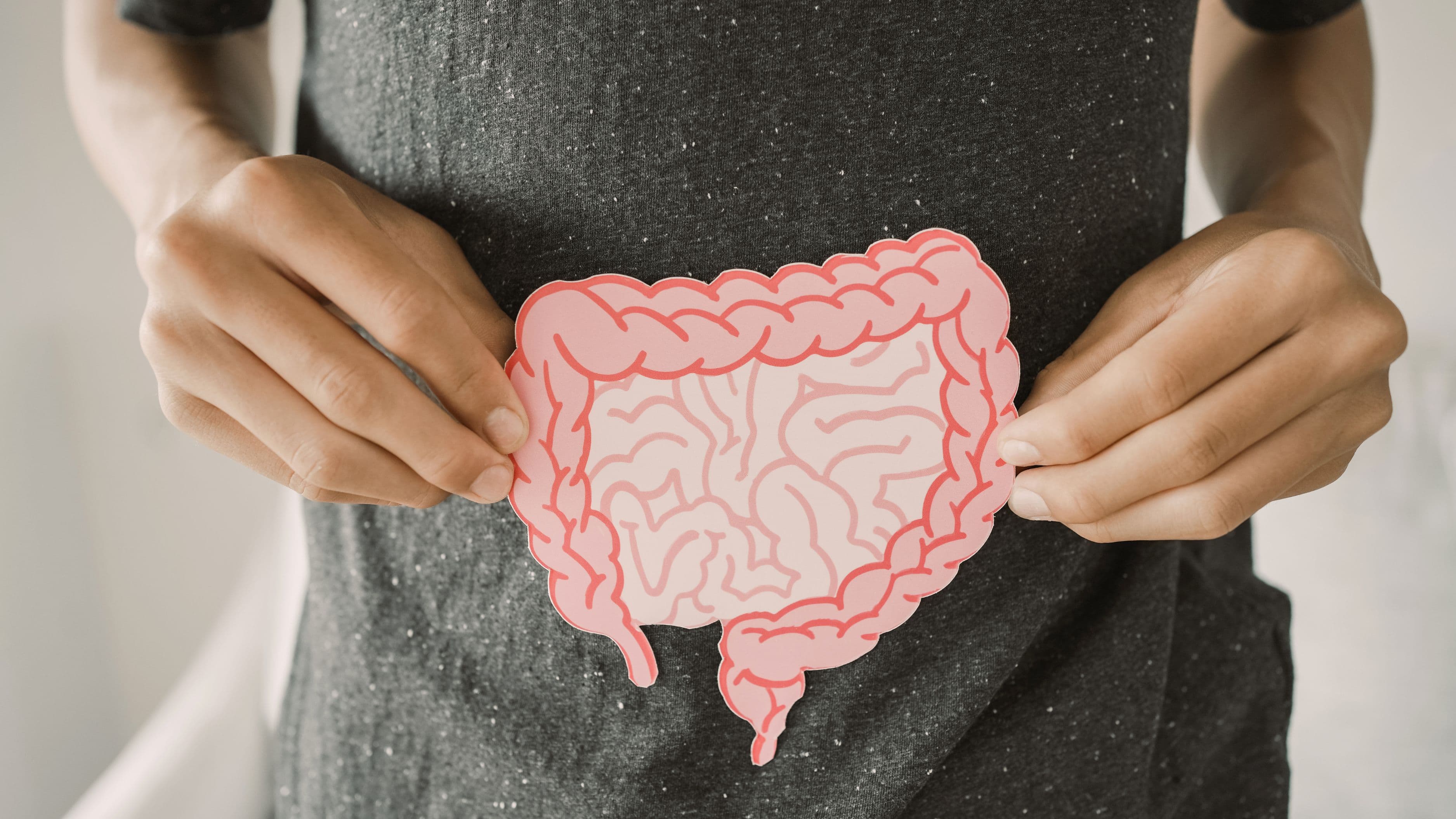
The human gut contains approximately 38 trillion microbial cells, encoding roughly 150 times more genes than the human genome. This isn't a passenger system – the microbiome is an active metabolic organ that produces neurotransmitters, short-chain fatty acids (SCFAs), vitamins, and immune-modulating compounds. In a healthy state, commensal bacteria (Lactobacillus, Bifidobacterium, Akkermansia, Faecalibacterium prausnitzii, and others) maintain gut epithelial integrity, regulate immune tone, and produce anti-inflammatory metabolites.
Dysbiosis occurs when that balance is disrupted: a reduction in microbial diversity, overgrowth of pathogenic or gram-negative bacteria, and depletion of keystone species. This isn't a binary state – dysbiosis exists on a spectrum, and subclinical dysbiosis can be functionally significant long before it produces obvious GI symptoms. A man can have entirely "normal" digestion and still carry a dysbiotic microbiome driving chronic low-grade inflammation throughout his body.
The Primary Mechanism: Leaky Gut and LPS Translocation
The most important pathway between dysbiosis and systemic inflammation runs through intestinal permeability – what's commonly called "leaky gut," though the clinical term is increased intestinal permeability (IIP).
The gut epithelium is a single-cell-layer barrier held together by tight junction proteins: claudins, occludins, and zonulin. Commensal bacteria – particularly Akkermansia muciniphila and butyrate-producing species – maintain the integrity of these tight junctions. When dysbiosis depletes these keystone species, tight junction integrity degrades. The barrier becomes permeable to molecules that should remain in the gut lumen.
The most consequential of these is lipopolysaccharide (LPS), a component of the outer membrane of gram-negative bacteria. LPS is a potent endotoxin. Under normal conditions, negligible amounts cross the gut barrier. In a dysbiotic, permeable gut, LPS translocates into systemic circulation – a condition called metabolic endotoxemia.
Once in circulation, LPS binds to toll-like receptor 4 (TLR4) on immune cells, triggering activation of nuclear factor kappa B (NF-κB), the master transcription factor for inflammatory cytokine production. The downstream result is elevated circulating levels of IL-6, TNF-α, and IL-1β – the core inflammatory mediators. This is not acute inflammation with a clear endpoint. It's chronic, low-grade, systemic inflammation running at a persistent simmer.
What Systemic Inflammation Does to Male Physiology
Understanding the mechanism matters because it connects dysbiosis to every major domain of male performance and longevity.
Testosterone Suppression
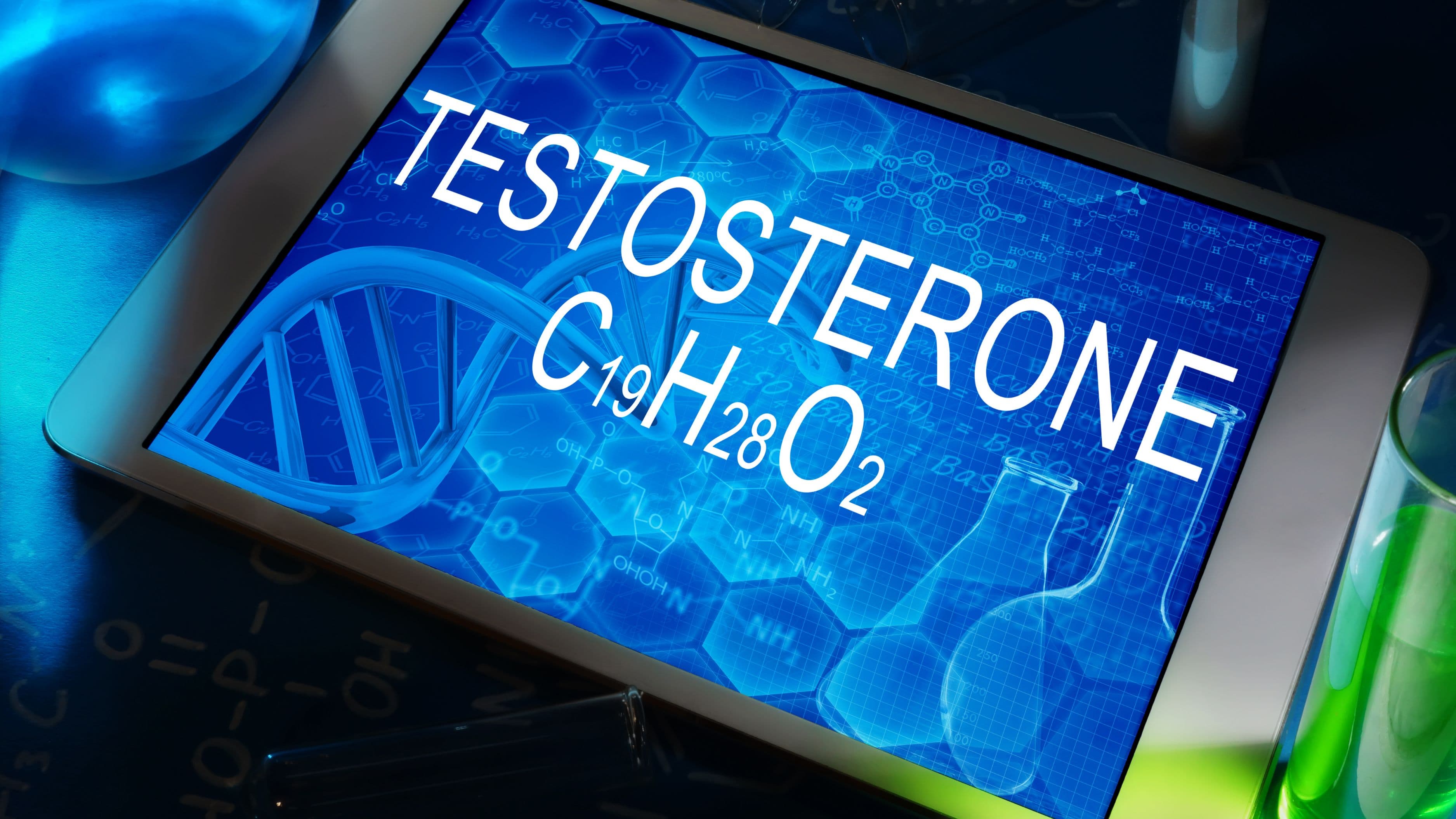
The relationship between inflammation and testosterone is direct and bidirectional. NF-κB activation and elevated TNF-α suppress LH (luteinizing hormone) signaling at the hypothalamic-pituitary level, reducing the signal that drives testicular testosterone production. At the testicular level, TNF-α directly inhibits Leydig cell steroidogenesis – the cellular process by which cholesterol is converted to testosterone.
Studies have consistently shown inverse relationships between inflammatory markers (particularly IL-6 and CRP) and serum testosterone. Chronic low-grade endotoxemia can suppress testosterone meaningfully without meeting any threshold that registers as "clinical inflammation" in standard bloodwork.
Insulin Resistance
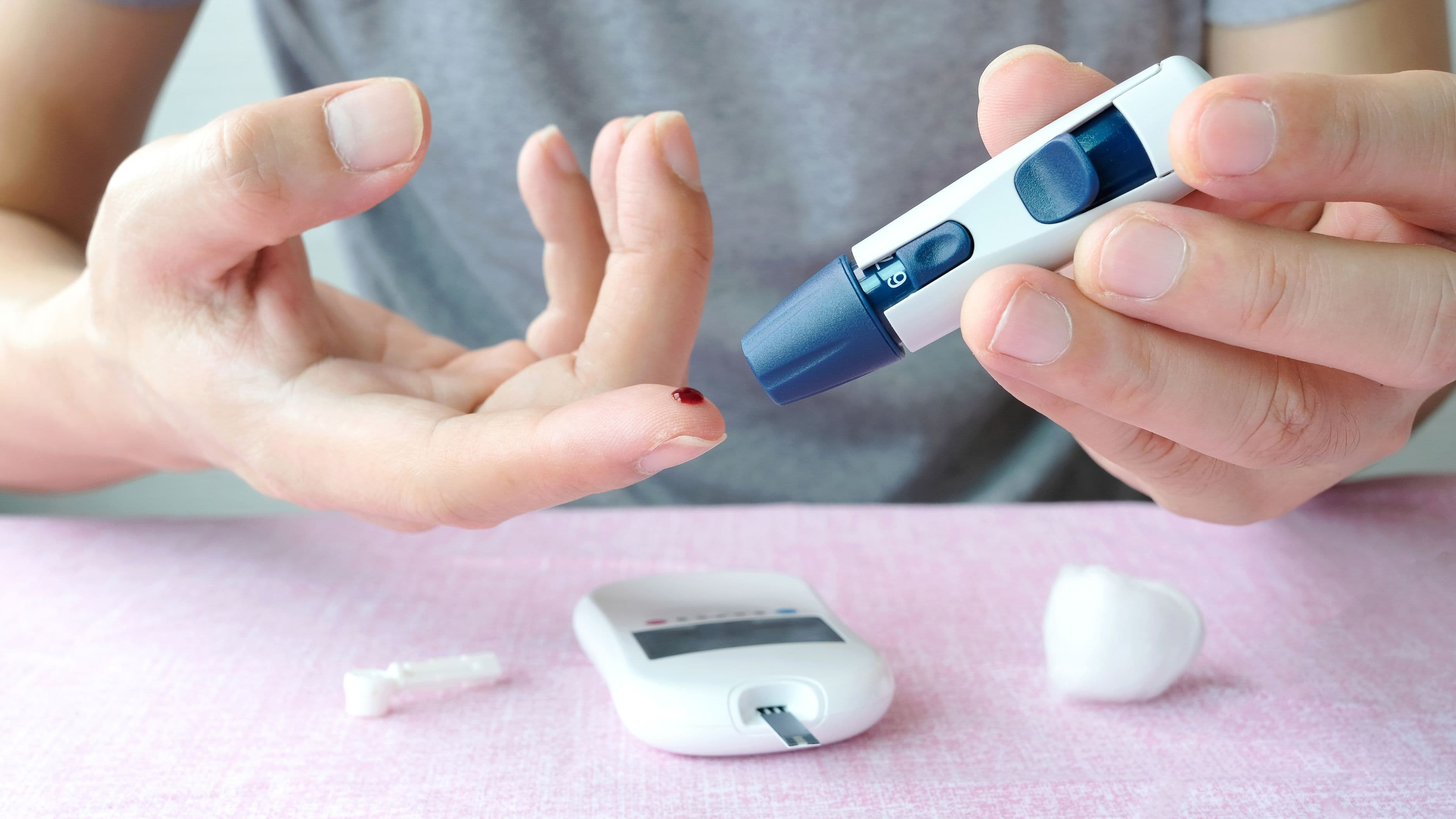
LPS-mediated TLR4 activation in adipose tissue and skeletal muscle interferes with insulin receptor signaling – specifically, it impairs IRS-1 phosphorylation, reducing glucose uptake in muscle cells. This is a direct mechanistic pathway from gut dysbiosis to insulin resistance, which in turn drives further inflammation, fat accumulation, and SHBG changes that reduce free testosterone availability. The gut-insulin-testosterone axis creates a compounding feedback loop that's difficult to interrupt without addressing the upstream dysbiosis.
Cognitive Performance
The gut-brain axis is a bidirectional communication network involving the vagus nerve, immune signaling, and gut-derived neurotransmitter precursors. Systemic inflammation from metabolic endotoxemia crosses the blood-brain barrier through several mechanisms, activating microglia and driving neuroinflammation. Elevated IL-6 correlates with reduced BDNF (brain-derived neurotrophic factor) – the primary growth factor for neuronal plasticity and cognitive function. Men with higher inflammatory burden consistently show deficits in working memory, processing speed, and executive function in research settings.
Recovery and Muscle Adaptation
Post-exercise inflammation is a normal and necessary signal for muscle adaptation. Chronic systemic inflammation from dysbiosis interferes with this process by maintaining a persistently elevated inflammatory baseline. This blunts the acute inflammatory signal required for muscle protein synthesis and anabolic adaptation, impairs satellite cell activation, and elevates cortisol chronically – further suppressing testosterone and increasing muscle protein catabolism. Men in this state often describe feeling like they're working hard without recovering efficiently, which is an accurate description of the biology.
Cardiovascular Risk
Systemic inflammation is a primary driver of atherosclerosis – the process by which arterial plaques form. LPS-activated macrophages are central to plaque initiation and progression. Elevated CRP (a downstream marker of IL-6) is a stronger predictor of cardiovascular events than LDL cholesterol in some populations. The gut-cardiovascular connection is increasingly recognized in the literature, with microbiome composition associated with TMAO (trimethylamine N-oxide) production, another independent cardiovascular risk factor.
What Drives Dysbiosis in Men
The dietary and lifestyle patterns common among high-performing men are frequently dysbiosis-promoting:
Ultra-processed food intake – even episodic consumption of highly processed foods disrupts microbial diversity and reduces SCFA-producing bacteria within days.
High-dose antibiotic exposure – a single course of broad-spectrum antibiotics can reduce microbiome diversity by 30–50%, with full recovery taking months and often incomplete without active microbial reseeding.
Chronic psychological stress – stress hormones (cortisol, catecholamines) directly alter gut motility, reduce secretory IgA (the gut's primary immune defense), and shift microbial composition toward dysbiotic patterns.
Alcohol – even moderate alcohol consumption disrupts tight junction proteins and increases intestinal permeability. Heavy consumption severely depletes Lactobacillus and Bifidobacterium populations.
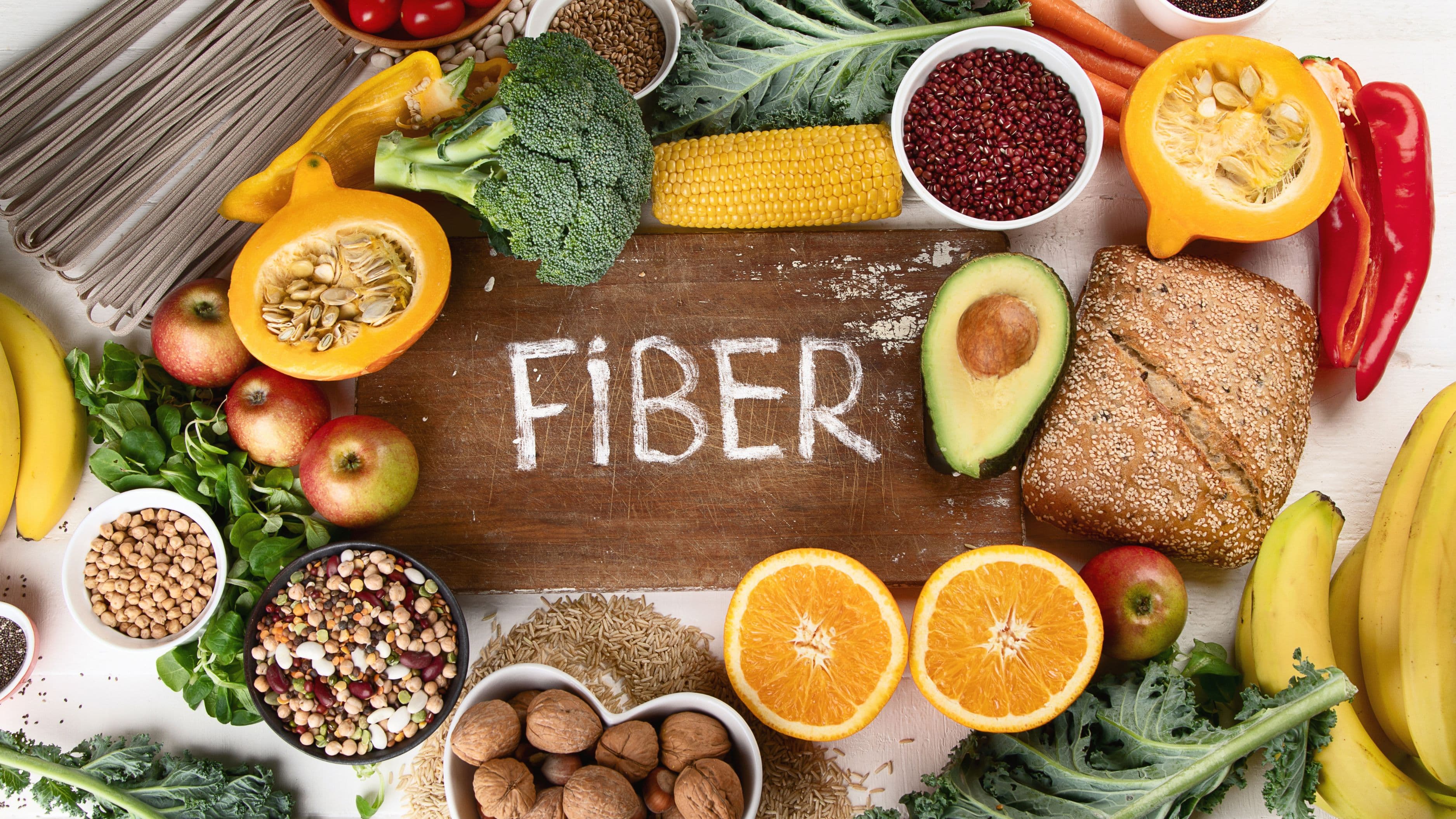
Low dietary fiber – butyrate-producing bacteria are obligate fermenters of dietary fiber. A low-fiber diet selectively starves the microbial species most critical for gut barrier integrity and anti-inflammatory SCFA production.
Sleep disruption – the microbiome has its own circadian rhythm regulated partly by host sleep cycles. Chronic sleep disruption (under six hours, or disrupted sleep architecture) shifts microbial composition toward dysbiotic patterns independently of diet.
Intense training without adequate recovery – heavy endurance and resistance training loads increase gut permeability via splanchnic hypoperfusion (reduced blood flow to the gut during intense exercise), a phenomenon well-documented in endurance athletes.
Diagnostic Markers Worth Tracking
Standard metabolic panels don't capture dysbiosis or metabolic endotoxemia well. If you want data:
High-sensitivity CRP (hsCRP): A downstream marker of IL-6 activity. Values under 0.5 mg/L are associated with low inflammatory burden. Values above 1.0 mg/L warrant investigation, even if below the clinical "normal" cutoff of 3.0 mg/L.
LPS-binding protein (LBP): A more direct marker of metabolic endotoxemia. Not included in standard panels but available through functional medicine labs. Elevated LBP confirms significant LPS translocation.
Zonulin: A regulatory protein for tight junction permeability. Elevated serum or fecal zonulin is a validated marker of increased intestinal permeability. Available through labs like Cyrex and Genova Diagnostics.
Comprehensive gut microbiome testing: Tests like Viome, Genova GI Effects, or Doctor's Data comprehensive stool analysis provide microbial diversity scores, SCFA production capacity, and pathogen presence. Not all tests are equal – look for ones using shotgun metagenomic sequencing rather than 16S rRNA alone for greater resolution.
Fasting insulin and HOMA-IR: Proxy markers for insulin resistance, which closely tracks gut-driven inflammatory burden.
The Intervention Protocol
Tier 1: Remove the Primary Drivers
Before adding anything, remove what's actively causing dysbiosis. This means eliminating ultra-processed foods, reducing alcohol to two or fewer drinks per week, addressing sleep (seven to eight hours of consistent, dark, cool sleep), and managing training load if you're in a high-intensity block with poor recovery markers.
Tier 2: Rebuild the Microbial Substrate
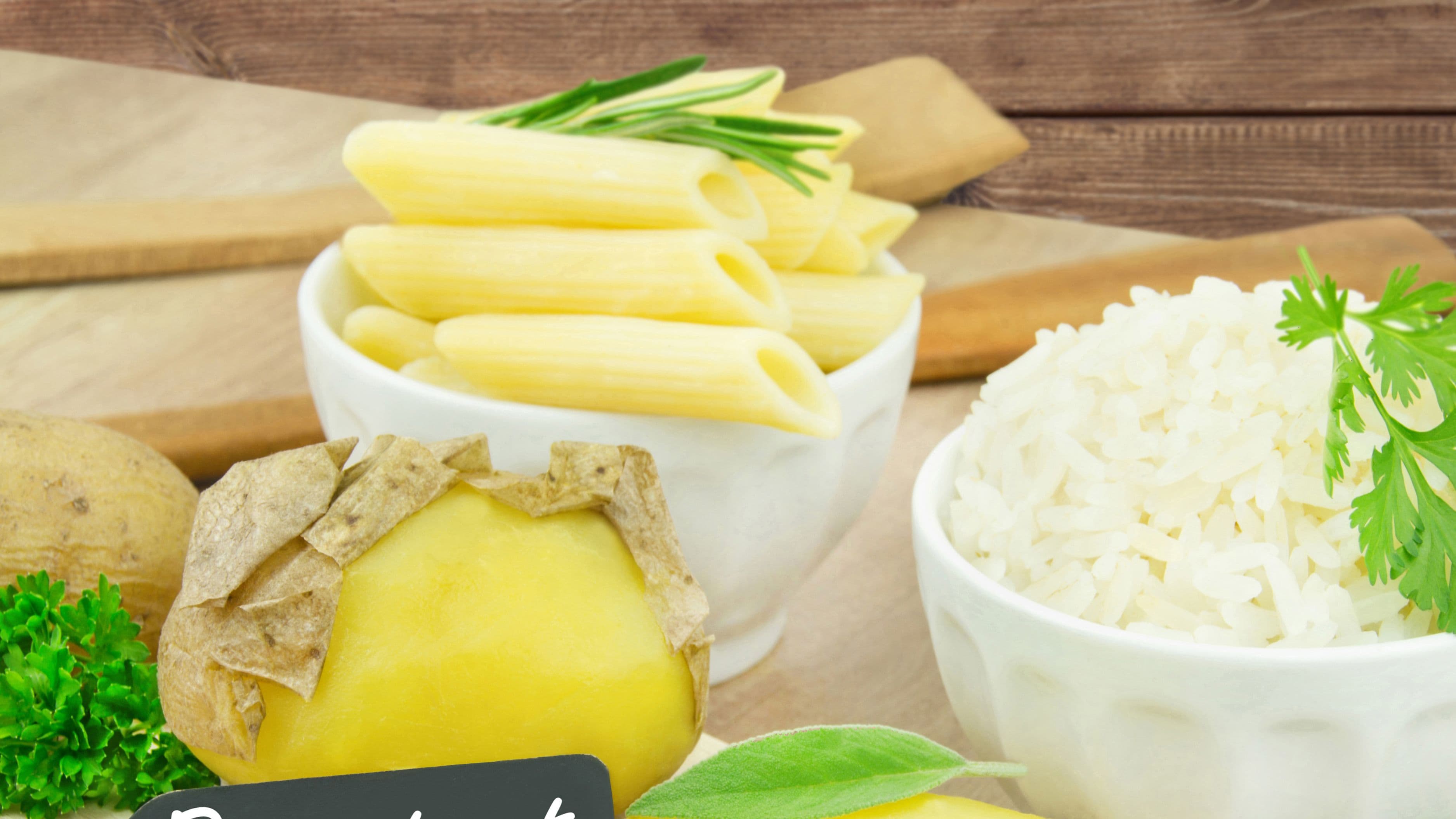
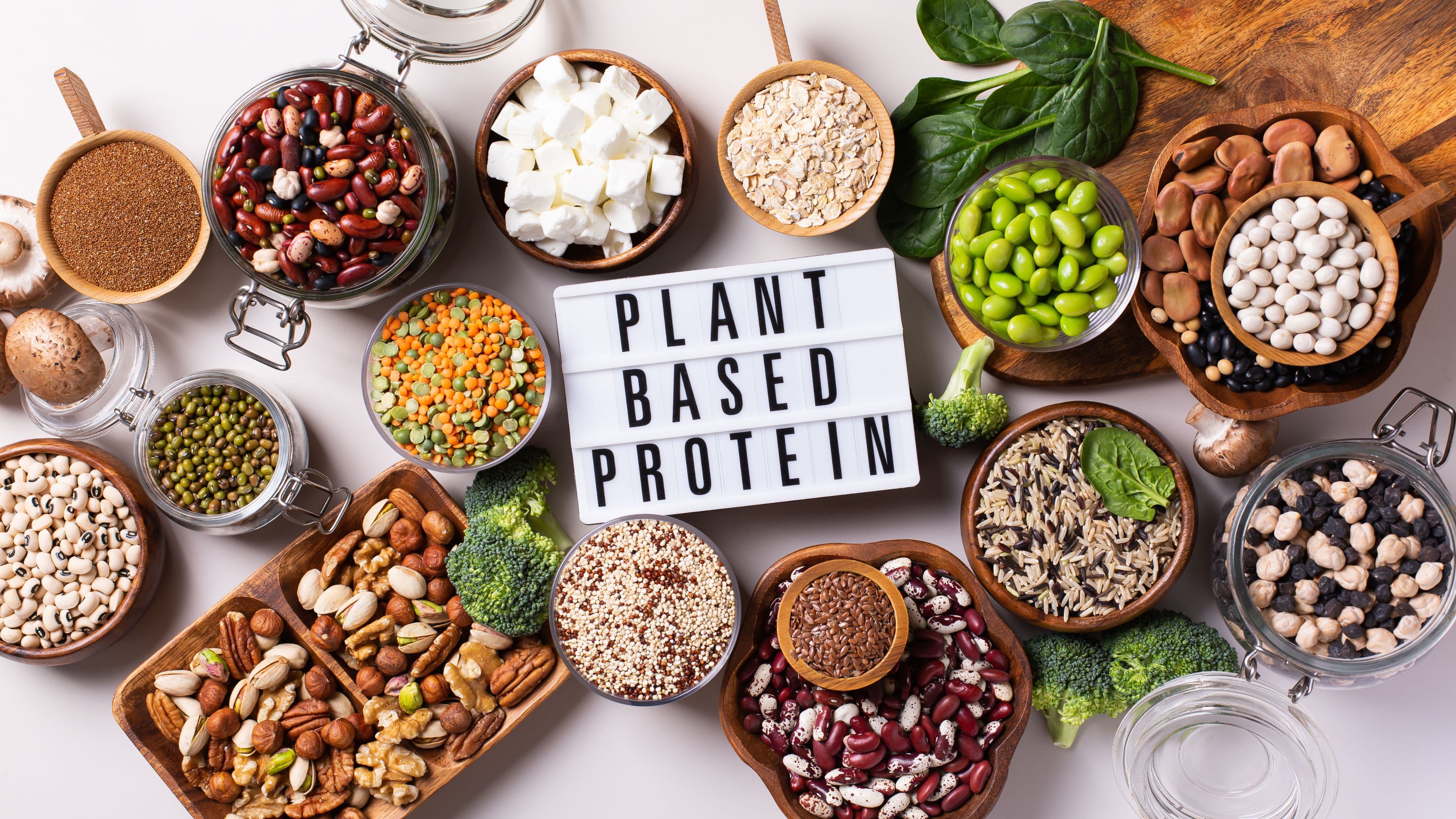
Increase dietary fiber to 35–45g daily, with emphasis on diverse plant sources – not just fiber quantity but variety, which promotes microbial diversity. Specific prebiotic foods with strong evidence: inulin-rich vegetables (chicory, Jerusalem artichoke, garlic, leeks), resistant starch (cooled cooked potatoes, green banana flour, cooked-and-cooled rice), and beta-glucan sources (oats, mushrooms).
Fermented foods provide both live organisms and metabolic byproducts that support microbial ecology. Daily intake of one to two servings of high-quality fermented foods (kefir, plain whole-milk yogurt with live cultures, kimchi, sauerkraut) has been shown in randomized trials – including a Stanford study published in Cell – to meaningfully increase microbial diversity and reduce inflammatory markers within ten weeks.
Tier 3: Targeted Supplementation
Butyrate (sodium butyrate or tributyrin): The primary SCFA responsible for gut epithelial health and tight junction integrity. If SCFA production is impaired or you need faster barrier repair, direct supplementation (300–600mg sodium butyrate, or 1–2g tributyrin daily) provides butyrate to colonocytes directly. Tributyrin has superior bioavailability and gut distribution.
Akkermansia muciniphila: A keystone species for mucin layer maintenance and tight junction integrity. Now available as a pasteurized supplement (Pendulum Akkermansia). Evidence for direct supplementation is emerging and promising, though dietary approaches (high polyphenol intake, especially pomegranate and cranberry) also support Akkermansia growth.
Spore-based probiotics (Bacillus coagulans, Bacillus subtilis, Bacillus clausii): Significantly more stable than standard Lactobacillus/Bifidobacterium products and able to survive gastric acid to reach the colon intact. Well-studied for reducing endotoxemia and inflammatory markers. MegaSporeBiotic is the most studied commercial formulation.
Quercetin and Luteolin: Polyphenolic flavonoids with direct inhibition of NF-κB signaling and TLR4 activity. Both have been shown to reduce LPS-induced inflammatory cytokine production in vitro and in vivo. Quercetin at 500–1000mg daily; luteolin at 100–400mg.
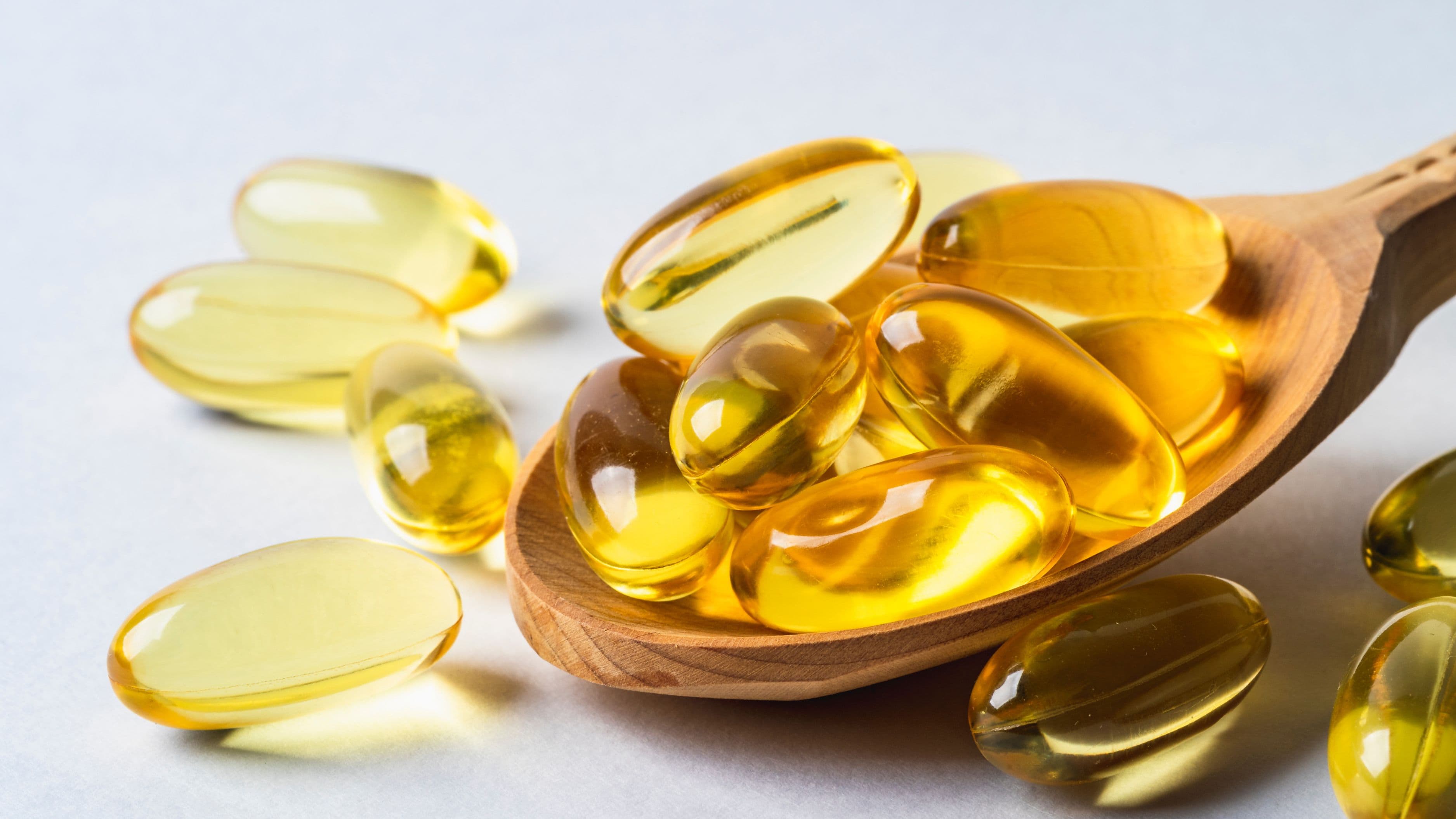
Omega-3 fatty acids (EPA/DHA): Broad-spectrum anti-inflammatory via competitive inhibition of arachidonic acid pathways and resolution of inflammation through lipoxin and resolvin production. 2–4g EPA+DHA daily from high-quality fish oil or triglyceride-form concentrate.
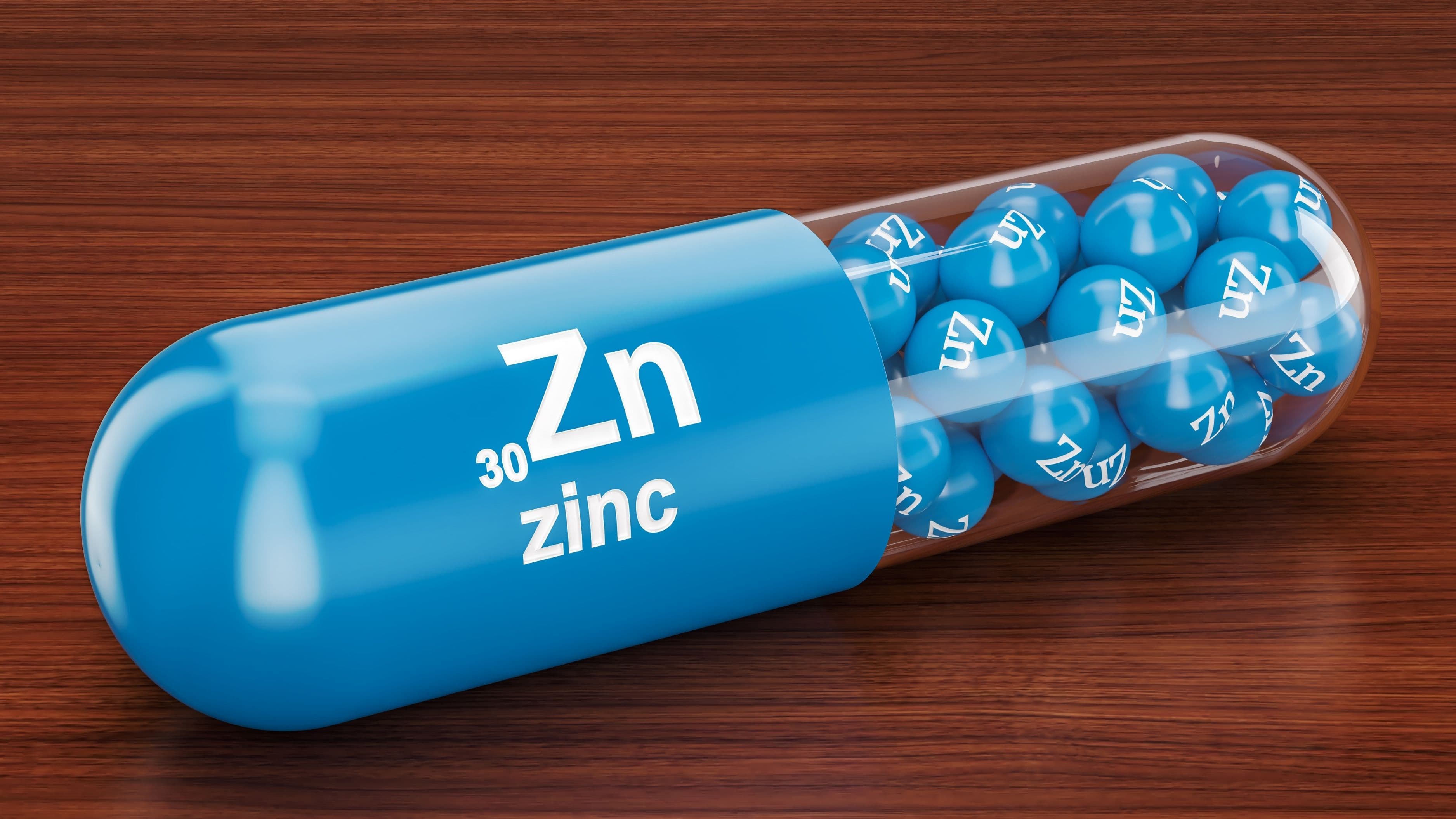
Zinc carnosine: Specifically studied for intestinal barrier repair. 75mg daily (as zinc L-carnosine) has been shown in clinical trials to improve tight junction integrity and reduce intestinal permeability markers.
Tier 4: Monitor and Adjust
Recheck hsCRP at 8–12 weeks. Repeat microbiome testing at six months if baseline testing was done. Track subjective markers that correlate with inflammatory burden: morning energy, recovery between training sessions, cognitive clarity, and libido – all of which are sensitive downstream indicators.
Realistic Expectations
Gut microbiome remodeling is not a two-week intervention. Meaningful, measurable changes in microbial diversity and inflammatory markers typically require 8–12 weeks of consistent dietary change. Barrier repair, once gut permeability is established, can take three to six months depending on severity and adherence. The men who get the most out of this work are the ones who treat it as a long-term infrastructure change, not a quick fix.
FAQ
Can I have dysbiosis without any GI symptoms? Yes. Subclinical dysbiosis with elevated intestinal permeability and metabolic endotoxemia can exist entirely without digestive complaints. The systemic effects – inflammation, hormonal disruption, cognitive changes – are often the first signs that something is wrong.
Should I take a broad-spectrum probiotic? Standard Lactobacillus/Bifidobacterium probiotics have inconsistent evidence for establishing in the gut long-term. They have real utility for specific conditions and post-antibiotic recovery, but spore-based formulations generally outperform them for modulating the resident microbiome and reducing inflammatory endpoints. Both have their place – they're not mutually exclusive.
Does red meat cause gut dysbiosis? The evidence is nuanced. Red meat is a source of L-carnitine and choline, which gut bacteria convert to TMAO – a compound associated with cardiovascular risk. However, TMAO production depends heavily on microbiome composition: men with diverse, healthy microbiomes produce significantly less TMAO from the same red meat intake than men with dysbiotic microbiomes. The microbiome mediates the risk, not the meat itself.
How does stress affect the gut-inflammation axis? Psychological stress activates the HPA axis, releasing CRH (corticotropin-releasing hormone) directly into the gut via nerve terminals, which increases intestinal permeability. Cortisol suppresses secretory IgA and alters motility. Chronic stress is an independent driver of dysbiosis and leaky gut, which is why stress management isn't a soft recommendation – it's mechanistically essential to gut barrier health.
What's the fastest intervention for reducing endotoxemia acutely? Eliminating ultra-processed food and alcohol while increasing fermented food intake produces measurable reductions in endotoxemia within two to four weeks in most subjects. Supplementing with spore-based probiotics and zinc carnosine accelerates this. There's no faster structural fix – targeted dietary changes are the highest-leverage acute intervention.
📚 Sources
Sonnenburg & Sonnenburg – Gut microbiota's effect on immune and inflammatory regulation: https://www.ncbi.nlm.nih.gov/pmc/articles/PMC4822743/
Wastyk et al. – Gut microbiota features associated with Clostridioides difficile colonization (Stanford fermented food trial, Cell 2021): https://www.cell.com/cell/fulltext/S0092-8674(21)00754-6
Cani et al. – Metabolic endotoxemia initiates obesity and insulin resistance (Diabetes, 2007): https://diabetesjournals.org/diabetes/article/56/7/1761/12684/Metabolic-Endotoxemia-Initiates-Obesity-and-Insulin
Carabotti et al. – The gut-brain axis (Annals of Gastroenterology, 2015): https://www.ncbi.nlm.nih.gov/pmc/articles/PMC4367209/
Tremellen – Gut endotoxin leading to a decline in gonadal function (GELDING theory): https://www.ncbi.nlm.nih.gov/pmc/articles/PMC4384703/
Plovier et al. – Akkermansia muciniphila and metabolic disorders: https://www.nature.com/articles/nm.4236