
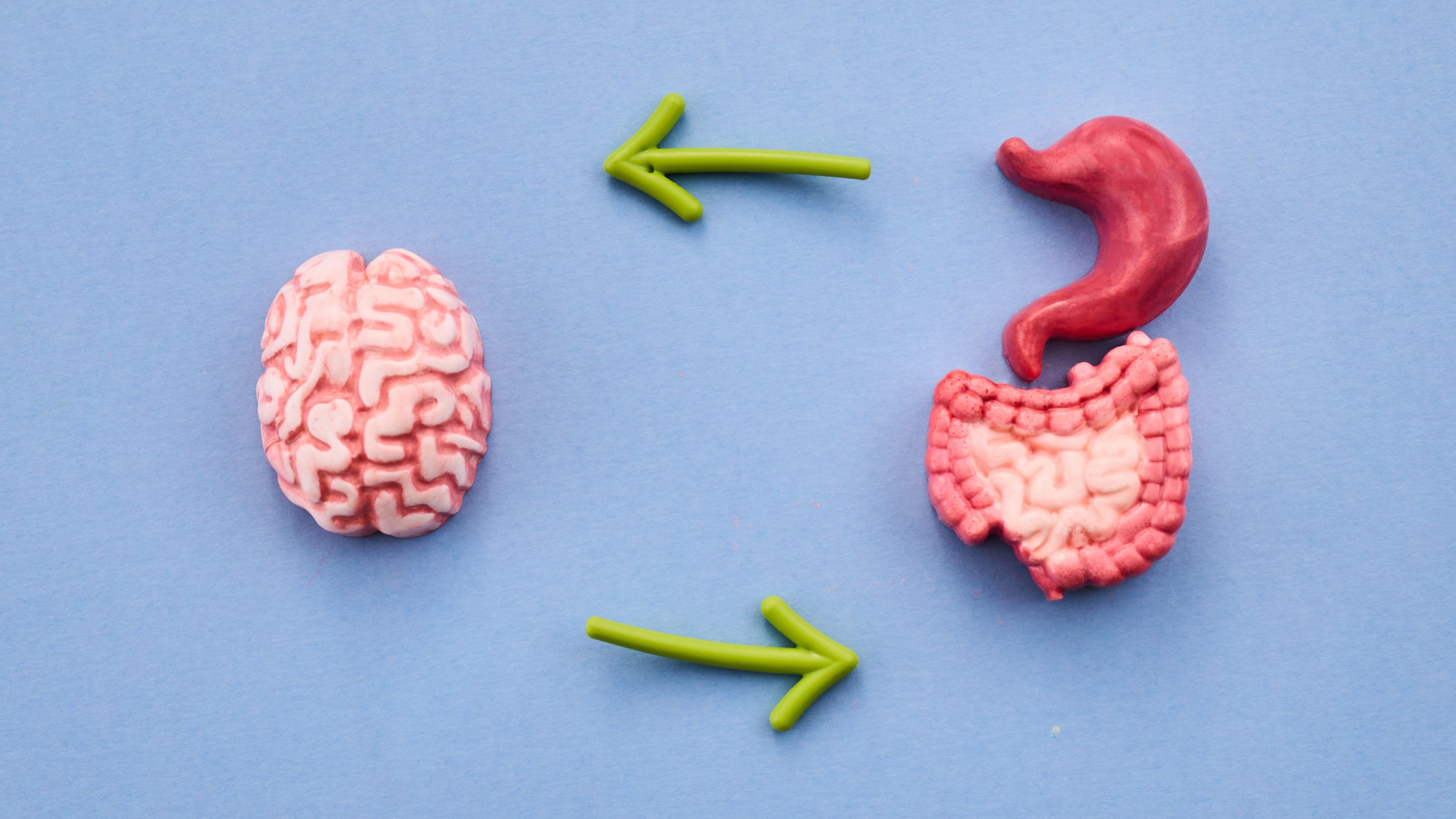
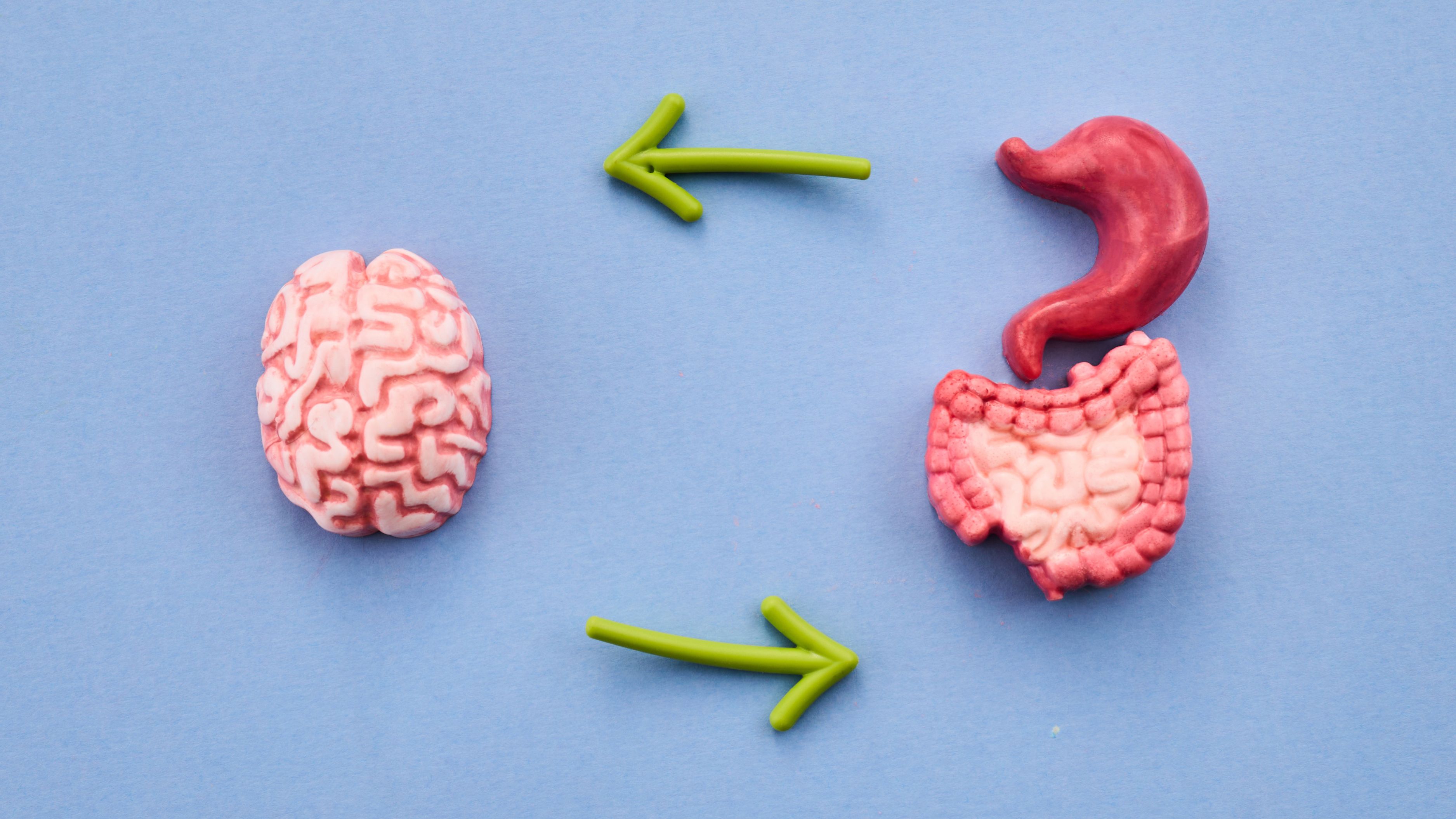
The gut-brain axis isn't a wellness buzzword. It's a bidirectional communication network involving the vagus nerve, gut microbiota, and neurotransmitter production, and it has direct implications for the mental clarity and sustained focus you're already trying to engineer through other means.
The Mechanism: How Your Gut Talks to Your Brain
The vagus nerve is the primary physical link between your gut and your brain, carrying signals in both directions. Roughly 80-90% of vagal fibers carry information from the gut to the brain, not the other way around, which means your digestive system is sending far more signal upward than most people account for.
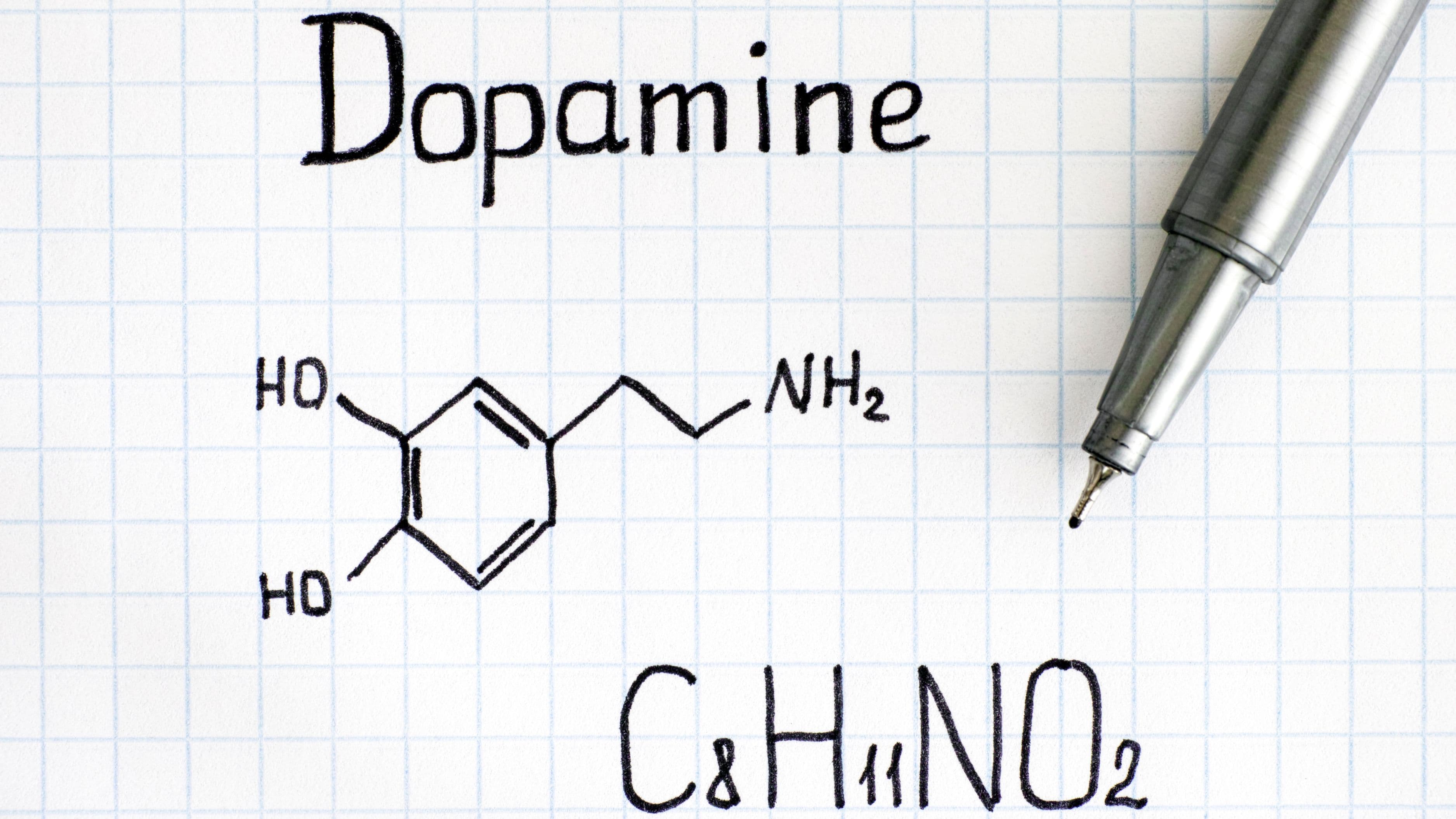
Your gut microbiota, the trillions of bacteria living in your digestive tract, produce and regulate a significant portion of your body's neurotransmitters. An estimated 90% of your body's serotonin and a meaningful percentage of dopamine precursors are produced or influenced by gut bacteria activity, not synthesized directly in the brain as commonly assumed. This means the composition of your gut microbiome has a direct mechanistic link to the neurotransmitter systems that govern motivation, mood stability, and sustained attention.
Inflammation is the other major pathway. A compromised gut lining, often referred to as increased intestinal permeability, allows inflammatory compounds to enter systemic circulation, and chronic low-grade inflammation has been directly linked to reduced cognitive performance, including slower processing speed and impaired working memory.
Why This Matters More Than You Think for Focus
Sustained focus requires stable neurotransmitter signaling, low systemic inflammation, and consistent energy availability to the brain. Gut health impacts all three of these simultaneously, which is why gut dysfunction often presents as brain fog, inconsistent energy, or difficulty maintaining deep work sessions, symptoms frequently misattributed to sleep or stress alone.
This also explains why some men who've optimized sleep, exercise, and even nootropic stacks still report inconsistent cognitive performance. If the gut-brain axis is compromised, no amount of upstream brain optimization fully compensates for a dysregulated signal coming from below.
The Protocol
Step 1: Audit Your Current Gut Inputs
Before adding anything, assess what's currently working against you. Track alcohol intake, processed food consumption, and any digestive symptoms, bloating, irregularity, discomfort after meals, for one week. These are direct markers of gut function that correlate with microbiome diversity and gut lining integrity.
Step 2: Increase Microbiome Diversity Through Fiber
Diverse gut bacteria require diverse fiber sources. Target 30+ grams of fiber daily from varied plant sources, not a single fiber supplement. This diversity of prebiotic fiber feeds a wider range of beneficial bacterial strains, which directly supports broader neurotransmitter production capacity.
Step 3: Introduce Fermented Foods Consistently
Fermented foods like kefir, sauerkraut, and kimchi introduce live bacterial strains that support microbiome diversity. Aim for a daily serving rather than occasional consumption, since consistency matters more than volume for meaningfully shifting gut bacterial composition over time.
Step 4: Reduce Inflammatory Triggers
Minimize ultra-processed food, added sugar, and excessive alcohol, all of which are associated with increased intestinal permeability and systemic inflammation. This isn't about elimination diets or extreme restriction, it's about reducing the frequency of inputs that directly work against gut lining integrity.
Step 5: Support Vagal Tone Directly
Vagal tone, the strength and responsiveness of vagus nerve signaling, can be improved through specific practices: slow, diaphragmatic breathing, cold exposure, and even humming or gargling, which stimulate the vagus nerve mechanically. Higher vagal tone is associated with better stress resilience and more efficient gut-brain communication.
Step 6: Time Your Biggest Meals Away From Deep Work
Digestion draws significant blood flow and metabolic resources away from other systems. Scheduling large meals away from your primary focus blocks, rather than immediately before them, avoids the post-meal cognitive dip many men attribute incorrectly to being tired rather than digestive load.
Expected Results and Timeline
Meaningful shifts in gut microbiome composition typically take 2 to 4 weeks of consistent dietary changes to show measurable effects, based on current research into microbiome adaptation timelines. Subjective improvements in mental clarity and energy stability are often reported within the first 1 to 2 weeks, particularly if inflammatory triggers like excess alcohol or processed food were previously high.
Full optimization, including improved vagal tone and reduced inflammatory markers, is a longer-term project, generally 8 to 12 weeks of sustained protocol adherence before the gains fully compound.
Risks and Limitations
Rapid increases in fiber intake can cause temporary digestive discomfort, bloating, or irregularity as your gut adjusts. Increase fiber gradually over 1 to 2 weeks rather than all at once. Fermented foods can also cause histamine-related reactions in a subset of people with existing sensitivities, so monitor your response when introducing them.
This protocol supports gut-brain function but does not replace medical evaluation for persistent cognitive symptoms, digestive disorders, or diagnosed conditions like IBS or SIBO, which require targeted clinical intervention beyond general dietary strategy.
Common Mistakes
Chasing a single "gut health" supplement instead of addressing diet, inflammation, and vagal tone together undermines results, since these systems work interdependently, not in isolation. Overcorrecting with extreme fiber or fermented food intake too quickly also backfires, often producing digestive distress that masks any cognitive benefit you'd otherwise notice.
FAQ
Can probiotics alone fix gut-brain signaling issues? Probiotic supplements can help, but they're a smaller lever than dietary fiber diversity and reducing inflammatory triggers, which have a larger overall effect on microbiome composition and gut lining integrity.
How long before I notice better focus from gut changes? Subjective improvements are often reported within 1 to 2 weeks, though full microbiome and inflammatory adaptation generally takes 8 to 12 weeks of consistent protocol adherence.
Is this a replacement for nootropics or caffeine strategy? No. This operates on a different mechanism and works best as a foundation alongside, not instead of, other focus optimization strategies you're already using.
📚 Sources
"The Gut-Brain Axis" – National Institutes of Health, National Library of Medicine – https://www.ncbi.nlm.nih.gov/pmc/articles/PMC6469458/
"Serotonin and the Gut Microbiome" – Harvard Health Publishing – https://www.health.harvard.edu/diseases-and-conditions/the-gut-brain-connection
"Dietary Fiber and Gut Microbiome Diversity" – National Institutes of Health, National Library of Medicine – https://www.ncbi.nlm.nih.gov/pmc/articles/PMC5307255/