
Here's the direct answer before the breakdown: glutamine can support intestinal barrier integrity, and the evidence for it is strongest in specific stressed states – not in healthy adults chasing a wellness trend. Whether it does anything for you depends almost entirely on which situation you're actually in.
The Mechanism: Why Glutamine and the Gut Are Linked
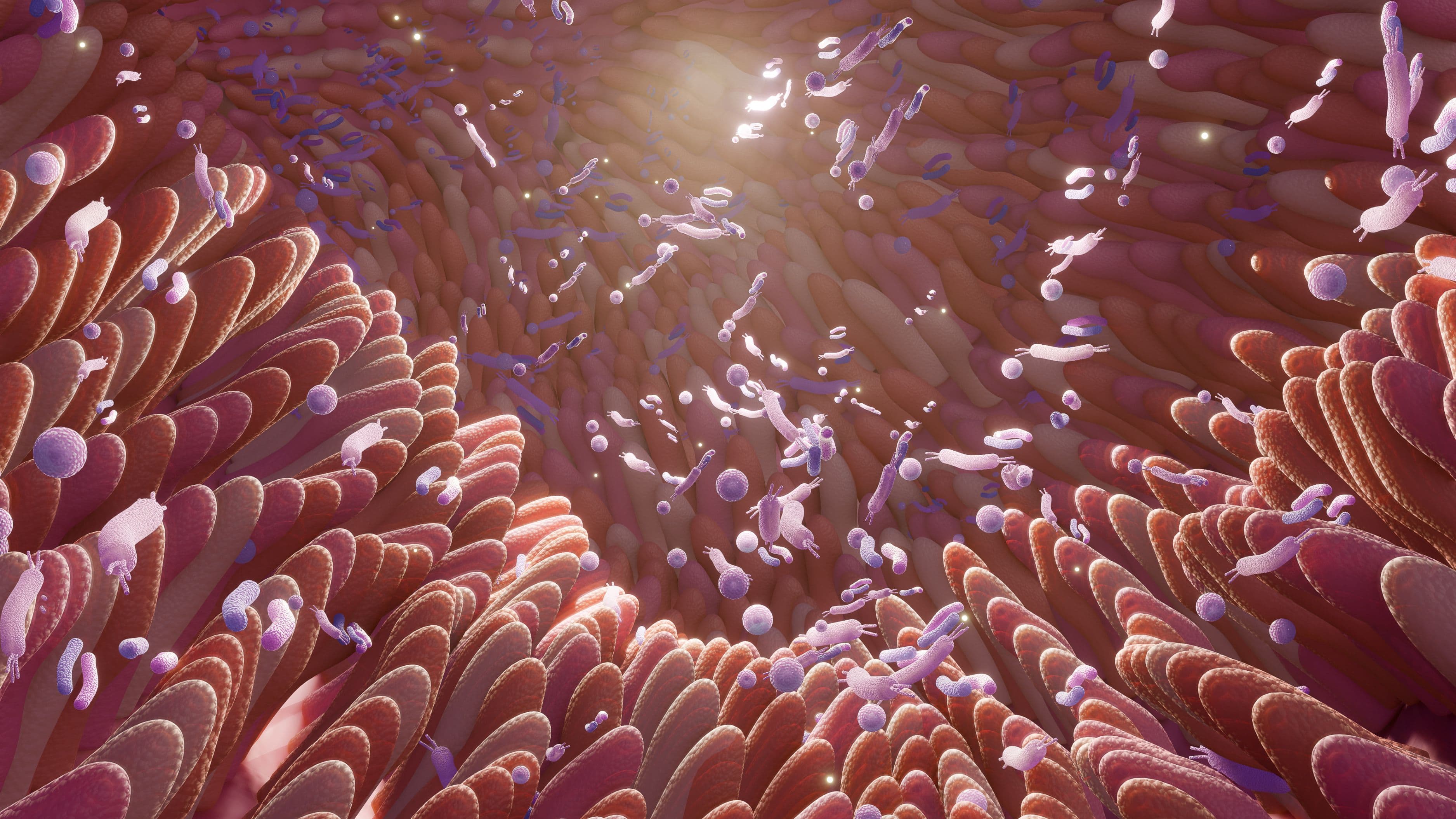
Glutamine is the most abundant amino acid in the body, and the rapidly dividing cells (enterocytes) lining your small intestine are among its hungriest consumers. These cells use glutamine as a preferred energy substrate – not glucose – to power their high turnover, and that turnover is what maintains a healthy, intact barrier.
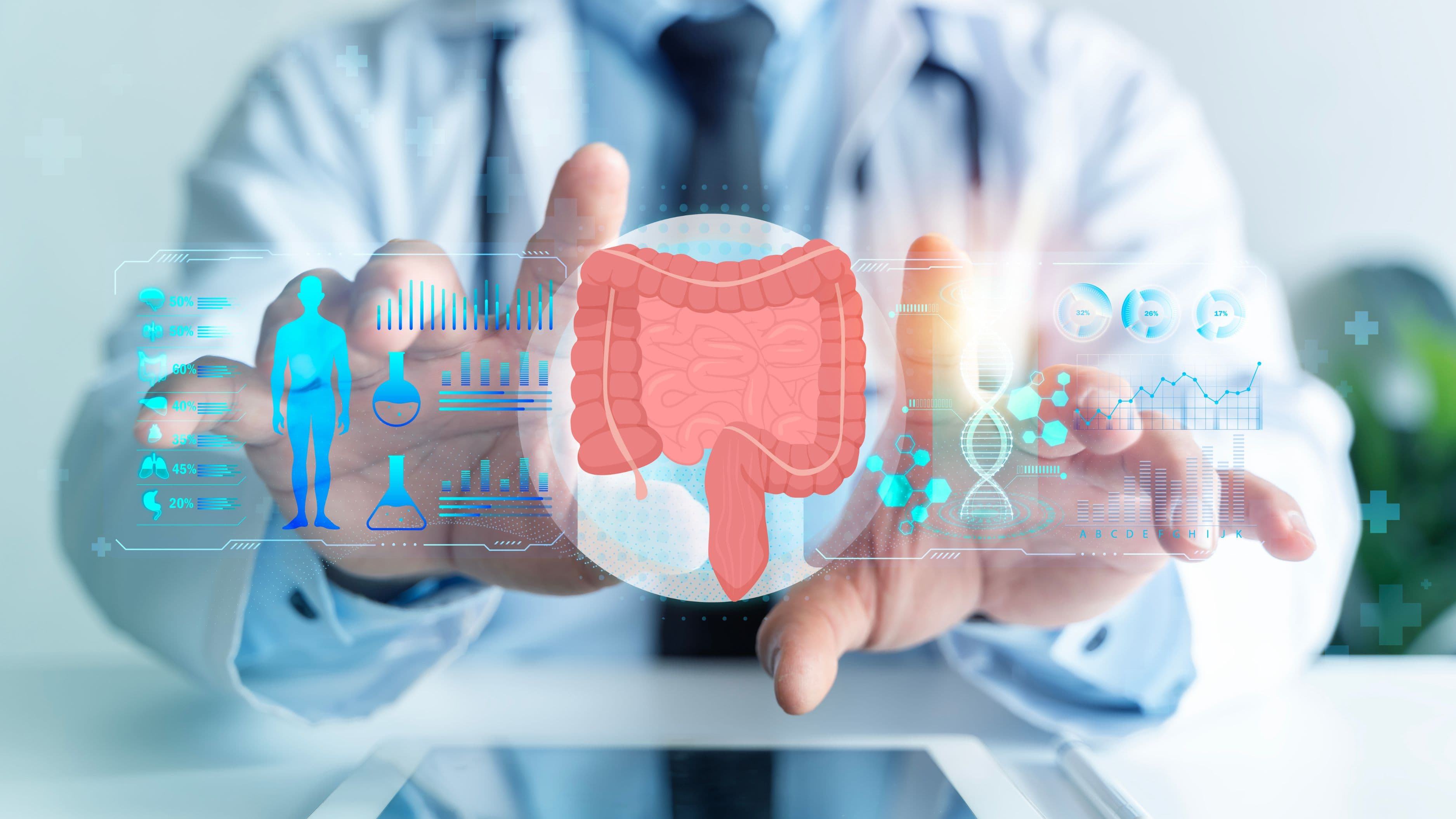
The intestinal barrier works partly through tight junctions: protein complexes that stitch adjacent gut cells together and regulate what passes from the gut into the bloodstream. When that barrier loosens, larger molecules and bacterial components can cross into circulation, which is the phenomenon underlying the popular term "leaky gut" (the clinical term is increased intestinal permeability). Laboratory and animal work consistently shows that glutamine availability supports the expression of key tight-junction proteins like occludin and claudins, and that depriving gut cells of glutamine degrades barrier function.
That mechanistic chain is solid and not in dispute. The honest question is whether oral supplementation in a given person translates that cell-level role into a measurable barrier improvement.
Where the Evidence Is Actually Strong
The clearest support comes from clinical populations under serious physiological stress, where the body's glutamine demand outstrips supply – a state called conditional deficiency.
In critical illness, burns, major surgery, and trauma, glutamine becomes "conditionally essential": the body burns through it faster than it can produce, and gut barrier function degrades as a result. Clinical nutrition research has explored glutamine supplementation in these settings for decades, with evidence that it can support intestinal integrity and reduce certain infectious complications, though results vary and some large trials in critically ill patients have been neutral or even cautionary. This is a hospital-grade intervention, not a wellness one, and it's the context where the gut-barrier rationale is best established.
A second meaningful area is exercise-induced gut permeability. Intense, prolonged endurance exercise – think long runs in the heat – measurably increases intestinal permeability and contributes to the GI distress endurance athletes know well. Several controlled studies have found that acute glutamine dosing before this kind of exercise can blunt the rise in permeability markers. For an athlete whose gut falls apart during long sessions, this is the most relevant and best-supported use case for a healthy person.
There's also reasonable interest in inflammatory bowel conditions, but here the human evidence is genuinely mixed – some studies show benefit, others show none – and this is firmly medical territory requiring a clinician, not self-experimentation.
Where the Evidence Is Weak or Absent
This is where the marketing and the data part ways. In healthy, well-nourished adults with no acute stressor, there is little evidence that glutamine supplementation meaningfully improves an already-functional gut barrier. A healthy body synthesizes plenty of glutamine and pulls more from a normal diet; adding a scoop to an intact system doesn't have an obvious deficit to correct.
The broader "leaky gut" wellness narrative also outruns the science. Increased intestinal permeability is a real, measurable phenomenon, but the claim that it's the hidden root cause of a long list of unrelated symptoms in otherwise healthy people is not well established. Selling glutamine as the fix for a vaguely defined condition is a marketing move, not a clinical one.
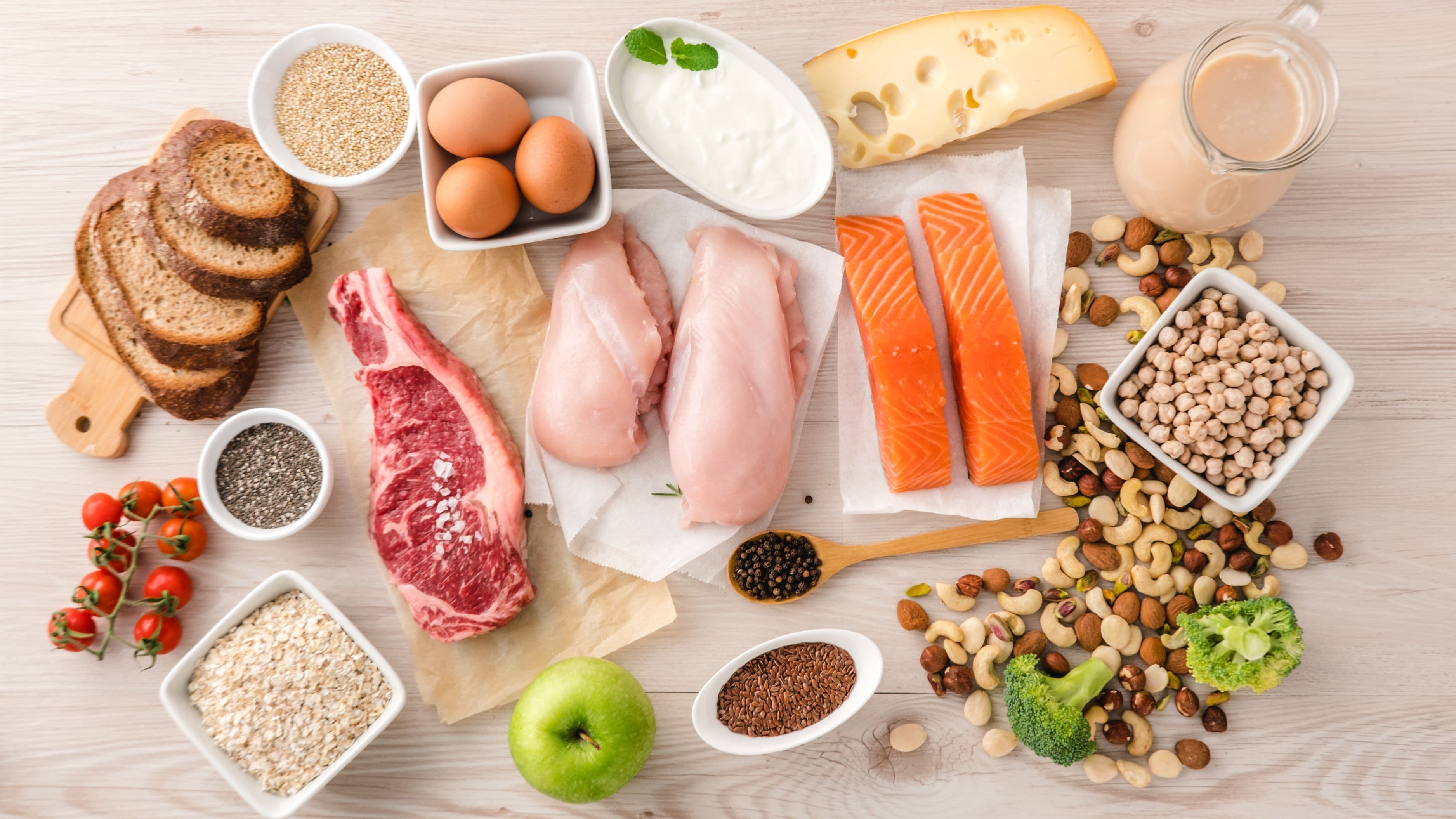
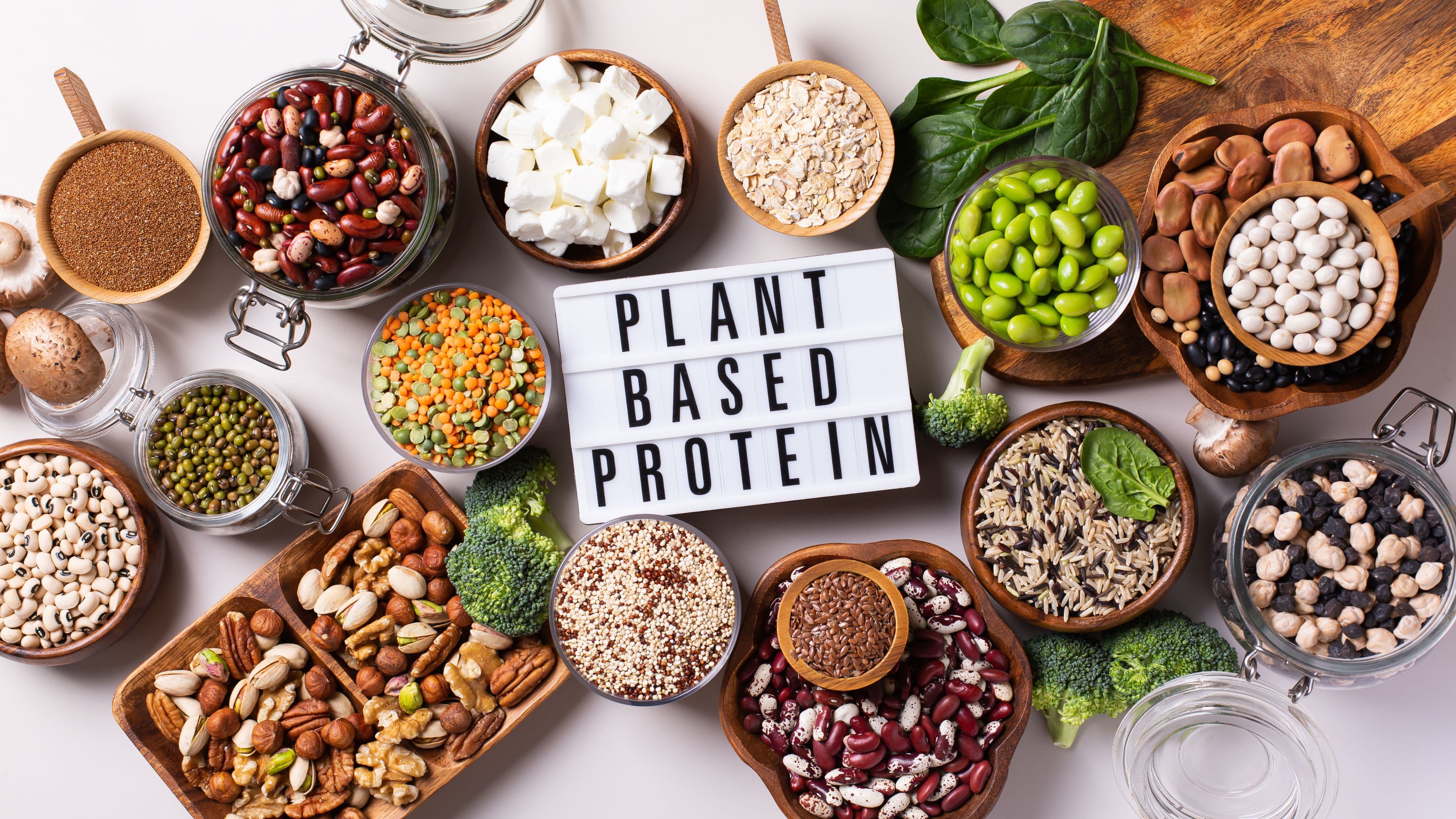
There's also a sourcing reality worth stating plainly: most healthy people consuming adequate protein already get several grams of glutamine daily from food – meat, eggs, dairy, and legumes are all sources. For someone eating sufficient protein, the marginal value of a supplement on top of that is the part the evidence does not support.
How to Think About It for Yourself
The practical question isn't "does glutamine work?" but "am I in a situation where the gut barrier is actually compromised?" The evidence-based reasoning splits cleanly:
If you're a healthy adult eating adequate protein with no GI symptoms, the case for glutamine specifically for gut permeability is weak, and your money is better spent on total protein intake, fiber for the microbiome, and sleep – all of which support gut health through better-established routes.
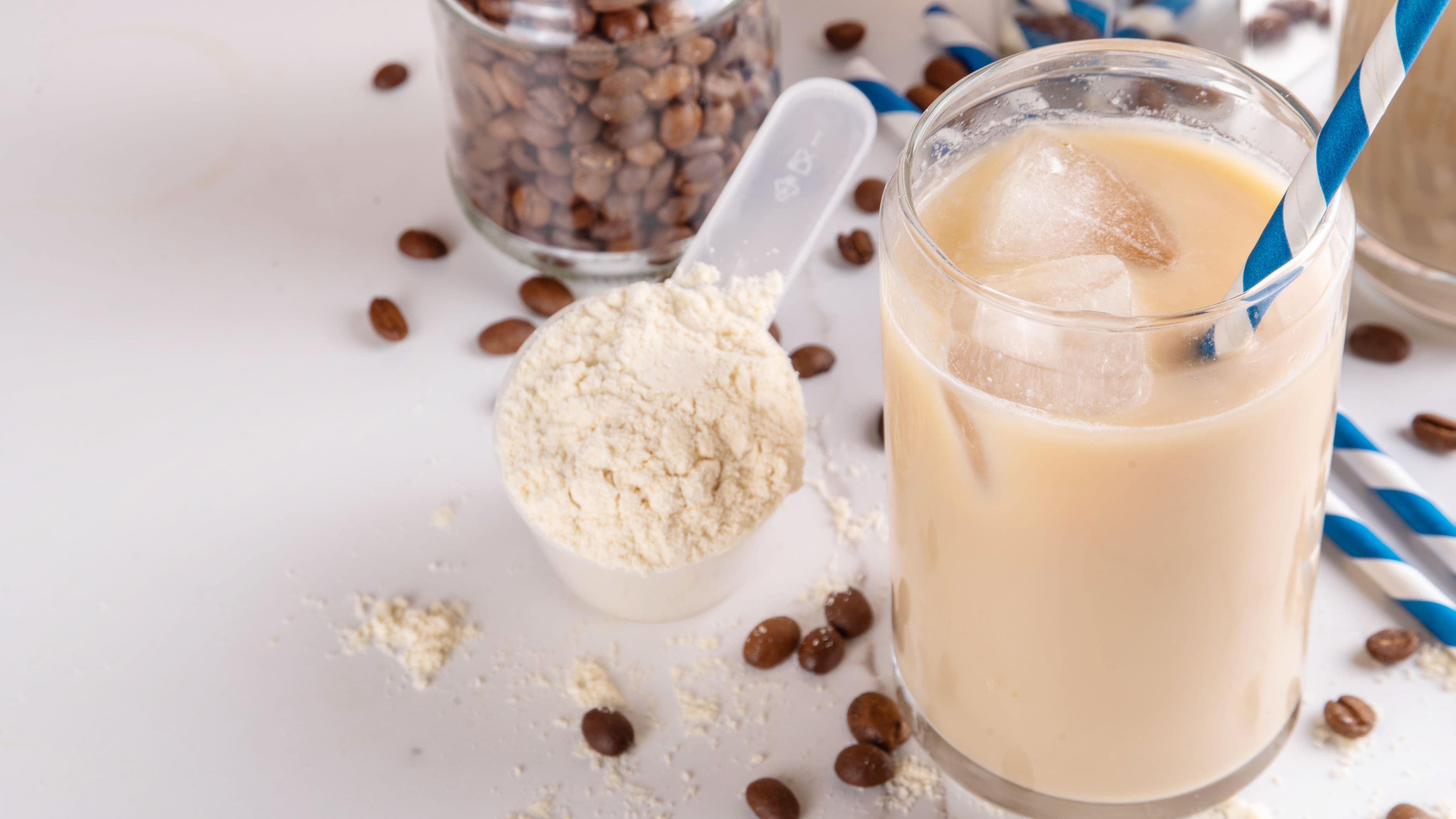
If you're an endurance athlete experiencing GI distress during long, hot sessions, an acute dose before key sessions is the use case with the most direct support, and it's reasonable to trial. Typical doses studied for this purpose fall in the range of roughly 0.25 to 0.9 grams per kilogram of body weight taken before exercise, which is considerably higher than the 5 g "scoop" most products suggest – a detail the labels rarely mention.
If you have a diagnosed gut condition or are recovering from major physiological stress, glutamine may have a role, but that decision belongs with a physician or registered dietitian who can weigh it against your full picture. Some clinical contexts have specifically cautioned against supplementation, which is exactly why this isn't a self-directed call.
Realistic Expectations and Timeline
For the exercise-permeability use case, the effect is acute – it's about protecting the barrier around a specific stressful session, not a slow remodeling you'll feel over weeks. Don't expect a "gut healing" sensation; the relevant outcome is fewer GI problems during hard efforts, and even that is individual.
For everyone else, the honest expectation is that you may notice nothing, because there may be nothing to correct. Absence of a dramatic effect in a healthy person is the predicted result, not a sign you're under-dosing.
Risks and Mistakes
Glutamine is generally well tolerated in healthy people at common doses, with a strong safety profile in the research. That said, a few cautions matter. People with liver or kidney impairment should not supplement amino acids without medical guidance, since glutamine metabolism produces ammonia the liver must clear. Anyone with a serious medical condition – particularly cancer, given glutamine's role in cell proliferation – should treat this as a clinician-only decision.
The biggest mistake is the framing error: buying glutamine to fix a "leaky gut" you don't have evidence of, while ignoring the fundamentals that actually drive gut health. Chasing a single amino acid is the classic substitution of a purchasable solution for the unglamorous work of adequate protein, diverse fiber, managed stress, and real sleep. A second common mistake is under-dosing relative to the studies for the one use case that's supported, then concluding "it doesn't work" from a dose that was never tested.
FAQ
Does glutamine cure leaky gut? No supplement "cures" a condition that isn't even well defined in healthy people. Glutamine supports barrier function mechanistically and has solid evidence in specific stressed states, but it's not a validated fix for the broad wellness version of "leaky gut."
Should a healthy lifter take glutamine? For gut permeability specifically, the evidence doesn't support it in healthy, adequately fed individuals. Earlier interest in glutamine for muscle and immunity in athletes has also largely not held up in well-controlled studies.
How much glutamine is needed for the gut? The exercise-permeability studies used doses far above the typical 5 g scoop – often scaled to body weight before a session. For general "gut health" in healthy people, no effective dose is well established because the benefit itself isn't.
Is L-glutamine different from glutamine? L-glutamine is the biologically active form found in food and supplements; "glutamine" in a supplement context almost always means L-glutamine. There's no meaningful practical distinction for the consumer.
Can I just get it from food? Yes – a protein-adequate diet supplies several grams of glutamine daily from meat, eggs, dairy, and legumes, which is part of why supplementing on top of sufficient intake shows limited added benefit in healthy people.
The Verdict
Glutamine genuinely fuels the gut lining and can support barrier integrity – but "can support, in the right context" is doing the heavy lifting that supplement marketing erases. The strong evidence lives in clinical stress states and acute exercise-induced permeability; the weak-to-absent evidence is everywhere the wellness industry sells it hardest, in healthy adults with intact guts. Match the intervention to a real, identified problem, get your protein and fiber dialed first, and bring the clinical cases to an actual clinician. That's the difference between using a supplement and being sold one.
📚 Sources
Kim MH, Kim H. – The Roles of Glutamine in the Intestine and Its Implication in Intestinal Diseases (Int J Mol Sci, 2017): https://www.ncbi.nlm.nih.gov/pmc/articles/PMC5454963/
Rao R, Samak G. – Role of Glutamine in Protection of Intestinal Epithelial Tight Junctions (J Epithel Biol Pharmacol, 2012): https://www.ncbi.nlm.nih.gov/pmc/articles/PMC3369670/
Zuhl M, et al. – Effects of Oral Glutamine Supplementation on Exercise-Induced Gastrointestinal Permeability (Cell Stress Chaperones, 2015): https://www.ncbi.nlm.nih.gov/pmc/articles/PMC4255022/
Wischmeyer PE. – Glutamine in the Critically Ill (Curr Opin Clin Nutr Metab Care): https://pubmed.ncbi.nlm.nih.gov/30299309/
Cruzat V, et al. – Glutamine: Metabolism and Immune Function, Supplementation and Clinical Translation (Nutrients, 2018): https://www.ncbi.nlm.nih.gov/pmc/articles/PMC6266414/