
This is what that restructuring actually looks like.
Why Obesity Suppresses Testosterone in the First Place
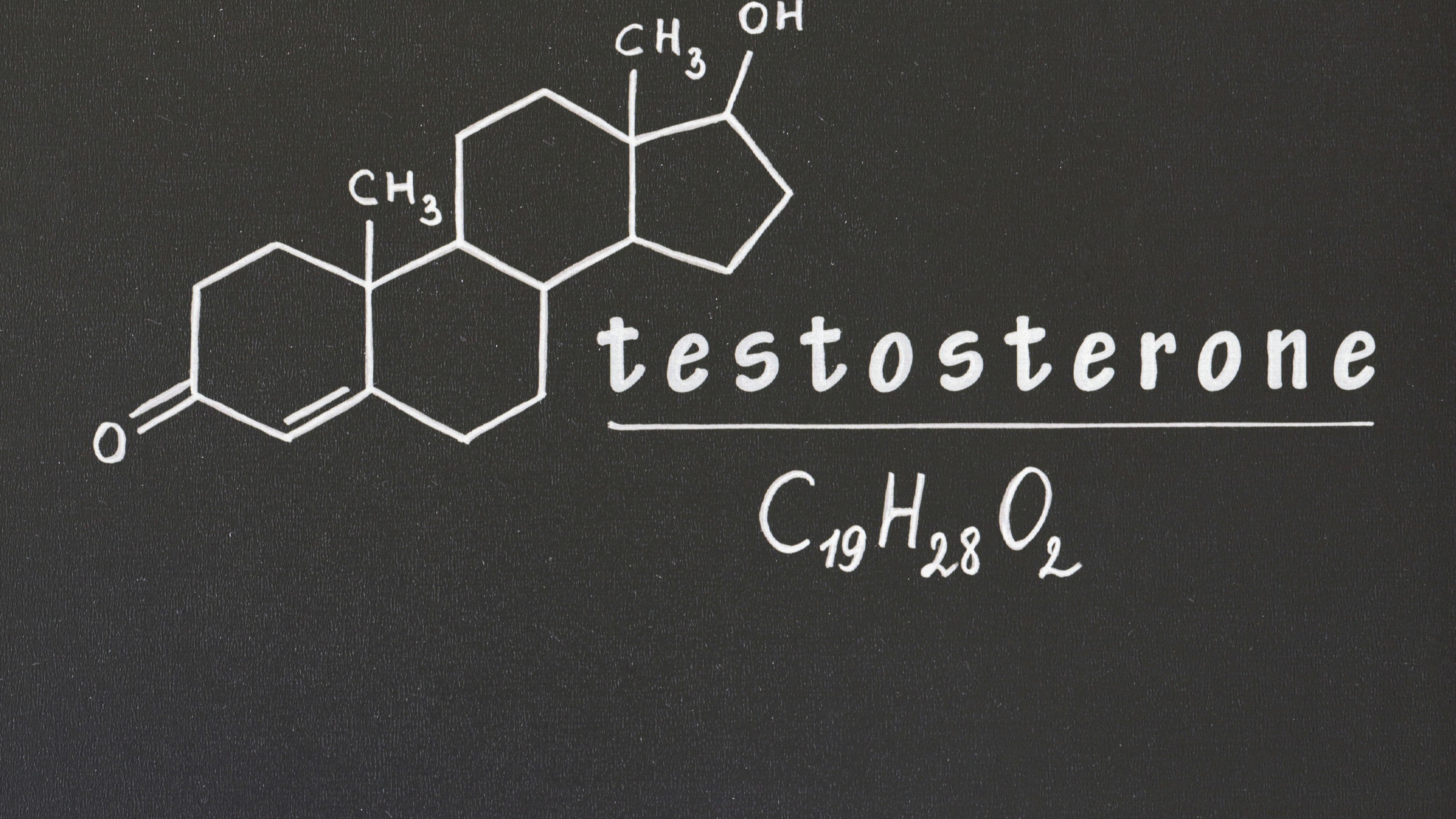
The hormonal picture in obese men is worth establishing clearly before layering GLP-1 effects on top of it, because the drugs don't directly alter testosterone – they alter the conditions that were suppressing it.
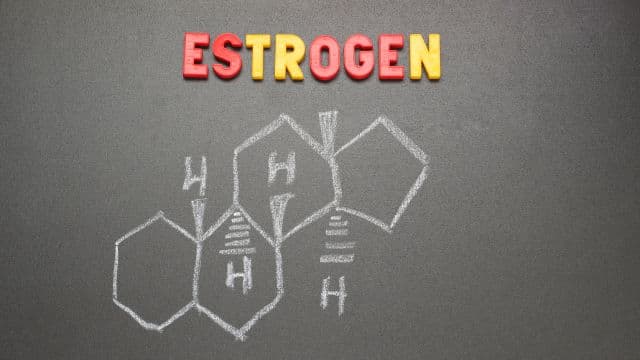
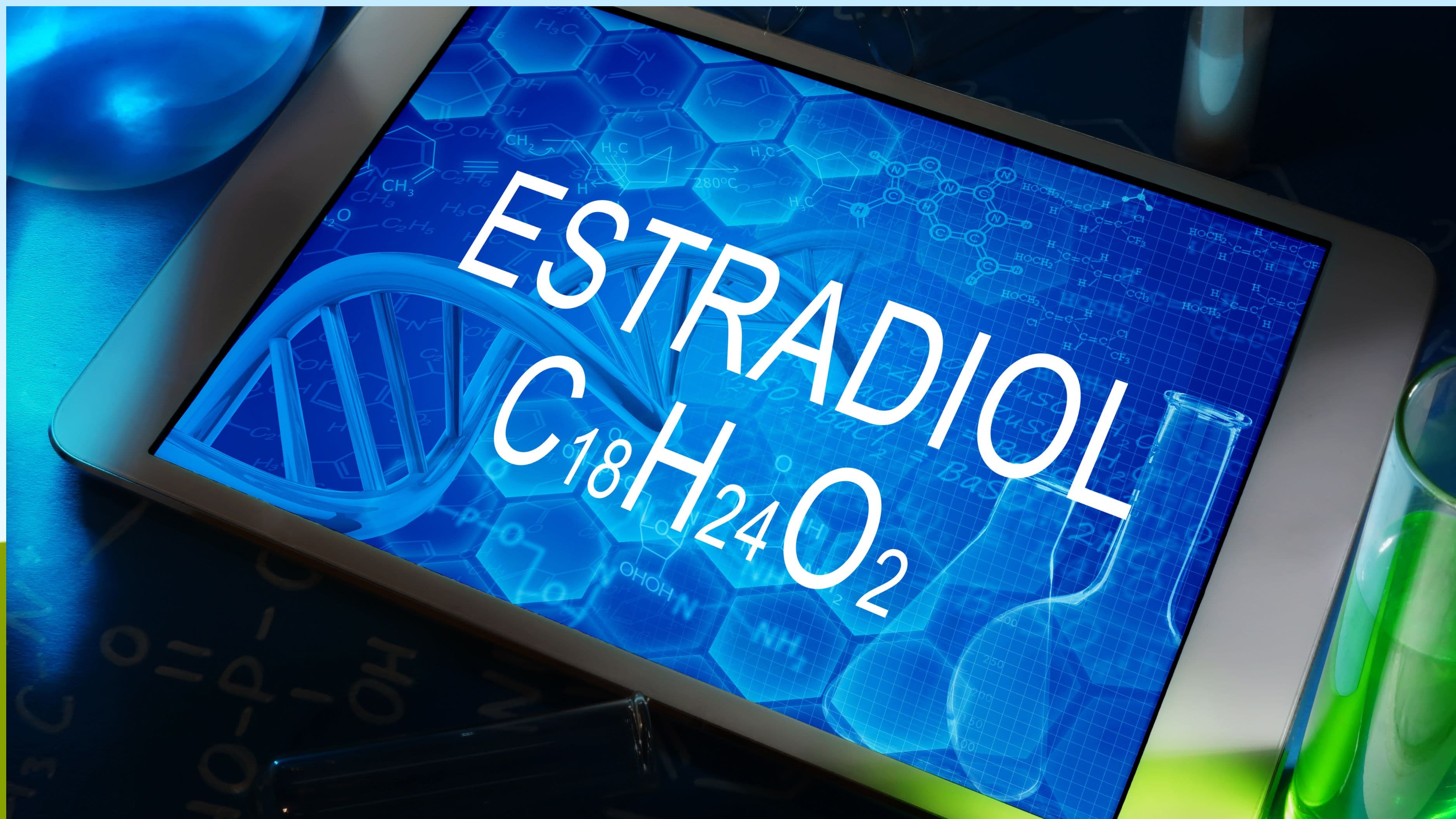
Adipose tissue, particularly visceral fat, is metabolically active. It expresses aromatase, the enzyme that converts androgens into estrogens. Men with high body fat carry a significantly elevated aromatase burden, which means more circulating testosterone gets converted to estradiol. The resulting estradiol elevation feeds back to the hypothalamic-pituitary axis, suppressing LH and FSH release, which reduces testicular testosterone production. The mechanism is a closed loop: more fat drives more aromatization, which drives more E2, which drives more HPG axis suppression, which drives lower testosterone production.
Simultaneously, obesity is associated with elevated SHBG suppression via insulin resistance. High insulin reduces hepatic SHBG synthesis, which sounds favorable until you account for the fact that it's occurring against a backdrop of low total testosterone – the net effect on free T is minimal to negative. Leptin resistance, elevated cortisol, and chronic low-grade inflammation further compound hypothalamic dysfunction, making the endocrine environment in obese men a multilayered problem, not a simple one.
GLP-1 agonists don't target any of these hormonal mechanisms directly. What they do is drive rapid, sustained fat loss – and that fat loss, by reducing the aromatase burden and improving insulin sensitivity, reverses much of the hormonal disruption.
The Testosterone Response: What the Data Shows
The testosterone recovery seen in men using GLP-1 agonists for weight loss has been consistently documented across multiple studies, though the magnitude varies with the degree of weight loss achieved.
A 2023 analysis published in Obesity examined testosterone levels in men using semaglutide versus placebo in the STEP trials. Men in the semaglutide arm losing significant weight demonstrated meaningful increases in total and free testosterone, with the changes correlating with the degree of fat mass reduction rather than any direct drug effect. A 10% reduction in body weight has been associated in prior literature with roughly a 15–20% increase in total testosterone in hypogonadal obese men. At the 15–20% weight loss levels now achievable with semaglutide and tirzepatide, the hormonal normalization can be substantially greater.
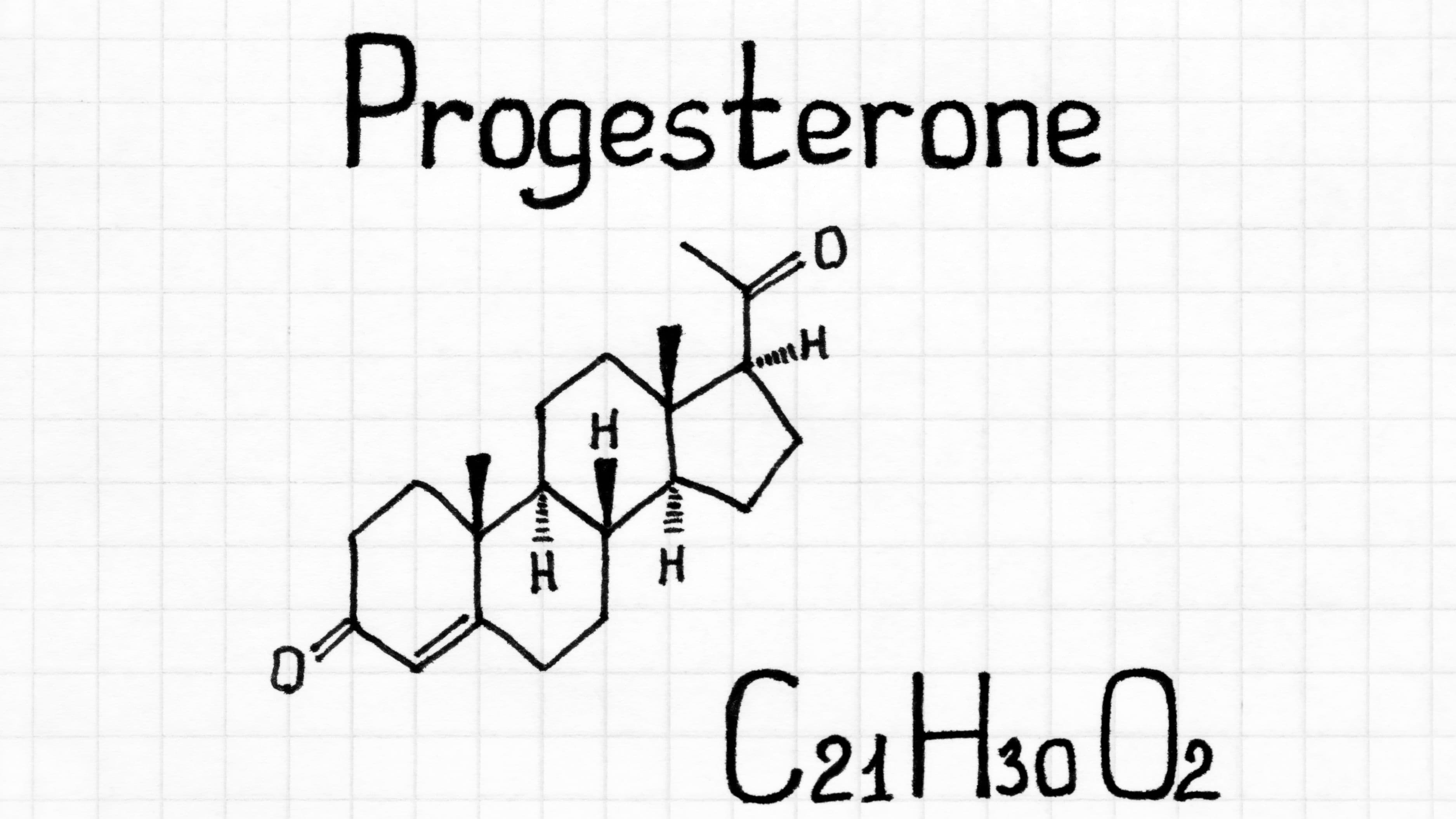
The most relevant mechanistic data comes from understanding which testosterone compartment recovers and how quickly. Total testosterone tends to rise within weeks of meaningful fat loss beginning, driven initially by SHBG normalization as insulin sensitivity improves. As fat mass decreases over months, the reduction in aromatase activity progressively reduces estradiol, which in turn relieves suppression on the HPG axis – leading to improved LH pulsatility, increased testicular steroidogenesis, and further testosterone recovery. This is a sequential process rather than an immediate one, and the full hormonal benefit lags several months behind the initiation of weight loss.
Estradiol: The Underappreciated Side of the Equation
Testosterone recovery gets most of the attention in discussions of obesity and hormones in men. The estradiol side of the equation is equally important and often inadequately addressed.
Chronically elevated estradiol in obese men drives a specific symptomatic cluster: reduced libido, emotional lability, gynecomastia in more severe cases, and HPG axis suppression that compounds the testosterone deficit. When men with this profile lose significant weight through GLP-1 agonist use, the drop in aromatase activity produces a rapid decline in circulating estradiol. In most cases, this is unambiguously beneficial – it relieves HPG suppression, improves the testosterone-to-estradiol ratio, and reduces estrogen-driven symptoms.
What clinicians following these patients closely have noted, however, is that estradiol can decline faster than testosterone recovers during the early phase of fat loss, producing a transient window of relative estrogen deficiency. In practice, this can manifest as joint discomfort, mood disruption, reduced libido, and fatigue – symptoms that look paradoxically worse before they improve. Men interpreting this early-phase symptomatology as the drugs "not working" or as hormone deterioration are misreading the transition. The resolution typically comes as HPG axis function recovers and testosterone production catches up with the falling estradiol baseline.
Monitoring E2 alongside testosterone during GLP-1-driven weight loss is clinically relevant. Blindly adding aromatase inhibitor use during this phase, without labs, risks driving estradiol below therapeutic range.
SHBG Dynamics During Rapid Weight Loss
SHBG behavior during GLP-1-mediated weight loss is nuanced and worth understanding separately from total testosterone trends.
In obese men, SHBG is typically suppressed below optimal levels due to insulin resistance and hyperinsulinemia. As GLP-1 agonists improve insulin sensitivity – a direct consequence of both the drug mechanism and the weight loss it produces – SHBG begins to rise. This is a normalization of liver function and a favorable metabolic signal, but it creates a short-term scenario where SHBG rising faster than total testosterone can temporarily compress the free testosterone fraction.
This dynamic usually resolves as total testosterone continues to recover, but it underscores the importance of tracking free testosterone rather than total T alone when evaluating hormonal status during this kind of intervention. A man whose total testosterone rises from 280 to 450 ng/dL while SHBG simultaneously rises from 12 to 28 nmol/L hasn't experienced the improvement that the total T number alone suggests.
LH, FSH, and HPG Axis Recovery
One of the more clinically meaningful – and less commonly discussed – hormonal effects of significant fat loss in obese men is the recovery of LH pulsatility and HPG axis responsiveness.
Obesity-associated hypogonadism is largely functional rather than primary. The testes in most obese men retain their steroidogenic capacity; the problem is insufficient LH stimulation caused by the upstream HPG suppression described earlier. This distinction matters practically: if the hypogonadism is functional, normalizing the upstream conditions can restore endogenous testosterone production without pharmaceutical hormone replacement. If it's primary – meaning the testes themselves are compromised – weight loss will not recover testosterone to normal range regardless of how much it improves the hormonal milieu.
GLP-1 agonist-driven weight loss has been associated with increased LH levels in studies examining gonadotropin response to fat loss. The timeline for HPG recovery varies, but meaningful LH improvement is typically detectable within three to six months of sustained fat loss in men with functional obesity-associated hypogonadism. This makes the GLP-1 intervention particularly relevant for men considering TRT who haven't yet pursued maximal weight normalization – if the hypogonadism is functional, it may be reversible.
Cortisol and Adipose-Driven Inflammatory Hormones
The hormonal effects of GLP-1 agonist use extend beyond the sex hormone axis. Obesity is associated with dysregulation of the HPA axis, with chronically elevated cortisol output driven in part by increased cortisol activation in visceral adipose tissue (via 11β-HSD1, the enzyme that converts inactive cortisone to active cortisol within fat cells). Visceral fat mass reduction therefore reduces this peripheral cortisol amplification, contributing to HPA normalization.
Inflammatory cytokines including TNF-α, IL-6, and CRP are elevated in obesity and exert direct suppressive effects on hypothalamic function and Leydig cell steroidogenesis. GLP-1 receptor agonists have demonstrated anti-inflammatory effects beyond those attributable to weight loss alone – the drugs appear to have direct immunomodulatory properties at the receptor level. This dual mechanism (fat loss-driven inflammation reduction plus direct receptor-mediated anti-inflammatory signaling) likely contributes to the HPG axis recovery seen in men on these drugs.
Insulin Sensitivity and Its Downstream Hormonal Consequences
Improved insulin sensitivity is both a direct effect of GLP-1 receptor agonists and a major mediator of the hormonal improvements described above. The relationship between insulin and the male hormone axis operates at multiple levels.
Insulin resistance suppresses SHBG, promotes aromatase expression in adipose tissue, impairs Leydig cell function, and disrupts GnRH pulse generation. Conversely, improving insulin sensitivity – which GLP-1 agonists do directly through their mechanism and amplified through fat loss – removes multiple simultaneous suppressors of the testosterone axis. This is why the hormonal recovery in men on semaglutide or tirzepatide tends to be more comprehensive than what's seen with equivalent weight loss through caloric restriction alone: the GLP-1 receptor has a direct role in pancreatic beta cell function and hepatic glucose production, producing insulin sensitivity improvements that precede and exceed what fat loss alone would achieve.
Protocol Considerations for Men Using GLP-1 Agonists
If you're using or evaluating GLP-1 agonists with hormone optimization as a goal alongside metabolic improvement, several practical considerations apply.
Baseline and serial lab tracking matters more here than in most supplement protocols because the hormonal environment is changing dynamically over months. A useful baseline panel includes total testosterone, free testosterone, SHBG, LH, FSH, estradiol, fasting insulin, HOMA-IR, and a standard metabolic panel. Retesting at three and six months provides an accurate picture of which parameters are recovering and which require additional attention.
Muscle mass preservation is a specific concern with GLP-1 agonist-driven weight loss. These drugs suppress appetite broadly and can produce lean mass loss alongside fat loss if protein intake is inadequate and resistance training is absent. Given that muscle mass is independently associated with testosterone levels and metabolic health, protecting lean mass during the weight loss phase is an integral part of getting the full hormonal benefit. Protein targets of 1.6–2.2 g/kg of lean body mass and consistent resistance training are non-negotiable during this period, not optional additions.
The interaction with existing TRT or testosterone optimization protocols should be managed with physician oversight. Men on TRT who lose significant weight through GLP-1 use will likely need downward dose adjustments as endogenous HPG function recovers and SHBG normalizes. Continuing a fixed exogenous testosterone dose into a dramatically changed hormonal environment risks supraphysiological free testosterone and downstream complications.
Limitations and What the Research Doesn't Settle
Several important questions remain incompletely answered by the current evidence. Most studies examining hormone changes in men on GLP-1 agonists are observational or derived from post-hoc analyses of trials designed primarily for metabolic outcomes rather than hormonal endpoints. Randomized controlled trials with hormonal recovery as a primary endpoint, with adequate follow-up duration (12–24 months) and stratification by baseline hypogonadism severity, are limited.
The question of how much hormonal recovery is attributable to weight loss versus direct GLP-1 receptor effects in the hypothalamus and testes is unresolved. GLP-1 receptors are expressed in the testes and in hypothalamic neurons, raising the theoretical possibility of direct androgenic effects beyond the fat loss mechanism. Current evidence is insufficient to cleanly separate these pathways.
For men with severe primary hypogonadism – where the testes themselves are the limiting factor – GLP-1 agonist weight loss will improve the hormonal environment but will not restore testosterone to normal range. The distinction between functional and primary hypogonadism needs to be established through labs and clinical assessment, not assumed based on body composition.
FAQ
Do GLP-1 agonists directly increase testosterone production? No evidence supports a direct androgenic effect at clinical doses. The testosterone recovery documented in obese men using these drugs is mediated by fat loss-driven reductions in aromatase activity, improving insulin sensitivity, reduced SHBG suppression, and consequent relief of HPG axis suppression. The GLP-1 receptor is expressed in hypothalamic tissue and testicular cells, but direct steroidogenic stimulation at therapeutic doses has not been established in human studies.
How much weight loss is needed to see meaningful testosterone recovery? The dose-response relationship between fat loss and testosterone recovery is roughly linear in the relevant range. A 10% reduction in body weight in obese hypogonadal men is associated with approximately 15–20% increases in total testosterone in the literature. At the 15–25% weight loss achievable with semaglutide and tirzepatide, larger hormonal improvements are expected, though individual variation is substantial depending on baseline testicular function.
Can GLP-1 agonist use allow a man on TRT to come off testosterone therapy? Potentially, in men whose hypogonadism is functional rather than primary. If obesity-associated HPG suppression is the primary driver of low testosterone and sufficient weight loss restores HPG axis function, endogenous testosterone production may recover to a level that makes TRT unnecessary. This requires careful lab monitoring and should be managed by a physician familiar with both the pharmacology and the hormonal assessment. Not all men on TRT for obesity-associated hypogonadism will be able to discontinue – it depends on the degree of baseline HPG function and the extent of testosterone recovery achieved.
What labs should be tracked when using GLP-1 agonists for hormone optimization? At minimum: total testosterone, free testosterone, SHBG, LH, FSH, estradiol, fasting insulin, and a basic metabolic panel. Adding HOMA-IR provides a useful index of insulin resistance trajectory. IGF-1 is worth tracking given GLP-1 effects on growth hormone secretion in some contexts. Retesting at three and six months captures the dynamic hormonal changes rather than a single static snapshot.
Are the hormonal benefits maintained if GLP-1 agonists are discontinued and weight is regained? Evidence from metabolic studies consistently shows that the majority of weight lost through GLP-1 agonist use is regained within one to two years of discontinuation if no behavioral or dietary changes are sustained. Hormonal improvements tied to fat mass reduction would be expected to reverse proportionally with weight regain. The drugs do not produce lasting hormonal reprogramming independent of their weight effects – the hormonal benefit is contingent on maintaining the fat loss.
📚 Sources
Drucker DJ – The biology of incretin hormones (Cell Metabolism, 2006): https://pubmed.ncbi.nlm.nih.gov/16413877/
Corona G et al. – Obesity and testosterone: implications for male sexual health (Andrology, 2020): https://pubmed.ncbi.nlm.nih.gov/32412701/
Dhindsa S et al. – Testosterone concentrations in diabetic and non-diabetic obese men (Diabetes Care, 2010): https://pubmed.ncbi.nlm.nih.gov/20823343/
Grossmann M – Low testosterone in men with type 2 diabetes (Journal of Clinical Endocrinology & Metabolism, 2011): https://pubmed.ncbi.nlm.nih.gov/21190993/
Wilding JPH et al. – Once-Weekly Semaglutide in Adults with Overweight or Obesity – STEP 1 trial (NEJM, 2021): https://www.nejm.org/doi/full/10.1056/NEJMoa2032183
Jastreboff AM et al. – Tirzepatide Once Weekly for the Treatment of Obesity – SURMOUNT-1 (NEJM, 2022): https://www.nejm.org/doi/full/10.1056/NEJMoa2206038
Pellitero S et al. – Hypogonadism in morbidly obese males (Obesity Surgery, 2012): https://pubmed.ncbi.nlm.nih.gov/22700243/
Dandona P & Dhindsa S – Update: Hypogonadotropic hypogonadism in type 2 diabetes and obesity (Journal of Clinical Endocrinology & Metabolism, 2011): https://pubmed.ncbi.nlm.nih.gov/21646374/
Atlantis E et al. – Obesity effects on erectile dysfunction and testosterone in men (Obesity Reviews, 2009): https://pubmed.ncbi.nlm.nih.gov/19055619/
NIH National Institute of Diabetes and Digestive and Kidney Diseases – GLP-1 receptor agonists overview: https://www.niddk.nih.gov/health-information/diabetes/overview/insulin-medicines-treatments