


The Core Metabolic Difference
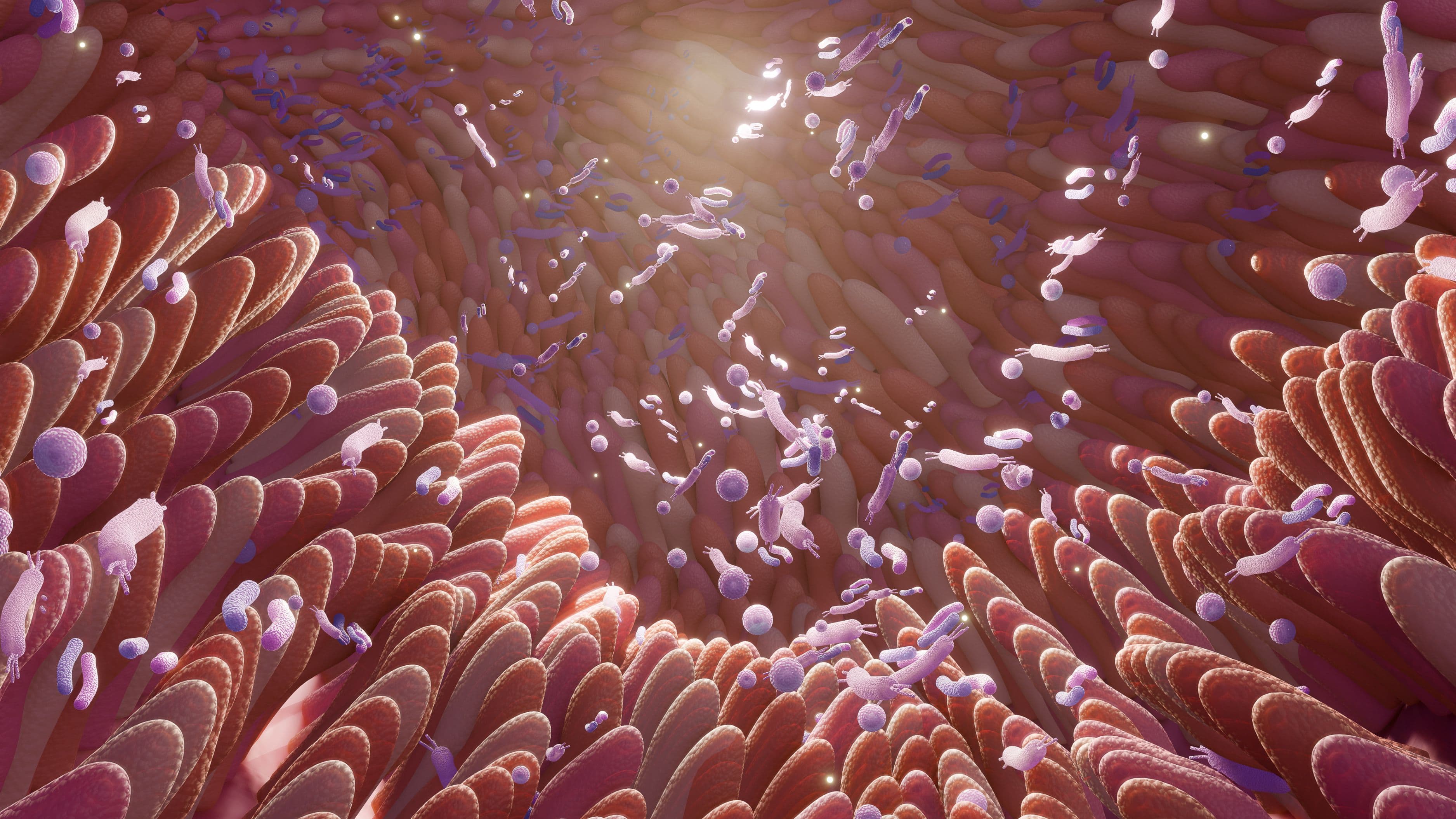
Glucose is absorbed directly into the bloodstream and can be used immediately by nearly every cell in the body, including working muscle, via insulin-mediated uptake. Fructose follows a fundamentally different route: it's absorbed through a separate intestinal transporter and processed almost entirely by the liver rather than being directly usable by muscle tissue. This means fructose doesn't spike blood glucose or insulin the way glucose does, but it also can't be used directly as fuel by working muscles during exercise the way glucose can.
This liver-specific processing matters because the liver converts fructose primarily into glycogen for liver storage, or into fat through a process called de novo lipogenesis if liver glycogen stores are already full, a pathway glucose doesn't share to nearly the same extent.
Why This Matters for Endurance Performance
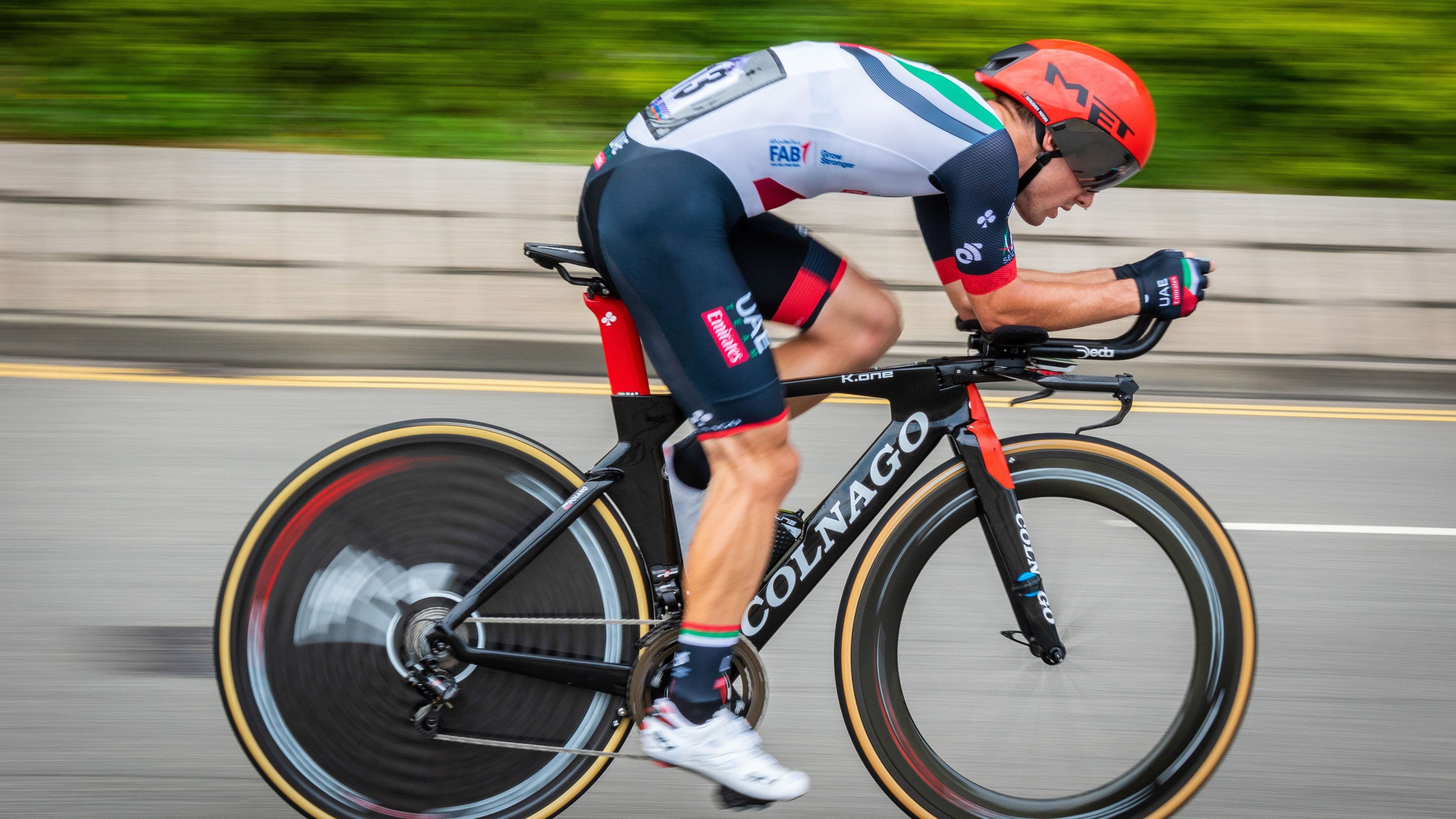
During prolonged endurance exercise, the body relies on carbohydrate oxidation from two separate pools, muscle glycogen and liver-derived glucose released into the bloodstream. Research on carbohydrate intake during exercise has found that combining glucose and fructose in a specific ratio, typically around 2:1, allows for a higher total rate of carbohydrate oxidation during exercise compared to consuming glucose alone.
This happens because glucose and fructose use separate intestinal transporters, meaning they don't compete for absorption capacity the way consuming glucose alone at high rates can, where absorption becomes rate-limited. Combining the two effectively increases total carbohydrate delivery to working muscle during long training sessions or endurance events, which is why many performance-focused sports drinks and gels use a glucose-fructose blend rather than glucose alone.
Practical Application During Training
For training sessions under 60 to 75 minutes, this glucose-fructose distinction matters less, since glycogen stores are typically sufficient without needing to maximize carbohydrate oxidation rates through blended sugar sources. For sessions extending beyond 90 minutes, particularly endurance events, structured intake using a glucose-fructose blend at a roughly 2:1 ratio can measurably improve carbohydrate availability and delay fatigue compared to relying on glucose-only sources.
Post-training glycogen replenishment shows a different pattern. Glucose is more directly effective for rapidly replenishing muscle glycogen specifically, since it's taken up directly by muscle tissue, while fructose primarily replenishes liver glycogen. A recovery strategy combining both, rather than relying on one exclusively, supports faster overall glycogen restoration across both storage pools.
The Downside: Fructose and Metabolic Health Context
Fructose's liver-specific metabolism is a double-edged consideration. In the context of intense training with genuinely depleted liver and muscle glycogen, this pathway supports performance and recovery effectively. Outside of that context, chronic high fructose intake, particularly from added sugars in a sedentary lifestyle, is well documented to contribute to elevated triglycerides and increased liver fat through the de novo lipogenesis pathway mentioned earlier.
This distinction matters because the same nutrient behaves very differently depending on training status and glycogen depletion. A man consuming a glucose-fructose sports drink during a three-hour endurance session is using that fructose for legitimate liver glycogen replenishment during a genuine energy deficit. The same fructose load consumed regularly outside of training, with full glycogen stores already present, is more likely to be shunted toward fat synthesis rather than useful energy storage.
Practical Recommendations
For endurance athletes and men doing extended training sessions, using a carbohydrate source with a glucose-fructose ratio close to 2:1 during exercise lasting beyond 90 minutes supports higher carbohydrate oxidation rates. Outside of training windows, particularly on rest days or lower-intensity training days, minimizing high-fructose intake, especially from added sugars rather than whole fruit, aligns better with metabolic health given the reduced glycogen depletion context.
Expected Results and Timeline
Performance benefits from properly timed glucose-fructose carbohydrate strategies are typically observable within a single extended training session, since the mechanism relates to real-time carbohydrate oxidation rates rather than a cumulative adaptation. Longer-term metabolic considerations around fructose intake outside of training context play out over weeks to months of consistent dietary pattern, not a single session.
Risks and Limitations
Men with existing metabolic conditions, elevated triglycerides, fatty liver concerns, or insulin resistance, should approach fructose intake, including from sports nutrition products, with more caution and ideally under physician guidance, since the liver-specific metabolism of fructose interacts directly with these existing conditions. This information is intended for general athletic performance context and doesn't replace individualized medical guidance for men managing metabolic health concerns.
FAQ
Is fructose bad for athletic performance? No, when used strategically during extended endurance exercise alongside glucose, fructose can improve total carbohydrate oxidation and delay fatigue. The concern with fructose applies mainly to chronic intake outside of training contexts.
What's the ideal glucose-to-fructose ratio during long training sessions? Research on carbohydrate oxidation during exercise generally supports a ratio around 2:1 glucose to fructose for sessions extending beyond 90 minutes.
Should I avoid fructose entirely if I'm focused on body composition? Not necessarily. Context matters significantly; fructose consumed during legitimate extended training sessions serves a different metabolic purpose than fructose consumed at rest with full glycogen stores.
📚 Sources
Journal of Applied Physiology, "Carbohydrate Oxidation from Glucose and Fructose During Exercise" – journals.physiology.org
National Institutes of Health, "Fructose Metabolism and Metabolic Health" – nih.gov