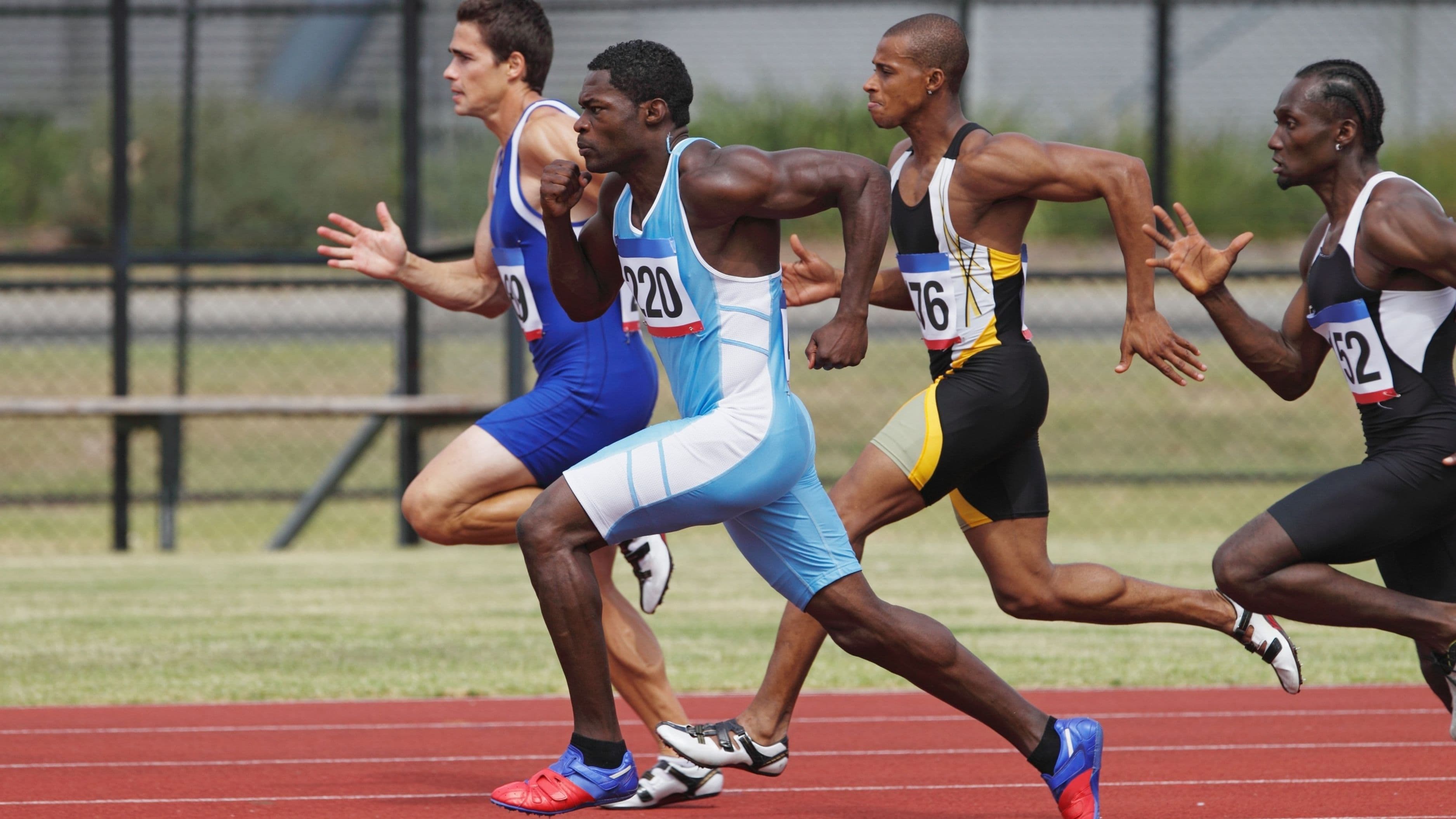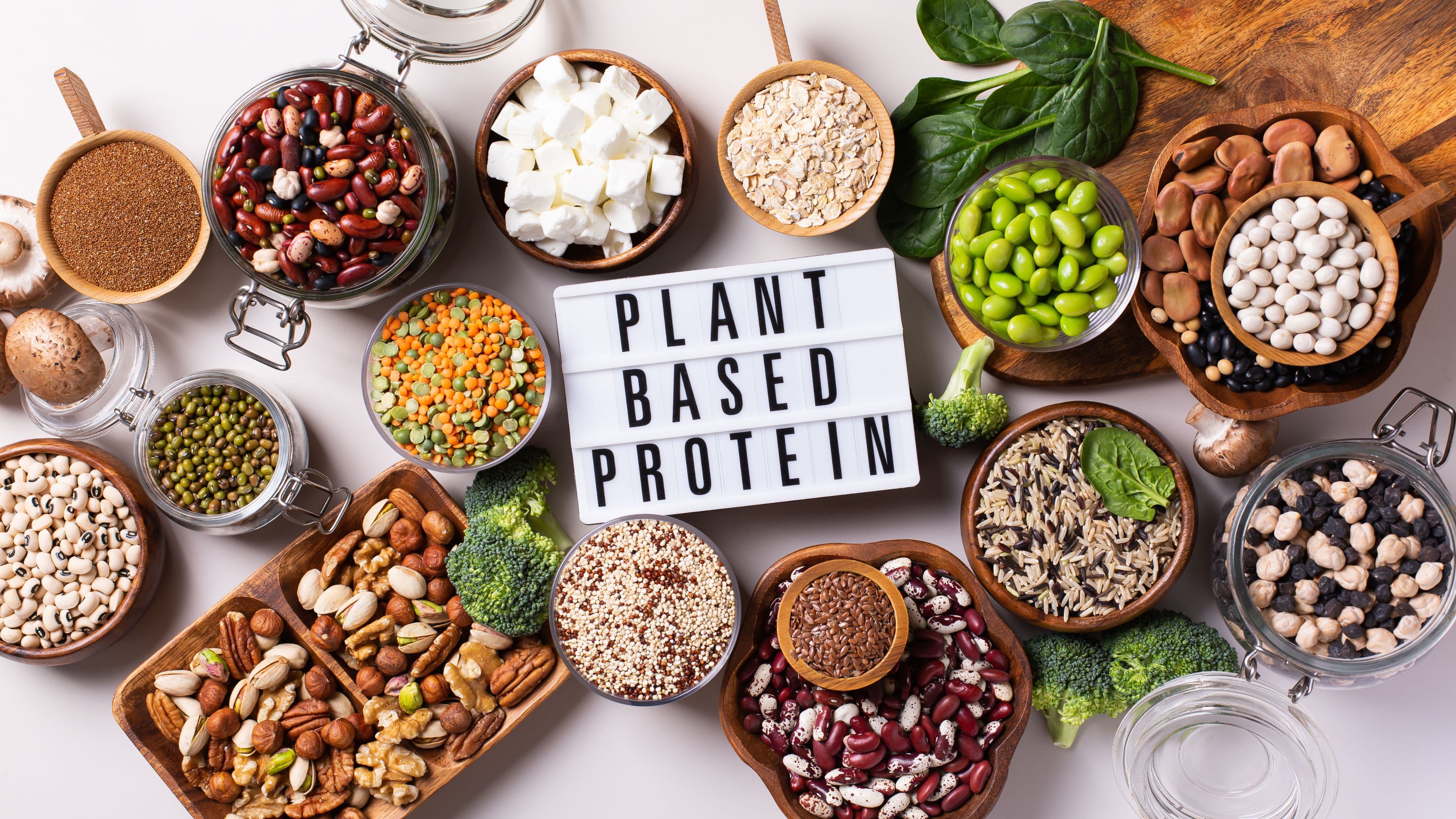
What you eat around training, and when, is one of the most controllable levers you have over that pattern. Get the timing right and you support a clean daily rhythm and faster recovery. Get it wrong, especially if you stack fasting, hard sessions, poor sleep, and late meals, and you can push your stress hormones into a pattern that works against you.
Important: This article is for educational purposes only and is not medical advice. Consult your physician before changing your diet or training significantly, particularly if you have diabetes, an endocrine condition, or a history of disordered eating, or take medications such as corticosteroids.
Scientific Context: How Cortisol Normally Moves
Cortisol follows a circadian rhythm controlled by the hypothalamic-pituitary-adrenal (HPA) axis. It rises sharply within the first 30 to 45 minutes after waking, known as the cortisol awakening response, then gradually falls through the day and reaches its lowest point around the start of sleep. That high-morning, low-night slope is a marker of a well-regulated stress system.
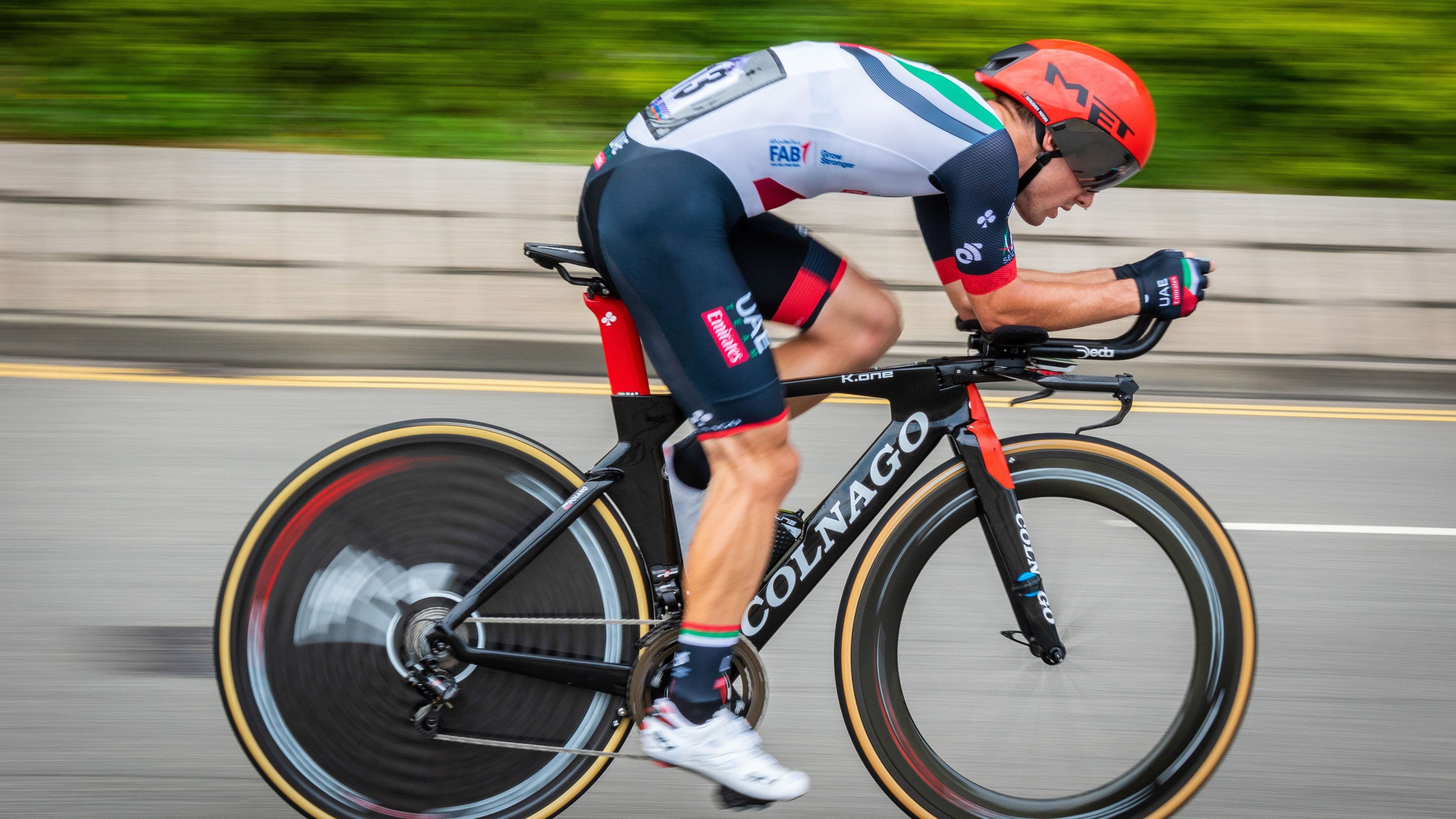
Exercise temporarily raises cortisol on top of this baseline. Research on the intensity threshold effect shows that cortisol climbs meaningfully once training reaches roughly 60 percent of maximal oxygen uptake or higher, and the rise gets larger with longer duration. That spike is normal and part of how your body adapts. The goal is to keep it acute and well-timed rather than prolonged or misplaced.
The Mechanisms: Why Food Timing Matters
Blood glucose is the main switch
One of cortisol's key jobs is maintaining blood sugar. When glucose availability drops, during a fast, a long session, or both, cortisol rises to help free up stored energy. That's why carbohydrate availability is the strongest nutritional lever over exercise-induced cortisol.
Studies on endurance athletes have repeatedly shown that consuming carbohydrate during prolonged exercise blunts the cortisol response compared with placebo. The body simply doesn't need to call for as much emergency fuel mobilization when fuel is already arriving.
Fasted training amplifies the response
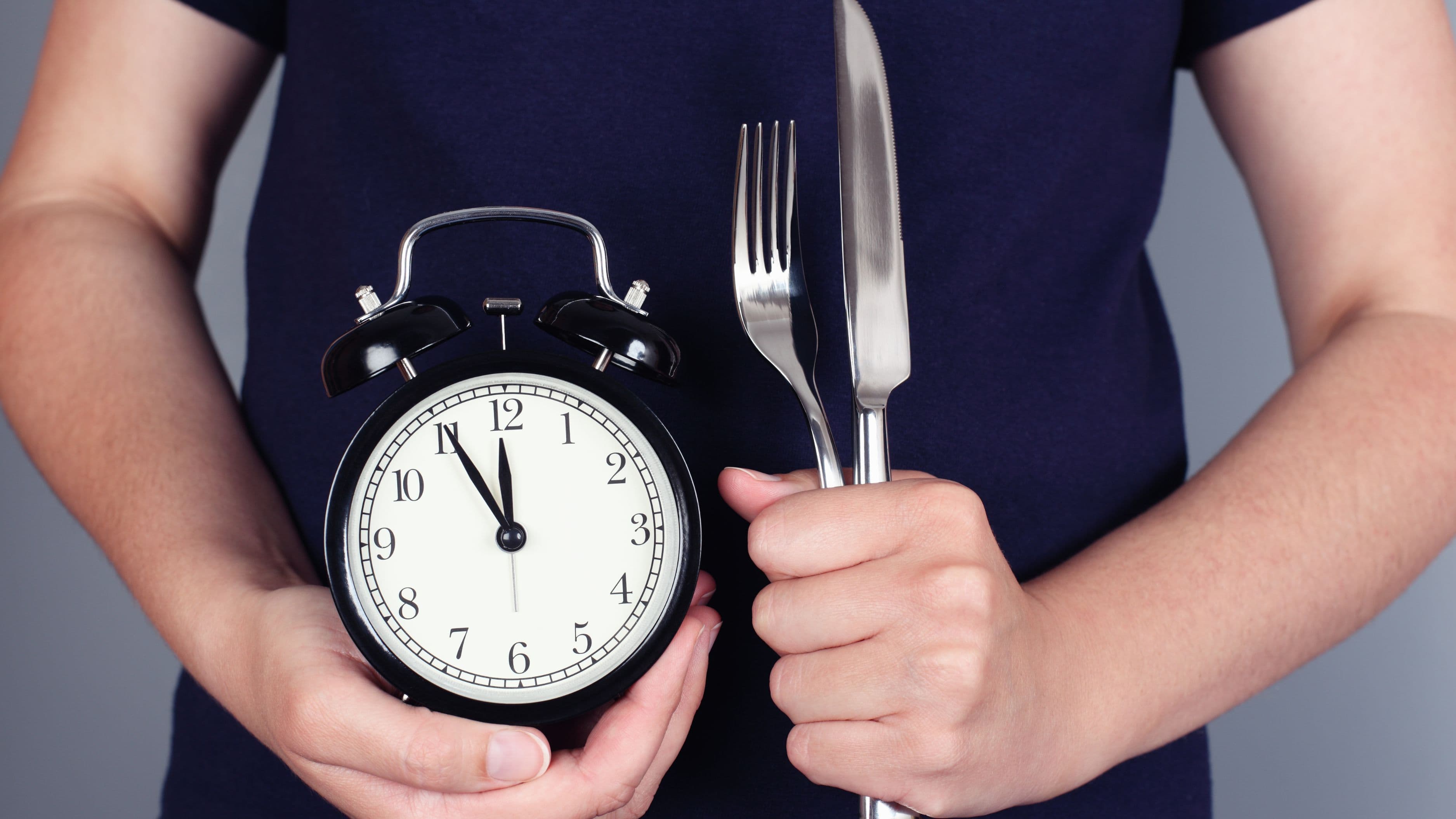
Training in a fasted state, particularly in the morning, layers exercise stress on top of the natural cortisol awakening peak and low glycogen from the overnight fast. For short, easy sessions this is rarely a problem. For long or high-intensity work, it tends to produce a larger and longer cortisol elevation.
Late eating and evening training blur the slope
Cortisol is supposed to fall in the evening. Hard training late at night raises it when it should be declining, and large, late meals may disrupt sleep quality, which in turn affects the next morning's rhythm. The cumulative effect is a flatter daily cortisol curve, which research associates with poorer sleep and stress regulation.
The Protocol
This framework keeps the exercise-induced spike acute and preserves a steep, healthy daily rhythm.
Step 1: Match pre-training fuel to session demand
For easy sessions under an hour, fasted or lightly fed training is fine for most men. For intense or long sessions, eat a carbohydrate-containing meal two to three hours beforehand, or a smaller, easily digested snack 30 to 60 minutes out. The International Society of Sports Nutrition's position stand on nutrient timing supports pre-exercise carbohydrate for performance in demanding sessions.
Step 2: Fuel long sessions in real time
If a session runs beyond roughly 60 to 90 minutes at moderate to high intensity, take in carbohydrate during it. Common guidance for endurance work falls around 30 to 60 grams per hour. This is the most direct, evidence-backed way to reduce the cortisol climb during extended training.
Step 3: Eat a protein-and-carbohydrate meal after training
A post-training meal with quality protein and carbohydrate supports glycogen replenishment and muscle repair and helps return the stress system toward baseline. You don't need to sprint to the kitchen, but eating within a couple of hours is a sensible default, especially after fasted or very hard sessions.
Step 4: Anchor your meals to daylight
Keep your largest meals earlier in the day when possible, and avoid heavy meals in the two to three hours before bed. This supports the natural evening cortisol decline and protects sleep quality.
Step 5: Place intense training earlier when you can
If your schedule allows, run hard sessions in the morning or early afternoon rather than late evening. When evening training is unavoidable, prioritize a solid post-workout meal, a wind-down period, and a consistent sleep time.
Tools and Markers
You don't need lab work to apply this, but a few tools help you see whether it's working.
Heart rate variability (HRV): Wearables that track HRV give an indirect view of recovery and autonomic stress. A trend downward over several days often signals accumulated stress.
Sleep tracking: Changes in sleep onset and quality are an early warning that evening habits are disrupting your rhythm.
Salivary cortisol testing: Multi-point daily tests can map your curve, but results vary and should be interpreted with a clinician rather than self-diagnosed.
Expected Results and Timeline
Within one to two weeks of consistent timing, many men notice better session quality on hard days and more stable energy. Sleep improvements from earlier meals and less late training can show up within the same window. HRV trends, if you track them, typically need three to four weeks to show a clear pattern. None of this dramatically changes your hormones on its own. It removes avoidable stress so training adaptations and recovery can do their job.
Risks and Common Mistakes
Chronic fasted high-intensity training. Stacking long fasted sessions on poor sleep and a calorie deficit is one of the fastest ways to feel flat, stall progress, and elevate stress markers.
Trying to eliminate cortisol. The acute rise during training is part of adaptation. Aggressively blunting it isn't the goal.
Relying on "adrenal fatigue" supplements. Adrenal fatigue is not a recognized medical diagnosis, and products marketed for it are frequently unregulated. Persistent fatigue deserves a real workup.
Ignoring total energy intake. Timing can't compensate for chronic underfueling, which is a major driver of elevated stress hormones in athletes.
Heavy meals right before bed. Late, large meals can compromise sleep and blur the next day's rhythm.
FAQ
Does fasted cardio raise cortisol?
Fasted training, especially longer or harder sessions in the morning, tends to produce a larger cortisol response than fed training. Short, easy fasted sessions are generally well tolerated.
Should I eat carbs before a workout to lower cortisol?
For intense or prolonged sessions, pre-exercise and intra-exercise carbohydrate can reduce the cortisol response and support performance. For short, light sessions, it's less important.
Is evening training bad for cortisol?
It isn't harmful by default, but hard late sessions can raise cortisol when it should be falling and may affect sleep. Good post-workout nutrition and a consistent wind-down help limit the impact.
Can meal timing fix high cortisol?
Timing supports a healthy rhythm, but persistently elevated cortisol can have medical causes. If you suspect a problem, see a physician rather than relying on diet changes alone.
Bottom Line
Cortisol doesn't need to be feared, just managed. Fuel demanding sessions, feed long ones in real time, eat well afterward, and keep your heaviest meals and hardest training away from bedtime. Those moves keep the training spike sharp and short and protect the daily rhythm that recovery depends on.
📚 Sources
NCBI Bookshelf (StatPearls) – "Physiology, Cortisol": https://www.ncbi.nlm.nih.gov/books/NBK538239/
Hill EE, et al. "Exercise and circulating cortisol levels: the intensity threshold effect." Journal of Endocrinological Investigation, 2008: https://doi.org/10.1007/BF03345606
Kerksick CM, et al. "International Society of Sports Nutrition position stand: nutrient timing." Journal of the International Society of Sports Nutrition, 2017: https://doi.org/10.1186/s12970-017-0189-4
Cleveland Clinic – "Cortisol: What It Is, Function, Symptoms & Levels": https://my.clevelandclinic.org/health/articles/22187-cortisol
Cleveland Clinic – "Adrenal Fatigue: What Causes It?": https://my.clevelandclinic.org/health/diseases/17823-adrenal-fatigue