
What Senescent Cells Are and Why They Matter
Senescent cells are cells that have stopped dividing but haven't died off through normal cellular turnover. Instead, they persist and secrete a mix of inflammatory signaling molecules, a phenomenon researchers call the senescence-associated secretory phenotype, or SASP. This accumulation increases with age and is theorized to contribute to chronic low-grade inflammation and age-related tissue dysfunction. The senolytic hypothesis is that selectively clearing these cells, rather than simply reducing inflammation generally, could meaningfully improve markers of aging and tissue function.
It's worth being direct here: this entire field, while genuinely promising, is still in a relatively early research stage. Most of the strongest evidence for senolytic compounds comes from animal models, with human research still catching up, smaller in scale, and less conclusive than the animal data.
Fisetin: Mechanism and Evidence
Fisetin is a flavonoid found naturally in strawberries, apples, and persimmons, and has become one of the most studied natural senolytic candidates in preclinical research. Its proposed mechanism involves inhibiting specific survival pathways that senescent cells rely on to resist normal cell death processes, theoretically making those cells more vulnerable to clearance.
Animal studies have shown fisetin extending measures of healthspan and reducing senescent cell burden in various tissues. Human research is more limited, with early-stage clinical trials underway to evaluate safety and effects in humans, but robust, large-scale human data confirming senolytic effects at the doses typically used in supplements is not yet established.
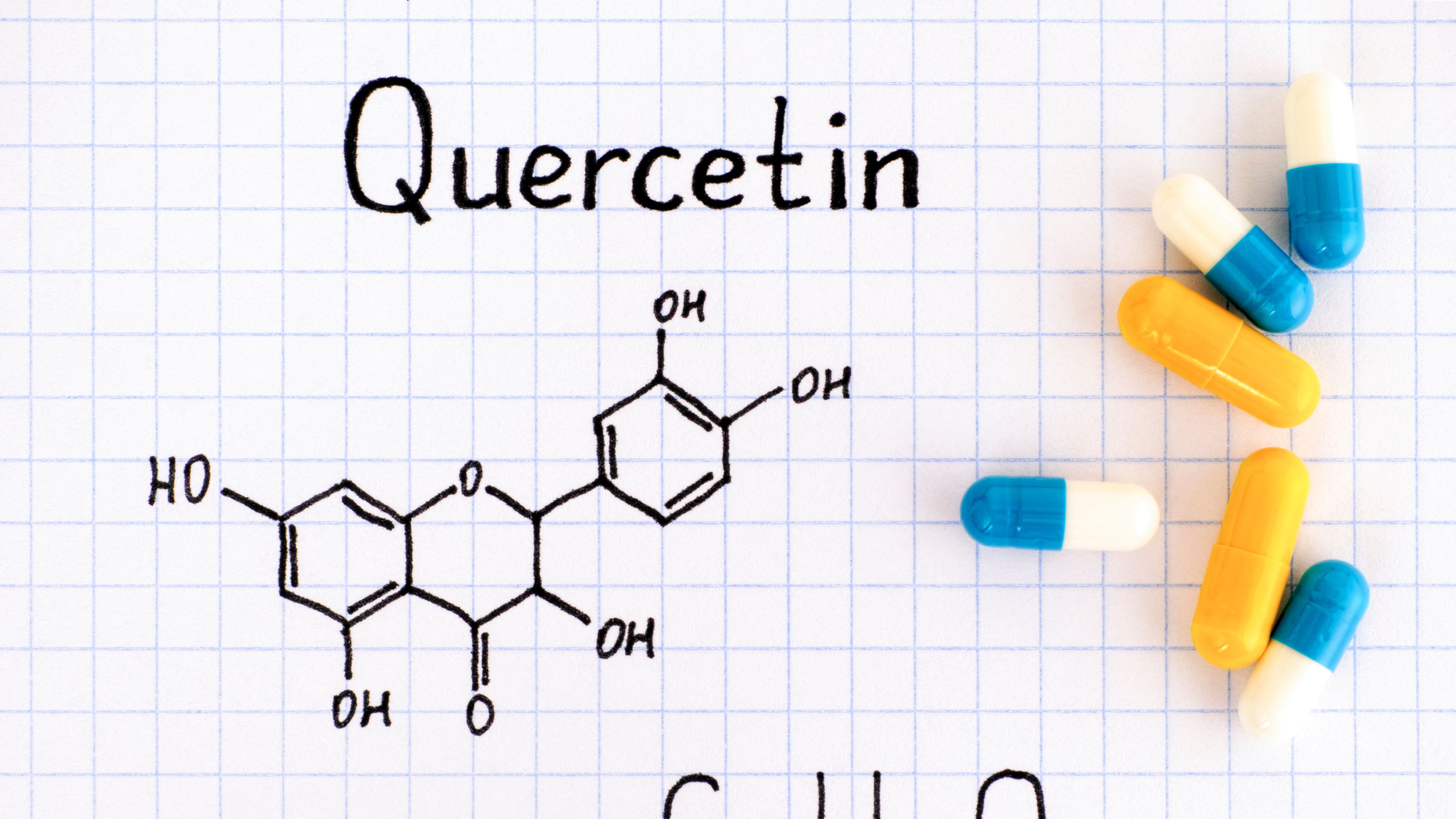
Quercetin: Mechanism and Evidence
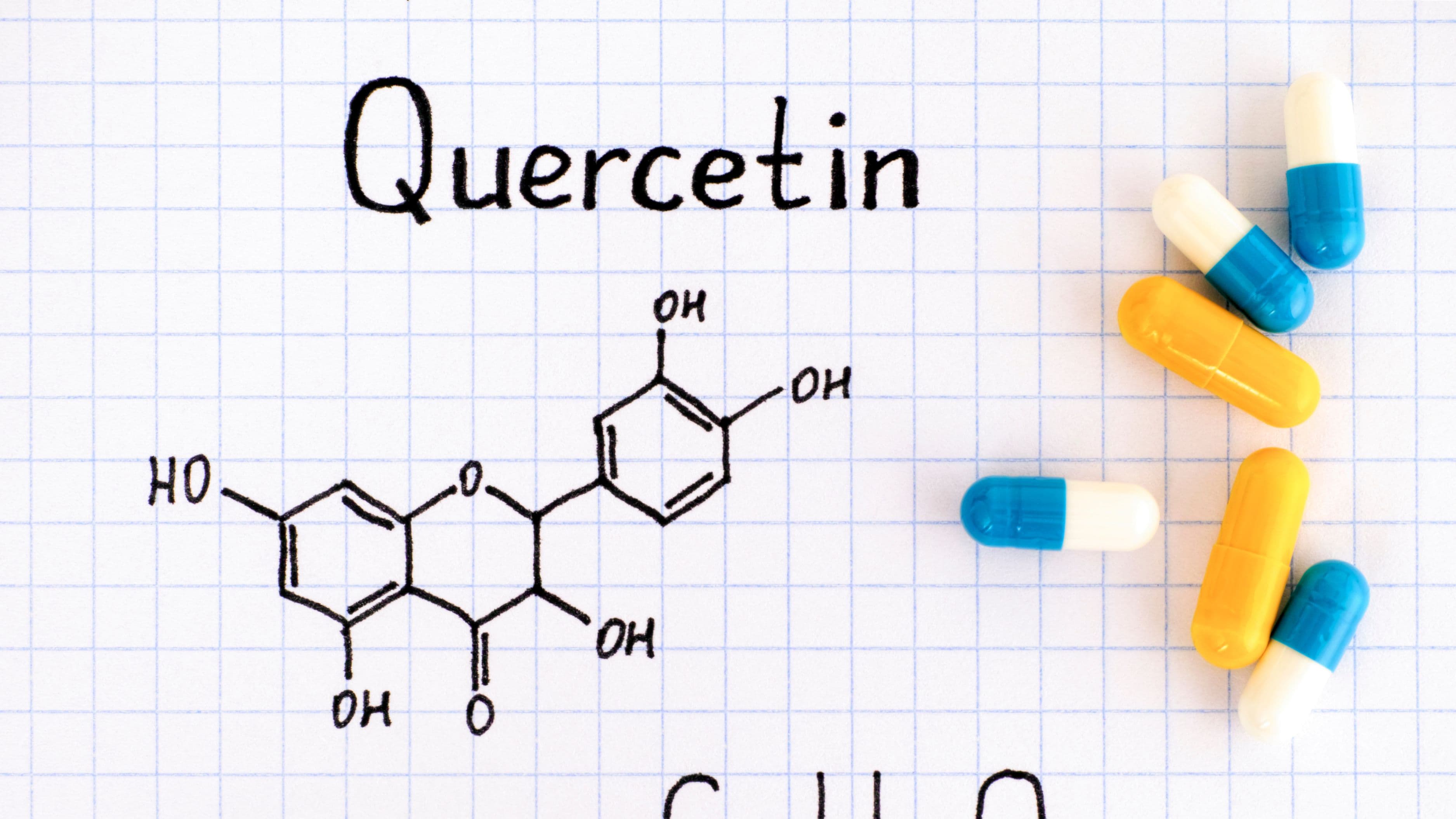
Quercetin is a more broadly studied flavonoid, found in onions, apples, and many other plant foods, with a longer history of research into general antioxidant and anti-inflammatory properties beyond just its senolytic potential. In the senolytic research space specifically, quercetin is most often studied in combination with dasatinib, a prescription cancer drug, rather than as a standalone compound – this combination, often abbreviated D+Q, has produced some of the more notable results in early human senolytic trials.
Quercetin alone, without dasatinib, has weaker standalone senolytic evidence compared to the combination, and much of its reputation in this space is somewhat borrowed from the D+Q research rather than reflecting quercetin's independent effect in isolation.
How They Actually Compare
Fisetin has a stronger standalone senolytic evidence base in preclinical research than quercetin does on its own, largely because most of the compelling human senolytic data involving quercetin comes from its combination with dasatinib rather than quercetin by itself. That said, both compounds are considered to work through broadly overlapping mechanisms, and some researchers theorize a combined effect between the two, though direct comparative human research on fisetin versus quercetin specifically, or their combination, remains limited.
Neither compound should be considered a validated, proven anti-aging intervention at this point – both sit in the category of promising but unconfirmed, with meaningfully more animal evidence than human evidence at this stage.
Why This Isn't a Simple "Which One to Take" Decision
Given how early-stage this research still is, and how much individual variation exists in dosing protocols and cycling approaches being explored in ongoing human trials, this isn't a topic where a generic recommendation about which compound or combination to use, at what amount, or on what schedule, is responsible to provide outside of a clinical research or medical context. The protocols being studied in clinical trials are specifically designed and monitored by researchers, and replicating them without that oversight introduces real uncertainty about both effectiveness and safety.
If you're seriously considering incorporating either compound into your routine, this is a conversation worth having directly with a physician familiar with your health history and ideally with the current research landscape in this specific area, rather than assembling a protocol independently based on preliminary research or anecdotal reports.
What the Research Still Needs to Answer
Larger, longer-duration human trials are needed to confirm whether the senescent cell clearance observed in animal models and small early human trials translates into meaningful, measurable improvements in healthspan or specific age-related conditions in humans generally, rather than in the specific patient populations most trials have focused on so far. Questions about optimal frequency, whether periodic "hit and run" dosing outperforms more continuous approaches, and how individual factors affect response all remain genuinely open in the current literature.
What to Avoid
Avoid treating either compound as a proven anti-aging solution based on animal research or preliminary human data – the gap between promising preclinical results and confirmed human benefit has closed many promising compounds before, and senolytics are still in that uncertain middle stage.
Be skeptical of aggressive marketing claims from supplement companies overselling certainty that the current research doesn't support. Look for sourcing that clearly distinguishes between animal and human evidence, rather than blending the two together to imply stronger support than actually exists.
Given the genuinely early state of human research and unresolved questions about optimal use, this is a decision to make with a physician rather than based on internet research alone, particularly if you have any existing health conditions or take other medications.
FAQ
Are fisetin and quercetin safe to take together? This is exactly the kind of question that depends on individual health factors, other medications, and current research context — one best answered by a physician rather than generalized here.
Is the dasatinib and quercetin combination available to the general public? Dasatinib is a prescription medication, and the D+Q protocol studied in trials has primarily been conducted in supervised clinical research settings rather than as a general public wellness protocol.
How long until senolytics might be a confirmed, mainstream intervention? That timeline depends on the results of ongoing and future human trials, which are still in relatively early phases – a firm timeline isn't something the current evidence supports predicting confidently.
Fisetin and quercetin represent one of the more genuinely interesting frontiers in longevity research, but the current evidence base is still early, animal-heavy, and not yet mature enough to support confident public protocols. Treat this as a space to watch closely and discuss with a physician, not one to self-protocol based on preliminary data.
📚 Sources
Mayo Clinic: Senolytic Research on Aging – https://www.mayoclinic.org/
National Institute on Aging: Senescent Cells and Aging – https://www.nia.nih.gov/research/blog
Nature Medicine: Fisetin as a Senotherapeutic – https://www.nature.com/articles/s41591-018-0092-9