
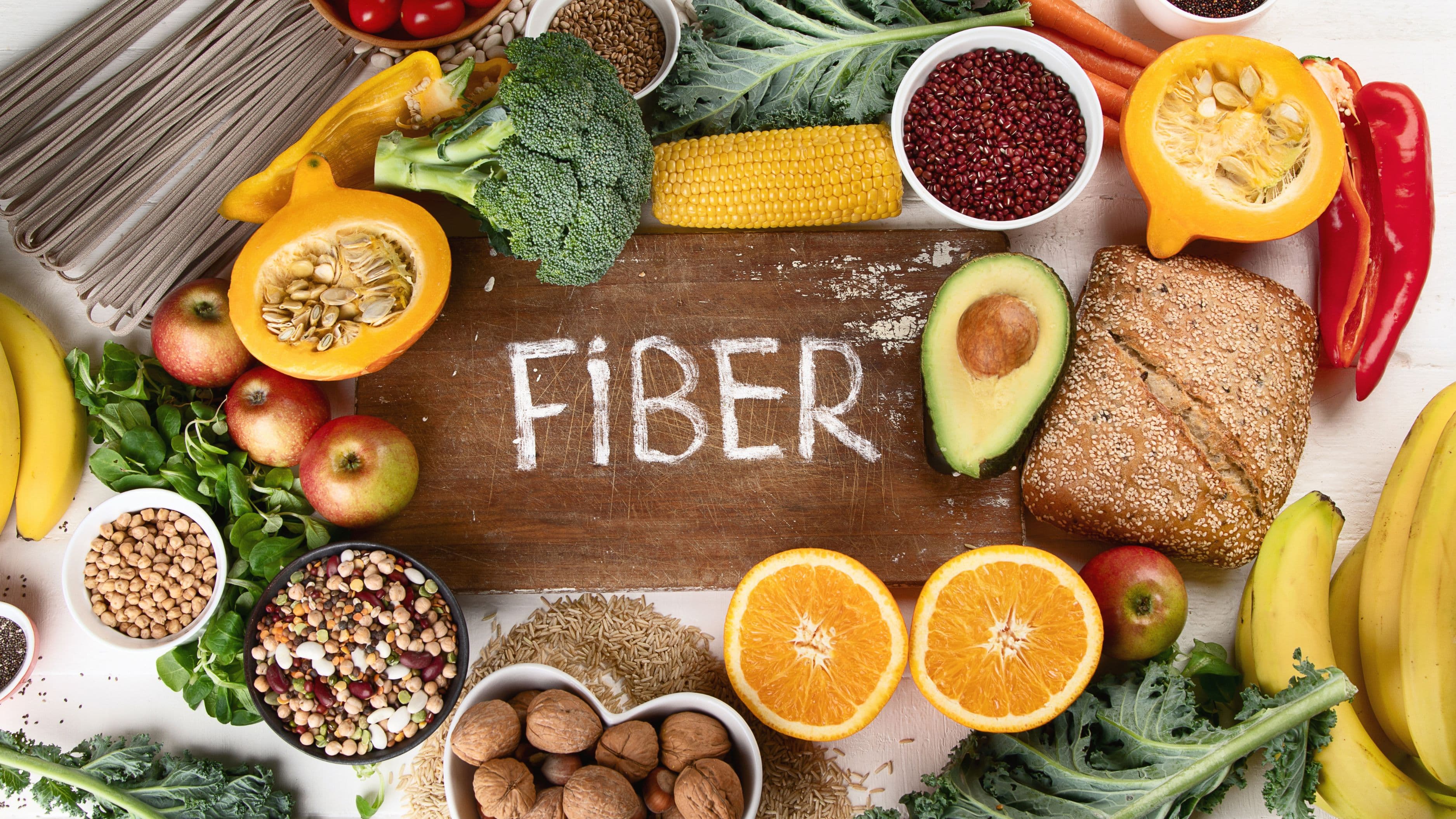
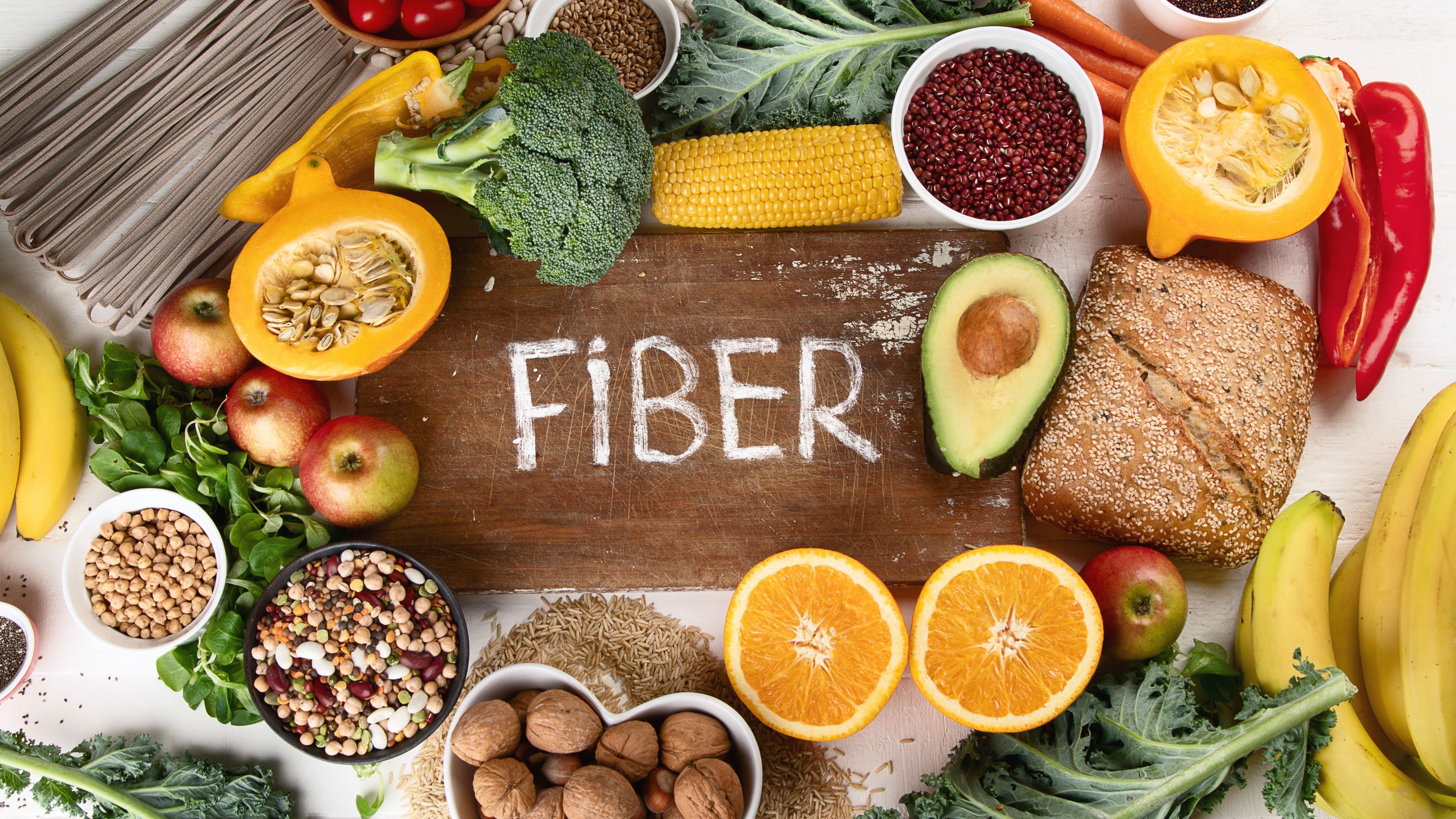
The goal isn't more fiber. The goal is the right fiber, delivered to the right location in your gut, to feed the right organisms. Here's how to actually think about it.
Why "Fiber" Is a Misleading Category
Dietary fiber is defined as plant-derived carbohydrates that resist digestion in the small intestine and reach the colon largely intact. That's where the similarity ends. The structural chemistry of different fibers determines which bacterial species ferment them, what metabolites they produce, how quickly they're fermented, and where in the colon that fermentation occurs.
Lumping psyllium husk, resistant starch, inulin, beta-glucan, and pectin into a single "fiber" category for dietary guidance purposes is roughly as useful as lumping all macronutrients together and saying "eat more food." Each of these fibers has a distinct fermentation profile, a distinct microbiome effect, and a distinct set of downstream metabolic consequences. Most people eating "enough fiber" are eating predominantly one or two fiber types and generating a narrow, suboptimal fermentation pattern as a result.
The Primary Classification: Soluble vs. Insoluble
The most common distinction in dietary guidance is between soluble and insoluble fiber, and while this classification is oversimplified for optimization purposes, it's the right starting point.
Soluble fiber dissolves in water, forming a gel-like substance in the digestive tract. It is generally fermentable – gut bacteria can break it down – making it the primary substrate for microbial metabolism and SCFA production. Beta-glucan (oats, barley), pectin (apples, citrus peel), and inulin-type fructans (chicory, garlic, leeks) are all soluble and highly fermentable.
Insoluble fiber does not dissolve in water and passes through the gut largely intact. Its primary mechanical function is to add bulk to stool and accelerate colonic transit time, reducing the time potential carcinogens spend in contact with the gut lining. Cellulose (found in most plant cell walls) and lignin are predominantly insoluble. Some insoluble fibers are mildly fermentable; most are not. They are relevant for gut motility but contribute less to the microbiome and metabolic outcomes that matter most for performance optimization.
The practical implication: if you're eating fiber primarily for microbiome and metabolic function rather than just regularity, soluble fermentable fiber needs to be the priority, with insoluble fiber as supporting structure.
Resistant Starch: The Most Underutilized Fiber Type
Resistant starch (RS) is arguably the most impactful single fiber type for gut health optimization, and it's the one most absent from standard dietary patterns. It's technically a fermentable fiber that behaves like starch structurally but resists digestion in the small intestine, arriving in the colon intact where it becomes the preferred substrate for butyrate-producing bacteria – primarily Faecalibacterium prausnitzii and Roseburia species.
There are four types. RS1 is physically inaccessible starch, trapped inside intact cell walls – found in whole grains and legumes. RS2 is raw or underripe starch – raw potatoes, green bananas, uncooked oats. RS3 is retrograde starch, formed when cooked starchy foods are cooled – cooked-and-cooled potatoes, rice, and pasta have significantly more RS3 than their freshly cooked equivalents. RS4 is chemically modified starch, primarily found in processed foods and less relevant here.
RS3 is the most practically accessible for dietary optimization. Cooking rice or potatoes and cooling them overnight before eating increases their resistant starch content substantially. The effect survives reheating to some extent, though cold consumption maximizes it. Green banana flour and raw potato starch are concentrated RS2 sources that can be added to cold beverages or foods without cooking.
The downstream effect is specific and well-documented: resistant starch selectively feeds butyrate producers, elevating fecal butyrate concentration more reliably than most other fiber interventions. Since butyrate is the primary energy source for colonocytes and the main anti-inflammatory signal in the gut epithelium, this is a high-leverage intervention for gut barrier integrity and intestinal inflammation.
Inulin-Type Fructans and the Prebiotic Fiber Category
Inulin and fructooligosaccharides (FOS) are the most studied prebiotics in the clinical literature, and for good reason – they have selective fermentation profiles that consistently favor Bifidobacterium species and, at higher intakes, Lactobacillus populations. They're found naturally in chicory root (the most concentrated source), Jerusalem artichoke, garlic, onion, leeks, asparagus, and dandelion greens.
The selectivity is the key advantage. Unlike resistant starch, which has a relatively broad fermentation profile across butyrate-producing genera, inulin-type fructans act more like targeted species amplifiers. This is why inulin and FOS are the backbone of most commercial prebiotic supplements – the evidence for Bifidobacterium bifidogenic effects is among the strongest and most consistent in the prebiotic literature.
The caveat worth knowing: inulin-type fructans ferment rapidly and primarily in the proximal (upper) colon. High doses in individuals with existing dysbiosis or SIBO-like presentations can produce significant gas, bloating, and discomfort. Dose titration matters. Starting at 3–5g and building over several weeks allows the gut ecosystem to adapt without the symptomatic blowback that gives some people a permanently negative experience with prebiotics.
Beta-Glucan: The Immune and Metabolic Fiber
Beta-glucan, found primarily in oats and barley, is the best-evidenced fiber for cardiovascular and metabolic endpoints. Its viscous gel-forming properties in the small intestine slow glucose absorption and reduce post-meal insulin response – mechanistically relevant for anyone managing metabolic flexibility or body composition. It also has direct immune modulation effects, interacting with pattern recognition receptors on immune cells in ways that prime rather than overstimulate immune function.
Its prebiotic effects are real but less potent than inulin or resistant starch for microbiome optimization specifically. Where beta-glucan earns its place in a performance-oriented fiber protocol is at the intersection of gut health, insulin management, and immune regulation – a combination that makes it a high-value inclusion beyond pure microbiome targeting.
Oat beta-glucan requires a minimum of approximately 3g daily to produce measurable effects on LDL cholesterol – the threshold used in the FDA-approved health claim. For gut and metabolic purposes, 3–5g from whole food sources is a reasonable daily target.
Pectin and Short-Chain Fermentable Fibers
Pectin is a soluble fiber found primarily in the cell walls of fruits – particularly apples, citrus, and berries. It ferments in the proximal colon, producing acetate and propionate preferentially over butyrate. Propionate is transported to the liver via the portal vein where it plays a role in gluconeogenesis regulation and lipogenesis suppression – both relevant for metabolic optimization.
Pectin also has specific effects on the colonic mucus layer and has been studied for its role in supporting tight junction integrity. It's a complementary fiber type rather than a primary lever, but its distinct fermentation profile makes it relevant for diversifying the SCFA output of your gut ecosystem beyond a butyrate-only focus.
The simplest practical source is whole fruit with the skin intact. Apple pectin is particularly concentrated in the peel. Citrus pith – the white layer between the peel and the flesh that most people discard – is also a concentrated pectin source and worth including rather than avoiding.
Fermentation Rate and Colonic Distribution: The Overlooked Variable
One of the most underappreciated dimensions of fiber type is where in the colon fermentation occurs. The colon is functionally segmented: the proximal colon (ascending) handles most rapid fermentation; the distal colon (descending) receives what survives fermentation in the proximal segment. The cell populations, bacterial communities, and metabolic dynamics differ significantly between these regions.
Rapidly fermented fibers – inulin, FOS, some pectins – are largely consumed in the proximal colon. The distal colon receives little fermentable substrate from these sources, leaving the distal bacterial community relatively unfed. This matters because distal colon dysbiosis is strongly associated with colorectal cancer risk and inflammatory conditions that originate in the left side of the colon.
Slowly fermented fibers – resistant starch, some long-chain inulins, arabinoxylan – pass partially through the proximal colon and deliver substrate to the distal microbiome. A fiber protocol designed only around rapidly fermenting sources creates a proximal-distal mismatch. The evidence here points toward resistant starch and arabinoxylan (found in whole wheat and rye bran) as the most important distal colon substrates – and therefore relevant for colorectal health beyond what proximal fermentation markers alone would suggest.
Building a Fiber Protocol That Actually Works
The practical implication of all of the above is that a well-constructed fiber intake is built from multiple fiber types chosen for their distinct fermentation profiles and target species, not from hitting a gram count with any available source.
A functional baseline protocol includes a primary resistant starch source daily – cooked-and-cooled potatoes or rice, green banana flour, or raw potato starch in a cold application. This drives butyrate production and feeds distal microbiome populations. An inulin-type prebiotic source – garlic, leeks, onions, or chicory as food, or an inulin/FOS supplement if dietary intake is insufficient – selectively supports Bifidobacterium populations. A beta-glucan source from oats or barley addresses the metabolic and immune layer. And diverse whole fruit intake, particularly with skins and pith, provides pectin and polyphenols that modulate fermentation environment.
Total fiber from whole food sources running 30–40g is appropriate once the ecosystem is adapted, but the gram target should be an output of the protocol rather than the input. The composition is the variable that matters; the amount follows naturally from eating a diversified plant-heavy diet with these fiber types represented.
Supplement-wise, if whole food sources are structurally insufficient: raw potato starch (RS2), partially hydrolyzed guar gum (PHGG – a slowly fermented fiber with good tolerability), and long-chain inulin (chicory-derived, degree of polymerization 10+) are the highest-evidence options for filling specific gaps.
What Kills Fiber's Effectiveness
Ultra-processed food is the primary antagonist. Even individuals eating technically high-fiber diets via processed fiber-enriched products often have depleted microbial diversity and poor fermentation outputs because the fiber matrix that exists in whole plant foods – the physical structure, the polyphenol co-presence, the cell wall architecture – doesn't transfer to extracted, added fiber ingredients. Fiber in a fortified cereal behaves differently than fiber in the whole grain it came from.
Antibiotic use is the most acute microbiome disruptor, and fiber reintroduction post-antibiotics should be gradual. Aggressively feeding a depleted, disrupted ecosystem with high-dose fermentable fiber before protective populations have recovered can fuel opportunistic species rather than the keystone species you're trying to support.
Chronic low water intake slows colonic transit and reduces fiber fermentation efficiency. Fermentation in the colon requires adequate hydration of the substrate. Fiber intake without proportionally adequate fluid intake produces diminishing returns and increased fermentation-related discomfort.
FAQ
Is it possible to eat too much fermentable fiber? Yes, and the signal is excessive gas, bloating, and loose stools. Most people's microbiomes can adapt to higher intakes of fermentable fiber over weeks, but pushing dose rapidly in an undiversified ecosystem causes symptomatic blowback. Titrate up over 3–4 weeks, particularly with inulin and FOS sources.
Does cooking destroy resistant starch? Cooking gelatinizes starch, which does reduce RS2 content. However, cooling after cooking creates RS3 through retrogradation – the starch recrystallizes into a resistant form. The net RS content of cooked-and-cooled potatoes is higher than freshly cooked and significantly higher than hot mashed or fried preparations. Reheating reduces RS3 moderately but doesn't eliminate it.
Can I get adequate fiber diversity from supplements alone? You can target specific gaps with supplements, but whole food fiber sources come packaged with polyphenols, micronutrients, and the physical fiber matrix that modulates fermentation in ways isolated fiber supplements don't replicate. Use supplements to fill specific identified deficiencies, not as a replacement for dietary diversity.
How does protein intake interact with fiber fermentation? High protein intake – particularly animal protein – shifts colonic fermentation away from carbohydrate fermentation and toward protein fermentation (putrefaction). Protein fermentation produces metabolites including ammonia, hydrogen sulfide, and branched-chain fatty acids, some of which are associated with increased colorectal cancer risk and gut barrier disruption at high concentrations. Adequate fermentable fiber intake effectively competes with protein fermentation by providing a preferred substrate, reducing the net production of proteolytic metabolites. This is a relevant consideration for performance athletes eating high protein loads.
Does fiber intake affect testosterone or hormone metabolism? Indirectly, yes. Fiber binds bile acids in the gut and supports fecal excretion of steroid hormones, including estrogen metabolites. This is relevant for men in that adequate fiber intake supports a healthier estrogen-to-testosterone ratio by reducing enterohepatic recirculation of estrogens. Fiber also supports the gut microbiome populations responsible for producing short-chain fatty acids that influence SHBG levels and systemic inflammation – both downstream factors in hormonal function.
📚 Sources
Cell Host & Microbe – Diet-induced alterations in gut microflora contribute to lethal pulmonary damage in TLR2/TLR4-deficient mice: https://www.cell.com/cell-host-microbe/fulltext/S1931-3128(18)30266-4
Nature Reviews Gastroenterology & Hepatology – Gut microbiota features associated with Clostridioides difficile: https://www.nature.com/articles/s41575-019-0173-3
Journal of Nutrition – Resistant starch and gut health: https://academic.oup.com/jn/article/150/10/2591/5897524
British Journal of Nutrition – Inulin-type fructans and Bifidobacterium: evidence from human studies: https://www.cambridge.org/core/journals/british-journal-of-nutrition/article/inulintype-fructans-and-reduction-of-colon-cancer-risk/
American Journal of Clinical Nutrition – Colonic fermentation of dietary fiber and its effects on the human gut microbiome: https://academic.oup.com/ajcn/article/112/3/587/5865434