
This isn't a dismissal of probiotics as a category. It's a look at why the delivery mechanism (whole food versus isolated supplement) matters more than most people, and most marketing, account for.
The Diversity Problem With Isolated Strains
Most probiotic supplements contain somewhere between one and a dozen specific bacterial strains, chosen because they're stable, cheap to culture, and survive shelf storage well. Fermented foods like kimchi, sauerkraut, kefir, and miso naturally contain far broader microbial diversity, often including dozens of strains along with the metabolic byproducts those organisms produce during fermentation.
A landmark study from Stanford tracking a 10-week fermented food intervention found measurable increases in overall microbiome diversity and decreases in several inflammatory markers, an effect that a matched high-fiber diet without fermented foods did not replicate to the same degree. Diversity matters because a more diverse microbiome is more resilient and adaptable, generally correlating with better metabolic and immune outcomes than a microbiome dominated by a narrow set of organisms.
Live Food Delivers More Than Just Bacteria
Fermentation doesn't just introduce bacteria, it also produces short-chain fatty acids, bioactive peptides, and partially broken-down nutrients as byproducts of the fermentation process itself. These compounds have their own independent effects on gut lining integrity and inflammation, effects that an isolated bacterial supplement, stripped of the fermentation matrix it grew in, simply doesn't replicate.
This is one of the clearest mechanistic explanations for why whole fermented foods tend to outperform capsules in controlled studies: you're not just getting bacteria, you're getting the full metabolic output of a live fermentation process, which appears to matter for how your gut lining and immune system respond.
Supplement Survival Rates Are Often Overstated
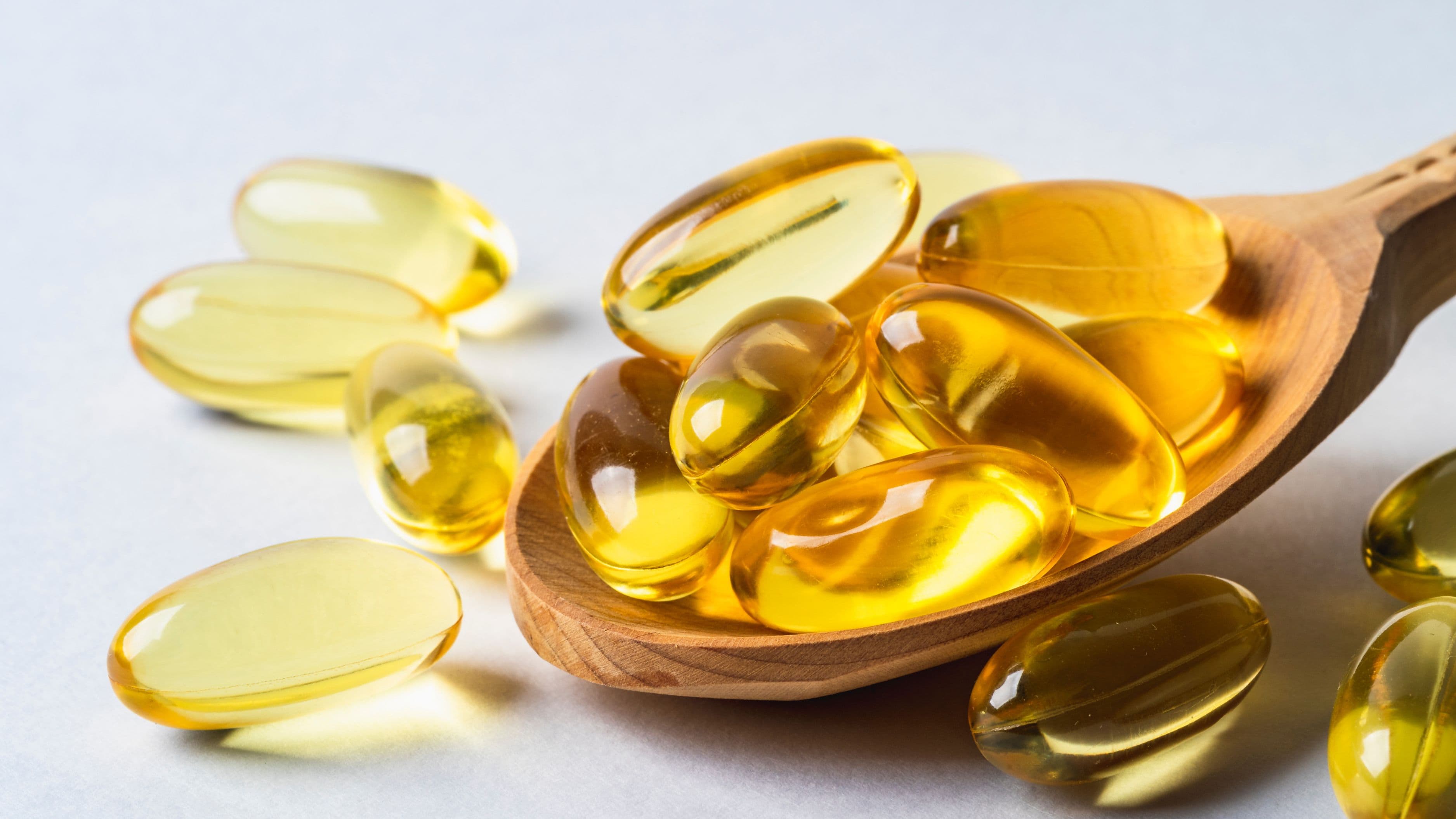
Probiotic supplement marketing frequently emphasizes CFU (colony-forming unit) counts at the time of manufacture, but this number doesn't account for how many organisms actually survive stomach acid, bile, and shelf-life degradation before reaching the gut in a viable state. Independent testing has repeatedly found that many commercial probiotic products contain significantly fewer live organisms at the point of consumption than their labels claim.
Fermented foods, while not immune to this issue entirely, tend to have their microbial populations verified more directly through the fermentation process itself, and the acidic, food-matrix environment of something like sauerkraut or kefir appears to offer better protection through digestion than an isolated capsule alone.
Strain Specificity Still Matters for Targeted Conditions
None of this means probiotic supplements are useless. For specific, well-studied clinical applications, like certain strains shown to reduce antibiotic-associated diarrhea or support recovery from specific gastrointestinal conditions, targeted supplementation with a clinically validated strain can outperform a general fermented food approach, simply because the specific strain and dose have been directly tested for that outcome.
The distinction is between general gut health maintenance, where fermented foods appear to have a real edge in the current research, and targeted clinical use cases, where a specific, well-researched strain at a validated dose remains the more defensible choice.
Practical Ways to Build Fermented Foods Into Your Routine
Start with one serving of a fermented food daily rather than trying to overhaul your diet overnight, since introducing too much fermented food too quickly can cause temporary digestive discomfort as your gut adjusts. Plain kefir, unpasteurized sauerkraut, kimchi, and plain (unsweetened) yogurt with live active cultures are all practical, accessible starting points.
Pay attention to labels. Many commercial pickled or fermented-style products are made with vinegar rather than true fermentation, which means they don't contain live cultures at all, despite looking similar on a shelf. Look specifically for "contains live active cultures" or products stored refrigerated, since pasteurization (common in shelf-stable products) kills the live organisms that make fermented foods effective in the first place.
What to Avoid
Don't assume more is automatically better when introducing fermented foods. Excessive intake, especially early on, can cause bloating or digestive discomfort as your gut microbiome adjusts to the new input. Build up gradually over a few weeks rather than making a dramatic dietary shift all at once.
Also avoid relying entirely on fermented foods if you have a specific, diagnosed gastrointestinal condition where a clinically validated probiotic strain has direct research support. In those cases, food alone may not replicate the specific, targeted effect that's actually been studied for your condition.
Frequently Asked Questions
Can I get the same benefit from probiotic supplements if I take a high enough dose? Not necessarily. The benefit of fermented foods appears tied to the diversity and metabolic byproducts of the fermentation process itself, not just raw bacterial count, which a higher-dose supplement doesn't fully replicate.
How much fermented food should I eat daily? Most research protocols use around 3-6 servings per day for measurable microbiome effects, though starting with one serving and building up gradually is more practical and better tolerated.
Are pasteurized fermented foods still beneficial? Pasteurization kills live cultures, so pasteurized versions (common in many shelf-stable pickled products) won't offer the same probiotic benefit, though they may still offer some flavor and minor nutritional value.
If you have a diagnosed digestive condition or are considering major dietary changes for a specific health issue, talk to a physician or gastroenterologist before relying on general guidance like this to manage it.
📚 Sources
Stanford Medicine – Fermented Foods and Microbiome Diversity Study, https://med.stanford.edu/news/all-news/2021/07/fermented-food-diet-increases-microbiome-diversity-lowers.html
National Institutes of Health, Office of Dietary Supplements – Probiotics Fact Sheet, https://ods.od.nih.gov/factsheets/Probiotics-HealthProfessional/
Harvard T.H. Chan School of Public Health – Fermented Foods, https://www.hsph.harvard.edu/nutritionsource/fermented-foods/