
The question isn't which one "activates autophagy." Both do. The question is which produces the deeper or more sustained autophagic response, which is more compatible with your training demands, and whether combining them gives you anything additive.
The Mechanisms: How Each Intervention Triggers Autophagy
Understanding the difference requires understanding the two primary nutrient-sensing pathways autophagy runs through: mTOR and AMPK.
mTOR (mechanistic target of rapamycin) is the master anabolic switch. When mTOR is active, cells are in growth mode – protein synthesis is upregulated, cell division accelerates, and autophagy is suppressed. mTOR is activated primarily by amino acids (particularly leucine), insulin, and IGF-1. To trigger autophagy via mTOR suppression, you need to reduce circulating amino acids and insulin – which is exactly what fasting and protein restriction accomplish.
AMPK (AMP-activated protein kinase) is the cellular energy sensor. When the AMP-to-ATP ratio rises – indicating energy deficit – AMPK activates, suppresses mTOR, and upregulates autophagy as a cellular recycling mechanism to generate substrates. AMPK responds primarily to caloric deficit and energy depletion, not specifically to macronutrient composition.
Intermittent fasting suppresses both insulin and amino acid availability while driving up AMPK via caloric restriction. It works on both pathways simultaneously. Protein cycling, by contrast, targets mTOR specifically – restricting amino acid availability suppresses mTOR signaling without necessarily requiring a caloric deficit. These are meaningfully different levers.
Intermittent Fasting and Autophagy: What the Evidence Shows
The most commonly cited autophagy research involves fasting windows of 16–72 hours, with the bulk of mechanistic evidence coming from animal studies and a smaller but growing body of human data. The key findings relevant to a training context:
Measurable autophagy markers – including LC3-II flux, p62 degradation, and beclin-1 expression – begin to rise in human subjects after approximately 12–16 hours of fasting. The response is not binary. Autophagy upregulation increases progressively with fasting duration, with significant increases documented at 24 hours and substantial flux at 48–72 hours. A 16:8 fasting protocol, the most popular format, sits at the lower end of the stimulus range – enough to initiate meaningful autophagy, particularly if training is incorporated in the fasted state to stack AMPK activation, but not the aggressive stimulus of a 24-hour or multi-day fast.
A 2019 study published in Cell Metabolism showed that a 24-hour fast in humans produced significant increases in autophagic flux across multiple tissue types, including skeletal muscle, liver, and white blood cells. The skeletal muscle finding is significant for performance-focused men – it suggests autophagy during fasting isn't purely catabolic; it's clearing damaged cellular components that would otherwise impair contractile function and recovery.
Insulin suppression is a key driver of the fasting-mediated autophagy signal. Men who eat high-carbohydrate meals and remain insulin-sensitive will see autophagy suppressed during feeding windows regardless of fasting window length. This is one reason time-restricted eating alone doesn't fully describe the autophagic stimulus – the composition of the eating window matters.
The practical limitation of intermittent fasting for autophagy optimization in hard-training men is timing. Extended fasting competes directly with the anabolic signaling required for muscle protein synthesis. Training in a 24-hour fasted state meaningfully elevates cortisol, accelerates muscle protein breakdown, and reduces training output for most athletes. The deeper the fast, the stronger the autophagic stimulus and the greater the recovery cost.
Protein Cycling and Autophagy: The Mechanism and Evidence
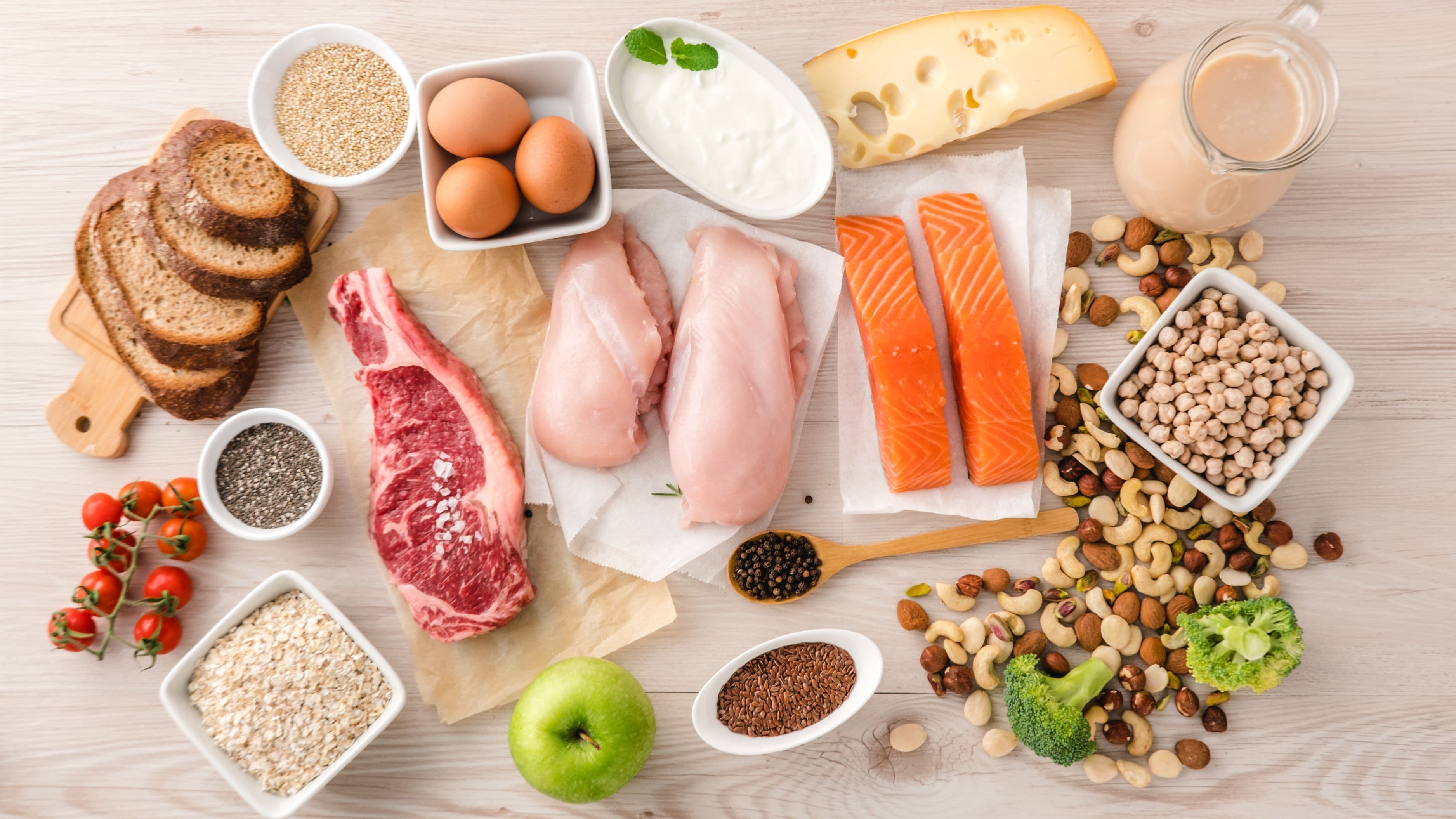
Protein cycling refers to alternating between high-protein days (typically 1.6–2.2g/kg body weight) and low-protein days (0.4–0.8g/kg body weight), with the low-protein days providing the autophagic stimulus via mTOR suppression.
The rationale is biologically clean: leucine is the primary amino acid that activates mTOR. When leucine availability drops below a threshold – typically achieved by keeping daily protein below ~0.6g/kg body weight – mTOR activity falls substantially and autophagy is de-repressed even in the absence of a full caloric deficit. You can eat adequate calories, maintain energy availability for training, and still drive meaningful autophagic flux through amino acid restriction alone.
Research from groups studying dietary restriction and mTOR in humans supports the concept, though direct head-to-head trials comparing protein cycling to intermittent fasting on autophagic markers are limited. The mechanistic case for protein cycling is robust; the large-scale human clinical data is less developed than the fasting literature.
A key practical advantage of protein cycling is that it allows carbohydrate and fat intake to remain sufficient to fuel training on low-protein days, avoiding the energy deficit and cortisol elevation associated with extended fasting. A man who eats 2,500kcal with 50g of protein on a cycling day maintains energy availability and glycogen stores while suppressing mTOR significantly. This is not achievable with a standard fasting protocol.
The limitation is muscle protein balance. On low-protein days, net muscle protein synthesis is negative – you're catabolizing more than you're building. For a man running protein cycling on days adjacent to high-volume training, the timing demands careful management. Low-protein days work best on rest days or very low-intensity sessions, not on days following a significant hypertrophy stimulus.
Which Produces a Stronger Autophagic Response?
Based on the available evidence, extended fasting (24–72 hours) produces a stronger acute autophagic stimulus than protein cycling. The combination of mTOR suppression, significant AMPK activation, and ketone body production (which has its own autophagy-upregulating effects via HDAC inhibition) creates a more complete signal than amino acid restriction alone.
However, this comparison is context-dependent in ways that matter for performance-focused men:
For men doing 16:8 intermittent fasting without extended fasting periods, the autophagic stimulus is modest and roughly comparable to what protein cycling achieves through mTOR suppression on a low-protein day – particularly if the fasting day includes training to stack AMPK activation.
For men willing to incorporate periodic 24-hour fasts (once or twice per month, on rest days), the fasting protocol produces meaningfully stronger autophagy upregulation than protein cycling at equivalent frequency.
For men training at high volume who cannot afford the recovery cost of 24-hour fasts, protein cycling provides a meaningful autophagic stimulus with lower interference to training adaptation. The stimulus is qualitatively different – mTOR-targeted rather than full-pathway – but the practical tradeoff is favorable for athletes in a hard training block.
The Case for Combining Both
The two mechanisms are additive rather than redundant. mTOR suppression (protein cycling) and AMPK activation (caloric deficit from fasting) operate through distinct pathways that converge on autophagy from different directions. Combining a low-protein day with a 16-hour fasting window creates co-suppression of mTOR via both amino acid restriction and insulin withdrawal, while also activating AMPK through caloric restriction. The combined stimulus exceeds either intervention alone.
A practical combined protocol for men managing performance alongside autophagy optimization:
Training days (high volume): Standard protein intake (1.8–2.2g/kg), normal feeding window, prioritize mTOR activation and recovery. No autophagy targeting on these days.
Rest days or light days: Low protein (0.5–0.6g/kg), 16–18 hour fasting window, adequate fat and carbohydrate to prevent excessive cortisol elevation. This is the combined autophagic stimulus day.
Monthly deep flush (optional): One 24-hour fast on a scheduled rest day, consuming only water, electrolytes, and black coffee or plain tea. This produces the strongest acute autophagic flux available without pharmacological intervention.
This structure allows progressive tissue maintenance and autophagy-driven cellular quality control without sustained interference with the anabolic signaling required for performance adaptation.
mTOR and the Muscle Preservation Tradeoff
The central tension in autophagy optimization for performance-focused men is the mTOR/autophagy inverse relationship. mTOR suppression is required for autophagy; mTOR activation is required for muscle protein synthesis. You cannot maximally drive both simultaneously.
The practical resolution is temporal separation. Autophagy is most relevant as a recovery and cellular maintenance process, not as something to maximize during the training stimulus itself. Suppressing mTOR aggressively in the 24–48 hours following a significant hypertrophy session impairs recovery and adaptation. Suppressing it on a rest day two to three days removed from training allows the anabolic window to close naturally before the catabolic/autophagic stimulus begins.
For men using resistance training as their primary sport, the frequency of deep autophagic stimuli (24-hour fasts or very low protein days) should be calibrated to training load. During a deload or off-season, one to two extended fasting days per week is compatible with recovery. During peak training, once or twice per month is more appropriate.
Drugs and Compounds That Modulate Autophagy
For context, since this is a biohacking-oriented topic: several compounds beyond dietary intervention have well-documented effects on autophagic flux.
Rapamycin is the most potent pharmacological mTOR inhibitor available and the gold standard in longevity research for autophagy upregulation. It's prescription-only in most jurisdictions, carries real risks at therapeutic doses, and is being studied specifically in low-dose intermittent protocols (weekly dosing) for longevity applications. Not a casual intervention.
Berberine activates AMPK through a mechanism analogous to metformin and produces measurable autophagy upregulation at standard doses (500mg, 2–3x daily with meals). It also has meaningful effects on glucose metabolism and lipid profiles. This is a practical, accessible autophagy-supporting compound for men who want pharmacological support without the risk profile of rapamycin.
Spermidine (found in wheat germ, soybeans, and available as a supplement) induces autophagy through a pathway independent of mTOR and AMPK – it inhibits acetyltransferases that would otherwise suppress autophagic gene expression. Human observational data links spermidine intake to cardiovascular and cognitive aging benefits. Supplemental doses of 1–2mg/day are being studied in human trials.
Urolithin A (metabolite of ellagitannins from pomegranates, produced by specific gut bacteria) has demonstrated mitophagy upregulation in human skeletal muscle in a randomized controlled trial published in Nature Metabolism. It's commercially available and has a strong safety profile. Relevant specifically for mitochondrial quality control in trained men.
Realistic Expectations
Autophagy optimization through dietary cycling is a long-term cellular maintenance strategy, not an acute performance enhancer. The benefits – reduced accumulation of damaged proteins and organelles, improved mitochondrial quality, reduced inflammatory signaling from cellular debris – accumulate over months and years of consistent practice. You will not feel meaningfully different after a single 24-hour fast compared to a single low-protein day. The difference is in the trajectory of cellular health over time.
For most men training consistently, a sustainable autophagy protocol looks like: daily 16-hour fasting window, one low-protein rest-day per week (0.5g/kg), one 24-hour fast per month on a scheduled rest day. This is a conservative, recoverable protocol that produces consistent autophagic flux without compromising training adaptation.
Men willing to push deeper – extended fasting two to four times per month, lower protein cycling targets, periodic multi-day fasts – will generate stronger autophagic stimuli but face proportionally greater recovery costs and muscle preservation considerations. The returns are real but not linear.
FAQ
Does training fasted enhance autophagy beyond fasting alone? Yes. Resistance and endurance exercise both activate AMPK independently of fasting status, and the combination of fasted training plus extended fasting creates additive AMPK + mTOR suppression. The caveat is that fasted training at high intensity increases cortisol and muscle protein breakdown – the autophagic benefit is real but the recovery cost is also real.
Does coffee break a fast for autophagy purposes? Black coffee does not meaningfully suppress autophagy. Caffeine has been shown in some contexts to mildly activate AMPK and may provide a small additive effect. Coffee with significant cream, milk, or protein will suppress autophagy via mTOR activation. Stick to black.
How low does protein need to go to meaningfully suppress mTOR? Studies suggest protein intake below 0.6–0.8g/kg body weight produces significant mTOR suppression via leucine restriction. Below 0.4g/kg, the effect is substantial. Most men rarely eat at these levels, which is why deliberate low-protein days produce a different cellular environment than standard eating patterns.
Is there an optimal time of day for the autophagic stimulus? Autophagy shows circadian variation, with upregulation tending to occur during the rest and early fasting phase. Extending the overnight fast – delaying breakfast rather than eating early – aligns the fasting stimulus with the circadian phase most permissive to autophagic flux.
Can you track autophagy without a lab? Not directly. Proxy markers include ketone body production during fasting (measurable with a blood ketone meter – values above 0.3–0.5 mM correlate with meaningful fasting depth) and fasting duration itself. Serum p62 and LC3-II are research-grade markers not available in standard clinical panels.
📚 Sources
Autophagy induction during fasting in human skeletal muscle – Cell Metabolism: https://www.cell.com/cell-metabolism/fulltext/S1550-4131(19)30183-0
mTOR signaling and amino acid sensing – Nature Reviews Molecular Cell Biology: https://www.nature.com/articles/nrm3249
AMPK as a metabolic master switch – Physiological Reviews: https://journals.physiology.org/doi/full/10.1152/physrev.00011.2011
Dietary protein restriction and mTOR suppression – Aging Cell: https://onlinelibrary.wiley.com/doi/10.1111/acel.12497
Urolithin A induces mitophagy in human skeletal muscle – Nature Metabolism: https://www.nature.com/articles/s42255-019-0073-4
Spermidine and autophagy-dependent cardioprotection – Nature Medicine: https://www.nature.com/articles/nm.3252
Berberine activates AMPK and induces autophagy – Biochemical Pharmacology: https://www.sciencedirect.com/science/article/abs/pii/S0006295214005110