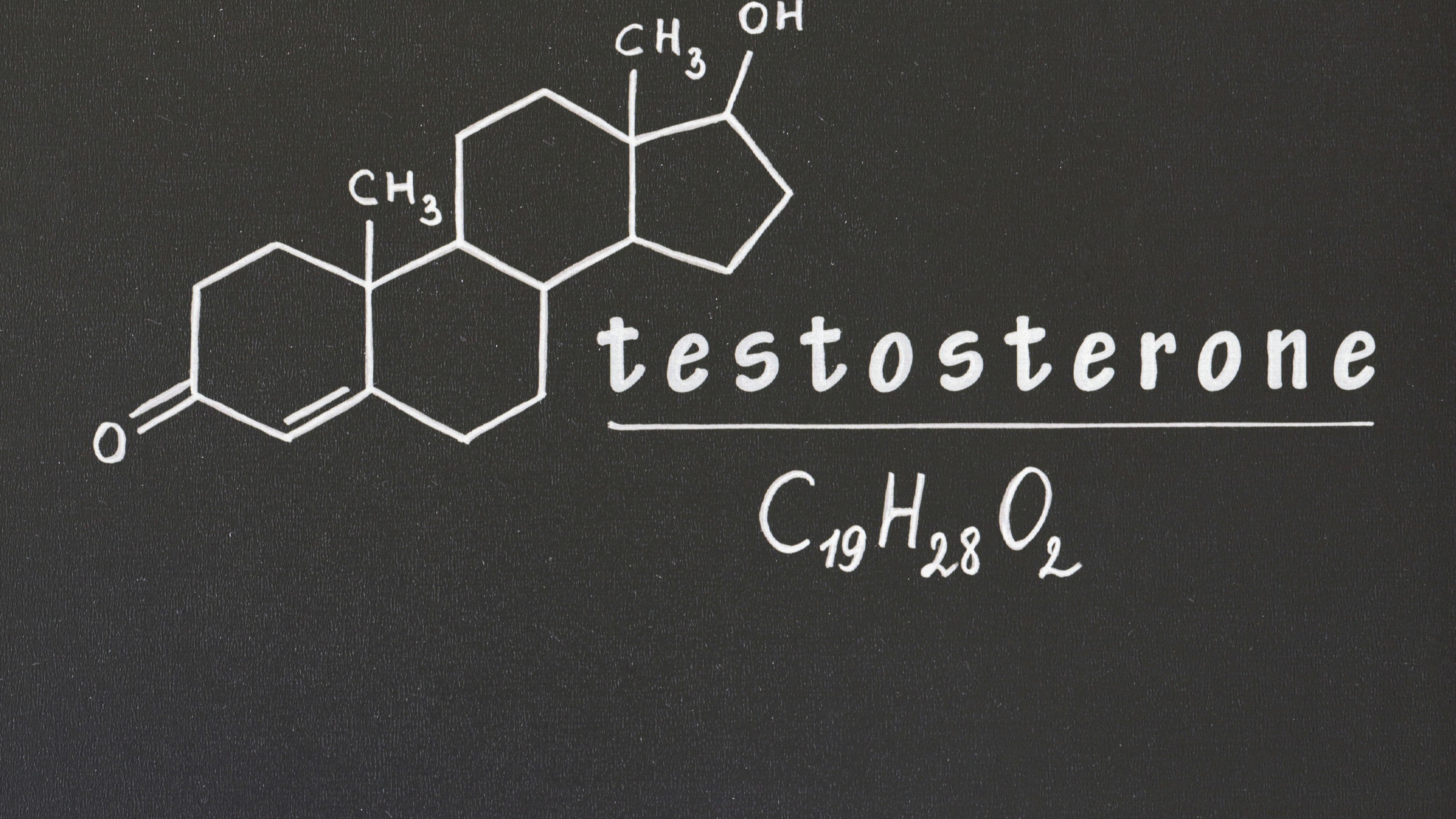

The research on this is nuanced. Fasting can raise testosterone under specific conditions and suppress it under others. The difference comes down to duration, caloric deficit depth, body composition, training status, and how the fasting protocol is structured. Here's the mechanism-level breakdown.
The HPG Axis: How Testosterone Is Actually Regulated
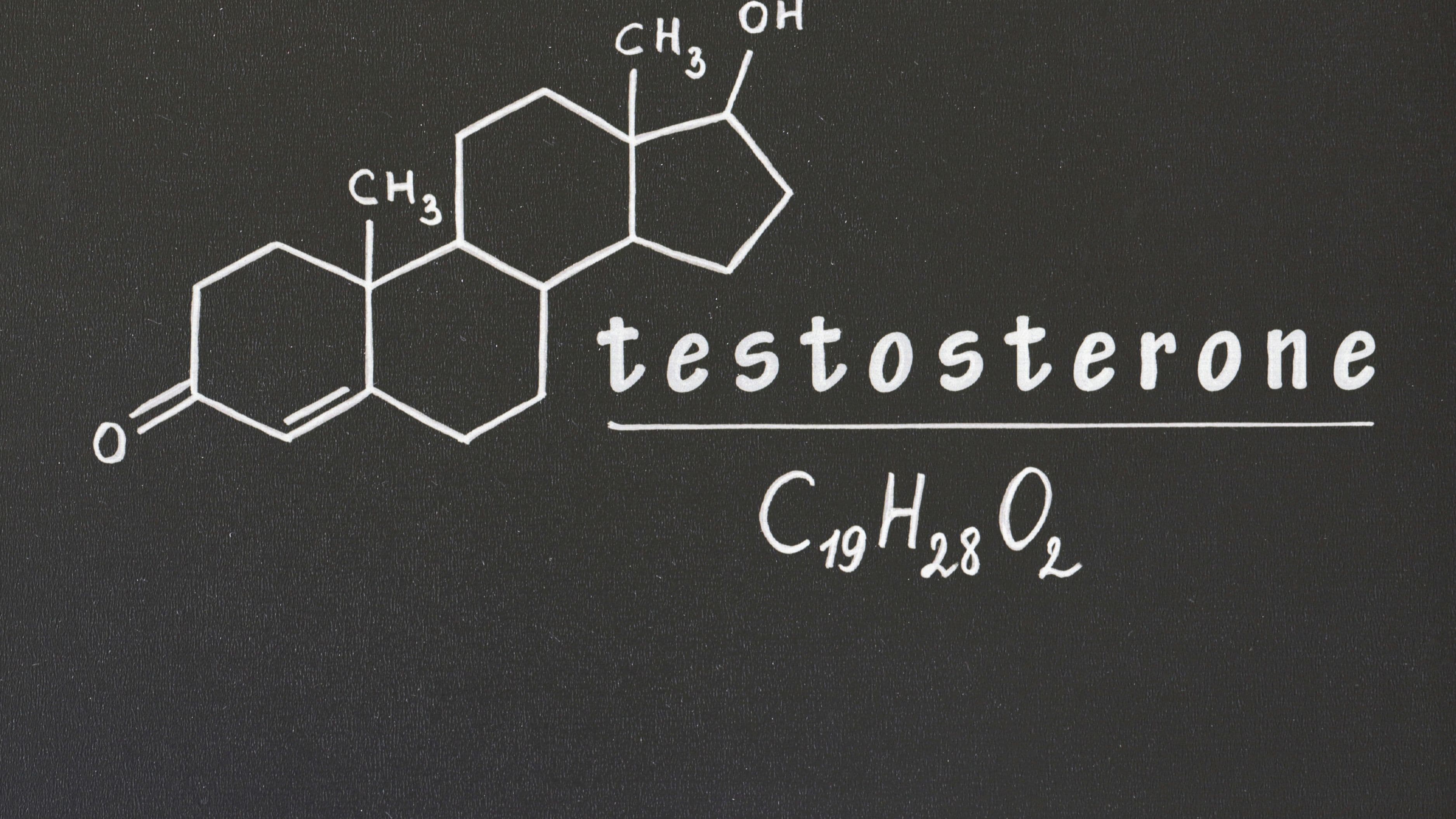
Testosterone doesn't originate in the testes – it originates in the hypothalamus. The hypothalamic-pituitary-gonadal (HPG) axis is the command chain:
The hypothalamus releases gonadotropin-releasing hormone (GnRH) in pulses, roughly every 60–120 minutes in healthy males. Those GnRH pulses trigger the pituitary to secrete two gonadotropins: luteinizing hormone (LH) and follicle-stimulating hormone (FSH). LH signals Leydig cells in the testes to produce testosterone. FSH acts primarily on Sertoli cells and regulates spermatogenesis. Testosterone then feeds back to the hypothalamus and pituitary via negative feedback, modulating further GnRH and LH/FSH release.
This system is exquisitely sensitive to metabolic state. Energy availability, macronutrient intake, leptin levels, insulin signaling, and cortisol all feed into the hypothalamus and alter GnRH pulse frequency and amplitude. Fasting doesn't just affect calories – it sends a direct metabolic signal to the HPG axis.
What Happens to LH and FSH During a Fast
The short-term picture is more favorable than most assume. A 2013 study published in Reproductive Biology and Endocrinology found that short-term caloric restriction and fasting windows did not significantly suppress LH pulse frequency in lean, trained males. Similarly, research in men undergoing Ramadan-style fasting (16–18 hour daily fasts) has shown LH levels remain largely intact over 30-day periods when total caloric intake is maintained.
The critical variable is energy balance over the full day, not the fasting window itself. If you're hitting your caloric floor across your eating window, LH pulsatility is generally preserved. The hypothalamus responds to cumulative energy status – particularly through leptin signaling – rather than the acute absence of food during any given window.
FSH is less acutely sensitive to short-term fasting than LH. FSH has a longer half-life (roughly 3–4 hours versus 20–30 minutes for LH) and is regulated more by longer-term gonadal feedback than by acute metabolic fluctuations. Short fasting protocols have minimal direct impact on FSH in men who are not in chronic energy deficit.
Where problems emerge is extended, aggressive caloric restriction paired with a fasting protocol. When total daily caloric intake drops significantly below maintenance for sustained periods – particularly below roughly 20–25 kcal/kg of lean mass – LH pulse frequency begins to decline. This is a hypothalamic response to perceived energy scarcity, the same mechanism underlying functional hypothalamic amenorrhea in women. In men, the result is reduced LH pulsatility, which translates directly to reduced Leydig cell stimulation and lower testosterone output.
The Testosterone Data: What Fasting Actually Does
The research on fasting and testosterone in men breaks into two relatively distinct bodies of evidence.
Short-term fasting (12–24 hours): modest increase or neutral. Several studies have documented a modest elevation in testosterone following overnight or short-term fasting. A frequently cited mechanism is the reduction in sex hormone-binding globulin (SHBG) – though this is inconsistent across studies – and an increase in growth hormone pulse amplitude during fasting periods, which can synergistically support androgenic signaling. A 2019 study in Obesity found that time-restricted eating (16:8 protocol) in overweight men over 8 weeks produced small but measurable improvements in testosterone alongside reductions in body fat, suggesting the body composition improvement may be the primary driver rather than fasting per se.
Prolonged fasting or severe caloric restriction: suppression. Studies examining prolonged fasting (36–72 hours) or sustained severe caloric deficit have consistently shown testosterone suppression. A 1981 study by Klibanski et al. in Journal of Clinical Endocrinology & Metabolism demonstrated significant reductions in LH pulse frequency during extended fasting, with downstream testosterone suppression. More recent work supports this finding. The mechanism is primarily hypothalamic – reduced GnRH pulsatility – rather than a primary testicular failure.
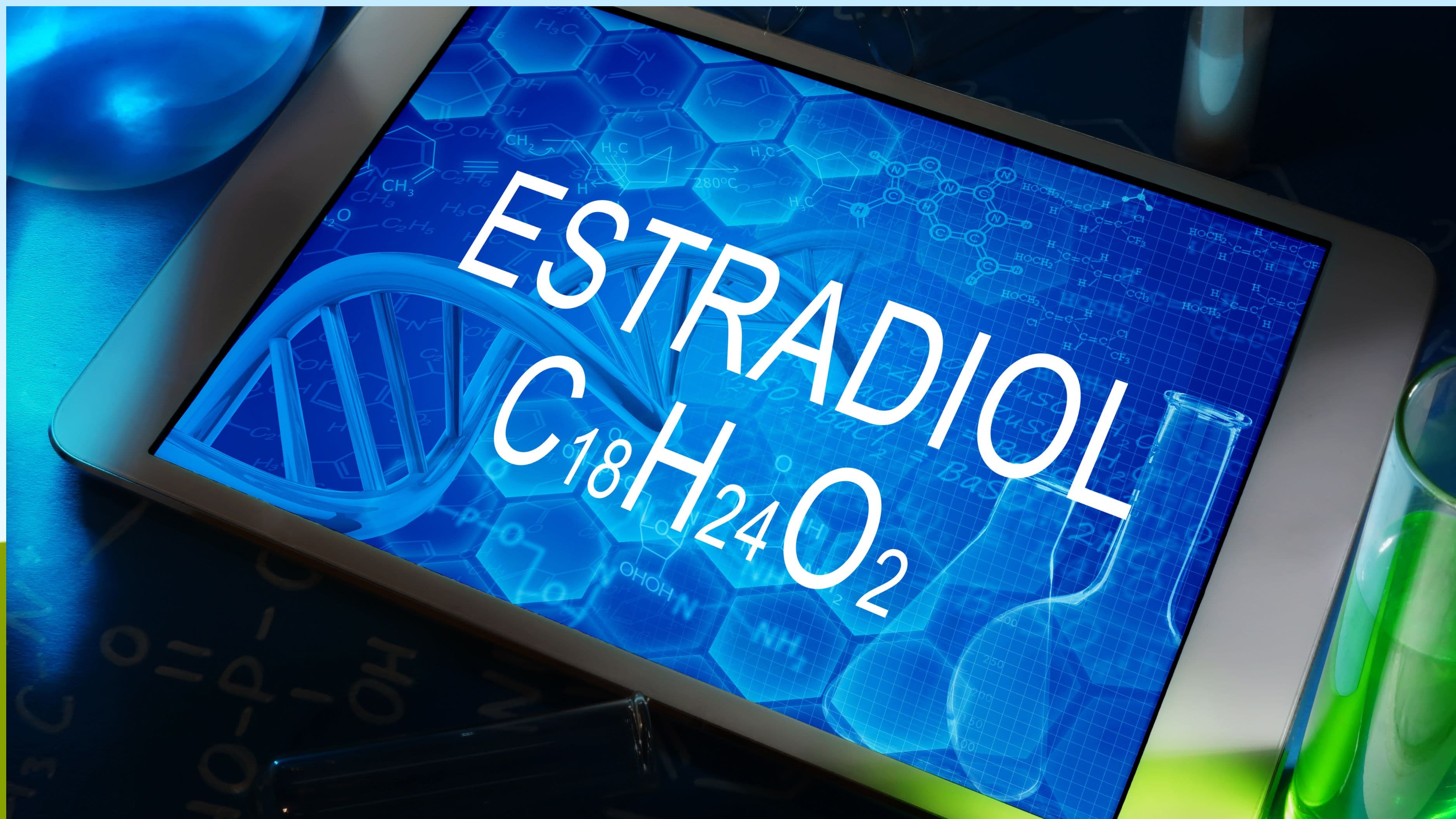
Body composition is a confounding variable that most studies underweight. Excess adipose tissue, particularly visceral fat, elevates aromatase activity. Aromatase converts testosterone to estradiol, and elevated estradiol feeds back negatively on the HPG axis, suppressing LH and FSH. Obese men typically have lower LH pulsatility and lower free testosterone. In this population, intermittent fasting that reduces body fat can genuinely improve testosterone by reducing aromatization and improving insulin sensitivity – both of which support HPG axis function. This is why studies in overweight populations often show testosterone improvement with IF while studies in lean, trained men show more neutral results.
Insulin, Leptin, and the Metabolic Inputs the HPG Axis Actually Reads
To understand why fasting's impact on testosterone is so context-dependent, you need to understand the key metabolic signals that the hypothalamus is monitoring.
Leptin. Leptin, secreted by adipose tissue in proportion to fat stores, is a permissive signal for GnRH release. Adequate leptin tells the hypothalamus that energy reserves are sufficient to support reproduction. When leptin drops significantly – as it does during prolonged caloric restriction or very low body fat – GnRH pulsatility decreases. This is one of the primary mechanisms by which aggressive cutting phases suppress testosterone. Short-term fasting produces a transient leptin dip that is rapidly corrected when feeding resumes; chronic caloric deficit produces sustained low leptin that alters HPG axis function.
Insulin. Insulin has direct effects on both Leydig cell function and SHBG production. Chronically elevated insulin – as seen in metabolic syndrome and obesity – is associated with elevated SHBG suppression via hepatic mechanisms, reduced LH signaling efficiency, and impaired Leydig cell steroidogenesis. Improving insulin sensitivity through fasting and carbohydrate management can support testosterone by improving the efficiency of LH-driven testosterone production.
Cortisol. Extended fasting elevates cortisol, particularly beyond 24 hours. Cortisol and testosterone share a reciprocal relationship – cortisol directly inhibits GnRH release and can impair Leydig cell function at the testicular level. This cortisol elevation is the primary mechanism by which prolonged fasting suppresses androgens, and it's why 24–72 hour fasts, while useful for autophagy and metabolic reset, are not conducive to testosterone optimization.
Protocol Application: Using IF Without Compromising the HPG Axis
The practical framework, based on available evidence:
16:8 and 18:6 are the sweet spots. Fasting windows in the 14–18 hour range, with adequate caloric intake in the feeding window, appear to have neutral to mildly positive effects on testosterone in most men. The key is hitting your caloric floor. If you're running 16:8 but chronically undereating due to compressed eating window, you're introducing the suppressive variables (low leptin, elevated cortisol) while crediting the mechanism to fasting rather than deficit.
Caloric floor matters more than the fast itself. For most men, this is roughly 30–35 kcal/kg of bodyweight at maintenance. Performance athletes and men under heavy training load should be conservative about how aggressively they run a deficit while fasting. Dropping below 20 kcal/kg of lean mass for sustained periods while training hard is a reliable way to suppress LH pulsatility.
Protein timing within the feeding window. Protein distribution across meals within the eating window affects muscle protein synthesis but also matters for satiety and caloric adequacy. Distributing protein across 2–3 meals in the feeding window is preferable to a single high-protein meal for supporting both testosterone and lean mass.
Extended fasts should be periodic, not frequent. If you're incorporating 24–72 hour fasts for metabolic or longevity reasons, space them strategically. Running extended fasts more than once every 4–6 weeks, particularly if training volume is high, will begin to accumulate cortisol burden and leptin suppression that can meaningfully affect HPG axis function.
Refeeds matter. For men running sustained caloric deficits with IF, periodic high-calorie refeeds (targeting 110–120% of TDEE, biased toward carbohydrates) serve to restore leptin acutely and temporarily normalize GnRH pulsatility. Weekly or bi-weekly refeeds are a practical tool for maintaining hormonal function during extended cuts.
What IF Won't Fix
Intermittent fasting is not a TRT substitute. If you are hypogonadal – low LH, low FSH, low testosterone with clinical symptoms – fasting protocol adjustments are not going to restore your HPG axis to optimal function. Structural hypogonadism (testicular failure) is a primary issue that fasting cannot address at all. Secondary hypogonadism from chronic energy deficit will improve when caloric adequacy is restored, but that's a removal of a stressor, not a treatment.
Similarly, the testosterone improvements seen in obese men using IF protocols are largely mediated by fat loss and improved insulin sensitivity, not by fasting itself. If you're lean and insulin-sensitive, the testosterone leverage available from IF is modest at best.
Common Mistakes That Suppress Testosterone on IF
Running a significant caloric deficit without tracking. Compressed eating windows can make it easy to chronically undereat without realizing it. If you're fasting 18 hours and eating two meals in a 6-hour window, hitting 3,000+ kcal requires deliberate effort. Most men underestimate this gap.
Combining aggressive IF with high training volume. HIIT, heavy compound lifting, and high weekly training loads elevate cortisol. Stack that with fasting-induced cortisol and a caloric deficit and you have three simultaneous testosterone-suppressive inputs. This combination is one of the most common drivers of training-related androgen suppression in otherwise healthy men.
Ignoring sleep quality. Sleep is when the majority of daily LH pulses and testosterone production occur. Poor sleep directly impairs GnRH pulsatility regardless of fasting protocol. Fasting late in the day can interfere with circadian melatonin release and sleep quality if the eating window extends too close to bed – another variable worth managing.
FAQ
Will intermittent fasting raise my testosterone? Potentially, if you're carrying excess body fat and running a 16:8 or similar moderate protocol with adequate calories. The mechanism is primarily improved insulin sensitivity and reduced aromatization, not fasting itself. In lean, trained men, testosterone effects are more neutral – not suppressive, but not a significant driver of optimization either.
Can IF suppress testosterone? Yes, under specific conditions: prolonged fasting beyond 24–48 hours, sustained significant caloric deficit, high training volume combined with inadequate energy intake. The mechanism is hypothalamic – reduced GnRH pulsatility due to low leptin and elevated cortisol – not primary testicular failure.
Does LH drop during a fasting window? Transiently and modestly in short fasting windows. Research suggests LH pulsatility is largely preserved in 16–18 hour fasts when overall caloric intake is maintained. Sustained suppression requires either prolonged fasting (24+ hours) or chronic energy deficit.
How does IF affect FSH specifically? FSH is less acutely sensitive to short-term fasting than LH due to its longer half-life and regulation by longer-term gonadal feedback. Short IF protocols have minimal direct impact on FSH in men without chronic energy deficit.
Should I train fasted? For short sessions under 60 minutes, fasted training doesn't significantly suppress testosterone or impair performance in most men. For longer, higher-volume sessions, training fasted can amplify cortisol response and increase the catabolic burden. Pre-training protein or a partial break of the fast for higher-volume training days is a reasonable practical adjustment.
What bloodwork should I track if I'm running IF for hormonal optimization? At minimum: total testosterone, free testosterone, LH, FSH, SHBG, estradiol, and cortisol (morning). Running a baseline panel before starting and retesting after 8–12 weeks gives you objective data on how your specific protocol is affecting your hormonal profile.
📚 Sources
Reproductive Biology and Endocrinology – Effects of Short-Term Fasting on LH Secretion in Men: https://rbej.biomedcentral.com/articles/10.1186/1477-7827-11-93
Obesity – Time-Restricted Eating and Testosterone in Overweight Men: https://onlinelibrary.wiley.com/doi/10.1002/oby.22518
Journal of Clinical Endocrinology & Metabolism – Fasting and LH Pulse Frequency in Men: https://academic.oup.com/jcem/article-abstract/53/6/1223/2675476
Frontiers in Endocrinology – Leptin and the Neuroendocrine Control of Reproduction: https://www.frontiersin.org/articles/10.3389/fendo.2019.00657/full
Andrology – Insulin Resistance and Male Reproductive Function: https://onlinelibrary.wiley.com/doi/10.1111/andr.12234
Journal of Clinical Endocrinology & Metabolism – Cortisol and Testosterone: Reciprocal Relationship in Men: https://academic.oup.com/jcem/article/86/3/1337/2847080