
This isn't an argument that testosterone is irrelevant. It's an argument that insulin sensitivity is the underappreciated variable determining how well your body converts training and nutrition into actual muscle, regardless of where your testosterone sits.
The Mechanism: Why Insulin Matters for Muscle Protein Synthesis
Insulin isn't just a blood sugar hormone. It's directly involved in nutrient partitioning, the process that determines whether the calories and protein you consume get shuttled toward muscle tissue or stored as fat. When insulin sensitivity is high, your muscle cells respond efficiently to insulin's signal to take up glucose and amino acids, supporting muscle protein synthesis after training and meals.
When insulin resistance develops, that signal weakens. Cells become less responsive, and your body compensates by producing more insulin to achieve the same effect. Elevated fasting insulin is often the earliest detectable marker of this resistance, showing up well before blood glucose itself becomes abnormal. This means two men with identical testosterone levels can have meaningfully different capacities to build muscle, depending on where their insulin sensitivity sits.
Why Testosterone Alone Misses the Full Picture
Testosterone supports muscle building through several pathways: increased protein synthesis, satellite cell activation, and behavioral effects like motivation and recovery capacity. These matter. But testosterone operating in an insulin-resistant environment is working against friction. Nutrients aren't being partitioned efficiently toward muscle even if the anabolic signal from testosterone is strong.
This explains a pattern seen clinically and anecdotally: some men with high-normal or even elevated testosterone still struggle with poor body composition and difficulty adding lean mass, while others with more moderate testosterone but excellent insulin sensitivity build muscle more efficiently relative to their training input. Testosterone sets part of the ceiling; insulin sensitivity determines how much of that ceiling you actually reach.
What a Fasting Insulin Test Actually Tells You
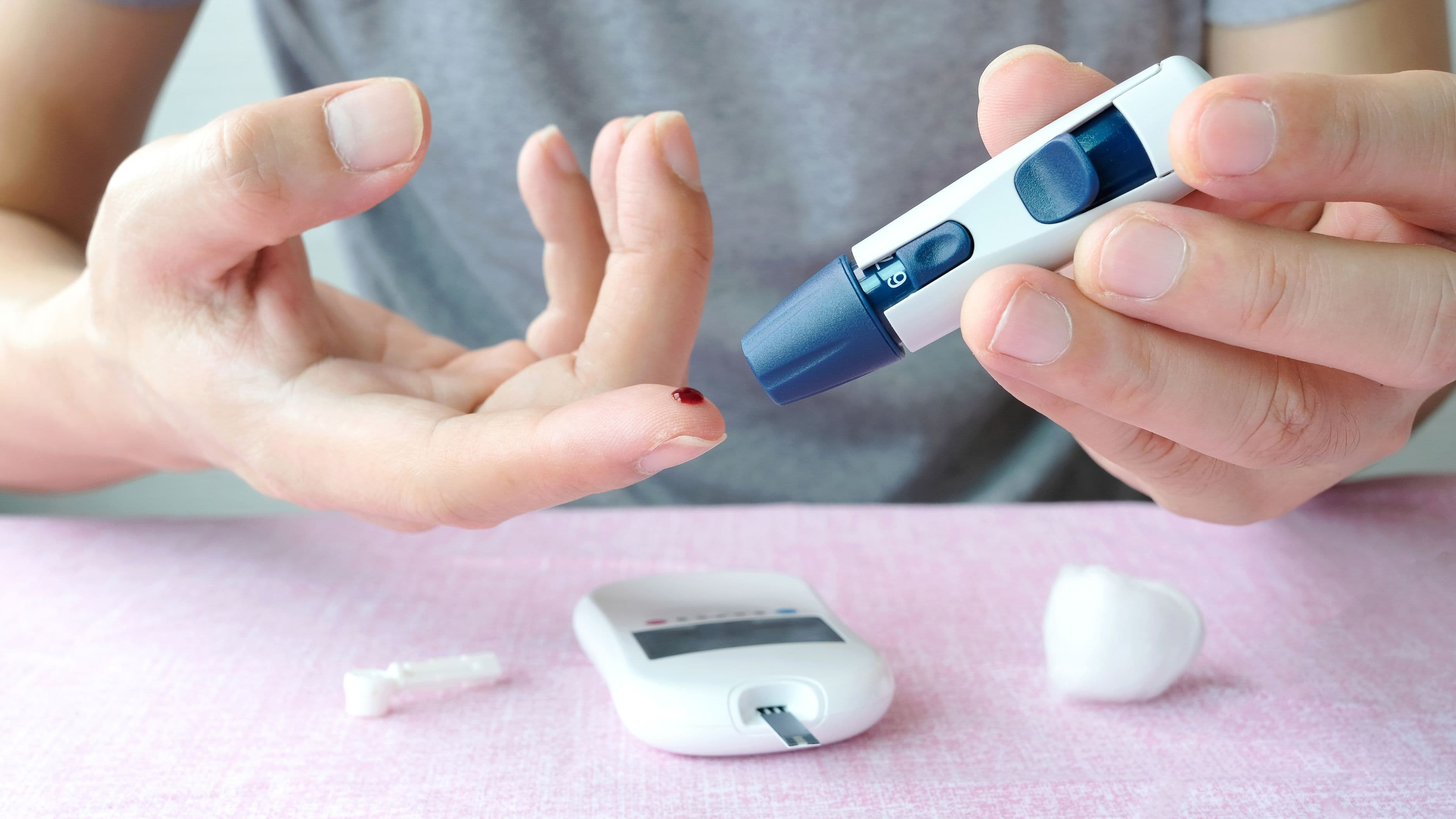
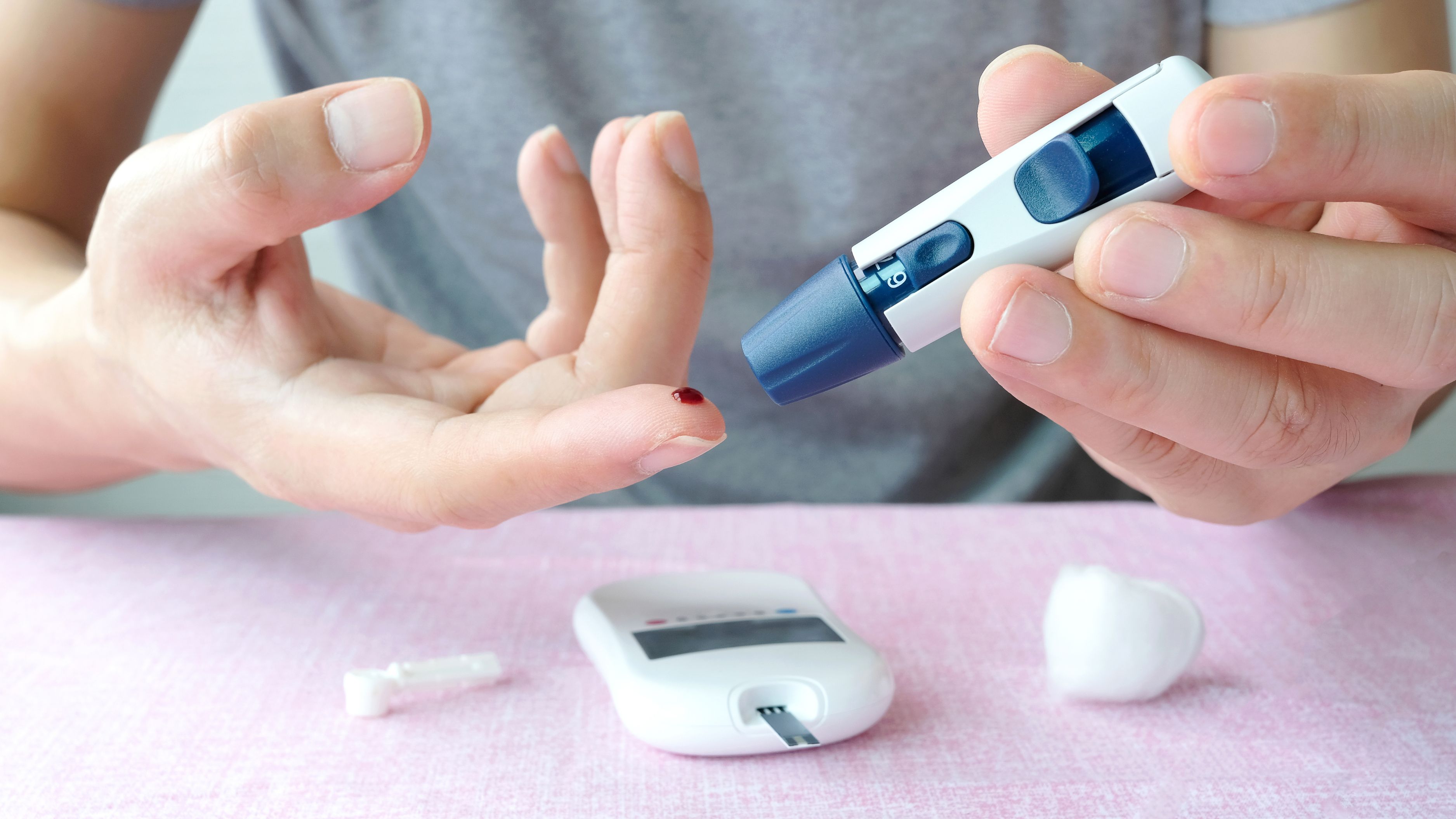
A fasting insulin test, typically drawn alongside fasting glucose, gives you a snapshot of how much insulin your body needs to maintain normal blood sugar after an overnight fast. Optimal fasting insulin generally falls in the range of 2–6 μIU/mL, though reference ranges vary by lab. Values consistently above this range, even with normal fasting glucose, indicate your body is compensating for reduced insulin sensitivity, a state that can persist for years before progressing to prediabetes.
Pairing fasting insulin with fasting glucose allows calculation of HOMA-IR (Homeostatic Model Assessment of Insulin Resistance), a more precise measure of insulin sensitivity than either marker alone. This is a test worth requesting specifically, since standard panels often check glucose without insulin, missing this earlier warning sign entirely.
The Practical Protocol: Improving Insulin Sensitivity for Muscle Gain
Resistance training itself is one of the most effective interventions for insulin sensitivity, since muscle tissue is a primary site of glucose disposal. Training frequency and volume matter more here than intensity alone; consistent, structured resistance training three to five times weekly improves insulin sensitivity measurably within weeks.
Carbohydrate timing around training sessions supports both performance and insulin sensitivity. Concentrating a meaningful portion of daily carbohydrate intake around training windows, rather than spreading it evenly with large amounts at rest, reduces the metabolic burden on insulin signaling during less active periods of the day.
Sleep quality and duration directly affect insulin sensitivity, with even short-term sleep restriction (five to six hours for several consecutive nights) shown to measurably reduce insulin sensitivity in otherwise healthy men. This is a frequently overlooked lever, since men optimizing training and nutrition often neglect the sleep component entirely.
Reducing visceral fat, the fat stored around abdominal organs, has a disproportionate effect on insulin sensitivity compared to fat loss in other regions. Waist circumference is a reasonable proxy here if you don't have access to more precise body composition measurement.
Expected Timeline and Realistic Results
Meaningful improvements in fasting insulin from consistent training, sleep, and dietary changes typically show up on retesting within eight to twelve weeks, not days. This isn't a marker that shifts quickly, and chasing daily fluctuations isn't productive. Retest fasting insulin and glucose together every three months if you're actively working to improve insulin sensitivity, rather than more frequently.
Risks and Limitations
Fasting insulin testing has some variability between labs and isn't perfectly standardized the way glucose testing is, so trend over time within the same lab matters more than a single data point compared against general population ranges.
This marker also shouldn't be pursued in isolation from a broader panel. Elevated fasting insulin alongside other abnormal markers, elevated triglycerides, low HDL, elevated blood pressure, points toward broader metabolic syndrome risk that deserves medical attention beyond a muscle-building context.
What to Avoid
Don't chase insulin sensitivity through extreme low-carbohydrate approaches without considering training performance. Severely restricting carbohydrates can improve certain insulin markers short-term but often compromises training intensity and volume, which are themselves major levers for both muscle growth and insulin sensitivity.
Don't rely on testosterone optimization alone while ignoring metabolic health. A comprehensive approach that includes insulin sensitivity markers gives a more complete and often more actionable picture of your actual muscle-building capacity than testosterone in isolation.
FAQ
Can I improve fasting insulin without a doctor's involvement? Basic lifestyle interventions, training, sleep, nutrition timing, are safe to pursue independently, but interpreting your specific lab results and ruling out other conditions is best done with a physician, particularly if values are significantly elevated.
Is fasting insulin testing standard on most blood panels? No, it's frequently omitted from standard panels that check glucose alone. You typically need to request it specifically or use a panel designed around metabolic health.
How does this relate to HOMA-IR? HOMA-IR combines fasting glucose and fasting insulin into a single calculated score, offering a more precise measure of insulin resistance than either value viewed independently.
📚 Sources
Insulin resistance and skeletal muscle protein metabolism – https://www.ncbi.nlm.nih.gov/pmc/articles/PMC3402009/
HOMA-IR and metabolic assessment – https://www.diabetesjournals.org/content/27/6/1487
Resistance training and insulin sensitivity – https://journals.lww.com/acsm-msse/