


Why Fascia Matters More Than Most Men Realize
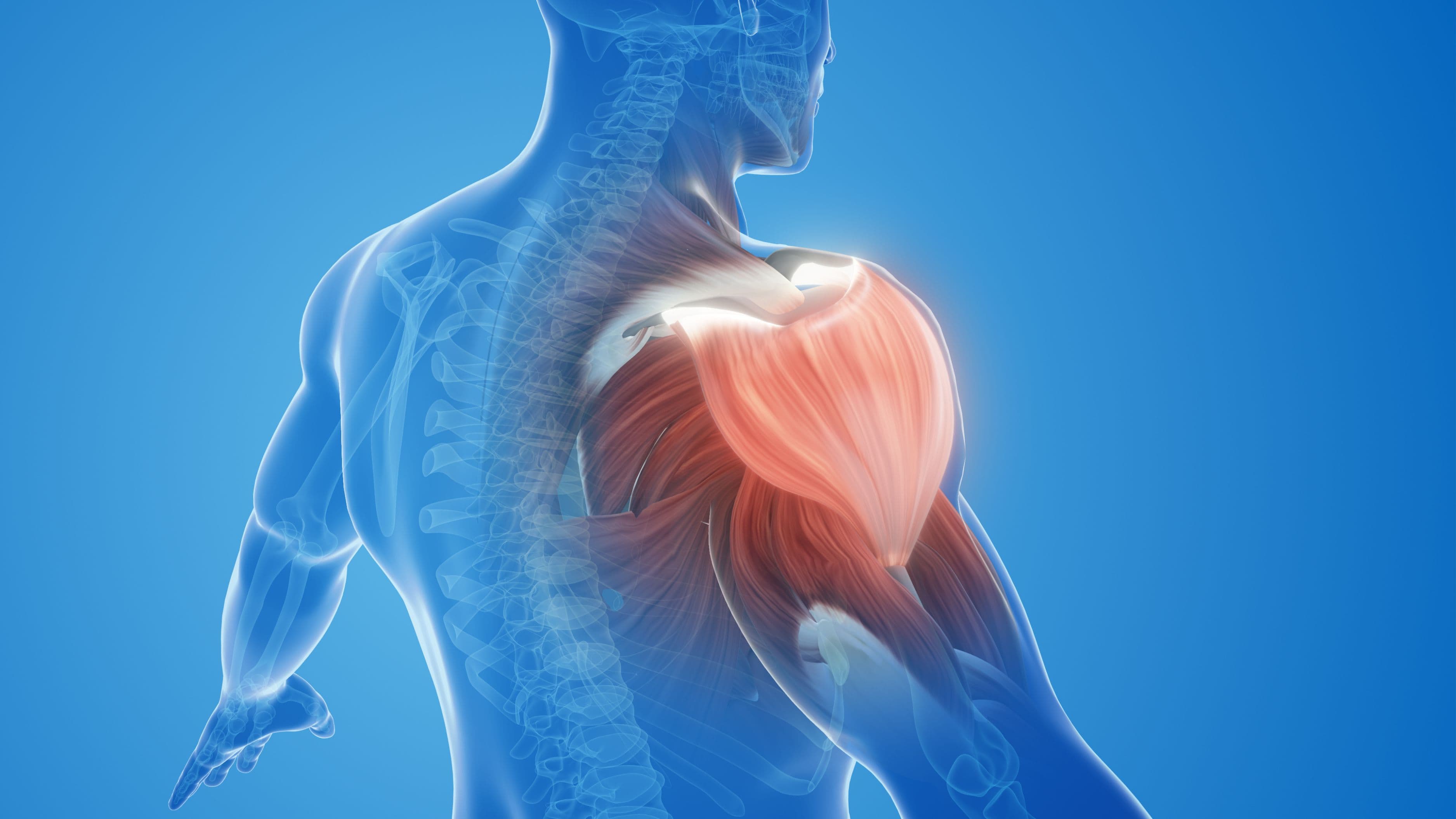
Fascia isn't passive packaging material – it's a continuous, body-wide network that transmits force between muscle groups and plays a direct role in how efficiently you move. When fascia becomes dehydrated and adhered, a common consequence of aging combined with insufficient movement variety, it restricts range of motion independent of actual muscle flexibility. This explains why some men who stretch their muscles regularly still feel persistently tight and mechanically restricted.
Fascial restriction also compounds over time through a phenomenon researchers call tensegrity disruption, where tightness in one area of the fascial network creates compensatory tension elsewhere, sometimes in seemingly unrelated parts of the body. A restricted hip fascia line, for example, can manifest as chronic lower back tightness that standard back stretches never resolve, because the actual restriction lives elsewhere in the connected network.
How This Differs From Standard Stretching
Traditional static stretching targets individual muscles in isolation, holding a position to lengthen a specific muscle group. Fascial stretching instead uses sustained, multi-planar holds combined with slow, deliberate movement through connected fascial lines, targeting the connective tissue network rather than isolated muscles.
This distinction matters practically because fascia responds differently than muscle tissue to stretch stimulus. Fascia requires longer hold times, typically 90 seconds to several minutes per position, along with hydration and myofascial release work, to actually remodel and regain pliability. Quick 15-second muscle stretches simply don't provide enough time under tension to affect fascial tissue meaningfully.
The Protocol
Step 1 – Hydrate the tissue before stretching. Fascia responds to stretch far better when adequately hydrated, so drink water consistently throughout the day rather than attempting this protocol dehydrated. Some practitioners also use a foam roller or percussion tool for two to three minutes beforehand to increase local blood flow and tissue pliability.
Step 2 – Posterior chain fascial line (8–10 minutes). Starting from a standing forward fold with slightly bent knees, hold the position for 90 seconds while breathing deeply, then slowly walk your hands out into a downward-dog-style position and hold for another 90 seconds. This targets the fascial continuity running from your calves through your hamstrings and lower back, a chain that tends to accumulate significant restriction from prolonged sitting.
Step 3 – Anterior chain fascial line (8–10 minutes). From a kneeling lunge position, shift your weight forward while reaching one arm overhead on the same side as your back leg, creating a long diagonal stretch through the hip flexor, abdominal wall, and chest. Hold for 90 seconds per side, focusing on slow, controlled breathing rather than forcing depth.
Step 4 – Spiral fascial line (6–8 minutes). Lying on your back, cross one knee across your body toward the floor while keeping both shoulders flat, and hold for 90 seconds per side. This targets the rotational fascial connections running diagonally across your torso, which standard stretching routines almost universally neglect.
Step 5 – Myofascial release for problem areas (5–10 minutes). Using a foam roller or lacrosse ball, spend extra time on any areas that felt particularly restricted during the stretching sequence, applying sustained pressure rather than rapid rolling. This mechanical pressure helps release localized adhesions that stretching alone may not fully address.
Tools Worth Investing In
A medium-density foam roller handles general myofascial release work across larger muscle groups, while a lacrosse ball or dedicated massage ball reaches smaller, more specific restriction points that a foam roller can't isolate effectively. A yoga mat with adequate cushioning supports the floor-based positions without adding joint discomfort that could discourage consistency. None of this equipment requires significant investment – a basic setup costs under $50 total.
Expected Results and Timeline
Most men notice a subjective improvement in morning stiffness and overall mobility within two to three weeks of consistent practice, performed four to five times weekly. Measurable range-of-motion improvements in specific movement patterns typically take four to six weeks to become clearly apparent, since fascial remodeling occurs on a slower timeline than simple muscle relaxation.
Results are highly dependent on consistency rather than intensity. A moderate protocol performed five days weekly outperforms an aggressive protocol performed sporadically, since fascial tissue responds to cumulative, repeated stimulus rather than occasional maximal effort.
Risks and Mistakes to Avoid
Forcing depth or bouncing into these positions works against the protocol's intent and increases injury risk unnecessarily, since fascial tissue responds to sustained, patient tension rather than aggressive force. Skipping the hydration component undermines results significantly, since dehydrated fascia simply doesn't respond to stretch stimulus the same way properly hydrated tissue does.
Men with any diagnosed connective tissue disorder, recent joint surgery, or acute injury should consult a physician or physical therapist before starting this protocol, since sustained fascial stretching isn't appropriate for every individual situation. This is a maintenance and mobility protocol, not a treatment for existing injury or diagnosed pathology.
FAQ
How is this different from foam rolling alone? Foam rolling addresses localized tissue adhesion through direct pressure, while this protocol combines that work with sustained, multi-planar stretching that targets entire fascial chains rather than isolated points.
Can I do this protocol daily? Four to five sessions weekly tends to produce better long-term results than daily practice, since fascial tissue benefits from some recovery time between sessions, similar to other forms of tissue remodeling.
Do I need to do all four stretching steps every session? Ideally yes, since the fascial lines are interconnected, but if time is genuinely limited, rotating through two lines per session while still hitting all four across a week maintains most of the benefit.
Fascial restriction is a genuinely underappreciated driver of the stiffness and mobility loss men over 35 often chalk up to inevitable aging. This protocol requires patience and consistency rather than intensity, but the mechanical improvements in movement quality and injury resilience are well worth the twenty to thirty minutes it takes several times a week.
📚 Sources
National Institutes of Health – Fascia: The Forgotten Structure
American Council on Exercise – Understanding Myofascial Release