This guide covers how sciatica works, practical management strategies, prevention through everyday habits, and the warning signs that require urgent care.
What Sciatica Actually Is
Sciatica isn't a diagnosis on its own. It describes pain that follows the path of the sciatic nerve, which runs from the lower spine through the buttock and down the back of each leg. The pain usually occurs when a nerve root in the lower spine becomes compressed or irritated.
Common Causes
The most frequent cause is a herniated or bulging disc in the lumbar spine. The soft inner material of a disc can push outward and press on or inflame a nearby nerve root. Other causes include lumbar spinal stenosis, a narrowing of the spinal canal that's more common with age, and degenerative changes in the spine. Less commonly, tight muscles in the buttock region may contribute to nerve irritation.
Typical Symptoms
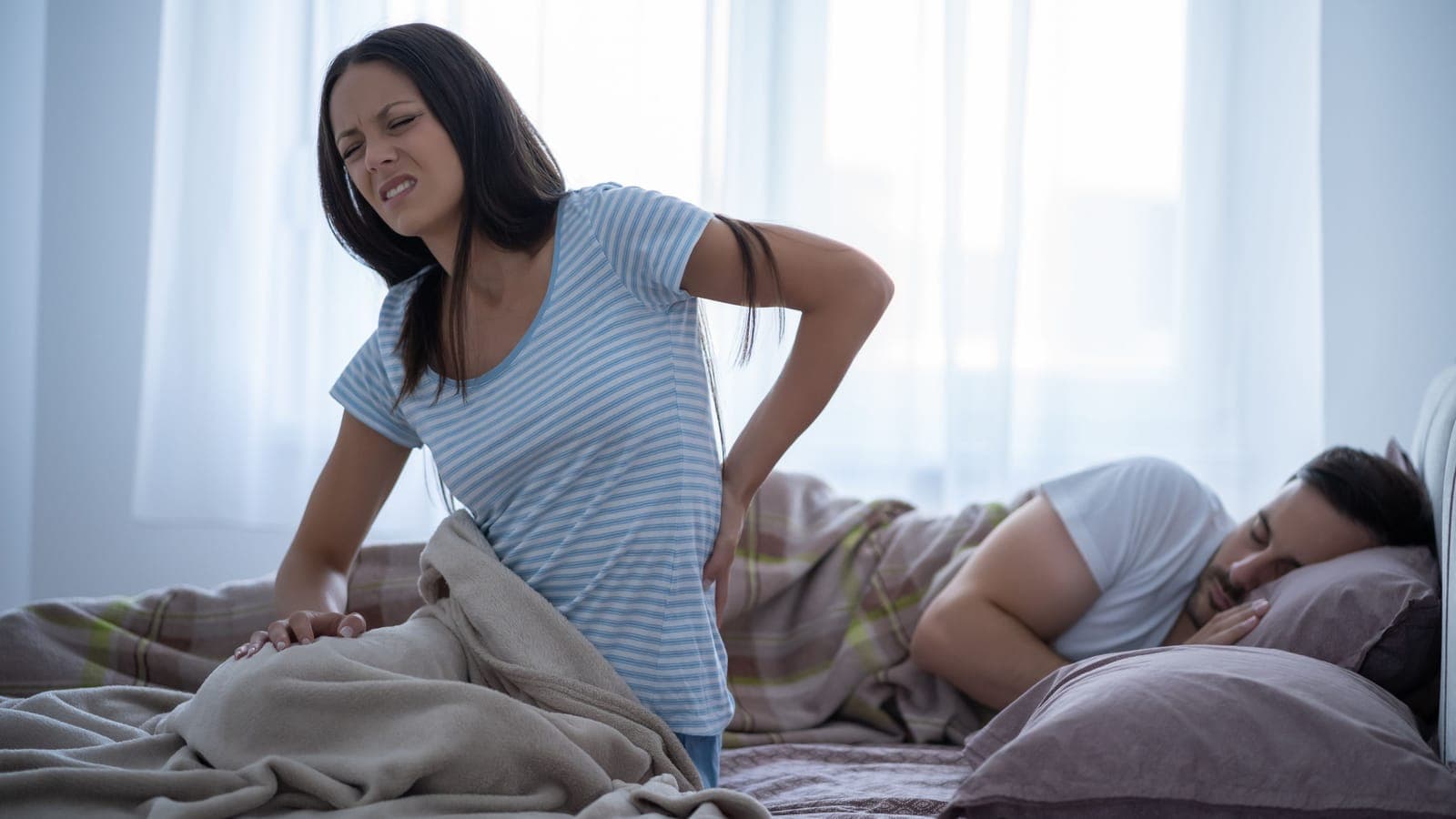
Sciatica usually affects one side of the body. Symptoms can include sharp or burning pain, numbness, tingling, or weakness along the leg. Pain often worsens with prolonged sitting, coughing, or sneezing.
What to Expect: The Natural Course
Many cases of sciatica improve within a few weeks with conservative care. Some take longer, and a smaller number persist or recur. Knowing this helps you stay patient and avoid jumping to aggressive treatments too early – but it doesn't mean ignoring symptoms that are severe or worsening.
Practical Ways to Manage Sciatica
Stay Active Within Tolerance
Prolonged bed rest is generally not recommended for sciatica. Gentle movement, such as walking, helps maintain mobility and can support recovery. Reduce activities that clearly aggravate symptoms, but avoid complete inactivity.
Modify Training, Don't Abandon It
Temporarily scale back heavy spinal loading such as deadlifts, heavy squats, and high-impact work. Focus on movements that don't provoke symptoms, and reintroduce loading gradually as symptoms ease. A physician or physical therapist can help you decide what's safe.
Use Heat or Cold
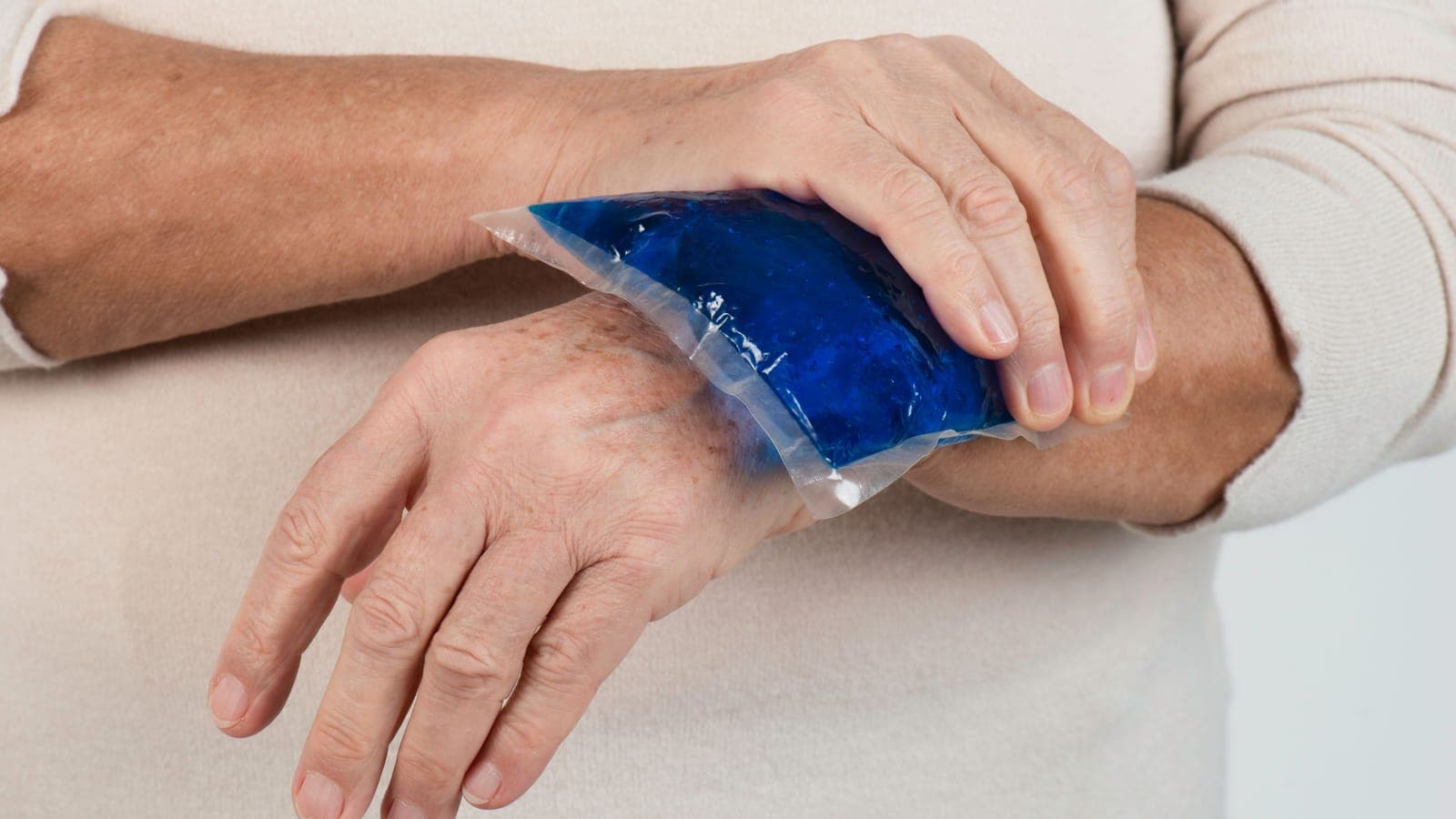
Some people find relief with cold packs early on and heat later, or by alternating the two. Use whichever feels better and protect your skin.
Consider Over-the-Counter Pain Relief
Over-the-counter pain relievers may help some people manage pain in the short term. Follow label directions, and check with your physician first if you have other health conditions or take other medications.
Work With a Physical Therapist
Physical therapy is one of the most effective conservative approaches. A therapist can assess your movement, design targeted exercises, and help you return to training safely. Programs often combine mobility work, core strengthening, and posture or movement corrections.
Further Medical Options
If symptoms don't improve with conservative care, a physician may discuss options such as prescription medications or epidural steroid injections. Surgery is usually reserved for cases with severe or progressive nerve symptoms or pain that persists despite conservative treatment.
Everyday Habits That Support Your Back
Break Up Sitting
Long periods of sitting can aggravate symptoms. Stand up and move every 30 to 60 minutes, and set up your workstation so your feet rest flat and your lower back is supported.
Strengthen Your Core and Hips
A strong trunk and hips help distribute load more evenly through your spine. Exercises like planks, bird dogs, glute bridges, and controlled hip work are common building blocks, but get professional guidance if you're currently in pain.
Lift With Good Mechanics
Hinge at the hips, keep the load close to your body, and avoid twisting under heavy load. Progress training volume and weight gradually.
Maintain a Healthy Body Weight
Excess body weight can increase load on the spine. Regular activity and sound nutrition support both back health and overall wellness.
Prioritize Sleep and Stress Management
Poor sleep and high stress can heighten pain sensitivity. Consistent sleep and deliberate recovery support both healing and general health.
Warning Signs That Need Immediate Medical Attention
Seek emergency care if you experience any of the following:
Loss of bladder or bowel control, or new difficulty urinating.
Numbness in the groin, inner thighs, or buttocks, sometimes called saddle numbness.
Severe or rapidly worsening weakness in the leg or foot.
Sciatica symptoms in both legs.
Back pain after a significant fall or injury.
Back pain with fever, unexplained weight loss, or a history of cancer.
These can indicate serious conditions, such as cauda equina syndrome, that require urgent treatment.
Mistakes to Avoid
Don't push through sharp nerve pain to complete a workout. Don't rely on extended bed rest. Don't stretch aggressively into positions that intensify leg symptoms. And don't ignore numbness, weakness, or bladder and bowel changes – those require prompt medical evaluation.
FAQ
How long does sciatica last?
Many cases improve within a few weeks with conservative care, though some last longer or recur. See a physician if symptoms are severe or don't improve.
Should I rest or stay active with sciatica?
Staying gently active within your tolerance is generally recommended over prolonged bed rest.
Can exercise help sciatica?
Targeted exercise guided by a physical therapist can help reduce symptoms and lower the risk of recurrence.
When is sciatica an emergency?
Seek emergency care for bladder or bowel changes, saddle numbness, severe or worsening leg weakness, or symptoms in both legs.
The Bottom Line
Sciatica is common and usually manageable with the right approach. Stay active within your limits, modify your training, work with a physical therapist, and build everyday habits that support your back. Know the warning signs that require urgent care, and bring your physician in early if symptoms are severe or persistent.
This article is for general informational purposes only and is not medical advice. Consult your physician for diagnosis and treatment of back pain or sciatica, and seek emergency care immediately for any of the warning signs listed above.
📚 Sources
MedlinePlus – Sciatica: https://medlineplus.gov/ency/article/000686.htm
American Academy of Orthopaedic Surgeons OrthoInfo – Herniated Disk in the Lower Back: https://orthoinfo.aaos.org/en/diseases--conditions/herniated-disk-in-the-lower-back/
National Institute of Neurological Disorders and Stroke – Low Back Pain: https://www.ninds.nih.gov/health-information/disorders/low-back-pain
National Institute of Arthritis and Musculoskeletal and Skin Diseases – Back Pain: https://www.niams.nih.gov/health-topics/back-pain