
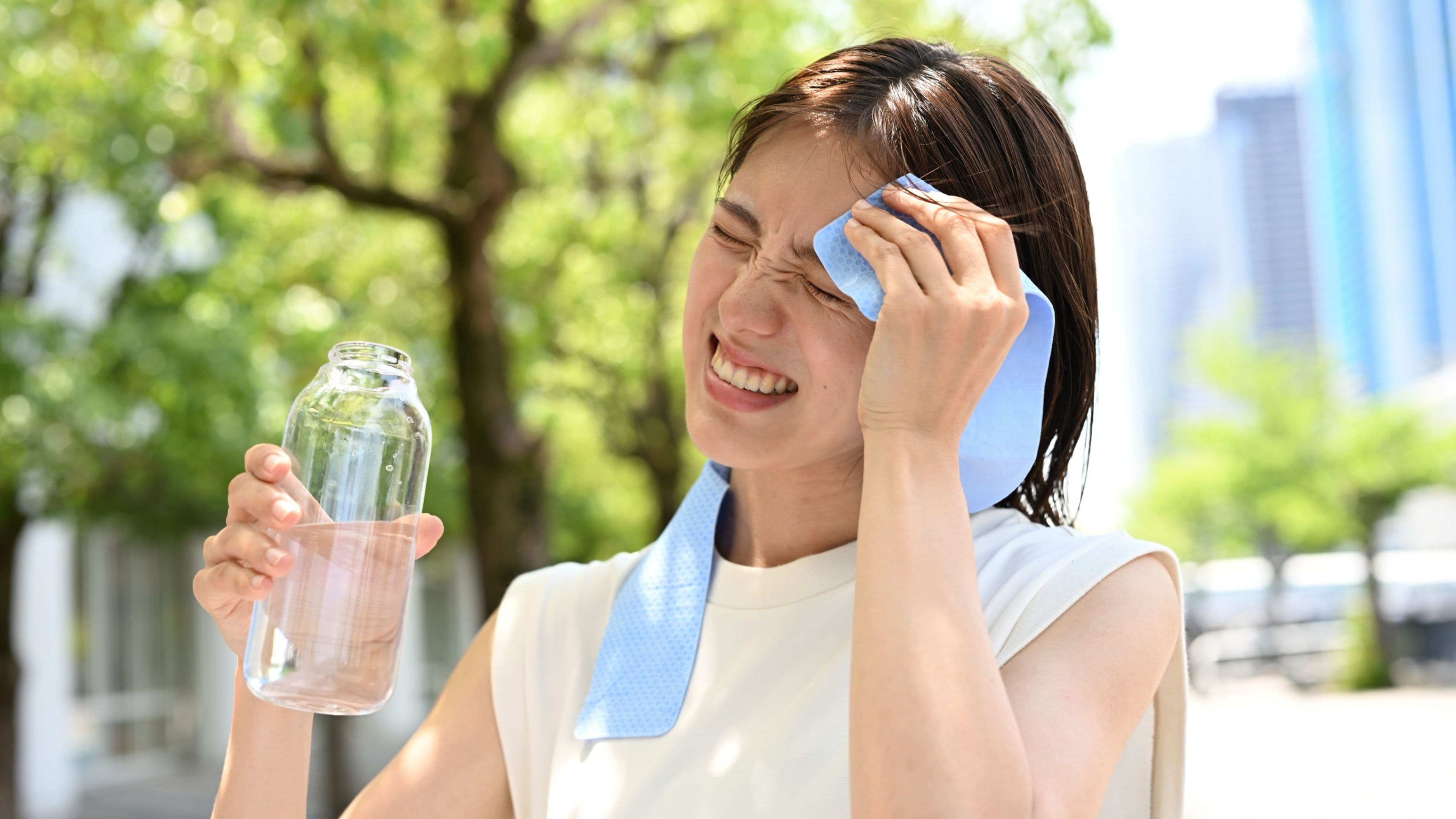
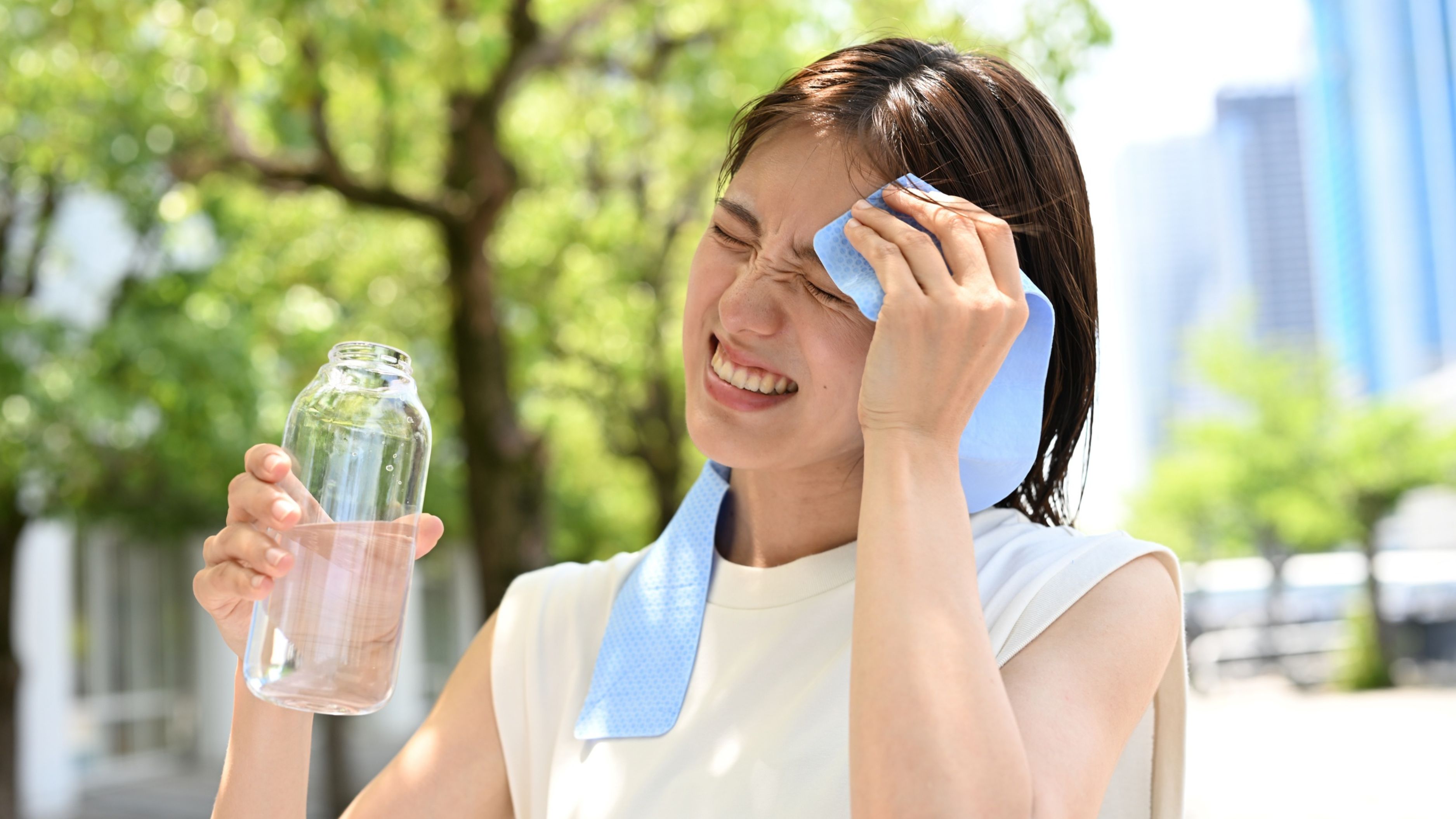
The solution isn't to train less or move indoors. It's to understand what heat does to your electrolyte dynamics and build a protocol that keeps you functional, performing, and recovered.
What Heat Actually Does to Your Electrolyte Balance
At rest in a cool environment, sweat rates run around 0.5–1 liter per hour. Training in heat – defined physiologically as ambient temperatures above 30°C (86°F), especially with high humidity limiting evaporative cooling – can push sweat rates to 1.5–2.5 liters per hour in trained men. That's not just water loss. Sweat carries significant concentrations of sodium, chloride, potassium, and smaller amounts of magnesium. The exact concentration varies significantly between individuals – "salty sweaters" lose up to 1,800mg of sodium per liter, while low-concentration sweaters may lose 400–600mg. Most trained men land in the 700–1,000mg/liter range.
The primary electrolytes at stake are sodium and chloride, which govern plasma osmolality and fluid distribution between compartments. Sodium is the gatekeeper of hydration. When sodium drops, the osmotic signal to drink diminishes, fluid moves out of the vascular space, and plasma volume contracts. That contraction is the mechanism behind heat-related performance degradation – cardiac output drops as the heart has less volume to pump, core temperature rises faster because sweat rate is regulated by blood flow to the skin, and power output falls off. Research published in the British Journal of Sports Medicine found that a 2% drop in body mass from dehydration reduces endurance performance by 10–20% in heat, with cognitive performance declining simultaneously.
Potassium, magnesium, and calcium play secondary but non-trivial roles. Potassium governs muscle cell repolarization; depletion contributes to cramping and reduced contractile force. Magnesium participates in ATP synthesis and hundreds of enzymatic reactions; chronic depletion in hard-training men is common even without heat stress and worsens under it. Calcium is critical for muscle contraction and nerve signaling; its role in heat-related cramping is increasingly supported by research, though sodium remains the primary factor.
The Protocol: Pre-Load, Intra-Training, and Recovery
Electrolyte management in heat is not a single intervention. It requires three distinct phases with different targets and mechanisms.
Phase 1: Pre-Load (60–90 Minutes Before Training)
The goal of pre-loading is to arrive at training with plasma volume expanded and sodium stores saturated. This doesn't mean drinking until you're bloated – it means targeted sodium and fluid intake that primes the system before the stress begins.
The evidence-based pre-load protocol for heat training: consume 500–750ml of fluid containing 500–700mg of sodium in the 60–90 minutes before a session. This can be achieved with a purpose-built electrolyte product, a measured amount of sodium added to water, or a saline-based sports drink with genuine electrolyte concentrations (not flavored sugar water). The sodium load signals the kidneys to retain fluid, expands plasma volume, and delays the onset of significant dehydration once training begins.
Avoid plain water pre-loading. A 500ml pre-load of plain water will be largely excreted within 60 minutes because there's no osmotic signal to retain it. The sodium is the operative element. If you're consuming a whole-food approach, 500mg of sodium is roughly equivalent to a quarter teaspoon of salt dissolved in water – unglamorous, effective.
For athletes expecting sessions over 90 minutes or in extreme heat (above 38°C/100°F), adding 300–400mg of potassium to the pre-load has shown benefit in maintaining muscle function through the session.
Phase 2: Intra-Training Replacement
During heat training, the target is replacing fluid and electrolytes at roughly the rate they're being lost – not necessarily achieving perfect balance in real time, but staying close enough to avoid the performance-degrading effects of significant deficit.
A practical intra-training protocol for most men training in heat:
Fluid intake should run 400–600ml per 30 minutes of activity in moderate heat (30–35°C), scaling up toward 600–800ml/30min in extreme conditions or for athletes with high sweat rates. Don't wait until thirst is significant – by the time you feel strongly thirsty, you're already 1–1.5% dehydrated, which is the threshold where performance starts to decline.
Sodium replacement during training should target 500–1,000mg per hour, adjusted toward the higher end for salty sweaters, prolonged sessions, or extreme ambient temperatures. This is where most commercial sports drinks fail – they contain 100–200mg of sodium per 500ml serving, which is inadequate for heat training. Products like LMNT, Precision Hydration, and Skratch Labs High Carb Sport are formulated at concentrations relevant to actual heat-performance needs.
Potassium intra-training: 100–200mg per hour is a reasonable target, achievable through most electrolyte-specific products. This doesn't need to be tracked separately if you're using a well-formulated product – verify the label.
Avoid plain water as your sole intra-training fluid during heat sessions over 60 minutes. The dilution of plasma sodium this creates – exercise-associated hyponatremia – is a documented risk in endurance contexts and is not hypothetical. The symptoms start subtly: nausea, headache, unusual fatigue, confusion – and can escalate if the pattern continues.
Phase 3: Recovery Repletion (First 2 Hours Post-Training)
The recovery window is when deliberate repletion matters most for adaptation, next-day performance, and preventing the cumulative electrolyte depletion that builds over a week of heat training.
Sodium: 700–1,000mg in the first hour post-training, paired with adequate fluid. This can come from food – a post-workout meal with animal protein and naturally present sodium – or from a recovery electrolyte drink. The combination of sodium and carbohydrate in the post-training window accelerates glycogen resynthesis and fluid retention simultaneously, which is why carbohydrate-electrolyte recovery products outperform plain electrolyte products in this specific context.
Potassium: 400–600mg. A large banana provides roughly 420mg; a medium sweet potato around 540mg. These are practical, whole-food sources that integrate naturally into a post-training meal.
Magnesium: 200–400mg of elemental magnesium, preferably as magnesium glycinate or magnesium malate for superior absorption over cheaper oxide forms. This is the electrolyte most commonly neglected in recovery protocols and most commonly deficient in hard-training men. Research supports magnesium supplementation for muscle recovery, sleep quality, and testosterone maintenance in training athletes. Take it in the evening – its mild parasympathetic effect supports recovery-phase sleep.
Sweat Rate Testing: Individualize the Protocol
The figures above are population-based estimates. Your actual sweat rate and electrolyte losses may be significantly higher or lower. A simple field test eliminates the guesswork.
Sweat rate test: Weigh yourself without clothing immediately before a one-hour training session in your typical heat conditions. Train at your normal intensity, track fluid consumed during the session in ounces or ml, then weigh yourself again immediately post-session without clothing. Every kilogram (or 2.2 lbs) of body weight lost represents approximately one liter of fluid not replaced by what you drank. Add the volume of fluid consumed to the weight lost, and you have your gross sweat rate per hour.
Sweat sodium concentration: Harder to test without a lab, but observable. If your sweat leaves visible white salt residue on your skin or clothing, you're a high-sodium sweater. If skin stays relatively clear, you're in the lower range. High-sodium sweaters should bias toward the upper end of sodium replacement targets.
Run this test on multiple occasions, as sweat rate varies with fitness level, heat acclimatization status, humidity, and session intensity. After two to three weeks of consistent heat training, sweat rate typically increases as your body acclimatizes, but sodium concentration per liter decreases – a training adaptation that makes elite athletes more efficient with their electrolytes.
Heat Acclimatization and Its Effect on Electrolyte Needs
Heat acclimatization – the physiological adaptation to repeated heat exposure over 10–14 days – changes the electrolyte equation meaningfully. Plasma volume expands, sweat rate increases, sweat onset temperature decreases (you start sweating earlier and more efficiently), and crucially, sodium concentration in sweat drops significantly as the kidneys become better at conserving it.
The practical implication: during acclimatization, your electrolyte demands are highest. You're losing more sodium per session before your body has had time to adapt. Once acclimatized, total sweat volume goes up but efficiency improves. Calibrate your protocol accordingly – be most aggressive with sodium replacement in the first two weeks of summer training or before an event in a hot climate.
The acclimatization process also upregulates aldosterone, the primary sodium-retaining hormone, which further improves renal sodium conservation over time. Training heat-acclimatized men have measurably better electrolyte homeostasis than unacclimatized men at the same sweat rate.
What Doesn't Work
Several common approaches to heat hydration underperform or actively worsen electrolyte balance.
Plain water as sole hydration source in sessions over 60 minutes – addressed above, but worth restating. Diluting plasma sodium with plain water while still sweating electrolytes is the mechanism behind exercise-associated hyponatremia. It's not a niche concern. It's a predictable consequence of common practice.
Relying on thirst alone – thirst is a useful signal for rest-day hydration and casual activity, but it's a lagged indicator during training. The perception of thirst is blunted by exercise and heat stress. You will not drink enough volume to match losses if you're waiting for strong thirst signals.
Low-electrolyte commercial sports drinks – Gatorade and Powerade contain meaningful carbohydrates and some sodium, but their electrolyte concentrations were formulated for moderate activity, not heat training. At 110–160mg sodium per 500ml serving, they require consuming 2–3 liters to hit the sodium targets relevant for heat sessions. At that volume, you're also consuming 80–120g of sugar per session, which may not align with your training nutrition targets.
Electrolyte tablets with no sodium – a category of product that continues to exist despite being physiologically backward for heat training. Potassium, magnesium, and calcium matter. Without adequate sodium, the framework for fluid retention and plasma volume regulation isn't there.
Supplement Stack for Heat Training
Beyond the core protocol, several evidence-based additions can support performance and recovery under heat stress.
Sodium bicarbonate (baking soda): At doses of 200–300mg/kg body weight taken 60–90 minutes before a high-intensity heat session, sodium bicarbonate acts as a pH buffer, extending work capacity before acidosis-induced fatigue. A meaningful secondary benefit: it provides a substantial sodium pre-load simultaneously. GI tolerance is individual – test in training before racing. Dose conservatively initially.
Taurine: An amino acid present in significant concentrations in skeletal muscle, taurine plays a role in osmoregulation – regulating cell volume under osmotic stress. Supplementation at 1–3g before heat training has shown performance-supportive effects in several trial contexts, with a benign safety profile.
Citrulline malate: Supports nitric oxide production and blood flow, which is particularly relevant in heat where adequate peripheral blood flow is critical for thermoregulation. 6–8g taken 60 minutes pre-training.
Glycerol (hyperhydration protocol): Glycerol is osmotically active in muscle tissue and can increase total body water retention when consumed pre-training. A glycerol pre-load – typically 1g/kg body weight dissolved in 500ml water consumed 60 minutes pre-training – has shown consistent evidence for reducing cardiovascular strain and extending endurance capacity in heat. It's not a daily practice; reserve it for long sessions, events, or extreme heat exposure.
Common Mistakes and Risks
Electrolyte supplementation done poorly has real consequences. The relevant risks:
Over-supplementing sodium without adequate fluid produces hypernatremia in extreme cases and more commonly results in gut discomfort, bloating, and impaired performance. Sodium requires water for appropriate dilution and distribution. The two are co-dependent.
Magnesium over-supplementation – doses above 500mg of elemental magnesium can cause osmotic diarrhea. Stay within the 200–400mg range unless working with a physician who has assessed your baseline.
Ignoring cumulative deficit over a training week – a single inadequately hydrated session compounds. By session three or four of a training week in heat with sub-optimal electrolyte replacement, cumulative deficits are significant. Recovery markers, sleep quality, and morning resting heart rate are useful proxies for assessing whether replenishment is keeping pace with demand.
FAQ
How do I know if I'm a salty sweater? White residue on skin or clothing post-workout is the simplest field indicator. If your sweat regularly stings cuts or leaves visible salt lines on dark clothing, bias toward the upper end of sodium replacement ranges. A formal sweat sodium test through a sports physiology lab gives precise numbers if you're optimizing for competition.
Can I just eat salty food instead of electrolyte products? For recovery and daily maintenance, yes – whole-food sodium sources work well. For intra-training replacement during heat sessions over 90 minutes, the logistics of consuming food while training at intensity make liquid electrolyte sources more practical.
Is there a risk of hyponatremia from too much electrolyte drink? Hyponatremia from over-sodium supplementation (hypernatremia's opposite) is not a realistic risk from electrolyte products at the doses described here. The hyponatremia risk in training contexts comes from drinking excessive plain water, not from drinking too much sodium. The protocol above protects against it.
Does caffeine affect electrolyte balance in heat? Caffeine has a mild diuretic effect at high doses but at moderate pre-workout doses (3–6mg/kg) the net impact on hydration status is minimal in habitual users. The performance benefit of caffeine in heat training is well-supported and generally outweighs the marginal hydration consideration.
How long does heat acclimatization take? Core adaptations – plasma volume expansion, earlier sweat onset, reduced cardiovascular strain – develop over 10–14 days of daily heat exposure for 60–90 minutes at training intensity. Full acclimatization, including maximum sweat sodium conservation, extends to 3–4 weeks.
📚 Sources
Sweat rate and sodium loss in athletes – British Journal of Sports Medicine: https://bjsm.bmj.com/content/41/11/674
Dehydration and performance degradation in heat – Sports Medicine (Springer): https://link.springer.com/article/10.2165/00007256-200434050-00004
Exercise-associated hyponatremia – Clinical Journal of Sport Medicine: https://journals.lww.com/cjsportsmed/Abstract/2005/05000/Exercise_Associated_Hyponatremia_.4.aspx
Heat acclimatization physiology overview – Journal of Applied Physiology: https://journals.physiology.org/doi/full/10.1152/japplphysiol.00516.2010
Magnesium and exercise performance – Nutrients (MDPI): https://www.mdpi.com/2072-6643/9/9/946
Glycerol hyperhydration in heat – International Journal of Sport Nutrition and Exercise Metabolism: https://journals.humankinetics.com/view/journals/ijsnem/15/4/article-p391.xml
Sodium bicarbonate as ergogenic aid – Journal of the International Society of Sports Nutrition: https://jissn.biomedcentral.com/articles/10.1186/1550-2783-7-30