
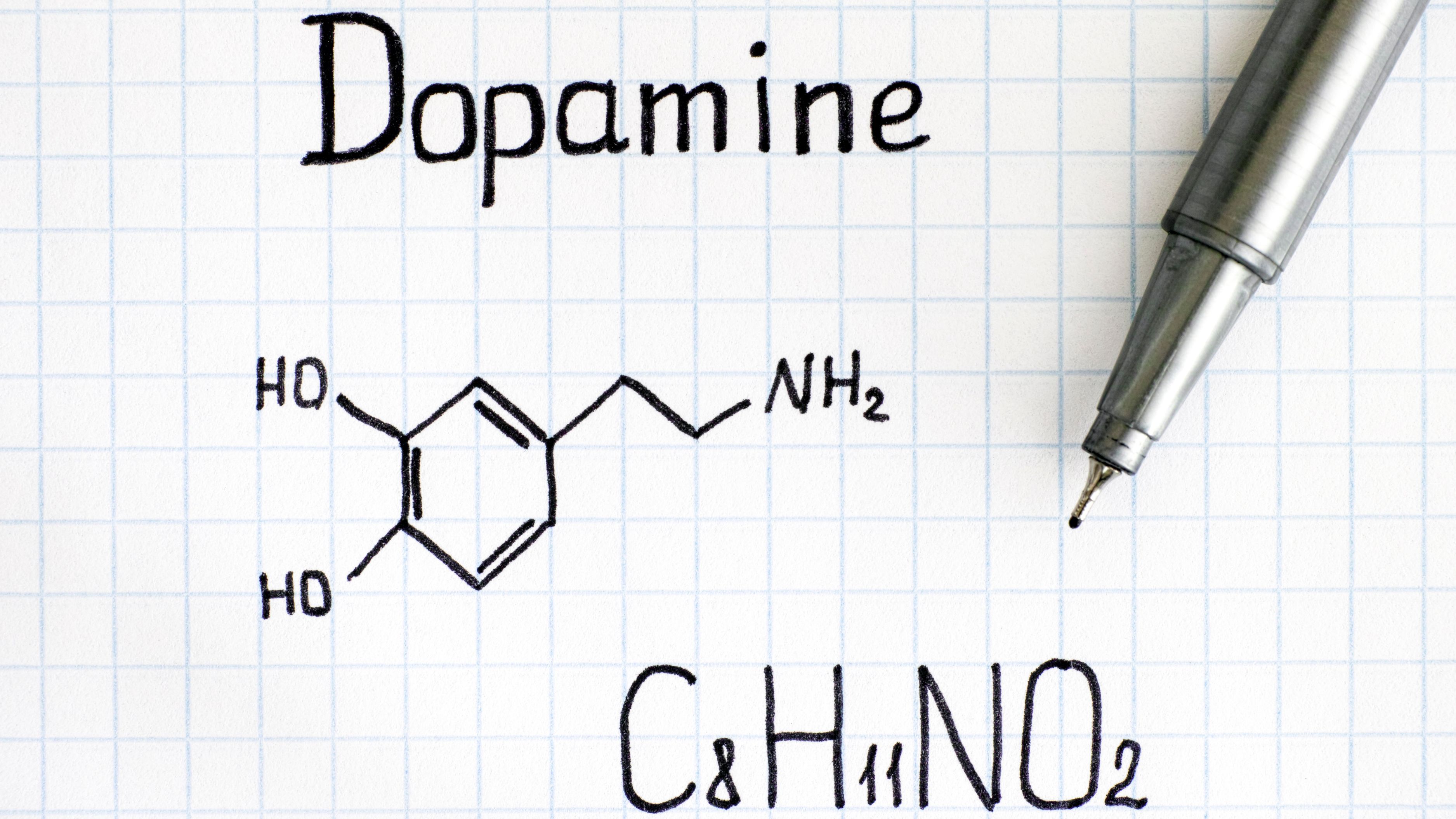
Here's what the neuroscience supports, what it doesn't, and how to structure a period of reduced stimulation if your goal is genuine cognitive and motivational optimization.
What Dopamine Actually Does (and Doesn't Do)
Most popular descriptions of dopamine frame it as a pleasure chemical – you do something pleasurable, dopamine gets released, you feel good. This is a significant oversimplification that leads directly to the idea that you can "detox" from it the way you'd detox from a drug.
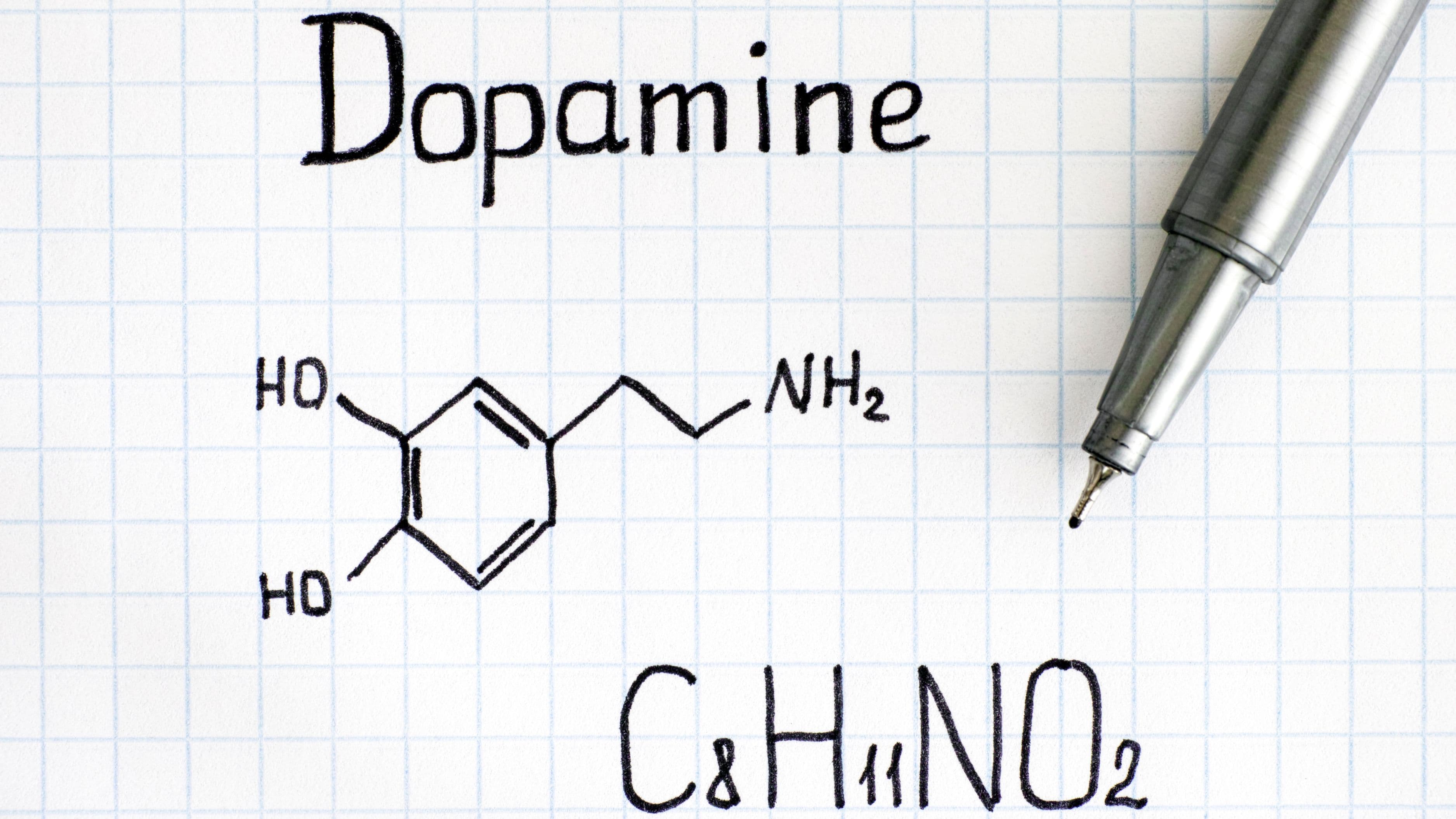
Dopamine is primarily a neuromodulator involved in reward prediction, motivation, and learning. The work of neuroscientist Wolfram Schultz, whose research on dopamine and reward prediction error won him the Brain Prize in 2017, established that dopamine neurons fire not simply in response to rewards, but in response to unexpected rewards and reward-predicting cues. When a reward is anticipated and received, dopamine firing is modest. When a reward is unexpected, firing is large. When an anticipated reward fails to materialize, dopamine activity drops below baseline. This is the prediction error signal that drives learning.
What this means practically is that dopamine isn't something that gets "depleted" by frequent stimulation in the way the popular framing suggests. You cannot run out of dopamine by using social media too much. You cannot meaningfully "flush" it from your system through abstinence. The relevant phenomenon – and the one that makes behavioral restriction actually valuable – is not dopamine depletion but receptor sensitivity and reward baseline calibration.
The Actual Mechanism: Receptor Downregulation and Baseline Shift
When a behavior reliably produces strong dopamine release – highly palatable food, social media variable reward loops, pornography, video games with compulsive progression mechanics – repeated exposure causes compensatory downregulation of dopamine receptors (primarily D2/D3 receptors in the striatum). The brain adapts to sustained high-amplitude reward signaling by reducing the sensitivity of its reward circuitry.
The result is a raised hedonic baseline: activities that previously produced satisfying dopamine signaling now feel flat or insufficient. Low-stimulation activities – reading, walking, focused work, conversation – stop generating the motivational pull they once did, because they can't compete with the reward intensity of high-stimulation inputs the system has recalibrated around. This is the phenomenon worth addressing, and it's been documented in human neuroimaging studies examining dopamine receptor availability across populations with varying behavioral profiles.
Anna Lembke's work on this, summarized in Dopamine Nation (2021) and grounded in her clinical research at Stanford, describes a dopamine homeostasis model in which extended pleasurable stimulation tilts the brain's metaphorical pleasure-pain balance toward pain – creating a sustained low-grade anhedonia and drive deficit that persists until the stimulation is removed and the system recalibrates. This recalibration takes time. Her clinical observations suggest meaningful receptor sensitivity recovery in the range of 4–6 weeks of abstinence from the relevant behavior, though this varies significantly by individual, behavior type, and history of use.
This is the actual scientific basis for behavioral restriction protocols. Not "detoxing" dopamine, but allowing receptor sensitivity to recover by removing the high-amplitude inputs that drove downregulation.
What the Research Supports (and the Caveats)
The peer-reviewed evidence base specifically on "dopamine detox" as a named protocol is essentially nonexistent – the term is a social media invention, not a clinical construct. What does exist is a solid body of research on behavioral abstinence, reward sensitivity, and motivation that supports the general concept while complicating the popular execution.
Research on internet and technology abstinence consistently shows improvements in subjective wellbeing, focus, and mood after sustained periods of reduced use, though most studies use self-report measures and follow-up periods of days to weeks rather than months. A 2018 study published in the Journal of Social and Clinical Psychology (Hunt et al.) found that limiting social media use to 30 minutes per day over three weeks significantly reduced loneliness and depression compared to controls. A 2019 systematic review in JAMA Internal Medicine (Thoits) noted the association between high social media use and dysphoric mood states, though causality remains contested.
The substrate-level neuroplasticity changes – actual receptor density recovery – take longer than the subjective mood improvements typically reported in short-term studies. The popular claim that a single-day "detox" resets your dopamine system has no mechanistic support. A 24-hour restriction does not meaningfully alter receptor density. What it can do is break habitual behavioral loops, create space for reflective decision-making, and reduce the environmental cue exposure that drives compulsive behavior – all of which have practical value even absent neurochemical changes.
Defining the Relevant Target Behaviors
Not all stimulating behaviors affect dopamine circuitry equivalently. The behaviors with the most evidence for driving receptor downregulation and motivational disruption share specific characteristics: unpredictable variable reward schedules (the same mechanism underlying slot machine addiction), effortless engagement, and high signal density that competes with low-stimulation productive activities.
Social media platforms are architecturally optimized for variable reward delivery – infinite scroll, like counts, notifications, and algorithmically surfaced novelty are all deliberate design choices that maximize compulsive engagement. Pornography provides supernormal sexual stimuli at zero effort cost, which research consistently links to altered arousal thresholds and motivational changes (Park et al., 2016, published in Behavioral Sciences). Video games with progression mechanics (loot drops, level advancement, ranked ladders) utilize the same variable reward architecture. Ultra-processed food delivers concentrated palatability signals that exceed what the reward system evolved to handle.
Productive high-effort activities – deep work, resistance training, skill development, sustained social engagement – also release dopamine, but through effort-gated mechanisms that tend to reinforce rather than erode motivational architecture. The differentiation that matters is not stimulating versus non-stimulating, but effort-free high-amplitude reward versus effort-coupled reward. The former drives the downregulation problem; the latter generally does not.
A Practical Protocol Structure
Given what the evidence actually supports, here is a structured approach to behavioral restriction that reflects the underlying mechanisms.
Phase 1 – Identification and Baseline (Days 1–3)
Before restricting anything, audit your current behavioral patterns with specificity. Which high-stimulation, effort-free behaviors are occupying the most time and producing the most compulsive pull? For most people this is a combination of social media, pornography, streaming content, and food. Quantify screen time using your phone's built-in tracking. Note the contexts in which these behaviors are most automatic – specific times of day, emotional states, environmental triggers.
The goal here is not to feel bad about current patterns but to establish a clear baseline and identify the specific behaviors worth targeting. Restricting everything simultaneously is neither necessary nor sustainable. Target the behaviors that are driving the most disruption to your productive baseline.
Phase 2 – Graduated Restriction (Weeks 1–2)
Remove or substantially reduce the highest-stimulation target behaviors. Hard removal – complete abstinence – produces faster recalibration than usage reduction but is harder to maintain and creates more acute discomfort. For most people, a combination works: complete removal of the highest-impact behavior (often pornography or social media) and substantial reduction (defined time windows, no passive browsing) of secondary behaviors.
Expect the first 3–7 days to be uncomfortable. Boredom, irritability, and difficulty sustaining focus on low-stimulation tasks are expected symptoms of the system recalibrating downward from its elevated baseline. This discomfort is mechanistically meaningful – it reflects the gap between your current hedonic baseline and the lower-stimulation environment you're creating. Sitting with it rather than seeking relief is the work.
Environmental restructuring is essential here. Remove apps from your phone. Use website blockers (Cold Turkey, Freedom) during work hours. Change the physical environment in which compulsive behaviors typically occur. The goal is to reduce cue exposure that triggers habitual behavior before conscious decision-making engages.
Phase 3 – Deep Recalibration (Weeks 2–6)
Maintain restriction while deliberately cultivating effort-coupled reward activities. This is the mechanism through which the recalibration produces lasting functional improvement rather than just absence of the problem behavior. Replace the removed inputs with activities that produce dopamine through effort: resistance training, skill acquisition, difficult reading, strategic games, extended social interaction, creative work. The effort-gating is the key variable – these activities work because they reinforce the link between effort and reward rather than bypassing it.
Monitor for the emergence of motivational clarity – the point at which previously flat activities begin generating genuine interest and pull. For most people undertaking a meaningful restriction protocol, this begins appearing in weeks 3–4. Some individuals require 6–8 weeks, particularly if the target behavior was heavily entrenched.
Phase 4 – Reintegration (Week 6+)
Indefinite total restriction of all stimulating inputs is neither the goal nor sustainable. The objective is recalibrated baseline sensitivity that allows you to engage with high-stimulation inputs at moderate intensity without the compulsive pattern re-establishing. Reintroduce target behaviors deliberately and with defined parameters rather than passively sliding back into previous usage patterns. If compulsive use re-establishes quickly, extend the restriction phase before attempting reintegration.
Some behaviors – pornography is the clearest example based on the evidence – are difficult to use moderately once the compulsive pattern has been established, and complete long-term abstinence may be the more functional choice.
Realistic Expectations and Limitations
A 30-day behavioral restriction protocol will not transform your neurochemistry in the ways the popular framing implies. It will not produce measurably elevated dopamine levels or dramatically increased receptor density in the short term. What it can produce – and what the evidence supports – is reduced behavioral compulsivity, improved tolerance for low-stimulation productive tasks, recovery of baseline motivation for effort-coupled activities, and reduced mood disruption from reward circuit dysregulation.
Timeframes vary considerably by individual. People with longer histories of high-intensity use, greater baseline compulsivity, or co-occurring mood disorders will take longer to notice functional improvements and may require longer restriction periods. The protocol outlined above is not a substitute for clinical evaluation if compulsive behavior is significantly impairing function.
The subjective experience of the recalibration period – weeks 1–3 in particular – is genuinely unpleasant for most people. This is expected and is not a sign that the protocol isn't working. It is a sign that the system is no longer being artificially elevated and is returning to a lower, more natural baseline.
Common Mistakes
The most frequent error is undertaking a single-day or weekend "detox" and expecting neurochemical reset. The subjective improvement many people feel after a day without screens is real – largely attributable to reduced cognitive load and improved sleep – but does not reflect meaningful receptor-level recalibration. It also fades within hours of returning to previous patterns.
The second most common error is restricting all activities indiscriminately – treating reading, exercise, and socializing as equivalent to social media and pornography from a dopamine standpoint. They are not. Effort-coupled reward activities should be increased during a recalibration protocol, not restricted alongside low-effort high-stimulation ones.
Finally, restricting target behaviors without restructuring the environments and cues that trigger them predictably fails. Willpower depletion under sustained cue exposure is well-documented. Remove the friction from avoidance and add friction to the target behavior rather than relying on in-the-moment decision-making.
FAQ
Does a single-day dopamine detox do anything?
Not at the receptor level. A 24-hour restriction does not meaningfully alter D2/D3 receptor density or produce lasting hedonic baseline recalibration. The subjective benefits people report – improved focus, better mood – are primarily attributable to reduced cognitive load, improved sleep quality from reduced screen exposure before bed, and the behavioral reset that comes from interrupting automatic habits. These are real benefits, but they're not the neurochemical reset the term implies.
How long does it actually take to recalibrate reward sensitivity?
The clinical literature suggests 4–6 weeks of sustained abstinence from the highest-impact target behavior for meaningful receptor sensitivity recovery, with individual variation. Subjective motivational improvement typically begins appearing in weeks 3–4 for most people. Full stabilization of the new baseline can take longer.
Can you detox from exercise or cold exposure since those also release dopamine?
No, and the framing is mechanistically confused. Exercise and cold exposure produce dopamine release through effort-coupled, physiologically beneficial pathways. The research on these interventions consistently shows positive effects on receptor sensitivity and motivational architecture rather than downregulation. The target behaviors for a recalibration protocol are effort-free high-amplitude reward inputs, not all dopaminergic activity.
Should everyone do a dopamine recalibration protocol?
Not necessarily. If your baseline motivation, focus, and capacity for low-stimulation productive work are intact, and you don't experience compulsive pull toward specific high-stimulation behaviors, there's no strong evidence-based case for restriction. The protocol is most relevant for individuals experiencing clear signs of reward dysregulation: difficulty sustaining focus on demanding tasks, loss of motivation for previously rewarding activities, compulsive return to specific stimulating behaviors despite intention to reduce them.
Is there a supplement stack that supports the recalibration process?
Some compounds have theoretical relevance. Tyrosine (dopamine precursor) supports synthesis but won't meaningfully influence receptor density. Low-dose mucuna pruriens (containing L-DOPA) has been used to support mood during restriction phases, though evidence is limited. Magnesium L-threonate has preliminary evidence for supporting neuroplasticity broadly. None of these are substitutes for behavioral restriction – they're at best adjunctive support. The receptor recalibration happens through sustained behavioral change, not supplementation.
Bottom Line
"Dopamine detox" is a misleading name for a real and evidence-supported practice. You are not detoxing dopamine – you are allowing your reward circuitry to recalibrate after sustained exposure to artificially high-amplitude inputs that have downregulated receptor sensitivity. The mechanism is receptor recovery, not neurochemical flushing. The timeframe is weeks, not hours. The protocol requires sustained behavioral restriction, environmental restructuring, and deliberate replacement of low-effort reward inputs with effort-coupled alternatives. Done correctly, the evidence supports real improvements in motivational clarity, focus quality, and baseline drive. Done as a one-day social media break, it's mostly placebo with a compelling narrative attached.
📚 Sources
Schultz W. – Neuronal reward and decision signals: from theories to data. Physiological Reviews, 2015: https://journals.physiology.org/doi/10.1152/physrev.00023.2014
Lembke A. – Dopamine Nation: Finding Balance in the Age of Indulgence. Dutton, 2021: https://www.annalembke.com/dopamine-nation
Hunt MG et al. – No More FOMO: Limiting Social Media Decreases Loneliness and Depression. Journal of Social and Clinical Psychology, 2018: https://guilfordjournals.com/doi/10.1521/jscp.2018.37.10.751
Park BY et al. – Is Internet Pornography Causing Sexual Dysfunctions? A Review with Clinical Reports. Behavioral Sciences, 2016: https://www.mdpi.com/2076-328X/6/3/17
Koob GF, Volkow ND. – Neurobiology of addiction: a neurocircuitry analysis. Lancet Psychiatry, 2016: https://www.thelancet.com/journals/lanpsy/article/PIIS2215-0366(16)00104-8/fulltext
Volkow ND et al. – Dopamine in drug abuse and addiction. Archives of Neurology, 2007: https://jamanetwork.com/journals/jamaneurology/fullarticle/794672
Thoits PA. – Social and Psychological Resources and Well-Being. JAMA Internal Medicine, 2019 (review cited): https://jamanetwork.com/journals/jamainternalmedicine/fullarticle/2724445
Blum K et al. – Dopamine and glucose, obesity, and reward deficiency syndrome. Frontiers in Psychology, 2014: https://www.frontiersin.org/articles/10.3389/fpsyg.2014.00919/full