
What DHT Is and Why It Exists
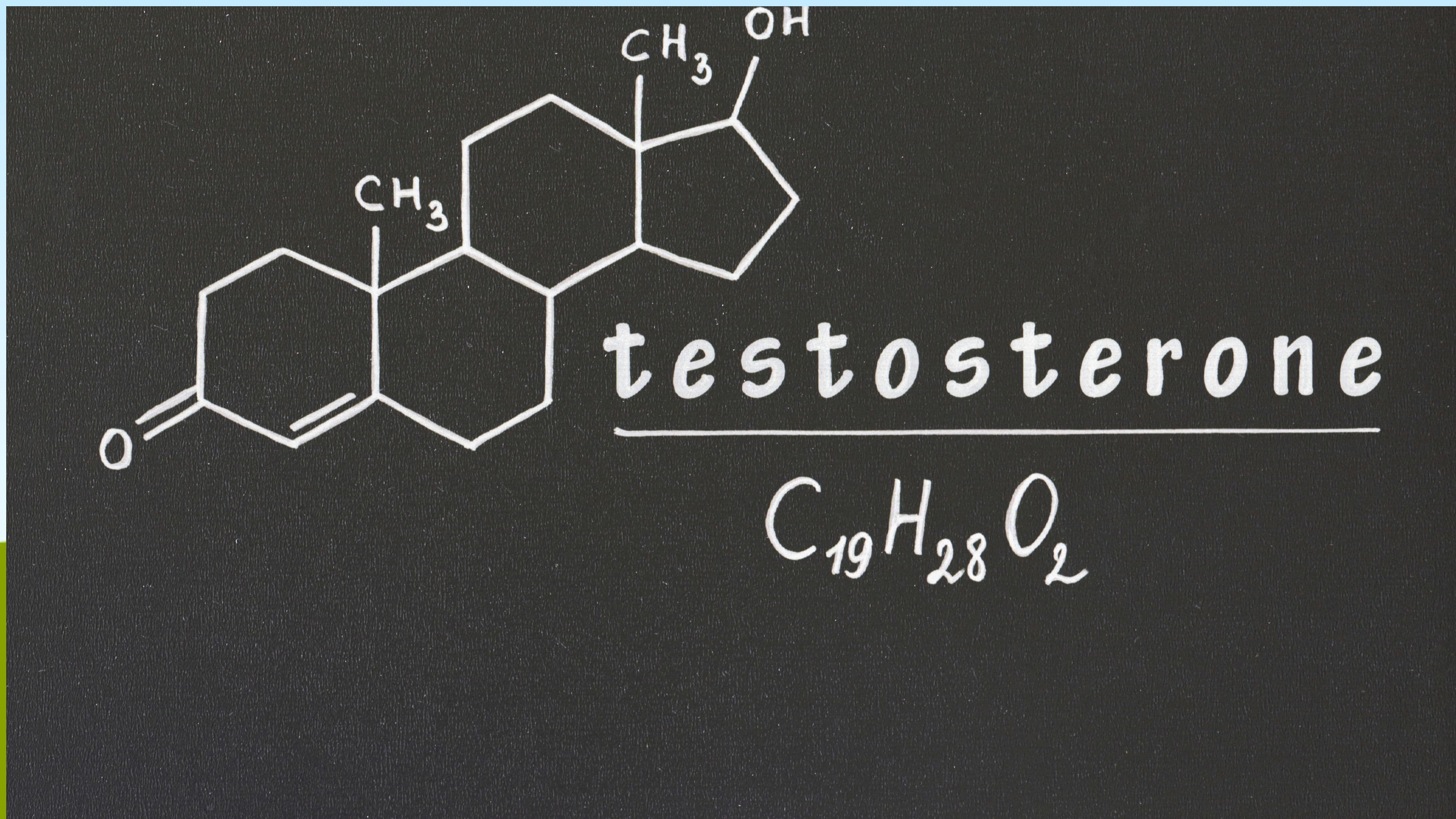
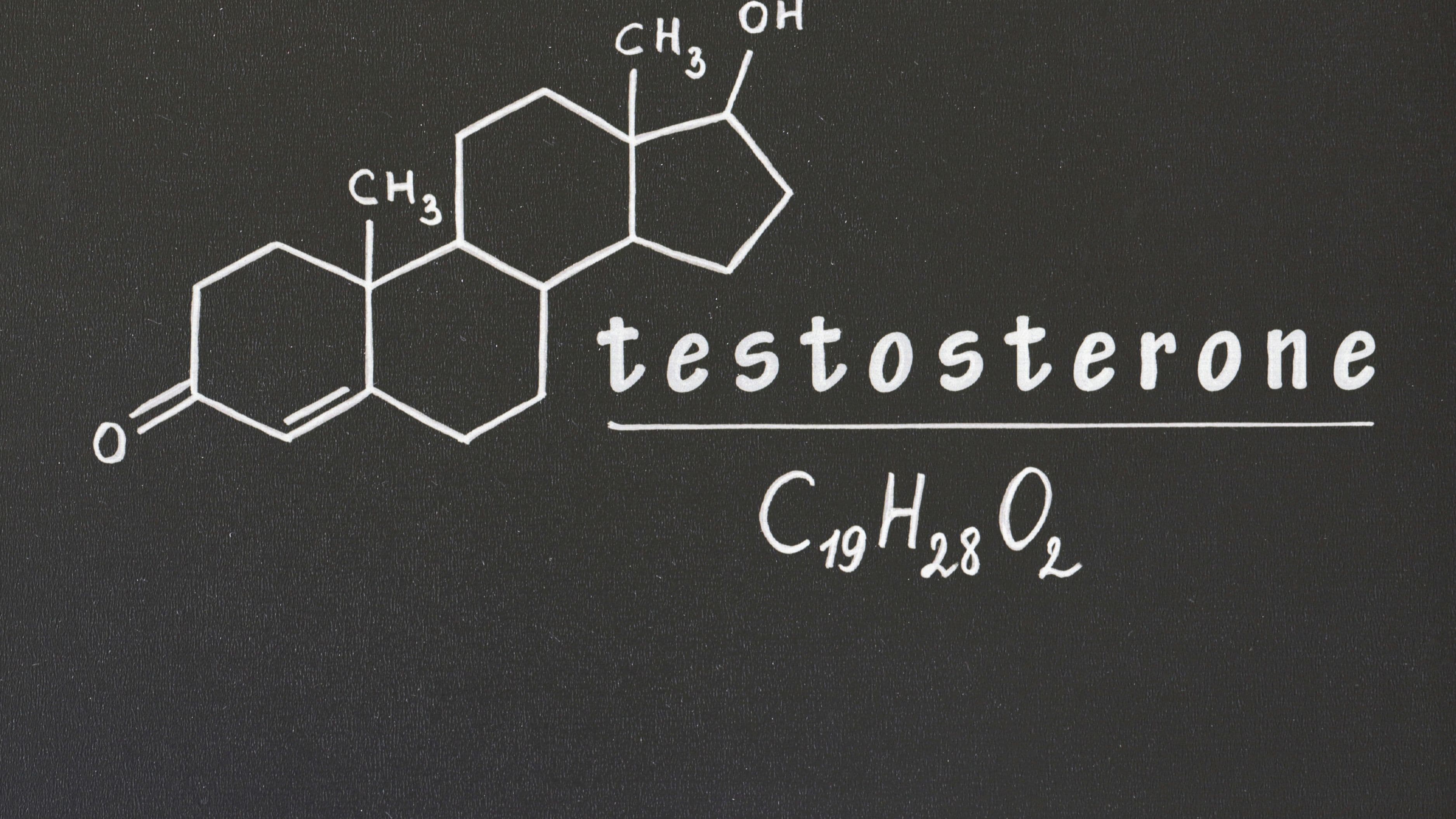
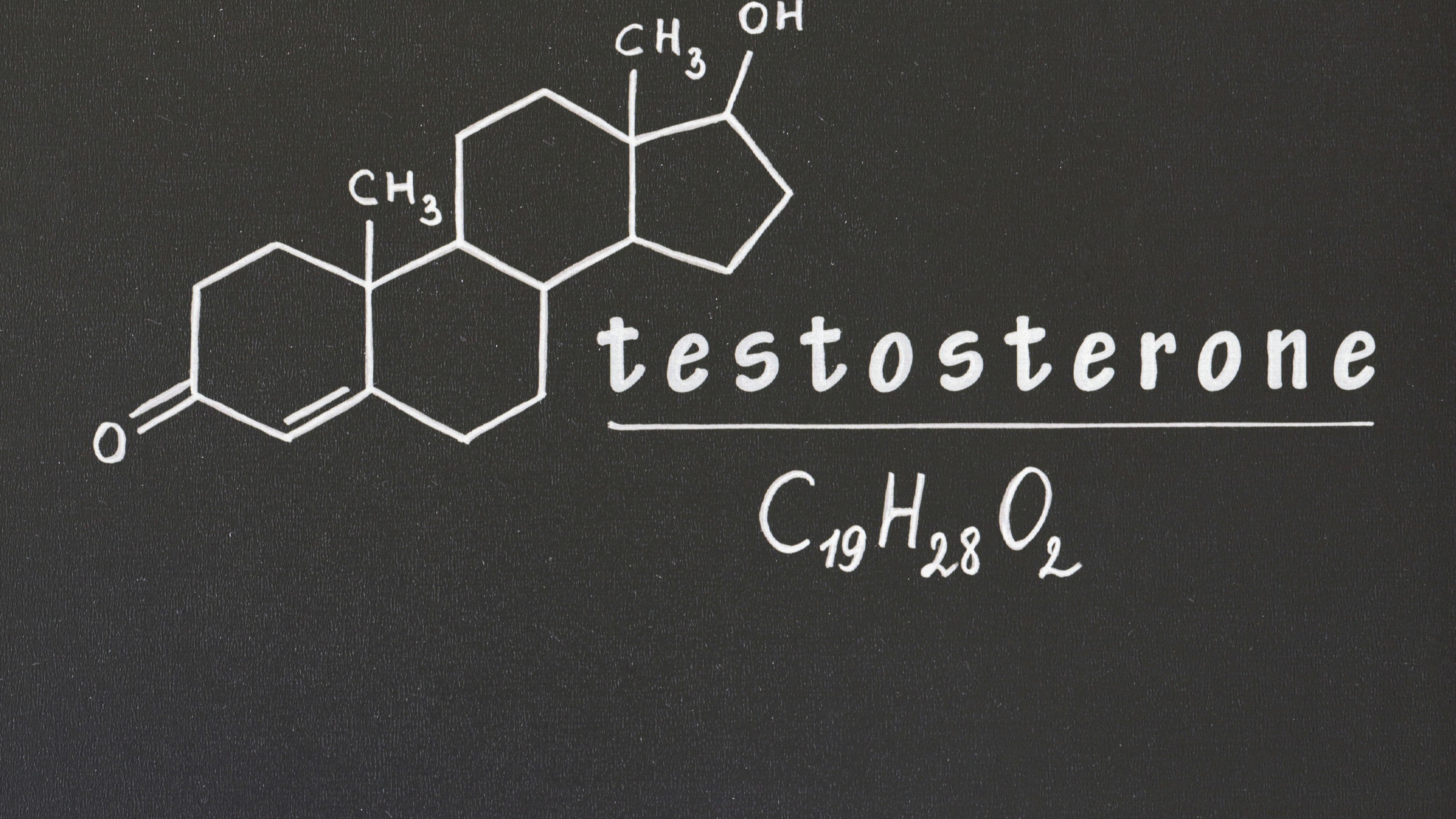
DHT is not a byproduct or a waste product. It's a functionally distinct androgen produced through the enzymatic conversion of testosterone by 5-alpha reductase (5-AR), an enzyme expressed most heavily in the prostate, skin, hair follicles, and central nervous system. DHT binds to the androgen receptor with roughly three to ten times greater affinity than testosterone and dissociates more slowly, making it a significantly more potent activator of androgen-responsive tissues.
The tissues that express high levels of 5-AR and therefore produce and respond to DHT are not incidental. They're responsible for some of the most androgen-sensitive functions in male physiology: libido and sexual function, prostate development and maintenance, sebaceous gland activity, hair follicle cycling, CNS androgen signaling, and aspects of body composition. Testosterone provides the raw material; DHT is often the active currency in those specific tissues.
In a physiologically normal male, roughly 5–10% of circulating testosterone gets converted to DHT. That conversion varies based on 5-AR expression levels, which are influenced by genetics, age, body composition, and external interventions. The resulting DHT-to-testosterone ratio is not a fixed number – it's a biological fingerprint that reflects the activity of this conversion pathway.
What the Ratio Actually Tells You
A standard hormone panel gives you total testosterone and sometimes free testosterone. DHT is often omitted entirely, which means most men have no idea where their conversion rate sits. But the DHT-to-testosterone ratio carries specific diagnostic and optimization value that neither number alone provides.
A high ratio – more DHT relative to testosterone – indicates upregulated 5-AR activity. This profile is associated with stronger androgenic signaling in tissues that depend on DHT, including the prostate and hair follicles. It also correlates with higher libido, more pronounced androgenic features, and in susceptible individuals, accelerated androgenic alopecia (male pattern hair loss). Men with naturally high 5-AR activity tend to experience stronger overall androgenic effects even at moderate testosterone levels.
A low ratio – less DHT relative to testosterone – may indicate downregulated 5-AR activity, pharmacological suppression from a 5-AR inhibitor, or both. Low DHT relative to testosterone can manifest as reduced libido and sexual function, impaired mood and cognitive sharpness, reduced lean mass maintenance in DHT-sensitive tissue, and potential prostate underfunction in men who depend on DHT for glandular homeostasis. The assumption that less DHT is automatically better – a view promoted by the marketing around hair loss medications – is not supported by a full reading of the evidence.
How TRT Disrupts the Ratio
Men on exogenous testosterone have an important variable to account for. TRT elevates circulating testosterone, which provides more substrate for 5-AR conversion, typically raising DHT levels in parallel. But the magnitude of the DHT increase relative to the testosterone increase varies considerably between individuals. Some men on TRT see their DHT rise proportionally. Others – particularly those using certain delivery methods – see DHT rise disproportionately.
Transdermal testosterone (gels, creams) applied to the skin is converted locally by the high 5-AR activity in skin tissue before entering circulation, which tends to produce elevated DHT-to-testosterone ratios compared to injectable testosterone. Studies comparing testosterone gels to testosterone injections consistently find higher DHT levels and higher DHT-to-testosterone ratios in gel users. This matters clinically for men concerned about androgenic alopecia or prostate DHT activity, and it matters in the opposite direction for men who are tracking DHT for performance or libido optimization.
Injectable testosterone – particularly longer-acting esters like testosterone cypionate or enanthate – generally produces a DHT-to-testosterone ratio closer to physiological norms. The conversion happens systemically rather than being amplified by high-5-AR skin tissue, so the ratio tends to stay in a more predictable range.
Testosterone pellets and testosterone undecanoate (oral) have their own conversion profiles. If you're on any form of TRT and not tracking DHT alongside testosterone, you're missing a significant piece of the picture.
5-Alpha Reductase Inhibitors: What They Do to the Ratio
Finasteride and dutasteride are the two 5-AR inhibitors in common use. Finasteride inhibits the type II isoform of 5-AR; dutasteride inhibits both type I and type II, making it more comprehensive in its suppression. Both are prescribed for benign prostatic hyperplasia (BPH) and androgenic alopecia, with dutasteride producing deeper DHT suppression.
In men taking finasteride, serum DHT is typically reduced by roughly 65–70%. Dutasteride reduces it by approximately 90–95%. Total testosterone typically rises modestly in response, because the conversion pathway that would have consumed some of it is blocked. The result is a sharply altered DHT-to-testosterone ratio – high testosterone relative to DHT, with minimal conversion activity.
This is where the persistent controversy lives. A subset of men taking 5-AR inhibitors report persistent sexual side effects – reduced libido, erectile dysfunction, anhedonia, and mood changes – that continue after discontinuation. This is referred to in the literature as post-finasteride syndrome (PFS). The mechanisms are debated, but the leading hypotheses center on DHT's role in CNS androgen signaling (particularly in relation to neurosteroids like allopregnanolone, which are downstream of 5-AR activity) and the potential for chronic DHT suppression to alter androgen receptor expression. Whether PFS represents a persistent neurosteroid disruption, epigenetic changes, or a self-reinforcing psychological response is still actively studied.
The clinical implication: treating DHT suppression as benign because it doesn't affect total testosterone ignores the tissue-specific and neurological functions that DHT performs independent of testosterone. The DHT-to-testosterone ratio is the variable that makes this visible.
DHT and Cognitive Function
This is an area that gets far less attention than libido or hair, but the neurological effects of DHT are clinically meaningful. 5-AR is expressed in the brain, and DHT and its metabolites – particularly 3α-androstanediol and its further conversion to allopregnanolone – modulate GABA-A receptor activity. Allopregnanolone is a potent positive allosteric modulator of GABA-A receptors, and its synthesis depends on adequate 5-AR activity.
This pathway connects DHT signaling to mood regulation, anxiety threshold, sleep architecture, and cognitive clarity. Men who suppress DHT aggressively – whether pharmacologically or through other mechanisms – and report mood changes, increased anxiety, or cognitive blunting are likely experiencing effects mediated through this neurosteroid pathway rather than through androgen receptor activation per se. The testosterone number looks fine. The downstream neurosteroid landscape has shifted.
This is precisely why looking only at testosterone misses the picture. A man with good total testosterone, low DHT due to finasteride use, and a blunted neurosteroid profile will not feel optimal – regardless of what the T number says.
DHT, Hair Loss, and the Risk Calculus
It's worth addressing the alopecia context directly, because it's the primary reason men become interested in DHT in the first place – usually in the direction of suppressing it.
Androgenic alopecia is driven by DHT binding to androgen receptors in hair follicles on the scalp, which in genetically susceptible individuals (those expressing the sensitivity) triggers miniaturization of the follicle and progressive hair loss. The genetic component is significant – two men with identical DHT levels can have completely different scalp responses based on follicular androgen receptor sensitivity. This is why not every man with high DHT goes bald, and why some men with moderate DHT still experience significant loss.
For men choosing to suppress DHT for hair preservation, the DHT-to-testosterone ratio becomes a monitoring tool for managing the trade-off. Partial suppression – lower doses of finasteride, or topical finasteride applied directly to the scalp to reduce systemic exposure – is a strategy some men use to reduce scalp DHT while limiting systemic effects. Monitoring the ratio while titrating helps identify the minimum effective intervention rather than maximizing suppression.
The key principle: suppressing DHT is a meaningful intervention with systemic consequences. Treating it as purely a cosmetic adjustment without monitoring the downstream effects is an incomplete approach.
How to Measure and Interpret Your Ratio
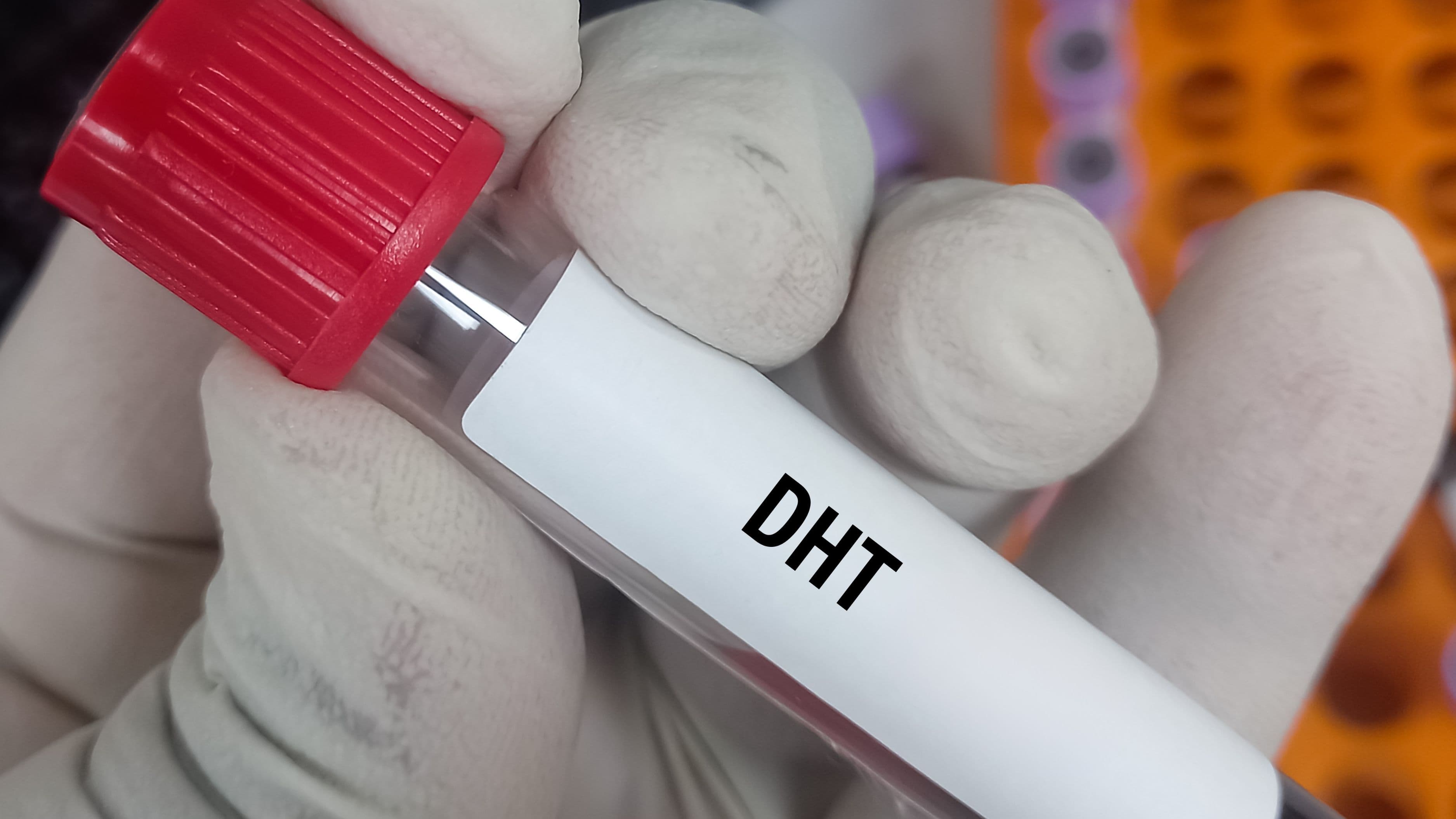
Getting DHT measured requires specifically requesting it – it's not included in standard hormone panels. Most comprehensive hormone panels from labs like LabCorp or Quest include it as an add-on. You want serum DHT, and it should be measured at the same time as your testosterone draw to make the ratio calculation meaningful.
Reference ranges for DHT in adult men are typically listed as approximately 30–85 ng/dL, though interpretation requires context. What matters for optimization purposes is where your DHT sits relative to your testosterone, not just whether it's in the reference range. The DHT-to-testosterone ratio is calculated simply: DHT (ng/dL) divided by total testosterone (ng/dL). In physiologically normal men not on any intervention, this ratio typically falls between 0.05 and 0.12 – meaning DHT is roughly 5–12% of total testosterone.
A ratio significantly above that range suggests high 5-AR activity. A ratio significantly below it – especially in men not on 5-AR inhibitors – is worth investigating for causes including zinc deficiency (zinc is a natural 5-AR inhibitor at high doses), caloric restriction, or other factors that downregulate the enzyme.
Track the ratio over time, particularly if you change your TRT delivery method, add or remove a 5-AR inhibitor, or make significant dietary or body composition changes. A single data point is context; a trend is information.
Practical Optimization Considerations
For men not on any intervention who want to understand their baseline: get a full hormone panel including DHT, SHBG, total testosterone, free testosterone, and estradiol. Interpret the DHT-to-testosterone ratio in the context of your symptoms and goals. High-normal DHT with good libido, cognitive sharpness, and body composition response to training is a favorable profile. Low DHT relative to testosterone with symptoms of androgen deficit in DHT-sensitive tissues – particularly libido and mood – is worth addressing.
For men on TRT: track DHT alongside testosterone at each follow-up. If using transdermal delivery and seeing a disproportionately elevated DHT-to-testosterone ratio with side effects related to androgenic signaling (accelerated hair loss, prostate symptoms), consider transitioning to injectable. If the ratio is low and symptoms suggest relative DHT deficit, discuss delivery method changes with your prescriber before defaulting to interventions like DHT supplementation.
For men on 5-AR inhibitors: get baseline DHT before starting, and monitor the ratio at six to twelve weeks to quantify the actual suppression you're achieving. This lets you dial in the minimum effective dose rather than maximizing suppression by default.
FAQ
What's the optimal DHT-to-testosterone ratio? There is no universally optimal number. Physiological baseline in untreated men is roughly 0.05–0.12. Where you want to be within or relative to that range depends on your goals, your genetic androgenic sensitivity, and whether any 5-AR-related conditions are present. The ratio is most useful as a monitoring tool, particularly when interventions change it.
Does high DHT cause prostate cancer? The relationship between DHT and prostate cancer is more nuanced than the common framing suggests. DHT drives prostate growth and is implicated in BPH. The link to prostate cancer specifically is less clear – studies have not consistently demonstrated that higher DHT levels increase prostate cancer risk, and the Prostate Cancer Prevention Trial with finasteride showed reduced low-grade prostate cancer but an increase in high-grade tumors, complicating the risk picture.
Can I increase DHT naturally? 5-AR activity can be modestly influenced by dietary factors. High-fat diets, particularly saturated fat, are associated with slightly higher 5-AR activity. Zinc supplementation at high doses has weak 5-AR inhibitory effects. Resistance training increases androgen receptor sensitivity broadly. But the magnitude of natural modulation is small compared to pharmacological intervention.
Will taking DHT directly raise my ratio more effectively than optimizing testosterone? Exogenous DHT (as AndroGel or in some compounded forms) bypasses the conversion pathway and directly raises DHT levels. This approach is used clinically in specific contexts but carries the same trade-offs as any exogenous androgen in terms of HPG axis suppression and requires medical supervision.
Is post-finasteride syndrome real? The clinical evidence for persistent symptoms following finasteride discontinuation in a subset of users is real and increasingly recognized. The mechanisms remain under investigation. Men considering finasteride for hair loss who are optimizing for cognitive function, libido, and mood stability should weigh this risk seriously and discuss it with a physician familiar with the literature.
📚 Sources
Traish AM – Benefits and Health Implications of Testosterone Therapy in Men With Testosterone Deficiency, Sexual Medicine Reviews 2018: https://www.smr.jsexmed.org/article/S2050-0521(17)30096-0/fulltext
Irwig MS – Persistent Sexual Side Effects of Finasteride: Could They Be Permanent?, Journal of Sexual Medicine 2012: https://www.jsm.jsexmed.org/article/S1743-6095(15)30948-1/fulltext
Melcangi RC et al. – Post-Finasteride Syndrome: A Matter of Epigenetics?, Journal of Steroid Biochemistry and Molecular Biology 2019: https://www.sciencedirect.com/science/article/abs/pii/S0960076019301050
Marks LS et al. – DHT and Benign Prostatic Hyperplasia, Reviews in Urology 2004: https://www.ncbi.nlm.nih.gov/pmc/articles/PMC1472916/
Mooradian AD et al. – Biological Actions of Androgens, Endocrine Reviews 1987: https://academic.oup.com/edrv/article-abstract/8/1/1/2548861
Endocrine Society – Testosterone Therapy in Men with Hypogonadism Guideline: https://www.endocrine.org/clinical-practice-guidelines/testosterone-therapy