


This is a protocol for using DHEA intelligently: what it does, what the evidence supports, how to dose based on bloodwork, what to monitor, and where the actual risks sit.
What DHEA Is and Why It Matters After 40
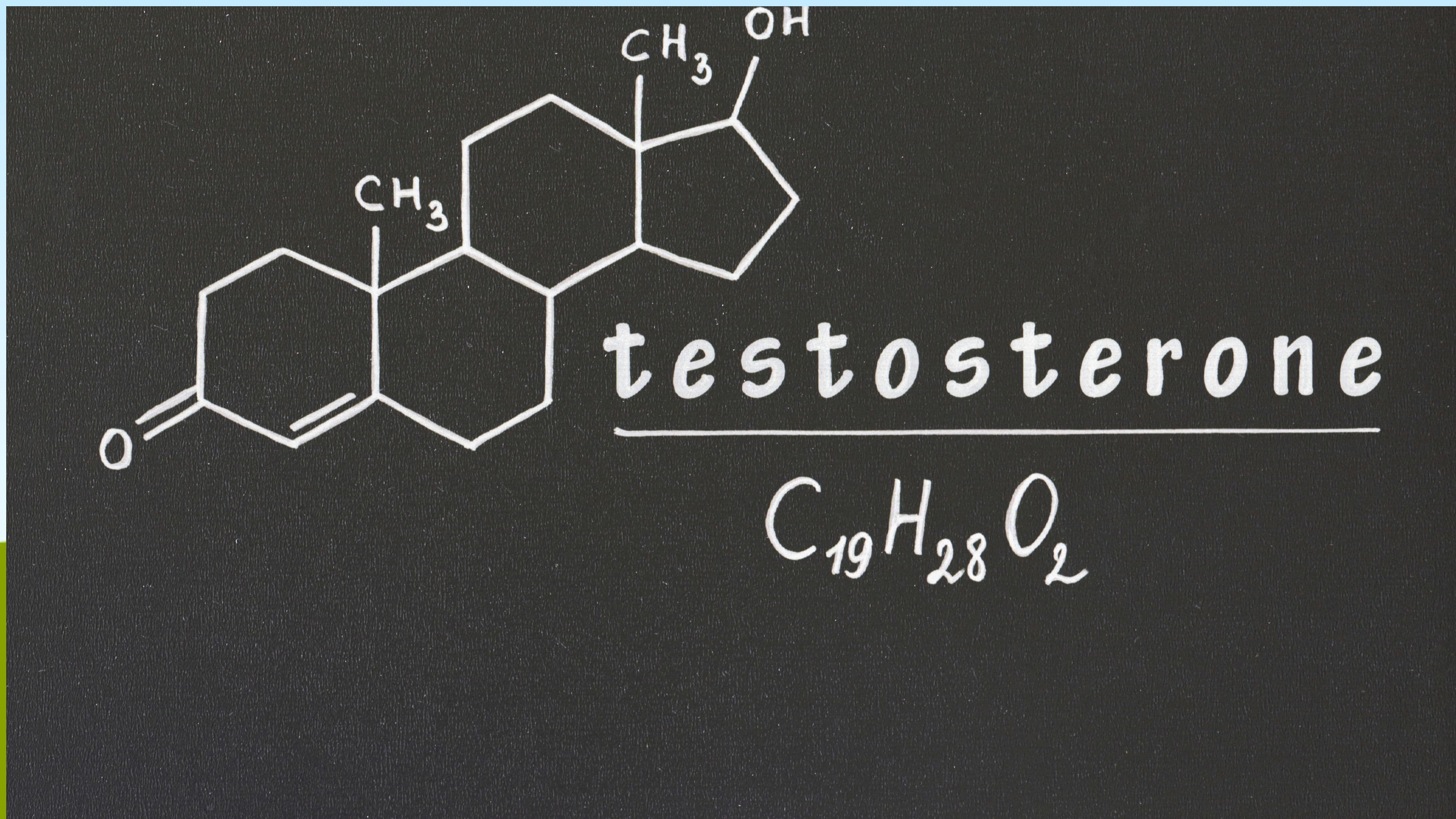
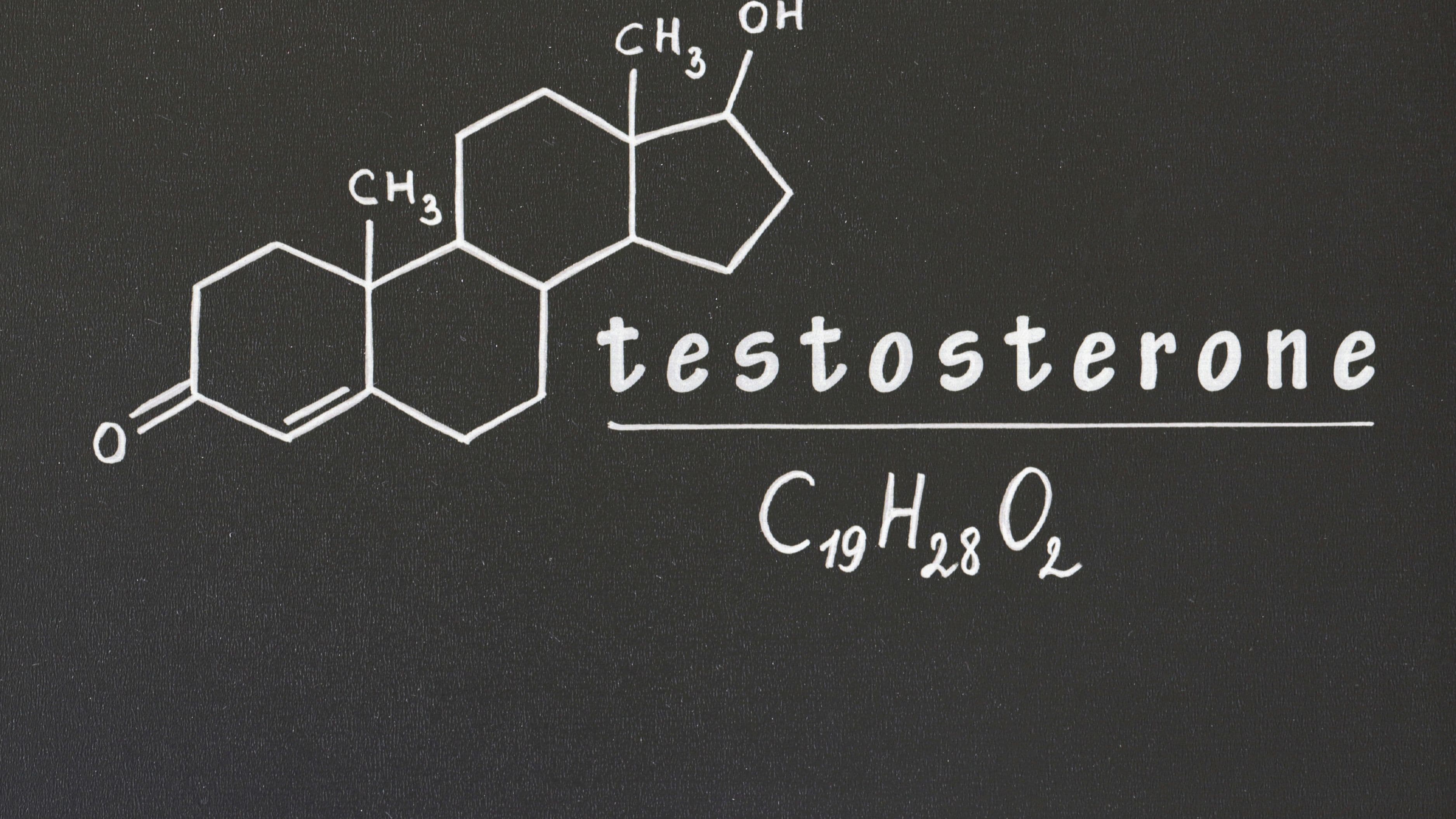
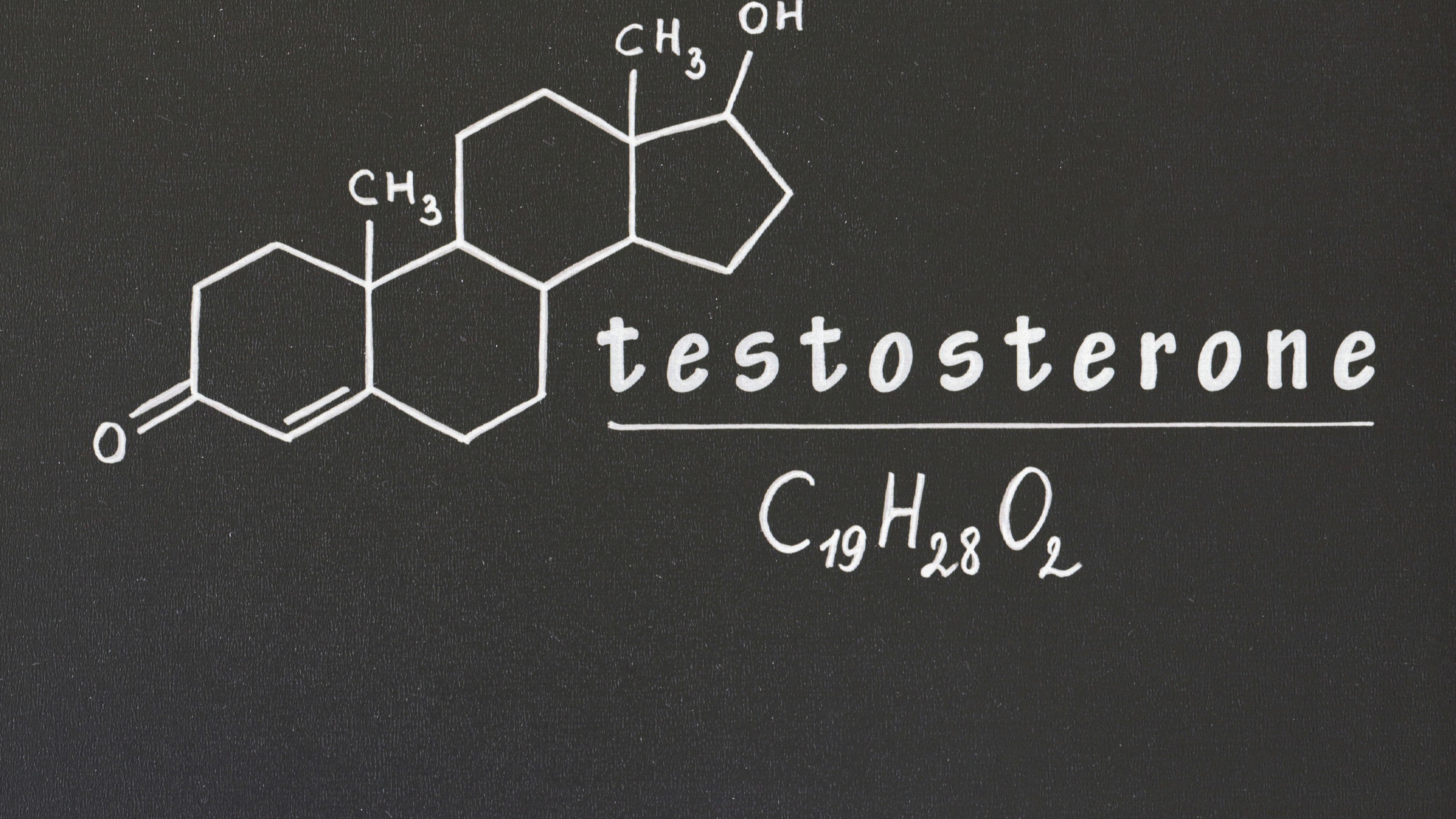
Dehydroepiandrosterone (DHEA) is a steroid hormone produced primarily by the adrenal cortex, with smaller contributions from the gonads and brain. It functions as the most abundant circulating steroid in the human body and serves as the primary precursor to both androgens and estrogens – testosterone, DHT, estradiol, and androstenedione are all downstream of DHEA in the steroidogenesis pathway.
DHEA production peaks in the mid-20s and declines at roughly 2–3% per year after that. By age 40, most men have DHEA-S (the sulfated, circulating storage form) levels 30–40% below their peak. By 60, the decline is closer to 60–70%. This age-related decline – called adrenopause – is one of the most consistent endocrine changes in aging men and correlates in epidemiological data with reduced muscle mass, increased visceral fat, impaired insulin sensitivity, cognitive decline, and lower libido. The correlational data is robust. The causation question – whether supplementing DHEA reverses these changes – is where the evidence gets more nuanced.
What the Research Actually Supports
The honest summary of the DHEA research literature is that the evidence is better in some domains than others, and the effects are dose- and individual-dependent in ways that make blanket claims unreliable.
The strongest evidence for DHEA supplementation in men is in the context of adrenal insufficiency and confirmed low DHEA-S levels. In men with documented deficiency, supplementation consistently restores circulating androgens toward normal ranges and improves wellbeing, libido, and energy. The effect size is meaningful when you're correcting a deficit; it's less clear when levels are already normal.
For body composition, a 2006 randomized controlled trial published in the New England Journal of Medicine found that DHEA supplementation (50mg/day for two years) in men aged 65–75 produced modest but measurable improvements in fat mass and lean mass compared to placebo. A 2004 study in the Journal of Clinical Endocrinology & Metabolism found similar body composition effects in older men with low DHEA-S. Notably, both studies used confirmed low baseline DHEA-S as an inclusion criterion. Studies that enrolled men with normal baseline levels have shown weaker or absent effects.
For cognition and mood, the data is mixed. Some trials report improved wellbeing and reduced depressive symptoms with DHEA supplementation; others show no significant effect. The heterogeneity likely reflects baseline hormonal status – men starting with suppressed DHEA-S show more consistent mood and cognitive improvements than those supplementing on top of normal levels.
The bottom line: DHEA supplementation is a restoration protocol, not a performance-enhancement protocol. If your DHEA-S is in the lower quartile for your age, there's meaningful evidence for benefit. If it's mid-range or above, the evidence for adding exogenous DHEA is weak.
Testing: What to Measure and When
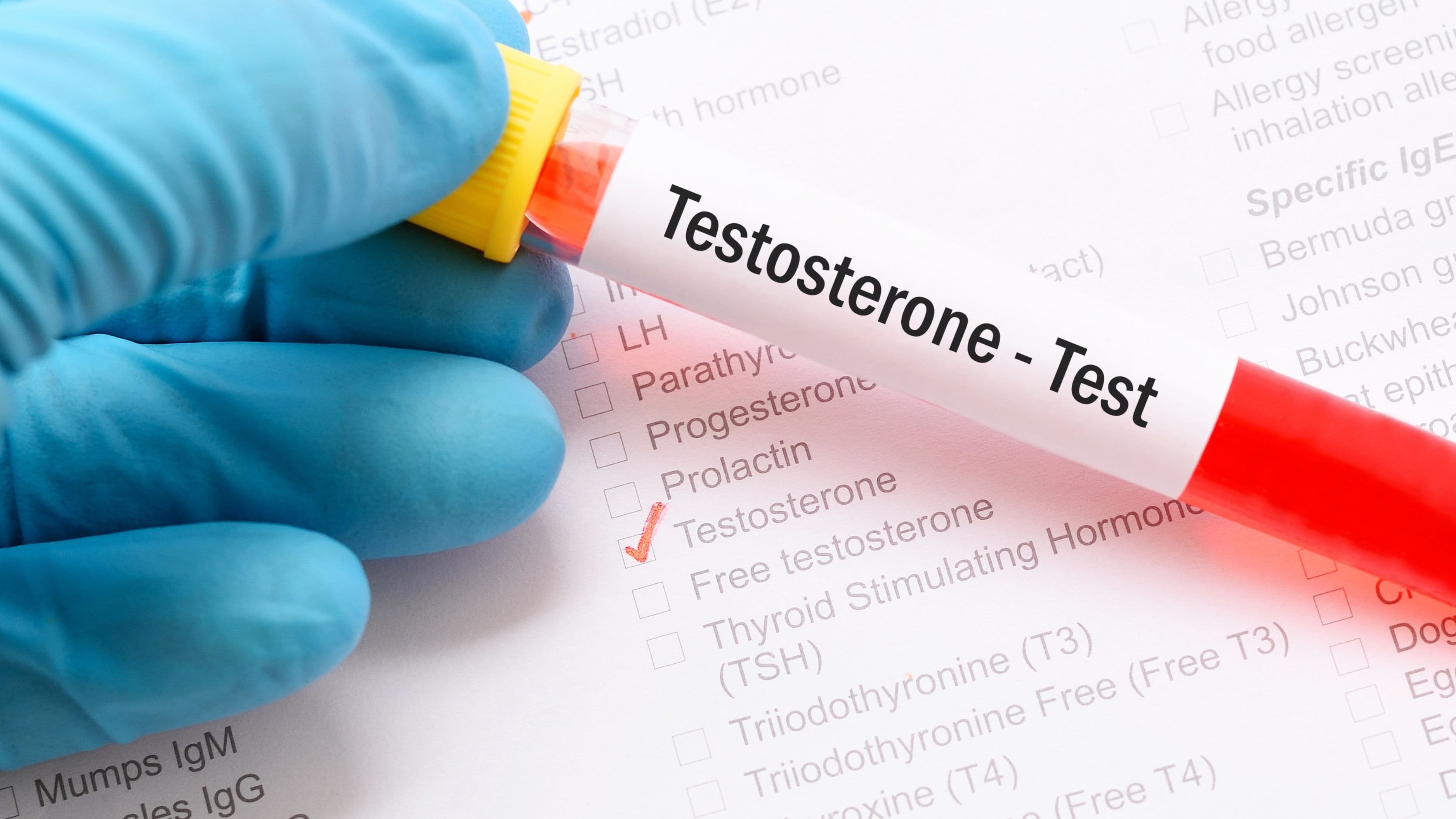
You cannot run a responsible DHEA protocol without baseline bloodwork. The relevant markers are:
DHEA-S is the primary measurement. This is the sulfated form that circulates in blood and provides a stable reflection of adrenal DHEA output. DHEA itself has a short half-life and fluctuates significantly throughout the day; DHEA-S is stable and gives you an accurate baseline. Reference ranges for men aged 40–49 are typically 106–464 µg/dL, with optimal levels for this age sitting in the upper-middle range (250–400 µg/dL) according to most functional medicine frameworks.
Total and free testosterone should be measured alongside DHEA-S. Since DHEA is a precursor to testosterone, supplementation can shift testosterone levels meaningfully – particularly free testosterone. You need a pre-protocol baseline to know whether supplementation is doing what you intend.
Estradiol (E2) is essential. DHEA converts to both androgens and estrogens. Men who aromatize at higher rates – typically those with higher body fat – will see a greater proportion of DHEA converting to estradiol rather than testosterone. If you start DHEA and drive E2 elevated without knowing, you can produce symptoms (water retention, mood changes, reduced libido) that are the opposite of what you're after.
DHT is worth measuring if you have a history of prostate concerns or male pattern hair loss, as DHEA supplementation increases DHT-pathway androgen activity. This isn't a reason to avoid DHEA in most men, but it's a variable worth tracking.
PSA is a baseline safety marker if you're over 45 and haven't had a recent screen. There's no strong evidence that physiological DHEA supplementation drives prostate pathology, but establishing a pre-protocol PSA baseline is standard practice before any androgen-adjacent intervention.
Test timing: draw blood in the morning (7–10am), fasted or lightly fasted. For follow-up testing after starting a protocol, wait a minimum of six to eight weeks before retesting to allow levels to stabilize.
Dosing Protocol
The most commonly studied and clinically recommended range for DHEA supplementation in men over 40 is 25–50mg per day. Here's how to structure dosing based on your baseline DHEA-S:
DHEA-S below 150 µg/dL: Start at 25mg/day. Retest at eight weeks. If DHEA-S has not reached the 200–350 µg/dL range, increase to 50mg/day and retest at 12 weeks. This tier represents confirmed deficiency and is where the evidence for benefit is strongest.
DHEA-S 150–250 µg/dL: Start at 25mg/day. Monitor symptoms and retest at eight to twelve weeks. Many men in this range respond well to 25mg with measurable improvements in energy, libido, and body composition without overshooting. Avoid starting at 50mg in this range – the conversion to estradiol can push E2 out of optimal range unnecessarily.
DHEA-S above 250 µg/dL: The evidence does not support routine supplementation at normal or high-normal levels. If you're symptomatic despite normal DHEA-S, investigate other causes before adding exogenous DHEA. Supplementing on top of adequate levels primarily increases conversion to estradiol and DHT without meaningful testosterone or wellbeing benefit.
Dosing logistics: Take DHEA in the morning to align with the natural diurnal cortisol and adrenal rhythm. DHEA-S levels are highest in the morning and decline through the day – matching supplementation to that pattern produces more physiological conversion dynamics. Take with food to improve absorption.
Micronized vs. standard DHEA: Micronized DHEA (also referred to as "sustained-release" in some formulations) shows improved bioavailability in some data, with smoother serum levels and potentially more favorable androgen-to-estrogen conversion ratios compared to standard DHEA. It's a reasonable preference if cost isn't a constraint, but standard micronized DHEA from a reputable pharmaceutical-grade supplier is adequate.
Risks and What to Monitor
DHEA has a relatively favorable safety profile at physiological doses (25–50mg), but it's an active steroid precursor and requires monitoring. The primary risk vectors are:
Estradiol elevation. As discussed, DHEA's downstream conversion to estradiol is the most common adverse outcome in men using it without monitoring. Symptoms of elevated E2 include water retention, nipple sensitivity, mood instability, and – paradoxically – reduced libido despite higher androgen precursor levels. Monitor E2 at six to eight week intervals when starting or adjusting dose. If E2 rises above optimal range (typically defined as 20–30 pg/mL in most functional medicine protocols), reduce dose before reaching for an aromatase inhibitor.
DHT-pathway effects. Increased DHEA-S drives 5-alpha reductase activity and can accelerate androgenic alopecia in men with the genetic predisposition. It can also exacerbate benign prostatic hyperplasia symptoms in men who are already symptomatic. Neither is a reason to avoid DHEA categorically, but they are reason to monitor PSA and be aware of urinary symptoms.
Adrenal suppression with long-term high-dose use. This is the least-discussed risk and the most clinically important for men who use DHEA at higher doses (above 75–100mg) for extended periods. Exogenous DHEA can suppress endogenous adrenal production via negative feedback, creating a dependency dynamic similar to what occurs with exogenous corticosteroids. At 25–50mg/day for typical protocol durations (three to six months), this is unlikely to be clinically significant, but it's a reason to avoid indefinite high-dose use without periodic breaks.
Drug interactions. DHEA interacts with anticoagulants (warfarin), insulin and oral hypoglycemics, and certain psychiatric medications. If you're on any of these, consult a physician before starting.
Protocol Summary
Get baseline DHEA-S, total and free testosterone, estradiol, DHT, and PSA before starting
If DHEA-S is below 150 µg/dL, start at 25mg/day; if 150–250, start at 25mg and monitor
Do not supplement if DHEA-S is above 250 µg/dL without clinical justification
Take in the morning with food
Retest at six to eight weeks: DHEA-S, testosterone (total and free), and estradiol
Adjust dose based on bloodwork, not symptoms alone
Plan for a protocol duration of three to six months, then retest and reassess
Do not exceed 50mg/day without clinical supervision and confirmed need
FAQ
Can DHEA replace TRT? No. DHEA supplementation raises testosterone through indirect precursor conversion, which is variable, dependent on enzyme activity, and insufficient to produce TRT-level testosterone increases. In men with confirmed hypogonadism (total testosterone below 300 ng/dL), DHEA is not a substitute for TRT. It may be a useful adjunct or an appropriate intervention for men with low DHEA-S who have low-normal testosterone without meeting clinical hypogonadism criteria.
Does DHEA affect cortisol? DHEA and cortisol share the same adrenal precursor (pregnenolone) and generally exist in an inverse relationship – higher chronic cortisol is associated with suppressed DHEA production, which is partly why high-stress men often have low DHEA-S. Supplementing DHEA does not directly lower cortisol, but some data suggests it may modulate the cortisol-to-DHEA ratio in ways that improve stress resilience. This mechanism is plausible but not well-established enough to be a primary therapeutic target.
Is DHEA detectable in sports drug testing? Yes. DHEA is a banned substance under WADA rules and most professional and amateur sport anti-doping codes. If you compete in any tested sport, DHEA supplementation is prohibited regardless of how it's framed clinically.
How long until I notice a difference? If your DHEA-S is genuinely deficient and you're using an appropriate dose, most men notice changes in energy, libido, and mood within three to six weeks. Body composition changes take longer – twelve to sixteen weeks of consistent use with concurrent training and nutrition in order. If you're noticing nothing at eight weeks, retest before increasing dose – confirm the supplement is actually raising your DHEA-S before assuming you need more.
Should I cycle DHEA or use it continuously? For most men running a restoration protocol, three to six months on followed by a break and retest is a reasonable structure. Continuous indefinite use without monitoring is not recommended. If DHEA-S normalizes and stays normalized, tapering off and monitoring whether levels hold is a reasonable next step.
📚 Sources
Nair KS, et al. DHEA in elderly women and DHEA or testosterone in elderly men. NEJM. 2006: https://www.nejm.org/doi/full/10.1056/NEJMoa054629
Baulieu EE, et al. Dehydroepiandrosterone (DHEA), DHEA sulfate, and aging. PNAS. 2000: https://www.pnas.org/doi/10.1073/pnas.97.8.4279
Labrie F, et al. DHEA and its transformation into androgens and estrogens in peripheral target tissues. Front Neuroendocrinol. 2001: https://www.sciencedirect.com/science/article/pii/S009130220090509X
Morales AJ, et al. Effects of replacement dose of DHEA in men and women of advancing age. J Clin Endocrinol Metab. 1994: https://academic.oup.com/jcem/article/78/6/1360/2833220
Genazzani AR, et al. Long-term low-dose DHEA replacement therapy in aging males. J Endocrinol Invest. 2004: https://link.springer.com/article/10.1007/BF03347469
Panjari M, Davis SR. DHEA therapy for women: effect on sexual function and wellbeing. Hum Reprod Update. 2007 (includes male comparison data): https://academic.oup.com/humupd/article/13/3/239/623836
Traish AM, et al. DHEA: A precursor steroid with wide-ranging biological actions. J Sex Med. 2011: https://www.jsm.jsexmed.org/article/S1743-6095(15)33604-9/fulltext