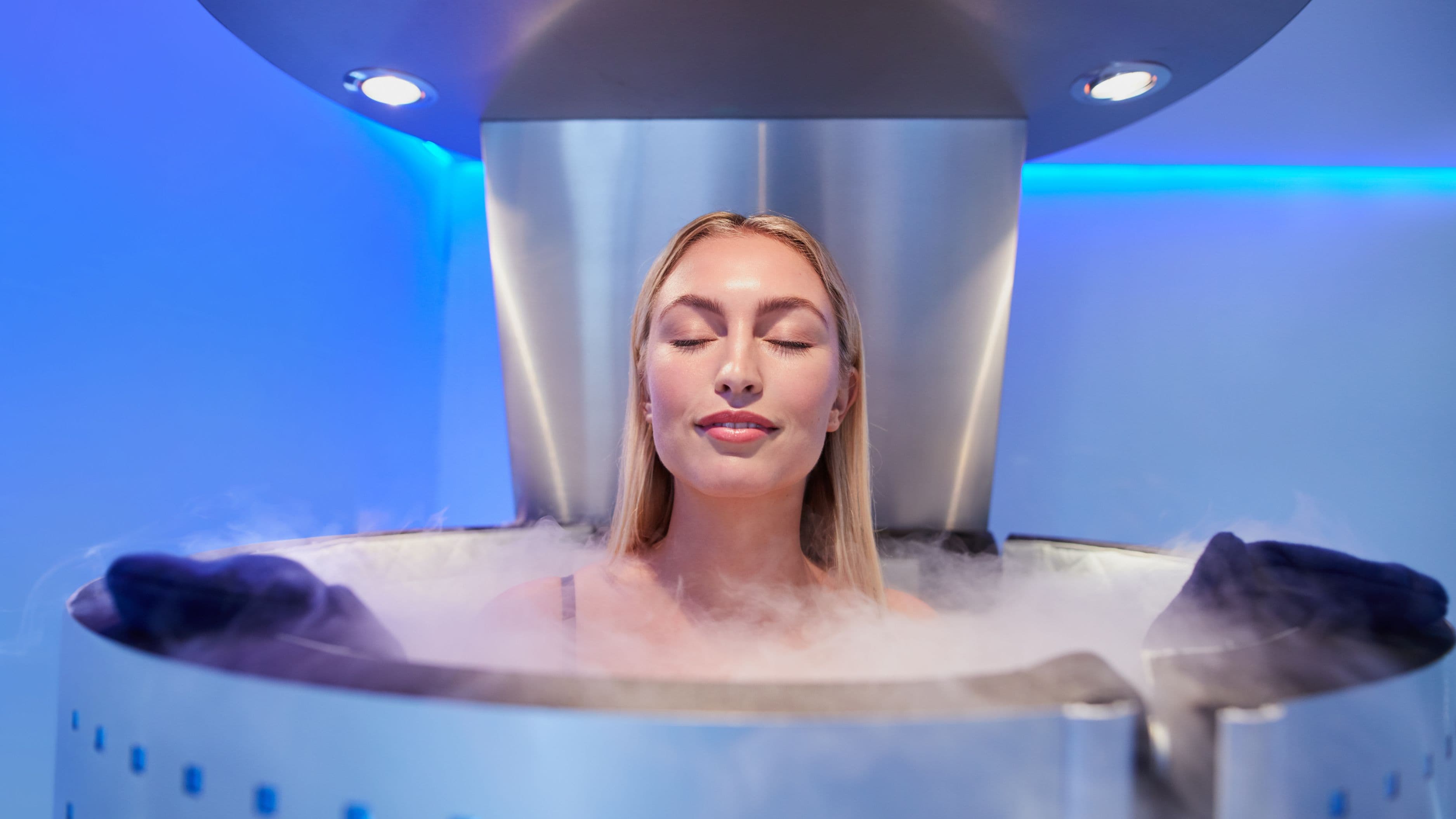

Used correctly, contrast therapy accelerates clearance of metabolic waste, drives vascular adaptations that improve nutrient delivery, and produces acute hormonal responses that support recovery. Used incorrectly – wrong timing, wrong temperatures, wrong sequencing – it either blunts the training adaptation you just worked for or produces negligible benefit over passive rest.
This is the full protocol breakdown.
Mechanisms: What Contrast Therapy Actually Does
Vascular pumping is the primary mechanical driver. Alternating heat and cold creates repeated vasodilatation and vasoconstriction – the cardiovascular equivalent of a pump. Heat exposure dilates peripheral blood vessels, increasing blood flow to the skin and superficial musculature. Cold exposure triggers vasoconstriction, shunting blood centrally. The alternating cycle creates a hydraulic pressure differential that accelerates the clearance of lactate, inflammatory cytokines, and metabolic byproducts from tissue, while simultaneously improving nutrient and oxygen delivery during the vasodilation phases.
Inflammatory modulation is distinct from simple anti-inflammatory suppression. A well-structured contrast protocol doesn't blunt the inflammatory response entirely – it accelerates the resolution phase. Research distinguishes between acute inflammation (necessary for adaptation) and the sustained, unresolved inflammation that impairs subsequent performance. Contrast therapy appears to act primarily on the resolution side, reducing delayed-onset muscle soreness (DOMS) and perceived fatigue without the adaptation-blunting concerns associated with immediate post-exercise cold immersion alone.
Autonomic nervous system cycling is an underappreciated mechanism. Heat exposure activates the parasympathetic system, lowers heart rate variability acutely, and promotes physiological relaxation. Cold exposure activates the sympathetic system – catecholamine release, elevated heart rate, heightened alertness. Alternating between these states produces a form of autonomic training that, with consistent practice, improves vagal tone and HRV at rest. This is relevant not just for recovery but for long-term cardiovascular and cognitive performance.
Endocrine responses are substantial. A single sauna session at 80°C (176°F) lasting 20–30 minutes produces growth hormone pulses that can reach 200–300% above baseline in some subjects, with significant inter-individual variability. Cold exposure triggers norepinephrine release – a 200–300% increase has been documented in studies using water temperatures of 14°C (57°F) – along with dopamine elevations that persist for several hours post-immersion. These are not minor hormonal fluctuations. They are physiologically significant acute responses with direct relevance to recovery, mood, and next-session readiness.
The Evidence Base
A 2013 systematic review published in the Journal of Strength and Conditioning Research (Bieuzen et al.) examining 13 studies on contrast water therapy found significant reductions in DOMS at 24 and 48 hours post-exercise compared to passive recovery, with effect sizes comparable to cold water immersion alone but with superior outcomes on perceived fatigue. A 2017 meta-analysis by Hohenauer et al. similarly found contrast therapy superior to passive rest across multiple recovery markers, with the qualification that optimal protocols varied considerably across studies.
The timing question is where the mechanistic nuance matters most. A well-cited 2012 study by Roberts et al. in The Journal of Physiology found that cold water immersion post-training attenuated long-term strength and hypertrophy adaptations by blunting satellite cell activity and anabolic signaling. This finding has been widely extrapolated to all cold modalities, but the application to contrast therapy is more nuanced. The Roberts et al. data specifically implicated prolonged cold immersion immediately post-training. Contrast therapy with shorter cold phases, delayed timing, or applied to non-resistance training recovery contexts does not carry the same adaptation-blunting risk profile.
The practical implication: use contrast therapy strategically based on your training goal for that session and that week, not as a blanket daily recovery protocol.
Protocol Design: Variables That Determine Outcomes
Temperature Parameters
Heat phase: A traditional Finnish sauna at 80–100°C (176–212°F) is the gold standard heat source, with infrared saunas running 50–65°C (122–149°F) producing meaningful but comparatively lower physiological stress. Steam rooms at 40–45°C (104–113°F) with high humidity produce substantial cardiovascular load through a different mechanism (inhibited evaporative cooling) and are a viable alternative. The key metric is core temperature elevation – you are targeting a 1–2°C rise in core body temperature during heat phases, which typically requires 10–20 minutes in a traditional sauna depending on temperature and individual acclimatization.
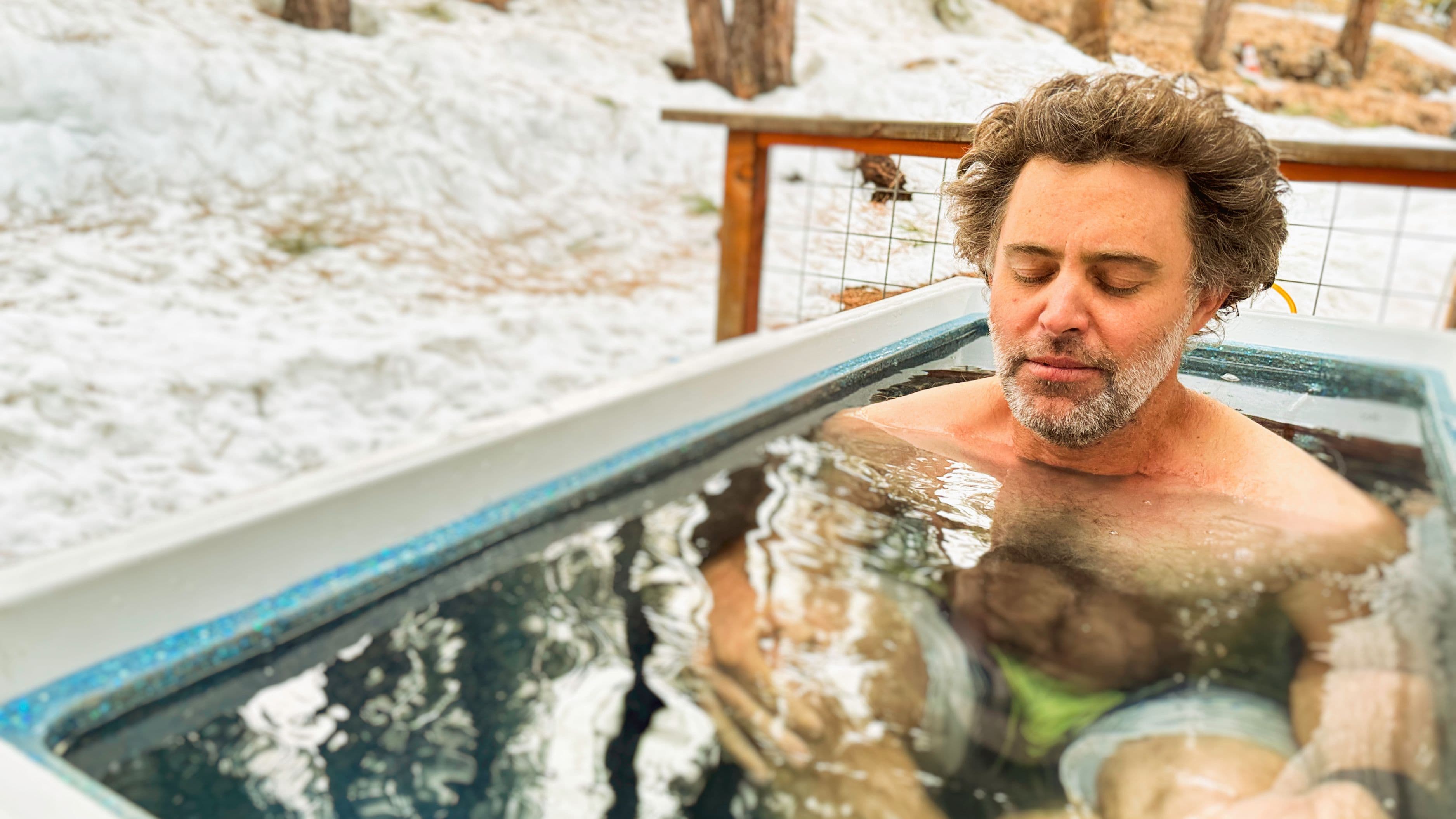
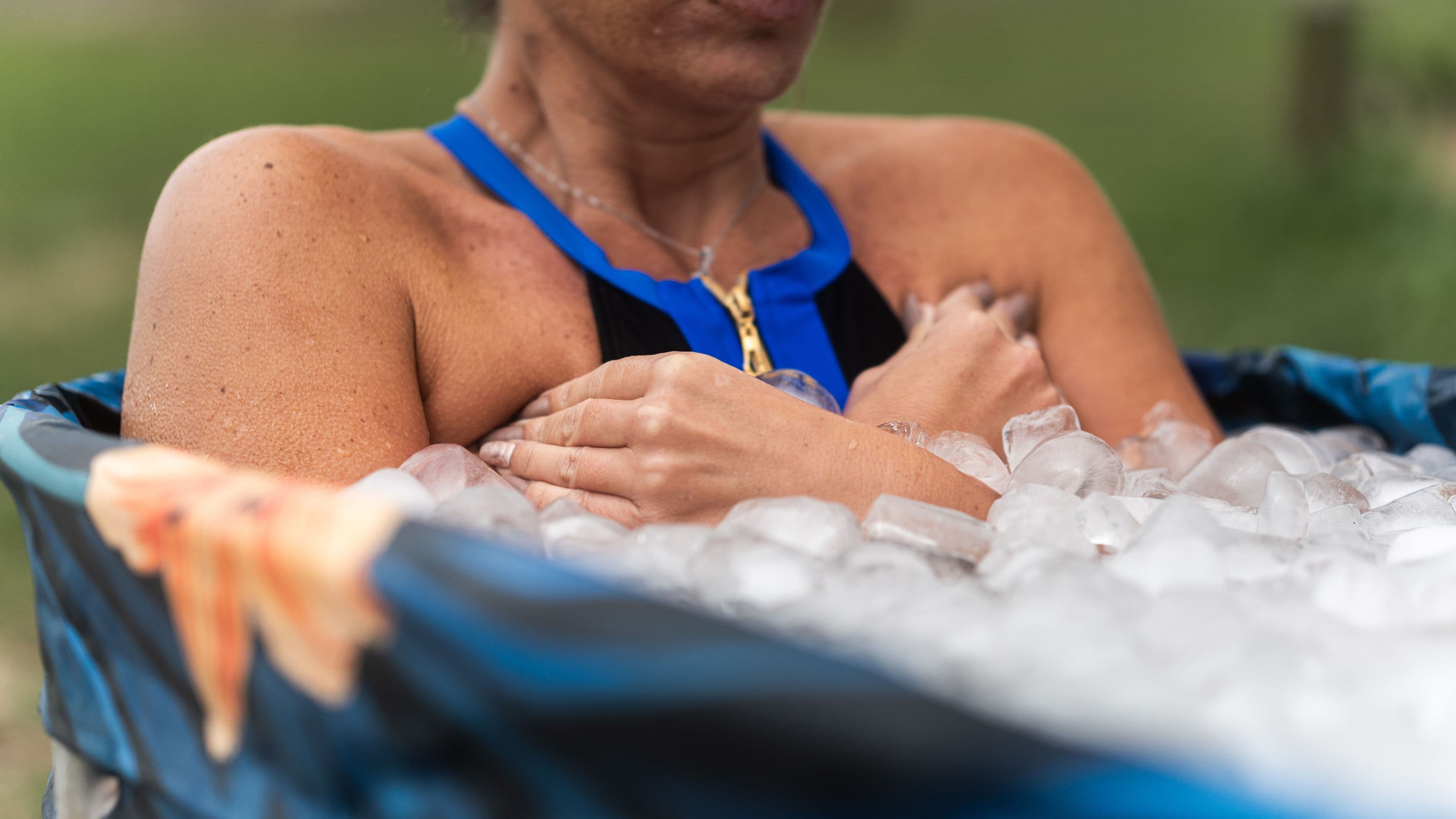
Cold phase: Water immersion is more thermodynamically efficient than air exposure (water conducts heat approximately 25x faster than air), making cold plunges, ice baths, or cold showers meaningfully different in their physiological impact. Effective temperature range for contrast therapy cold phases is 10–15°C (50–59°F). Below 10°C produces rapid vasoconstriction with diminishing marginal returns on most recovery markers and increases the risk of cold shock response. Above 18°C begins to lose efficacy as a vasoconstrictor. If cold immersion is unavailable, a cold shower at full cold can serve as a functional substitute, though the peripheral surface area exposure and thermodynamic efficiency are inferior to full immersion.
Cycle Structure
The most studied and practically validated protocol structure follows a 3:1 or 2:1 heat-to-cold ratio in time, with three to five complete cycles per session.
Standard recovery protocol: Heat phase: 10–15 minutes at 80–100°C Cold phase: 2–3 minutes at 10–15°C Transition time: 60–90 seconds maximum Total cycles: 3–4 Total session time: 40–60 minutes
Intensive protocol (higher-demand training days): Heat phase: 15–20 minutes Cold phase: 3–5 minutes Cycles: 4–5 Total session time: 60–90 minutes
Abbreviated protocol (time-constrained or maintenance): Heat phase: 8–10 minutes Cold phase: 90 seconds–2 minutes Cycles: 2–3 Total session time: 25–35 minutes
The session should always end on cold. This is not arbitrary convention – ending on heat leaves peripheral vasodilation active, which can increase post-session fluid redistribution and delay the return to resting vascular tone. Ending on cold drives a final vasoconstriction cycle and activates the prolonged norepinephrine and dopamine release that contributes to the well-documented post-session mood and alertness effect.
Timing Relative to Training
Hypertrophy and strength training days: Do not use contrast therapy immediately post-training if maximizing hypertrophy adaptation is the priority. The cold phases in contrast therapy – even brief ones – activate cold shock proteins and transiently suppress mTOR signaling, the primary anabolic pathway for muscle protein synthesis. The Roberts et al. data supports at least a 6-hour buffer between resistance training and cold exposure. If same-day contrast therapy is necessary, perform it before training rather than after, or accept a modest trade-off in hypertrophy stimulus for superior short-term recovery.
Endurance and metabolic training days: Contrast therapy is well-suited to post-session recovery following running, cycling, rowing, or metabolic conditioning. The adaptation-blunting concern applies primarily to resistance training. For endurance athletes, post-training contrast therapy can meaningfully reduce DOMS, improve next-day readiness, and support the training frequency that endurance sports demand.
Competition or performance days: Use contrast therapy in the 12–24 hours preceding high-stakes performance, not immediately before. The acute hormonal response (norepinephrine, catecholamines) from cold exposure can be leveraged for pre-performance arousal with a brief cold phase alone, but full contrast cycling within 2–3 hours of performance may produce residual fatigue from the parasympathetic loading of heat phases.
Recovery days: Optimal application. No adaptation-blunting concern, full protocol can be applied, and the benefits to DOMS resolution, autonomic balance, and hormonal output are directly relevant to preparing for the next training block.
Facility and Equipment Considerations
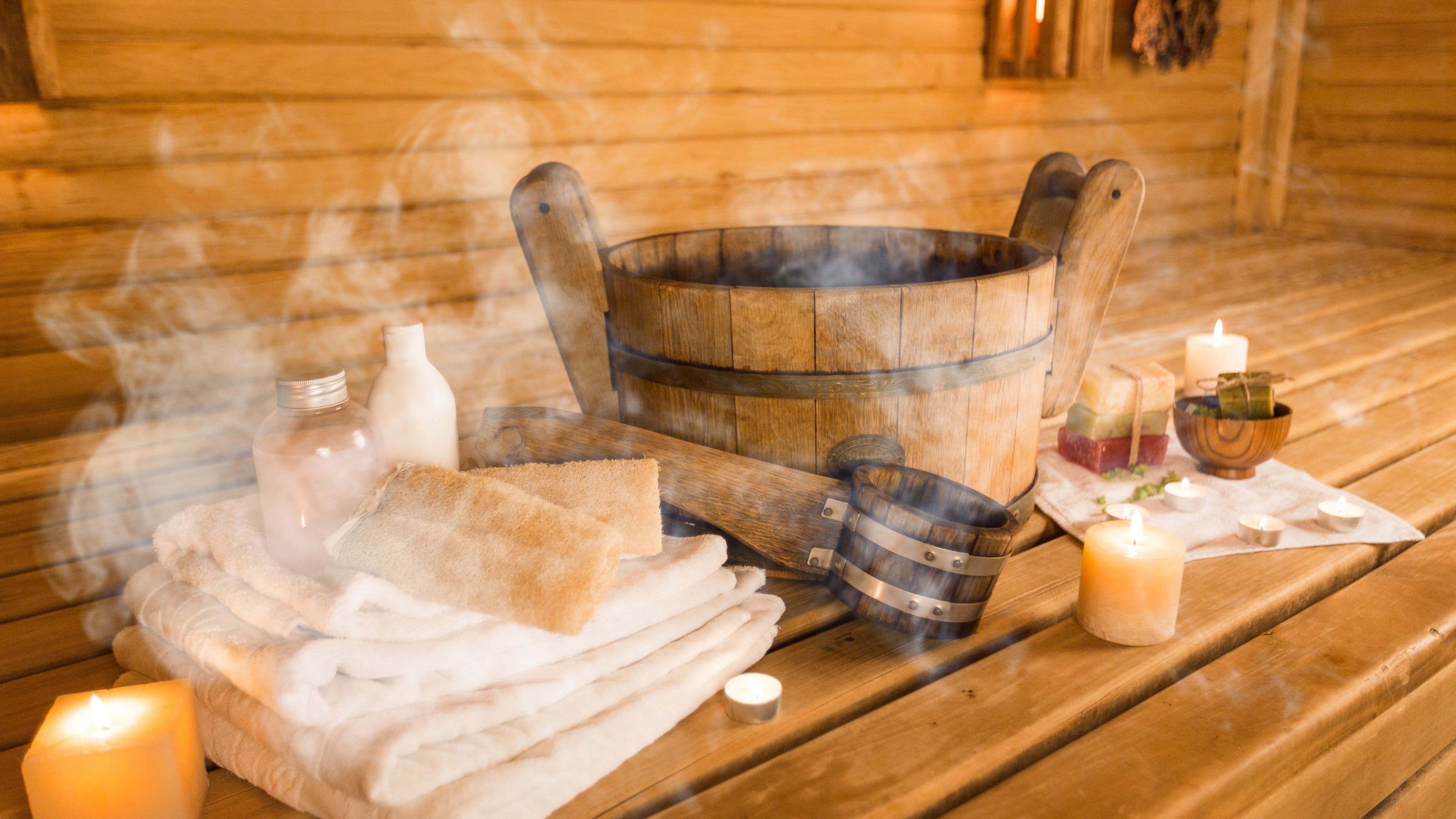
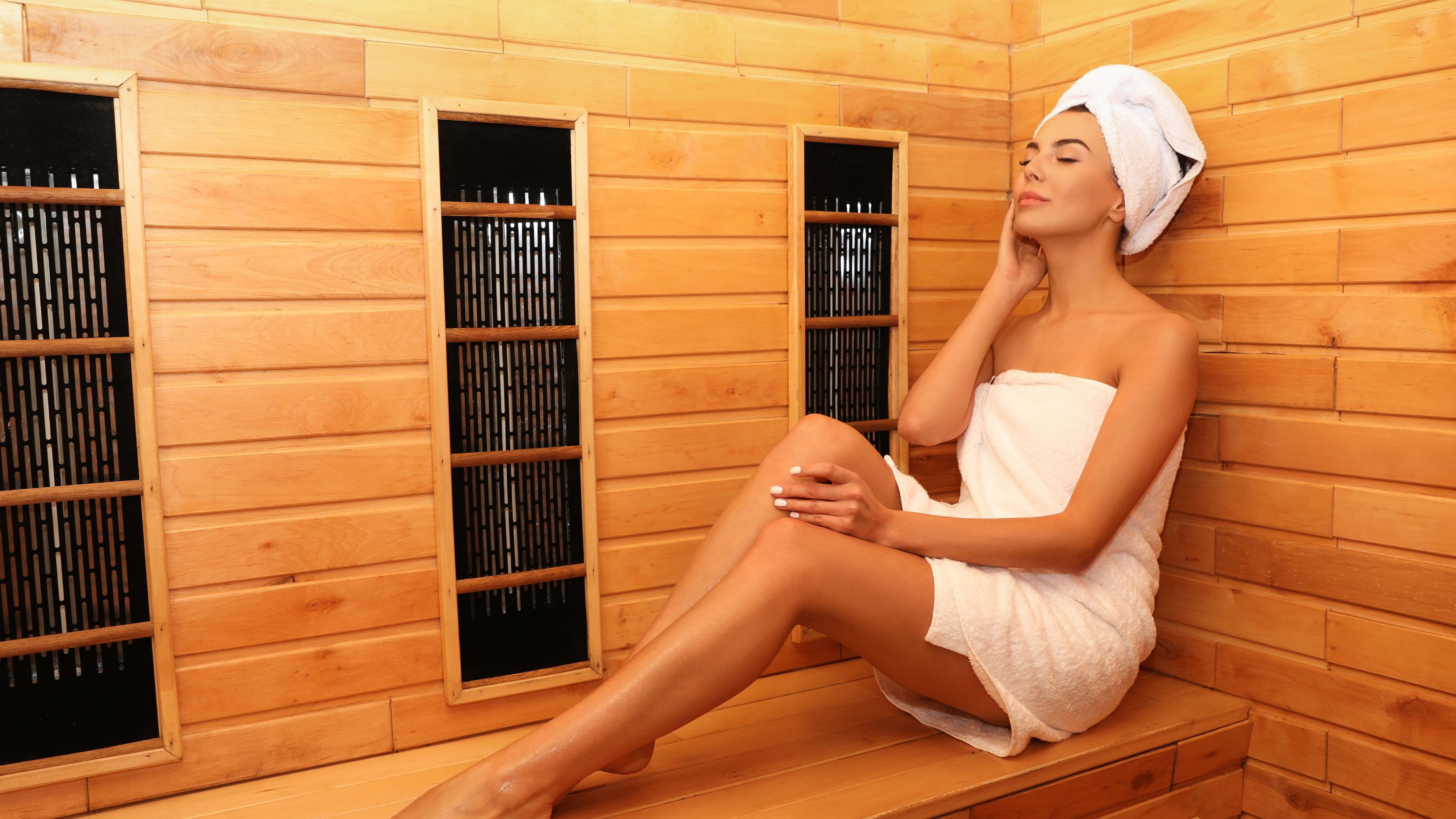
Sauna: Traditional Finnish (electric or wood-fired) provides the most reliable temperature control and represents the most extensively studied heat modality. For home installation, a 2-person barrel or cabin sauna with a 6–9kW heater is sufficient for single-user sessions and reaches target temperatures in 20–30 minutes. Infrared saunas are more accessible for home installation but require longer sessions to achieve equivalent core temperature elevation. Steam rooms are viable but less controllable in temperature and introduce humidity variables that affect perceived vs. actual heat load.
Cold immersion: A purpose-built cold plunge (Ice Barrel, Plunge, Morozko Forge) that maintains consistent water temperature is superior to an ice bath for protocol consistency – particularly for users doing daily or near-daily sessions where re-icing is impractical. The minimal viable option is a chest freezer converted to a cold plunge using a chiller unit or regular ice maintenance, which can achieve consistent 10–12°C temperatures at substantially lower cost than commercial units. Cold showers as a sole cold modality are functional but represent a meaningful step down in protocol efficacy for serious applications.
Proximity: The functional effectiveness of contrast therapy depends significantly on rapid transitions between heat and cold. Transition times exceeding 2–3 minutes allow partial re-equilibration of vascular tone and reduce the amplitude of the vasodilatation-vasoconstriction cycle. Home setups with sauna and cold plunge in the same space or adjacent spaces are meaningfully superior to gym setups that require walking between facilities.
Contraindications and Risk Management
Contrast therapy represents a significant cardiovascular challenge. The repeated cycles of peripheral vasodilation and constriction, combined with elevated heart rate from heat exposure and acute sympathetic activation from cold, place real demand on cardiac function. For healthy, trained men under 55 with no cardiovascular risk factors, the risk profile is low and the intervention is well-tolerated. The following warrant medical clearance or exclusion:
Uncontrolled hypertension (heat exposure acutely lowers blood pressure through vasodilation, but cold phases can spike it sharply – the net effect in hypertensive individuals is unpredictable). Known or suspected cardiac arrhythmia. Peripheral vascular disease or Raynaud's phenomenon. Acute illness, fever, or active infection. Recent acute injury with significant swelling – cold vasoconstriction may temporarily impede rather than assist acute inflammatory resolution in the first 24–48 hours post-injury.
Alcohol and contrast therapy are categorically incompatible. Alcohol impairs the vascular response to both heat and cold, blunts the hormonal response, and increases risk of hypotension and syncope in the heat phases. This is not a precaution to modulate based on volume consumed.
What Doesn't Work
Longer is not necessarily better. Heat phase extension beyond 20–25 minutes produces diminishing marginal returns on most recovery markers and increases the risk of heat exhaustion, dehydration, and hypotension during cold transitions. The research dose-response curve plateaus well below the durations some practitioners recommend.
Cold showers as a direct substitute for immersion underperform on the vascular pumping mechanism because surface area exposure is incomplete and water flow interrupts full skin contact. They provide benefit – particularly the norepinephrine and dopamine response – but should not be expected to replicate the DOMS and inflammatory resolution effects of full cold immersion.
Daily contrast therapy during hypertrophy-focused training blocks will demonstrably limit muscle and strength gains if performed within the post-training adaptation window. The evidence is sufficient to take seriously. If your primary goal is adding muscle, contrast therapy belongs on rest days or in the hours before – not after – resistance training.
FAQ
How soon can I feel measurable recovery benefits from contrast therapy? Acute benefits – reduced perceived fatigue, improved mood, reduced DOMS severity – are typically noticeable within 24–48 hours of the first session. Structural adaptations, including improved resting HRV, enhanced vascular reactivity, and heat acclimatization, develop over 3–6 weeks of consistent application 3–5 times per week.
Does the order of heat and cold matter within a session? Yes. Begin with heat to elevate core temperature and prime the vascular response before cold phases. Starting with cold can produce excessive sympathetic activation that interferes with full relaxation during subsequent heat phases. Always end on cold.
Can contrast therapy replace active recovery sessions? It can replace or significantly augment passive rest as a recovery modality. It does not replace the physiological benefits of low-intensity active recovery (walking, light cycling, mobility work), which drive recovery through different mechanisms – primarily increased capillary blood flow to trained tissue at low metabolic cost. The two approaches are complementary.
What hydration protocol should accompany contrast therapy? Heat exposure is a meaningful diuretic. A standard sauna session produces 0.5–1.0L of sweat loss. Entering contrast therapy well-hydrated (clear-to-pale urine) and consuming 500–750mL of water or electrolyte solution during and immediately after the session is the minimum standard. Sodium and potassium replacement matters more than total fluid volume for sessions over 60 minutes.
Is contrast therapy appropriate during a cutting or caloric deficit phase? Yes, with appropriate hydration and electrolyte management. The hormonal benefits – sustained GH pulsatility, norepinephrine elevation – may be particularly relevant during a cut given the catabolic environment. No contraindication exists for caloric restriction contexts, though individuals in significant deficit may experience more pronounced fatigue responses to heat phases and should monitor tolerance accordingly.
Implementation Summary
Contrast therapy belongs in a structured recovery stack for any serious training program. The evidence supports its efficacy for DOMS reduction, perceived fatigue, vascular adaptation, and acute hormonal output. The protocol variables – temperature, cycle structure, session timing relative to training type – determine whether you're extracting meaningful benefit or going through the motions.
Apply it on recovery days and post-endurance sessions without qualification. Apply it post-resistance training only when hypertrophy maximization is not the primary goal of that training block. Build the infrastructure for rapid transitions, end every session on cold, and run at least three complete cycles per session to generate the vascular pumping effect that distinguishes contrast therapy from either modality used alone.
📚 Sources
Bieuzen F et al. – Contrast Water Therapy and Exercise Induced Muscle Damage (JSCR, 2013): https://journals.lww.com/nsca-jscr/Abstract/2013/09000/Contrast_Water_Therapy_and_Exercise_Induced_Muscle.27.aspx
Roberts LA et al. – Post-exercise Cold Water Immersion Attenuates Acute Anabolic Signalling (Journal of Physiology, 2015): https://physoc.onlinelibrary.wiley.com/doi/10.1113/JP270570
Hohenauer E et al. – The Effect of Post-Exercise Cryotherapy on Recovery Characteristics: A Systematic Review and Meta-Analysis (PLOS ONE, 2015): https://journals.plos.org/plosone/article?id=10.1371/journal.pone.0139028
Laukkanen JA et al. – Cardiovascular and Other Health Benefits of Sauna Bathing (Mayo Clinic Proceedings, 2018): https://www.mayoclinicproceedings.org/article/S0025-6196(18)30275-1/fulltext
Shevchuk NA – Adapted Cold Shower as a Potential Treatment for Depression (Medical Hypotheses, 2008): https://www.sciencedirect.com/science/article/pii/S0306987707005452
Bleakley C et al. – Cold-Water Immersion and Contrast Water Therapy: No Difference in the Magnitude of Recovery (Journal of Athletic Training, 2012): https://meridian.allenpress.com/jat/article/47/1/114/112023