


The Mechanism: Why CO2 Degrades Cognition
CO2 doesn't need to reach toxic levels to impair brain function. Research from Harvard's T.H. Chan School of Public Health, led by Dr. Joseph Allen, demonstrated that cognitive scores across nine domains – including strategic thinking, information usage, and crisis response – dropped significantly as indoor CO2 concentrations rose from a baseline around 550 parts per million (ppm) to levels around 1,400 ppm, well within the range of a poorly ventilated closed office. This wasn't a marginal effect; strategic thinking scores in the study dropped by more than 50 percent at the higher concentration.
The proposed mechanism involves mild cerebral vasodilation and changes in blood pH driven by elevated CO2 absorption, which can subtly alter cerebral blood flow and neural signaling even before you'd notice any conscious symptom like drowsiness or headache. This matters because it means the impairment can be operating well before you'd subjectively identify "the air feels stale" as the cause of your afternoon mental fog. You're not imagining the 3pm slowdown – there's a reasonable chance your CO2 concentration has quietly climbed 800–1000 ppm above where it started the morning.
Why Home Offices Are Particularly Vulnerable
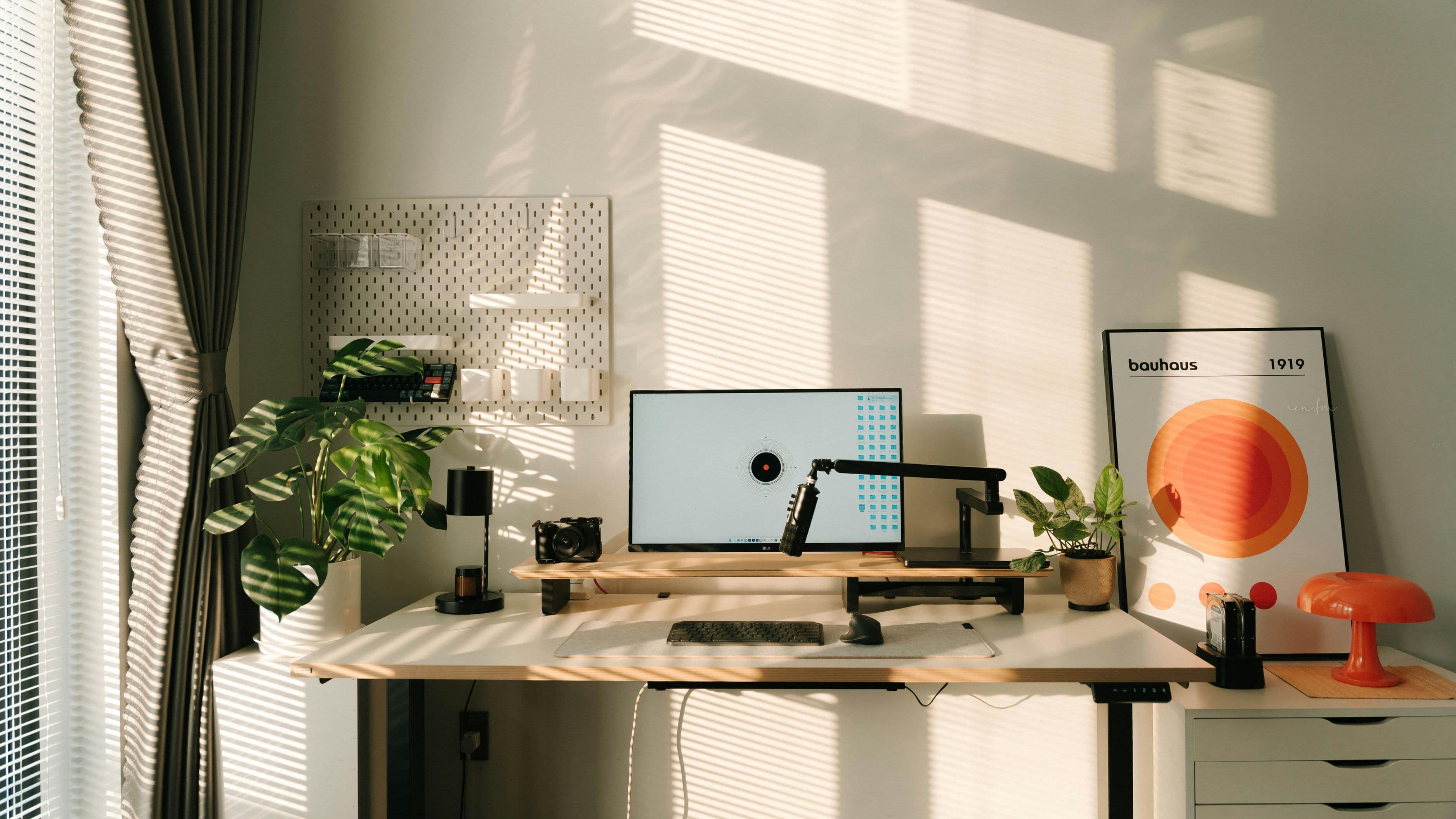
Unlike commercial buildings, which are required to meet ventilation standards set by ASHRAE (the American Society of Heating, Refrigerating and Air-Conditioning Engineers), home offices are rarely designed with mechanical ventilation in mind. A closed door, a single occupant breathing continuously in a small room, and no dedicated air exchange system creates conditions where CO2 can climb rapidly and stay elevated for hours.
A single adult at rest exhales roughly 400–500 liters of CO2 per hour. In a small, sealed home office – often under 150 square feet – this output accumulates fast without active air exchange, frequently pushing concentrations past 1,000 ppm within the first hour or two of a closed-door work session. This is compounded by common home office habits: closing the door for privacy during calls, running space heaters that don't circulate outdoor air, and working in converted bedrooms or basements with minimal natural ventilation to begin with.
The Protocol: Managing CO2 for Cognitive Output
Step 1: Establish Your Baseline
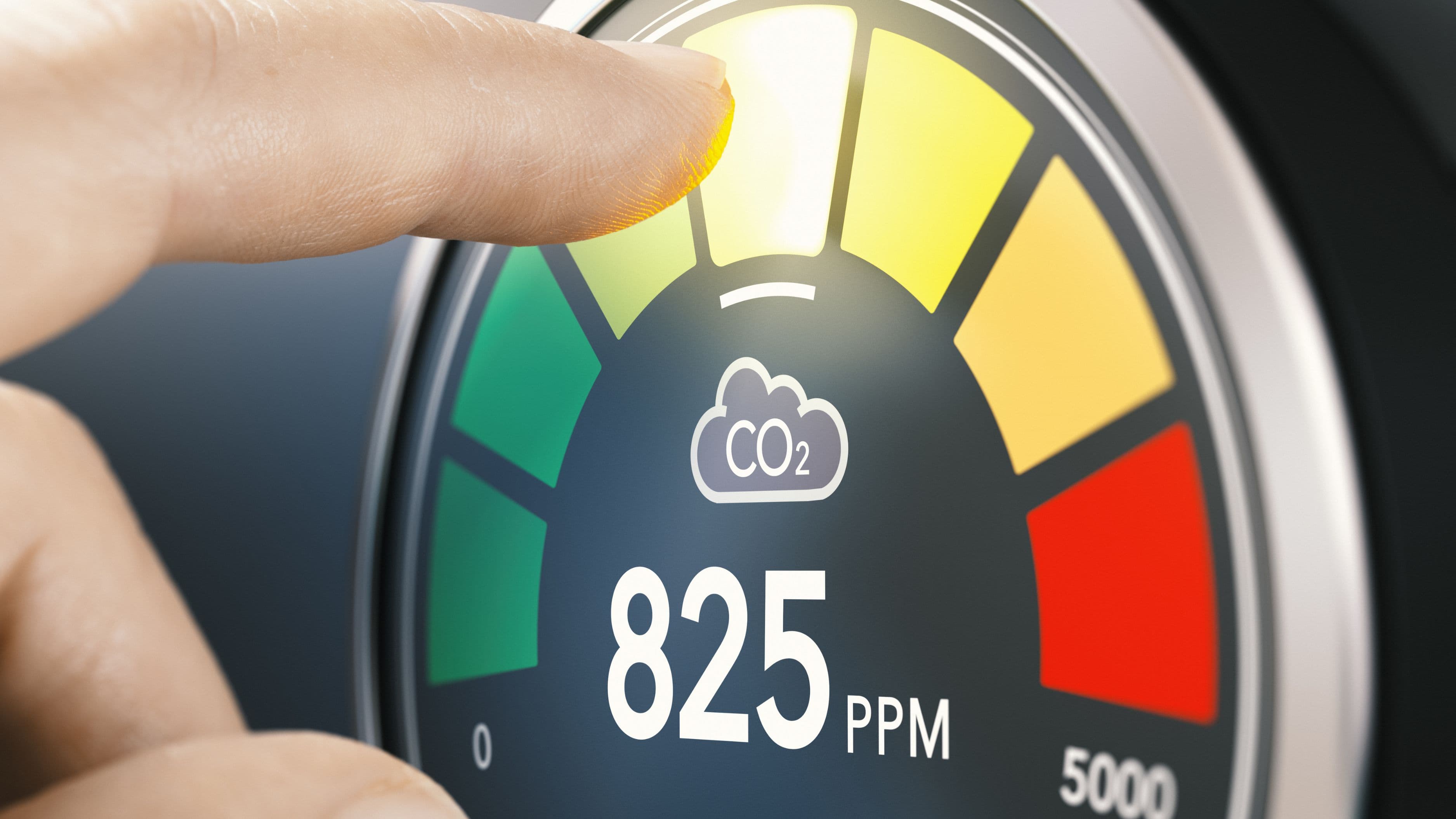
Before changing anything, measure your actual exposure. A dedicated CO2 monitor, not a general air quality sensor that estimates CO2 from other pollutants, is necessary here. Devices using non-dispersive infrared (NDIR) sensors provide accurate, direct CO2 readings and are the standard used in the research cited above. Track readings over a full closed-door work session to establish your realistic baseline before making adjustments.
Step 2: Set Your Threshold
Target keeping your workspace below 800 ppm, with 600 ppm or lower as the more ambitious target for sustained cognitive output during demanding work. The Harvard research found measurable cognitive decline starting well before 1,000 ppm, so treating 1,000 ppm as an acceptable ceiling is already accepting a real performance cost.
Step 3: Increase Passive Air Exchange
The most direct intervention is also the simplest: crack a window or door periodically, ideally on a fixed schedule rather than waiting until the air "feels" stale, since you won't reliably notice the buildup subjectively. If ambient noise or temperature control makes leaving a window open impractical, a 10–15 minute full air exchange every 60–90 minutes during a closed-door session will typically reset CO2 concentration back toward outdoor baseline levels, which sit around 420 ppm.
Step 4: Add Mechanical Ventilation if Passive Exchange Isn't Sufficient
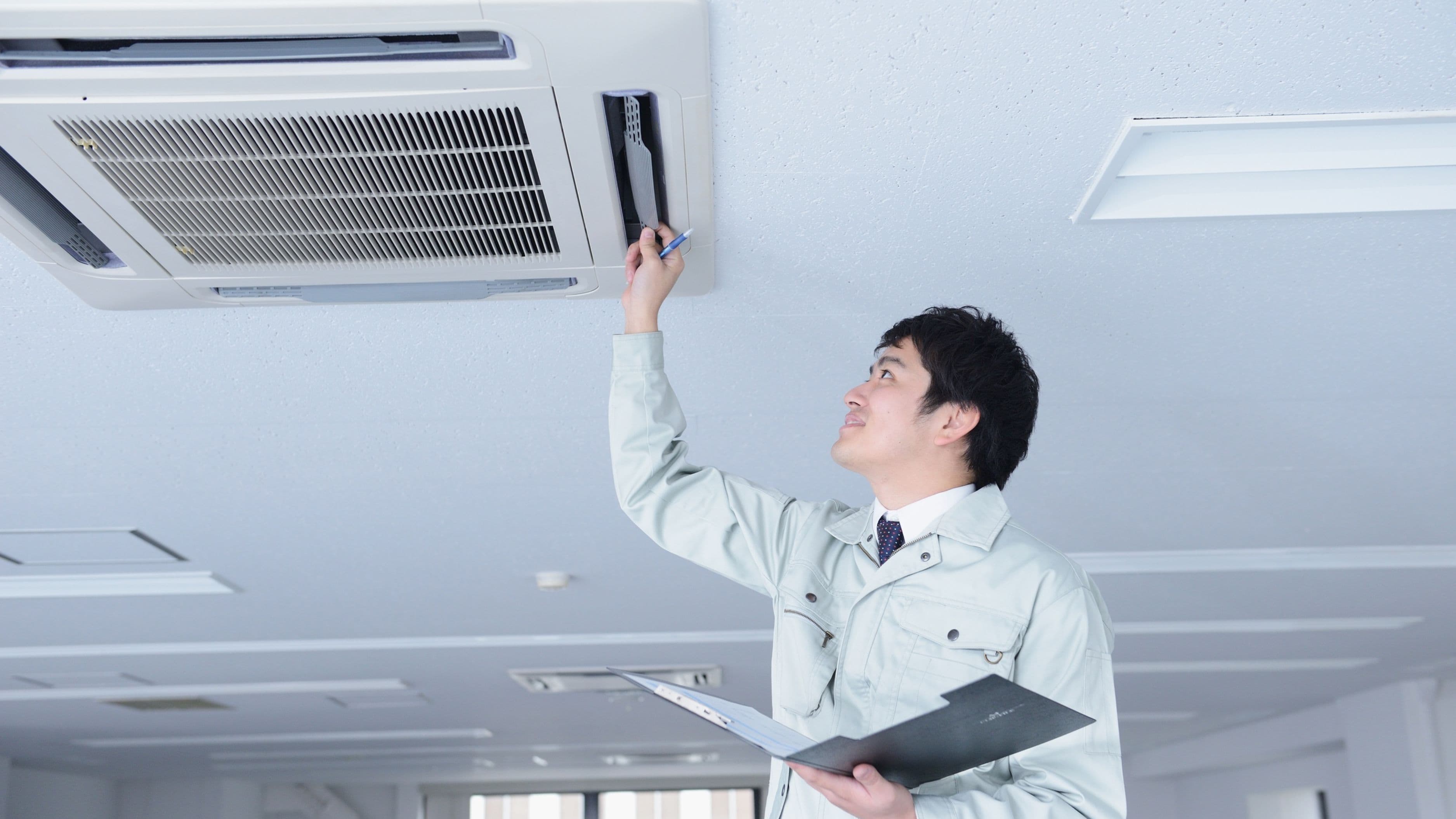
For rooms without accessible windows or in climates where leaving windows open isn't practical for large portions of the year, a dedicated ventilation fan or an energy recovery ventilator (ERV) provides continuous fresh air exchange without the temperature and humidity tradeoffs of simply opening a window. This is a more significant investment, but it's the closest equivalent to the mechanical ventilation standards commercial buildings are required to meet, and it removes the need for manual scheduling entirely.
Step 5: Monitor Continuously, Not Occasionally
A single measurement tells you almost nothing useful, since CO2 accumulation is a function of time, room size, and occupancy, all of which vary throughout a workday. Continuous monitoring with visible real-time feedback allows you to correlate your own subjective focus and energy levels against actual CO2 data, which is the only reliable way to confirm whether this variable is meaningfully affecting your specific performance.
Expected Results and Timeline
Most people who implement consistent ventilation protocols report a noticeable reduction in afternoon cognitive fatigue within the first one to two weeks, though this is subjective self-report rather than a controlled measurement of your own output. The Harvard research demonstrating cognitive score improvements was conducted in controlled lab conditions, so individual real-world results will vary based on room size, occupancy patterns, and how consistently the protocol is followed. This isn't a dramatic, instant intervention – it's a baseline environmental correction that removes a subtle, continuous performance drag that most people are working through without realizing it.
Risks, Limitations, and Common Mistakes
The most common mistake is relying on a general "air quality" app or smart home sensor that estimates CO2 from other measured pollutants rather than measuring it directly with an NDIR sensor. These estimates can be significantly inaccurate and will undermine the entire protocol if you're making ventilation decisions based on unreliable data.
A second common mistake is treating occasional, symptom-triggered ventilation (opening a window only when you feel foggy) as sufficient. By the time you subjectively notice fatigue, you've likely already been operating at reduced cognitive capacity for a meaningful stretch of time, since the research shows measurable decline occurring before most people report noticing anything.
It's also worth noting that CO2 is one variable among several that affect indoor air quality and cognitive performance, including particulate matter, volatile organic compounds (VOCs), and humidity. Addressing CO2 alone won't fully optimize a room with poor air quality across multiple dimensions, though it remains one of the most measurable and directly actionable variables available to a home office worker.
FAQ
What CO2 level is actually dangerous, versus just cognitively suboptimal? Levels above 5,000 ppm are considered occupationally hazardous by OSHA standards, far above what's typically seen in home offices. The cognitive impairment discussed here occurs at much lower concentrations, in the 1,000–1,400 ppm range, which is a performance concern rather than a safety hazard.
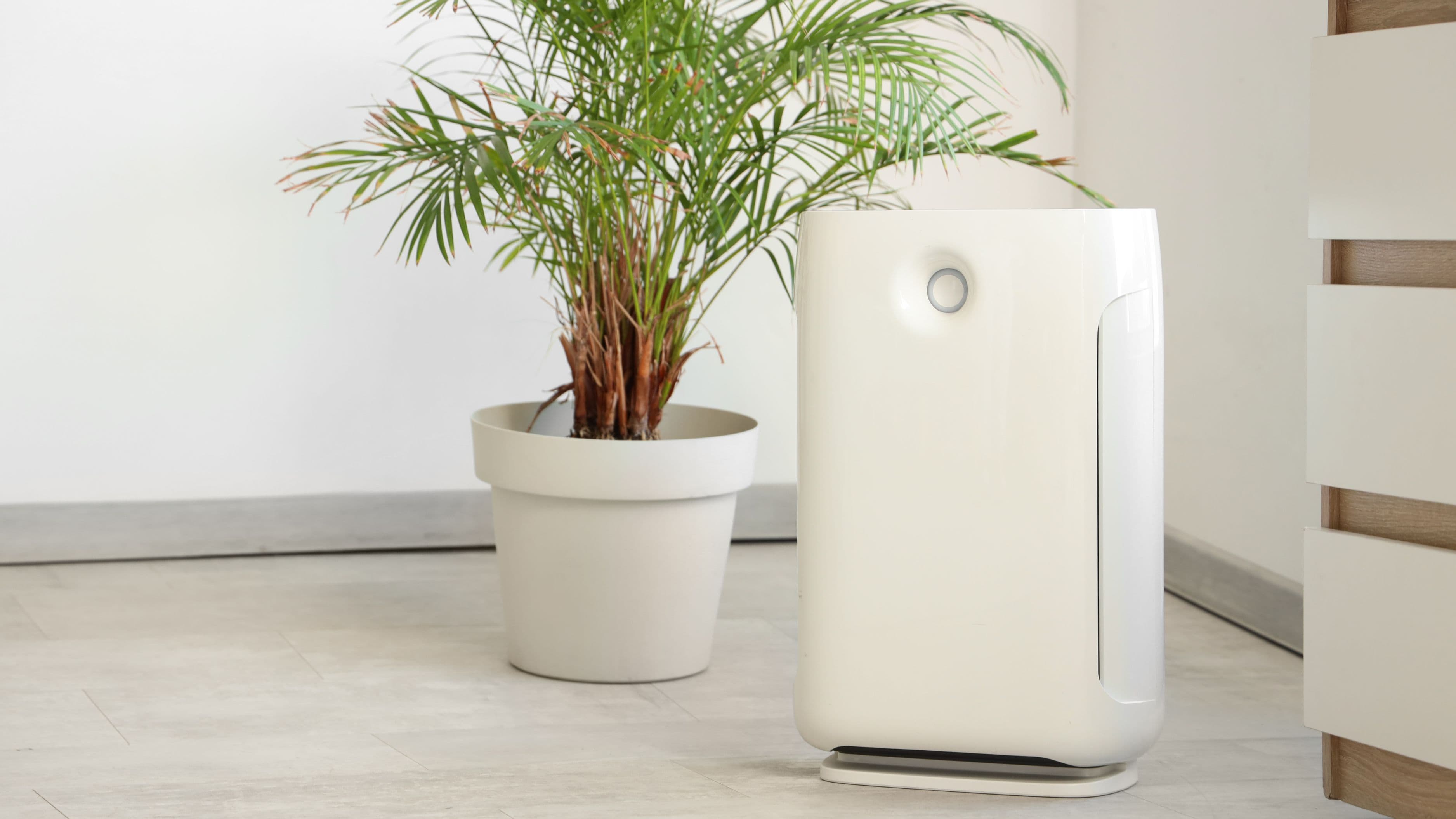
Do air purifiers reduce CO2? No. Standard air purifiers filter particulates and some VOCs but do not remove or reduce CO2 concentration, since CO2 is a gas that requires actual air exchange with outdoor air to reduce, not filtration.
How much does a reliable CO2 monitor cost? NDIR-based consumer CO2 monitors typically range from $80–250, with higher-end models offering better accuracy and additional logging features for tracking trends over time.
Does plant density in a room meaningfully reduce CO2? Not at a scale relevant to a single occupied room. The volume of CO2 a single working adult produces per hour far exceeds what typical houseplants can offset, making this a commonly overstated solution.