
The Mechanism: Why Clomiphene Raises Testosterone
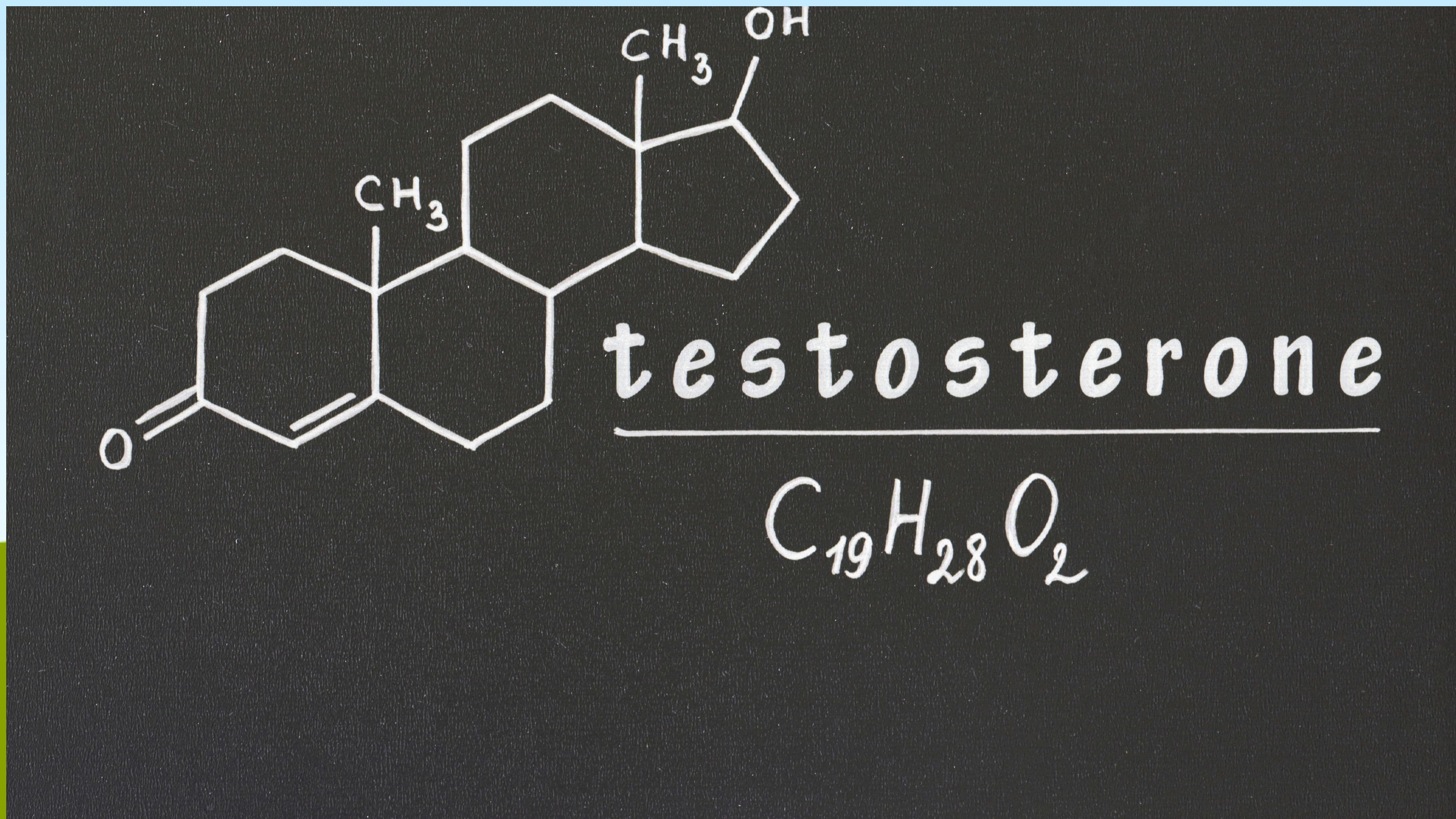
To understand clomiphene, you need to understand the HPG axis – the hypothalamic-pituitary-gonadal feedback loop that governs your body's testosterone production.
Under normal physiology, the hypothalamus releases gonadotropin-releasing hormone (GnRH) in pulses. This signals the pituitary to release luteinizing hormone (LH) and follicle-stimulating hormone (FSH). LH then signals the Leydig cells in the testes to produce testosterone, while FSH supports sperm production. Circulating estrogen and testosterone feed back to the hypothalamus and pituitary, suppressing further signaling when levels are adequate. It's a closed-loop regulatory system.
Clomiphene citrate is a selective estrogen receptor modulator (SERM). It works by blocking estrogen receptors at the hypothalamus and pituitary, which prevents estrogen from exerting its normal negative feedback signal. With that brake removed, the hypothalamus increases GnRH pulsatility, the pituitary releases more LH and FSH, and the testes respond by ramping up testosterone production. You're not introducing exogenous testosterone – you're stimulating the body's own production by removing the suppression that was limiting it.
This is the fundamental difference between clomiphene and traditional testosterone replacement therapy (TRT). TRT provides testosterone directly, which suppresses LH and FSH (the testes have no reason to produce when they're being bypassed), typically causing testicular atrophy and suppressing sperm production. Clomiphene drives the axis upstream, keeping the testes active.
Who Is Clomiphene Actually Appropriate For
The distinction between primary and secondary hypogonadism is critical here. Clomiphene only works when the problem sits upstream of the testes – specifically, when low testosterone is caused by insufficient LH/FSH signaling rather than by Leydig cell dysfunction or testicular failure.
In secondary hypogonadism, the testes are functional but understimulated. This is where clomiphene has clinical leverage. Common causes include obesity, metabolic dysfunction, hyperprolactinemia, opioid use, prior anabolic steroid use, and idiopathic low LH. In all of these, the testes can respond if given an adequate LH signal – clomiphene provides that signal by blocking the feedback inhibition that was suppressing it.
In primary hypogonadism – where the testes themselves are damaged or dysfunctional (from injury, infection, genetic conditions like Klinefelter syndrome, or post-chemotherapy) – clomiphene cannot help. No amount of upstream stimulation will generate testosterone output from testes that can't respond. For primary hypogonadism, TRT is the appropriate intervention.
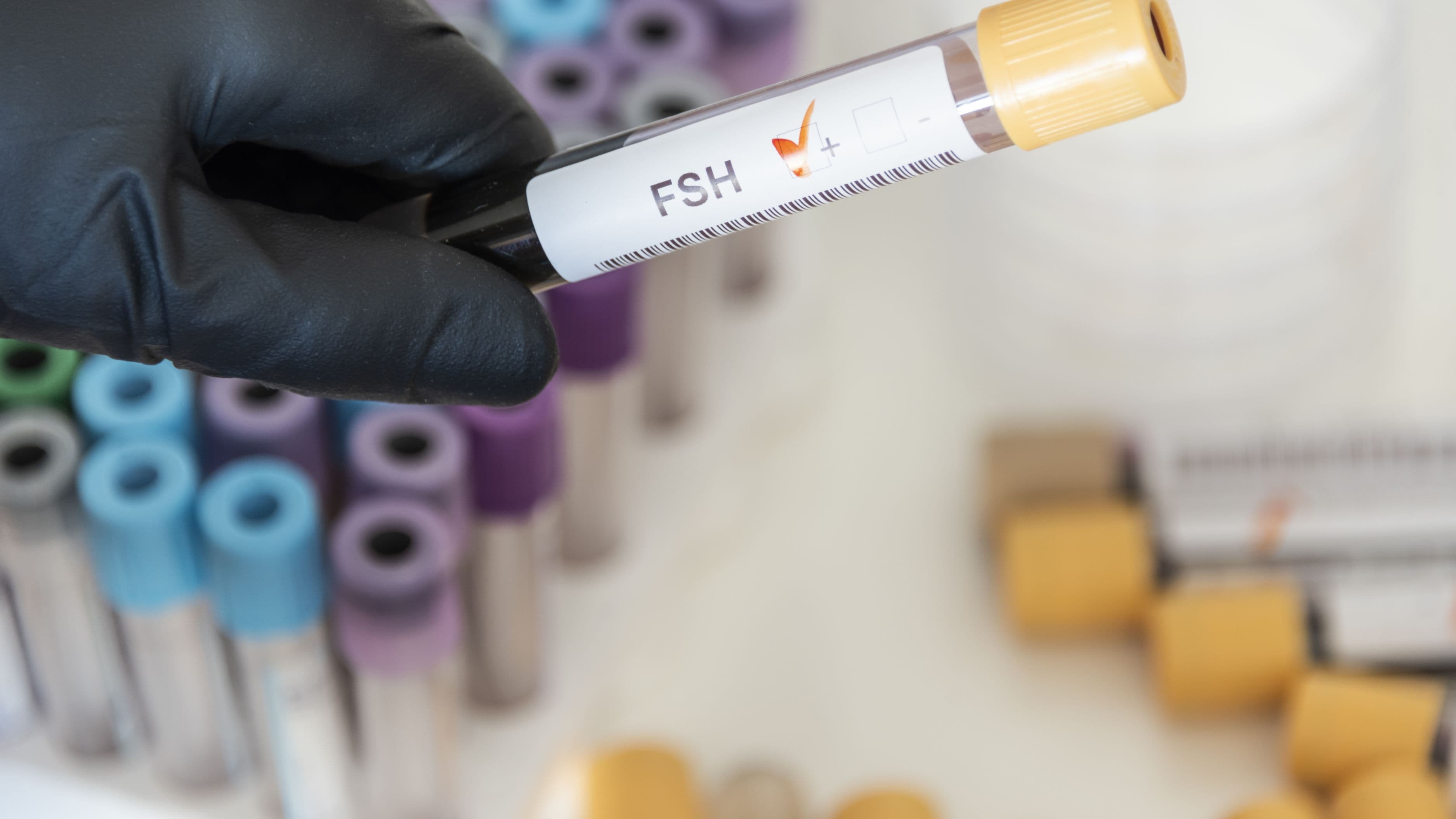
A pre-treatment hormone panel is non-negotiable for determining which category you fall into. LH and FSH levels are the key markers. Low testosterone with low or low-normal LH points to secondary hypogonadism and suggests clomiphene may be effective. Low testosterone with elevated LH and FSH points to primary hypogonadism – the pituitary is already trying to stimulate and failing.
Post-Cycle Recovery: Using Clomiphene After Suppression
One of the most common applications for clomiphene in performance-focused men is post-cycle therapy (PCT) – recovery of the HPG axis after anabolic steroid use, which suppresses endogenous testosterone production by providing exogenous androgen and essentially telling the axis to shut down.
After a steroid cycle, LH and FSH are suppressed, the testes have atrophied to varying degrees, and endogenous testosterone production is minimal. Left alone, recovery happens over weeks to months depending on the length and intensity of suppression. Clomiphene accelerates that recovery by reactivating pituitary LH/FSH release while the exogenous compounds clear.
Standard PCT protocols using clomiphene typically run four to six weeks, starting after the suppressive compounds have cleared (which depends on the half-lives involved). Common dosing structures start at 50mg daily for the first two weeks and taper to 25mg daily for the remaining weeks, though protocols vary and individual response differs. The goal is to reestablish normal LH, FSH, and testosterone levels and restore testicular volume and function.
It's worth noting that clomiphene is not the only SERM used for this purpose – tamoxifen (Nolvadex) is the other common option and works through a similar mechanism. Some protocols combine both. The evidence doesn't clearly favor one over the other for PCT, and individual response varies.
Fertility Preservation: A Key Differentiator From TRT
For men who want to raise testosterone and maintain or improve fertility simultaneously, clomiphene is one of very few options that does both. TRT at therapeutic doses typically causes significant suppression of sperm production – in some men, to azoospermia (no measurable sperm). This is why TRT is often considered incompatible with near-term fertility goals.
Clomiphene raises FSH alongside LH, and FSH is directly responsible for supporting spermatogenesis. Multiple studies have demonstrated improvements in sperm count, motility, and morphology in men treated with clomiphene for secondary hypogonadism-associated infertility. This makes it a first-line consideration for hypogonadal men who want to conceive.
If you're on TRT and want to transition to something that preserves fertility, clomiphene is one of the primary options – though the transition requires medical management and the recovery of spermatogenesis after TRT suppression takes time, often three to twelve months or more.
What the Clinical Evidence Shows
The body of evidence for clomiphene in male hypogonadism is solid, though the studies are generally smaller than those for TRT. A frequently cited 2003 paper by Shabsigh et al. demonstrated that clomiphene citrate effectively normalized testosterone levels in men with secondary hypogonadism, with good tolerability and no significant adverse effects in the short term. Subsequent studies have replicated the finding that clomiphene raises LH, FSH, and testosterone in men with secondary hypogonadism – typically producing testosterone increases in the range of 100–200 ng/dL from baseline, though individual response varies considerably.
One area of consistent finding is that clomiphene tends to raise testosterone and estrogen simultaneously. Because you're removing estrogen feedback inhibition at the hypothalamus and pituitary, the increased LH drive not only increases testosterone but also increases aromatization – the conversion of testosterone to estrogen – which can result in elevated estradiol. Some men on clomiphene experience estrogen-related side effects: mood changes, water retention, or in some cases reduced libido paradoxically, because high estrogen can blunt androgen receptor sensitivity. Monitoring estradiol and using an aromatase inhibitor if necessary is part of competent management.
Long-term data is more limited. Most published studies are six months to two years in duration. For men who respond well, some maintain clomiphene use indefinitely. Whether long-term suppression of hypothalamic estrogen receptor signaling carries any risks that shorter studies haven't captured is an open question.
Realistic Expectations and Timeline
Clomiphene is not a replacement for TRT in men who need significant testosterone elevation. Men with severely low testosterone who need to get into the high-normal range reliably tend to have more consistent outcomes with TRT. Clomiphene works within the range your own physiology can produce – it optimizes the system, it doesn't override it.
Typical response timeline: LH and FSH rise within days of starting. Testosterone levels begin rising within one to two weeks and typically reach a new stable level by four to six weeks. Symptomatic improvements – energy, libido, body composition, mood – follow the hormonal improvements but often lag by additional weeks, reflecting the time needed for tissues to respond to normalized androgen levels.
Non-responders exist. Men with significant testicular dysfunction that wasn't caught by initial testing, men with receptor-level insensitivity, or men whose suppression is too severe for clomiphene alone to overcome may see limited benefit. If testosterone levels don't respond adequately after six to eight weeks at therapeutic dosing, the diagnosis should be reconsidered.
Risks and Limitations
The side effect profile for clomiphene in men is generally considered mild compared to TRT, but it's not absent. Visual disturbances – blurred vision, floaters, or light sensitivity – are the most notable potential side effect and warrant immediate discontinuation and ophthalmologic evaluation if they occur. This side effect is rare at standard doses but is the primary safety signal to monitor.
Elevated estradiol is common and manageable but requires monitoring. Mood changes – including irritability or emotional blunting – have been reported and may relate to central estrogen receptor blockade effects beyond the hypothalamus. Individual neurological responses to estrogen receptor modulation vary.
Clomiphene is FDA-approved as a fertility treatment in women but is used off-label in men. This means it requires a prescription, and the prescribing physician should be someone with specific experience in male hormone management – not all general practitioners are familiar with the nuances of male hypogonadism management with SERMs.
Protocol Summary
For secondary hypogonadism management (ongoing): Standard dosing is typically 25–50mg daily or every other day. Every-other-day dosing at 25mg is commonly used for long-term management to reduce cumulative estrogen burden. Baseline and follow-up labs should include total testosterone, free testosterone, LH, FSH, estradiol, and CBC. Monitor at four to six weeks after starting, then every three to six months once stable.
For post-suppression recovery: Common starting point is 50mg daily for two weeks, tapering to 25mg daily for two to four additional weeks. Lab work at the end of the protocol confirms whether the axis has recovered to acceptable baseline. If it hasn't, extending the protocol or adding additional interventions may be warranted.
All use should be supervised by a physician experienced in male hormone management. Self-administration without proper baseline assessment and follow-up lab monitoring carries real risk of mismanaging the underlying condition and missing primary hypogonadism that requires a different approach entirely.
FAQ
Can clomiphene fully replace TRT? For secondary hypogonadism, it can be an effective alternative that avoids TRT's fertility and testicular atrophy drawbacks. But it works within the bounds of your natural production capacity – men who need testosterone levels significantly above what their testes can generate with optimal stimulation will see better results from TRT.
Will clomiphene work if I've been on TRT for years? Potentially, but recovery after long-term TRT suppression takes time. The testes typically recover responsiveness after TRT is discontinued, but the timeline varies based on how long suppression occurred and individual factors. Clomiphene can accelerate that recovery, but some men require several months before the axis fully reactivates.
Does clomiphene affect mood? It can. Estrogen receptor modulation has central effects beyond the hypothalamus, and individual neurological responses vary. Some men report improved mood and mental clarity; others report irritability or emotional flatness. Monitoring estradiol and adjusting dose accordingly is important.
What's the difference between clomiphene and enclomiphene? Clomiphene citrate is a mixture of two isomers: zuclomiphene (the estrogenic isomer) and enclomiphene (the anti-estrogenic, active isomer). Enclomiphene as an isolated compound is theoretically cleaner – delivering the beneficial LH-stimulating effect without the estrogenic contribution of zuclomiphene. Enclomiphene has been studied in clinical trials for male hypogonadism and shows favorable results, though it's not yet widely available as an approved product in many markets.
How do I know if I have primary or secondary hypogonadism? A comprehensive hormone panel including LH and FSH is the key diagnostic step. Elevated LH with low testosterone points to primary hypogonadism (testes aren't responding to adequate signaling). Low or inappropriately normal LH with low testosterone points to secondary hypogonadism (signaling is insufficient). A physician with experience in male hormone management should interpret the full picture.
📚 Sources
Shabsigh A, et al. – Clomiphene Citrate Effects on Testosterone/Estrogen Ratio in Male Hypogonadism, Journal of Sexual Medicine 2005: https://www.jsm.jsexmed.org/article/S1743-6095(15)30761-5/fulltext
Krzastek SC, et al. – Long-Term Safety and Efficacy of Clomiphene Citrate for the Treatment of Hypogonadism, Journal of Urology 2019: https://www.auajournals.org/doi/10.1097/JU.0000000000000095
American Urological Association – Evaluation and Management of Testosterone Deficiency: https://www.auanet.org/guidelines-and-quality/guidelines/testosterone-deficiency-guideline
Endocrine Society – Testosterone Therapy in Men with Hypogonadism Clinical Practice Guideline: https://www.endocrine.org/clinical-practice-guidelines/testosterone-therapy
Kim ED, et al. – Selective Estrogen Receptor Modulators for Male Infertility, Fertility and Sterility 2013: https://www.fertstert.org/article/S0015-0282(12)02470-2/fulltext