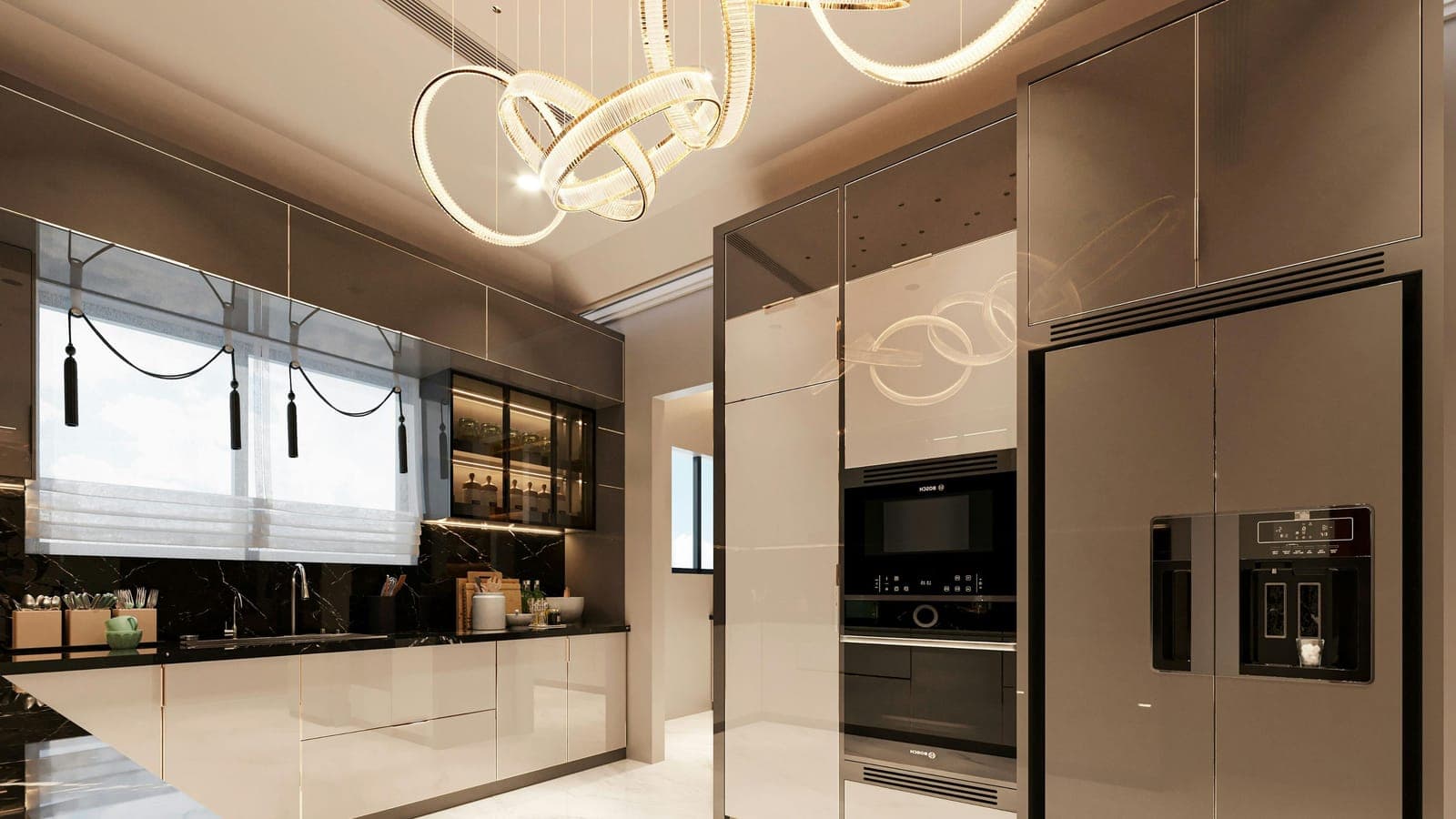
Choosing well means evaluating an apartment the same way you'd evaluate any system you rely on: does it support how you actually live?
This guide breaks down the features that matter most for daily performance, how to make decisions under real-world constraints, and how to identify genuine value.
Start With How You Actually Live
Before touring anything, map a typical week. Where do you work, and how many days are you home? When do you train, and where? What time do you sleep and wake? Do you cook most meals, host friends, or travel frequently? The answers define which features are essential and which are noise.
An apartment that works perfectly for a frequent traveler may be wrong for someone who works from home five days a week. Match the space to your routine, not to an idealized version of it.
Essential Features That Affect Daily Performance
Sleep Environment
Sleep quality shapes energy, focus, mood, and recovery. Adults generally need seven or more hours per night, and your bedroom environment has a direct effect on whether you get it.
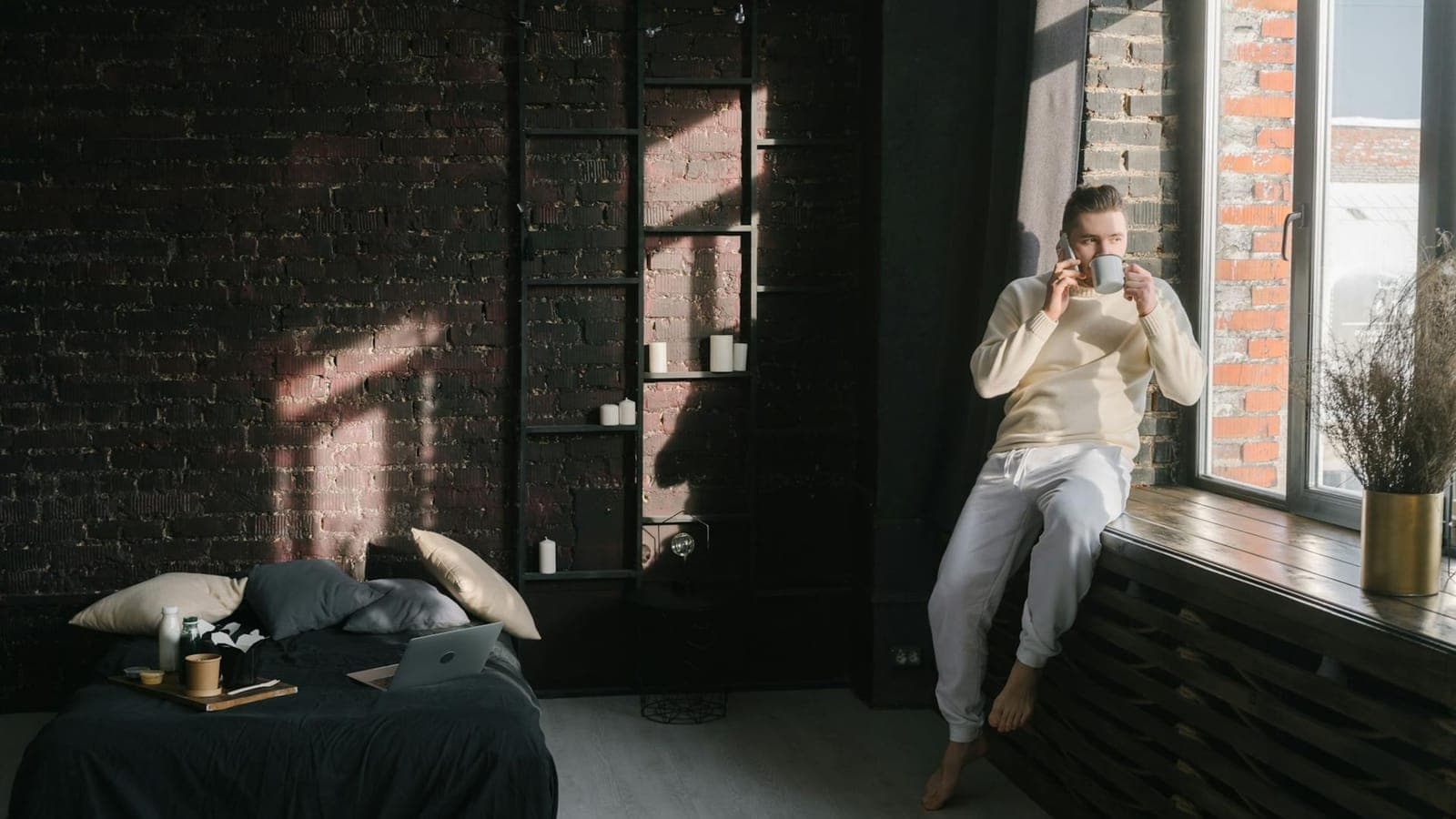
Evaluate the bedroom for noise and light. Visit at night if possible to check street noise, nightlife, and building sounds. Note whether streetlights shine directly into the window and whether blackout curtains can be installed. Bedrooms facing an interior courtyard or a quieter side street often sleep better than those facing busy roads. Ask about the building's construction and floor-to-floor noise, especially if you're a light sleeper.
Natural Light and Air Quality
Morning light exposure helps regulate your circadian rhythm, which influences sleep timing and daytime alertness. Units with good natural light in living areas support that rhythm. Check window orientation and how much direct light the main rooms receive.
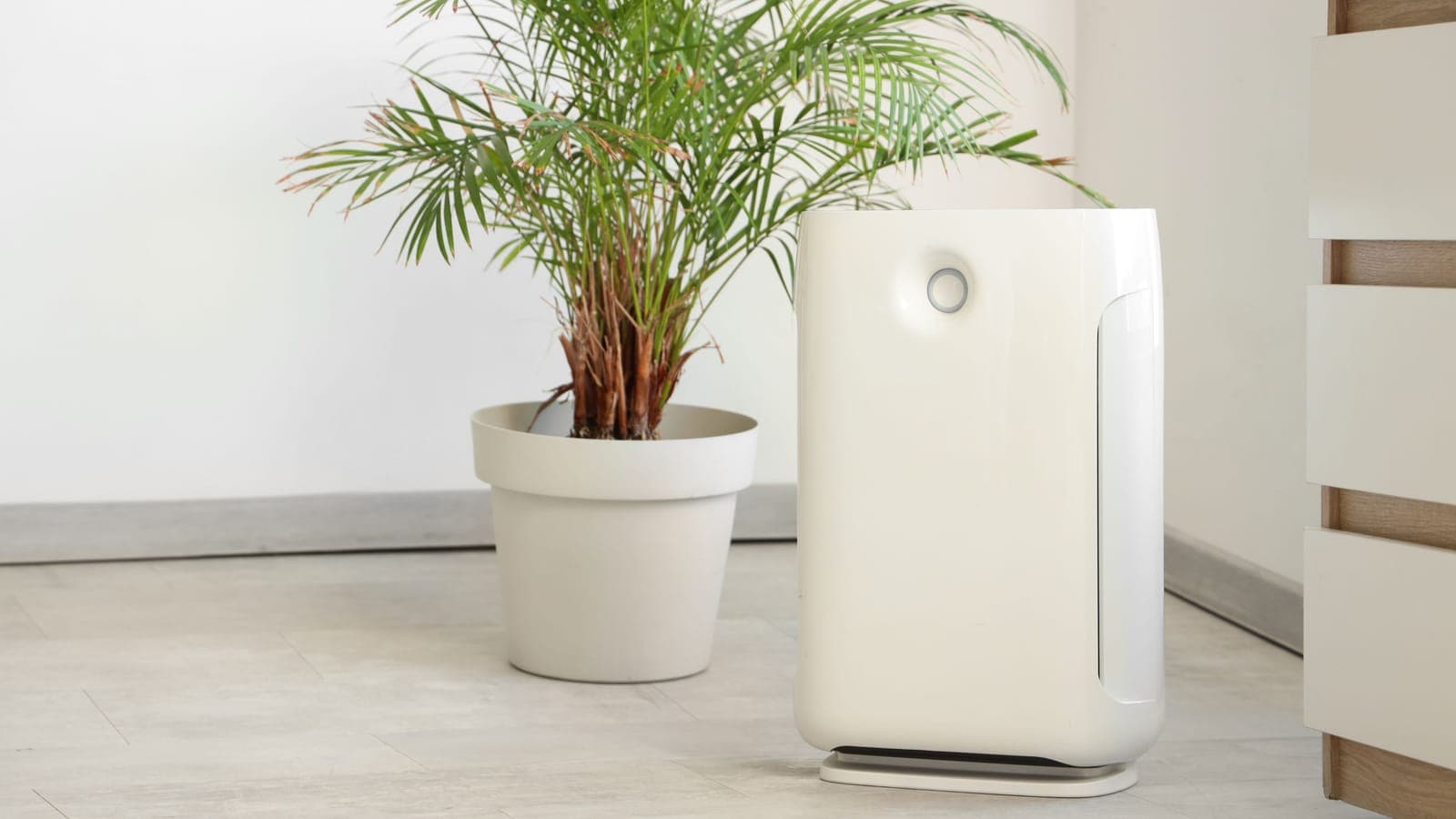
Air quality matters too. Look for signs of moisture, mold, or musty odors, and confirm windows open for ventilation. Ask whether the HVAC system has been serviced and whether filters are replaced regularly. Buildings constructed before 1978 may contain lead-based paint, and federal law requires landlords to disclose known lead hazards in those properties.
Workspace
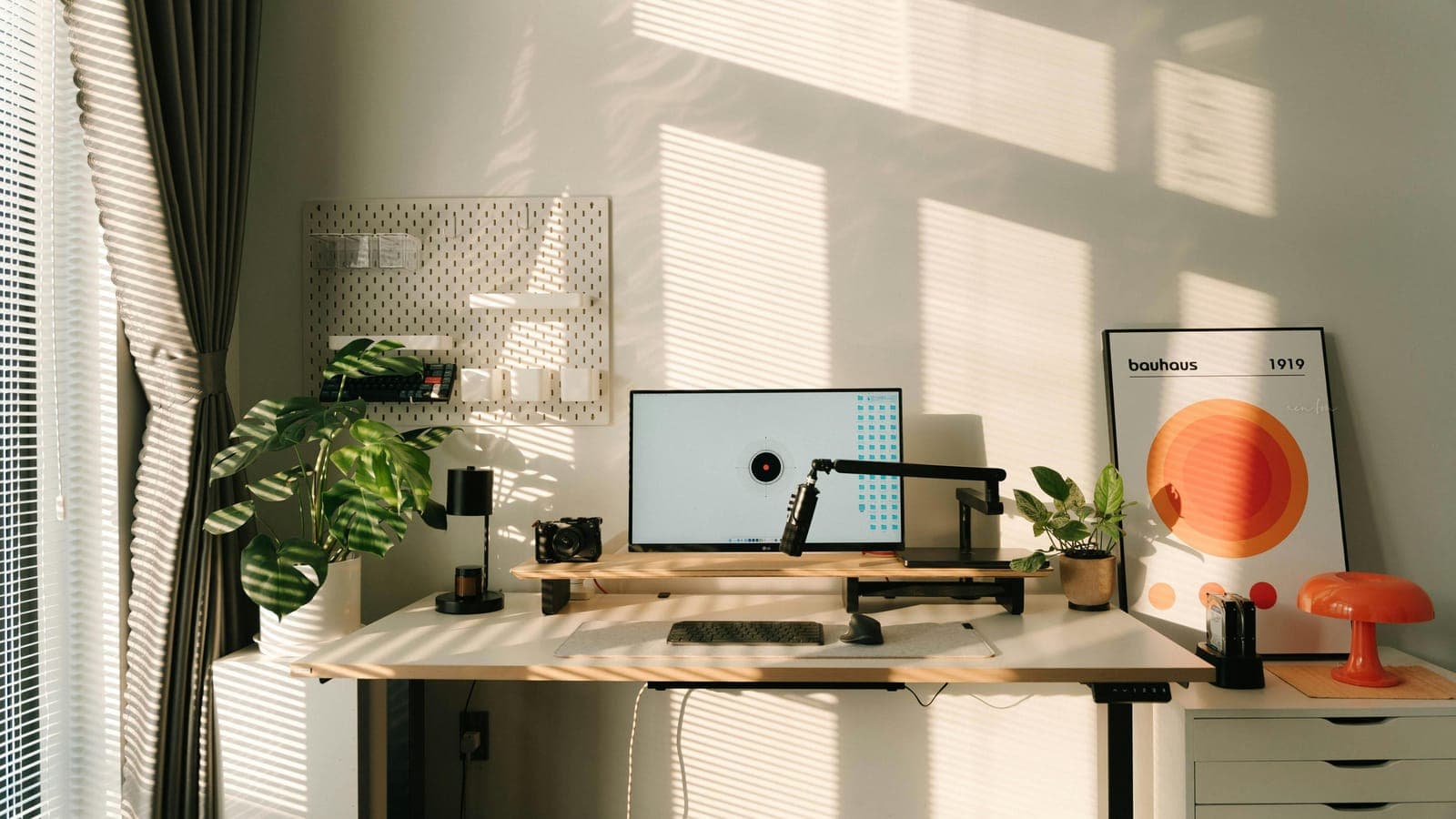
If you work from home, a dedicated work area protects focus and makes it easier to separate work from rest. A second bedroom or alcove is ideal, but even a well-defined corner with good light can work. Test the cell signal and ask which internet providers serve the building and what speeds are available.
Training Access
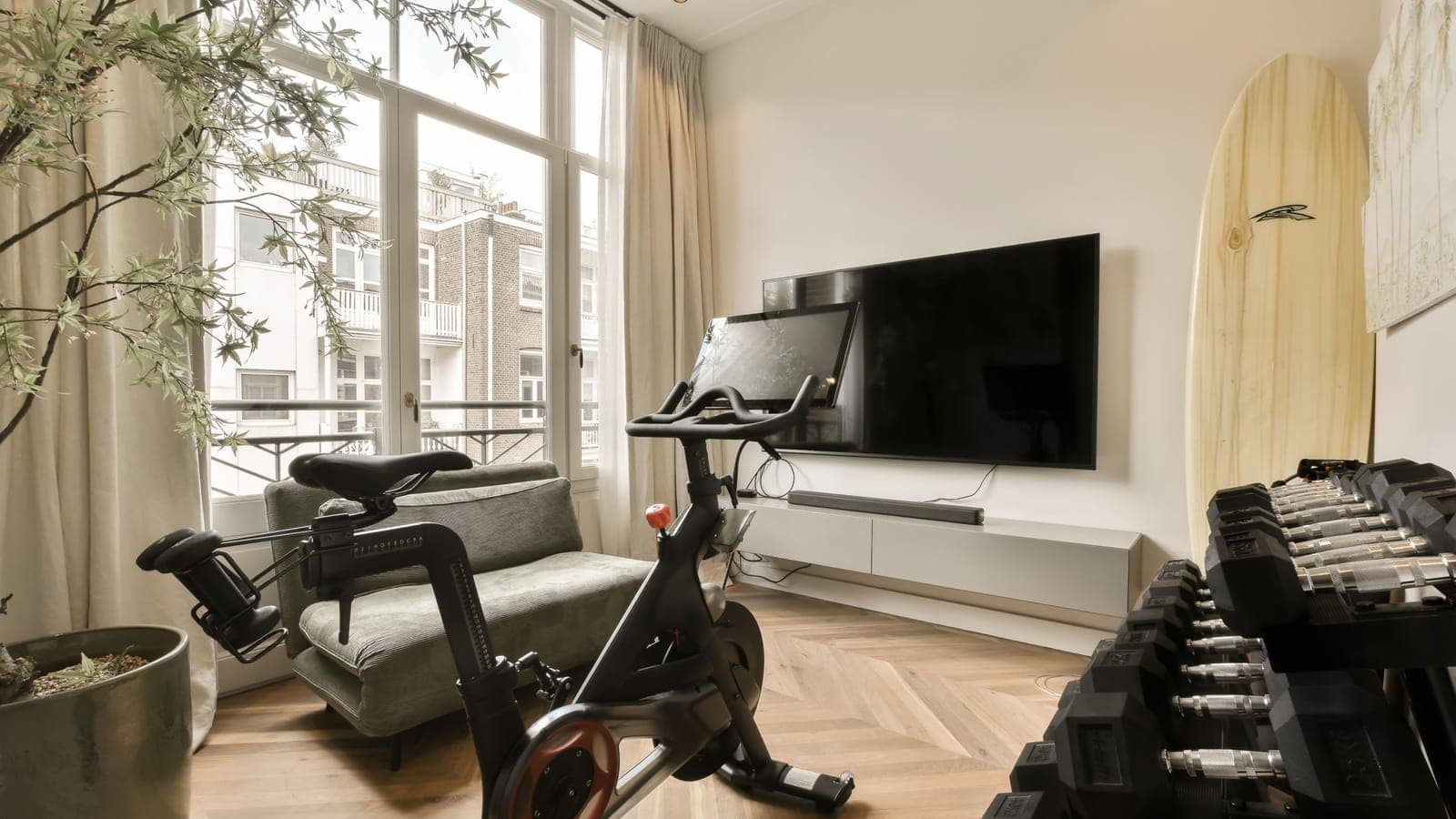
Consistency drives results, and proximity drives consistency. A building gym, a nearby commercial gym, or room for a compact home setup reduces friction. If you plan to train at home, check floor structure and noise rules – dropping weights in an upper-floor apartment can create problems with neighbors and landlords.
Kitchen Function
If nutrition is a priority, the kitchen needs to support real cooking. Look for adequate counter space, a functional stove and oven, and enough refrigerator and freezer capacity for meal prep.
Location: The Feature You Can't Renovate
You can add furniture and lighting, but you can't change location. Commute time is one of the most important factors in daily quality of life. Calculate realistic door-to-door times at the hours you'll actually travel.
Also evaluate what's within walking distance: groceries, gyms, parks, and green space. Easy access to outdoor areas makes it simpler to walk, run, and get daylight exposure as part of a normal day.
Making Smart Decisions Under Constraints
Almost no apartment delivers everything at the right price. The goal is to protect the features that drive daily performance and compromise on the rest.
Rank your priorities into three tiers. Tier one includes the non-negotiables, such as a quiet bedroom or a reasonable commute. Tier two covers features you strongly prefer. Tier three lists things that would be nice but won't change your routine. When you compare options, a unit that wins on tier one should beat a unit that wins on tier three, even if the second one looks better on tour.
Be wary of amenities designed to sell units rather than serve residents. A rooftop lounge you'll use twice a year is worth less than a bedroom that lets you sleep.
How to Identify Great Value
Value isn't the lowest rent. It's the best match between cost and the features that matter to you. Compare total monthly costs, including utilities, parking, and amenity fees. Factor in commute costs and time. Then weigh whether a slightly higher rent buys meaningful improvements to sleep, workspace, or location.
A unit that costs a little more but eliminates a long commute or a noisy bedroom can deliver far more value over a year than the cheaper alternative.
Mistakes to Avoid
Don't choose an apartment based on how it looks in a daytime showing. Noise, light, and neighborhood activity change after dark. Don't overpay for amenities you won't use. Don't ignore the commute because the unit is beautiful. And don't skip checking internet and cell service – a weak connection can derail remote work.
FAQ
What features matter most when choosing an apartment?
Sleep quality, natural light, commute time, and a functional workspace tend to have the biggest impact on daily life, though priorities vary by lifestyle.
How can I check if an apartment is noisy?
Visit at different times, especially evenings and weekends, and ask current residents about noise from neighbors and the street.
Is a building gym worth paying extra for?
Only if you'll use it consistently and it has the equipment you need. A nearby commercial gym may offer better value.
What should remote workers look for in an apartment?
A dedicated work area, reliable internet options, strong cell signal, good natural light, and a quiet environment.
The Bottom Line
The right apartment supports your sleep, your work, your training, and your daily routine. Evaluate noise, light, air quality, workspace, and location before you look at the finishes. Rank your priorities, protect the ones that drive performance, and judge value by total cost and daily impact – not by the rent alone.
This article is for general informational purposes only. Rental rules and disclosure requirements vary by location. Consult a physician regarding any sleep or health concerns, and review your lease carefully before signing.
📚 Sources
Centers for Disease Control and Prevention – About Sleep: https://www.cdc.gov/sleep/about/index.html
U.S. Environmental Protection Agency – Introduction to Indoor Air Quality: https://www.epa.gov/indoor-air-quality-iaq/introduction-indoor-air-quality
U.S. Environmental Protection Agency – Real Estate Disclosures About Potential Lead Hazards: https://www.epa.gov/lead/real-estate-disclosures-about-potential-lead-hazards
National Institute of General Medical Sciences – Circadian Rhythms: https://www.nigms.nih.gov/education/fact-sheets/Pages/circadian-rhythms.aspx