
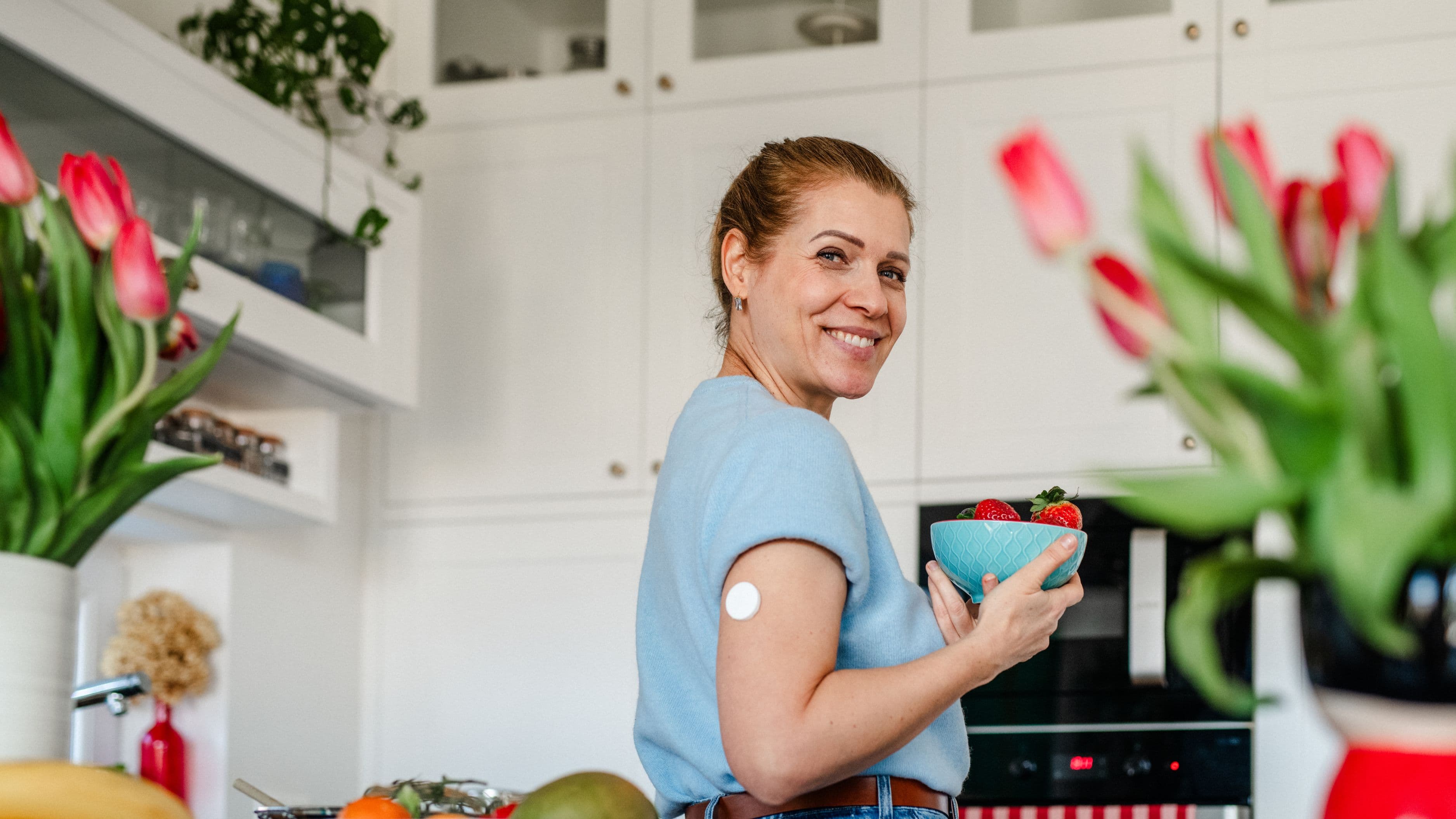
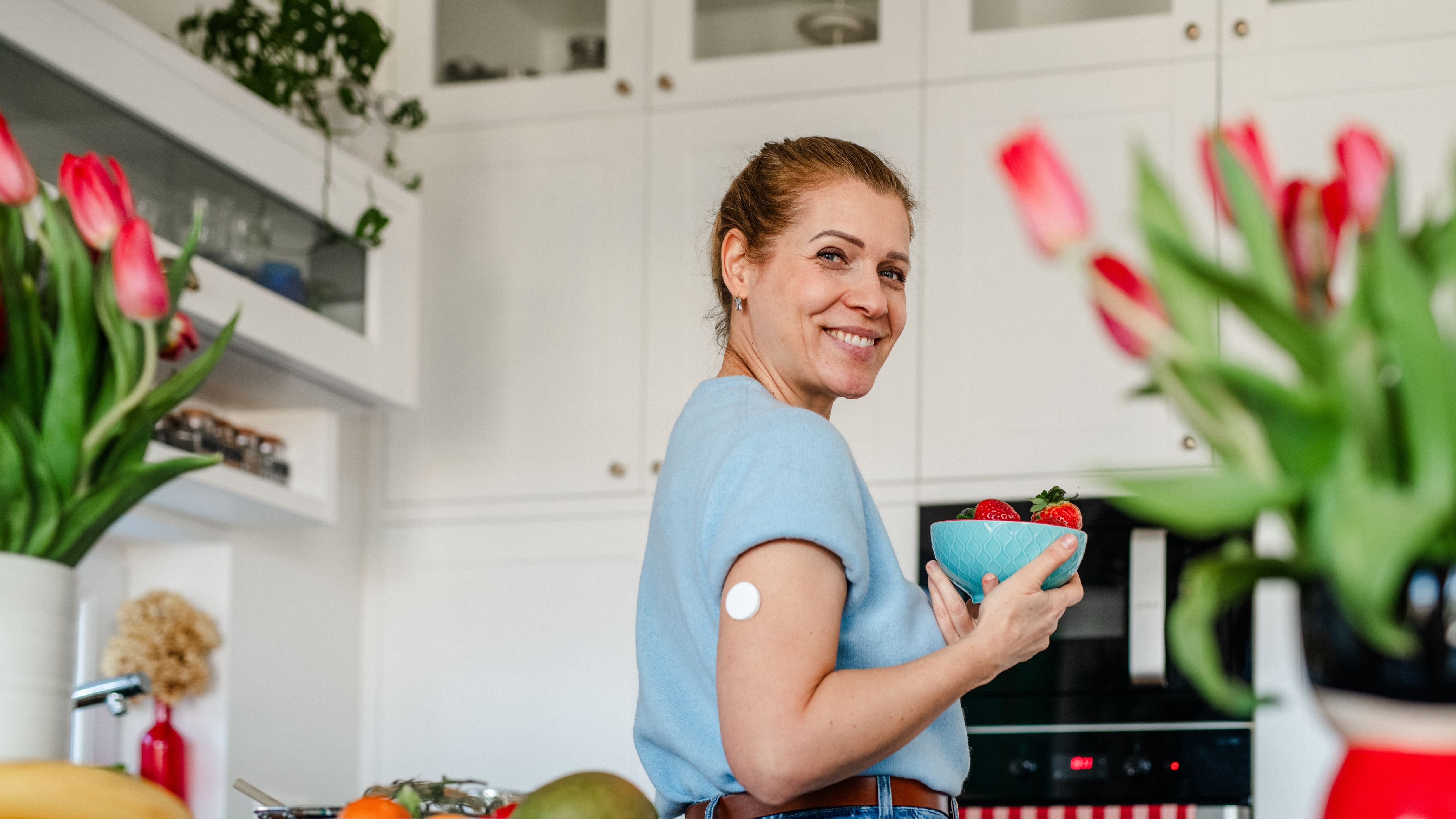
This article fixes that. If you're already wearing a CGM or considering one, here's how to extract genuine cognitive optimization from the data – not just metabolic signal.
Why Glucose Matters to the Brain
The brain is the most metabolically demanding organ in the body relative to its size, consuming roughly 20% of total energy at rest despite representing only 2% of body weight. Its primary fuel is glucose, and unlike skeletal muscle, it has almost no local glycogen stores to buffer against supply disruption. This makes it acutely sensitive to fluctuations in blood glucose in ways that the rest of the body isn't.
Sustained cognitive work – focused attention, working memory, executive function, decision-making under load – increases glucose demand in the prefrontal cortex. When glucose supply is stable and adequate, these functions operate at full capacity. When blood glucose drops below the range the brain operates optimally in, or when it spikes and crashes in rapid succession, you get measurable degradation in exactly those cognitive domains. Not mild fatigue – measurable degradation, reproducible in controlled studies.
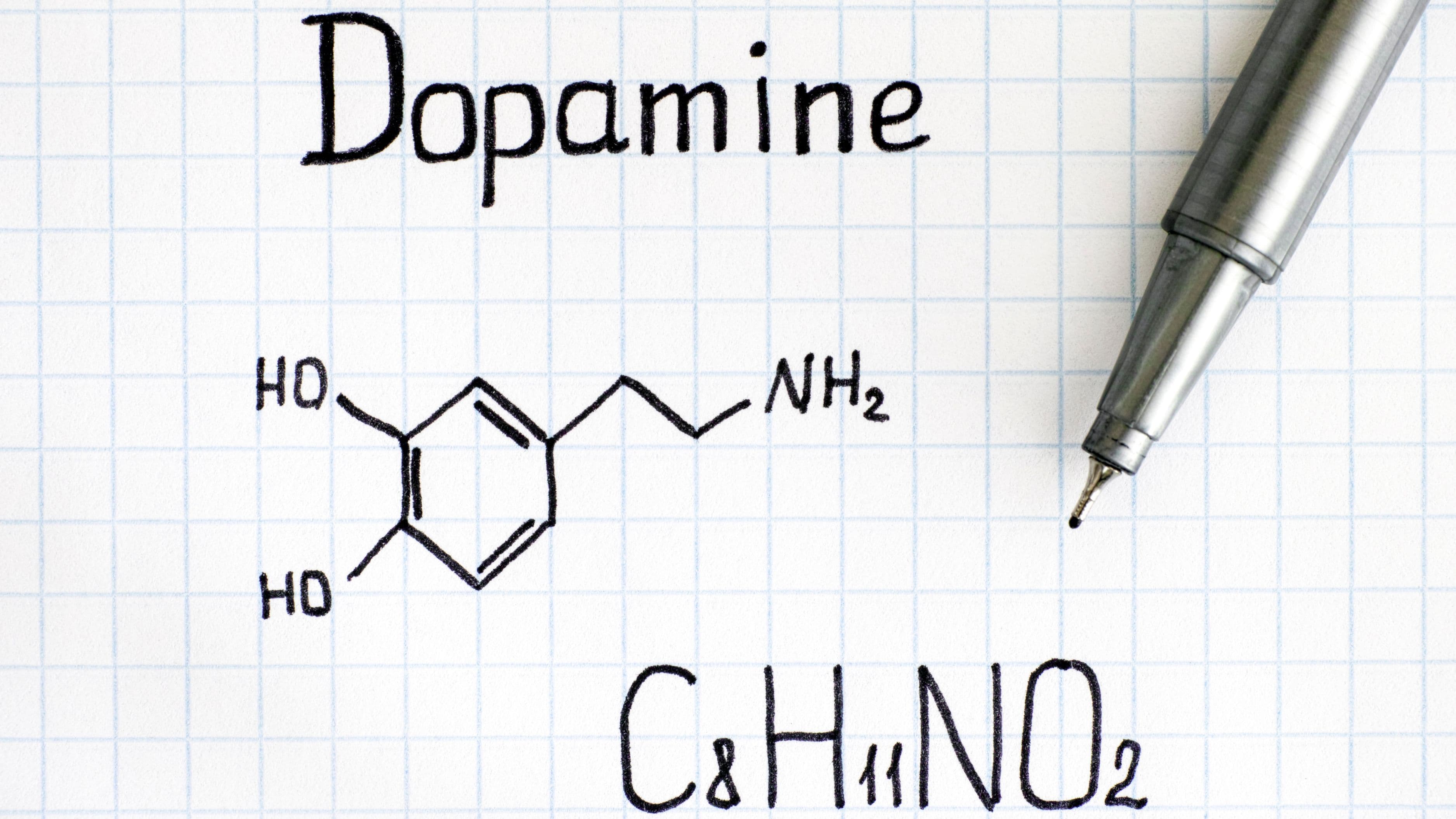
The connection runs deeper than simple fuel supply. Glucose availability affects the synthesis of acetylcholine (the primary neurotransmitter of attention and memory encoding), modulates dopaminergic signaling in prefrontal circuits, and influences cortisol release via the HPA axis. The brain isn't just using glucose as fuel – it's using glucose availability as a signal about systemic metabolic state, and it adjusts neurological function accordingly.
What CGM Actually Tells You That a Glucometer Doesn't
A traditional glucometer gives you a point-in-time blood glucose reading. A CGM gives you a continuous trace, typically updated every 1–5 minutes, measured interstitially (in the fluid between cells). The difference in utility is significant.
What continuous data reveals that spot checks miss:
Postprandial response curves. Not just peak glucose after a meal, but the full shape of the response – how fast it rises, how high it peaks, how quickly it returns to baseline, and whether it overshoots below fasting levels on the way down. That undershoot – reactive hypoglycemia – is one of the most cognitively relevant phenomena that CGM catches and a glucometer almost never will, because the timing is unpredictable.
Nocturnal patterns. Glucose behavior during sleep affects sleep quality, growth hormone pulsatility, and cortisol rhythm. CGM reveals whether you're experiencing nocturnal dips that fragment sleep architecture or morning glucose elevations from the dawn phenomenon – both of which have direct implications for next-day cognitive performance.
Exercise and stress responses. How your glucose responds to physical training, to acute psychological stress, and to caffeine are all individually variable and meaningful. CGM gives you that personal response data rather than forcing you to rely on population averages.
Variability metrics. Time-in-range (TIR) and glucose coefficient of variation (CV) are aggregate metrics that reflect metabolic flexibility over days and weeks. These have stronger correlations with cognitive and metabolic health outcomes than fasting glucose alone.
The Cognitive Performance Window
For cognitive output, the target glucose range is tighter than most metabolic health guidelines suggest. General metabolic health targets use 70–140 mg/dL (3.9–7.8 mmol/L) as acceptable postprandial range. For cognitive optimization, the relevant range is narrower: approximately 75–110 mg/dL (4.2–6.1 mmol/L) for sustained focus and executive function.
Below 72 mg/dL (4.0 mmol/L), measurable cognitive impairment begins – initially in complex decision-making and sustained attention, with broader impairment at lower levels. Research shows that even mild hypoglycemia without obvious symptoms degrades performance on memory, attention, and executive function tasks.
Above approximately 130 mg/dL (7.2 mmol/L), cognitive effects are also negative but different in character – a kind of cognitive sluggishness, reduced processing speed, and impaired inhibitory control. This is partly mediated through neuroinflammatory mechanisms; high postprandial glucose spikes promote oxidative stress and transient inflammatory signaling that affects brain function.
The most cognitively disruptive pattern isn't sustained high or low glucose – it's high variability. Rapid spikes followed by crashes create repeated signaling disruptions that are cumulatively more damaging to sustained cognitive output than a consistently elevated or consistently moderate glucose level. This is the insight that CGM uniquely enables you to act on.
Setting Up Your CGM Protocol for Cognitive Tracking
Choose your device. Dexterity and availability vary by market. The Abbott FreeStyle Libre 3 and Dexcom G7 are the two most capable consumer-accessible CGMs as of 2024. The Libre 3 updates every minute and integrates with third-party apps via Bluetooth; the Dexcom G7 offers 10-day wear, real-time alerts, and a more developed API ecosystem. Neither requires a prescription in most European markets; in the US, they require a prescription though availability through telehealth has expanded. The Levels Health platform provides CGM access with an integrated metabolic tracking app oriented toward performance rather than diabetes management.
Placement. Standard placement is the posterior upper arm. Avoid areas with significant subcutaneous fat variation or frequent muscle activation that creates sensor movement artifact. Upper arm placement is the most consistent for interstitial accuracy.
Calibration period. The first 24 hours of a new sensor often produce less accurate readings as the interstitial tissue adjusts. Don't make major dietary decisions based on day-one data. By day two, accuracy stabilizes.
Logging protocol. The CGM trace alone is useful, but it becomes significantly more actionable when paired with structured logging of: meal times and composition (particularly carbohydrate type and quantity), sleep timing and quality, training sessions, caffeine intake, and acute stress events. Most CGM apps allow manual logging; Levels integrates this automatically. Without contextual logging, you'll see patterns you can't explain.
Cognitive performance logging. This is the step most users skip. To actually use CGM data for cognitive optimization, you need a subjective or objective measure of cognitive output to correlate with. Options include: a daily 5-minute cognitive battery (Cambridge Brain Sciences, Stroop task, or simple reaction time tests), self-rated focus scores (1–10, logged 2–3 times per day), or output metrics from your work (tasks completed, writing quality, error rate in technical work). Without this, you can't close the loop between glucose patterns and cognitive performance.
Reading Your Patterns: What to Look For
Postprandial spike magnitude and shape. A peak above 140 mg/dL after a meal is a flag regardless of whether you're metabolically healthy by standard criteria. For cognitive performance, you care most about the shape of the return to baseline. A smooth return suggests adequate insulin sensitivity. A prolonged plateau above 120 mg/dL suggests slower clearance, with associated cognitive effects. A rapid return that overshoots below your fasting baseline into the 65–75 mg/dL range is reactive hypoglycemia – one of the most common and underdiagnosed causes of afternoon cognitive crashes.
The 2–3 hour post-meal window. This is when reactive hypoglycemia typically appears, 90–180 minutes after a high-glycemic meal. If your CGM shows a consistent dip into the 65–75 mg/dL range in this window, and your subjective logs show reduced focus or cognitive fatigue at the same times, you've identified a primary target for dietary modification.
Fasting morning glucose. Ideally 75–90 mg/dL. Consistently above 95–100 mg/dL fasting suggests early insulin resistance or dawn phenomenon. Below 70 mg/dL fasting warrants investigation. Morning glucose partly predicts cognitive trajectory for the first half of the day.
Nocturnal glucose behavior. Review your overnight trace. Glucose should be relatively stable – minor oscillations are normal; significant dips below 65 mg/dL or elevations above 120 mg/dL during sleep are not. Nocturnal instability correlates with impaired slow-wave sleep, which is the primary recovery phase for cognitive function, synaptic consolidation, and growth hormone secretion.
Stress spikes. Many people are surprised to find glucose rising significantly in response to psychological stress with no food intake. This is cortisol-mediated hepatic glucose output – the liver releasing glycogen stores in response to HPA axis activation. If you see glucose rising during high-stress meetings, deadlines, or before competition, you're observing this mechanism directly. Managing the stress response – not just diet – becomes a glucose management lever.
Dietary Modifications Based on Your Data
The goal isn't a low-carbohydrate diet by default. It's minimizing glucose variability while maintaining adequate substrate supply for cognitive demand. That distinction matters for performance-oriented use.
Meal composition adjustments. The most reliable lever for reducing postprandial spike magnitude is macronutrient sequencing and composition. Eating protein and fat before carbohydrate in the same meal reliably reduces peak glucose response by 20–40% compared to carbohydrate-first. Fiber-dense carbohydrates produce slower, lower peaks than refined sources. Vinegar (acetic acid) consumed before a meal – as a diluted drink or through fermented foods – demonstrably reduces postprandial glucose response through multiple mechanisms.
Meal timing relative to cognitive demand. Your CGM will show you your individual postprandial curve timing. Use that data to time meals so that you're in the stable return-to-baseline phase during your peak cognitive work window, not in the spike or in the reactive dip. For most people, this means eating 60–90 minutes before a demanding cognitive block rather than immediately before it.
Strategic fasting windows. Many high-performers find that extending the morning fast – 14–16 hours from the previous evening's last meal – produces the most stable and cognitively favorable glucose profile through the late morning. This works best for those with adequate metabolic flexibility who don't experience significant fasting glucose dips. Your CGM confirms whether your morning fast is producing stability or instability – an individual variable you cannot determine without the data.
Post-training carbohydrate timing. Training significantly increases insulin sensitivity in skeletal muscle for 2–4 hours post-session. Consuming carbohydrates in this window produces a lower, shorter glucose peak relative to the same meal consumed at rest. For cognitive output, training in the morning and placing carbohydrate intake in the post-training window tends to flatten the postprandial curve during subsequent afternoon cognitive work.
Non-Dietary Variables That Move Your Glucose
Sleep. A single night of insufficient sleep (< 6 hours) measurably impairs insulin sensitivity the following day, producing higher and more prolonged glucose responses to the same meals. CGM users consistently observe this – the data makes an abstract concept concrete. Protecting sleep is glucose management.
Caffeine. Caffeine raises blood glucose via catecholamine-mediated glycogenolysis and transient insulin resistance. In practice, this means black coffee consumed fasted will produce a modest glucose elevation in many individuals – typically 10–20 mg/dL. The effect is most pronounced in the first half of the day and attenuates with habitual use. Consuming caffeine with food blunts but doesn't eliminate this effect. Your CGM will show you your individual response.
Physical movement post-meal. Even a 10–15 minute walk after eating reduces postprandial glucose peak by a clinically meaningful margin – research places the reduction at approximately 30% compared to sedentary post-meal behavior. The mechanism is insulin-independent glucose uptake by contracting muscle. This is one of the highest-leverage, lowest-cost interventions you can implement immediately based on CGM data.
Cold exposure. Acute cold exposure (cold shower, cold plunge) produces a cortisol and catecholamine response that transiently elevates blood glucose. The magnitude varies by individual and exposure duration. This isn't a contraindication to cold exposure – the downstream benefits on glucose metabolism with regular practice are positive – but the acute response is worth noting in your CGM trace.
Expected Results and Realistic Timeline
Week 1–2: Pattern identification. You'll establish your individual baseline, identify your reactive responses to specific foods, and locate your primary sources of glucose variability. This phase is observational – don't make major changes yet.
Week 3–4: Targeted modification. Apply the highest-leverage changes first: meal composition and sequencing, post-meal walks, sleep protection. Track subjective cognitive scores against your glucose trace daily. Begin to see correlation.
Week 5–8: Refinement. Adjust meal timing relative to cognitive demand blocks, experiment with fasting window extension if appropriate, and validate whether your cognitive performance scores track with reduced glucose variability. At this point, you should have a clear personal map of the glucose conditions that produce your best cognitive output.
Beyond 8 weeks: Most of the high-signal learning is complete. Some people wear a CGM continuously at this point; others use 2-week sessions periodically (once a quarter) to audit changes in metabolic flexibility or the effects of dietary experiments. Continuous wear is not necessary once you've built a clear personal model.
What CGM Can't Tell You
CGM measures interstitial glucose, which lags behind blood glucose by approximately 5–15 minutes. This lag is clinically relevant during rapid glucose changes – a fast drop won't be captured in real time. For performance tracking rather than hypoglycemia management, this lag is generally acceptable.
It also doesn't measure insulin directly. You can infer insulin dynamics from the shape and duration of your glucose curves, but insulin resistance and beta cell function require dedicated testing (fasting insulin, HOMA-IR, or an oral glucose tolerance test with insulin measurements) to assess properly. CGM is a lens into glucose dynamics, not a comprehensive metabolic panel.
Interstitial readings can also be affected by pressure artifact (sleeping on the sensor), dehydration, vitamin C supplementation at high doses, and acetaminophen. These are minor confounders in normal use but worth knowing.
FAQ
Do I need to be diabetic or pre-diabetic to benefit from a CGM? No. Metabolically healthy individuals with no glucose pathology still exhibit meaningful glucose variability that affects cognitive and physical performance. The value for performance optimization is in the variability data, not in managing disease.
What glucose target should I aim for during focused work? 75–110 mg/dL (4.2–6.1 mmol/L) is the optimal range for sustained cognitive output based on the available evidence. Staying within this range during your most demanding cognitive work blocks is the practical target.
How do I get access to a CGM without a diabetes diagnosis? In most of Europe and Australia, CGMs are available over the counter. In the US, a prescription is required, but telehealth platforms including Levels Health, Nutrisense, and January AI facilitate access for non-diabetic performance users. Cost ranges from $100–$200/month depending on sensor type and subscription model.
Will wearing a CGM indefinitely keep improving my cognitive performance? Not indefinitely. The primary value is in the learning phase – building a personal model of your glucose-cognition relationship. After 1–3 months of consistent use with good logging, most users have extracted the high-value insights. Periodic use for auditing or experimentation remains useful; continuous indefinite wear has diminishing cognitive optimization returns.
The Data Gives You Leverage You Didn't Have Before
Most cognitive performance advice is generic: eat less sugar, don't skip breakfast, avoid afternoon crashes. CGM takes that conversation out of the abstract and into your specific biology. You stop guessing what's causing your 2pm cognitive fog and start reading the trace that confirms it's a reactive glucose dip 90 minutes post-lunch. You stop following a blanket dietary protocol and start building one calibrated to your actual postprandial response curves.
That specificity is the return on the investment. Used correctly, a CGM is not a health monitoring device – it's a performance optimization tool with a direct line to your most important cognitive variables.
📚 Sources
Beilharz, J. E., Maniam, J., & Morris, M. J. (2015). Diet-induced cognitive deficits: The role of fat and sugar, potential mechanisms and nutritional interventions. Nutrients – https://www.mdpi.com/2072-6643/7/8/5307
Mantantzis, K. et al. (2019). Sugar rush or sugar crash? A meta-analysis of carbohydrate effects on mood. Neuroscience & Biobehavioral Reviews – https://www.sciencedirect.com/science/article/abs/pii/S0149763418309175
Messier, C. (2004). Glucose improvement of memory: A review. European Journal of Pharmacology – https://www.sciencedirect.com/science/article/abs/pii/S0014299904000147
Zheng, Y. et al. (2020). Dietary patterns and cognitive performance in population studies. Advances in Nutrition – https://academic.oup.com/advances/article/11/6/1706/5896428
Reynolds, A. N. et al. (2020). Advice to walk after meals is more effective for lowering postprandial glycaemia in type 2 diabetes mellitus than advice that does not specify timing. Diabetologia – https://link.springer.com/article/10.1007/s00125-016-4085-2
Donga, E. et al. (2010). A single night of partial sleep deprivation induces insulin resistance in multiple metabolic pathways. Journal of Clinical Endocrinology & Metabolism – https://academic.oup.com/jcem/article/95/6/2963/2597138
Johnston, C. S., Kim, C. M., & Buller, A. J. (2004). Vinegar improves insulin sensitivity to a high-carbohydrate meal in subjects with insulin resistance or type 2 diabetes. Diabetes Care – https://diabetesjournals.org/care/article/27/1/281/28589