
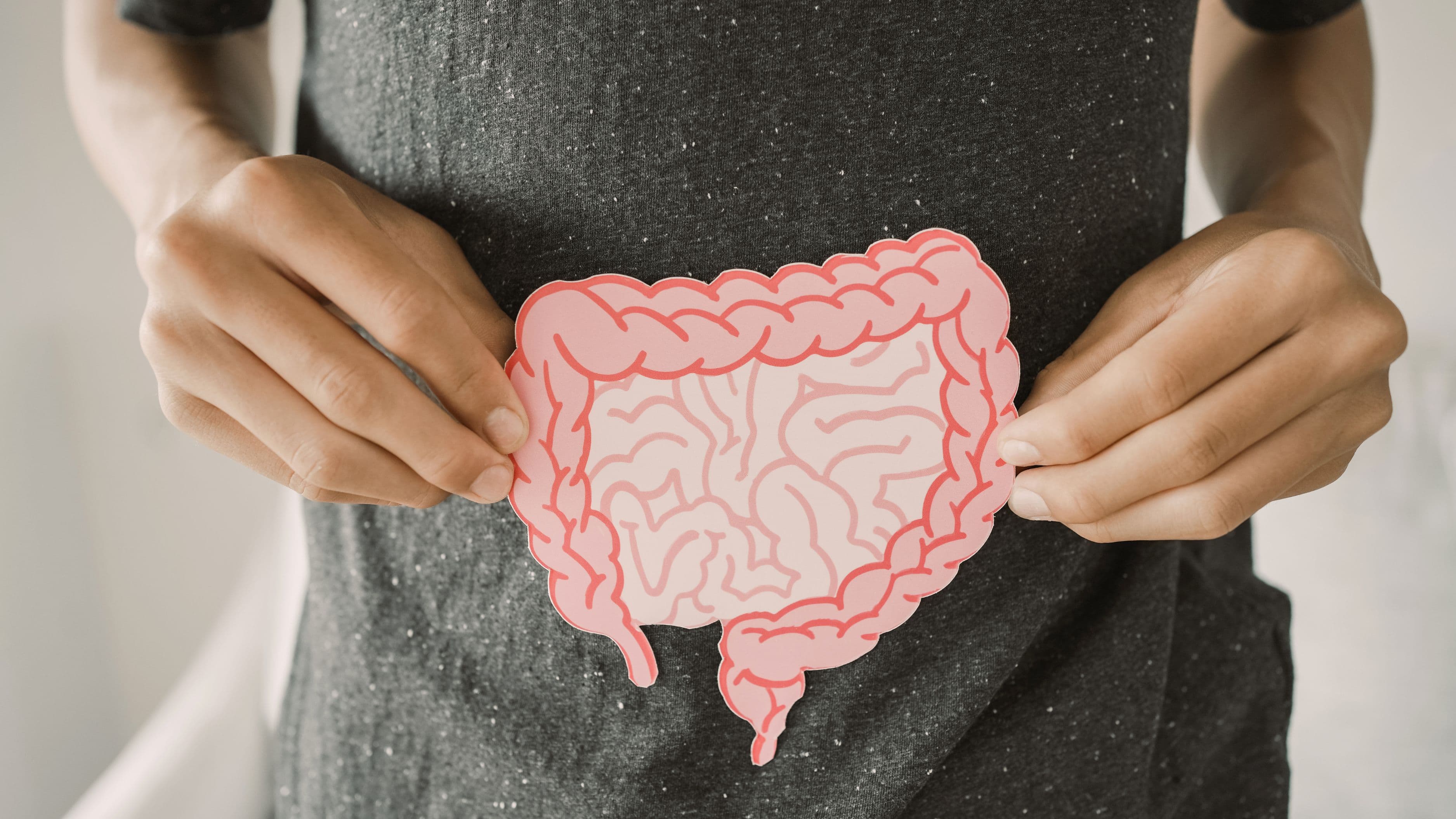
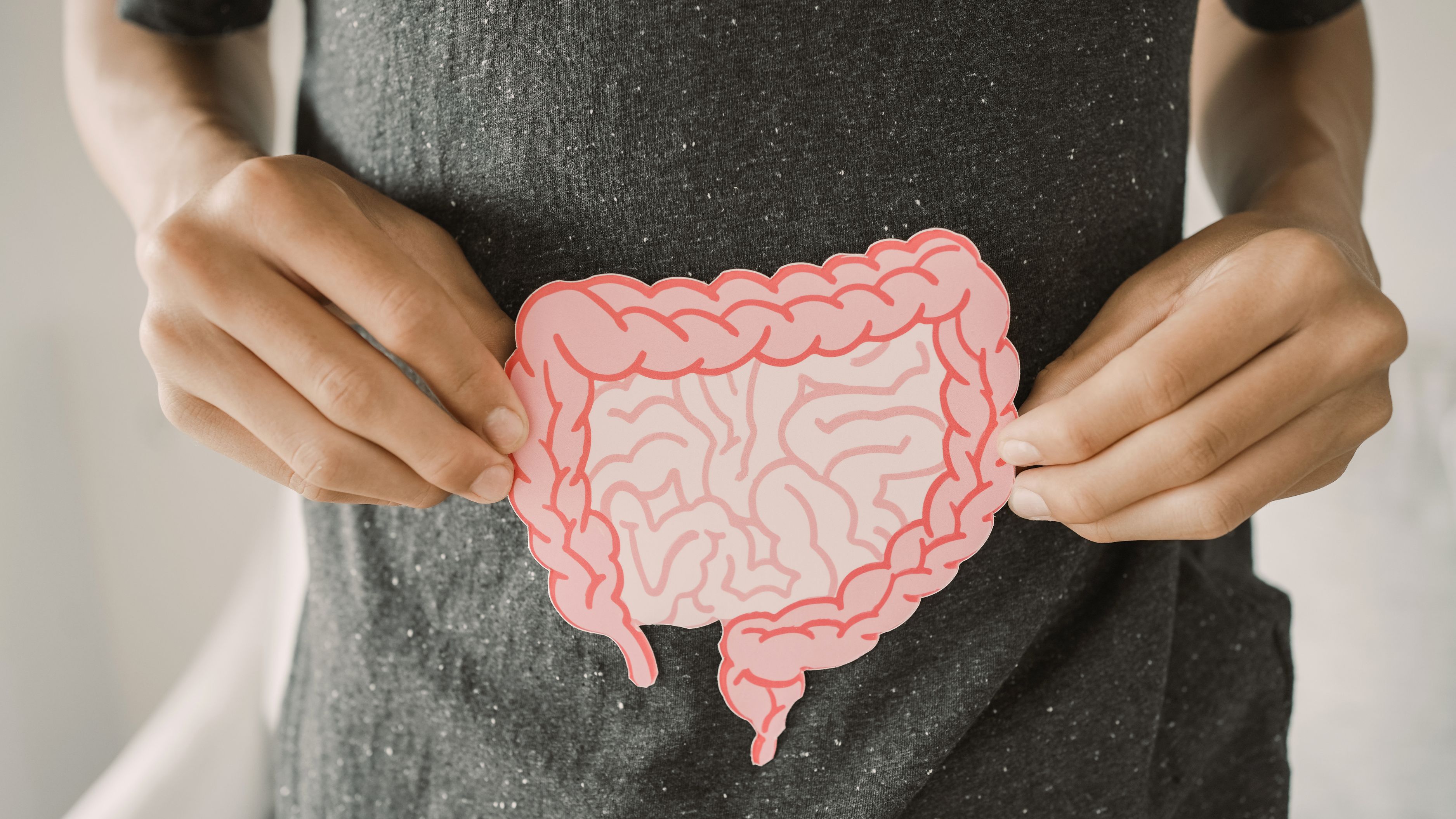
But the clinical evidence hasn't caught up to the anecdotes. What exists is preliminary, methodologically limited, and insufficient to make definitive claims. That gap – between what the data currently supports and what thousands of people are reporting – is exactly where a serious analysis needs to sit. This piece does that: mechanisms, evidence quality, what the anecdotes are actually telling us, and where the real risks are.
The Gut Problem Carnivore Is Supposedly Solving
To evaluate whether carnivore is a legitimate gut healing tool, you need to understand the pathophysiology it's targeting. Most of the conditions people report recovering from fall into one of three categories: inflammatory bowel disease (IBD, including Crohn's and ulcerative colitis), irritable bowel syndrome (IBS), and a broader category of gut dysbiosis – a disrupted microbiome with associated symptoms like bloating, irregular motility, food sensitivities, and systemic inflammation.
All three share a common thread: an immune system inappropriately responding to gut contents. In IBD, this is well-characterised – chronic mucosal inflammation driven by dysregulated T-cell activity and elevated pro-inflammatory cytokines including TNF-α and IL-6. In IBS and dysbiosis, the mechanisms are less defined but likely involve increased intestinal permeability (the so-called "leaky gut"), altered microbiome composition favouring gram-negative bacteria with inflammatory lipopolysaccharide (LPS) cell walls, and visceral hypersensitivity. The question is whether eliminating plant-based foods and restricting the diet to animal products specifically addresses any of these mechanisms – or whether the reported improvements reflect something less targeted.
The Proposed Mechanisms
Several plausible biological mechanisms exist for why a carnivore diet might reduce gut inflammation, at least in the short to medium term. These aren't speculative – they have reasonable mechanistic grounding, even if the clinical evidence for them specifically in carnivore dieters is thin.
Elimination of dietary antigens
The most straightforward explanation is antigen removal. Many plant foods contain compounds – lectins, oxalates, phytates, FODMAP carbohydrates, and gluten in wheat – that can drive gut irritation in susceptible individuals. Lectins, particularly from legumes and grains, bind to intestinal epithelial cells and can increase gut permeability in some people. Gluten triggers a well-documented immune response in coeliac disease and appears to have non-coeliac effects in a subset of the population. FODMAPs are fermentable carbohydrates that feed gut bacteria and produce gas – a direct driver of IBS symptoms in many patients.
When you switch to a carnivore diet, all of these go away simultaneously. The challenge is that this makes it impossible to identify which specific antigen was causing problems. The net effect may be real; the mechanism attribution is unclear. A strict elimination protocol followed by systematic reintroduction would give better mechanistic data, but few people do it with that level of structure.
Reduction in gut fermentation
Animal proteins and fats are largely absorbed in the small intestine and don't reach the colon in significant quantities. This is mechanistically distinct from a high-fibre diet, where substantial amounts of substrate reach the colon to be fermented by bacteria. Fermentation produces short-chain fatty acids (butyrate, propionate, acetate) – which have well-documented beneficial effects on colonocyte health – but also produces gas, increases stool water content, and can drive bloating and urgency in people with IBS or dysbiosis. For men with specific fermentation-related symptoms, a temporary reduction in colonic substrate can provide significant symptomatic relief.
This is also where the long-term picture gets complicated. Butyrate is the primary energy source for colonocytes, and colonic butyrate production is largely dependent on fermentation of dietary fibre. Sustained reduction in fibre intake reduces butyrate-producing bacteria over time, which may compromise colonocyte integrity in the longer term. The short-term symptom relief and the long-term mucosal health trajectory may point in different directions.
Anti-inflammatory effects of reduced carbohydrate intake
Ketogenic and low-carbohydrate diets, of which strict carnivore is a version, have documented anti-inflammatory effects. The ketone body beta-hydroxybutyrate (BHB) inhibits the NLRP3 inflammasome – a key driver of IL-1β and IL-18 production. Reduction in dietary sugar and refined carbohydrates reduces advanced glycation end-products (AGEs) and lowers the insulin-driven inflammatory environment that can amplify gut permeability. These mechanisms operate systemically, not just in the gut, but the gut epithelium benefits from the same reduction in inflammatory signalling as other tissues.
What the Actual Evidence Shows
Here is where intellectual honesty requires precision. The peer-reviewed evidence base for carnivore diets specifically in gut healing is extremely limited. There are no large randomised controlled trials. The available data comes primarily from three sources: case reports, survey studies, and mechanistic research on component interventions (low-carbohydrate diets, specific antigen elimination) that are not carnivore per se.
A 2021 survey study published in Current Developments in Nutrition by Harvard researchers (Lennerz et al.) collected self-reported health data from 2,029 people following a carnivore diet. Among the reported outcomes: 95% reported improvements in overall health, and a significant subset reported improvements in gastrointestinal symptoms. This is notable data – the scale and consistency of self-reported improvement is hard to write off entirely. But self-reported surveys are not controlled trials. Participants self-selected into carnivore eating, were likely motivated to report positive outcomes, and had no control group. The data is hypothesis-generating, not hypothesis-confirming.
Research on low-carbohydrate and ketogenic diets in IBD is slightly more developed, with a small number of pilot studies showing reductions in inflammatory markers and symptom scores. A 2021 pilot study in Inflammatory Bowel Diseases found that a low-carbohydrate diet was associated with reduced faecal calprotectin (a marker of gut inflammation) in Crohn's disease patients over 12 weeks. These are promising signals, but pilot studies with small sample sizes are fragile data points.
The FODMAP elimination data is more robust. Multiple randomised controlled trials have demonstrated that low-FODMAP diets reduce IBS symptoms in 50–75% of patients. Carnivore is effectively a zero-FODMAP diet by default, which likely accounts for a meaningful share of the symptom improvement reported by people with IBS-type symptoms.
The Microbiome Problem
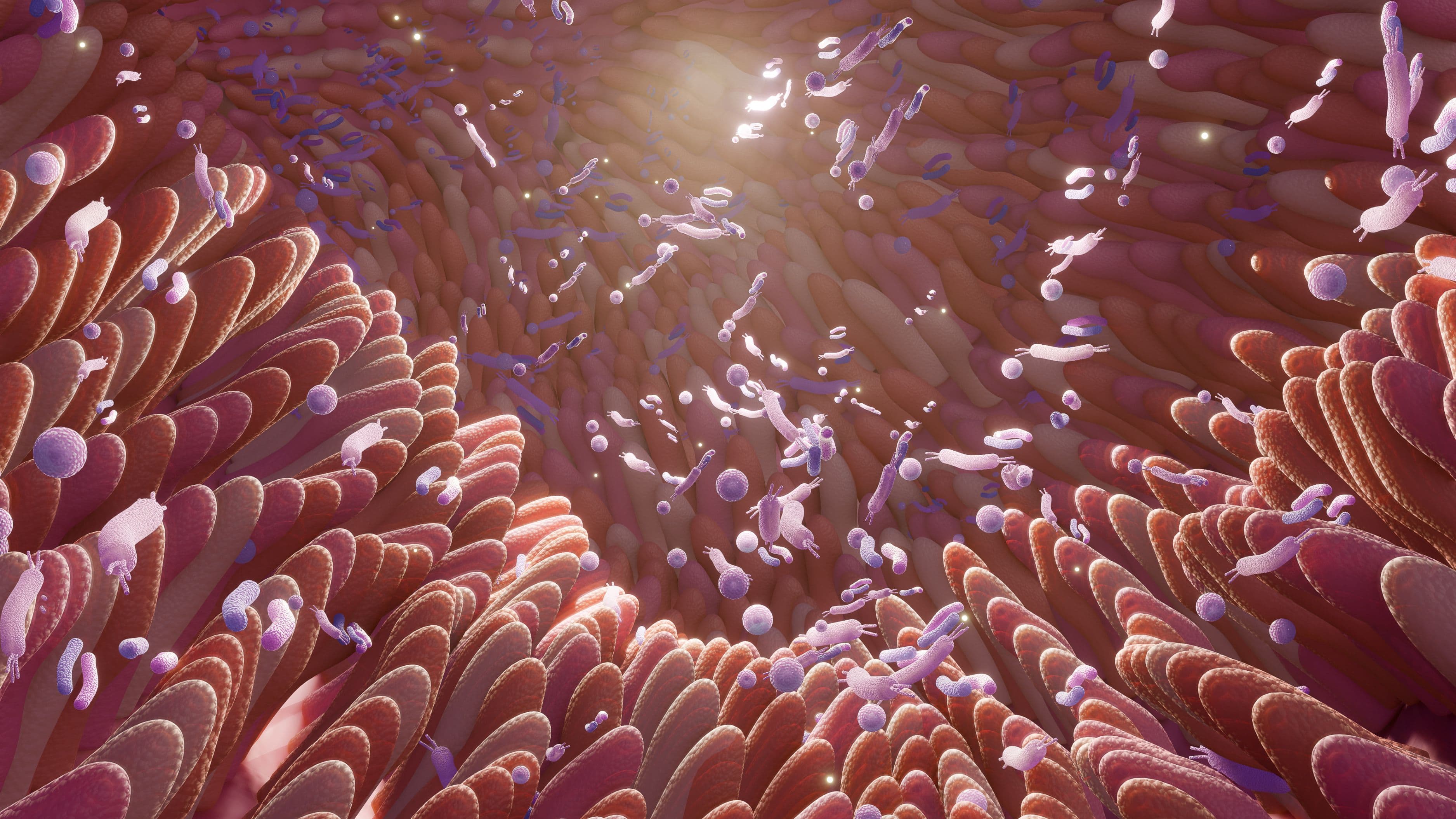
This is the section most carnivore advocates underweight, and it deserves direct treatment. The gut microbiome is not a passive passenger in gut health – it is a functional organ with direct effects on immune regulation, intestinal barrier integrity, neurotransmitter production, and systemic inflammation. And a carnivore diet produces significant, measurable changes to microbiome composition.
Research on the microbiome effects of animal-based, low-fibre diets consistently shows: reduced microbial diversity, significant reduction in Firmicutes (including butyrate-producers like Faecalibacterium prausnitzii and Roseburia species), and increased relative abundance of bile-tolerant gram-negative bacteria including Bacteroides and Bilophila wadsworthia. Bilophila in particular has been associated with intestinal inflammation in animal models and has shown increased abundance in IBD patients.
The clinical significance of these microbiome shifts in carnivore dieters is not definitively established – the Harvard survey study found that despite these predicted changes, most respondents reported symptom improvement. Two non-mutually-exclusive explanations exist: either the microbiome changes matter less than the elimination of dietary antigens and fermentable substrates for the specific conditions in question, or the long-term consequences of sustained microbiome disruption haven't had time to manifest clinically in most study populations. The honest answer is that we don't know which explanation is correct, and the long-term data doesn't exist yet.
Who Is Actually Reporting Results – and Why That Matters
The pattern in carnivore gut healing anecdotes is not random. The people reporting the most dramatic improvements tend to cluster around specific conditions: autoimmune gut conditions (Crohn's, ulcerative colitis), longstanding IBS with significant bloating and motility dysfunction, and conditions with a strong food sensitivity component. They are less consistently represented in conditions where the gut pathology is structural or where inflammatory drivers are systemic rather than diet-mediated.
This pattern is informationally meaningful. It suggests that the effect – if real and not purely placebo – is most likely operating through antigen elimination and reduced fermentation rather than through a generalised "anti-inflammatory" effect of meat consumption. That distinction matters because it changes how you'd use carnivore as a clinical tool: not as a permanent dietary identity but as a structured elimination protocol to identify triggers, followed by systematic reintroduction.
The sustained anecdotal reports from men with IBD are harder to explain through antigen elimination alone, since these conditions involve active immune dysregulation at the mucosal level. The ketogenic and anti-inflammatory mechanisms described above become more relevant here, and there's a reasonable mechanistic case that sustained nutritional ketosis may modulate immune activity in ways that reduce mucosal inflammation. This remains under-researched.
Practical Application: If You're Going to Test It
Given the current evidence status – promising anecdotes, plausible mechanisms, limited clinical data – the rational approach is to treat carnivore as a structured gut healing protocol rather than a permanent dietary framework, unless your individual response after an adequate trial period makes a strong case for long-term adherence.
A structured approach looks like this. Run a strict elimination phase of 30–90 days: beef, lamb, organ meats, eggs, salt, water, and nothing else. This duration is sufficient to reduce gut inflammation, deplete FODMAP loads, allow mucosal recovery if increased permeability is present, and generate a clear symptomatic baseline. Track your symptoms with specificity – stool frequency, consistency, bloating score, pain, energy, and any extra-intestinal symptoms – not just a general sense of whether you feel better.
After the elimination phase, begin systematic reintroduction of food groups one at a time, with sufficient washout between each addition to detect responses. This is where most people's protocols fall apart – they feel better on carnivore and never do the reintroduction work, which means they never learn which specific foods were driving their symptoms. The reintroduction data is the actionable intelligence; the elimination phase just creates the conditions to generate it.
Consider tracking objective markers: fasting calprotectin if you have access to it, CRP, and if budget allows, a microbiome panel at baseline and at the end of the elimination phase. This gives you data rather than just impression.
The Real Risks
Several are worth stating directly rather than burying in caveats. Sustained very-low-fibre intake reduces butyrate-producing bacteria, and butyrate is critical for colonocyte integrity and mucosal immunity – the same mucosal integrity you're trying to restore. The short-term and long-term trajectories of carnivore may run in opposite directions. Cardiovascular risk from saturated fat intake remains a legitimate concern in men over 40, particularly those with LDL particle size abnormalities or existing cardiovascular risk factors; LDL-C often rises significantly on carnivore, and the clinical significance of this in the context of low triglycerides and high HDL is actively debated.
Micronutrient gaps are real if the diet excludes organ meats – vitamin C, folate, and certain minerals are difficult to obtain at adequate levels from muscle meat alone. Liver and kidney consumption addresses most of these gaps.
The Bottom Line
The carnivore diet is a legitimate elimination protocol for men with inflammatory gut conditions, IBS, or suspected food sensitivity-driven gut dysfunction. The anecdotes are numerous and consistent enough to take seriously. The mechanisms are plausible. The evidence base is thin but directionally supportive, particularly for conditions driven by dietary antigens and fermentation load.
It is not a validated clinical treatment. The long-term microbiome effects are a legitimate concern that the current evidence can't fully resolve. Treating it as a structured, time-limited protocol with objective tracking and a defined reintroduction phase is more defensible than treating it as a permanent dietary identity. Run the experiment, collect the data, and make decisions based on your individual response rather than on ideology.
FAQ
How long does it take to see gut healing improvements on carnivore? Most men who respond positively report initial improvement within two to four weeks, with more significant changes at the 6–8 week mark as mucosal inflammation reduces and gut motility stabilises. Allow 90 days for a full assessment.
Does carnivore permanently damage the microbiome? The microbiome changes induced by carnivore are significant but appear to be largely reversible upon reintroduction of dietary fibre. The long-term clinical consequence of repeated cycles of depletion and reintroduction is not established.
Should I take a probiotic while doing carnivore? The evidence for probiotics in altering the microbiome composition in a clinically meaningful way is modest. If you use one, strain specificity matters – Lactobacillus rhamnosus GG and Saccharomyces boulardii have the strongest evidence base for gut symptom reduction. Don't rely on probiotics to compensate for the microbiome changes carnivore produces.
Is carnivore appropriate for someone with diagnosed Crohn's disease? It should be considered as a trial under medical supervision, not as a self-directed treatment replacement. Some Crohn's patients report significant improvement; others experience worsening, particularly during active flares. Discuss with a gastroenterologist before undertaking a major dietary intervention on an active inflammatory bowel condition.
What's the difference between carnivore and a standard elimination diet for gut issues? A standard elimination diet (such as the low-FODMAP protocol) removes specific fermentable carbohydrates while retaining most plant foods. Carnivore is a more aggressive total elimination that removes all plant-derived compounds simultaneously. It's a blunter instrument – faster to implement, harder to interpret because you can't identify which specific compound was causing problems.
📚 Sources
Lennerz BS et al. – Behavioral Characteristics and Self-Reported Health Status among 2029 Adults Consuming a "Carnivore Diet" (Current Developments in Nutrition, 2021): https://academic.oup.com/cdn/article/5/12/nzab133/6415894
Zhu H et al. – Ketogenic Diet for Human Diseases: the Underlying Mechanisms and Potential for Clinical Implementations (Signal Transduction and Targeted Therapy, 2022): https://www.nature.com/articles/s41392-021-00831-w
Shimasaki T et al. – Low-Carbohydrate Diet in Crohn's Disease: Pilot Study (Inflammatory Bowel Diseases, 2021): https://academic.oup.com/ibdjournal/article/27/6/964/5893537
Staudacher HM et al. – Gut Microbiota Associations with Diet in Irritable Bowel Syndrome (Gut, 2021): https://gut.bmj.com/content/70/7/1287
Turnbaugh PJ et al. – Diet-Induced Alterations in Gut Microflora Contribute to Lethal Pulmonary Damage in TLR2/TLR4-Deficient Mice (Cell Host & Microbe, 2009): https://www.ncbi.nlm.nih.gov/pmc/articles/PMC2677729/
Youm YH et al. – The Ketone Metabolite β-Hydroxybutyrate Blocks NLRP3 Inflammasome–Mediated Inflammatory Disease (Nature Medicine, 2015): https://www.nature.com/articles/nm.3804
Gibson PR & Shepherd SJ – Evidence-based dietary management of functional gastrointestinal symptoms: The FODMAP approach (Journal of Gastroenterology and Hepatology, 2010): https://onlinelibrary.wiley.com/doi/10.1111/j.1440-1746.2009.06149.x
David LA et al. – Diet rapidly and reproducibly alters the human gut microbiome (Nature, 2014): https://www.nature.com/articles/nature12820