


This isn't about "cheat days." A cheat day is undisciplined. A carb refeed is a calculated intervention with a specific physiological purpose, and it demands the same precision you'd apply to any other performance protocol.
Why Poorly Executed Refeeds Spike Cortisol
Cortisol rises predictably under two conditions relevant to refeeding: a rapid, large shift in blood glucose that triggers an exaggerated insulin response followed by a compensatory stress hormone reaction, and the psychological stress of "breaking" a restrictive diet pattern, which activates the same HPA-axis stress response as a physical stressor. Men coming out of an extended caloric deficit are already running elevated baseline cortisol in many cases, making a poorly structured refeed the tipping point rather than the entire cause.
The mistake most men make is treating a refeed as an unrestricted eating window rather than a controlled macronutrient shift. A refeed built around processed, high-glycemic foods consumed in a single large sitting produces exactly the kind of glucose and insulin volatility that drives a secondary cortisol spike.
The Protocol: Structuring a Refeed That Works
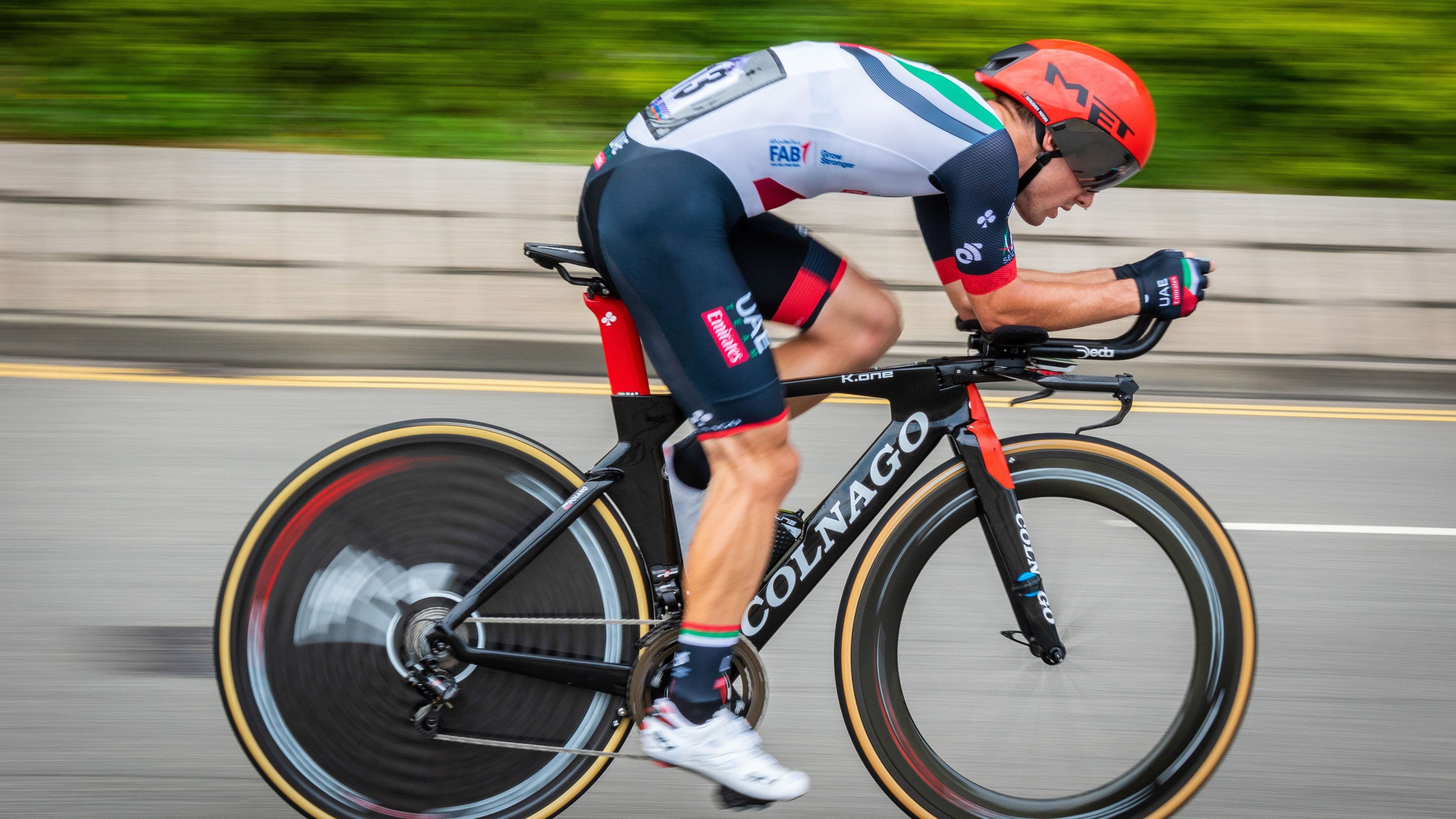
Step 1: Time the refeed around training, not around convenience. The single highest-leverage placement for a carb refeed is immediately following your highest-volume training session of the week. This maximizes glycogen uptake into muscle tissue rather than adipose storage, and it uses up the incoming glucose load through active muscular demand rather than leaving it to circulate at elevated levels.
Step 2: Calculate a specific carbohydrate target, don't wing it. A reasonable refeed target for a lean, actively training man sits between 2 and 3 grams of carbohydrate per pound of bodyweight for the day, a meaningful increase over a typical restricted intake, but still a calculated number rather than unlimited eating.
Step 3: Spread the carbohydrate load across multiple meals rather than one large sitting. Splitting your refeed target across three to four meals throughout the day smooths the insulin response considerably compared to consuming the same total in a single meal, reducing the glucose volatility that drives cortisol reactivity.
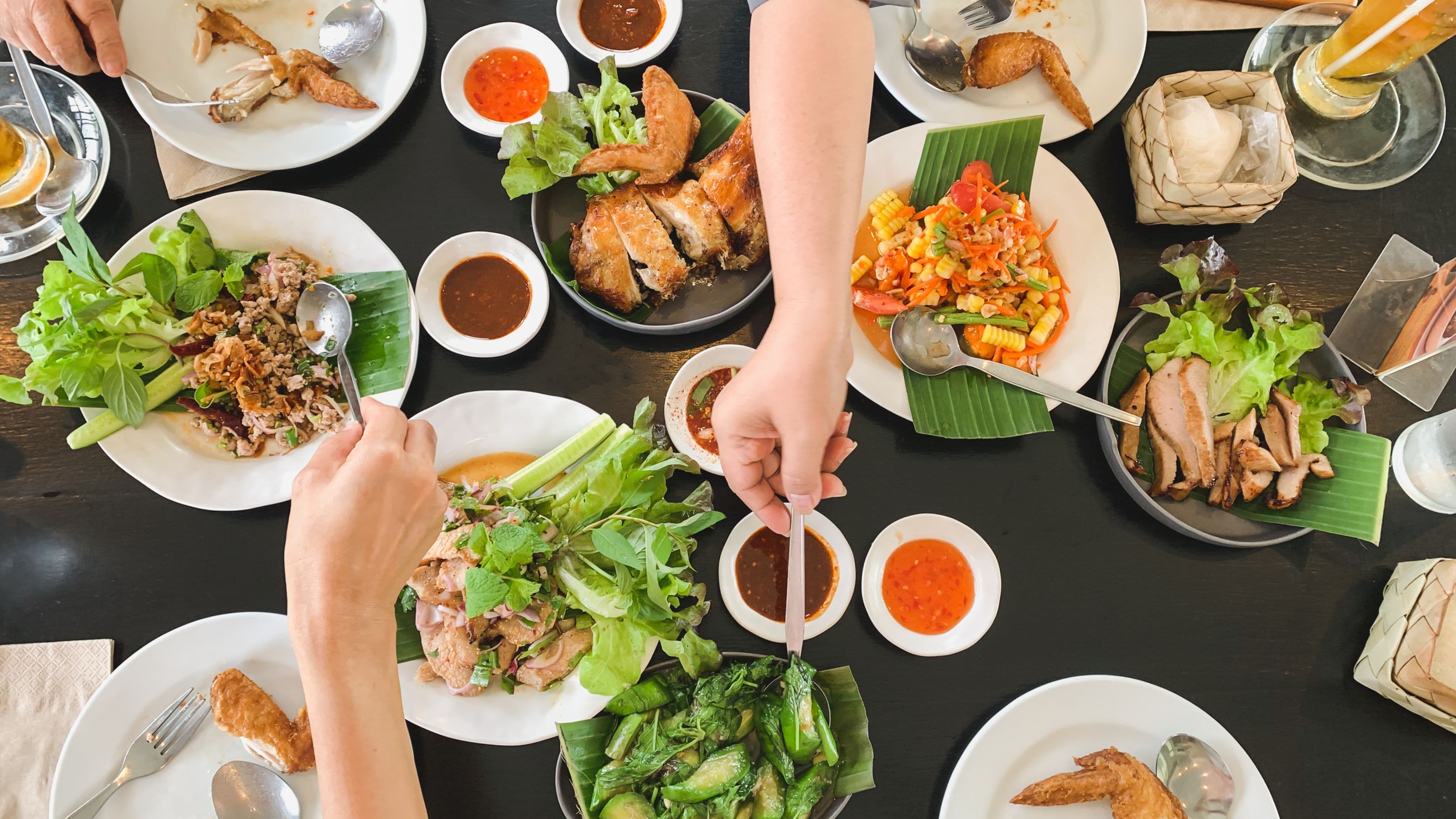
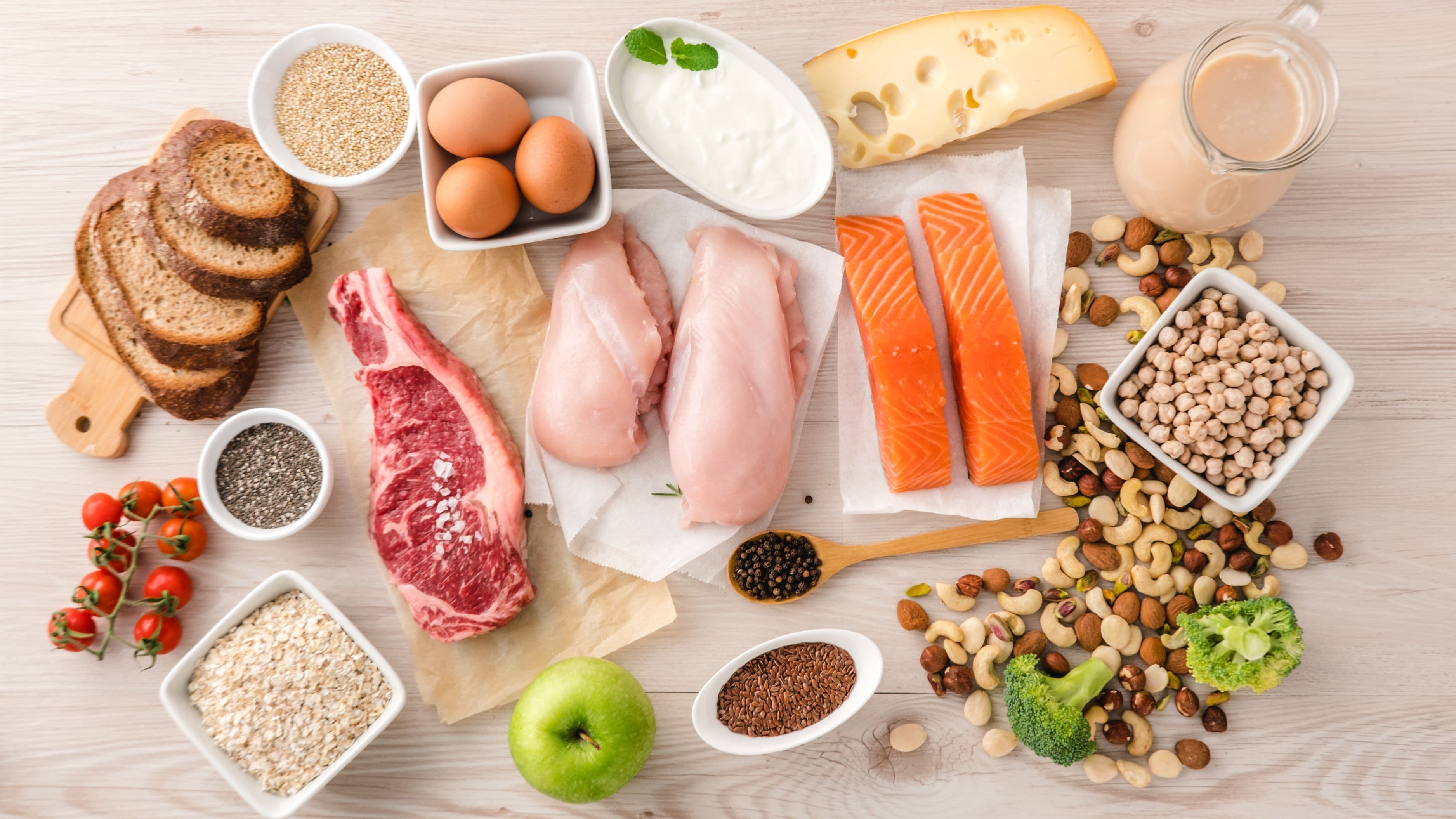
Step 4: Prioritize lower-glycemic, whole-food carbohydrate sources. Rice, oats, potatoes, and fruit produce a steadier glucose response than refined sugar and highly processed carbohydrate sources, even at an equivalent total gram count. This single choice significantly reduces the insulin swing that can trigger a downstream cortisol response.
Step 5: Keep protein high and fat moderate throughout the refeed. Dropping protein intake to make room for additional carbohydrate is a common mistake. Maintain your normal protein target and moderately reduce fat intake instead, since fat alongside a large carbohydrate load slows digestion and can compound the insulin response you're trying to manage.
Step 6: Manage the psychological framing of the refeed. Approaching the day with anxiety about "losing progress" activates the same stress response you're trying to avoid physiologically. Treat the refeed as a planned, purposeful part of your overall protocol rather than a lapse in discipline, since the psychological stress response to perceived dietary failure is a documented contributor to cortisol elevation independent of the food itself.
Expected Results and Timeline
A well-structured refeed typically restores glycogen levels within 24 hours and can produce a noticeable training performance boost in the following one to two sessions. Water retention from glycogen-bound water is normal and expected, typically resolving within 48 to 72 hours, and should not be mistaken for fat gain. Men following this structure generally report improved training output and reduced hunger-driven cravings in the days following a properly executed refeed, compared to the diminishing returns of extended, uninterrupted caloric restriction.
Risks and Mistakes to Avoid
Avoid using a refeed as justification for unlimited caloric intake, since exceeding your calculated carbohydrate target significantly increases the likelihood of the glucose volatility that drives cortisol spikes. Avoid scheduling a refeed on a rest day when muscle glycogen demand is lowest, since this increases the proportion of incoming carbohydrate that gets stored as fat rather than utilized for performance. And avoid treating frequent refeeds, more than once every seven to fourteen days for most cutting protocols, as a sustainable long-term strategy, since overly frequent refeeds can meaningfully slow fat loss progress.
FAQ
How often should a lean man doing a cut schedule a carb refeed? Once every seven to fourteen days is a reasonable range for most actively training men in a caloric deficit, adjusted based on training volume and how aggressively the deficit is structured.
Will a carb refeed cause fat gain? A properly calculated refeed primarily replenishes glycogen and associated water weight rather than producing meaningful fat gain, provided the carbohydrate target and overall calorie intake for the day are controlled rather than unlimited.
Can supplements help manage cortisol during a refeed? Some men use adaptogenic compounds like ashwagandha to support cortisol regulation, though the structural factors above, timing, food quality, and meal spacing, have a larger overall impact than any single supplement.
Outro
A carb refeed is a precision tool, not a reward system. Structure the timing, macronutrient targets, and framing correctly, and you get the glycogen replenishment and performance benefit without the cortisol cost that undisciplined refeeding produces.
This article is for informational purposes and is not a substitute for personalized medical advice. Consult a physician before making significant changes to your diet, particularly if you have an existing metabolic or endocrine condition.
📚 Sources
"Cortisol Response to Glycemic Load" – Journal of Clinical Endocrinology & Metabolism, academic.oup.com
"Carbohydrate Refeeding and Leptin Regulation" – National Institutes of Health, ncbi.nlm.nih.gov
"Glycemic Index and Insulin Response" – Harvard T.H. Chan School of Public Health, hsph.harvard.edu