


This is a head-to-head comparison grounded in what the research actually shows about both modalities: their mechanisms, their measurable outputs, their limitations, and where each delivers the most return on invested time.
What Each Modality Is Actually Doing
Before comparing outcomes, the mechanisms need to be clear – because BrainTap and traditional meditation are not doing the same thing at the neurological level, even when they produce overlapping results.
Traditional meditation is a broad category that includes practices like mindfulness-based stress reduction (MBSR), transcendental meditation (TM), focused attention (FA), and open monitoring (OM). What these share is the training of attentional control and
metacognitive awareness through repeated, effortful practice. The brain changes associated with long-term meditation – increased gray matter density in the prefrontal cortex, reduced amygdala reactivity, thickening of the anterior cingulate cortex – are the result of neuroplastic adaptation built over months and years of consistent practice. Meditation is essentially progressive resistance training for attentional and emotional regulation systems.
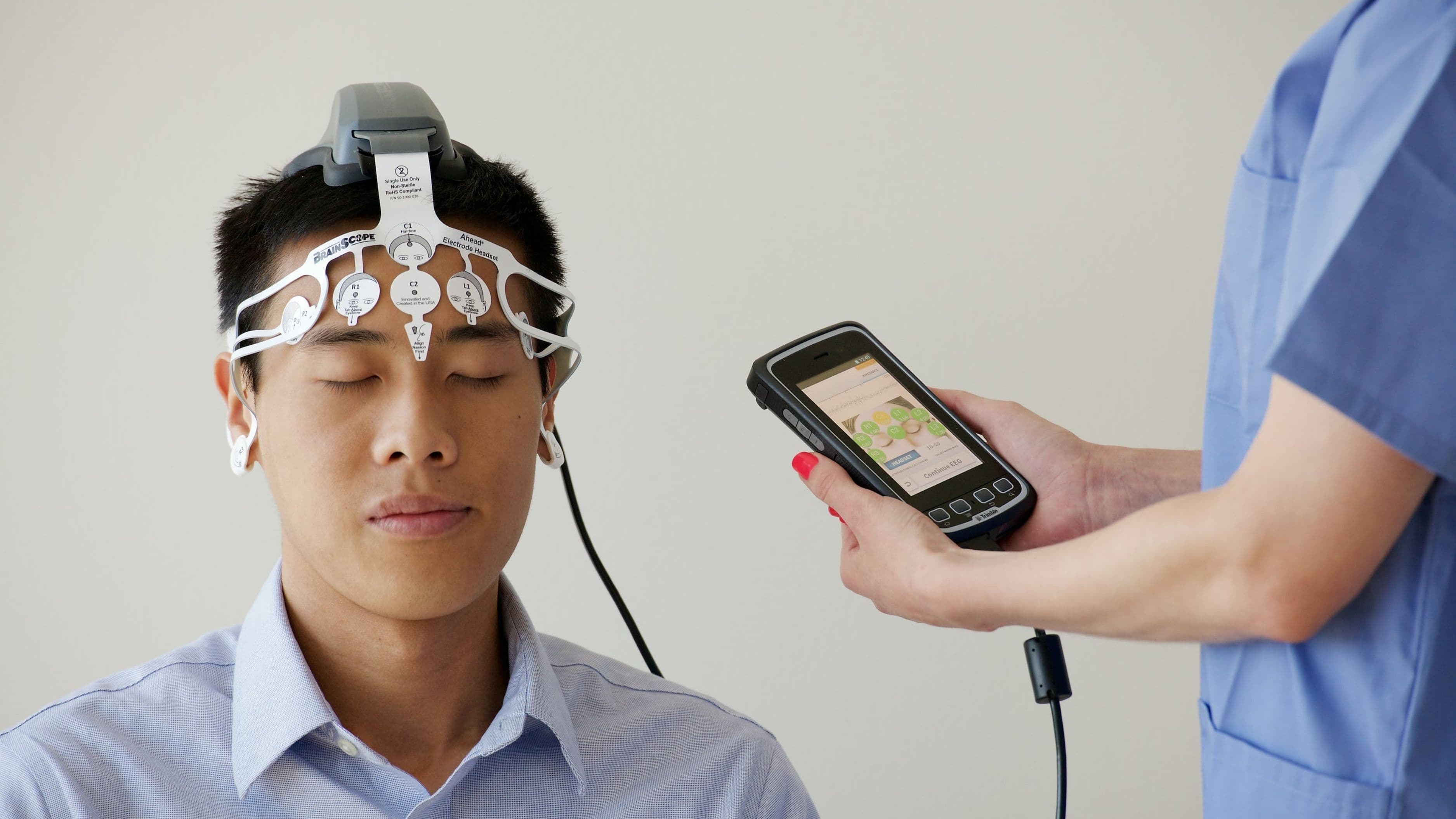
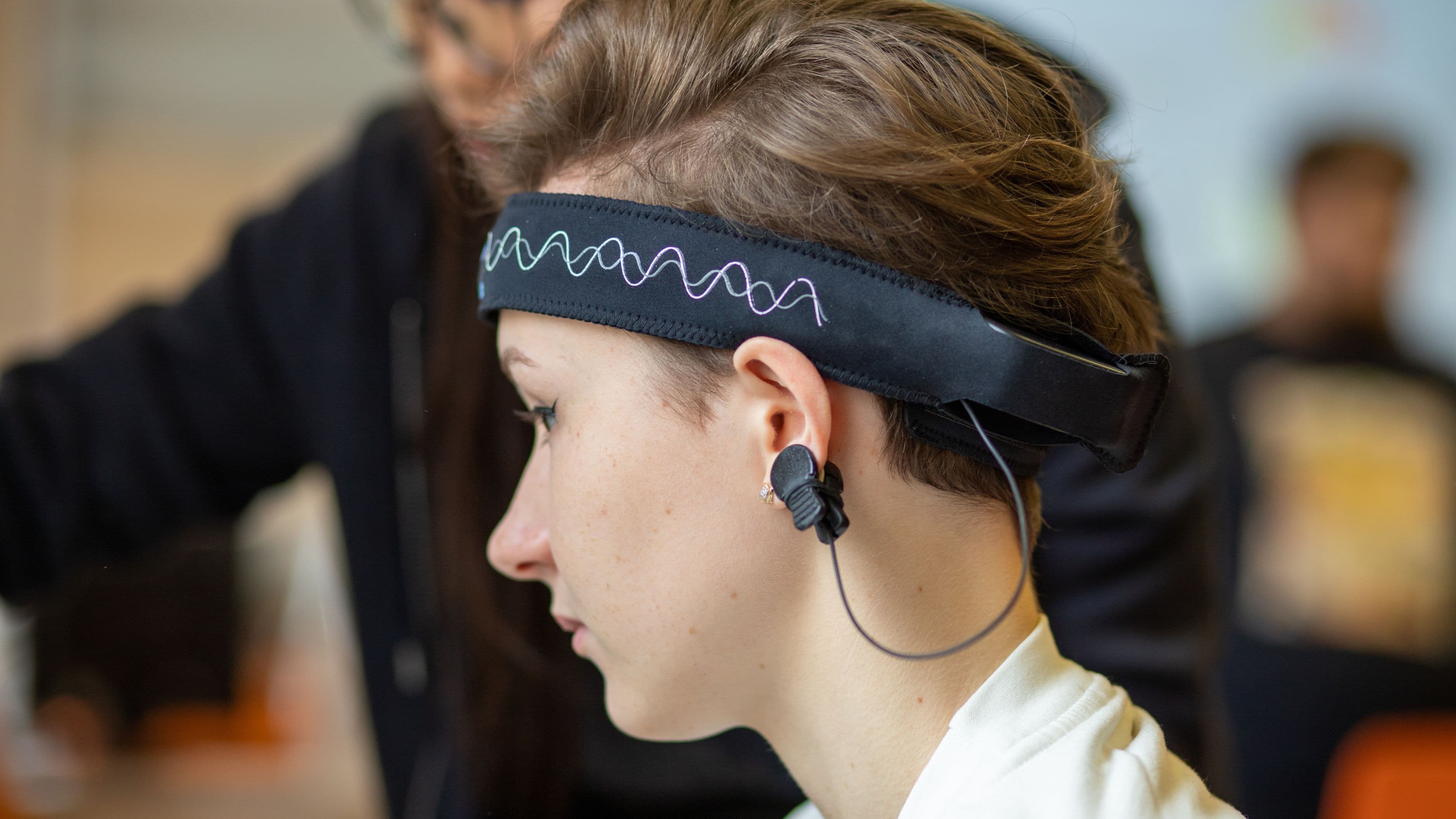
BrainTap is an audio-visual entrainment (AVE) technology. The headset delivers rhythmic light pulses through closed-eye LED goggles synchronized with binaural beats and isochronic tones delivered through headphones. The goal is brainwave entrainment – using external rhythmic stimuli to guide the brain toward specific frequency states (alpha: 8–12 Hz for relaxed focus; theta: 4–7 Hz for deep relaxation and creative states; delta: 0.5–4 Hz for deep sleep states). The mechanism is the frequency following response (FFR), a well-documented neurological phenomenon where the brain's electrical activity synchronizes with external rhythmic input.
These are fundamentally different processes. Meditation trains the brain's capacity to self-regulate. BrainTap temporarily drives the brain into a target state using external stimulation. Understanding that distinction shapes everything that follows.
The Research on Traditional Meditation
Traditional meditation has a substantially larger and more rigorous research base than any neurofeedback or brainwave entrainment technology, which is important context. Decades of peer-reviewed research have established several consistent findings.
Mindfulness-based stress reduction, studied extensively since Jon Kabat-Zinn developed the protocol at UMass Medical School in the 1970s, consistently reduces cortisol levels, improves heart rate variability (HRV), and reduces self-reported stress and anxiety across diverse populations. A 2011 Harvard study published in Psychiatry Research demonstrated measurable increases in gray matter density in the hippocampus and posterior cingulate cortex after just eight weeks of MBSR practice – structural brain changes, not just functional ones.
Transcendental meditation has a similarly robust evidence base, particularly around cardiovascular outcomes. A 2013 American Heart Association scientific statement on alternative approaches to lowering blood pressure assigned TM its highest evidence grade for blood pressure reduction among mind-body practices. Multiple randomized controlled trials have shown TM reducing systolic blood pressure by an average of 4–5 mmHg – clinically meaningful at population scale.
Long-term meditation practice (defined as 10,000+ hours in research contexts) produces measurable differences in default mode network (DMN) activity. Experienced meditators show less mind-wandering and reduced DMN activation at rest – the neural signature of a mind that spends less energy in self-referential rumination and more in present-moment processing. This has downstream effects on decision-making quality, emotional reactivity, and recovery from stressors.
The critical limitation of traditional meditation: these outcomes require sustained practice. The structural brain changes observed in MBSR studies appear after eight weeks of daily practice. The advanced cognitive and emotional regulation benefits associated with long-term practitioners require years. For a performance-focused individual with competing demands on time and attention, the front-loaded cost is real.
The Research on BrainTap and Brainwave Entrainment
The evidence base for brainwave entrainment is real but significantly smaller and more variable in quality than the meditation literature. The frequency following response itself is well-established neuroscience – the brain does synchronize with external rhythmic stimuli, and EEG studies consistently demonstrate that binaural beats and photic stimulation shift brainwave patterns in measurable ways.
The clinical question is what those shifted brainwave states actually produce in terms of durable outcomes.
A 2016 study published in Frontiers in Human Neuroscience found that alpha-frequency binaural beats improved working memory performance acutely. A 2019 study in PLOS ONE found that theta-frequency binaural beats enhanced creativity metrics in a controlled setting. A study specifically examining BrainTap (then marketed as NeuroSpa) found improvements in sleep quality scores and self-reported stress reduction in a sample of patients in a chiropractic and wellness clinic setting – though this was a smaller, less controlled study than the meditation literature typically offers.
What the brainwave entrainment research generally shows is significant acute effects – measurable changes in brainwave activity, mood, and cognitive performance during and immediately following a session – with less clear evidence of durable neuroplastic change from repeated use. The technology can reliably guide you into an alpha or theta state. Whether repeated induction of those states produces the same long-term structural brain changes as meditative training is an open question the current research does not clearly resolve.
BrainTap-specific research is further complicated by the fact that much of the clinical data on their platform has been conducted or funded by parties with commercial interest in positive outcomes. That doesn't invalidate the findings, but it warrants appropriate skepticism when evaluating effect size claims.
Head-to-Head: Key Performance Metrics
Stress and Cortisol Reduction
Traditional meditation wins on depth and durability here. Eight weeks of MBSR produces measurable reductions in cortisol area-under-the-curve in response to stress challenges. Those reductions persist and tend to strengthen with continued practice. BrainTap sessions produce acute relaxation responses that likely involve HPA axis downregulation, but the evidence for durable cortisol reduction from regular BrainTap use is thinner. For someone optimizing stress recovery over the long term, meditation builds a system; BrainTap manages a state.
HRV Improvement
Both modalities show positive effects on HRV, which is among the most reliable objective markers of autonomic nervous system balance and recovery capacity. Meditation's effects on HRV are well-documented and accumulate with practice. Brainwave entrainment that shifts the brain into alpha states also promotes parasympathetic dominance, which improves acute HRV readings. If you're tracking HRV daily with a wearable, BrainTap sessions will likely show a measurable post-session HRV improvement. Whether that translates to baseline HRV improvements over weeks and months the way meditation does is less certain.
Sleep Quality
This is where BrainTap makes a credible case. The combination of delta-frequency entrainment, guided relaxation, and the physical act of lying still with a light-blocking headset creates conditions that are genuinely conducive to sleep onset and quality. Users consistently report improved sleep, and the mechanisms are plausible. Traditional meditation also improves sleep quality – MBSR has been studied in insomnia populations with positive results – but requires active engagement that some users struggle to sustain near sleep. BrainTap's passive delivery has a practical advantage for sleep-specific applications.
Cognitive Performance and Focus
Traditional meditation has a more robust evidence base for durable improvements in sustained attention, working memory, and cognitive flexibility. These are training effects that build over time. BrainTap's acute cognitive effects – particularly around alpha-state induction for focused work or theta-state induction for creative problem-solving – are real but session-dependent. You're not building a capacity; you're accessing a state.
Time to Benefit
BrainTap has a clear practical advantage here. Sessions are 10–30 minutes and require no skill acquisition. The relaxation and state-shifting effects are accessible to first-time users. Traditional meditation, particularly for beginners, involves a skill-acquisition curve that can take weeks before sessions feel productive and months before measurable cognitive benefits emerge. For someone who genuinely cannot make meditation work despite sustained effort, BrainTap provides an alternative entry point with a lower friction barrier.
Where Each Has a Legitimate Edge
Traditional meditation is superior for:
Long-term structural neuroplasticity
Durable improvement in emotional regulation and stress resilience
Building attentional control that transfers across contexts
Cardiovascular and longevity-relevant outcomes (blood pressure, HRV baseline)
Cost (free, once learned)
BrainTap has a legitimate edge for:
Users who have failed to establish a consistent meditation practice
Sleep onset and sleep quality optimization
Acute state management – entering a focused or deeply relaxed state on demand
Stacking with other recovery protocols (post-training, pre-sleep)
Structured, time-bounded recovery sessions with no skill barrier
The Practical Protocol Decision
If you already meditate consistently and are considering adding BrainTap, the question is whether it addresses a gap your current practice doesn't. For sleep optimization or rapid state-shifting between demanding cognitive tasks, it can be a useful addition. As a replacement for an established meditation practice, the evidence doesn't support the trade.
If you've attempted meditation repeatedly and cannot build a consistent practice – whether due to high baseline cognitive noise, ADHD, or simply the inability to tolerate unstructured mental activity – BrainTap provides access to neurological states you'd otherwise need significant meditation training to reach. That's not a consolation prize. It's a different tool with genuine utility.
The strongest case for BrainTap is as an on-ramp or a complement, not a replacement. Using BrainTap to access theta states before a meditation session, for example, reduces the friction of settling the mind and may accelerate the early-stage skill acquisition that makes meditation sustainable.
Risks and Limitations to Account For
Neither modality carries significant safety risk for healthy individuals, but both have relevant limitations worth noting.
Photosensitive individuals should not use BrainTap's photic stimulation without medical clearance – rhythmic light pulses can trigger seizures in susceptible individuals. The binaural beat component requires headphones and functions poorly through speakers, which constrains use cases.
Traditional meditation, particularly intensive retreat formats, has documented risks for individuals with trauma histories or certain psychiatric conditions. Meditation-induced adverse events – including anxiety, depersonalization, and in rare cases psychotic episodes – are real, though substantially more common in intensive retreat settings than in standard MBSR or daily home practice. For most users, a standard daily practice carries negligible risk.
BrainTap's $597 headset cost is a meaningful barrier. The subscription model for their session library adds ongoing cost. If the device doesn't produce clear personal benefit within the first few weeks, it's an expensive experiment.
FAQ
Can BrainTap replace meditation for someone who finds meditation genuinely impossible? For accessing relaxed and restorative brain states, yes – it's a viable alternative. For the long-term structural neuroplastic benefits of sustained meditation practice, the evidence does not support equivalence. Use it as a functional substitute where needed, not as a claim to equivalent outcomes.
Does BrainTap work without the headset – just the audio? The binaural beats function without the light goggles, but the combined audio-visual entrainment is what distinguishes BrainTap from standard binaural beat apps. Using audio only reduces the entrainment effect and makes the experience more similar to generic guided meditation or binaural beat tracks available at much lower cost.
How long before meditation produces measurable cognitive benefits? Research suggests measurable improvements in attention and self-reported wellbeing within four to eight weeks of daily 20–30 minute practice. Structural brain changes require longer – the Harvard MBSR study observed hippocampal gray matter changes after eight weeks. Advanced practitioner-level benefits require years of consistent practice.
Is there an optimal stack combining both? A reasonable protocol for someone with access to BrainTap: use a 10–15 minute alpha or theta BrainTap session to settle the nervous system, then transition into a 20-minute focused meditation session. The entrainment session reduces the ramp-up time for getting into a usable meditative state, particularly useful during high-stress periods when meditation is hardest to access.
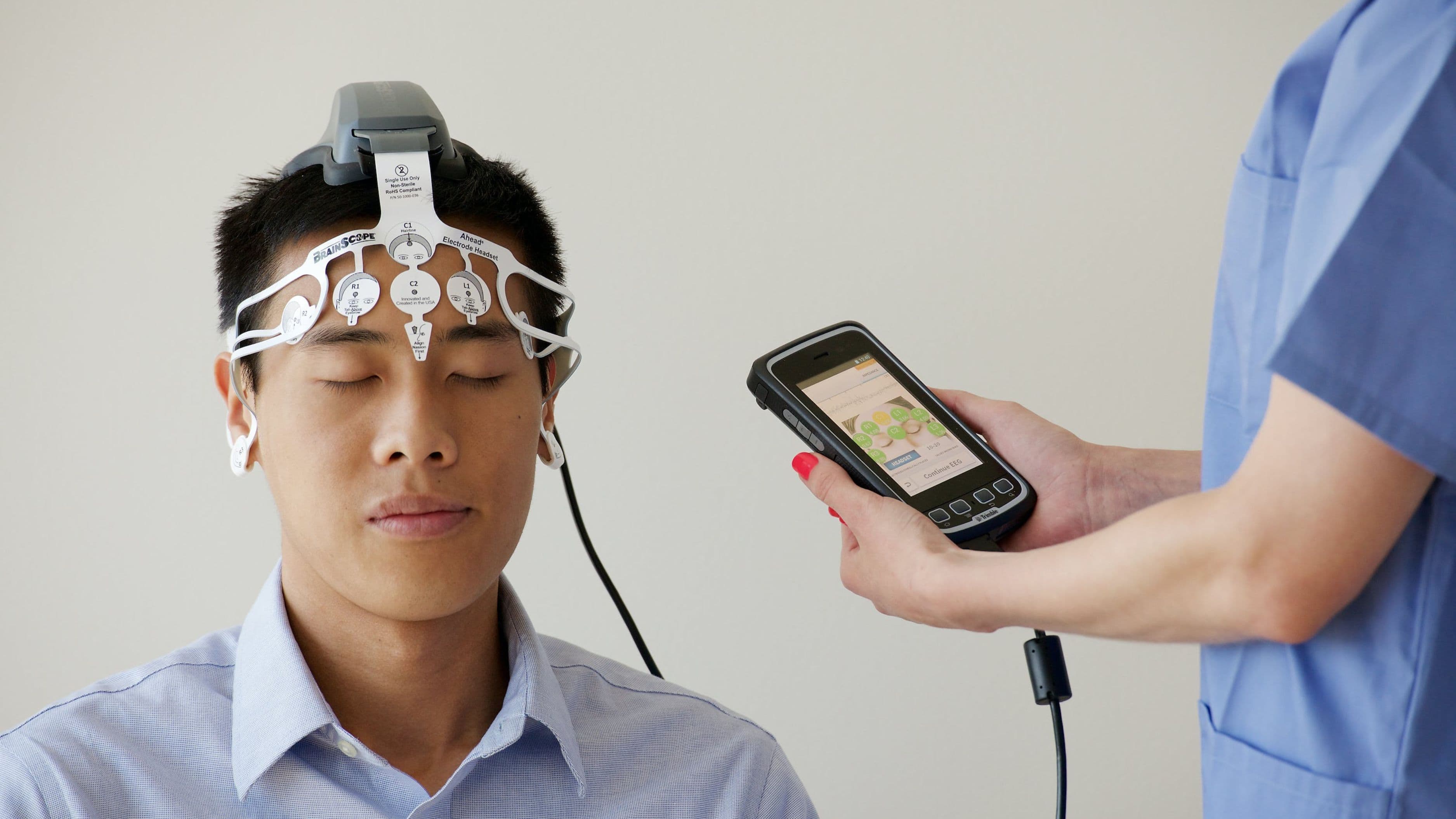
What EEG data exists on BrainTap specifically? BrainTap has published some internal EEG data showing brainwave shifts during their sessions, consistent with the broader brainwave entrainment literature. Independent peer-reviewed EEG studies specifically examining BrainTap's headset are limited. The general FFR mechanism is not in scientific dispute; the clinical outcome claims require more independent replication.
📚 Sources
Hölzel et al. (2011) – Mindfulness practice leads to increases in regional brain gray matter density. Psychiatry Research: Neuroimaging: https://www.ncbi.nlm.nih.gov/pmc/articles/PMC3004979/
American Heart Association – Beyond Medications and Diet: Alternative Approaches to Lowering Blood Pressure (2013): https://www.ahajournals.org/doi/10.1161/HYP.0b013e318293645f
Wahbeh et al. – Binaural Beat Technology in Humans: A Pilot Study to Assess Psychologic and Physiologic Effects. Journal of Alternative and Complementary Medicine: https://www.ncbi.nlm.nih.gov/pmc/articles/PMC2344302/
Reedijk et al. (2013) – The Impact of Binaural Beats on Creativity. Frontiers in Human Neuroscience: https://www.frontiersin.org/articles/10.3389/fnhum.2013.00786/full
Kabat-Zinn – Mindfulness-Based Stress Reduction Overview. UMass Memorial Health: https://www.umassmemorial.org/services/behavioral-health/center-for-mindfulness/mindfulness-based-stress-reduction-mbsr
Jain et al. – A Randomized Controlled Trial of Mindfulness Meditation Versus Relaxation Training. Annals of Behavioral Medicine: https://www.ncbi.nlm.nih.gov/pmc/articles/PMC2963898/
Lavallee & Kline – Frequency Following Response and Brainwave Entrainment. Applied Psychophysiology and Biofeedback: https://link.springer.com/article/10.1007/s10484-011-9155-2