
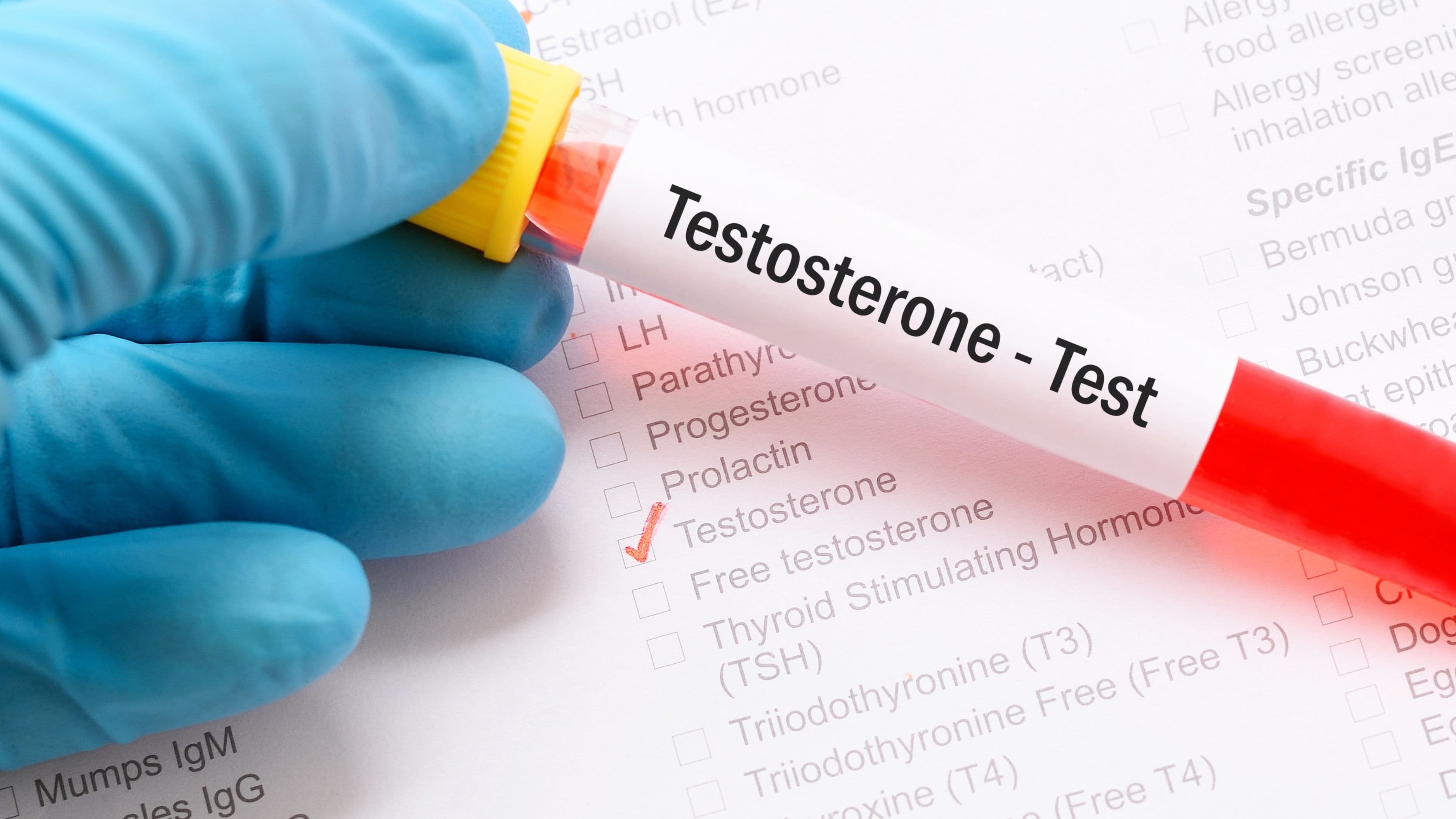
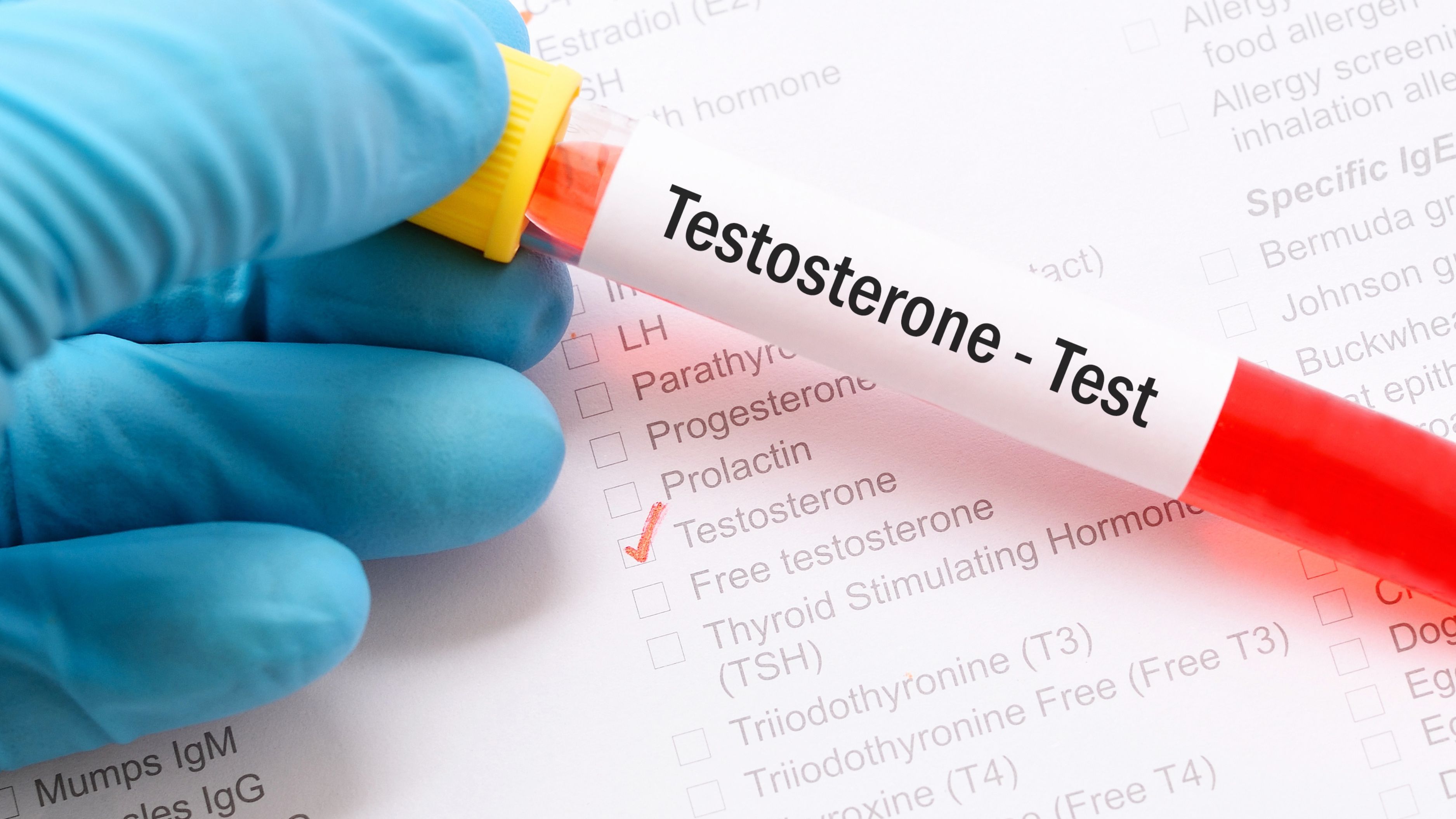
Here's a clean breakdown of the evidence, the mechanism, and where boron fits in a serious hormone optimization stack.
What Boron Is and Why Hormonal Researchers Care About It
Boron is a trace mineral found in nuts, legumes, avocados, and certain fruits. It's not classified as an essential nutrient in the traditional sense – no official recommended daily allowance exists in most countries – but it's increasingly recognized as physiologically active at multiple levels, particularly in bone metabolism, inflammation, and steroid hormone regulation.
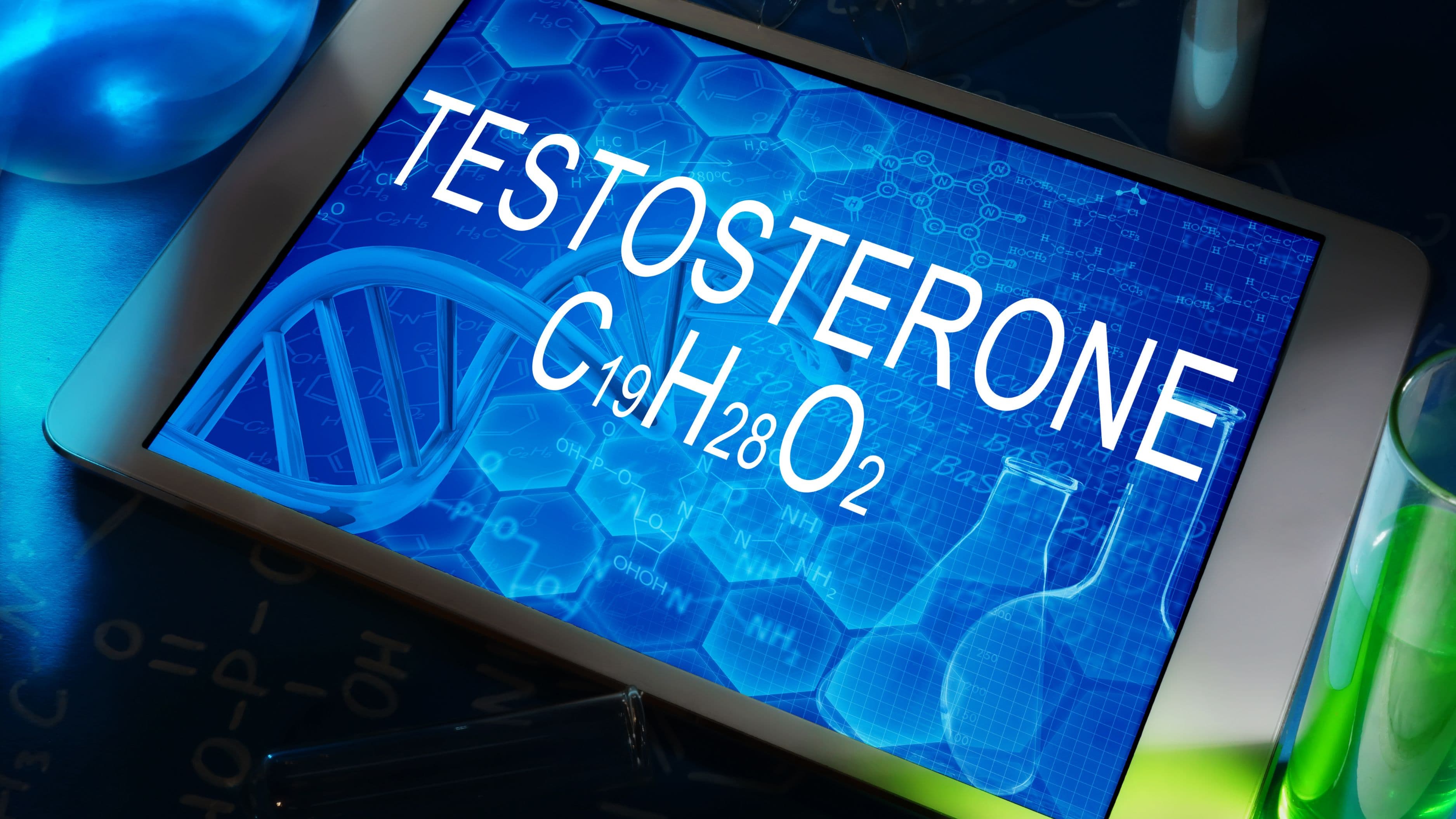
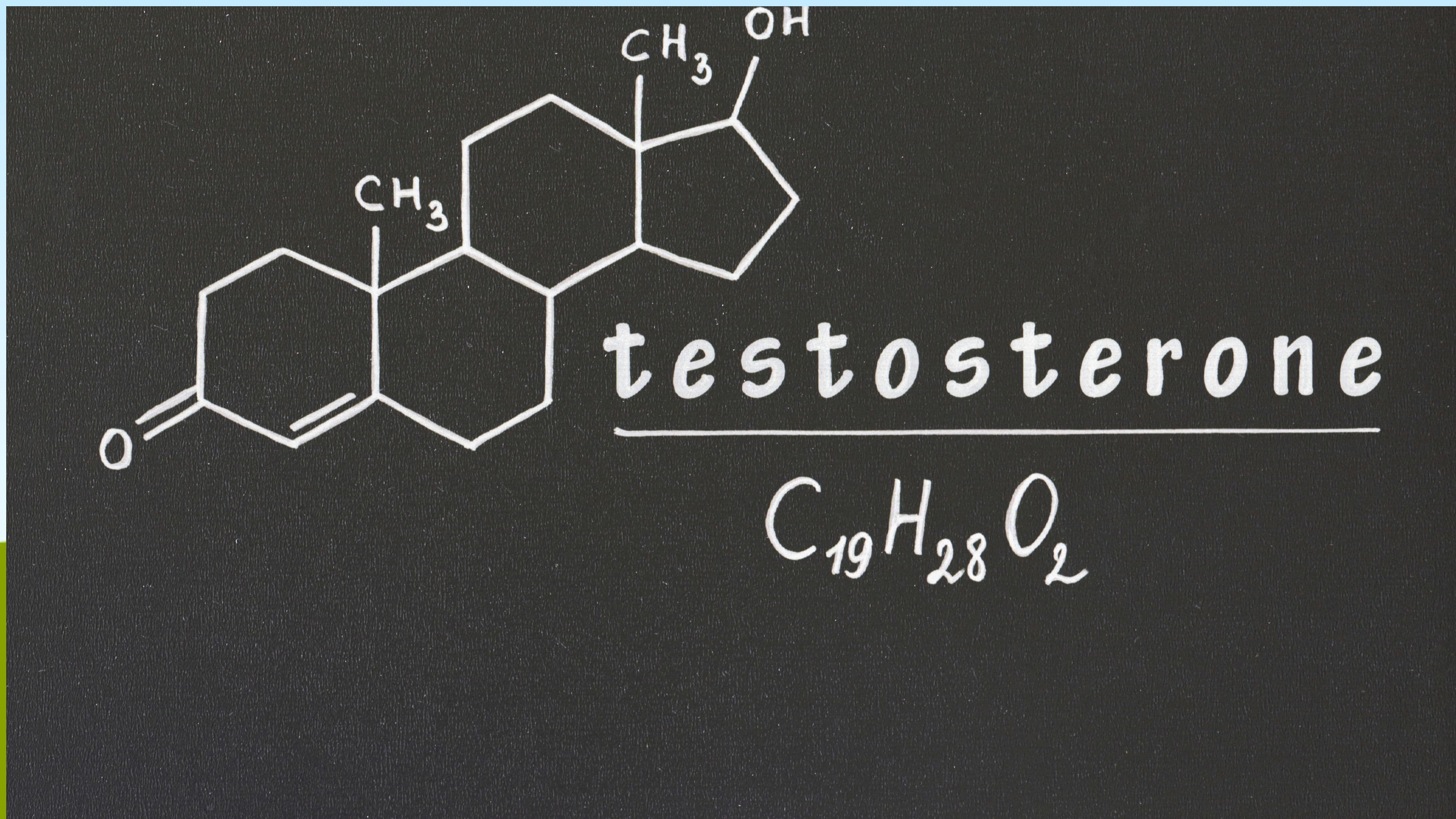
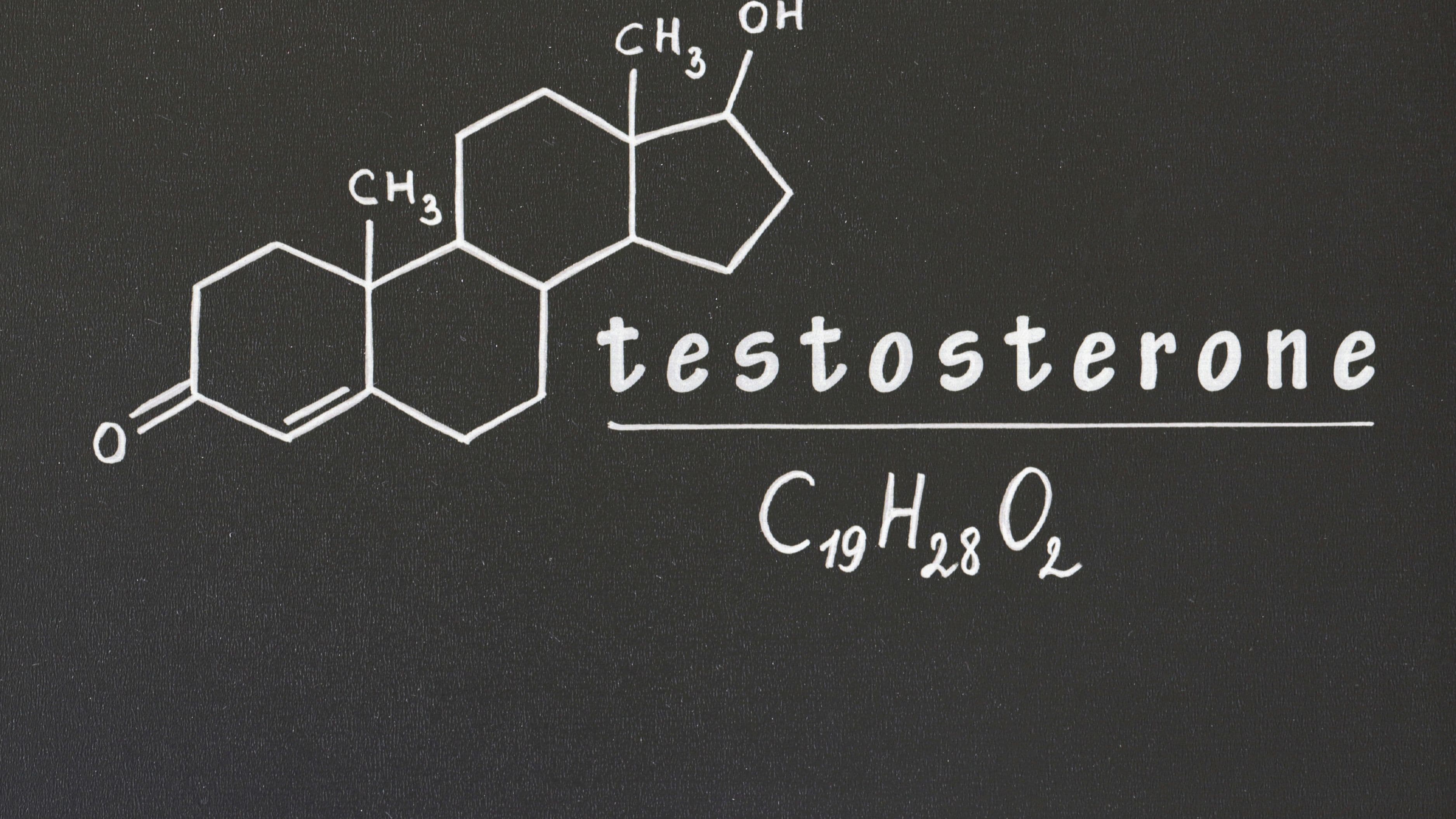
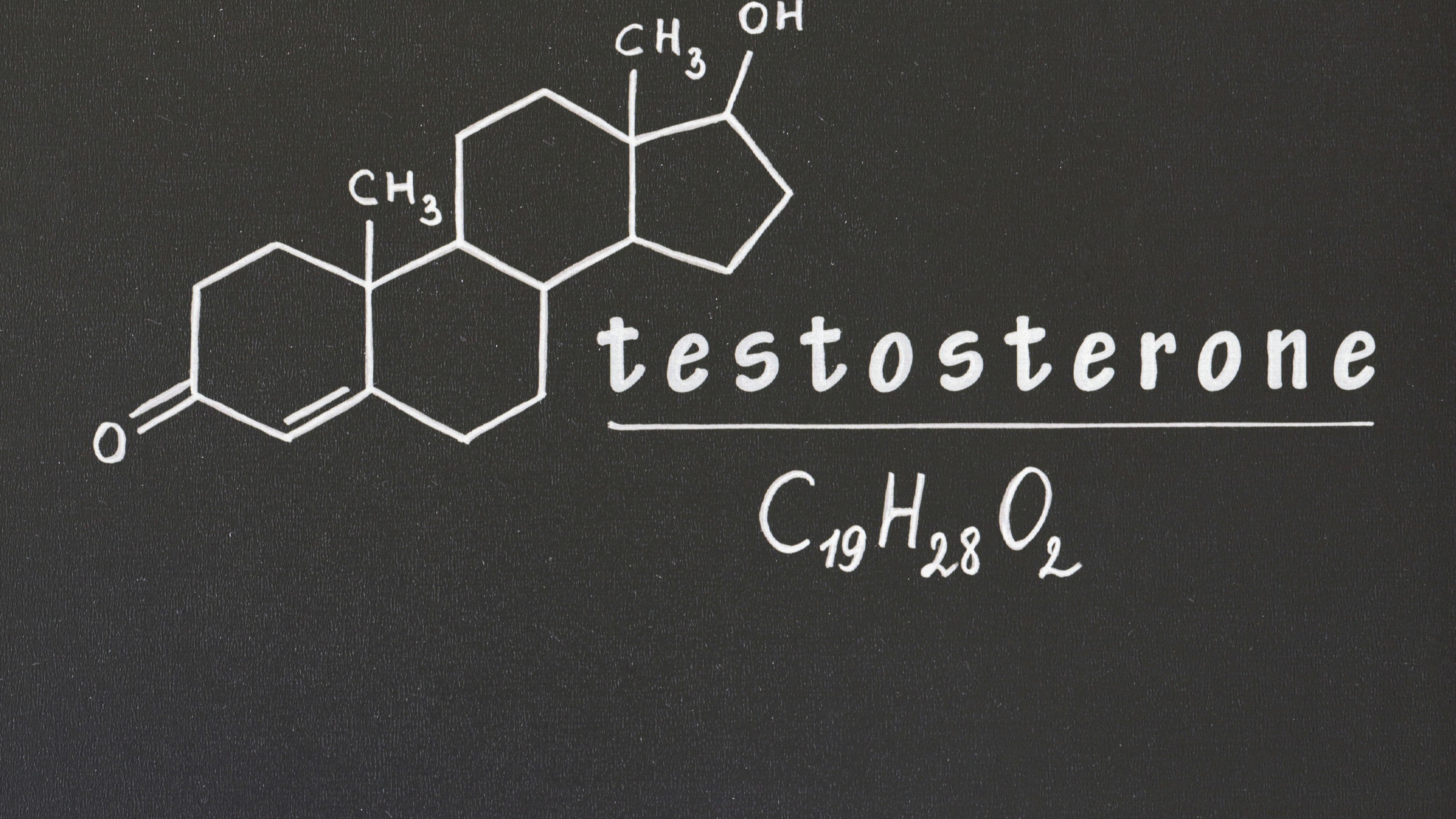
The reason boron draws attention in hormone research is its demonstrated ability to influence sex hormone-binding globulin (SHBG). SHBG is a protein produced by the liver that binds to testosterone in circulation, rendering it biologically inactive. When SHBG rises, free testosterone falls – even if total testosterone remains unchanged. The portion of testosterone that's actually bioavailable depends heavily on SHBG levels, which is why labs looking at total T alone don't give you the full picture. Boron appears to suppress SHBG, which means more of your circulating testosterone remains in the free, biologically active form.
The Research: What the Studies Actually Show
The most cited study on boron and testosterone was published in 2011 by Naghii et al. in the Journal of Trace Elements in Medicine and Biology. The study was small – eight healthy male volunteers – but the results were clear and frequently referenced. Subjects took 10 mg of boron per day for one week. The findings:
Free testosterone increased by approximately 28.3% (from a mean of 11.83 pg/mL to 15.18 pg/mL)
SHBG decreased significantly (from 46.16 nmol/L to 43.38 nmol/L)
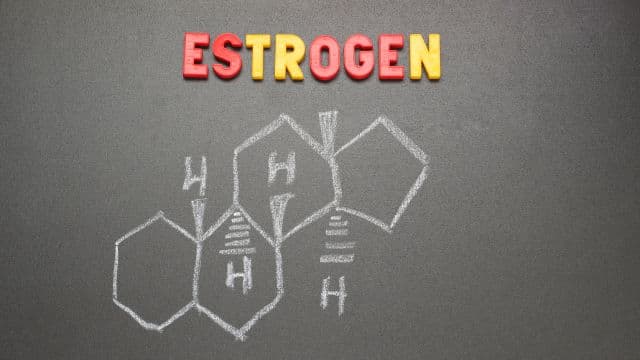
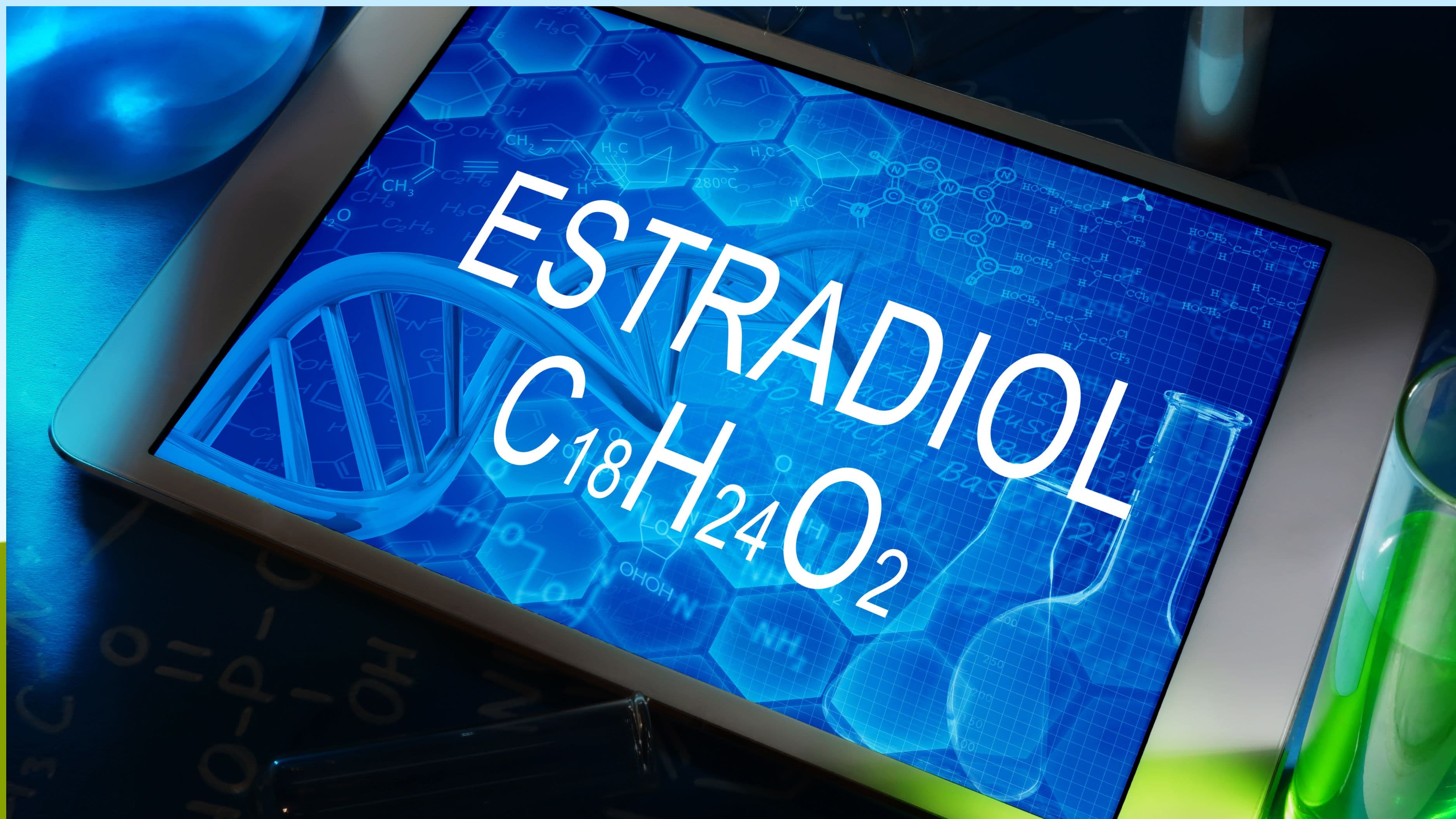
Estradiol (E2) decreased by approximately 39% (from 42.33 pg/mL to 25.81 pg/mL)
Dihydrotestosterone (DHT) trended upward
Inflammation markers including interleukin-6 (IL-6) and high-sensitivity C-reactive protein (hs-CRP) also decreased
These are meaningful shifts, especially the estradiol reduction – a 39% drop in E2 in one week is a significant hormonal change. The mechanism involves boron's influence on the enzymes responsible for steroid hormone metabolism, particularly aromatase activity, which converts testosterone to estradiol.
An earlier study by Miljkovic et al. (2004) looking at dietary boron intake in elderly men and women also found correlations between higher boron consumption and more favorable testosterone-to-estradiol ratios, supporting the mechanistic picture from the Naghii study.
It's worth being direct about the limitations: the Naghii study was small, uncontrolled, and short-duration. The hormonal effects of boron haven't been replicated in large randomized controlled trials. What the research establishes is a plausible mechanism and preliminary evidence of effect – not a definitive clinical proof of meaningful, sustained testosterone optimization.
The Mechanism: How Boron Influences Hormone Metabolism
Understanding the mechanism is more useful than memorizing study outcomes, because it tells you when and why this compound would be expected to work.
Boron's hormonal effects operate through at least two pathways. First, it appears to inhibit hepatic synthesis of SHBG. The liver produces SHBG, and boron seems to modulate the transcriptional activity of the SHBG gene – reducing output and thereby reducing how much testosterone gets bound and rendered inactive. The result is a higher free testosterone fraction without any change in testosterone production itself.
Second, boron influences steroid hormone metabolism through its effects on enzymatic activity in the steroidogenesis pathway. Evidence points toward boron reducing aromatase activity or modulating the rate at which androgens are converted to estrogens. This explains the estradiol reduction seen in the Naghii study – if less testosterone is being aromatized, circulating estradiol drops, which has implications for both hormone balance and feedback signaling at the hypothalamic-pituitary level.
There's also evidence that boron affects vitamin D metabolism, specifically by reducing the enzymatic degradation of 25-hydroxyvitamin D. Since vitamin D functions as a steroid hormone and plays a direct role in testosterone synthesis, this interaction may amplify boron's hormonal effects in men who are vitamin D insufficient.
Who Is Most Likely to See an Effect
The hormonal response to boron supplementation is not uniform. The men most likely to see meaningful shifts are those with dietary boron intake at the lower end of typical ranges, which includes men who eat limited amounts of nuts, legumes, and certain fruits. In populations where boron intake is already adequate, the marginal effect of supplementation may be smaller.
The research also suggests that men with elevated SHBG are better positioned to benefit from boron. If your free testosterone is suppressed primarily because SHBG is high – a pattern common in older men, in men who do high volumes of endurance training, and in those with liver or thyroid dysfunction – reducing SHBG via boron has a more direct and meaningful impact on bioavailable testosterone than it would in someone with normal SHBG levels.
Men with high estradiol relative to testosterone – a common finding in those who are overweight, who consume significant alcohol, or who have suboptimal liver function – may also see meaningful benefit from boron's apparent suppression of aromatization activity.
Protocol: Dosing, Timing, and Form
Dose: The effective dose used in the Naghii study was 10 mg/day. Most commercially available boron supplements come as boron glycinate or calcium fructoborate, with typical capsule doses of 3–10 mg. Starting at 6 mg/day and assessing response over four to six weeks is a reasonable approach before moving to 10 mg if tolerated.
Form: Boron glycinate is the most common chelated form and generally well absorbed. Calcium fructoborate is a naturally occurring form found in plants and has been studied separately for its effects on joint health and inflammation. Either form is appropriate for hormonal applications.
Timing: No evidence strongly favors a specific timing window. Taking it with a meal that contains dietary fat is sensible given that trace mineral absorption often benefits from the presence of food and the digestive activity it triggers.
Duration: The Naghii study demonstrated effects within seven days of daily supplementation. Longer-term use at these doses appears safe based on available data, though studies tracking hormonal effects beyond several weeks are limited. Cycling it periodically is reasonable but not required by the current evidence.
Stack context: Boron pairs logically with vitamin D3 and K2, given the mechanistic interaction between boron and vitamin D metabolism. Magnesium is a reasonable addition given its independent role in SHBG modulation and testosterone synthesis. These aren't speculative stacks – each element has independent evidence for its hormonal role.
Expected Results and Realistic Timeline
Based on the available evidence, men with low-to-moderate boron intake who supplement at 10 mg/day can reasonably expect:
Measurable increases in free testosterone, potentially in the range of 20–30%, within one to four weeks
Reduction in SHBG, the magnitude depending on baseline levels
Reduction in estradiol, particularly in men with elevated baseline E2
Possible reduction in inflammatory markers (IL-6, CRP), which is relevant independently of the hormonal effects
What you should not expect: boron will not produce the kind of total testosterone increases associated with testosterone replacement therapy or even compounds like ashwagandha or tongkat ali, which appear to operate via different mechanisms. If your free T is suppressed because SHBG is high, boron addresses that problem directly. If your total testosterone production is the bottleneck, boron is not the right lever.
Subjective effects – libido, energy, training performance – are plausible downstream consequences of improved free testosterone availability, but individual responses vary and are harder to attribute to a single compound in a multi-factor system.
Risks and Considerations
At doses in the 6–10 mg range, boron supplementation has a strong safety profile in healthy adults. The tolerable upper intake level established by European food safety authorities is 10 mg/day for adults; the U.S. tolerable upper level is set at 20 mg/day. The primary concern with excessive boron intake is reproductive toxicity, which has been observed in animal models at much higher doses than typical supplementation.
Men with kidney impairment should be cautious, as boron is primarily excreted renally and may accumulate in the context of reduced clearance. Men on medications that affect liver function or steroid hormone metabolism should consult a physician before adding boron, given its effects on the same pathways.
The estradiol reduction is notable and generally favorable for most men, but suppressing E2 excessively has its own downstream consequences – joint discomfort, mood effects, reduced libido at very low E2 levels, and adverse effects on cardiovascular markers. If you're already managing estradiol with an aromatase inhibitor, adding boron is a consideration worth monitoring on labs rather than doing blindly.
FAQ
Will boron supplementation show up differently on total testosterone vs. free testosterone labs? Yes. Boron's primary mechanism operates through SHBG reduction, not through increased production of testosterone. Total testosterone may remain largely unchanged while free testosterone increases meaningfully. If you're tracking the effect of boron supplementation on labs, you need to measure free testosterone and SHBG – total T alone will likely miss the effect.
How does boron compare to other natural SHBG-lowering approaches? The other well-supported strategies for reducing SHBG include optimizing vitamin D, magnesium, and zinc levels, reducing alcohol intake, managing insulin sensitivity, and in some cases reducing endurance training volume. Boron appears to work via a distinct mechanism (direct suppression of hepatic SHBG synthesis) and can be used in conjunction with these strategies rather than instead of them.
Does dietary boron from food provide the same effect as supplementation? The studies showing hormonal effects used supplemental boron at doses that would be difficult to achieve consistently through diet alone. While higher dietary boron intake is correlated with better hormone ratios in observational studies, the acute hormonal shifts seen in the Naghii study used 10 mg/day – roughly two to four times what the average Western diet provides. Supplementation closes that gap.
Is there any concern about boron suppressing estradiol too aggressively? At 10 mg/day, the 39% estradiol reduction seen in the Naghii study is significant. Men who are already at the lower end of estradiol range, or who are actively suppressing E2 with pharmaceutical aromatase inhibitors, should monitor labs if adding boron. Excessive E2 suppression causes real problems. Baseline bloodwork before supplementing is the responsible approach.
Should boron be cycled or can it be taken continuously? There's no established cycling protocol in the research, and the safety data supports continuous use at 6–10 mg/day in healthy adults. Some practitioners recommend cycling as a general principle with any supplement affecting hormone pathways, but this is precautionary rather than evidence-based. Monitoring labs every three to six months is a more useful framework than arbitrary cycling.
📚 Sources
Naghii MR et al. – Comparative effects of daily and weekly boron supplementation on plasma steroid hormones and proinflammatory cytokines (2011): https://pubmed.ncbi.nlm.nih.gov/20386132/
Miljkovic D et al. – Boron and the aging and vitality of the body (2004): https://pubmed.ncbi.nlm.nih.gov/15504575/
Nielsen FH – Update on the possible nutritional importance of silicon (2014, including boron context): https://pubmed.ncbi.nlm.nih.gov/24555986/
Pizzorno L – Nothing Boring About Boron – Integrative Medicine: A Clinician's Journal (2015): https://www.ncbi.nlm.nih.gov/pmc/articles/PMC4712861/
European Food Safety Authority – Boron Tolerable Upper Intake Level: https://efsa.onlinelibrary.wiley.com/doi/10.2903/j.efsa.2004.80
Hunt CD – Dietary boron modified the effects of magnesium and molybdenum on mineral metabolism in the cholesterol-fed chick: https://pubmed.ncbi.nlm.nih.gov/2788477/
Newnham RE – Essentiality of boron for healthy bones and joints: https://pubmed.ncbi.nlm.nih.gov/7889887/
Rowe RI & Eckhert CD – Boron is required for zebrafish embryogenesis: https://pubmed.ncbi.nlm.nih.gov/10377428/
National Institutes of Health Office of Dietary Supplements – Boron Fact Sheet: https://ods.od.nih.gov/factsheets/Boron-HealthProfessional/
Shils ME et al. – Modern Nutrition in Health and Disease – Boron chapter reference via PubMed: https://pubmed.ncbi.nlm.nih.gov/18043561/