


Most users report modest benefits at best, none at worst, and chalk it up to individual variation. The reality is more specific than that. Binaural beats don't fail randomly – they fail predictably, for mechanistic reasons that the marketing completely ignores. Understanding why they underperform is the first step toward identifying tools that actually move the needle on brainwave state, cognitive performance, and recovery.
The Mechanism: What Binaural Beats Are Actually Doing
The frequency following response (FFR) is real neuroscience. When two tones of slightly different frequencies are delivered – one to each ear – the auditory cortex perceives a beat oscillating at the difference between them. If your left ear receives 200 Hz and your right ear receives 190 Hz, your brain generates a 10 Hz internal beat, which sits in the alpha frequency range. In theory, this drives electrical activity toward alpha-dominant states associated with relaxed alertness.
EEG studies confirm this works – to a point. Binaural beat exposure measurably shifts power spectral density in the target frequency band in controlled conditions. The auditory cortex responds. The question is whether that localized response cascades into a whole-brain state shift with meaningful cognitive or physiological consequences, and here the evidence becomes considerably thinner.
The core problem is entrainment specificity. The FFR is strongest in the auditory cortex and adjacent areas. It does not reliably propagate into the prefrontal cortex, hippocampus, or default mode network regions that govern the cognitive and emotional states binaural beat marketing promises to influence. You get a real signal – localized, measurable – with inconsistent downstream effects on the states that actually matter for performance.
Why Most Users Don't Respond
Roughly 30–50% of users in controlled binaural beat studies show minimal or no measurable brainwave entrainment from audio alone. This isn't placebo failure or lack of effort. It reflects genuine individual differences in auditory processing, baseline neural excitability, and the stability of resting-state network oscillations.
Several factors predict low response to binaural beats specifically:
High baseline cognitive load. When the prefrontal cortex is heavily engaged – which describes most high-performers during active work – the FFR generated in the auditory cortex competes with stronger, task-related oscillatory activity elsewhere in the brain. The target frequency gets drowned out before it can propagate meaningfully. This is why binaural beats tend to perform better for sleep onset (low cognitive load) than for focus enhancement (high cognitive load).
Poor auditory cortex sensitivity. Individual differences in auditory pathway myelination and synaptic efficiency affect how strongly the FFR is generated in the first place. These differences aren't apparent without EEG measurement, which means most users are operating blind on whether they're even producing the target beat internally.
Competing environmental oscillations. External noise, light variability, and sensory input all modulate cortical oscillations independently. An open office environment or a room with variable lighting actively undermines the weak entrainment signal binaural beats generate.
Frequency habituation. With repeated exposure, the brain's response to a monotonous entrainment stimulus attenuates over time. The same stimulus that produced a measurable FFR in session one produces a diminished response in session ten. This explains why some users report strong initial effects that fade with continued use – the brain is adapting and reducing its response to a repetitive input.
The Deeper Problem: Passive Entrainment Has a Low Ceiling
Even in users who do respond to binaural beats, the entrainment effect has a fundamental limitation: it's passive. The brain is being driven toward a frequency, not trained to access or sustain it independently. When the headphones come off, the entrainment effect dissipates within minutes. You haven't built anything.
Compare this to the neuroplastic changes associated with consistent meditation practice – thickening of the anterior cingulate cortex, reduced amygdala reactivity, measurable gray matter density increases in the hippocampus after eight weeks of daily practice. Those are durable structural adaptations. The brain has reorganized to make targeted states more accessible with less effort, without external stimulation.
Binaural beats at their best are a state management tool – useful for acute application, incapable of producing long-term neuroplastic adaptation on their own. The ceiling for a purely passive entrainment approach is low. For performance optimization purposes, you need tools that either train durable neural capacity or produce significantly stronger and more reliable acute effects than audio-only entrainment can deliver.
What Actually Works: Ranked by Evidence
1. Combined Audio-Visual Entrainment (AVE)
Adding photic stimulation – rhythmic light pulses at the target frequency – to binaural beats dramatically increases entrainment strength and reliability. The visual cortex is far more responsive to rhythmic entrainment than the auditory cortex, and the combined input from two sensory modalities produces substantially stronger and more widespread cortical synchronization than either channel alone.
Research comparing audio-only binaural beats to combined AVE consistently shows larger EEG power shifts and better propagation into non-auditory cortical regions with multi-modal stimulation. Tools like BrainTap and the David Delight Pro use synchronized light-and-sound protocols for exactly this reason. The photic component is not aesthetic – it's mechanistically essential for users who respond poorly to audio alone. If you've tried binaural beats and gotten nothing, combined AVE is the most logical next step before concluding you don't respond to entrainment at all.
The key limitation remains: photosensitive individuals must avoid photic stimulation entirely. Full contraindication for anyone with seizure history, photosensitive epilepsy, or light-triggered migraine.
2. Neurofeedback Training
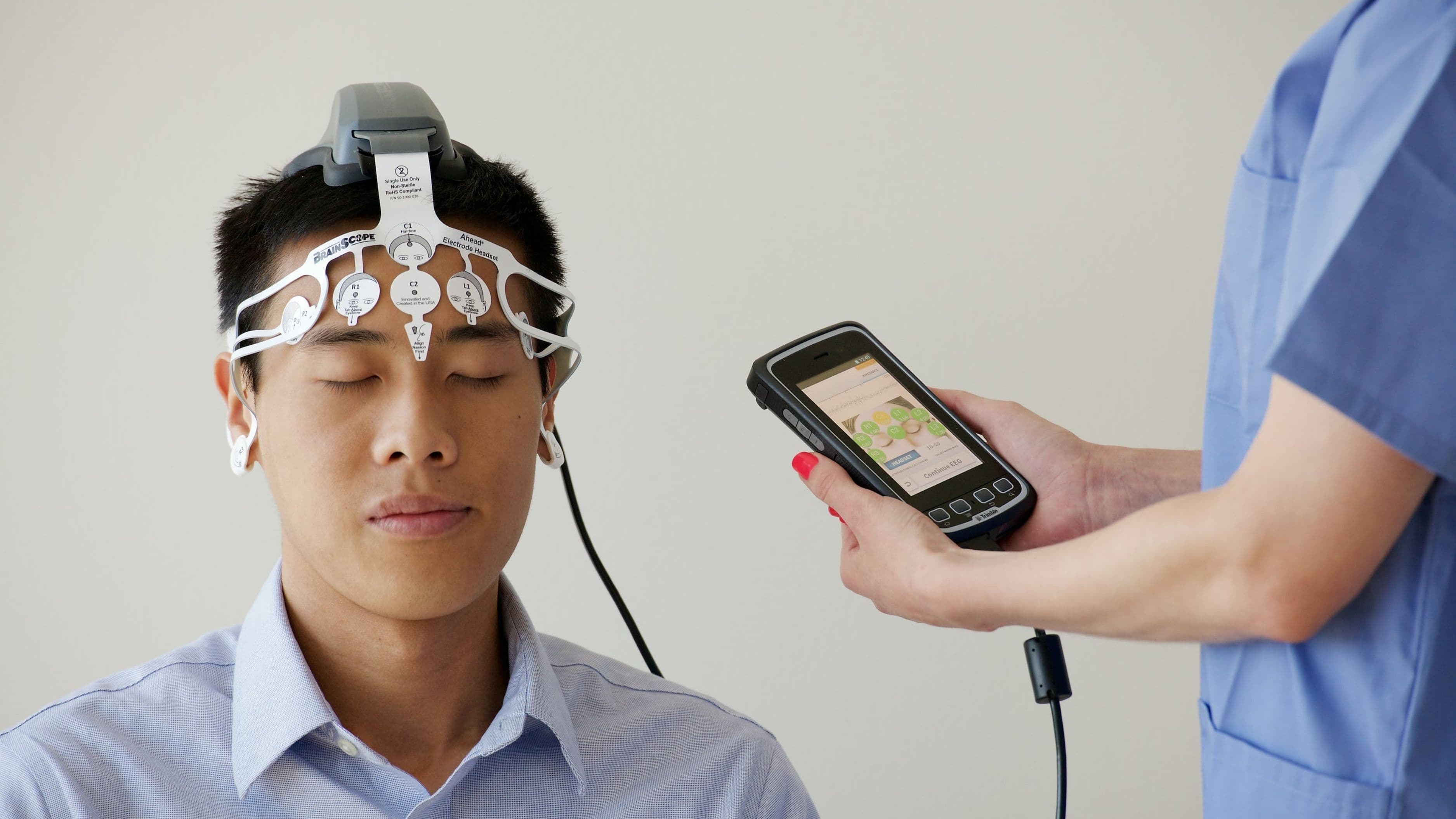
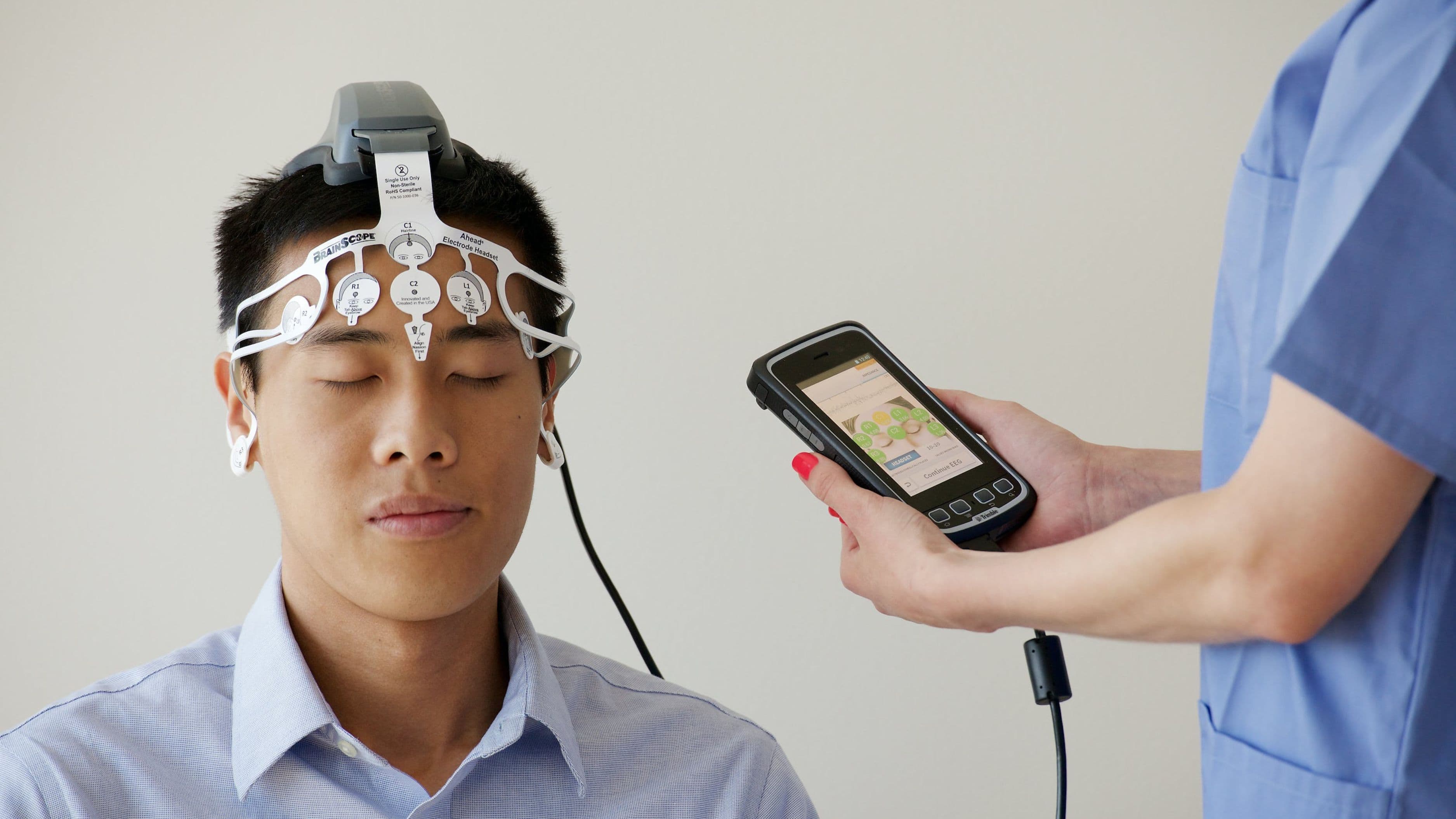
Neurofeedback is operant conditioning applied to brainwave states. EEG electrodes measure real-time electrical activity, and a feedback signal – visual, auditory, or both – reinforces the brain when it produces the target frequency pattern. Over repeated sessions, the brain learns to access and sustain target states with increasing ease, even without the feedback signal.
The evidence base for neurofeedback is substantially stronger than for passive entrainment, particularly for attention regulation and stress resilience. A 2009 meta-analysis in Clinical EEG and Neuroscience found significant effect sizes for neurofeedback training on attention and impulsivity. ADHD research on neurofeedback shows comparable effect sizes to stimulant medication in some studies, without the pharmacological side effects.
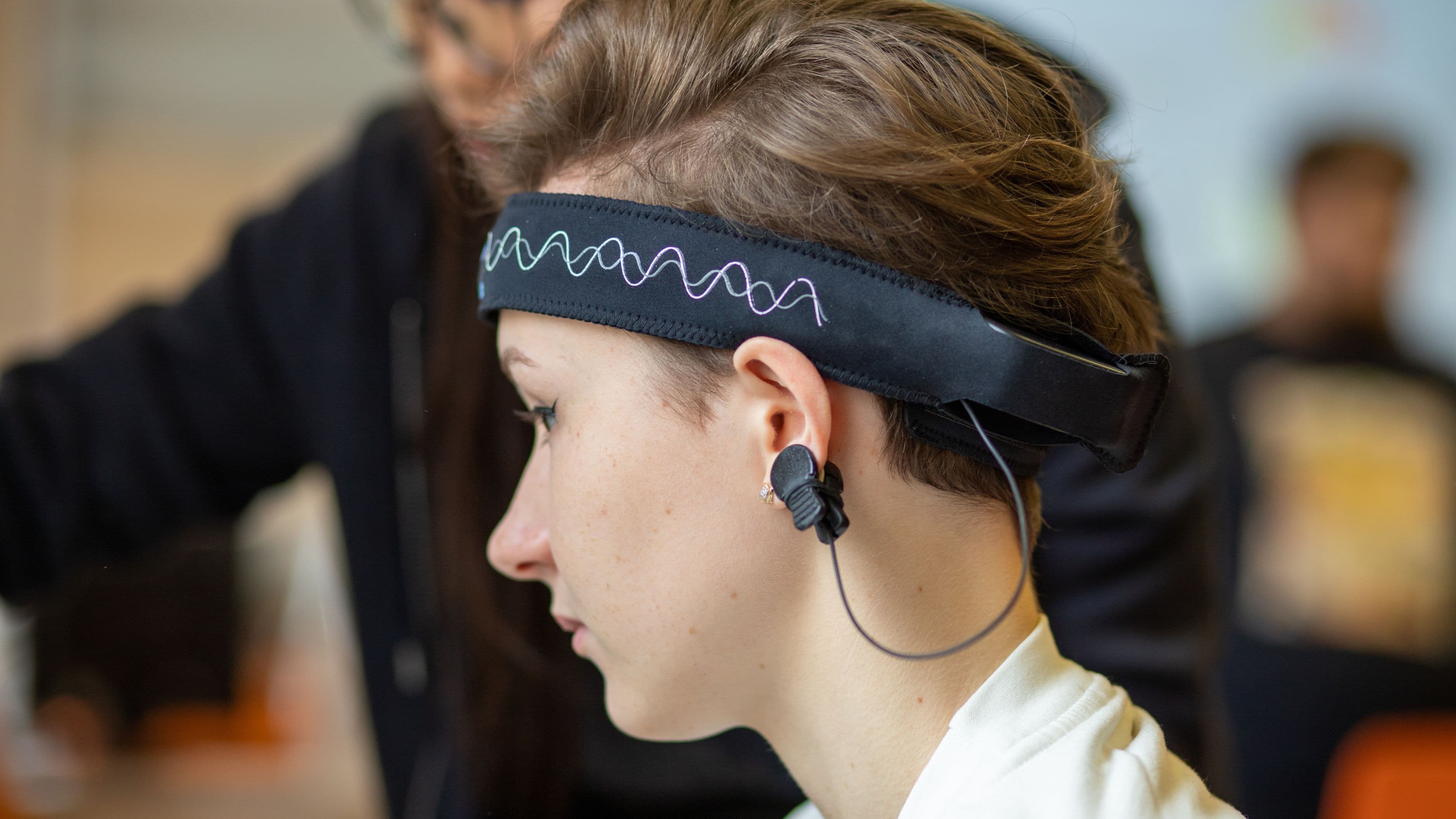
The practical barrier is cost and access. Clinical neurofeedback requires a trained practitioner and runs $100–$200 per session, with protocols typically requiring 20–40 sessions for durable results. Consumer EEG headsets like the Muse or the newer Neurosity Crown allow home-based practice with varying degrees of capability. The Neurosity Crown provides research-grade EEG quality for serious self-quantification; the Muse is more accessible but less precise. Neither fully replicates clinical neurofeedback, but consistent home practice with real EEG feedback produces measurable improvements in attentional control that passive entrainment simply cannot match.
3. Transcranial Photobiomodulation (tPBM)
Near-infrared light delivered transcranially – typically through a headset or panel positioned at the forehead and temporal regions – penetrates skull bone and superficial cortical tissue. The mechanism involves cytochrome c oxidase (CCO) absorption in neurons, which increases mitochondrial electron transport chain efficiency, ATP production, and regional cerebral blood flow. The result is measurable improvement in prefrontal cortex metabolic activity and function.
A 2019 randomized, double-blind, placebo-controlled study in Scientific Reports found that a single session of 1068 nm near-infrared light delivered transcranially improved sustained attention and working memory performance relative to sham. Multiple studies have replicated improvements in prefrontal-dependent cognitive tasks following tPBM, with some evidence of durable effects from repeated sessions.
tPBM operates through a completely different mechanism than entrainment – it's not trying to synchronize oscillations, it's improving the metabolic substrate underlying neural function. This makes it complementary to entrainment approaches rather than competitive with them. Devices like the Vielight Neuro and Neuronic Helmet are the current consumer-accessible options in this space. Cost ranges from $500 to $1,500+ depending on device capability. The evidence is early-stage relative to established tools but mechanistically sound and growing.
4. Consistent Meditation Practice
The least exciting recommendation for the biohacking audience – but the one with the deepest and most consistent evidence base. Twenty minutes of daily focused attention or open monitoring meditation produces measurable EEG changes within weeks, and structural brain changes within eight to twelve weeks of consistent practice. These changes persist without continued external stimulation because they reflect genuine neuroplastic reorganization, not state management.
For users who cannot maintain a meditation practice due to high baseline cognitive noise, attention dysregulation, or fundamental difficulty tolerating unstructured mental activity, starting sessions with a 10–15 minute combined AVE session first reduces the cognitive settling-in time and makes the transition into meditation significantly easier. The entrainment tool serves the training, rather than replacing it.
The performance ceiling for meditation has no clear upper boundary in the research literature. Advanced practitioners show EEG signatures during meditation that novices cannot access regardless of entrainment assistance – suggesting that training builds neural architecture that passive tools cannot replicate.
5. Targeted Pharmacological Support
For specific use cases – acute cognitive performance, stress dampening before high-stakes events, or facilitating deeper meditative states – several compounds have evidence supporting their effect on relevant oscillatory patterns.
L-theanine (200–400 mg) reliably increases alpha power in EEG studies within 30–60 minutes of ingestion, with the effect largest in occipital and parietal regions. The mechanism involves glutamate receptor modulation and increased GABA synthesis. Stacking L-theanine with binaural beats or combined AVE during a focused work session is pharmacologically rational – you're increasing the brain's endogenous alpha production while the entrainment signal attempts to drive the same frequency pattern.
Magnesium glycinate (400 mg before sleep) supports GABA receptor function and reduces cortisol, facilitating the transition to delta-dominant sleep architecture. This addresses the sleep application that binaural beats are most commonly used for, through a more reliable mechanism.
Bacopa monnieri and lion's mane mushroom have evidence for supporting neuroplasticity mechanisms over longer supplementation windows (8–12 weeks), potentially accelerating the structural adaptations that meditation training produces. Neither is a substitute for the training, but both represent rational adjuncts.
The Protocol: Replacing Binaural Beats With a Layered Approach
For cognitive performance and focus:
L-theanine 200 mg, 30 minutes pre-session
15-minute combined AVE session (alpha protocol, 10 Hz) using headset with photic stimulation
Transition immediately into focused work block or meditation practice
Evaluate response after 2–3 weeks before modifying
For sleep optimization:
Magnesium glycinate 400 mg, 60 minutes pre-sleep
20-minute delta AVE session (2–4 Hz) in bed, lights off
Remove headset and transition to sleep without additional stimulation
Track sleep quality with wearable (HRV, sleep stage data) to quantify response
For long-term cognitive optimization:
20-minute daily meditation, minimum 8-week commitment
Consumer EEG device for tracking practice quality and attention stability over time
tPBM (if budget allows) 3x/week, 20 minutes per session, prefrontal placement
Neurofeedback training (10–20 sessions) if attention dysregulation is a primary limiting factor
FAQ
Do binaural beats work at all, or are they completely ineffective? They work for a subset of users in specific conditions – primarily sleep onset and relaxation applications where baseline cognitive load is low. The problem is not that they never work; it's that the response rate is low, the effect size is modest, and the mechanism limits how far passive audio entrainment can take you. For high-performers expecting meaningful cognitive enhancement, they underdeliver consistently enough to warrant replacing with more reliable tools.
What's the best consumer EEG device for home neurofeedback? The Neurosity Crown offers research-grade EEG (8 channels, 250 Hz sample rate) and developer-accessible data for serious self-quantification. The Muse S is more accessible and has a larger app ecosystem but provides fewer electrode channels and less raw data access. For neurofeedback training specifically, clinical sessions with a trained practitioner remain superior to any consumer device currently available.
Can isochronic tones replace binaural beats with better results? Isochronic tones are amplitude-modulated beats that don't require binaural delivery – they work through regular speakers and produce a stronger FFR than binaural beats in some studies because the entrainment mechanism is more robust. They're a marginal improvement, but still audio-only and subject to the same ceiling as binaural beats. Combined AVE remains the meaningful upgrade over both.
How long before tPBM shows measurable cognitive effects? Acute effects on attention and working memory have been demonstrated in single-session studies. For durable improvements, research protocols typically use 6–12 weeks of regular sessions. The mechanism (mitochondrial efficiency and cerebral blood flow) suggests effects should be detectable within weeks of consistent use, with continued improvement over a longer protocol.
Is stacking L-theanine with entrainment tools safe? L-theanine has an excellent safety profile at standard doses (100–400 mg). The combination with entrainment tools is pharmacologically rational and unlikely to produce adverse interactions. The main consideration is dose timing – 30 minutes before the session for meaningful blood-level elevation during the entrainment window.
📚 Sources
Wahbeh et al. – Binaural Beat Technology in Humans: A Pilot Study to Assess Psychologic and Physiologic Effects. Journal of Alternative and Complementary Medicine: https://www.ncbi.nlm.nih.gov/pmc/articles/PMC2344302/
Ros et al. – Neurofeedback: A Comprehensive Review on System Design, Methodology and Clinical Applications. Basic and Clinical Neuroscience: https://www.ncbi.nlm.nih.gov/pmc/articles/PMC5206239/
Arns et al. – Efficacy of Neurofeedback Treatment in ADHD. Clinical EEG and Neuroscience: https://pubmed.ncbi.nlm.nih.gov/19715181/
Caldieraro et al. – Transcranial Photobiomodulation for Major Depressive Disorder. Scientific Reports (2019): https://www.nature.com/articles/s41598-019-44903-4
Nobre et al. – L-Theanine, a Natural Constituent in Tea, and Its Effect on Mental State. Asia Pacific Journal of Clinical Nutrition: https://pubmed.ncbi.nlm.nih.gov/18296328/
Hölzel et al. – Mindfulness Practice Leads to Increases in Regional Brain Gray Matter Density. Psychiatry Research: Neuroimaging: https://www.ncbi.nlm.nih.gov/pmc/articles/PMC3004979/
Siever – Audio-Visual Entrainment: History, Physiology, and Clinical Studies. Handbook of Neurofeedback: https://www.mindalive.com/ave_research.htm