
The honest answer is that the evidence is more interesting than the marketing suggests, more nuanced than the hype would indicate, and legitimately useful if you understand what it can and can't do.
What KSM-66 Is and Why the Standardization Matters
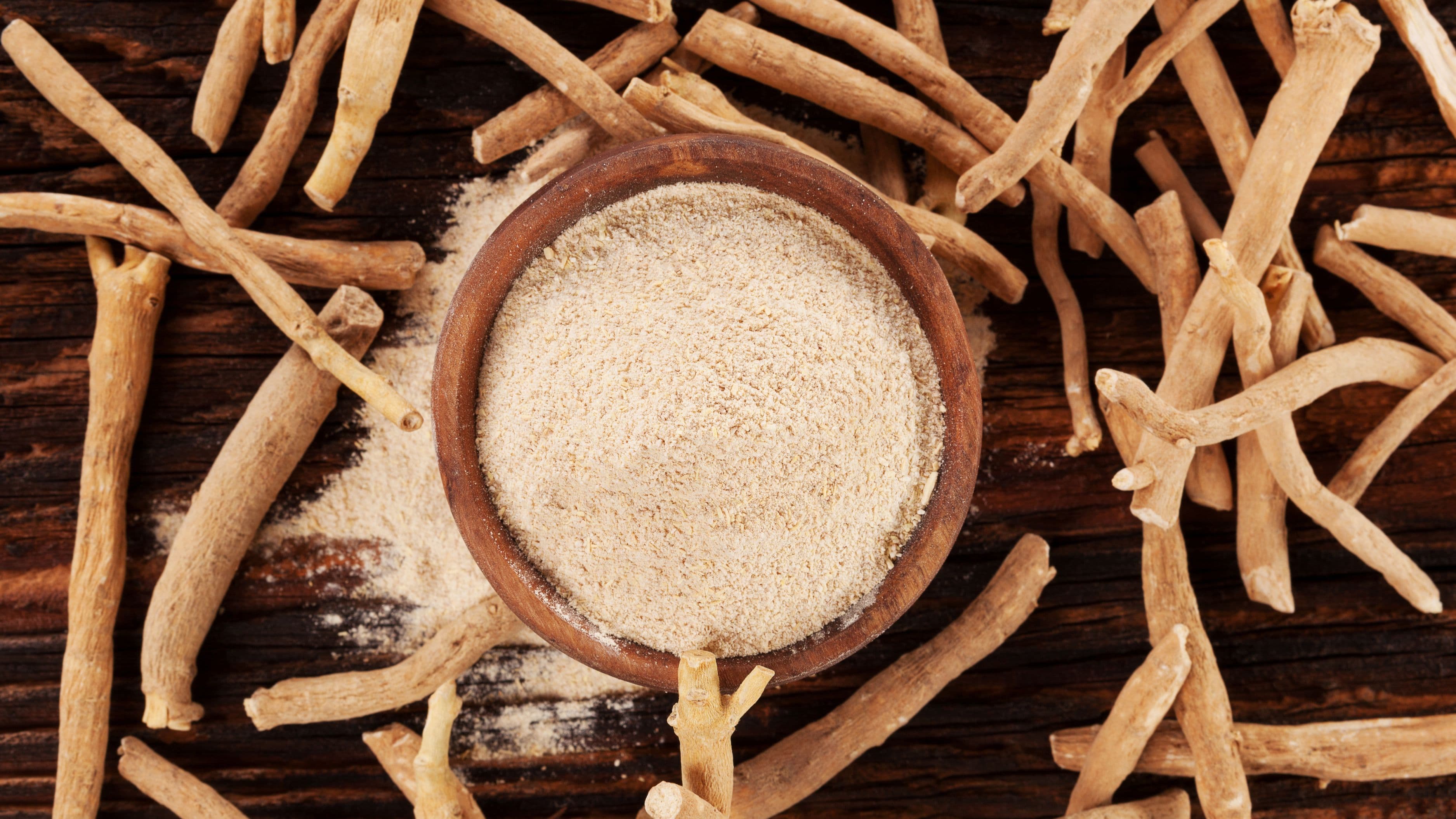
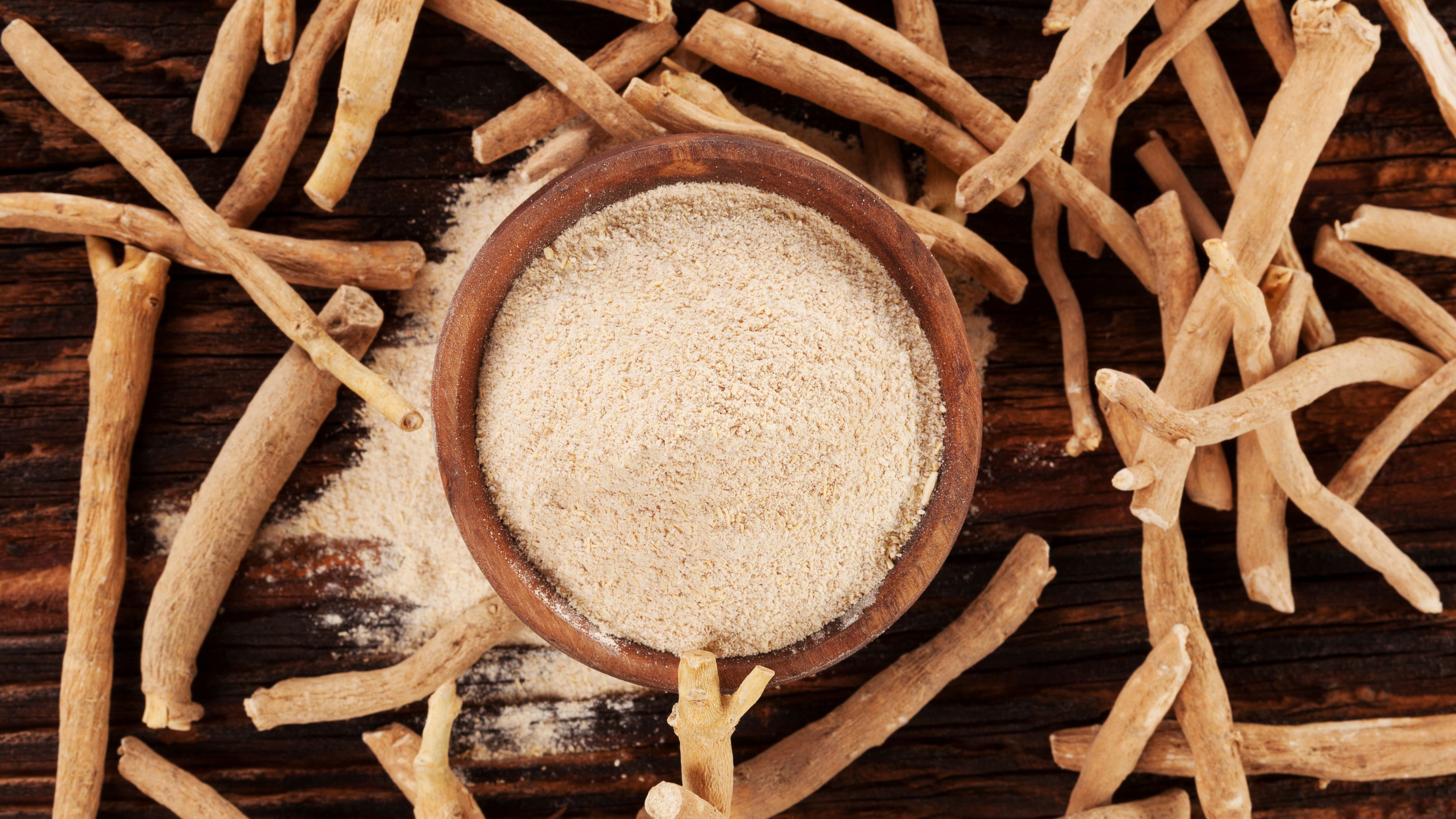
Ashwagandha (Withania somnifera) is an adaptogenic root with a long history in Ayurvedic medicine. The active constituents believed to drive its effects are withanolides — a class of steroidal lactones that appear to modulate the hypothalamic-pituitary-adrenal (HPA) axis, reduce inflammation, and influence several hormonal pathways.
KSM-66 is a full-spectrum root extract standardized to ≥5% withanolides, produced via a proprietary extraction process that avoids alcohol and uses a milk fat processing method designed to preserve the natural balance of the root's bioactive compounds. This matters because raw ashwagandha root powder and low-grade extracts vary enormously in withanolide content — sometimes containing as little as 1–2% — which makes it nearly impossible to replicate the conditions of controlled trials using commodity supplements.
When a clinical study uses KSM-66 specifically, you can draw a reasonably direct line between the study results and what you'd get from the same extract. That's not true of generic ashwagandha products, which is why the form matters and why the branded extract commands a legitimate premium.
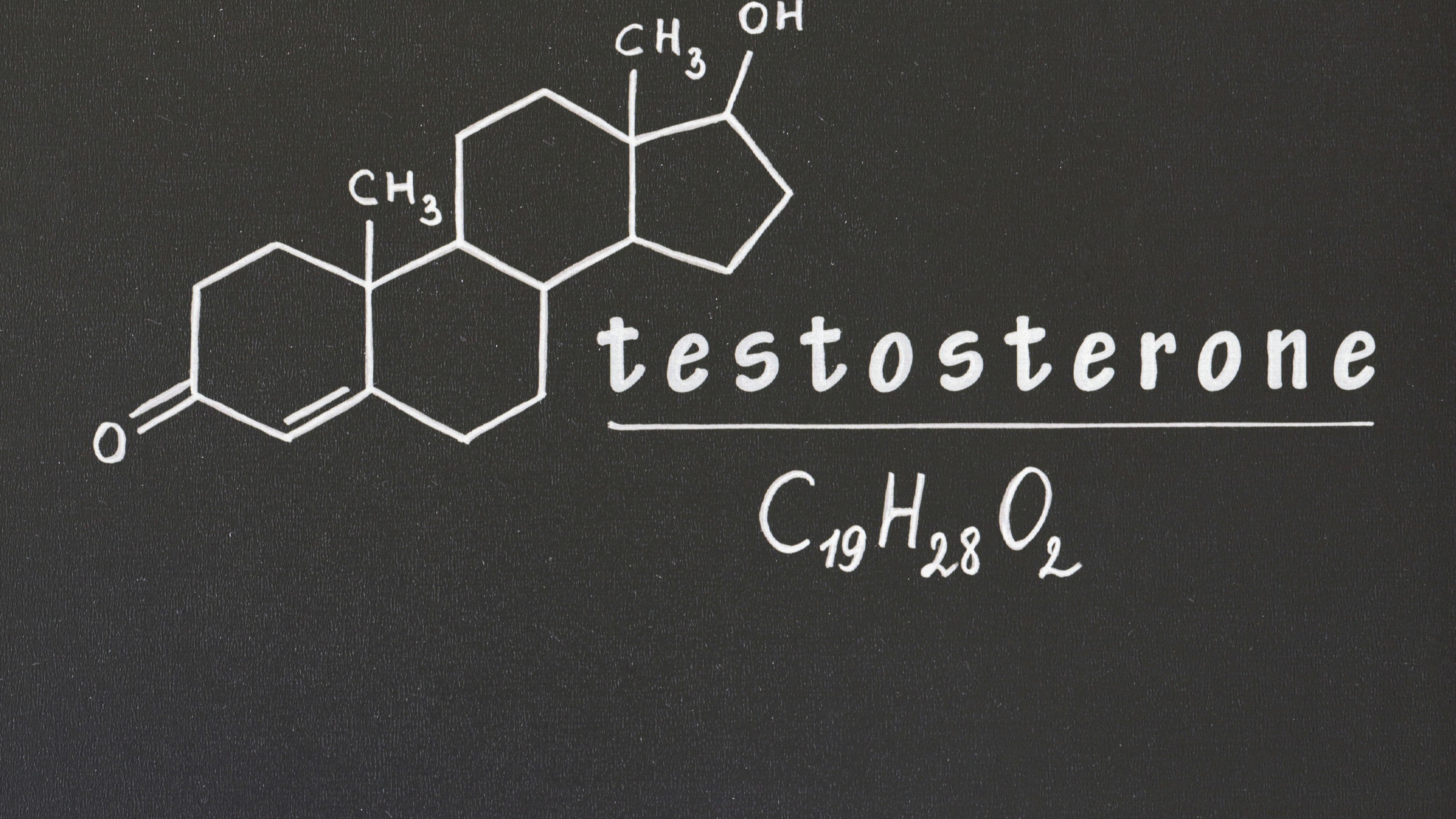
The Testosterone Evidence: What the Studies Actually Show
The most-cited study supporting KSM-66's testosterone effects is Wankhede et al. (2015), published in the Journal of the International Society of Sports Nutrition. This was a randomized, double-blind, placebo-controlled trial involving 57 adult men undergoing resistance training. The KSM-66 group (600mg/day for 8 weeks) showed a statistically significant increase in testosterone levels compared to placebo — a mean increase of approximately 96.2 ng/dL (from ~630 to ~726 ng/dL), compared to an increase of roughly 18 ng/dL in the placebo group.
That's a meaningful result. A ~15% increase in total testosterone from a supplement, in a placebo-controlled design, is not nothing — particularly because the placebo group also trained and also showed a modest increase, which suggests the KSM-66 effect is additive to the training stimulus rather than simply capturing training-induced testosterone rises.
A second frequently cited study is Ambiye et al. (2013), which looked specifically at male infertility and reproductive parameters. In this trial, 600mg/day of KSM-66 over 90 days produced significant improvements in serum testosterone, luteinizing hormone (LH), follicle-stimulating hormone (FSH), and semen quality in men with oligospermia. The testosterone increase here was more dramatic — roughly 17% — though the baseline population (subfertile men) complicates extrapolation to healthy, trained men.
A third study worth examining is Lopresti et al. (2019), a placebo-controlled trial in overweight men aged 40–70 showing that 600mg/day of Shoden ashwagandha (a different branded extract, 35% withanolides) over 8 weeks increased DHEA-S by 18% and testosterone by approximately 15%. While this isn't KSM-66, it supports the general finding that standardized ashwagandha extracts produce measurable testosterone increases in men.
The mechanistic picture isn't fully resolved, but the leading hypothesis involves cortisol suppression. Elevated chronic cortisol is catabolic to testosterone production — it competes for the same precursor (pregnenolone) via a pathway sometimes called "pregnenolone steal," and it suppresses gonadotropin-releasing hormone (GnRH) signaling at the hypothalamic level. KSM-66 consistently reduces cortisol in clinical trials (approximately 14–27% reductions in serum cortisol have been reported), and the downstream hormonal effects — including testosterone increases — may be largely secondary to this cortisol reduction rather than a direct androgenic mechanism.
What the Evidence Doesn't Show
The clinical case for KSM-66 and testosterone is real, but there are important boundaries worth understanding before you build protocol expectations around it.
The sample sizes are small. The Wankhede trial had 57 participants. The Ambiye trial had 75. These are not large RCTs. Positive effects at small sample sizes should be interpreted with appropriate caution — they're sufficient to establish a plausible effect and justify further investigation, not sufficient to declare definitive causation.
Funding and conflict of interest. Several key KSM-66 trials have been funded or supported by Ixoreal Biomed, the producer of KSM-66. This doesn't invalidate the results — industry-funded trials with proper methodology can produce valid data — but it's a factor in assessing the strength of the overall evidence base. Independent replication of these findings at larger scale would significantly strengthen the case.
The testosterone increases are modest relative to context. The ~96 ng/dL increase seen in Wankhede (2015) is meaningful, but it's occurring against a backdrop of training-induced testosterone elevation. Men with clinically suppressed testosterone or hypogonadal presentations are not going to find a supplement-level correction here. KSM-66 operates at the margin of normal physiological variation — it's optimization, not intervention.
Duration data is limited. Most trials run 8–12 weeks. What happens to testosterone levels with 6 months or 2 years of continuous use is not established. Whether tolerance or downregulation of HPA axis response occurs with prolonged use is an open question.
Protocol: How to Use KSM-66 If the Evidence Warrants It
If the clinical evidence aligns with your goals — reducing cortisol load, supporting natural testosterone at the higher end of your physiological range, improving recovery and body composition — the following represents the evidence-aligned approach.
Dose: 600mg/day of KSM-66 extract (standardized to ≥5% withanolides). This is the dose used in the primary RCTs. Some protocols split the dose (300mg morning, 300mg evening), though no trial has directly compared split vs. single dosing for testosterone outcomes.
Timing: Most trials administer with meals. Absorption of fat-soluble compounds like withanolides is generally improved with dietary fat, and taking it with food reduces the mild GI discomfort some users report. Morning dosing or pre-training dosing is common in practice.
Cycle length: 8–12 weeks on, with a 4-week washout is a reasonable conservative approach given the limited long-term data. Some users run it continuously; the risks of continuous use appear low based on available safety data, but caution around extended use is warranted given the gaps in long-duration evidence.
Stacking context: KSM-66 stacks logically with other HPA-axis supporting compounds — phosphatidylserine (for cortisol blunting), magnesium glycinate (for cortisol regulation and sleep), and zinc (for testosterone synthesis co-factor support). There's no clinical trial data on these combinations, but the mechanisms are additive rather than antagonistic.
What to avoid stacking: CNS stimulants at high doses. KSM-66 has sedative and anxiolytic properties at clinical doses — pairing it with high-dose stimulant stacks can reduce its effectiveness and may produce competing effects on HPA axis tone.
Realistic Expectations and Limitations
If your testosterone is already at the upper end of the reference range and your cortisol is well-managed through sleep, training programming, and stress management, the incremental effect of KSM-66 will be small. The optimization ceiling on a well-managed physiology is lower than the improvement possible when there's a meaningful dysfunction to correct.
The men most likely to see measurable testosterone improvements from KSM-66 are those with chronically elevated cortisol, suboptimal sleep, high training volume without adequate recovery, or testosterone in the lower half of the normal reference range. If your morning cortisol is elevated and your testosterone is sitting at 400–500 ng/dL, the mechanism that KSM-66 targets is actively working against you — and the intervention is more likely to produce a detectable shift.
For men already optimized at the hormonal level, the more defensible use case for KSM-66 is recovery enhancement, stress load management during high-volume training blocks, and cognitive performance under fatigue — areas where the cortisol-modulating effects are arguably more reliably demonstrated than the testosterone effects.
Side Effects and Safety Profile
KSM-66 has a favorable safety profile in the available clinical literature. The most commonly reported side effects are mild GI discomfort (nausea, loose stools) at the start of supplementation, which typically resolves within 1–2 weeks. These effects are reduced by taking with food.
Clinically relevant concerns to be aware of: ashwagandha has demonstrated thyroid-stimulating effects in some case reports and one small trial, with increases in T3 and T4. Men with hyperthyroidism or Hashimoto's thyroiditis should approach with caution and monitor thyroid function. There are also rare case reports of liver enzyme elevation associated with high-dose ashwagandha use, though these are uncommon and typically resolve on discontinuation. Anyone with existing liver conditions should exercise caution.
Ashwagandha has mild sedative properties — likely via GABAergic mechanisms — which is a benefit for sleep quality but may compound drowsiness in individuals sensitive to CNS-calming compounds.
The Verdict
KSM-66 is one of the more substantiated testosterone-adjacent supplements in the men's performance space. The clinical evidence is small but methodologically sound, the mechanistic rationale is coherent, and the standardized extract addresses the quality-control problems that make most ashwagandha products unreliable. It is not a testosterone replacement therapy analog, and it won't move the needle for a man already optimized at the hormonal level.
For men with chronically elevated cortisol, suboptimal sleep quality, moderate-to-high training volume, or testosterone in the lower half of the normal range, 600mg/day of KSM-66 is a low-risk, reasonably evidence-supported addition to a recovery and hormone optimization stack. Expectations should be calibrated accordingly: modest testosterone support, meaningful cortisol reduction, and demonstrable recovery benefits over 8–12 weeks.
FAQ
Does KSM-66 increase free testosterone or only total testosterone? The Wankhede (2015) study measured total testosterone. Some subsequent studies have looked at DHEA-S (a testosterone precursor) rather than free testosterone directly. The assumption that total testosterone increases translate to meaningful free testosterone changes is reasonable but not directly confirmed in most trials. If free testosterone optimization is the goal, tracking via bloodwork before and after a cycle provides the most useful individual data.
How does KSM-66 compare to other ashwagandha extracts like Sensoril? Sensoril uses both root and leaf extract standardized to 10% withanolides, while KSM-66 is root-only at ≥5% withanolides. Sensoril has more evidence for stress and anxiety reduction; KSM-66 has more evidence for testosterone and athletic performance specifically. The root-only extraction in KSM-66 is considered more relevant for hormonal applications due to the different withanolide profiles in root vs. leaf.
Can KSM-66 help with cortisol reduction in high-volume training blocks? Yes, and this is arguably the most reliable use case in the clinical literature. Studies consistently show 14–27% reductions in serum cortisol at 600mg/day. During overreaching training blocks where cortisol load is high and recovery is compromised, this cortisol-blunting effect may support better recovery and training adaptation independent of any direct testosterone effect.
How long until results are measurable? The Wankhede trial showed significant testosterone differences at 8 weeks. Cortisol reductions and subjective stress improvements tend to appear earlier — some users report changes within 2–4 weeks. Don't assess the protocol based on subjective feel at week one.
Should I cycle off KSM-66? The clinical trials don't demonstrate a clear need for cycling based on safety concerns. However, the long-term data is thin enough that a conservative 8–12 week on / 4 week off protocol is prudent. There's also a practical argument that washout periods let you assess whether the compound is actually doing anything for your individual physiology.
📚 Sources
Wankhede S, et al. – Examining the effect of Withania somnifera supplementation on muscle strength and recovery: a randomized controlled trial. Journal of the International Society of Sports Nutrition (2015) – https://jissn.biomedcentral.com/articles/10.1186/s12970-015-0104-9
Ambiye VR, et al. – Clinical Evaluation of the Spermatogenic Activity of the Root Extract of Ashwagandha (Withania somnifera) in Oligospermic Males. Evidence-Based Complementary and Alternative Medicine (2013) – https://www.ncbi.nlm.nih.gov/pmc/articles/PMC3863556/
Lopresti AL, et al. – A Randomized, Double-Blind, Placebo-Controlled, Crossover Study Examining the Hormonal and Vitality Effects of Ashwagandha in Aging, Overweight Males. American Journal of Men's Health (2019) – https://www.ncbi.nlm.nih.gov/pmc/articles/PMC6438434/
Chandrasekhar K, et al. – A prospective, randomized double-blind, placebo-controlled study of safety and efficacy of a high-concentration full-spectrum extract of Ashwagandha root in reducing stress and anxiety in adults. Indian Journal of Psychological Medicine (2012) – https://www.ncbi.nlm.nih.gov/pmc/articles/PMC3573577/
Panda S, Kar A – Evidence for free radical scavenging activity of Ashwagandha root powder in mice. Indian Journal of Physiology and Pharmacology (1997) – https://pubmed.ncbi.nlm.nih.gov/9347296/
Examine.com – Ashwagandha Research Summary – https://examine.com/supplements/ashwagandha/