
Here's what the mechanism actually involves, what the evidence supports, and where the research stands.
Understanding NAD+ Decline and Why It Matters
NAD+, or nicotinamide adenine dinucleotide, is a coenzyme essential to mitochondrial energy production, DNA repair, and cellular signaling. Levels decline measurably with age, and this decline has been linked in research to reduced mitochondrial function, impaired cellular repair capacity, and several markers associated with age-related decline in tissue function.
The strategy of boosting NAD+ directly through precursors has become popular, but that approach only addresses one side of the equation. NAD+ levels are a function of both production and breakdown, and several enzymes actively consume NAD+ as part of normal cellular signaling, meaning that simply adding more precursor doesn't guarantee higher net NAD+ levels if breakdown is happening at an elevated rate.
What CD38 Does and Why It Matters for NAD+ Levels
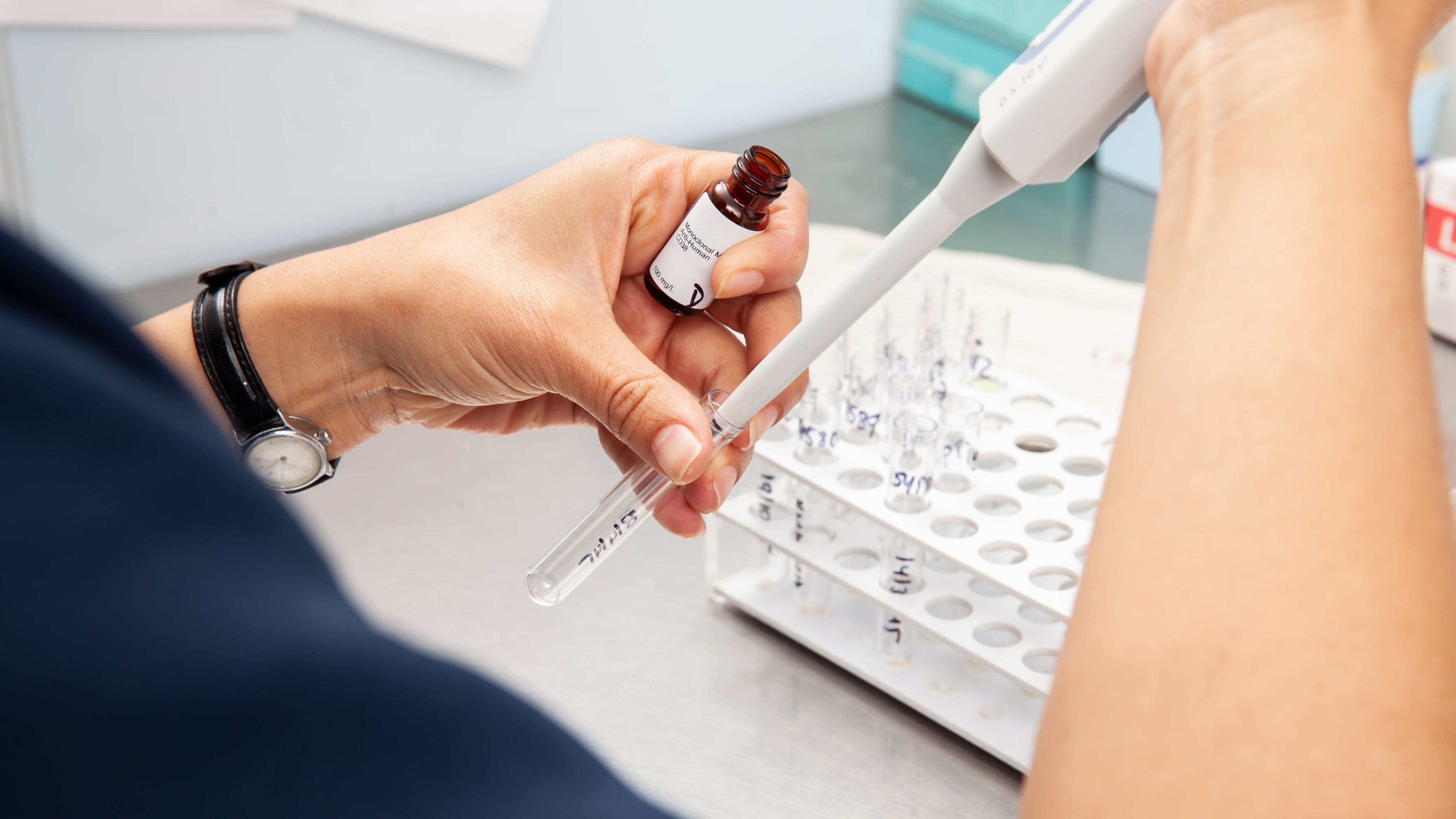
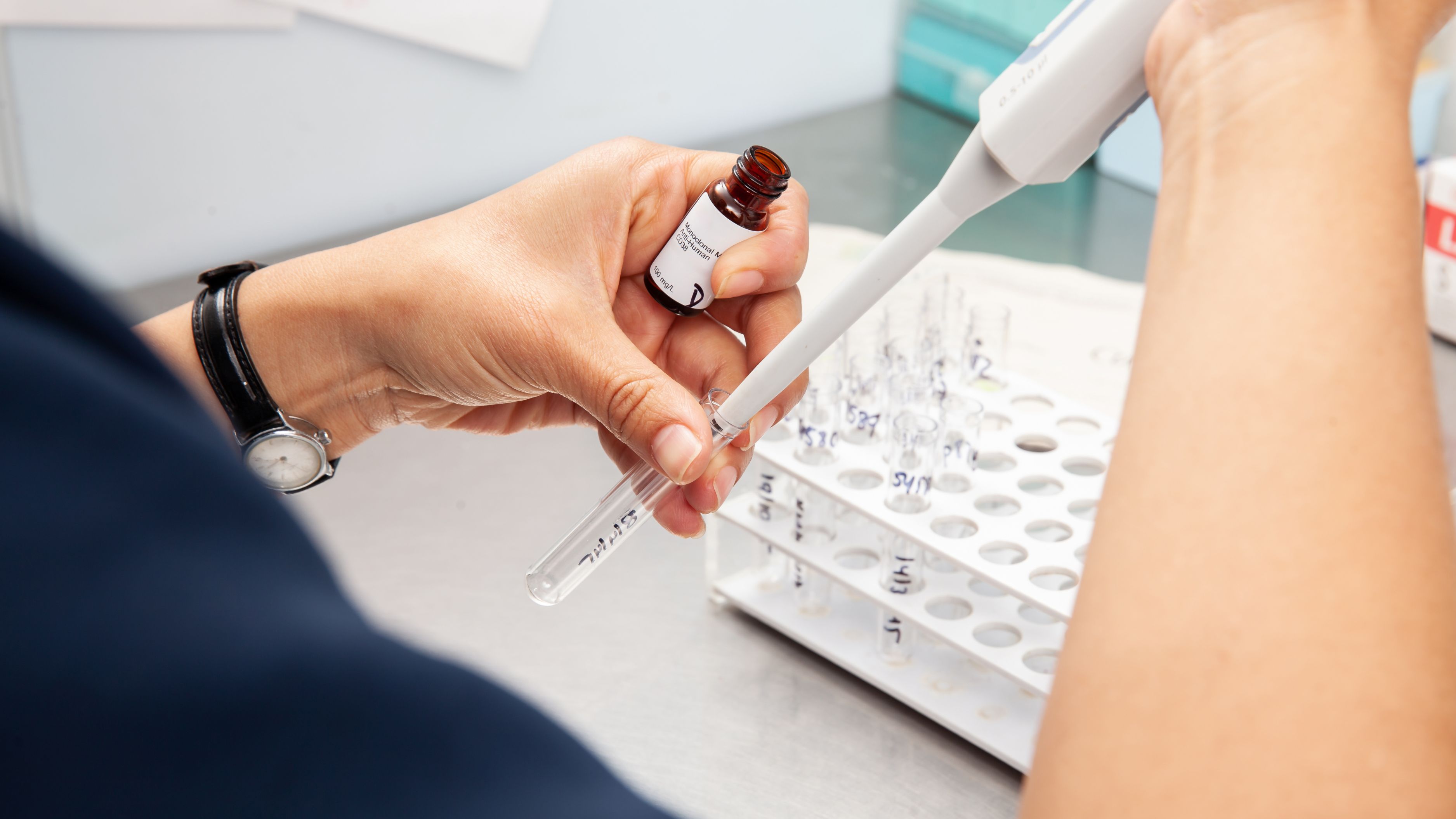
CD38 is an enzyme, increasingly recognized as one of the primary consumers of cellular NAD+, particularly as it becomes more active with age. Research has shown that CD38 activity increases significantly in aged tissue, and this increased activity is one of the leading proposed explanations for why NAD+ levels decline even when the body's baseline production machinery remains relatively intact.
Because CD38 actively degrades NAD+ as part of its normal enzymatic function, inhibiting its activity represents a fundamentally different approach than supplementing precursors: rather than adding more raw material, it aims to slow the rate at which existing and newly produced NAD+ gets consumed.
How Apigenin Interacts With CD38
Apigenin has been identified in laboratory research as a naturally occurring CD38 inhibitor, meaning it binds to and reduces the activity of the enzyme responsible for breaking down NAD+. Preclinical studies, largely conducted in cell cultures and animal models, have shown that apigenin administration can reduce CD38 activity and correspondingly support higher measured NAD+ levels in the tissues studied.
This mechanism is genuinely well-supported at the laboratory level, with a reasonably clear and specific proposed pathway rather than a vague, generalized "antioxidant" claim common to many supplement ingredients. That said, laboratory-level mechanistic clarity doesn't automatically translate into confirmed, well-quantified effects in living humans taking oral supplements at practical doses.
What Human Evidence Currently Shows
Human trial data specifically isolating apigenin's effect on NAD+ levels through CD38 inhibition remains limited. Much of the existing human-relevant research on apigenin focuses on its broader anti-inflammatory and antioxidant properties, studied separately from its CD38-specific mechanism. The CD38 inhibition pathway itself is more thoroughly documented in animal and cell-based research than in controlled human trials measuring actual NAD+ level changes from apigenin supplementation specifically.
This doesn't mean the mechanism doesn't apply in humans, cellular enzyme mechanisms often do translate reasonably well across species, but it does mean that specific claims about how much NAD+ elevation you can expect from a given oral dose remain more speculative than the underlying science might suggest at first glance.
How People Are Using It in Practice
Apigenin is commonly paired with direct NAD+ precursors like NMN or NR in longevity-focused supplement stacks, based on the logic that combining reduced breakdown with increased production offers a more complete approach than either strategy alone. This combination approach makes mechanistic sense given the two compounds target different sides of the NAD+ equation, though direct human trials testing this specific combination remain limited.
Apigenin is naturally present in chamomile tea, parsley, and celery, though concentrations in food sources are considerably lower than the doses typically used in the animal research demonstrating CD38 inhibition, meaning dietary intake alone is unlikely to replicate laboratory findings.
Realistic Expectations
Based on current evidence, apigenin's CD38 inhibition represents a scientifically plausible and mechanistically well-characterized approach to supporting NAD+ levels, but it's not a fully proven intervention with clearly established human dosing and outcome data. Anyone considering it should expect a supportive, incremental role within a broader NAD+ strategy, not a standalone solution with dramatic or immediate effects.
Risks and Downsides to Consider
Apigenin is generally recognized as having a favorable safety profile in the doses studied, though it does have documented interactions with certain medications, including some sedatives and blood thinners, due to its effects on specific liver enzymes involved in drug metabolism. This makes it particularly important to review your full medication list with a physician before adding it, rather than assuming a "natural" compound carries no interaction risk.
What to Avoid
Avoid assuming that because CD38 inhibition is well-documented at the laboratory level, the specific supplement dose you're taking delivers a meaningfully equivalent effect, since translating cell-culture or animal dosing into human oral supplementation isn't a straightforward one-to-one conversion. Be cautious of products making direct NAD+ level claims without any accompanying testing data, since verifying actual NAD+ changes requires specialized lab testing that most consumers never actually pursue.
Frequently Asked Questions
Should I take apigenin alongside NMN or NR? The combination has a mechanistic rationale, targeting both NAD+ production and breakdown, though direct trials confirming an additive benefit in humans remain limited, so treat this as an evidence-informed choice rather than a guaranteed outcome.
Can I get enough apigenin from chamomile tea alone? Dietary sources provide meaningfully lower doses than those used in research demonstrating CD38 inhibition, so tea alone is unlikely to replicate the effects seen in laboratory studies.
Are there known drug interactions with apigenin? Yes, apigenin can interact with certain medications through its effects on liver enzyme activity, making it important to discuss with a physician if you take prescription medications, particularly sedatives or blood thinners.
Apigenin's CD38 mechanism represents one of the more mechanistically credible ideas in the NAD+ supplement space, but the gap between laboratory evidence and confirmed human outcomes remains real. Talk to a physician before adding it to your routine, especially if you're on other medications or already using other NAD+-focused supplements.
📚 Sources
Camacho-Pereira, J. et al., CD38 Dictates Age-Related NAD Decline, Cell Metabolism – https://www.cell.com/cell-metabolism
National Center for Complementary and Integrative Health, Flavonoid Research Overview – https://www.nccih.nih.gov