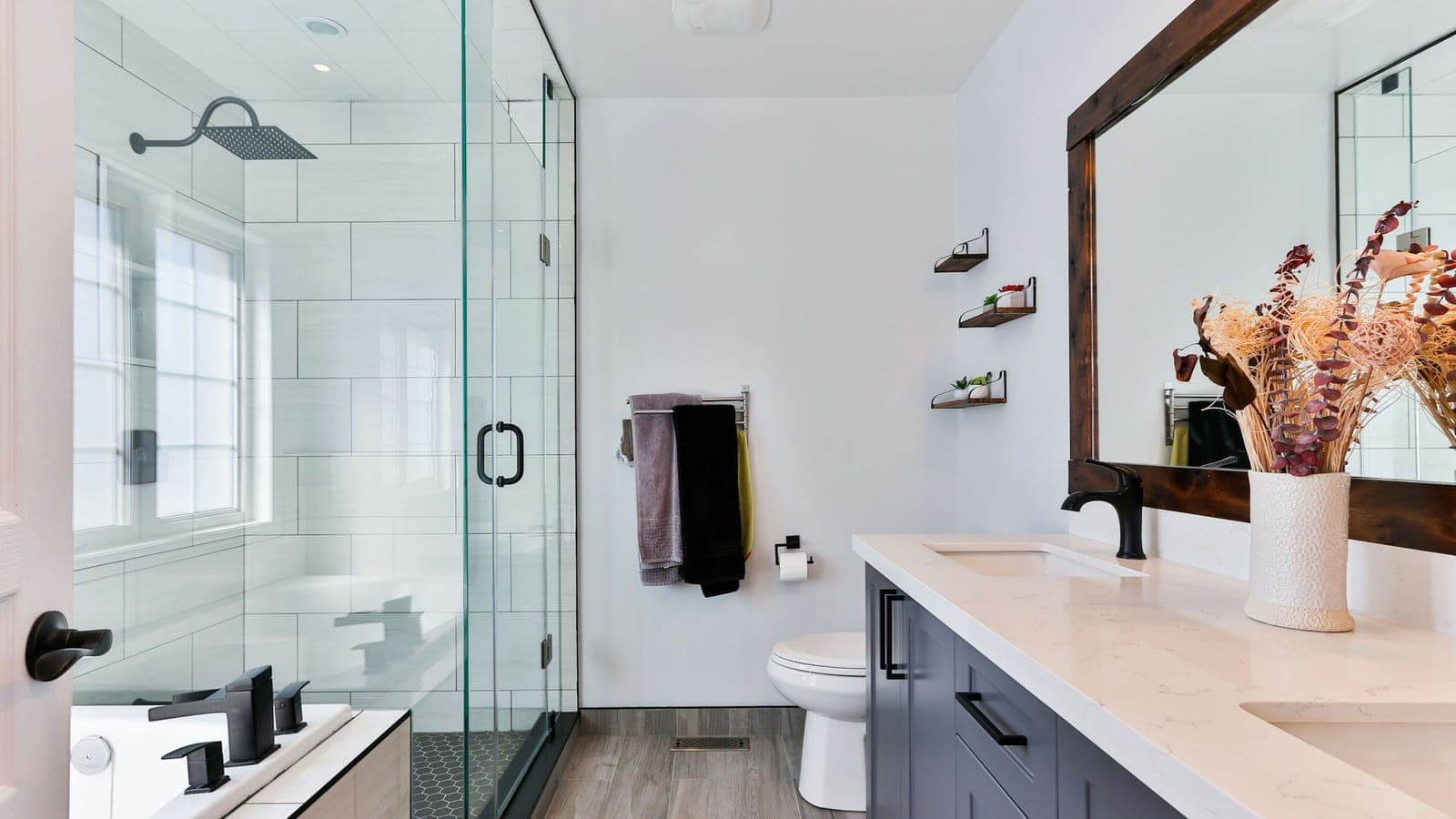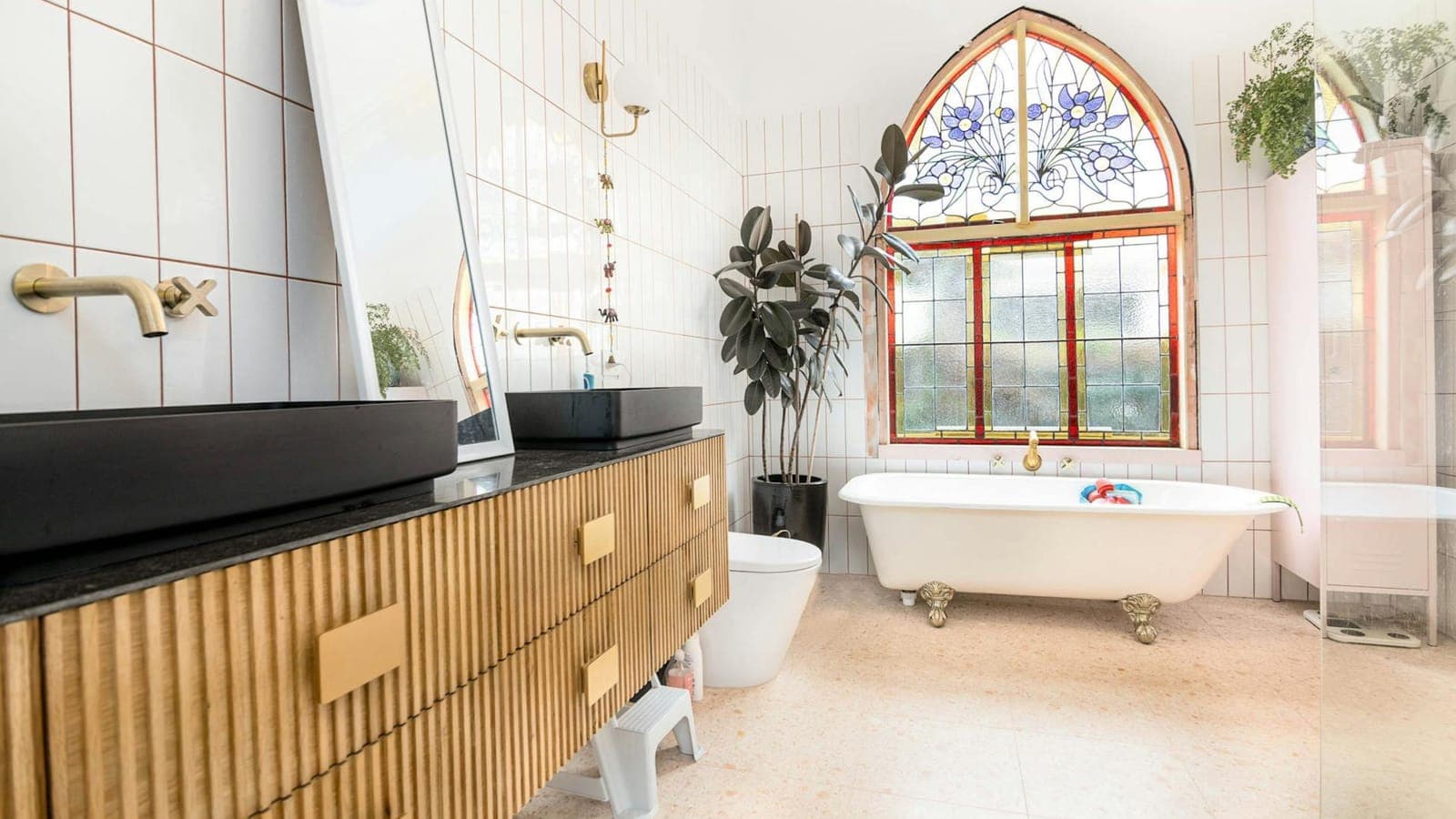
This guide covers the full evaluation process: defining your needs, inspecting the unit, vetting the landlord, reviewing the lease, and understanding your rights.
Step 1: Define Your Needs
Separate needs from preferences before you tour anything. Needs are features you won't compromise on, such as a maximum budget, a commute limit, pet policies, or a minimum number of bedrooms. Preferences are features that would improve your life but aren't deal-breakers.
Set a total monthly housing budget that includes rent, utilities, parking, insurance, and fees. Then list your top needs in order of importance. When two options compete, this ranking settles the decision quickly.
Step 2: Inspect the Unit Thoroughly
A showing is designed to make a unit look its best. Your job is to find what it's hiding. Bring a checklist and take your time.
Structural and Water Issues
Look for water stains on ceilings and walls, warped flooring, and soft spots near sinks, tubs, and toilets. Check under sinks for leaks or damage. Musty odors or visible mold suggest moisture problems that can affect health and belongings.
Systems and Appliances
Run every faucet and check water pressure and how quickly hot water arrives. Flush toilets. Test the stove, oven, refrigerator, dishwasher, and any in-unit laundry. Ask about the heating and cooling system and when it was last serviced. Flip light switches and test outlets with a phone charger.
Windows, Doors, and Security
Open and close every window and confirm the locks work. Check exterior doors for solid locks and deadbolts. Ask whether locks are changed between tenants. Look at building entry security, lighting in common areas, and package handling.
Safety Equipment
Confirm working smoke detectors and, where required, carbon monoxide detectors. Note the location of fire exits and extinguishers. Buildings constructed before 1978 may contain lead-based paint, and landlords are required by federal law to disclose known lead hazards before you sign.
Pests
Look inside cabinets and under appliances for droppings or signs of pests. Ask directly about pest history and treatment schedules.
Noise and Environment
Visit at different times of day if possible. Listen for street noise, neighbor noise, and building systems. Your bedroom's noise and light exposure will affect your sleep every night of the lease.
Step 3: Vet the Landlord or Management Company
A good unit with a bad landlord can still be a bad experience. Search online reviews for the property and management company, paying attention to patterns around maintenance responsiveness and deposit returns. If possible, talk to current tenants.
Ask practical questions: How are maintenance requests submitted? What's the typical response time? Who handles emergencies after hours? How are rent increases handled at renewal? Clear, specific answers are a good sign. Vague ones are not.
Step 4: Review the Lease Line by Line
The lease defines your obligations and rights. Read every page before signing, and pay special attention to these terms:
Rent, due date, and late fees: Know the grace period and penalties.
Security deposit: Amount, conditions for deductions, and return timeline.
Lease length and renewal terms: Whether the lease auto-renews and how much notice is required to leave.
Early termination: Penalties for breaking the lease.
Maintenance responsibilities: What you handle and what the landlord handles.
Rules on pets, guests, subletting, and alterations.
Additional fees: Amenity, parking, utility, and administrative charges.
If anything a leasing agent promised verbally isn't in the lease, ask for it in writing. Verbal promises are difficult to enforce.
Step 5: Document the Unit's Condition
Before moving in, complete a move-in inspection with the landlord if possible. Take dated photos and video of every room, including existing damage. Submit a written record and keep a copy. This documentation is your strongest protection when the security deposit is returned.
Understand Your Rights
Federal fair housing law prohibits discrimination in housing based on race, color, national origin, religion, sex, familial status, and disability. Most states also provide additional tenant protections covering habitability, security deposit limits, required notice before entry, and eviction procedures. These rules vary significantly by state and city, so check your local tenant rights resources before signing.
Common Mistakes
The most costly mistake is signing a lease without reading it. Another is skipping the inspection because the unit looks clean. Renters also frequently rely on verbal promises about repairs or upgrades that never happen. Finally, failing to document the unit's condition at move-in leaves you exposed to deductions for damage you didn't cause.
FAQ
What should I check during an apartment viewing?
Inspect for water damage, mold, pests, appliance function, water pressure, window and door security, safety equipment, and noise levels.
What should I look for in a lease?
Review rent terms, late fees, the security deposit, renewal and termination clauses, maintenance responsibilities, and additional fees.
How do I know if a landlord is reliable?
Check reviews, talk to current tenants, and ask specific questions about maintenance procedures and response times.
How can I protect my security deposit?
Document the unit's condition with dated photos and a written move-in report, and keep copies for your records.
The Bottom Line
The right apartment is the one that meets your needs and protects you legally and financially. Define your priorities, inspect every detail, vet the landlord, and read the lease line by line before signing. Document the unit's condition and know your rights. A disciplined selection process takes a little more time upfront and saves you a year of avoidable problems.
This article is for general informational purposes only and is not legal advice. Tenant rights and lease rules vary by state and city. Consider consulting a local tenant rights organization or attorney for questions about a specific lease.
📚 Sources
U.S. Department of Housing and Urban Development – Housing Discrimination Under the Fair Housing Act: https://www.hud.gov/program_offices/fair_housing_equal_opp/fair_housing_act_overview
U.S. Department of Housing and Urban Development – Tenant Rights, Laws and Protections: https://www.hud.gov/topics/rental_assistance/tenantrights
U.S. Environmental Protection Agency – Real Estate Disclosures About Potential Lead Hazards: https://www.epa.gov/lead/real-estate-disclosures-about-potential-lead-hazards
U.S. Environmental Protection Agency – Mold Course Chapter 1: https://www.epa.gov/mold/mold-course-chapter-1