Read the 2026 Rental Market
Supply, Demand, and Your Leverage
Rental prices are driven primarily by local supply and demand. In many metro areas, a wave of new apartment construction completed in recent years slowed rent growth and made move-in concessions more common, especially in newer buildings. Other markets with little new construction remain tight. National headlines about rent trends can be misleading – what matters is what's happening in the neighborhoods you're considering.
Check recent listing prices for comparable units, how long apartments are staying on the market, and whether landlords are advertising concessions. Higher vacancy and more specials mean more negotiating leverage for you.
The Ownership Effect
Mortgage rates well above the lows of a few years ago have kept many would-be buyers renting longer, which supports rental demand, particularly for larger units suited to couples and families. If you're weighing renting against buying, compare the full monthly cost of each, including taxes, insurance, maintenance, and opportunity cost, rather than rent versus a mortgage payment alone.
Remote Work and Where People Live
Remote and hybrid work continue to influence location choices. Some renters have traded central neighborhoods for suburbs or smaller cities offering more space for less money. If your job allows it, widening your search geographically can be one of the most effective ways to stretch your budget.
Define "Comfortable" and "Modern" Before You Search
What Comfort Really Means
Comfort comes from fundamentals: enough space for your belongings and routines, abundant natural light, a quiet environment, reliable heating and cooling, and a layout that makes the space easy to live in. These features affect your daily experience far more than finishes or decor.
What Modern Really Means
"Modern" can mean anything from quartz countertops to keyless entry. Focus on the modern features that improve daily life or reduce costs: energy-efficient appliances and windows, in-unit laundry, updated plumbing and electrical systems with enough outlets, reliable high-speed internet infrastructure, and secure package delivery. Smart locks, thermostats, and building apps can add convenience, but they're less important than solid basics.
Prioritize Ruthlessly
On a budget, you'll likely have to trade one feature for another. You might choose a renovated kitchen over a building gym, or accept an older building with more space and dated finishes instead of a smaller, newer unit. Many modern touches – smart plugs, better lighting, or storage systems – can be added inexpensively later. Space, light, and location can't.
Build a Budget That Holds Up
Use the Right Rule of Thumb
The traditional guideline is to keep rent at or below 30% of your gross monthly income. In high-cost cities, many renters exceed that, so it helps to look at your whole budget. The 50/30/20 framework allocates roughly 50% of take-home pay to needs, including housing, 30% to wants, and 20% to savings and debt payoff. If rent pushes your needs well above half your take-home pay, the apartment will likely squeeze savings and leave little margin for surprises.
Count Every Monthly Cost
Your true housing cost includes rent plus utilities, internet, parking, renters insurance, pet rent, and any amenity, trash, or technology fees. Some buildings bundle these into mandatory monthly charges, so ask for the total monthly cost in writing before applying. Some states and cities have begun restricting certain rental fees, so check local rules if a fee seems excessive.
Plan for Upfront Costs
Expect application fees, a security deposit, and the first month's rent, and possibly last month's rent, pet deposits, or move-in fees. Many states limit the size of security deposits, and some have recently tightened those caps. Add moving expenses – movers or truck rental, supplies, and time off work – and build a savings target before you start your search.
Search Smarter With Today's Tools
Go Beyond the Big Platforms
Major listing sites are a strong starting point, but they don't show everything. Check local listing sites, property management company websites, neighborhood social media groups, and university or employer housing boards. Small landlords often advertise locally and may offer better value than large complexes.
Use AI Recommendations Wisely
Many listing platforms now use AI to recommend apartments based on your filters and browsing behavior. Detailed filters for budget, location, and must-have features improve these recommendations, but don't let algorithms narrow your search too early. Review listings manually and expand filters periodically. Treat any automated rent forecasts or neighborhood scores as rough guides rather than reliable predictions.
Get the Most From Virtual Tours
Virtual tours and 3D walkthroughs make it easy to screen apartments before visiting. Use them to evaluate layout, ceiling height, window placement, natural light, and the condition of appliances and finishes. If a live video tour is available, ask the agent to open cabinets, run water, show the view from each window, and walk you through the hallway, laundry area, and building entrance.
Virtual tours have limits. They can't convey noise, odors, temperature, or the feel of the neighborhood. Whenever possible, see the apartment in person before signing.
Watch for Digital-Era Scams
Rental scammers copy real listings, use stolen or AI-generated photos, and pressure renters to pay before seeing a unit. Warning signs include rent far below market, a landlord who can't show the property in person, urgency to send a deposit, and requests for payment by wire transfer, gift cards, payment apps, or cryptocurrency. Verify ownership through local property records or a reputable management company, and never pay until you've seen the unit and reviewed a written lease.
Research the Neighborhood Thoroughly
Check your actual commute by car, transit, bike, or on foot at the times you'd travel. Look at access to groceries, parks, gyms, healthcare, and other essentials, and review local safety data. Then visit in person at different times of day. Online data is helpful, but walking the area tells you more.
Time Your Search
Demand typically peaks from late spring through summer. Searching in fall or winter can mean less competition, more negotiating power, and better chances of finding concessions. Some landlords also offer incentives for mid-month move-ins or when units have been vacant for a while.
Get Modern Features Without Paying a Premium
Focus on Infrastructure, Not Gadgets
Reliable internet and modern electrical systems matter more than built-in smart devices. Many smart-home features can be added cheaply with renter-friendly products. If a unit includes smart locks, cameras, or building apps, ask what data is collected and who can access it.
Prioritize Functional Updates
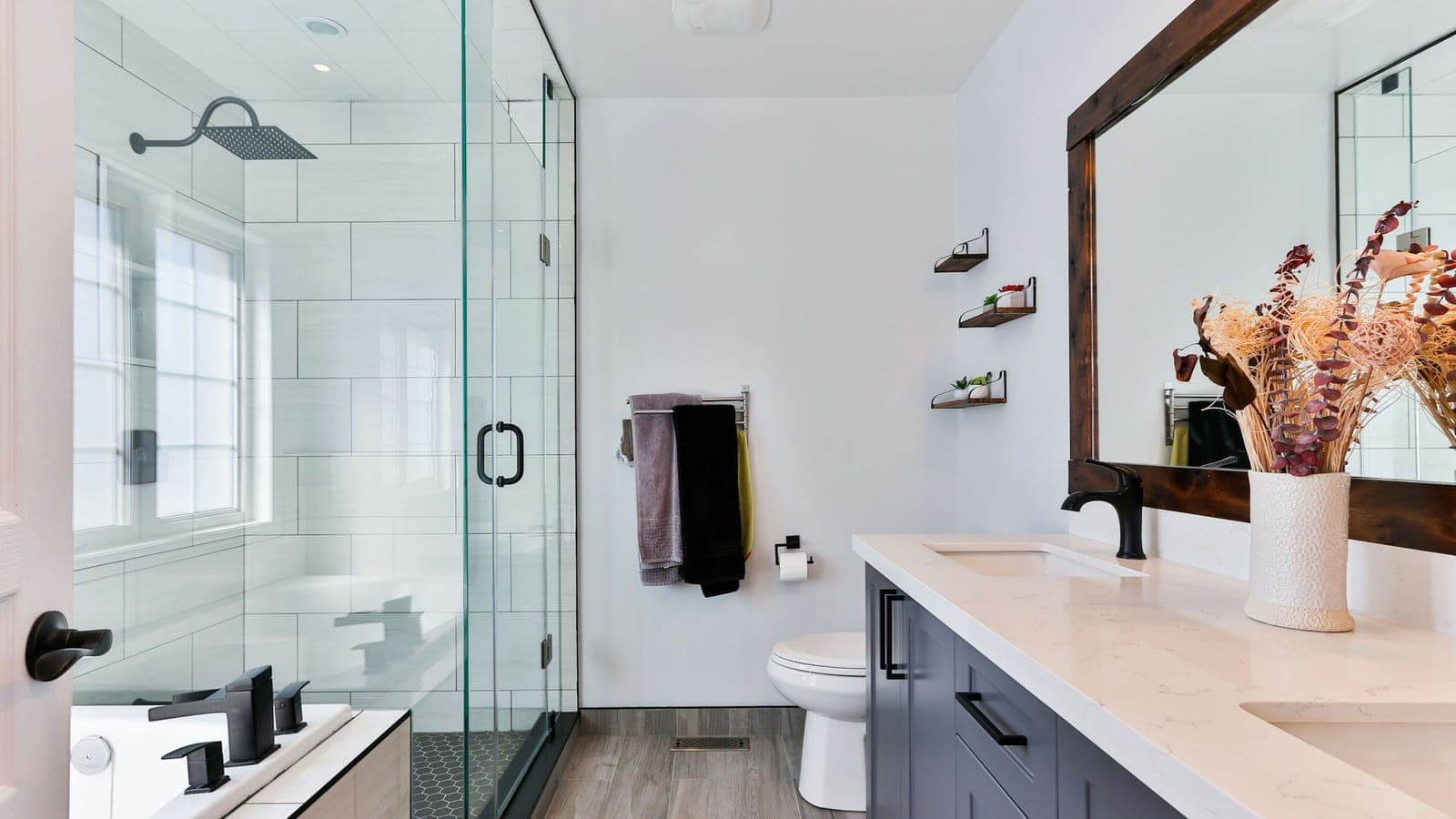
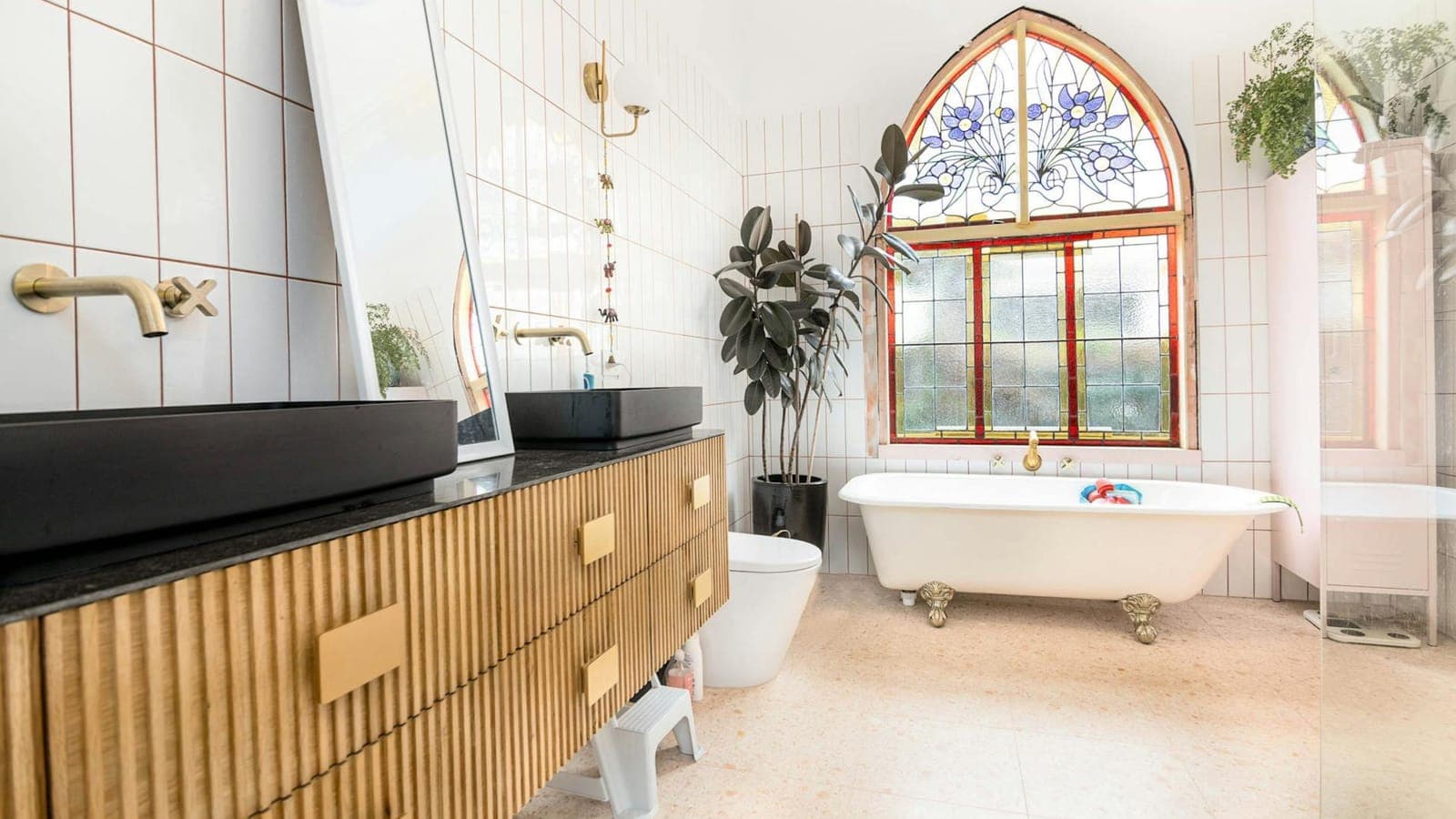
In kitchens, efficient, working appliances matter more than designer finishes. In bathrooms, good water pressure, proper ventilation, and well-maintained fixtures matter more than premium tile. Clean and well-kept often beats brand-new.
Pay Attention to Energy Efficiency
Better insulation, efficient windows, modern HVAC systems, and ENERGY STAR appliances can meaningfully lower utility bills. Ask about average utility costs for the unit so you can compare total monthly costs between apartments with similar rents.
Separate Essential Amenities From Luxuries
Pools, rooftop decks, and resident lounges look great in photos, but they're built into the rent. Prioritize amenities you'll use regularly, such as in-unit or on-site laundry, secure package rooms, parking, bike storage, and responsive maintenance.
Win the Application and Negotiate Well
Prepare a Strong Application
Have identification, recent pay stubs or bank statements, employment information, rental history, and references ready. Many landlords require income of around two and a half to three times the monthly rent and run credit and background checks. A complete, organized application can help you secure a unit in a competitive market.
Ask About Incentives
Ask whether the property offers move-in specials such as a free month, reduced deposits, or waived fees. Compare offers using the effective monthly rent over the full lease, and make sure any concession is written into the lease.
Choose the Right Lease Length
Longer leases may come with lower monthly rent, while shorter leases provide flexibility but often cost more. Ask how rent increases are handled at renewal.
Know Your Rent Protections
Some states and cities have rent control, rent stabilization, or statewide caps on annual rent increases, including places such as California, Oregon, and New York City. Rules vary widely and often apply only to certain buildings, so check what protections apply to the unit you're considering.
Inspect Before You Commit
Look beyond surface finishes. Check for signs of pests, mold, water stains, and leaks, especially in bathrooms, kitchens, and under sinks. Test faucets, toilets, appliances, outlets, locks, windows, heating, and air conditioning. Note noise levels, cell reception, and the condition of common areas, which often reflects how well the building is managed.
Before moving in, document the unit's condition with dated photos and video and complete the landlord's move-in checklist in detail. Keep copies for yourself. This record can protect your security deposit when you move out.
Consider Alternative Housing Options
Roommates and Co-Living
Sharing an apartment can dramatically reduce costs. Co-living buildings offer private bedrooms with shared kitchens and lounges, often furnished and with utilities included, which can simplify budgeting and help newcomers build a social network. Compare total costs carefully, since per-room pricing can be higher than splitting a traditional apartment.
Accessory Dwelling Units
Accessory dwelling units (ADUs), such as backyard cottages, garage apartments, and basement units, are becoming more common as many states and cities ease zoning rules. They can offer more privacy than a large complex and sometimes lower rent, though they may lack amenities and on-site management. Confirm the unit is legally permitted.
Rent-by-the-Room and Sublets
Renting a single room in a shared home can be an affordable option for individuals. Sublets can offer flexibility while you explore a new city or neighborhood. Make sure any sublet is approved by the landlord in writing.
Common Mistakes to Avoid
Common mistakes include relying solely on AI recommendations, renting sight unseen, overlooking mandatory monthly fees, paying for amenities you won't use, prioritizing cosmetic upgrades over space and light, and failing to check local rent protections.
Disclaimer: This article is for informational purposes only and does not constitute financial or legal advice. Rental markets, costs, fees, deposit limits, and tenant protections vary by state and city and can change. Review your lease carefully and consult a local tenant rights organization or attorney for questions about your situation. No particular savings or outcome is guaranteed.
FAQ
Is 30% of income still a realistic rent budget?
It remains a useful guideline, but many renters in expensive cities exceed it. Evaluate your full budget, including savings and debt payments.
Are virtual apartment tours reliable?
They're useful for screening but can't show noise, smells, or neighborhood conditions. See the unit in person before signing whenever possible.
How can I tell if a rental listing is a scam?
Watch for below-market rent, a landlord who won't show the unit, pressure to pay quickly, and requests for wire transfers, gift cards, or cryptocurrency.
What is co-living?
Co-living offers private bedrooms with shared common spaces, often furnished and with utilities included.
Do all cities have rent control?
No. Rent control and rent caps exist only in certain states and cities and often apply only to specific types of buildings.
The Bottom Line
Finding modern, comfortable housing on a budget in 2026 starts with understanding your local market, defining what truly matters to you, and counting every cost. Use virtual tours and AI tools to search efficiently, but verify everything in person and in writing. Prioritize space, light, and functional updates over flashy amenities, and consider alternatives like roommates, co-living, or ADUs when they offer better value. A disciplined search will get you a home that fits both your life and your budget.
📚 Sources
Consumer Financial Protection Bureau – Renting: https://www.consumerfinance.gov/renting/
Federal Trade Commission – Rental Listing Scams: https://consumer.ftc.gov/articles/rental-listing-scams
U.S. Department of Housing and Urban Development – Fair Housing Rights: https://www.hud.gov/program_offices/fair_housing_equal_opp
ENERGY STAR – Products: https://www.energystar.gov/products
Harvard Joint Center for Housing Studies – America's Rental Housing: https://www.jchs.harvard.edu/americas-rental-housing