
The Mechanism
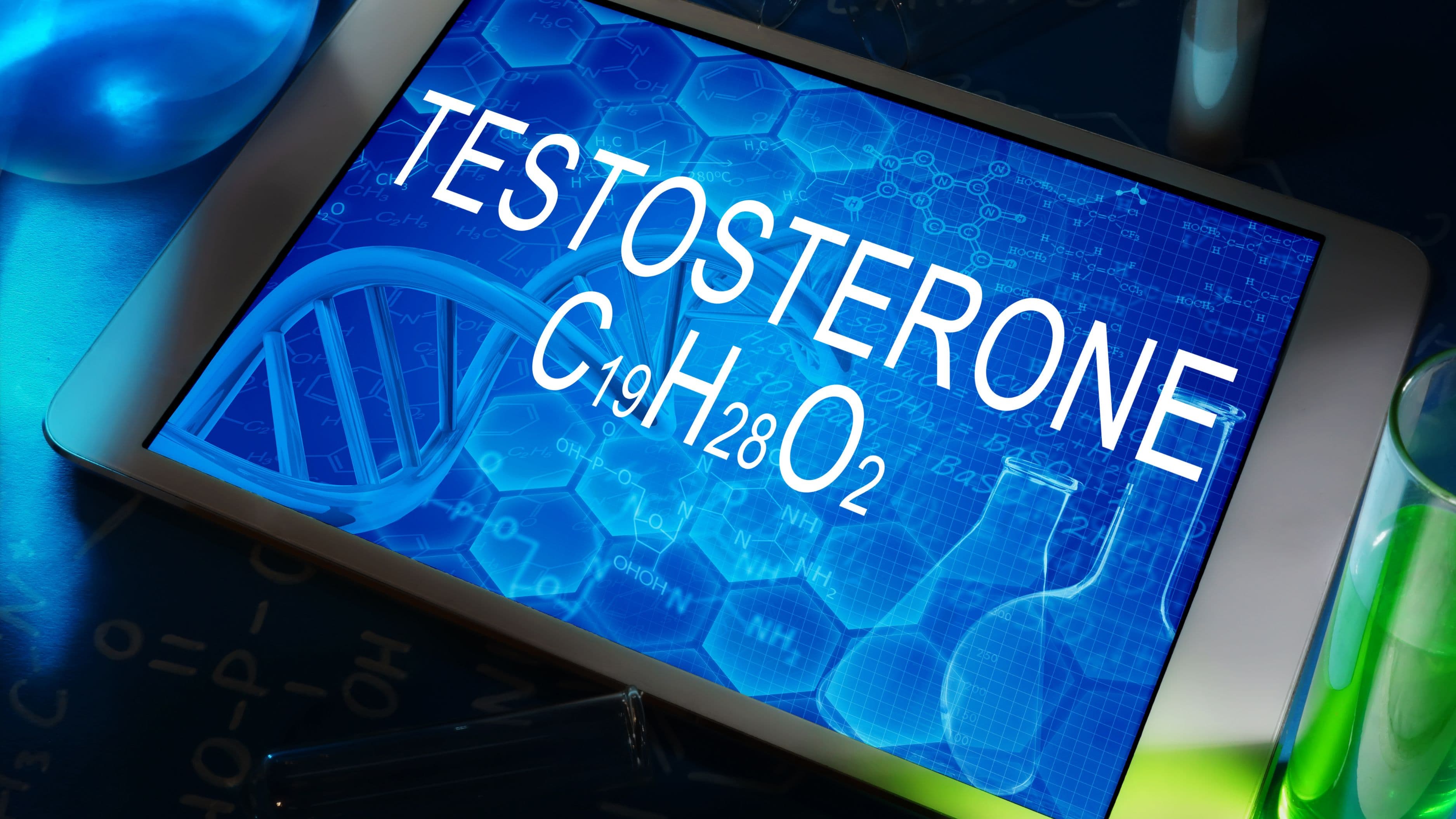
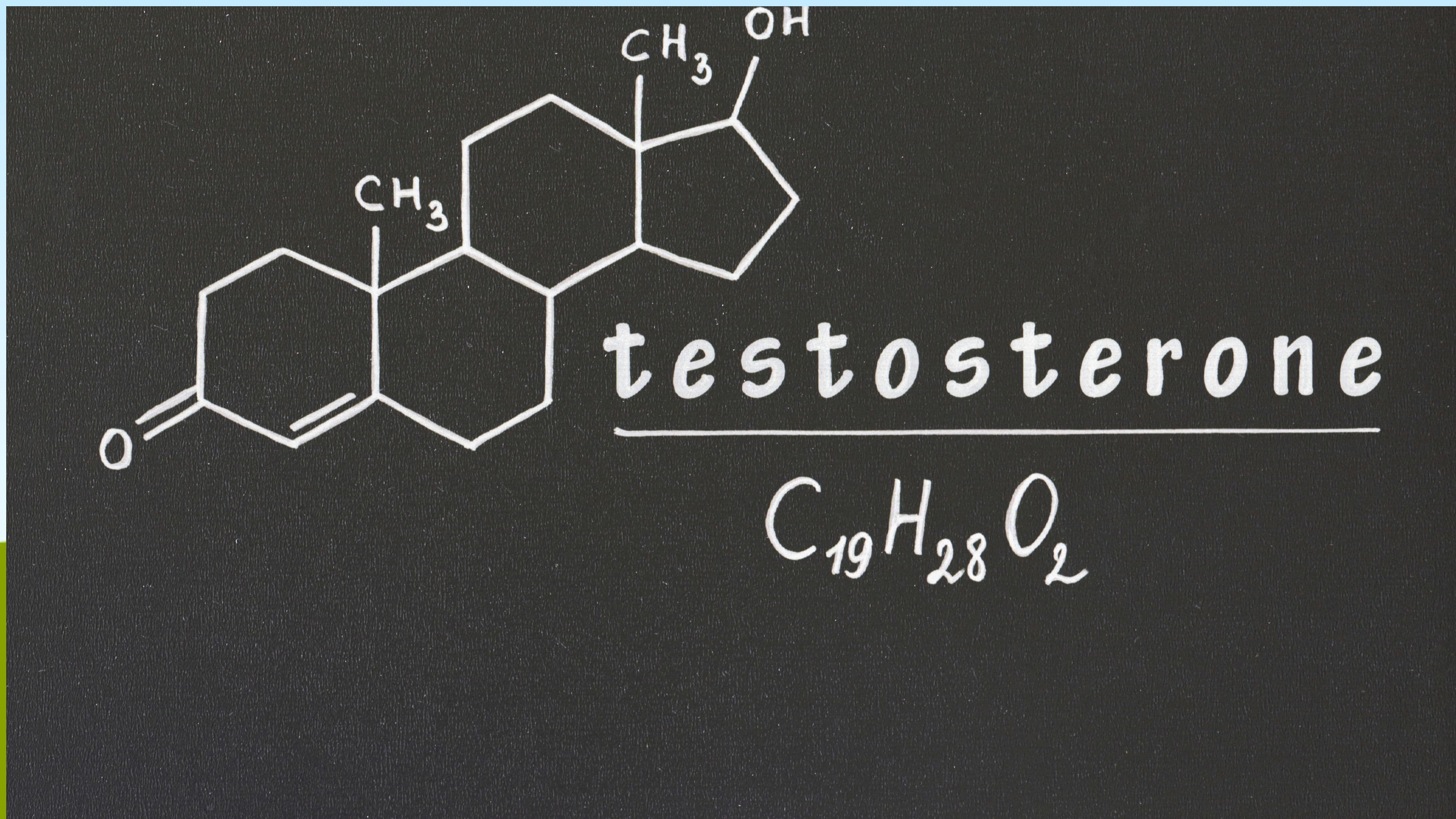
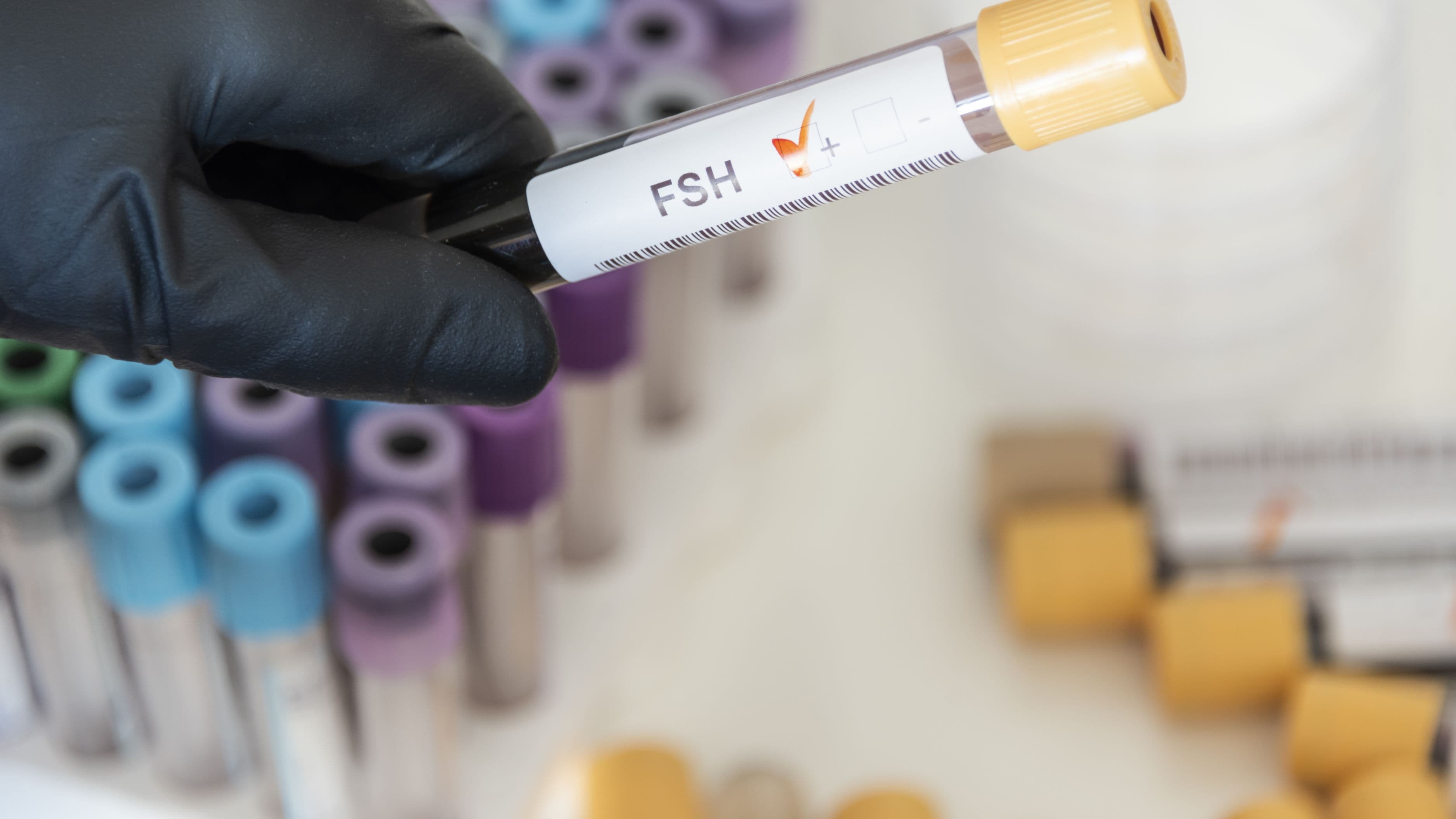
The HPG axis is a feedback loop: the hypothalamus releases gonadotropin-releasing hormone (GnRH), which signals the pituitary to release luteinizing hormone (LH) and follicle-stimulating hormone (FSH), which in turn signal the testes to produce testosterone. Chronic alcohol exposure disrupts this chain at multiple points simultaneously, not just one.
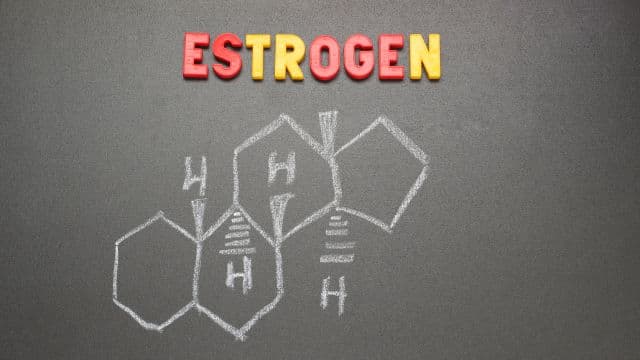
At the hypothalamic level, sustained alcohol intake suppresses GnRH pulsatility, meaning the signal that starts the entire hormonal cascade becomes weaker and less frequent. At the testicular level, alcohol has a direct toxic effect on Leydig cells, the cells responsible for testosterone production, impairing their function independent of what's happening upstream in the brain. Chronic use also increases the conversion of testosterone to estrogen via upregulated aromatase activity, particularly in men carrying more body fat, which compounds the problem by shifting the hormonal ratio further in the wrong direction.
The liver plays a role too. Chronic alcohol use impairs the liver's ability to clear excess estrogen from circulation, meaning even a modest increase in estrogen production from increased aromatization can linger longer than it otherwise would, further suppressing the negative feedback signal that would normally prompt the body to produce more testosterone.
What the Evidence Shows
Research consistently shows a dose-dependent relationship between chronic alcohol consumption and testosterone suppression. Studies on men with sustained heavy drinking patterns show significant reductions in total testosterone alongside elevated LH in some cases, a pattern that points to the testes themselves failing to respond adequately to hormonal signaling, known as primary testicular dysfunction, rather than a purely central suppression issue.
Moderate drinking research is more mixed. Some studies show minimal impact on baseline testosterone from what's generally classified as moderate intake (up to roughly 1-2 standard drinks daily), while chronic heavy use – generally defined in research as consistently exceeding 3-4 standard drinks daily over extended periods – shows a much clearer and more consistent suppressive effect. The picture that emerges from the research is one of dose and duration mattering more than any single drinking occasion.
Alcohol-related liver disease represents the far end of this spectrum, where men with clinically significant liver damage from chronic alcohol use show dramatically reduced testosterone alongside elevated estrogen, a hormonal profile that's difficult to reverse without addressing the underlying liver dysfunction first.
Practical Protocol
If hormone optimization is a genuine priority, reducing consistent daily or near-daily alcohol intake is one of the higher-leverage changes available, more impactful for most men than any individual supplement protocol. The research suggests the suppressive effect on the HPG axis is generally reversible in men without established liver damage, with hormonal markers improving over a period of weeks to a few months following sustained reduction or cessation.
Practically, that means shifting away from daily drinking patterns toward more occasional, lower-quantity intake, if abstaining entirely isn't the goal. Tracking actual weekly intake honestly, rather than relying on a general sense of "I don't drink that much," is a useful first step, since chronic low-grade daily drinking is often underestimated by the people doing it.
For men who've had bloodwork done showing suppressed testosterone alongside regular, sustained alcohol intake, retesting hormone panels after several weeks of significantly reduced intake gives a genuine, individualized read on how much of the suppression was reversible.
Expected Results and Timeline
Men who reduce chronic heavy intake typically see measurable improvement in testosterone markers within 4-8 weeks, assuming no established liver damage is present. Full normalization can take longer, particularly in men who've been drinking heavily for years, and some degree of testicular or liver impairment from prolonged heavy use may not fully reverse even with cessation.
Risks and Mistakes to Avoid
Don't assume moderate, occasional drinking is the same risk category as chronic daily intake – the research draws a clear distinction, and treating every drink as equally harmful isn't supported by the evidence. The concern here is specifically sustained, heavy, regular use, not an occasional drink with dinner.
Be cautious of framing this purely as a testosterone-optimization issue if your drinking pattern reflects something more significant. Consistently drinking heavily enough to measurably suppress hormone function is itself worth discussing honestly with a physician, independent of any hormonal goals, since chronic heavy alcohol use carries broader health risks beyond the endocrine system.
FAQ
How much alcohol actually suppresses testosterone? Research points to a clear dose-response relationship, with chronic intake exceeding roughly 3-4 standard drinks daily showing the most consistent suppressive effect, while occasional or lighter moderate drinking shows a much weaker or inconsistent association.
Is testosterone suppression from alcohol reversible? In men without established liver damage, yes, largely reversible within weeks to months of sustained reduction. Men with alcohol-related liver disease may see more limited or slower reversal.
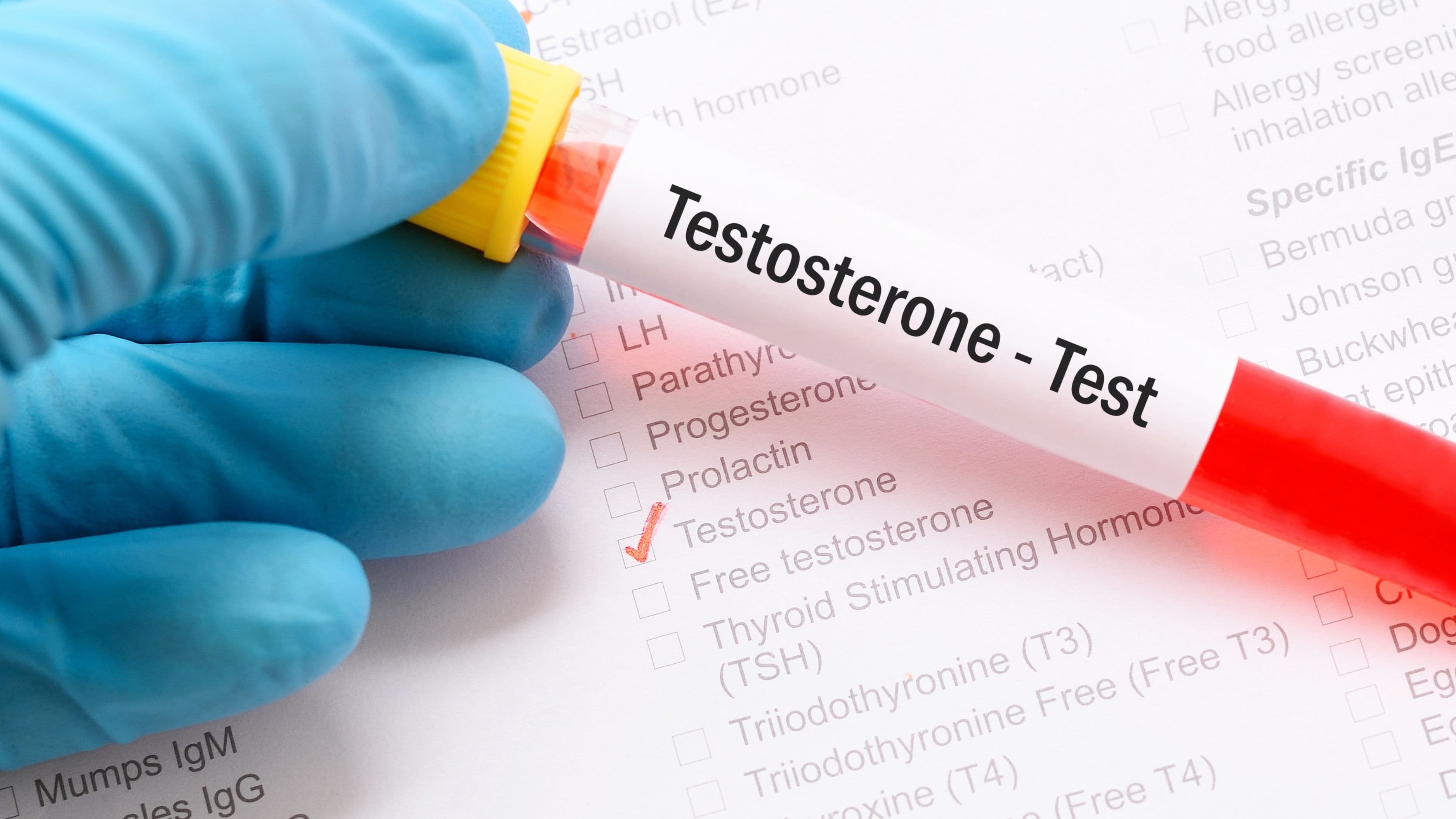
Should I get bloodwork done if I drink regularly and have low energy or libido? Yes, and this is worth discussing directly with a physician, who can order a full hormone panel and assess whether alcohol intake, liver function, or another factor is driving the symptoms you're noticing.
📚 Sources
Emanuele MA, Emanuele NV. "Alcohol and the Male Reproductive System." Alcohol Research & Health, National Institute on Alcohol Abuse and Alcoholism – https://pubs.niaaa.nih.gov/publications/arh25-4/282-287.htm
Van Thiel DH, et al. "Alcohol and its effect on hypothalamic-pituitary-gonadal function." Metabolism – https://pubmed.ncbi.nlm.nih.gov/6353207/
NIAAA – Alcohol's Effects on the Body – https://www.niaaa.nih.gov/alcohols-effects-health/alcohols-effects-body